Community Member Monday: Nige Verity

Today we’re talking to Nige Verity who’s helping out in the LibreOffice marketing community…

Tell us a bit about yourself!

I’ve been working in IT since the mid 1980s, spread across the aerospace, defence, science and financial services sectors. In the beginning I was mostly coding and testing, but as time went by I found myself working on requirements, designing systems and documenting them as much as doing any actual coding.

I first learned to program using Fortran on a VAX computer running the VMS operating system. Since then I’ve used all sorts of hardware and programming languages, even including a brief spell updating an ancient legacy system written in Algol running on an Elliott computer of late 1960’s vintage, for which the program was loaded from paper tape. This was an experience that gave me enormous respect for the programmers of the past for whom that was hi-tech.

Having worked on some extremely complex systems over the years I have come to value simplicity. When I am developing software for my own use my tool of choice these days is Gambas – an amazing but surprisingly little-known IDE, best described as “Visual Basic for Linux”, only Gambas is far superior to VB and leaves Python for dead in terms of productivity and performance.

Away from IT I am a musician – playing flamenco and blues guitar, and also the piano. In parallel with IT I’ve worked on the fringes of the art world, helping to organise four large-scale public art shows in recent years.

Although originally from London, I am blessed to live in rural South Shropshire, surrounded by farmland and arguably the most beautiful scenery the UK has to offer.

How did you become a LibreOffice enthusiast?

I started using GNU/Linux after years of frustration with the limitations and failings of Windows. My first distro was Xubuntu 8.10 which came with OpenOffice.org as its office software package. Until then I’d never heard of it, but it didn’t take long to discover that it had all the functionality that I’d ever used in MS Office, and a lot more besides.

When LibreOffice was launched as a fork of OO.org I jumped ship to it and have never looked back. I never cease to be astonished at how powerful and stable it has become. In my ideal world I would see Base become much more closely aligned with MS Access, in the way that the other components are close analogs for their MS Office counterparts. At the moment, any organisation with a sizeable investment in the use of Access is really not likely to migrate to LibreOffice.

What are you doing in the LibreOffice project at the moment?

Compared with most contributors I am a total lightweight. While my initial inclination was to get involved with developing the software itself, I felt daunted by the likely learning curve, given the size of the codebase, so it would be a long time before I could become really useful. I decided I might be more effective in helping to spread the word about LibreOffice.

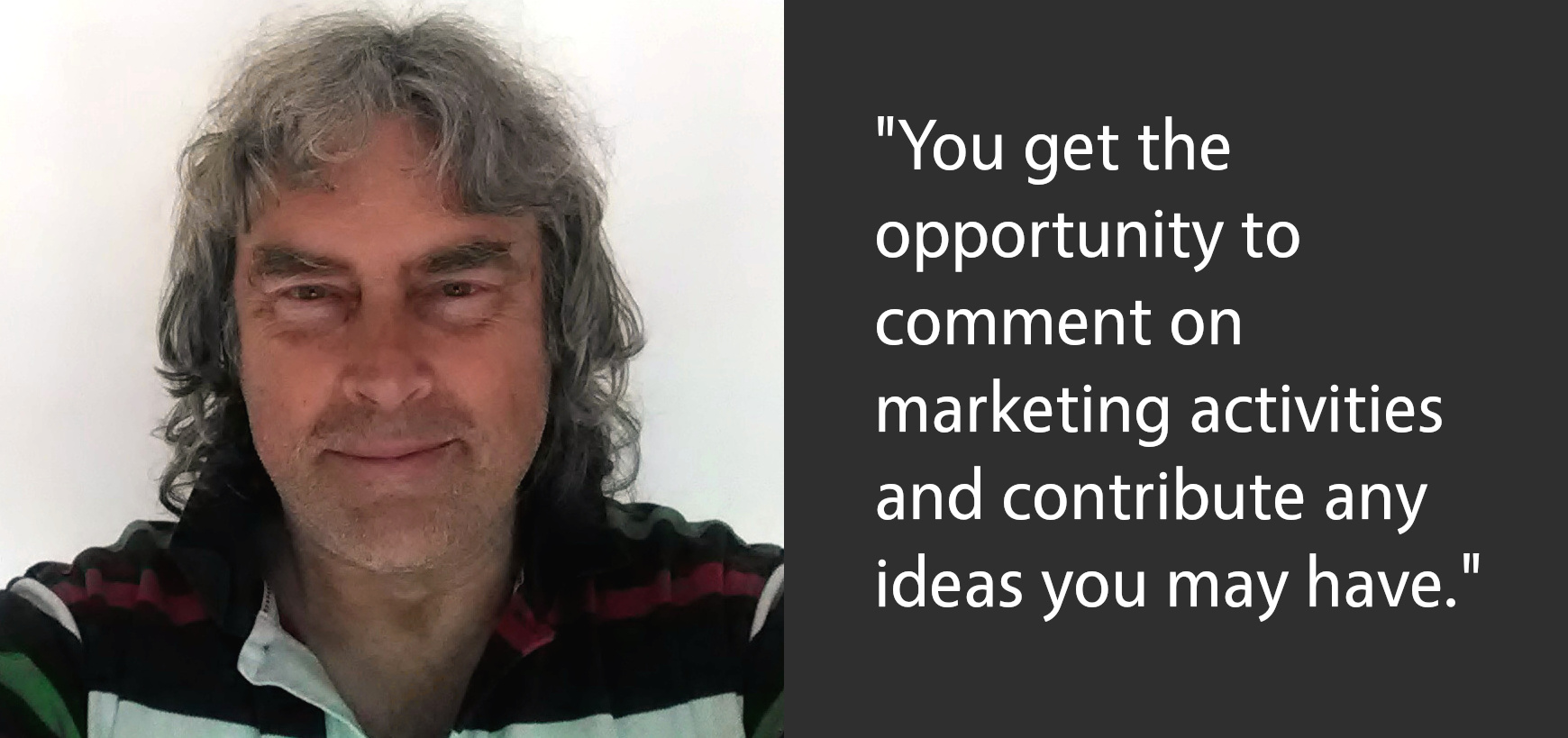
I got myself added to the marketing mailing list and this has proven to be a great way to get involved. You get an inside view of the project and initiatives to expand the userbase. Crucially you get the opportunity to comment on these marketing activities and contribute any ideas you may have.

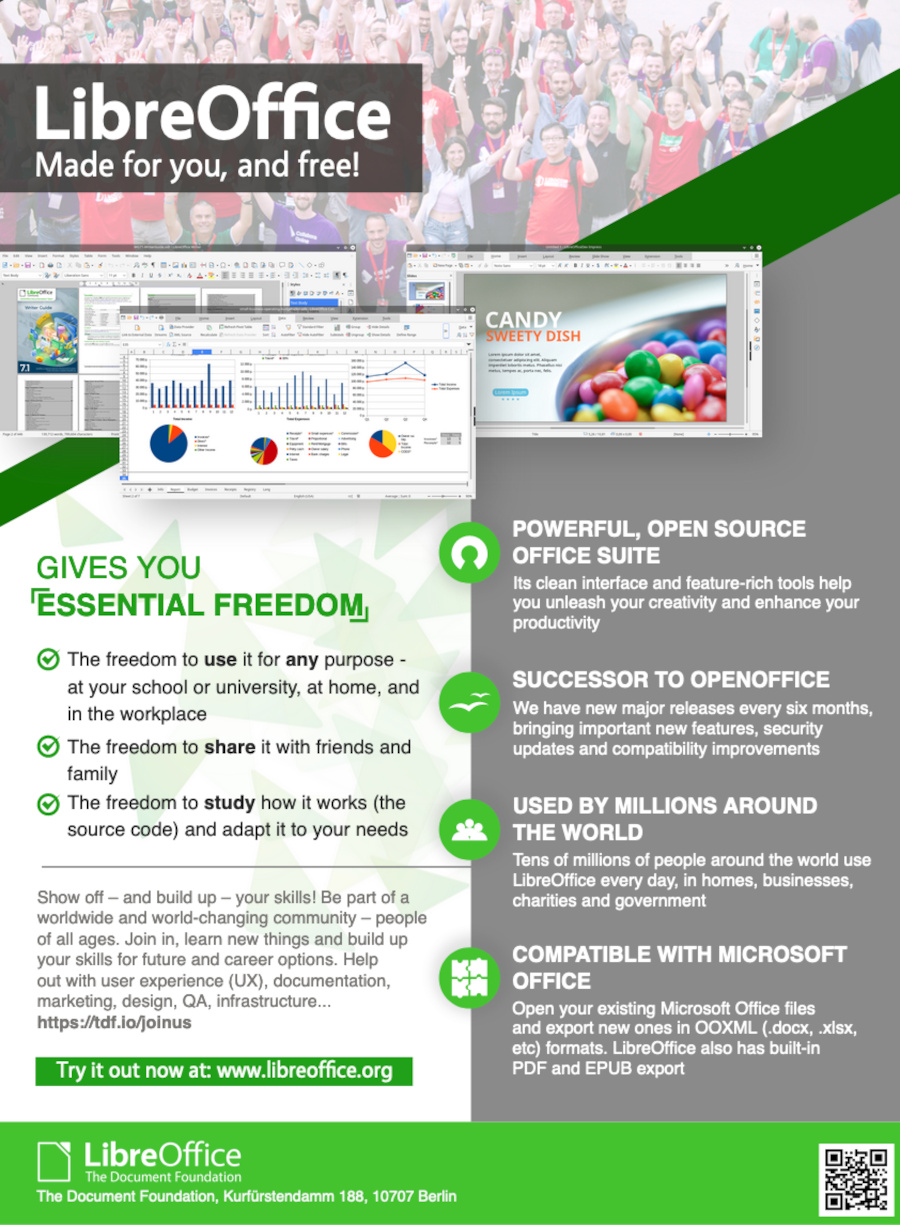
Recently I have been distributing flyers promoting LO around secondary schools and colleges of Further Education in my area, along with the local university campus. My car has a LibreOffice banner displayed in the windscreen. Every email I send includes a promotion for LibreOffice in the signature section. These are minor activities in the scheme of things, but as I see it if every LO user successfully encourages just one other person to try it some of those new users will inevitably be decision makers, in a position to bring many others on board. “From little acorns….” and all that.
By putting myself forward as a LibreOffice point of contact I hope I will be able to help get some prospective new users “across the line”, by helping to resolve any questions or reservations which may be holding them back.

What are some of the challenges/opportunities with promoting LO and free software?

I feel the greatest challenge to the adoption of LibreOffice is simple resistance to change. In organisations where MS Office is already deeply entrenched, and possibly the only software many of their staff ever use at work, migrating from a tool they know very well to another which they may barely have heard of is a big ask. The bigger the organisation, the greater the task of migration is perceived to be. We have to persuade organisations that it is worth the effort.

A great opportunity where the UK is concerned is its highly dynamic business environment, which probably generates more startup companies than any other country in Europe. Some of these are highly professional, well-funded affairs but most involve only one or two people initially, seeking to create a business based on their skills and talents. With the bare minimum of funding and very little in their budget for software, this is where LibreOffice has great potential, if only ways can be found to reach people still in the planning stage of a new enterprise. This has the added advantage that if a startup includes LibreOffice in its workflows from day one, and that new business becomes a success, it is likely to stay with LO as it grows, thereby furthering its adoption.
In my experience of advocating the use of free software, people usually “get” the advantages of open source. They are not difficult to explain. The additional advantages of free software, however, are a much harder sell. If you are not involved in software development they really don’t seem that relevant. Does that really matter, though, as long as the applications people use are indeed free and open source? Does it really matter if the motivation for choosing that free software is the concept of free as in “gratuit” rather than free as in “libre”?

At the level of day-to-day users I don’t think it does all that much, as long as their managers understand that somebody somewhere has paid for their “cost free” software to be developed, in terms of man hours of effort and/or hard cash, and that this can only continue if sufficient numbers of users express their appreciation in financial or other practical ways.

Thanks a lot to Nige for his time and contributions! Everyone is welcome to join our marketing project, mailing list and Telegram group. Let us know your ideas – and we can provide you with materials, to help spread the word!

LibreOffice extension to remove blank cells – Help to improve it!

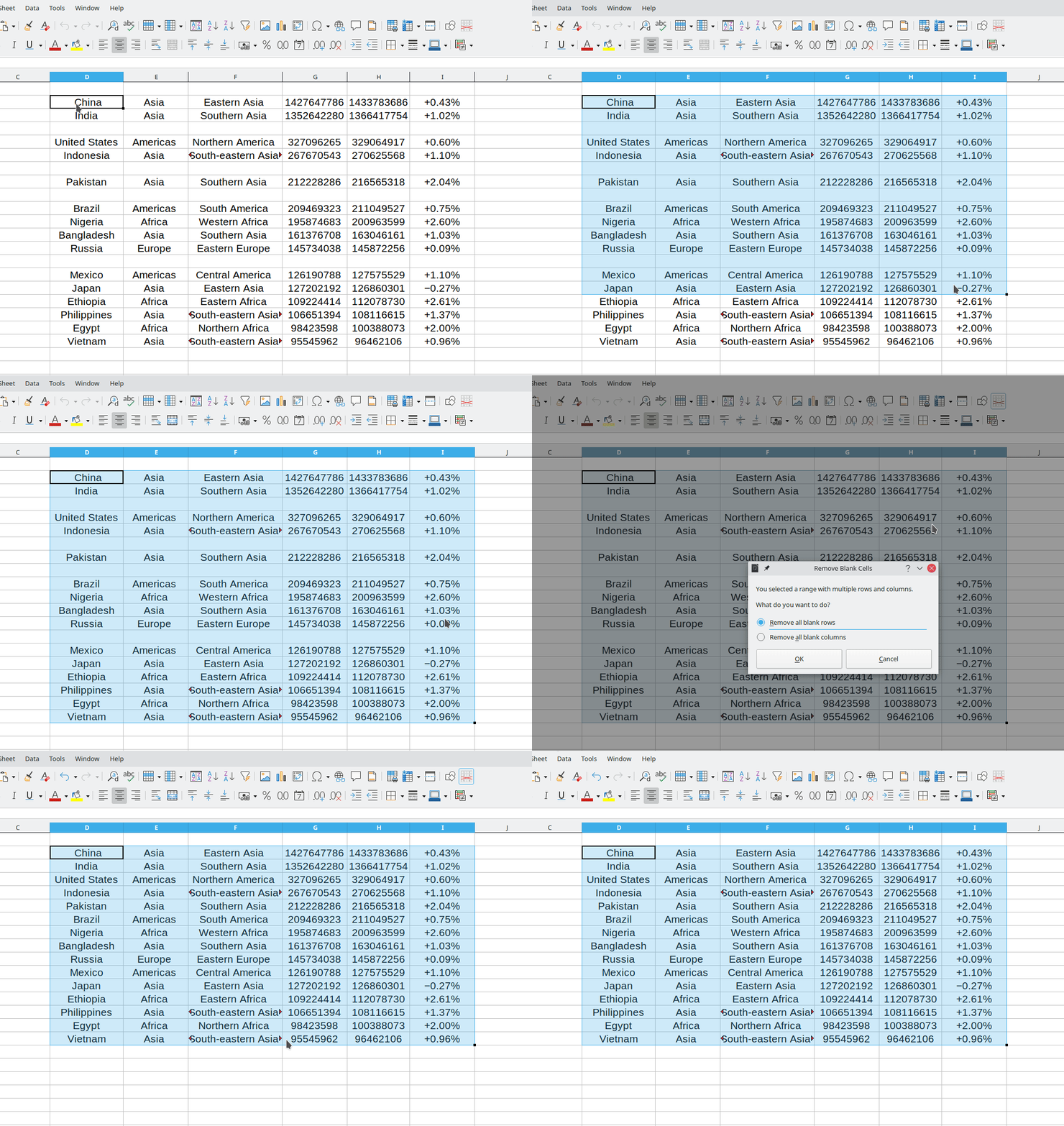
Rafael Lima from the Brazilian LibreOffice community is working on an extension to remove blank cells in LibreOffice Calc. It has four modes (single column, single row, blank rows and blank columns). Here’s a quick animation of it in action:

So far, the main functionality is there, but Rafael would like to improve it. We asked him for some more info…

What does the extension do?

The main purpose of this extension is to remove blank cells to easily compact data. For instance, suppose you have a table with data and then you delete the contents of some rows. The next thing you might want to do is remove these blank rows to compact your table. By using the Remove Blank Cells extension this can be done with a single click.

Currently the extension supports four modes to remove blank cells. The simplest one is when you select a single row or column, then the extension will detect the selection and compact the data removing all blank cells. However, if a matrix is selected, then a message will be displayed and you can choose if blank rows or blank columns are to be removed.

When did you start making it?

I started writing the extension in February this year and finished the first version in less than one month. Then I kept testing it and working on improvements and the final version was finished in July.

At first the extension focused on my use case, because in my work with data analysis I often have to remove blank rows and columns. However, after seeing many people asking about how to remove blank cells in LibreOffice, I decided to pack it and make it available for everyone since it might be useful for other people.

What are the current limitations of it?

The main limitation of the extension is when the user wants to process very large tables (with tens of thousands of rows), which might take some time to finish. In these cases a progress bar is shown so the user can keep track of the data processing.

Moreover, the extension still does not support translations, so the user interface is only available in English. I plan to support translations in the next release.

How can people help to improve it?

Because this is the first released version of the extension, I would appreciate having more people testing it and reporting issues on the extension’s GitHub page.

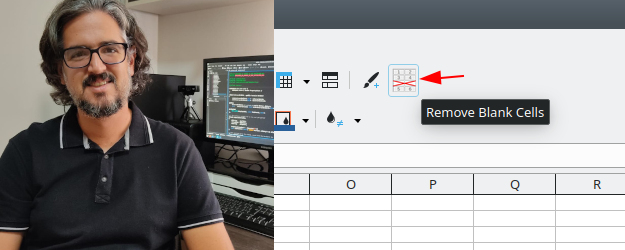
I would also like to invite the community to create a better icon for the extension, so that it would be more in line with the default icon theme in LibreOffice.

In the future I will also need some assistance with translating the extension’s strings.

So, everyone is welcome to try out the extension – and if you have some technical knowledge, jump in and help Rafael and the community to improve it! Check out the wiki for more information on extension development.

Community Member Monday: Hlompho Mota

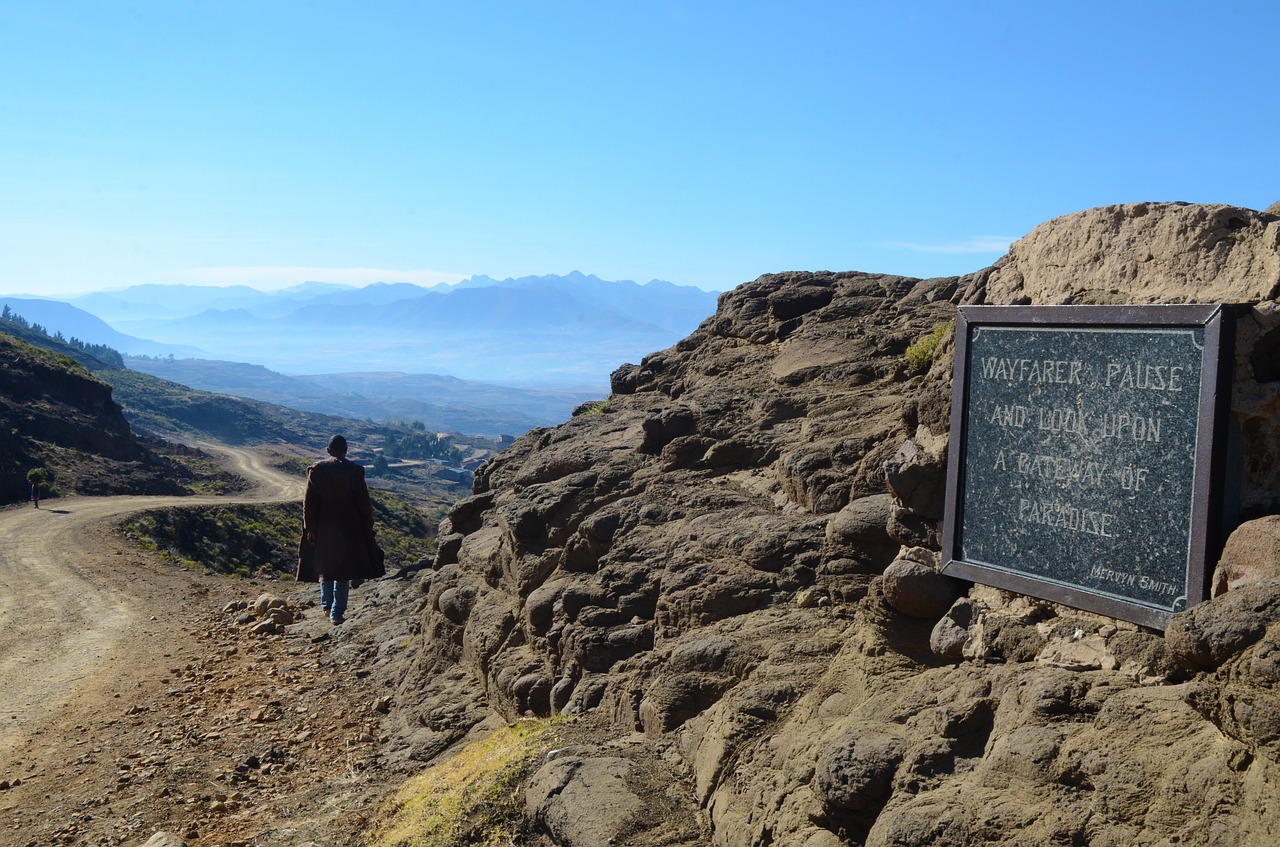
Today we’re talking to Hlompho Mota, who’s working on the Sesotho LibreOffice translation project in Lesotho…

Tell us a bit about yourself!

I am a native of Lesotho, and a dreamer and a person who aspires to make changes. Currently I’m working in a business that serves other businesses in Lesotho to get recognition in the market, and generally grow to become more self-reliant. Other than my business, I do try and dabble in technology and try to understand how it works – and get a sense on how it can be relevant in the area of life that I live in at this moment.

But besides that, I consider myself as lifelong learner and I hope that the learning will continue for the rest of my life. Currently, I’m a self-taught developer trying to participate in as many open-source projects as possible, with the hope of bringing much-needed development to my part of the world.

How did the Sesotho LibreOffice translation project get started?

I’ll refer to a few individuals who I came across, who grew the seeds to contribute to this project.

  • Mamako Mota: My wife, who was somehow able to believe in some of my vision, and hopes that the vision will become reality someday. She was willing to help me get the word out to people.
  • Edwin R Brown: One of the most intelligent people that I had the honour of meeting. He lived by his philosophy of trying to make the world a better place. During the times that he came to Lesotho, we were able to talk about some of the many ways that we looked at the world. However, given that there are some serious changes that need to be brought about with developing the country, I feel that we need some changes in the outlook in my part of the world, and only then will we be able to understand this man’s vision.
  • Vincent D. Warmerdam: A machine learning practitioner and another person I was humbled enough to meet. From how he hold his talks on in the Python community, right down to how he does his work – it all radiates a purpose that has inspired me to have an outlook on what can happen when people have enthusiasm for the work that they do. Besides that, he has shown me some of the ways that vision can be used to develop language, and has shared the tools and resources that he personally developed.
  • Maele Neko: One person who I originally spent time with, where we had hoped to make significant developments in Lesotho and Sesotho. But we were originally came across the challenges that came along with translating, due to the differences in Lesotho and South African dialect. The challenges in life and the discussions I’ve had with him have inspired me to continue. However, he was able to contribute to Sesotho knowledge and language on Twitter.
  • Lastly, Red Hat, the company: I see it as a company that was driven to make a business model out of open source projects. In time, I would either hope to work with this organization, or build one like it – in the hope that I can be the change that is needed in Lesotho and Africa in total.

Is free and open source software widely known/used in Lesotho? Are there any challenges there to wider adoption?

This is where there is a tragedy, yet I aspire to help with creating a solution. Given some of the dynamics that are involved in the size and demographics of the the population, there has been little support from many of the profit-driven organizations. To make matters worse, the adoption of open source is yet to reach ideal levels because of the lack of understanding – because technology as a whole in our part of the world has been slow. The drive to do better is something that still needs to be developed.

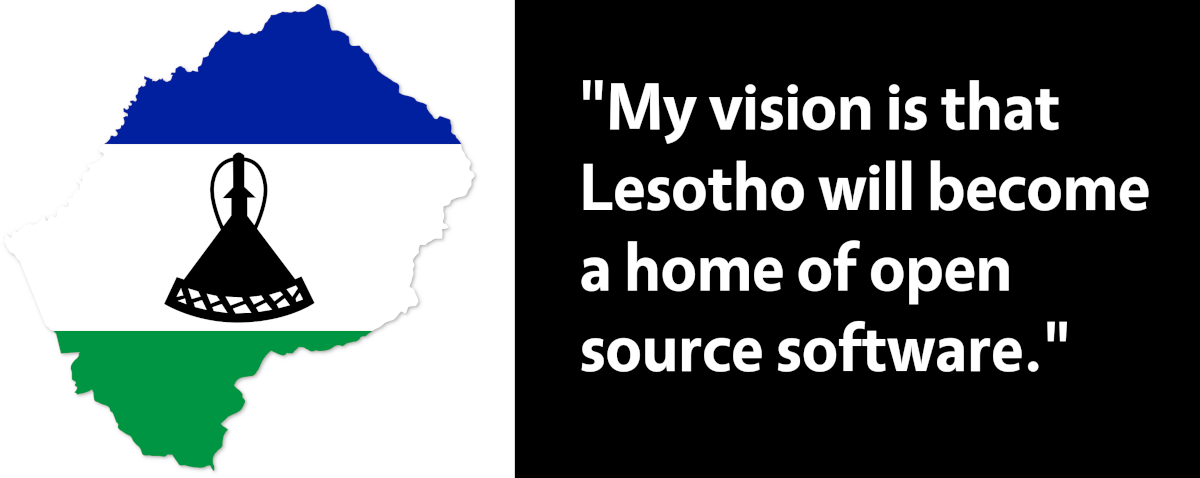
With that being said, there are other parts of the my world where my work and passion cross paths – mainly in terms of developing businesses to become better, and helping them to become technologically savvy. So in that light, the aim of this project would be realised in time, when businesses begin to embrace technology, and the language barrier will be tackled in one way or another. In this case, my vision is that Lesotho will become a home of open source – and will become more of a player in the tech sector, rather than just a spectator.

How can people help with the translation or general promotion in your area?

The vision is not just in translation, but that we go though this process and that Lesotho has a better understanding of open source and technology. The open source community needs to understand that the vision of open source (or at least from my view) has always been about making progress more relatable to society as a whole, than just about competing with closed source software.

However, I hope to do my bit to make sure that open source spreads to as many people as possible. Translation is the first part of this, but in time I hope to be an ambassador and developer. (After fumbling with C and C++, hopefully I can help there as well.)

From this point onwards, I hope that we can not only just translate, but have a contextual discussion on why some ideas are named the way that they are – and hopefully then, open source can then make the impact that it’s meant to make.

Many thanks to Hlompho for his work, and sharing his thoughts! Check out our Native Language Projects for LibreOffice in many other languages around the world – and if yours is missing, you can help us to add it!

Community Member Monday: Tim Brennan Jr.

Tell us a bit about yourself!

I am a son and grandson of American missionaries who moved to Brazil in 1952. Since my mother was born here (my father was a seven month old baby), I was born automatically a Brazilian citizen – even though I was born in the USA. Being brought up in Brazil, I learned both American English in the home, and learned Brazilian Portuguese in parallel. I am fluent in both languages. Computers came into my life as my dad saw the importance and value of them in the eighties. Watching him hack an Apple IIe and a daisy wheel printer to get the tilde accent over the letter “y” was an adventure in and of itself.

Since I was homeschooled, the value and importance of open source software became very clear to me as soon as I heard about it around 1999. As soon as I heard of Linux, I got hooked. Then, I heard of StarOffice which later became OpenOffice, which forked into LibreOffice and saw the birth of The Document Foundation.

I have been on a learning journey for most of my life. Everything I have learned is self-taught, including LibreOffice. My main activity in life is teaching in general. Teaching software to newbies such as the elderly, the underprivileged and young people is a passion I have. LibreOffice is an excellent starting point as it has virtually all the basic areas: text, images, markup languages, programming logic on a very simple scale with macros, databases etc., and much, much, more.

What are you working on in the LibreOffice project right now?

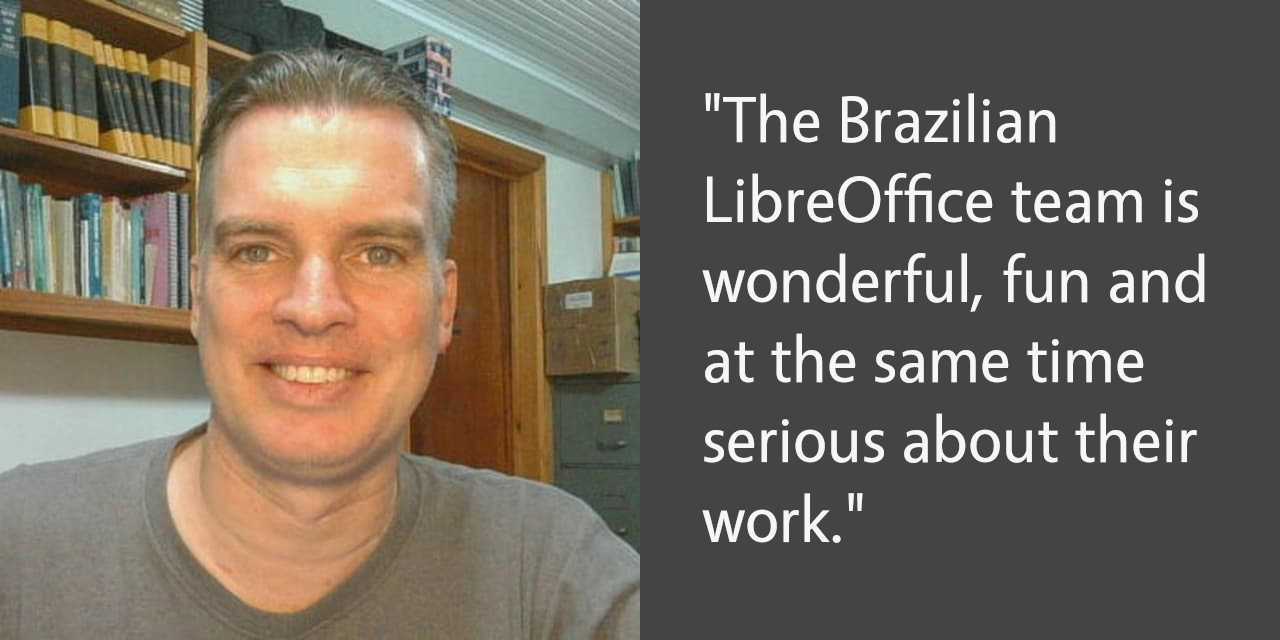
Right now, I am on the Brazilian translation and editing team. I am new, and am still learning how to organize myself better. The Brazilian team lead by Olivier Hallot is wonderful, fun, and at the same time, very serious about their work. Our Wednesday night meetings are in a fun and enjoyable environment – without losing the fine touch necessary for an editing team. I learn a lot from them just by listening to them.

Why did you decide to become a member of The Document Foundation?

Firstly, becoming a member of TDF is a way to begin to know other people, and, secondly, I believe becoming a member adds prestige to a curriculum vitae.

Both contact with people around the globe, and being part of something free, open and serious as TDF will open new doors for me to help “convert” people to LibreOffice, the ideals of TDF and open source software in general.

Anything else you plan to do in the future? What does LibreOffice really need?

There are two main things I would like to do with LibreOffice:

  1. Create a teaching standard for IT.
  2. Convince businesses to adopt more open standards via LibreOffice.

Participating in many different LibreOffice groups, I have noticed a major request for a change in LibreOffice’s appearance. It may seem trivial, but, many non-technical people make a decision of acceptance or rejection based on the look of something. I believe it would be wise to do an overhaul of the visuals.

Personally, I don’t pay too much attention to that since I focus on usability, but I am surrounded by people who reject many things simply because the look isn’t “modern”, “contemporary”, or “cool” enough.

I am 47 years old, so, my age may be a factor that adds into the way I interpret the visual aspects (meaning I don’t care too much about them). On the other hand, as the years go by, I notice that my way of thinking and doing things has somewhat solidified. An older generation can run the risk of not paying attention to the new generation and this generation (my children’s or younger) are a highly visual generation.

Many thanks to Tim for all his contributions! Everyone helping out in the LibreOffice project is welcome to apply for membership of TDF, and help us to steer our projects into the future 👍

Please confirm that you want to play a YouTube video. By accepting, you will be accessing content from YouTube, a service provided by an external third party.

YouTube privacy policy

If you accept this notice, your choice will be saved and the page will refresh.

Community Member Monday: Manuel Frassinetti

Today we’re chatting with Manuel Frassinetti from our Italian LibreOffice community, who recently became a Member of The Document Foundation, the non-profit behind LibreOffice…

Tell us a bit about yourself!

I’m from Modena, Italy and I’m still living in this city. I’m just a normal free software user – a GNU/Linux user since 2001. I moved from Debian to Ubuntu, and then returned to Debian. The first love is never forgotten! 🙂

I use free and open source software and both in private and in my work. I have a Dell series 3500 laptop, an old IBM T42 ThinkPad in private and a HP Compaq 6000 pro at work, all with Debian 10. I am very much a beginner programmer (HTML, CSS, JavaScript) and also a beginner hardware technician. For both software and hardware specializations, I have not been in the world of work since 2003, since I became a tobacconist.

I don’t like obscure software updates that last an eternity without knowing what is being updated.

What are you working on in the LibreOffice project right now?

Now I’m working on wiki pages: I translate from English to Italian.

Why did you decide to become a member of TDF?

I’m part of the Italian LibreOffice guides localization team, in particular for Base, and the wiki pages localization team from 2018. I become a TDF member in 2021 thanks to Italo Vignoli and Marina Latini. I think it’s important to make a regular contribution to the TDF project: a little every day, it’ll become a mountain one day.

Anything else you plan to do in the future?

In future, to live happy with my wife and to be healthy. About LibreOffice: I hope for better support in the database module. Right now I use Calc to do what I’d like to do with Base.

Many thanks to Manuel for his support and contributions. Everyone is welcome to discover what they can do for LibreOffice, build up skills and have fun!