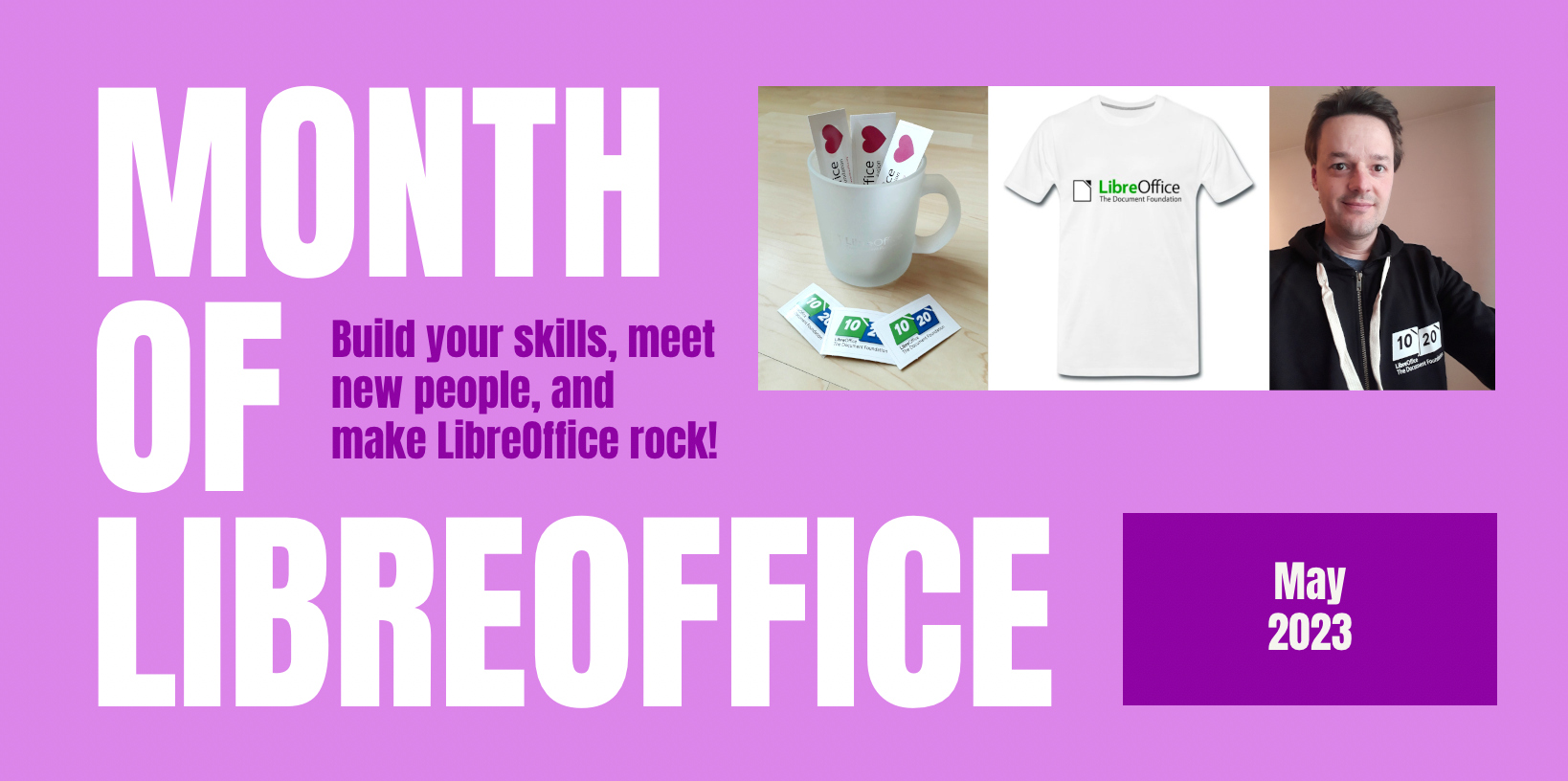
The Month of LibreOffice, May 2022 starts today – Join in and get snazzy merch!

Boost your skillset and learn new things – join the Month of LibreOffice! The software is a worldwide, community open source project – and many people who help to improve it, actually started out as regular users of the software.

So in the coming four weeks, we’d love it if you get involved, join our community, and have fun. You can build up valuable skills for a future career – and you don’t need to be a programmer. There are many ways to help make LibreOffice awesome, as we’ll see in a moment.

And best of all: everyone who contributes to LibreOffice in the next four weeks can claim a cool sticker pack, and has the chance to win extra LibreOffice merchandise such as mugs, hoodies, T-shirts, rucksacks and more (we’ll choose 10 participants at random at the end):

How to take part

So, let’s get started! There are many ways you can help out – and as mentioned, you don’t need to be a developer. For instance, you can be a…

  • Handy Helper, answering questions from users on Ask LibreOffice. We’re keeping an eye on that site so if you give someone useful advice, you can claim your shiny stickers.
  • First Responder, helping to confirm new bug reports: go to our Bugzilla page and look for new bugs. If you can recreate one, add a comment like “CONFIRMED on Windows 10 and LibreOffice 7.3.2”.
  • Drum Beater, spreading the word: tell everyone about LibreOffice on Twitter or Mastodon! Just say why you love it or what you’re using it for, add the #libreoffice hashtag, and at the end of the month you can claim your stickers.
  • Globetrotter, translating the user interface: LibreOffice is available in a wide range of languages, but its interface translations need to be kept up-to-date. Or maybe you want to translate the suite to a whole new language? Get involved here.
  • Docs Doctor, writing documentation: Whether you want to update the online help or add chapters to the handbooks, here’s where to start.

We’ll be updating this page every few days with usernames across our various services, as people contribute. So dive in, get involved and help make LibreOffice better for millions of people around the world – and enjoy your sticker pack at the end as thanks from us! And who knows, maybe you’ll be lucky enough to win bonus merch as well…

Let’s go! We’ll be posting regular updates on this blog and our Mastodon and Twitter accounts over the next four weeks – stay tuned!

Annual Report: LibreOffice Documentation Project in 2021

The LibreOffice Conference is the annual gathering of the community, our end-users, developers, and everyone interested in free office software. This year, it took place online once again.

(This is part of The Document Foundation’s Annual Report for 2021 – we’ll post the full version here soon.)

New and translated guides

Throughout the year, the documentation project closed the gap between LibreOffice major releases, and the updates of the corresponding user guides. By the year end, all of the version 7 guides updated to match the release of LibreOffice 7.2, and ready to continue for the forthcoming release – 7.3 – which arrived in February 2022. The goal of tracking the software release closely was achieved, and the documentation team is now in a steady state of small updates between releases.

The updates and enhancements of the guides was an effort of all the team, coordinated by Jean Weber (Writer and Getting Started Guide), Steve Fanning (Calc and Base guides), Peter Schofield (Impress and Draw guides), Rafael Lima (Math guide). A number of volunteers also worked in each guide by writing and reviewing contents and suggesting improvements. Special thanks to Jean Weber for making the guides available for sale in printed format via Lulu Inc.

In the last quarter of 2021, thanks to The Document Foundation’s budget, some master documents bugs were fixed under contract by Michael Stahl of allotropia, and now the documentation team can safely assemble it guides with master documents, and produce PDFs with hidden sections and correct navigation indexes in PDF readers.

ScriptForge Library and Wiki Pages

The documentation community also had a nice contribution from Jean Pierre Ledure, Alain Romedenne and Rafael Lima, for the development of the ScriptForge macro library, in synchronization with the much-needed Help pages on the subject, a practice rarely followed by junior developers of LibreOffice. As we know, undocumented software is software that’s lacking; features that are unknown to the user can be a cause of costly calls to a help desk in corporate deployments. ScriptForge developments came together with its documentation, demonstrating the ScriptForge team’s professional maturity.

Special thanks to Steve Fanning for his leadership of the Calc Functions wiki pages maintenance. The wiki pages were initially developed by Ronnie Gandhi in 2020 under the Google Season of Docs programme, and are now run by Steve, providing richer content about the functions, with better descriptions, new examples, and other reference information. The in-depth review of the Calc Function wiki pages gave very good feedback for the Help pages, which also lead to help content improvements. The Calc functions wiki pages are available for translation, thanks to the dedication of Ilmari Lauhakangas at TDF.

Very important as well: the documentation community also had a team of Help page bug fixes, closing Help documentation bugs, bridging gaps, fixing typos and improving quality, a must-have update to keep LibreOffice in-shape for its user base. The Help pages, which are part of the LibreOffice code, were also refactored continuously for better maintenance and code readability. The L10N team of volunteers (localization and translators) were quick in flagging typos and English mistakes – while translating the help content and the user interface.

LibreOffice Bookshelf

In 2021, the documentation community also launched the LibreOffice Bookshelf, another download page for LibreOffice guides that is different from the current documentation.libreoffice.org server page. The Bookshelf can be cloned and installed in organizations, libraries, colleges and schools, for immediate availability in controlled environments, as well as online reading of the guides. The OpenDocument Format chapters were transformed into static HTML pages, and are ready to display on computers, tablets and cell phones, bringing LibreOffice user guides closer to its public, anywhere, anytime. The conversion process is extensive and was described at the LibreOffice 2021 Conference. It was also extended to the Portuguese translation of the guides, and can easily extended for other languages. Many thanks to Tulio Macedo for his work on it.

Like what we do? Support the LibreOffice project and The Document Foundation – get involved and help our volunteers, or consider making a donation. Thank you!

Latin-American LibreOffice Conference 2022 will take place in Brasília

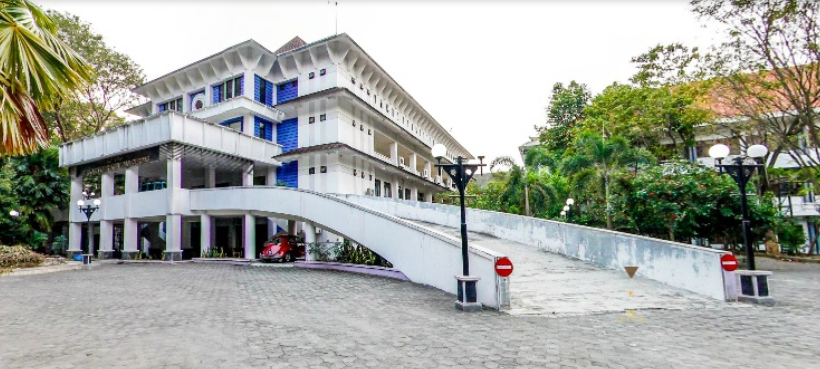
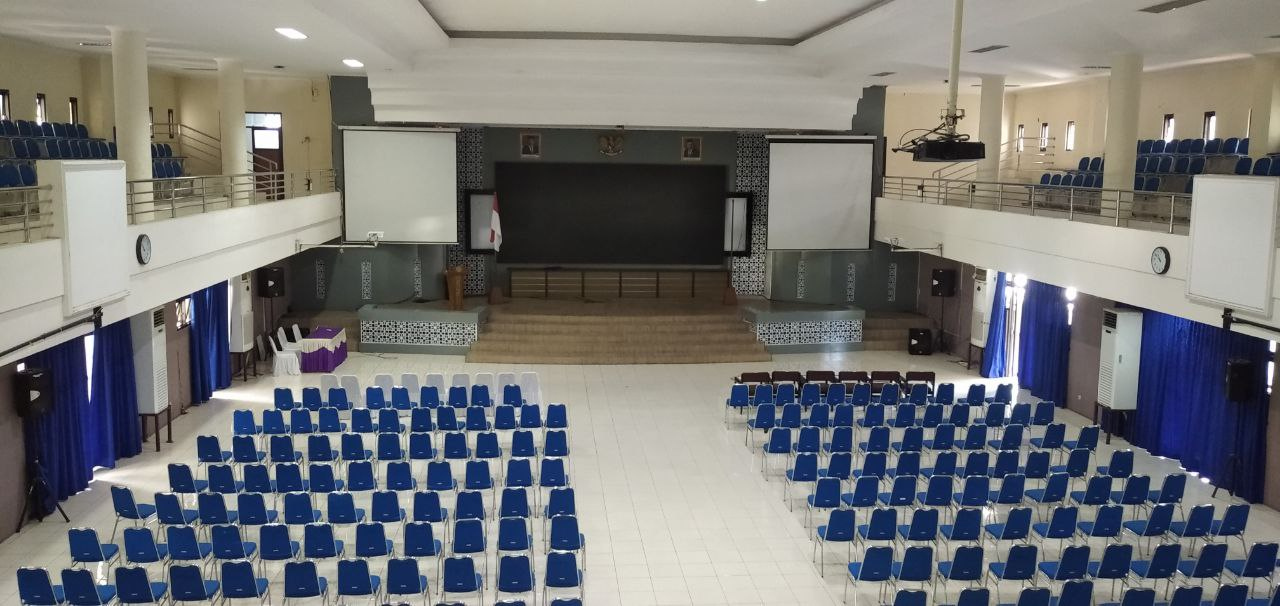
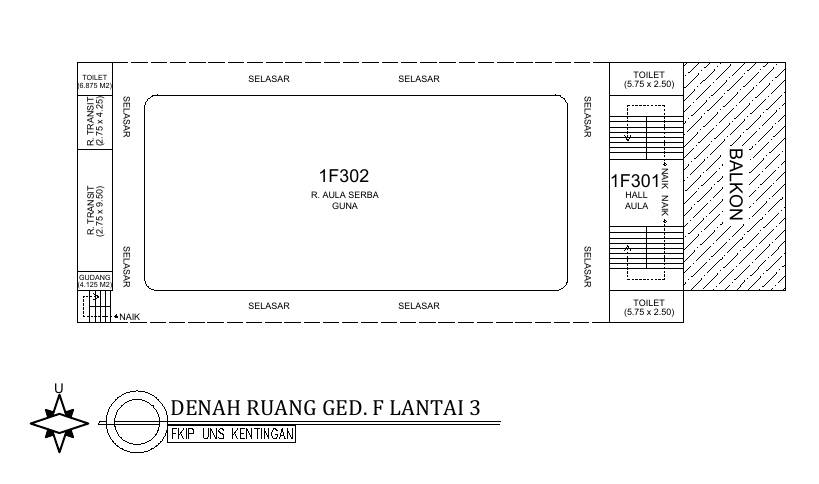
The 2022 edition of the Latin-American LibreOffice Conference will take place in Brasilia, Brazil between August 25 and 26. The event will be held at the Catholic University of Brasília, in the Taquaritinga – DF.

The conference aims to bring together the community of LibreOffice contributors and users and promote the dissemination of knowledge and experiences related to LibreOffice. The planned tracks for talks and lectures will cover the following topics:

  • Cases of LibreOffice adoption in companies, governments, educational institutions, NGOs, etc.
  • LibreOffice usage tutorials
  • Getting started with contributing to LibreOffice (development, documentation, translations, etc)
  • Improving and promoting LibreOffice (user communities, marketing, design, quality)
  • Inclusion and diversity in free software and LibreOffice

The event will be organized by the Brazilian LibreOffice community, with the joint participation of other communities in Latin America and the world. Representatives from The Document Foundation – LibreOffice maintainer – will also participate in the event.

The submissions of talks and lecture proposals will be open from May 1 to June 30, 2022. The procedures for submitting proposals will be announced shortly.

Supporters

About the Catholic University of Brasília

The Catholic Educational Center of Brasília is an institution maintained by the Brazilian Union of Catholic Education – UBEC. It is a civil, confessional, private, non-profit, educational, assistance, cultural and philanthropic association.

About The Document Foundation

The Document Foundation is the legal entity that maintains LibreOffice, based in Berlin, Germany. The Document foundation is a non-profit foundation under German law (gemeinnützige rechtsfähige Stiftung des bürgerlichen Rechts).

Annual Report: LibreOffice Conference 2021

The LibreOffice Conference is the annual gathering of the community, our end-users, developers, and everyone interested in free office software. This year, it took place online once again.

(This is part of The Document Foundation’s Annual Report for 2021 – we’ll post the full version here soon.)

Normally, the conference takes place at a different venue each year, to reflect the international and diverse LibreOffice community. For instance, in 2019 we were in Almeria, in 2018 in Tirana, and in 2017 in Rome. Due to the coronavirus pandemic, though, we decided to move the conference online in 2020. This wasn’t an easy decision, as face-to-face meetups are important for free and open source software projects, but we focused on making it work.

We faced the same situation in 2021: ideally, we would have had an in-person conference, but uncertainty surrounding travel restrictions and containment measures means that we decided to move the conference online for another year.

The conference took place from 23 – 25 September, with sessions usually running from 10:00 to 16:00 (UTC). We created multiple Jitsi “rooms” for the various talks and presentations, along with extra channels for social interaction and general chit-chat via IRC, Matrix and Telegram. Although the conference was online, some members of the German community met in-person in Hamburg.

Here’s a video of the opening session (also available on PeerTube):

Please confirm that you want to play a YouTube video. By accepting, you will be accessing content from YouTube, a service provided by an external third party.

YouTube privacy policy

If you accept this notice, your choice will be saved and the page will refresh.

Conference Tracks

Following the opening session, presentations and talks were given across various “tracks”, or categories: Development, Advocacy, Marketing, Design, OpenDocument Format, Quality Assurance, Documentation and more. There were highly technical talks focused on specific areas of the software and source code, along with more open discussions about community building and recent updates from The Document Foundation.

On the final day, the conference wrapped up with a closing session, headed by TDF’s Chairman, Lothar Becker. He thanked the presenters and all attendees for their support and contributions to the conference.

Sponsoring and merchandise

The event was sponsored by Collabora, allotropia, the Linux Professional Institute, Omnis Private & Hybrid Cloud, and Carbone.io. Conference merchandise was provided by FreeWear, a company that specialises in clothing items and other merchandise for free and open source software projects.

Full Programme

Full details about the event are available on the main conference website. For a quick overview of all the talks, including links to PDF versions of the presentations, see the schedule. Videos from most of the talks are available as a playlist on our YouTube channel, and on PeerTube:

Please confirm that you want to play a YouTube video. By accepting, you will be accessing content from YouTube, a service provided by an external third party.

YouTube privacy policy

If you accept this notice, your choice will be saved and the page will refresh.

Conference in 2022

At the time of writing, we are hoping to organise an in-person conference in northern Italy, in late September. We will post updates on this blog as we get closer to the event.

Like what we do? Support the LibreOffice project and The Document Foundation – get involved and help our volunteers, or consider making a donation. Thank you!

Annual Report 2021: LibreOffice releases and updates

In 2021, LibreOffice celebrated its eleventh birthday. Two new major versions of the suite introduced a variety of new features, while minor releases helped to improve stability as well

(This is part of The Document Foundation’s Annual Report for 2021 – we’ll post the full version here soon.)

The Document Foundation announced two major releases of LibreOffice in 2021: version 7.1 on February 3, and version 7.2 on August 19. In addition 13 minor releases were also made available:

  • LibreOffice 7.1.1 – March 4
  • LibreOffice 7.0.5 – March 12
  • LibreOffice 7.1.2 – April 1
  • LibreOffice 7.1.3 – May 6
  • LibreOffice 7.0.6 – May 13
  • LibreOffice 7.1.4 – June 10
  • LibreOffice 7.1.5 – July 22
  • LibreOffice 7.1.6 – September 9
  • LibreOffice 7.2.1 – September 16
  • LibreOffice 7.1.7 – November 4
  • LibreOffice 7.2.3 – November 25
  • LibreOffice 7.2.4 and 7.1.8 – December 6

In July, our Quality Assurance community organised a Bug Hunting Session in preparation for the release of LibreOffice 7.2. This was based on the first Release Candidate (RC), and we encouraged technically-minded users to try out the RC and help to identify and fix bugs before the final release. Communication took part on our QA IRC channel, which is also bridged to a Telegram group. The session ran from 07:00 UTC to 19:00 UTC.


LibreOffice 7.1

On February 3, LibreOffice 7.1 was officially released after six months of work. Developers at Collabora, allotropia, CIB, Red Hat, NISZ, The Document Foundation and other companies and organisations – along with volunteers – worked on many new features. For instance, a new dialog was added which lets users select their desired user interface design on first startup (including the regular menu+toolbar setup, and NotebookBar alternative).

In Writer, a new Style Inspector was created to display the attributes of Paragraph and Character Styles, and manually formatted (Direct Formatting) properties. In Calc, significant speed improvements for Autofilter and find/replace operations were implemented, while the possibility to add visible signatures to existing PDF files in Draw was included too. On top of the new features, there were many other general improvements to performance, compatibility and stability.

With the help of the Indonesian community, TDF produced a video to explain and demonstrate many of the new features in LibreOffice 7.1. This was linked to in the announcement, and embedded into various web news websites that covered the release. The video is also available on PeerTube.

Please confirm that you want to play a YouTube video. By accepting, you will be accessing content from YouTube, a service provided by an external third party.

YouTube privacy policy

If you accept this notice, your choice will be saved and the page will refresh.


LibreOffice 7.2

Later in the year, on August 19, TDF released LibreOffice 7.2. Based on the LibreOffice Technology platform for personal productivity on desktop, mobile and cloud, it provided a large number of interoperability improvements with Microsoft’s proprietary file formats. In addition, LibreOffice 7.2 Community offered numerous performance improvements in handling large files, opening certain DOCX and XLSX files, managing font caching, and opening presentations and drawings that contain large images. There were also drawing speed improvements when using the Skia back-end that was introduced with LibreOffice 7.1.

A popup list to search for menu commands was added to the user interface, helping new users to find features that may otherwise be tucked away inside the menu. In addition, a built-in “Xray”-like UNO object inspector was implemented, along with a new list view for the Templates dialog. In Writer, background fills were updated to cover whole pages, beyond margins, while in Calc, HTML tables listed in the External Data dialogue now show captions. Impress was boosted with a set of new templates, to make presentations more attractive and appealing: Candy, Freshes, Grey Elegant, Growing Liberty, Yellow Idea and more.

Many other features were added as well, and there were a large number of compatibility improvements. As with the previous release, the TDF team worked with the Indonesian LibreOffice community to make a video to demonstrate the new features:

Please confirm that you want to play a YouTube video. By accepting, you will be accessing content from YouTube, a service provided by an external third party.

YouTube privacy policy

If you accept this notice, your choice will be saved and the page will refresh.

Like what we do? Support the LibreOffice project and The Document Foundation – get involved and help our volunteers, or consider making a donation. Thank you!

LibreOffice project and community recap: March 2022

Here’s our summary of updates, events and activities in the LibreOffice project in the last four weeks – click the links to learn more…

  • We started off March with a custom shape tutorial from Regina Henschel. If you’ve ever tried to draw special and complex shapes beyond the basic offerings of LibreOffice, check it out!

  • During March, TDF released two new updates for LibreOffice: 7.3.1 and 7.3.2. These fix bugs and improve compatibility – so all users of the 7.3 branch are recommended to update. (We also released LibreOffice 7.2.6 on March 10.)

  • Meanwhile, the Czech community worked on a translation of the LibreOffice Base Guide 6.4. Thanks to Marcela Tomešová, Martin Kasper, Zdeněk Crhonek, Jan Martinovský, Roman Toman and Miloš Šrámek for their great work! 👍

  • How can we make free and open source software development sustainable in the long term? Mike Saunders from The Document Foundation appeared on the Sustain OSS podcast to talk about this issue, along with the challenges and opportunities in building communities.

  • In the middle of the month, the Board of Directors at The Document Foundation started its new term. Welcome to new new members, and thank you to those who are moving on, for all their work and support.

  • Companies in the LibreOffice ecosystem contribute many features and fixes to the software, and provide long-term support (LTS) versions and other benefits. We caught up with Michael Meeks of Collabora Productivity to find out what his team has been working on in recent versions of the suite.

  • And finally, our documentation team announced the Writer Guide 7.3. This covers all aspects of the word processing component in LibreOffice, and is well worth keeping on your (digital) bookshelf…

Keep in touch – follow us on Twitter, Facebook and Mastodon. Like what we do? Support our community with a donation – or join us and help to make LibreOffice even better!