LibreOffice 6.3.4 available for download

Berlin, December 12, 2019 – The Document Foundation announces LibreOffice 6.3.4, the 4th minor release of the LibreOffice 6.3 family, targeted at technology enthusiasts and power users, who are invited to update their current version. LibreOffice 6.3.4 includes over 120 bug fixes and improvements to document compatibility.

LibreOffice 6.3.4’s change log pages are available on TDF’s wiki: https://wiki.documentfoundation.org/Releases/6.3.4/RC1 (changed in RC1) and https://wiki.documentfoundation.org/Releases/6.3.4/RC2 (changed in RC2).

LibreOffice’s individual users are helped by a global community of volunteers: https://www.libreoffice.org/get-help/community-support/. On the website and the wiki there are guides, manuals, tutorials and HowTos. Donations help us to make all of these resources available.

LibreOffice in business

For enterprise class deployments, TDF strongly recommend sourcing LibreOffice from one of the ecosystem partners to get long-term supported releases, dedicated assistance, custom new features and other benefits, including Service Level Agreements (SLAs). Also, the work done by ecosystem partners flows back into the LibreOffice project, benefiting everyone.

Also, support for migrations and trainings should be sourced from certified professionals who provide value-added services which extend the reach of the community to the corporate world and offer CIOs and IT managers a solution in line with proprietary offerings.

In fact, LibreOffice – thanks to its mature codebase, rich feature set, strong support for open standards, excellent compatibility and long-term support options from certified partners – represents the ideal solution for businesses that want to regain control of their data and free themselves from vendor lock-in.

Availability of LibreOffice 6.3.4

LibreOffice 6.3.4 is immediately available from the following link: https://www.libreoffice.org/download/. Minimum requirements are specified on the download page. TDF builds of the latest LibreOffice Online source code are available as Docker images: https://hub.docker.com/r/libreoffice/online/.

LibreOffice Online is fundamentally a server-based platform, and should be installed and configured by adding cloud storage and an SSL certificate. It might be considered an enabling technology for the cloud services offered by ISPs or the private cloud of enterprises and large organizations.

All versions of LibreOffice are built with document conversion libraries from the Document Liberation Project: https://www.documentliberation.org.

Support LibreOffice

LibreOffice users are invited to join the community at https://ask.libreoffice.org, where they can get and provide user-to-user support. People willing to contribute their time and professional skills to the project can visit the dedicated website at https://whatcanidoforlibreoffice.org.

LibreOffice users, free software advocates and community members can provide financial support to The Document Foundation with a donation via PayPal, credit card or other tools at https://www.libreoffice.org/donate.
Making LibreOffice a Friendly Platform for Indigenous People in Taiwan


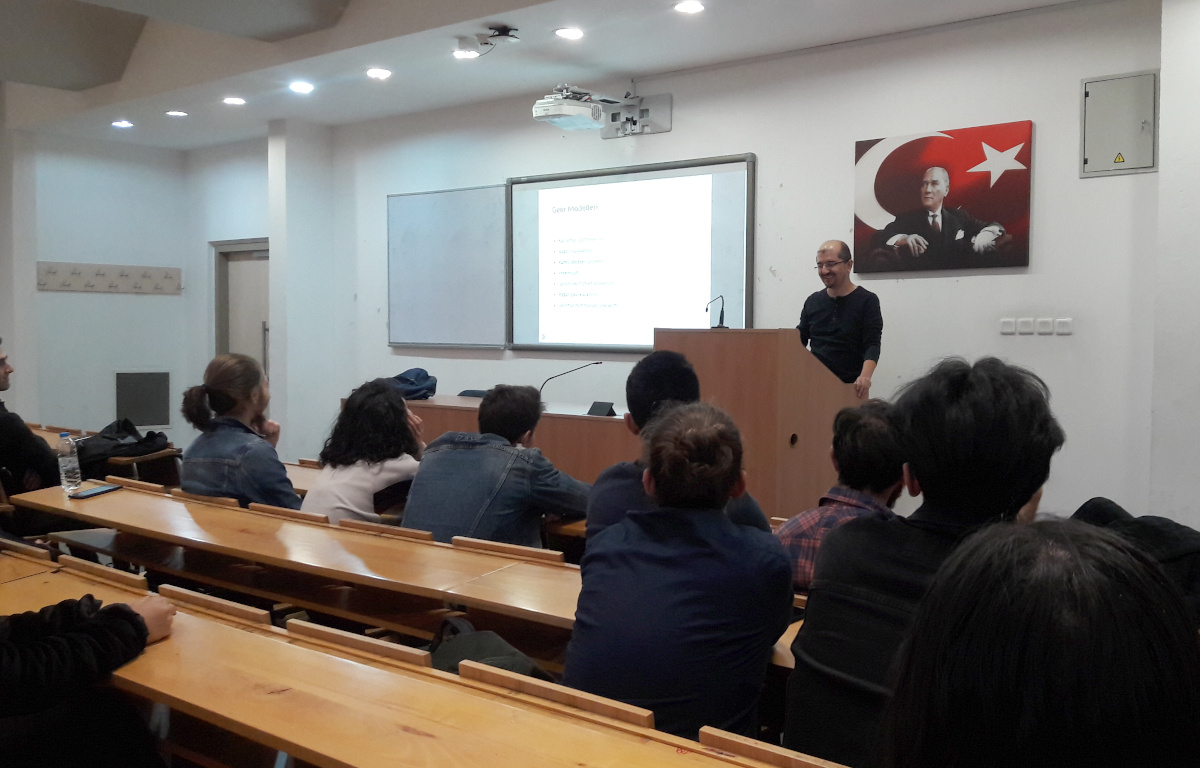
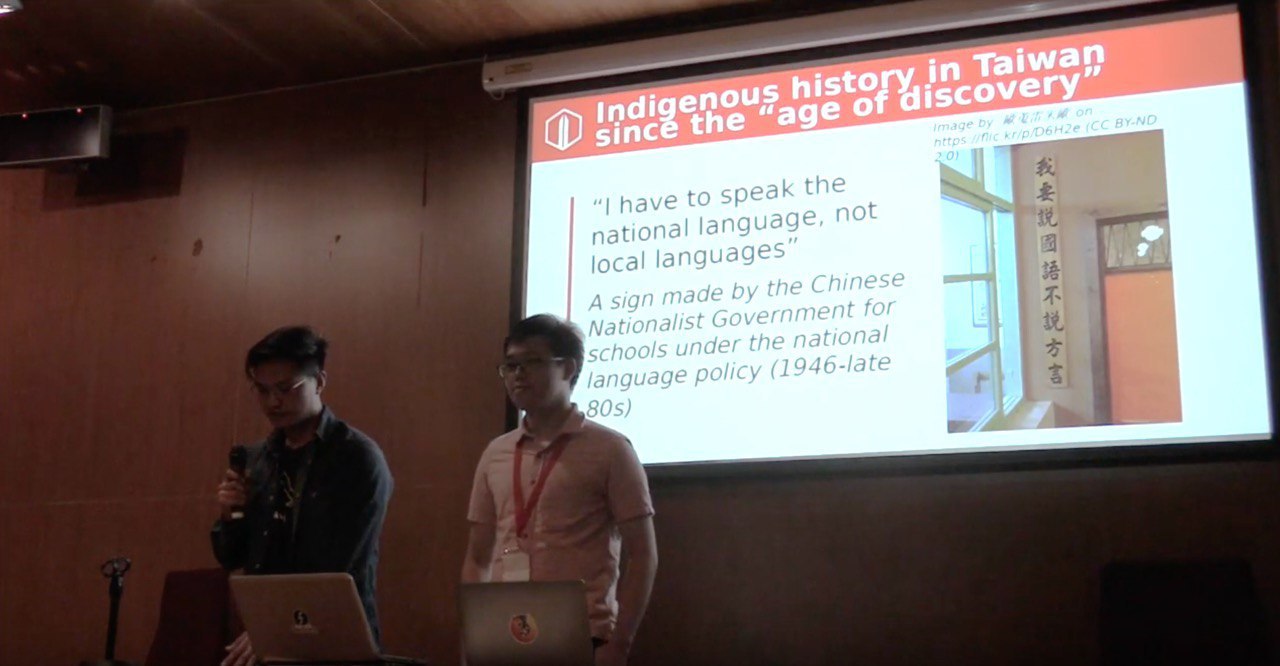
Lin and Wang in the LibreOffice Conference 2019. The Chinese words in the photo in slide marks: “I have to speak Chinese, not local languages.”

Authors: Author: Kuan-Ting Lin and Tanax Yago (Xiao-Wu Wang)

Foreword: At the LibreOffice Conference 2019, two young people from Taiwan, Kuan-Ting Lin and Xiao-Wu Wang, gave a wonderful talk called “Making LibreOffice a lifesaver for dying languages in Asia”. (Video of the talk is at the end of this blog post.) It covered their work and plans for saving indigenous languages in Taiwan, and what an important role LibreOffice can play here.

Like many indigenous or native people around the world, the indigenous Taiwanese people have been excluded from contemporary technology for decades. During the rapid development of personal computers between the 1960s and 1980s, the indigenous people were suffering from the “national language” policy, which banned all indigenous languages and discourse promoting Chinese identity in school. That is the reason that the earliest Chinese input method for computers was invented before 1976, but there were no equivalents for indigenous languages until the late 2000s.

As smartphones boomed in this decade internationally, more and more indigenous people gained access to the internet mobile apps as, like other people do Taiwan. But the majority of the digital resources are still in Chinese: online news articles, educational materials, translation systems, digital government services, medical information, chat forums, and many more. Almost all of them are not available in the indigenous languages.

Maybe Taiwan has done a lot for indigenous rights, but as members of the indigenous community and students of anthropology here, we think there is still huge room for improvement. The input system is the first step. Typing has been difficult for indigenous people as sentences are treated as English – hence tons of red underlines indicating spelling or grammatical “mistakes” identified by various office software brands in the market. Therefore, making indigenous dictionaries for the apps to remove the underlines has become the top priority of our work.

Making it appealing

Furthermore, the system must be appealing for people to type in their own indigenous languages. It needs to be smart enough to correct grammar, if possible, and spelling. Being able to do so can empower the elderly to use new technology and to align their spelling with the official dictionary as long as they want to. New language learners will benefit from this system, since they don’t need to look up in dictionaries when typing as often.

After our research, we understand that Microsoft not only discourages people to type in indigenous languages in Microsoft Office – by failing to implement such support in the software suite – but also distance people from their mother tongue by restricting modifications to Office with its proprietary software license.

On the contrary, the LibreOffice community discovered this problem years ago and has been tackling it thanks to its open source development, and its appreciation of diverse values. For example, LibreOffice was translated to Guarani to address a similar issue in South America. In Taiwan, community members like Mark Hung have started to build databases for indigenous languages, too.

Working with the youth communities of indigenous people, we are able to extend the project to another level: local participation. We want this project to be an important point of revitalization of indigenous culture, and it can be applied in everyday life. We invite youngsters from all the indigenous communities, and connect them with the LibreOffice community. With such an idea, the LibreOffice community can also benefit from new perspectives and views of different people, and can get a huge group of new and enthusiastic users and promoters.

Good for everyone

The project is also good for the government. The central government of Taiwan is both struggling with its OpenDocument Format/LibreOffice policy and the “official documents in indigenous languages” policy. For public servants, everyday tasks seem to have made them reluctant to learn new things – both dying languages and new software. We hope that combining the two will make it easier for people to adapt new and meaningful policies.

We received so many words and a lot of help from our friends in the LibreOffice community around the world before, during and after the LibreOffice Conference 2019 in Almería, Spain. Our Taiwanese folks, including Franklin Weng and Eric Sun, introduced this wonderful opportunity for us to get to know this community. Mark Hung, Gustavo Pacheco, Eike Rathke and Cheng-Chia Tseng generously provided their precious knowledge and experiences. Shinji Enoki, Jeff Huang and many friendly LibreOffice community friends gave us their sincere encouragement and suggestions. We are so lucky to work on this important issue with these lovely people!

If you agree that this is worth doing, please join us! We’d love to see new participants from various backgrounds. For inquiries, participation, questions or suggestions, just send an email to a @ cssjh . com (Kuan-Ting). We appreciate your interest and support!

And as mentioned, here’s the video of the presentation from the conference:

Please confirm that you want to play a YouTube video. By accepting, you will be accessing content from YouTube, a service provided by an external third party.

YouTube privacy policy

If you accept this notice, your choice will be saved and the page will refresh.

Improvements in LibreOffice’s PowerPoint presentation support

LibreOffice’s native file format is OpenDocument, a fully open and standardised format that’s great for sharing documents and long-term data storage. Of course, LibreOffice does its best to open files made by other office software as well, even if they’re stored in pseudo-“standards” with cryptic and obfuscated contents. Compatibility with PowerPoint PPT(X) presentations is therefore a challenge, but developers are working hard on improvements…

A few months ago, we announced an initiative to improve the support of PPT and PPTX files in LibreOffice. Lots of great work happened since then and the results are collected below!

Everyone is invited to participate in the PowerPoint support initiative, either in development or testing. If you are interested in joining, please send an email to ilmari.lauhakangas@libreoffice.org.

Import/export

Stephan Bergmann (Red Hat):

Speed up loading a PPT file with equation objects


Noel Grandin (Collabora):

Speed up loading a PPT file with equation objects


Miklos Vajna (Collabora):

Add PPTX import/export for semi-transparent shape text

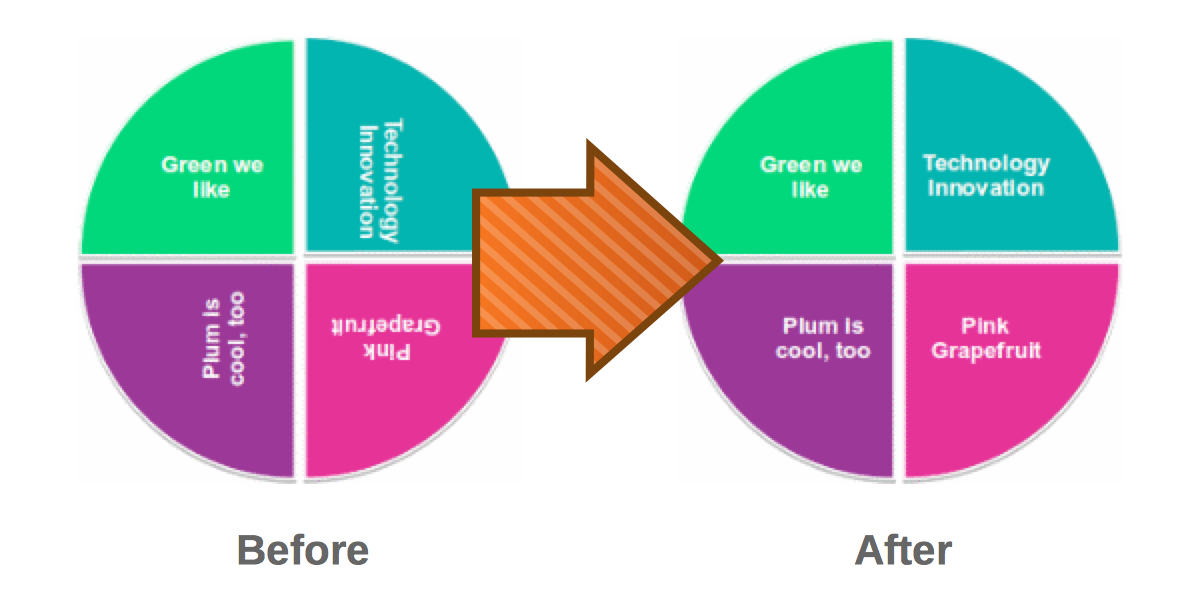
Transparent text before Miklos’s implementation
Transparent text after Miklos’s implementation

PPTX import: don’t set shape fill from the style in case the background fill is already set

Shape fill before Miklos’s fix
Shape fill after Miklos’s fix

PPTX import: fixed duplication of math objects

Math objects before Miklos’s fix
Math objects after Miklos’s fix

Tamás Zolnai (Collabora):

PPTX export: don’t change shape’s background transparency

Background transparency before Tamás’s fix
Background transparency after Tamás’s fix

PPTX export: don’t lose the gradient background fill of a slide

Gradient fill after Tamás’s fix

Xisco Faulí (TDF):

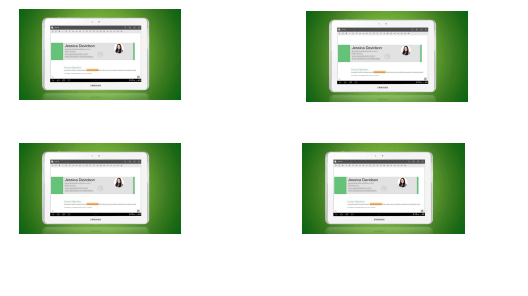
PPTX import: display shapes with washout mode

Shapes not displayed before Xisco’s fix
Shapes displayed after Xisco’s fix

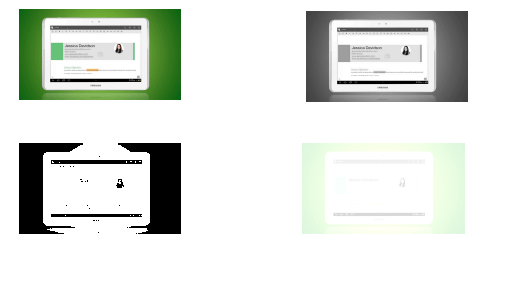
PPTX export: handle image colour/graphics modes correctly

Colour modes handled incorrectly before Xisco’s fix
Colour modes handled correctly after Xisco’s fix

PPTX import: don’t lose text highlighting in table cells

Text highlighting not displayed before Xisco’s fix
Text highlighting displayed after Xisco’s fix

PPTX export: save text highlighting

No highlighting before Xisco’s fix
Highlighting after Xisco’s fix

PPTX import: respect no fill colour for text

Text visible before Xisco’s fix
Text invisible after Xisco’s fix

Gülşah Köse (Collabora):

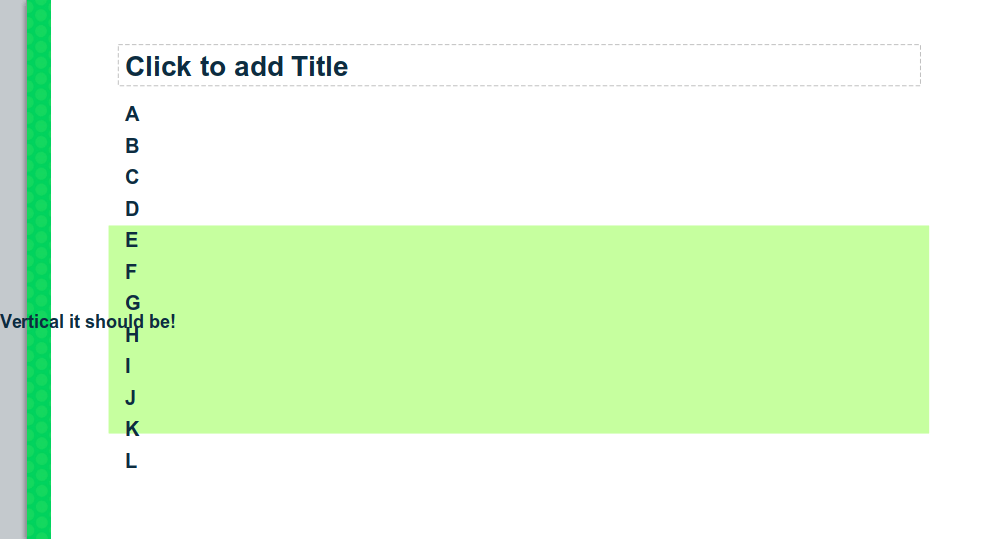
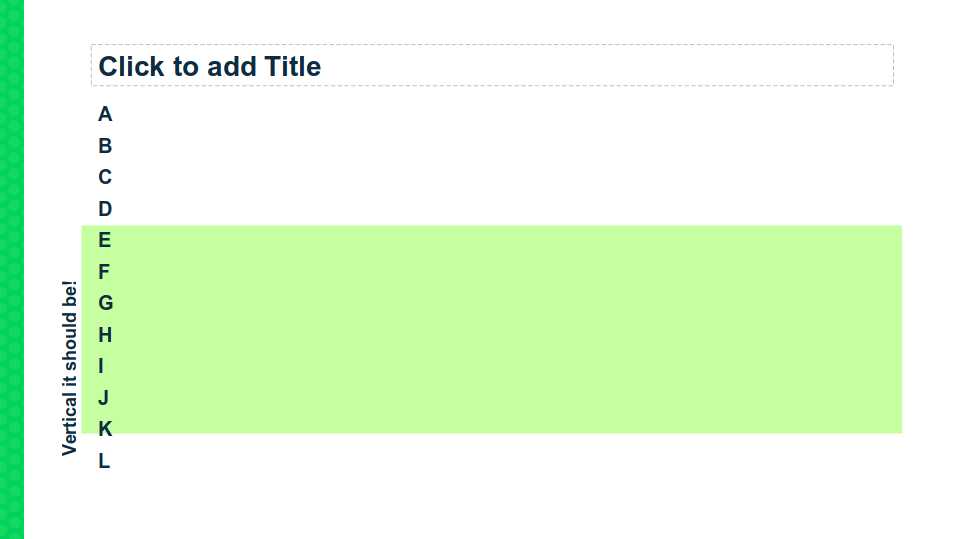
PPTX import: implement z-rotation of 3D text transformation

Text not rotated before Gülşah’s implementation
Text rotated after Gülşah’s implementation

PPTX export: preserve textbox rotation attribute

Text goes bonkers before Gülşah’s fix
Text stays put after Gülşah’s fix

Tamás Bunth (Collabora):

PPTX import: custom date as custom XTextField

Dates before Tamás’s fix
Dates after Tamás’s fix

Mark Hung (PPT/X team):

PPTX import/export: handle complex text properly

PPTX import: reset font settings, if necessary

Text before Mark’s fix
Text after Mark’s fix

Luke Deller (PPT/X team):

PPTX import: Fix IsTransparent() for unloaded graphics

Blue line not displayed before Luke’s fix
Blue line displayed after Luke’s fix

Housekeeping

Julien Nabet:

Save/restore locking properly in ImplSdPPTImport::Import

sd: prefix members of SdrPowerPointImport

cppcheck: fix 2 funcArgOrderDifferent


Various

Mike Kaganski (Collabora):

PPTX export: disable undo during save

Thanks to everyone for their great work!

Celebrating International Volunteer Day

Today is International Volunteer Day. All around the world, volunteers give their time and energy to help many different causes – including free and open source software projects like LibreOffice.

Indeed, LibreOffice wouldn’t be where it is today, without the incredibly valuable help of hundreds of volunteers in the last decade. So to everyone who has contributed to our project and community over the years, we at The Document Foundation want to say a big thank you! Your work has helped many millions of LibreOffice users around the world benefit from powerful, open and multilingual productivity tools.

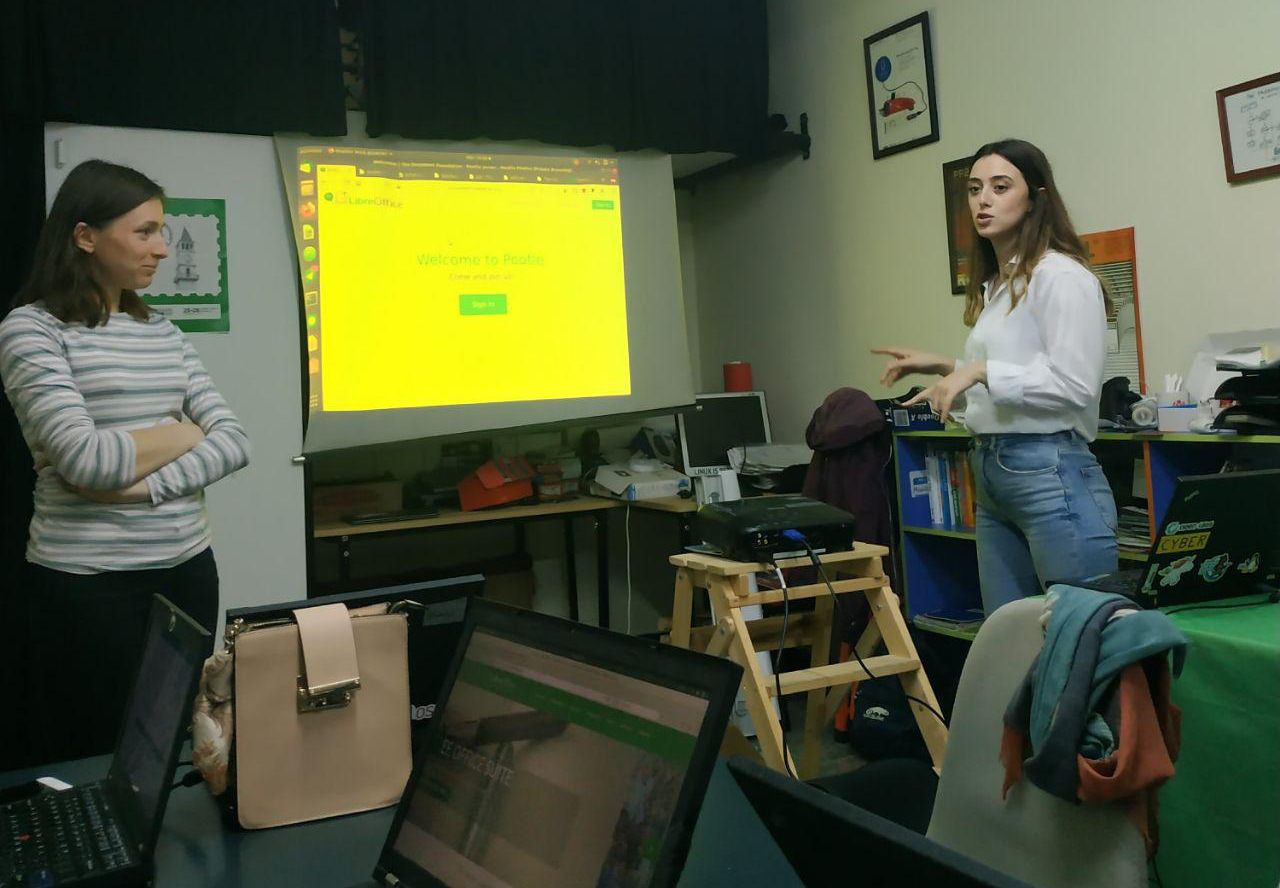
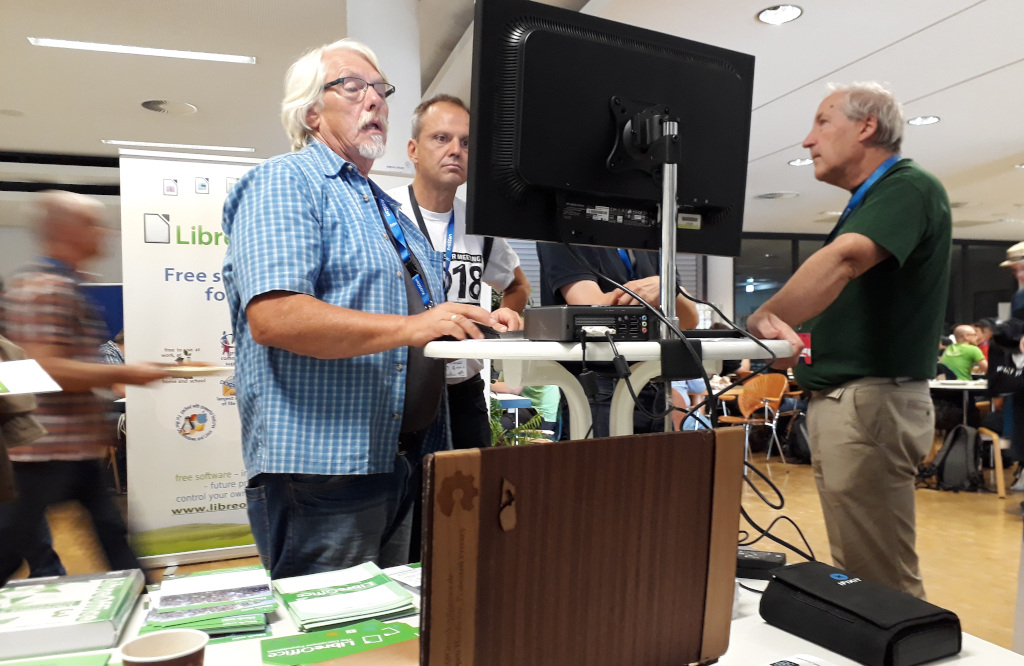
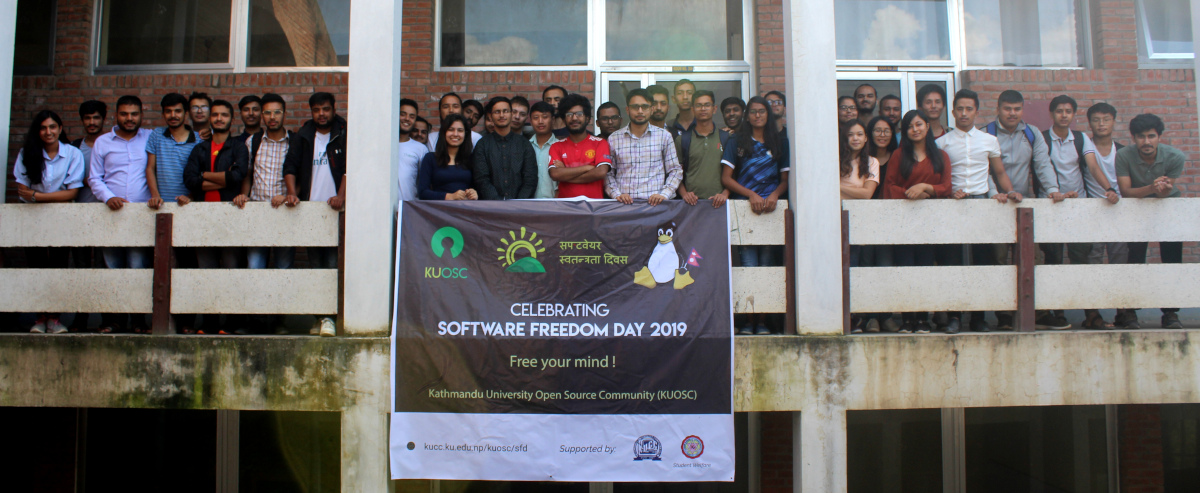
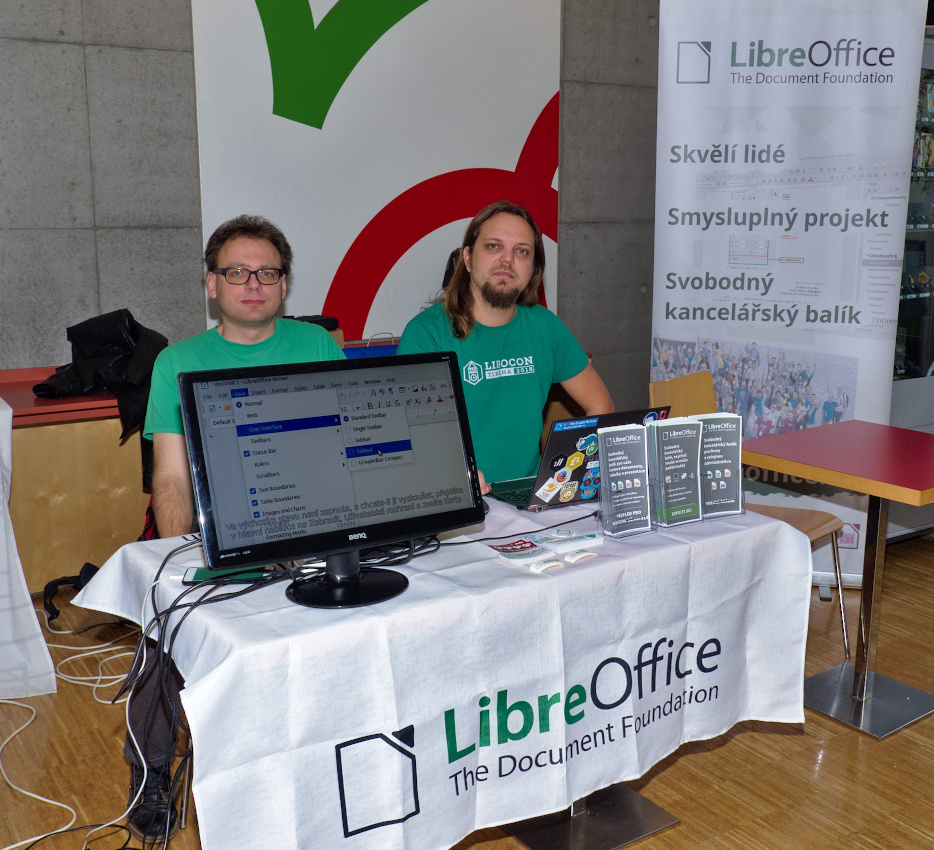
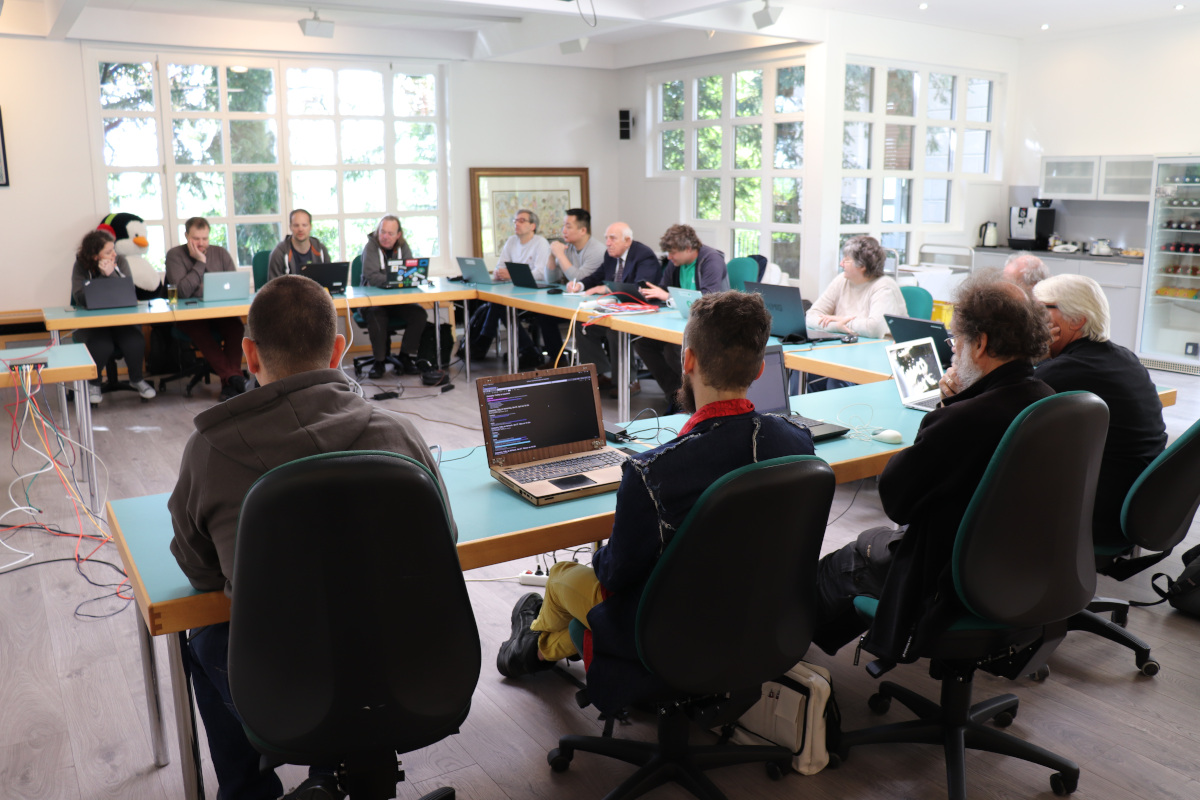
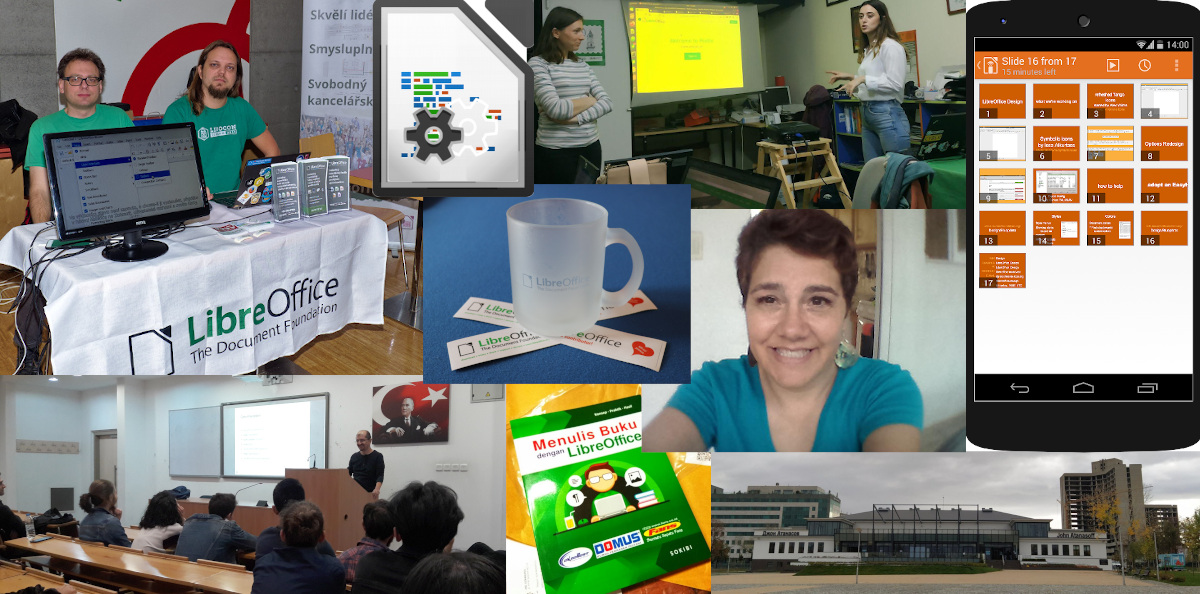
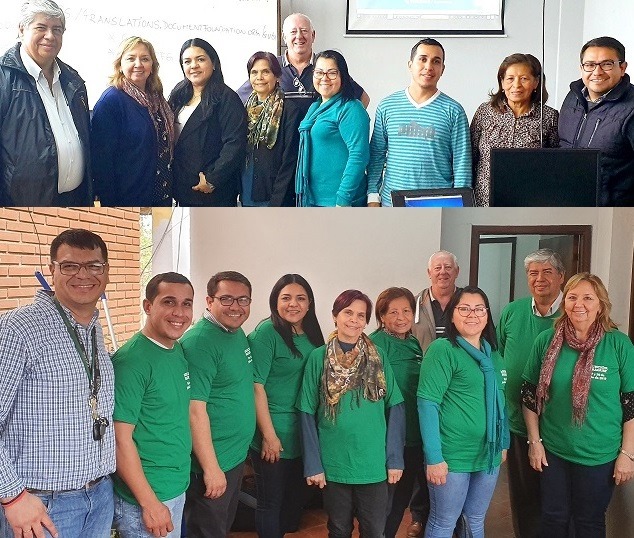
And to celebrate, here are some photos of volunteers from events this year:

Month of LibreOffice, November 2019: The winners!

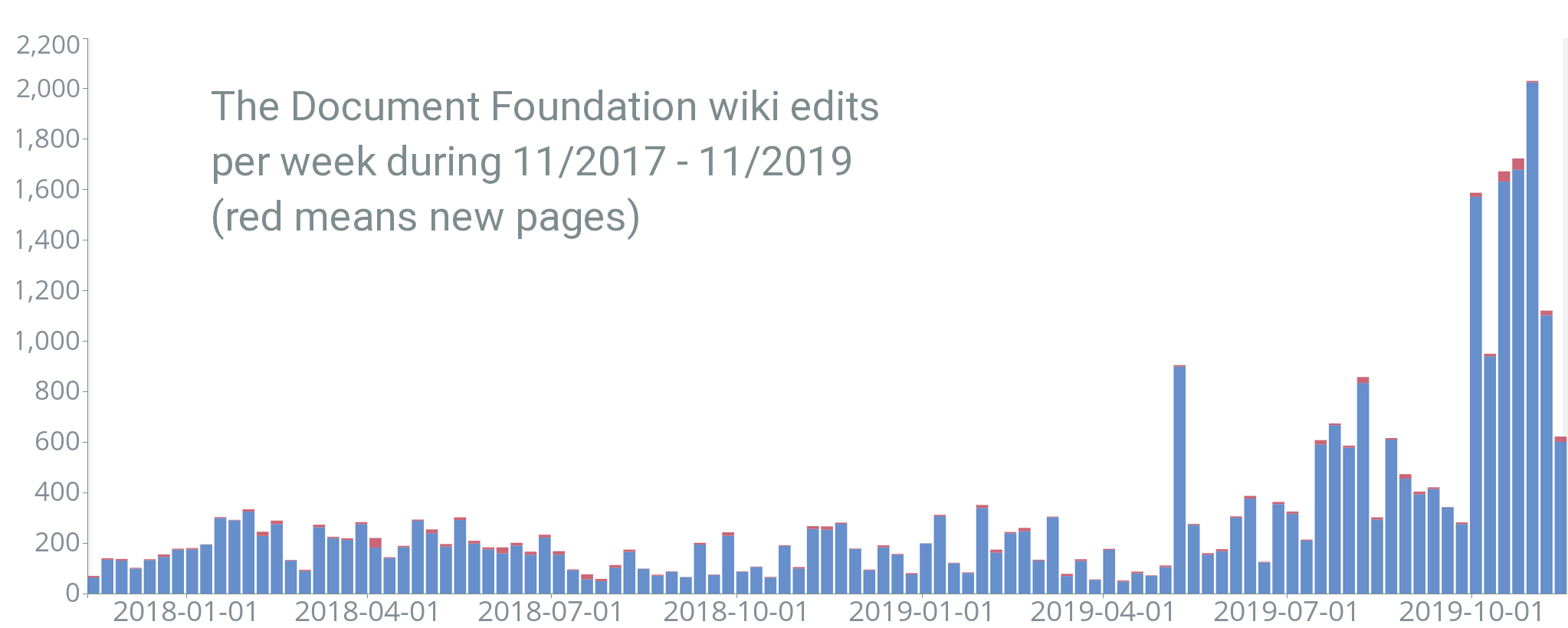
At the beginning of November, we started a new Month of LibreOffice, celebrating community contributions all across the project. So how many people got sticker packs throughout the month? Check it out…

Congratulations to everyone who’s on that page – and thanks so much for your contributions. It’s great to see such a passionate community helping to bring powerful, free and open source software to the world.

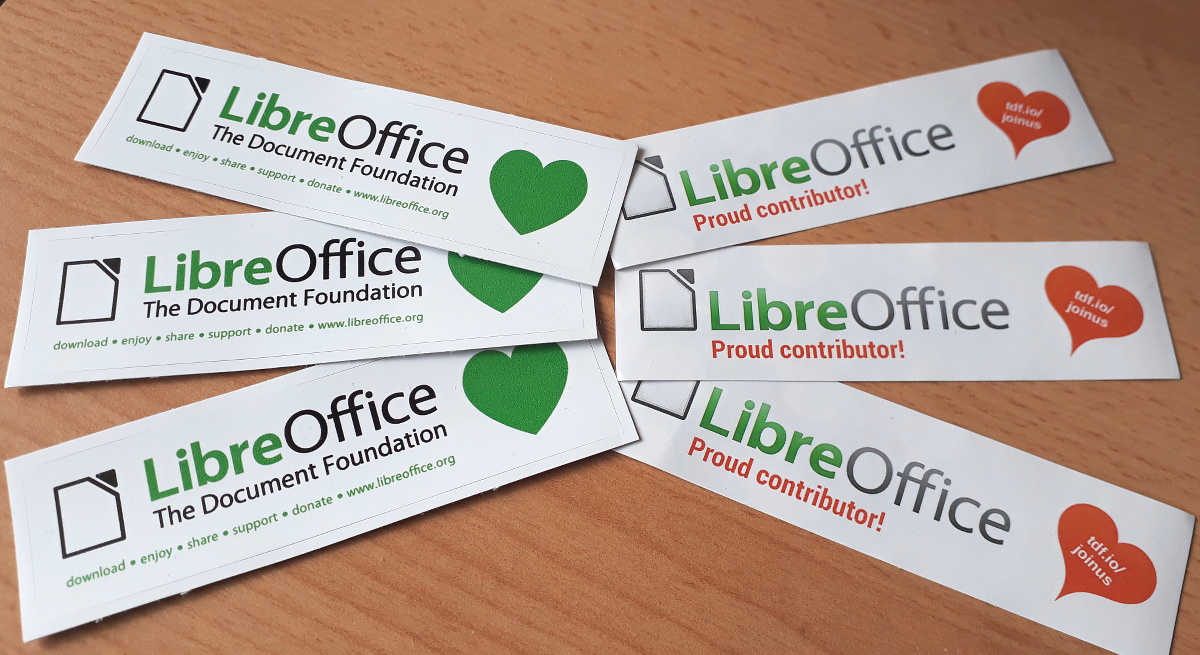
Now, how can you claim your sticker pack? Click the 302 above, and if you see your name (or username) on that page, get in touch! Email mike.saunders@documentfoundation.org with your name (or username) from the wiki page so that we can check, along with your postal address, and we’ll send you these:

(Note: your address will only be used to post the stickers, and will be deleted immediately afterwards.) If you contributed to the project in November but you’re not on the wiki page, please let us know so that we can add you!

But there is one more thing…

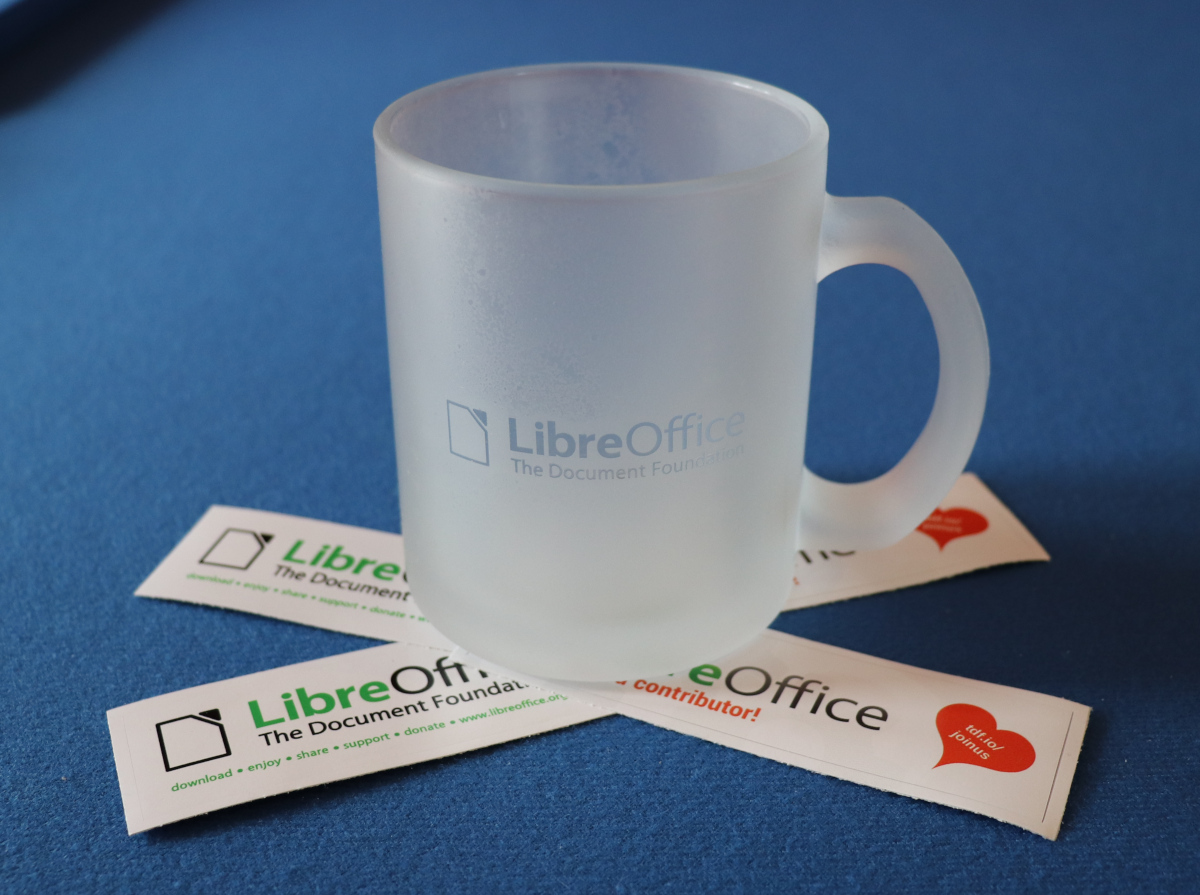
And we have an extra bonus: 10 contributors have also been selected at random to get an exclusive LibreOffice glass mug! It looks like this:

And here are the winners:

  • Krunose
  • LibreOfficiant
  • @tetrapyloctomist@muenchen.social (Mastodon)
  • Rhoslyn Prys
  • Roman Kuznetsov
  • Marco A.G.Pinto
  • @balogic (Twitter)
  • Gerhard Weydt
  • Grantler
  • Rizal Muttaqin

Congratulations to you all! We’ll be in touch with details for claiming your mugs…

So, this Month of LibreOffice has finished – but we plan to do another one in May next year, with another opportunity to get cool merchandise! And, of course, you can join our friendly community at any time and contribute back to the project. Thanks!

LibreOffice monthly recap: November 2019

Here’s our summary of updates, events and activities in the LibreOffice project in the last four weeks – click the links to learn more!

  • We got started with the Month of LibreOffice, November 2019. This is a campaign that we run every six months, crediting contributions all across the project. Everyone who helps the LibreOffice community during November can claim a sticker pack, and has a chance to win a cool glass mug. Today is the final day, so click the link to find out how to participate!

  • The OpenDocument Format (ODF) is the native file format in LibreOffice, and is used by other applications too. On November 7, we welcomed the release to OASIS of TC Committee Draft of ODF Version 1.3 for ratification. At the end of the process, ODF Version 1.3 will be submitted to ISO to become a standard. The final approval is expected in late 2020 or early 2021.

  • The LibreOffice Conference 2019 took place in Almeria, Spain in September, and we finished editing and uploading videos of presentations from the main room (auditorium). They’re all in the playlist, which you can browse below – click the button at the top to change to a different video:

Please confirm that you want to play a YouTube video. By accepting, you will be accessing content from YouTube, a service provided by an external third party.

YouTube privacy policy

If you accept this notice, your choice will be saved and the page will refresh.

  • Another community that was especially active this month was the Albanian LibreOffice community, who organised a localisation sprint and other events. We really appreciate their help – and our thoughts are with them, and the people of Albania, in the difficult times after the earthquake.

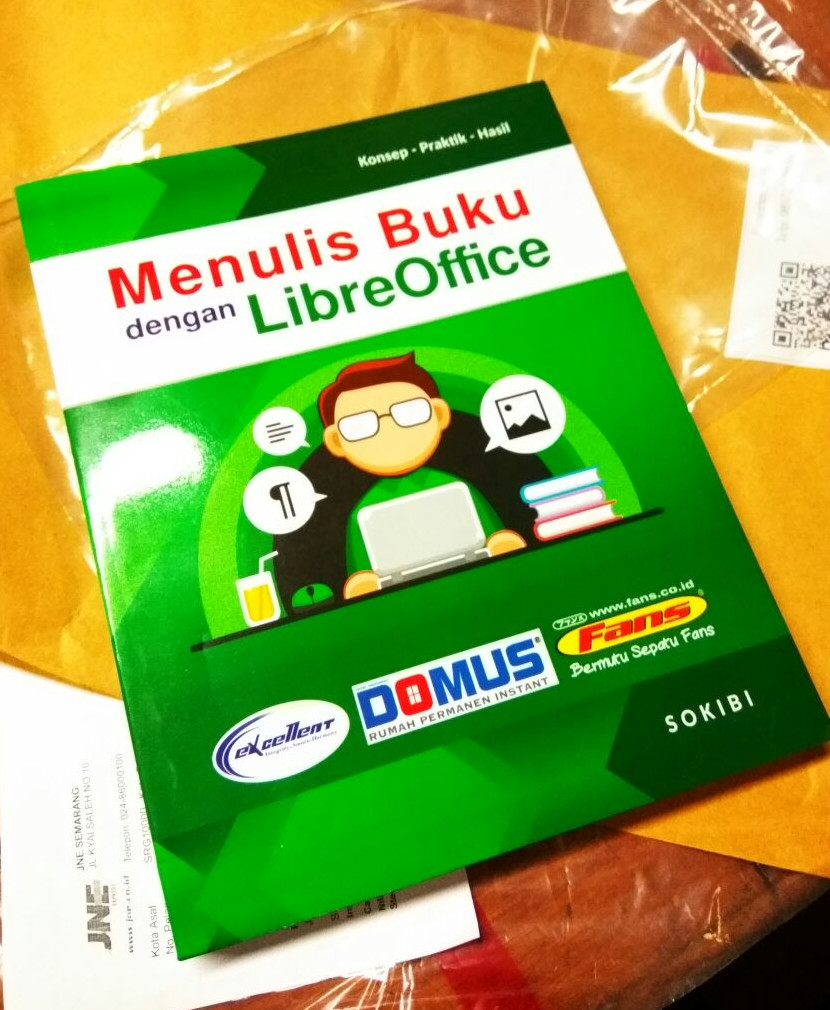
  • Over in Indonesia, Sokibi’s story tells us about advocacy of free software and LibreOffice at a local level. It’s wonderful to see people all around the world who are so passionate about open source and sharing knowledge!

  • The new LibreOffice Macro Team posted a progress report, detailing bugs fixed, help update and code contributions. Great work, everyone!

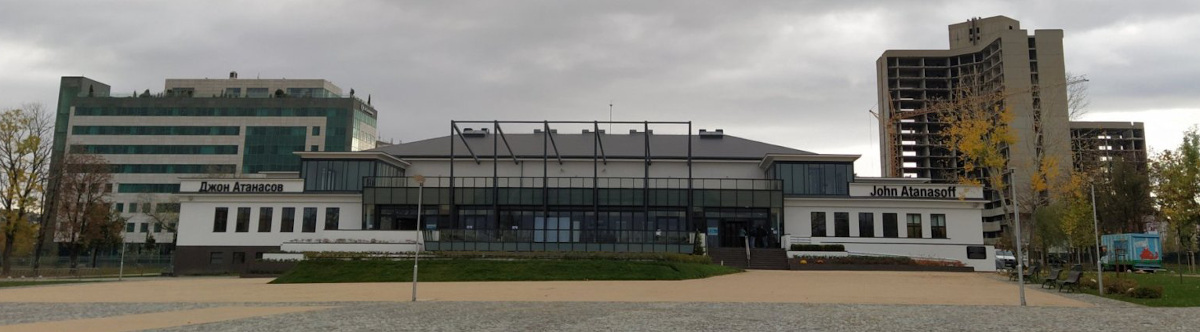
  • And finally, we had a local event update from Sofia, Bulgaria, where LibreOffice was present at OpenFest. Gabriele Ponzo describes his experiences there, and explains how other community members can get involved too.

Keep in touch – follow us on Twitter, Facebook and Mastodon. Like what we do? Support our community with a donation – or join us and help to make LibreOffice even better!