LibreOffice monthly recap: September 2018

Here’s our regular recap of events and updates in the last month!

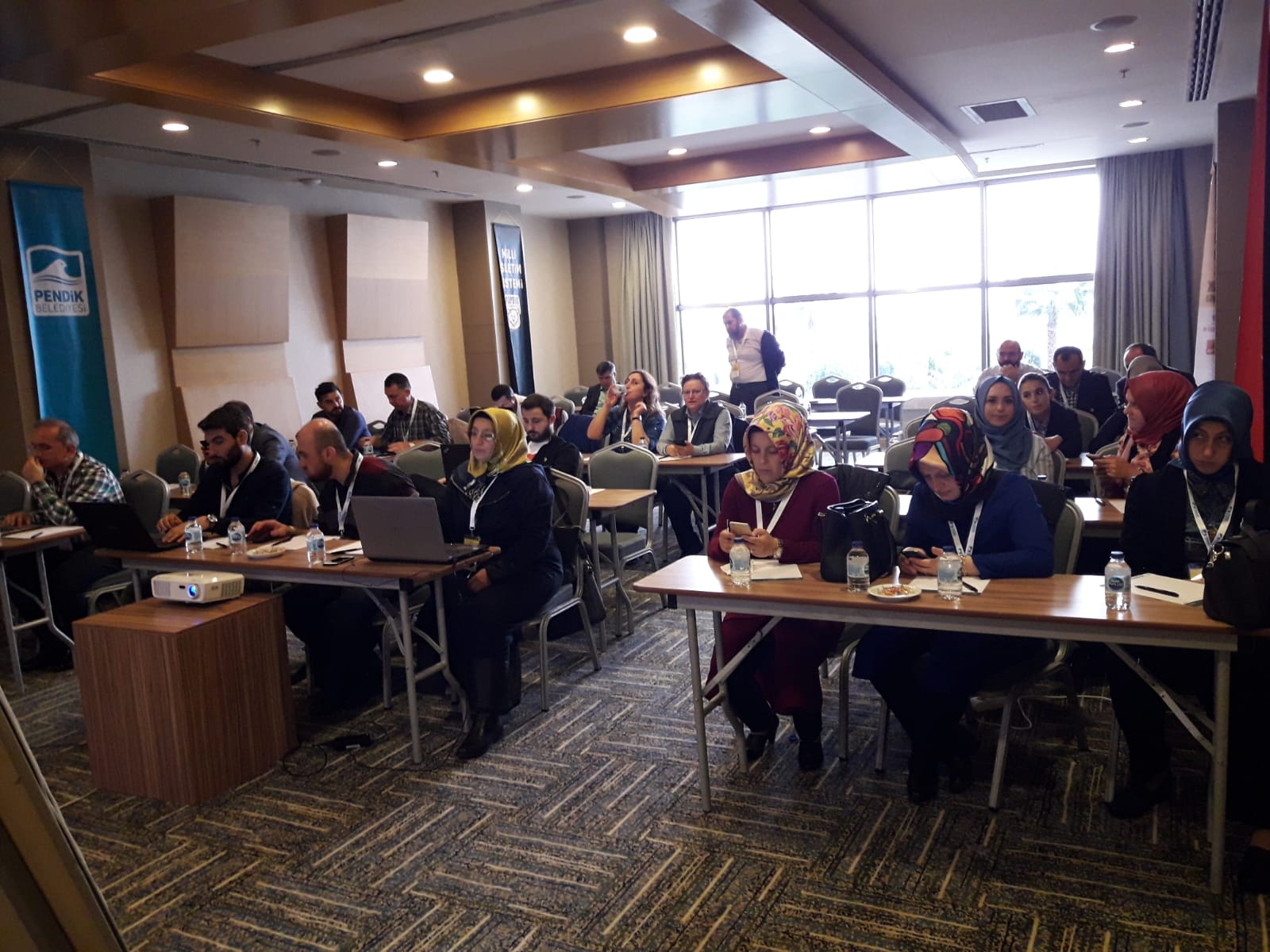
  • From 25 to 28 September, our Albanian community organised the LibreOffice Conference 2018 in Tirana. They did an excellent job, so we’d like to give a special thanks to all the organisers for their help! The conference brought together developers, users and supporters from across the world – see the conference website for full details and the programme. Talks and presentations were filmed, so we’ll work on editing and uploading them in the next couple of weeks – keep an eye on the blog!

  • Throughout the event, we posted regular updates on the blog, including photos from day 1, day 2 and day 3. We’ll post a recap video soon, but in the meantime check out the group photo shot of over 100 of the attendees who were present on day 3:

  • During the conference, we also announced LibreOffice 6.1.2, the second minor release of the LibreOffice 6.1 family, targeted at early adopters, technology enthusiasts and power users. A big thanks to all our community members and certified developers who contributed to this release.
  • Meanwhile, LibreOffice release engineer Christian Lohmaier gave a talk at droidcon Vienna about LibreOffice Viewer for Android. We’re always looking for more help to improve the app and make the experimental editing mode a standard feature, so if you’re familiar with coding Android apps and want to give us a hand, get started here.

  • On September 18, we celebrated the International Day Against DRM. Digital “Rights” Management (which could also be called “Restrictions” Management) is a set of technologies to limit and control users. The Document Foundation supports the International Day Against DRM as part of its daily fight to make content sharing available to all individuals, and to educate them to adopt open standards to foster innovation.
  • Our documentation community released the Getting Started Guide 6.0, an introductory text covering all of the main components in LibreOffice. If you want to learn more about the suite and discover some features you may not have come across, check it out! It’s available in digital and printed formats.

  • Finally, as part of our regular “Community Member Monday” posts, we talked to Battsengel Ichinnorov, a new TDF member, who helps to localise LibreOffice for Mongolian users.

Keep in touch – follow us on Twitter, Facebook and Google+. Like what we do? Support our community with a donation – or join us and help us to make LibreOffice even better!

LibreOffice Conference 2018: Day 3 in pictures

We started the day with presentations – such as LibreOffice’s user experience advantages:

Meanwhile, the Engineering Steering Committee met in person:

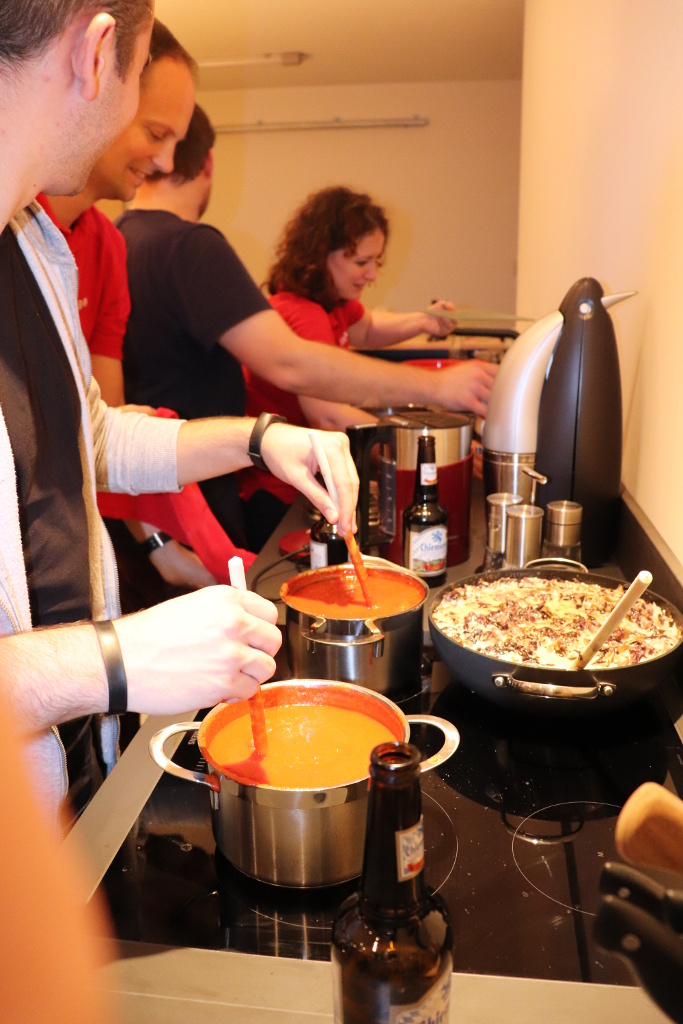
Relaxing with pasta for lunch!

And then time for the group photo…

Having fun at the hackfest in the evening:

Now we’re into the final day! Stay tuned…

LibreOffice Conference 2018: Day 2 in pictures

We welcomed attendees this morning:

Then the opening session began!

Erion Veliaj, Mayor of Tirana, joined us to talk about the importance of free and open source software in the city:

Fun and games at lunchtime:

Björn Michaelsen and Florian Effenberger celebrated 20 years of the Open Source Initiative:

Meanwhile, Heiko Tietze gave a talk about recent user interface improvements in LibreOffice:

See you tomorrow!

#IDAD, International Day Against DRM

Today we are celebrating the International Day Against DRM.

DRM, or Digital Rights Management, is a set of access control technologies for restricting the use of proprietary hardware and copyrighted works, by controlling the use, modification, and distribution of copyrighted works. Instead of educating users, companies prefer to restrict them from exercising their legal rights under the copyright law, such as backing up copies of CDs or DVDs, lending materials out through a library, accessing works in the public domain, or using copyrighted materials for research and education under the fair use doctrine.

DRM is an epidemic spreading across the Web, infiltrating homes, classrooms, workplaces, and just about everywhere else users can go. Tools, technologies, books, games, movies, and music are coming to us locked down with DRM, whether they are streaming or claim to be locally hosted.

DRM can be associated to document lock in by means of pseudo-standards. They are both hidden to users and reduce their freedom as they make sharing contents – even when fully legitimate – completely or partially impossible.

The Document Foundation supports the International Day Against DRM as part of its daily fight to make content sharing available to all individuals, and to educate them to adopt open standards to foster innovation.