Community Member Monday: Dieudonne Dukuzumuremy and Tomas Kapiye

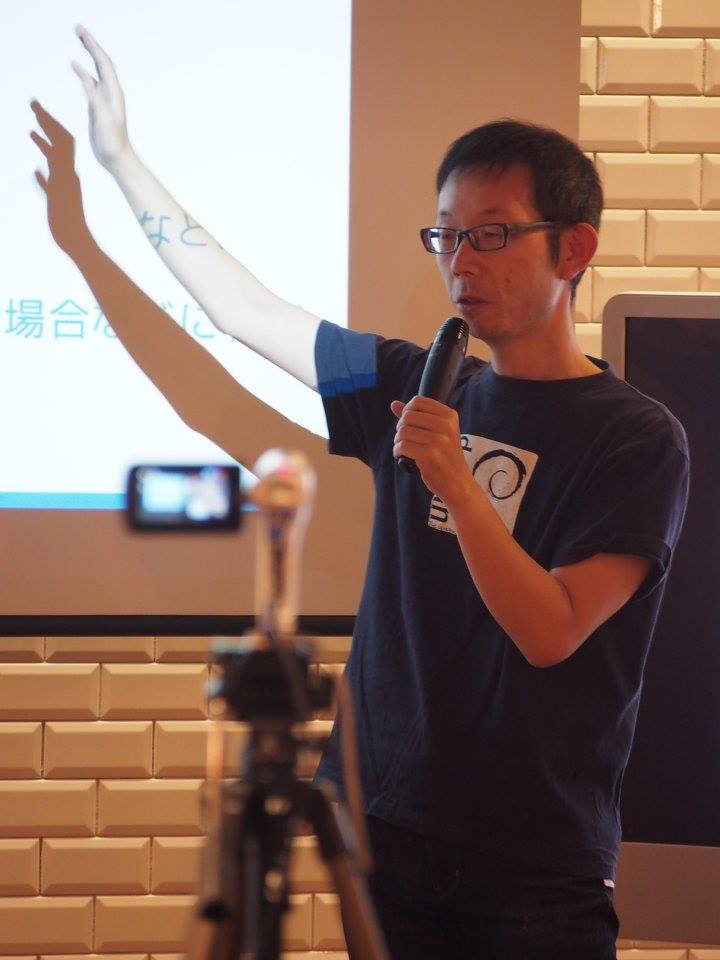
LibreOffice is an international project, available in many languages thanks to our enthusiastic worldwide community! Today we speak to two contributors from Africa who are currently living in Japan, starting with Dieudonne Dukuzumuremy:

Firstly, tell us a bit about yourself (where you live, your experience, and what you love – apart from LibreOffice of course!)

I live in Japan (Kobe City). In fact, I have graduated in Japan as a Master’s holder in Information Systems. Currently, I’m doing a post-graduation internship. When I’m not working on LibreOffice, I work as software developer.

Besides that, I will stay in Japan until December – then after I will go back to my home country Rwanda, where I work as a lecture in at the Integrated Polytechnics University. There I provide the fundamentals of programming such as PHP, HTML, CSS, MySQL, SQL Server, VB.net, WordPress etc..

I’m interested in learning new global technologies and bringing more ICT innovations to developing countries, sharing knowledge as well as being result-oriented.

My hobbies are playing football and futsal, along with meeting and making friends.

What do you do in the LibreOffice project?

In LibreOffice I do bug triaging and translations. Currently I’m working on bug reports, reproducing bugs, and translating LibreOffice into the Kinyarwanda language – which is one of the languages of Rwanda.

How did you get involved? Was it a good experience?

I joined a post-graduation internship in a company which has a department of open source software department, and they are focusing on LibreOffice. So LibreOffice is my main task during my internship.

A good experience is that I understand how LibreOffice works as open source, in terms of the different categories of contributors. It was my first time participating, and providing a contribution. It is also interesting to translate LibreOffice into my own language.

What does LibreOffice need most right now?

LibreOffice needs more active collaborative teamwork, to keep improving its features, in order to make it more reliable for users. LibreOffice also needs to improve more in marketing, so that people around the world understand it. Most developing countries spend a lot of money to buy licensed office softwares – but LibreOffice makes it cheaper and gives more to local people who support it.

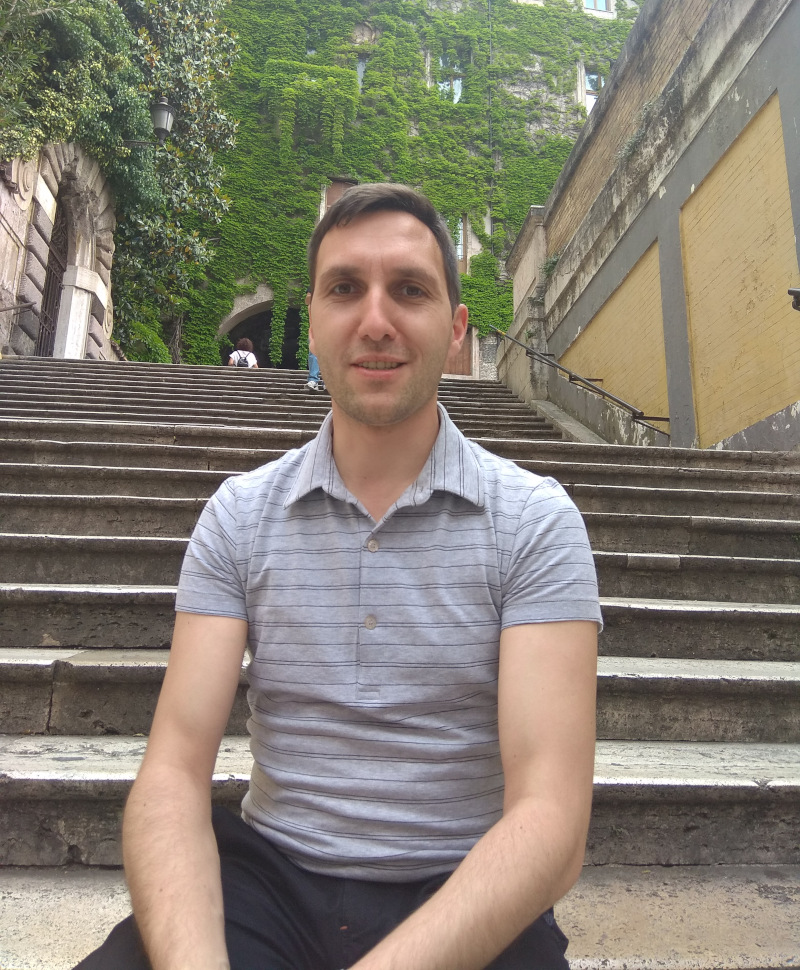
Tomas Kapiye

Where do you live, and what do you get up to in your spare time?

I also live in Kobe, Japan. In my spare time I like surfing the net, in search for new news on technology, international relations, business and finance, and social well-being. Sometimes I study computer networking (I am originally a Computer Engineer (CCNP)), or I study Python since I have a personal interest in it.

When I have more time, I meet friends for a chess game, go swimming or exercise in the park. Oh and I like catching fish, making friends from all over the world, and spending some time in the kitchen 🙂

What do you do in the LibreOffice project?

I am doing translations mostly, but periodically also do bug triaging.

How did you get involved?

I got involved by joining an internship programme at a company called iCraft in Kobe, Japan. It was a good experience – I wouldn’t have imagined all of the efforts that are happening behind-the-scenes in applications such as LibreOffice, especially to deliver good service to end users.

Lastly, what does LibreOffice need most right now?

User-friendly materials about the processes to follow when someone wants to get involved. LibreOffice also needs to expand its efforts into Africa, especially considering that many things are moving there and all forms of development are taking place there.

A big thanks to Dieudonne and Tomas for their time and contributions! If you’re reading this and are based on the African continent, you can help us to localise the software and spread the word about it!

Find a LibreOffice community member near you!

Hundreds of people around the world contribute to each new version of LibreOffice, and we’ve interviewed many of them on this blog. Now we’ve collected them together on a map (thanks to OpenStreetMap), so you can see who’s near you, and find out more! Click the image to see the live map:

Don’t see anyone near you? Help us to create a new native language community in your country! (Or if you’re already active in the project and would like to be interviewed, just drop us a line.)

Community Member Monday: Khaled Hosny

With LibreOffice 6.2 now available, we return to our regular chats with LibreOffice community members! Today we’re talking to Khaled Hosny, who is working on the software’s font handling and user interface…

To start with, tell us a bit about yourself!

I’m based in Cairo, Egypt. I use IRC but not very actively – my nick is KhaledHosny. I’m a bit active on Twitter as well. I’m also on GitHub (which, after all, is a social network of sorts): https://github.com/khaledhosny.

Outside of my work on LibreOffice, I’m also a localizer and typeface designer, both in a professional capacity and as a hobby. I’m also an avid reader, and an amateur calligrapher and artist.

Do you work for a LibreOffice-related company or just contribute in your spare time?

I contribute in my spare time mostly, but some of my work was sponsored by The Document Foundation.

How did you get involved with LibreOffice?

I was trying to fix some bugs with Arabic text layout in OpenOffice.org (the predecessor to LibreOffice) on Linux. It wasn’t the most pleasant experience, to say the least, and I never got to finish the fix I was working on. So, when I became aware of LibreOffice in early 2011, I switched immediately and was able to finish and submit my first patch, which got reviewed and accepted. I have been contributing to LibreOffice intermittently since then.

What areas of the project do you normally work on? Anything else you want to tackle?

I’m mostly interested in areas of text layout and font handling, especially for Arabic and other writing systems that require advanced text layout. I also sometimes work on UI issues affecting right-to-left writing systems, as well as layout of mathematical equations.

What was your initial experience of contributing to LibreOffice like?

That was over eight years ago, so my memory is fading away, but I remember that it was much better than working on OpenOffice.org, and the build system (even then) was much more pleasant to use. Also, I think my first patch was accepted without much friction and delay, which is not my experience with many other open source projects.

What does LibreOffice need most right now?

In my humble opinion, I think the project needs a clearer vision and development agenda. Right now things seem to be moving organically without much coordination, and every one is working on whatever interests them. I understand that such development organisation is not easy or even feasible in an open source development model and might not even be desirable, but maybe The Document Foundation should take a more active role in steering LibreOffice development.

Thanks to Khaled for his time, and contributions to LibreOffice! Our community would benefit from more help in translating the website and user interface into Arabic, so if you’re interested, start here!

Community Member Monday: Pierre-Yves Samyn

Today we’re chatting with a member of the French-speaking LibreOffice community, Pierre-Yves Samyn, who helps our marketing and documentation projects with videos and translations:

Where do you live, and what do you enjoy in your spare time?
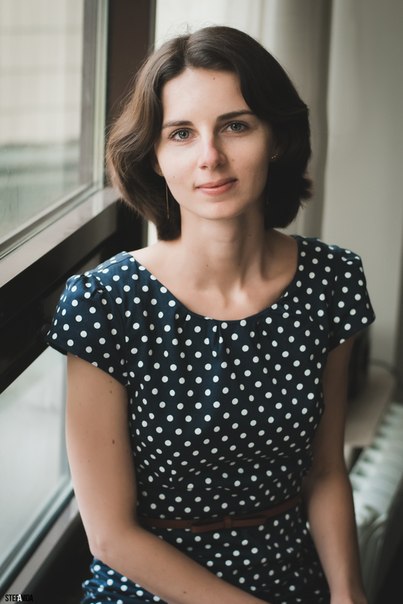
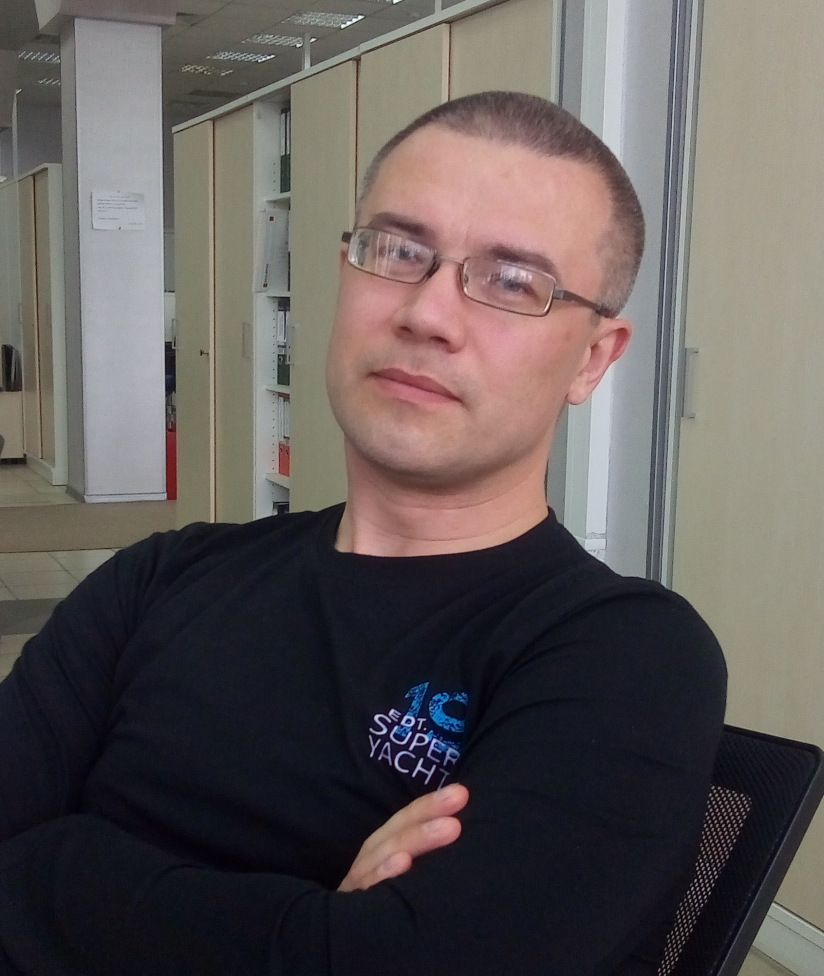
I live in metropolitan France. Outside of LibreOffice, I like to read, listen and play music.

In which areas of the LibreOffice project are you active?

Thesedays, my main activities for the project are:

  1. Following up the French part of the wiki (translation of the release notes mainly)
  2. The creation of videos, posted on the French TDF channel (click the playlist button in the top-left to see other videos):


    Please confirm that you want to play a YouTube video. By accepting, you will be accessing content from YouTube, a service provided by an external third party.

    YouTube privacy policy

    If you accept this notice, your choice will be saved and the page will refresh.

    I started with a more-or-less weekly rhythm, with the idea of making “videos of the week”, like the tips of the week we have on the Twitter account. I have kept that pace for around three to four years. Today, I make videos more according to the inspiration of the moment, or following a question that was asked. I also try to add English subtitles.

  3. The other thing I do in the project is to respond punctually to questions on English-speaking Ask LibreOffice site (not as often as I would like).

How did you get involved with LibreOffice?

I get involved through my work, at the time with OpenOffice.org version 1.1.3 if my memory is good. The software imported less than the ODF format for this project, consisting (in part) of using the software conversion features. I was immediately seduced, and reported to the project my experience in creating training support, user support, etc.

What was your initial experience of contributing to LibreOffice like?

Helping first: I was active member on the OpenOffice.org forum, then on all the French mailing lists (discuss, users, QA etc.) Then I moved on to testing new versions (reports or comment on Bugzilla). I also participated in making content for the wiki (creation/update of FAQs, macros, release notes…). And I participated in the documentation project (proofreading).

What tools do you use for your work?

Eclipse, Vim, Notepad++, Atom, VLC…

Finally, what does LibreOffice need most right now?

I probably do not have a sufficient overall vision of the project, but here are some topics that resonate in me (in no order of priority):

Many thanks to Pierre-Yves Samyn for all his help and contributions! Learn more about the French LibreOffice community here, and then get to know us – we’re a friendly, growing free software project, so by taking part you can meet new people and build up valuable experience. Join us today!

LibreOffice 6.2 community focus: Quality Assurance

LibreOffice’s worldwide community of volunteers and certified developers has been working hard on the many updates in LibreOffice 6.2. But while shiny new features are great for users, it’s important that they’re well-tested too! That’s where our QA (Quality Assurance) community comes into play. So today we talk to Xisco Fauli, The Document Foundation’s QA engineer, about the upcoming release…

What new features in LibreOffice 6.2 are you most excited about?

Obviously I’m very happy to see the NotebookBar finally moving out of experimental status, after some years under development. Kudos to the UX (user experience) team and the devevelopers who helped them. However, I’d like to highlight two major improvements done in two different areas of LibreOffice, that help to improve its quality and clean some old bugs in Bugzilla.

The first one is the work done by Muhammet Kara with regards to the personalization dialog. Support for Firefox persona was added in LibreOffice 4.0 and quickly became popular amongst users. However, it was slow to download themes, and from time to time it broke because Mozilla changed its API. At some point, we even discussed removing it in the ESC (Engineering Steering Committee) meetings. Fortunately, Muhammet decided to give it some love, and now will have a new, shiny, fast and reliable personalization dialog. Kudos to Muhammet for his work!

The second one is the work done by Mark Hung with regards to the .PPTX animations. At least 20 bugs have been fixed in this area. Besides, since OpenOffice times, there were many documents that couldn’t be opened in Microsoft Office after saving them as .PPTX in LibreOffice. Most of these problems are gone now – so thanks to Mark Hung.

What has the QA community been working on in preparation for this release?

A great milestone we achieved recently is the LibreOffice QA blog coming to life. We publish monthly reports where we highlight what happened during that month in QA and development, which gives an idea of what’s going on in the project (here’s an example). The report has some nice charts, like how the number of unconfirmed bugs evolves over time or how many bugs were reported every day, among others.

Besides, the QA community worked very hard to find regressions, triage new bugs, create UItests and test new features – just to mention some of the tasks the community does.

Last but not least, three Bug Hunting Sessions were organized in the last six months, plus one live session with 70 students in Taiwan, and another live session with eight participants in Ankara. Thanks to all the QA community and Franklin Weng, Cheng-Chia Tseng, Jeff Huang and Muhammet Kara for organizing the live events.

Looking further ahead, what else are you planning – or want to achieve – in the community?

Knowing that the next LibreOffice Conference will take place in Almeria, Spain, I would like to organize an online meeting for the Spanish community. It’s very active in the Telegram channel, with more than 450 members, so I think it’s about time to have these meetings in order to get to know each other better, share community ideas, organize events, talk about the Conference, etc… Personally I would love to see many of them coming to Almeria and meet them in person.

Finally, why should people get involved in QA, and how?

Joining our QA community is a good way to build up valuable experience in a well-known open source project, which can be useful if you want to go down that career path in the future. It looks good on a CV – and helps to keep LibreOffice reliable too!

The easiest way to join us to show up in the IRC channel #libreoffice-qa or join the Telegram channel and say hi! We’ll be happy to talk with you and get you started. On the other hand, if you are shy and you don’t want to say anything, we have a list of tasks waiting for someone willing to help. You just need to go to the get involved page and choose the one you like. As soon as you will start to use Bugzilla, you will get an email from me with different links to the QA documentation, in case you want to learn things more in detail.

LibreOffice 6.2 community focus: Localisation

Last week, we talked to the design community about their preparations for the upcoming LibreOffice 6.2 release. Today we hear from Sophie Gautier, who helps out with localisation (l10n) – that is, translating the software’s user interface, documentation and website into other languages…

What new feature(s) in LibreOffice 6.2 are you most excited about?

The many improvements and new features added to the online version will push it a step further and speed up its adoption. I think it’s a key asset for our project and its visibility, and I hope it will bring many more people to contribute to development, design or translation of the software.

What has the localisation community been working on in preparation for this release?

New features have a lot of new strings; the Design project has worked on the user interface and the Documentation project has made a lot of updates and completions in the help files. All this is reflected in localization work. Moreover, the l10n community is also maintaining the strings of the en_US version, so whenever a typo exists there, it triggers the localization process again. If you add the preparation needed for the press release, all in all the team has done incredible work!

Looking further ahead, what else are you planning – or want to achieve?

If it’s compatible with our workflow, I would like to give Weblate a try and see if it eases the work of our l10n team. Pootle is a great tool, but we lack some features, one of which is very important for me: an easy way to credit contributors and value their work through the tool.

Finally, how can people get involved with localisation?

If you are a translator, it’s very easy to participate by helping on translating press releases, and videos for marketing purposes. If you are more interesting on producing documentation, either translating into your language or in English would bring a great help to the project. A bit more technical – but still easy – is to translate the software UI and the help in your language, bringing LibreOffice in their language to many many people. For all topics, we have a page to get started, so join us on the mailing list!

Thanks Sophie – and coming up next week, we’ll talk to Xisco Fauli from the QA (quality assurance) community…