Winners in the Month of LibreOffice, November 2022!

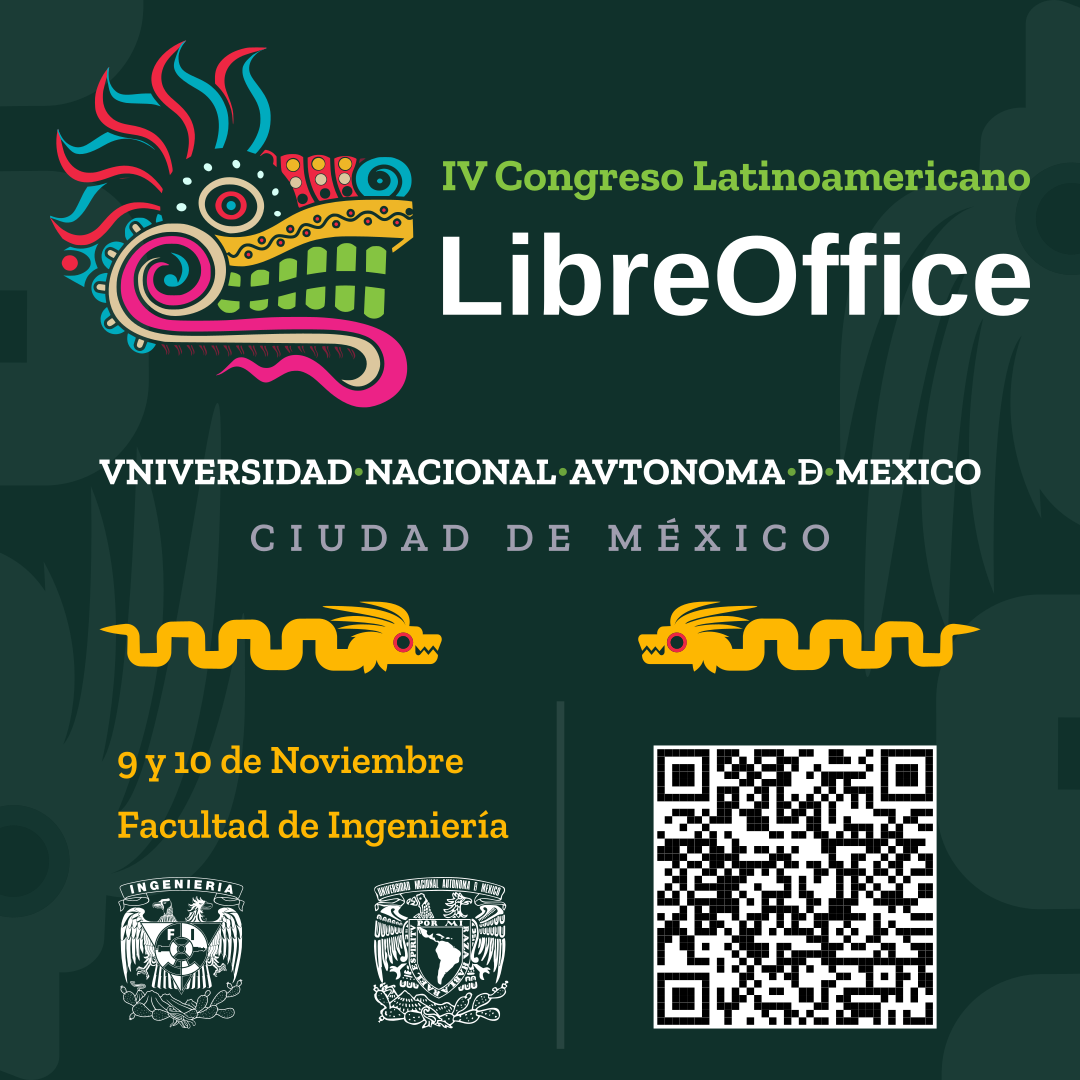
At the start of November, we began a new Month of LibreOffice, celebrating community contributions all across the project. We do these every six months – so how many people got sticker packs this time? Check it out…

Awesome work, everyone! Hundreds of people, all across the globe, have helped out in our projects and communities. We’re hugely thankful for your contributions – and, of course, everyone who’s listed on the wiki page can get a sticker pack, with these stickers and more:

How to claim

If you see your name (or username) on this page, get in touch! Email mike.saunders@documentfoundation.org with your name (or username) from the wiki page so that we can check, along with your postal address, and we’ll send you a bunch of stickers for your PC, laptop and other kit.

(Note: your address will only be used to post the stickers, and will be deleted immediately afterwards.) If you contributed to the project in November but you’re not on the wiki page, please let us know what you did, so that we can add you!

There is one more thing…

And we have an extra bonus: nine contributors have also been selected at random to get an extra piece of merchandise – a LibreOffice hoodie, T-shirt, rucksack or snazzy glass mug. Here are the winners (names or usernames) – we’ll get in touch personally with the details:

  • Aleksandar Popovic
  • vibrationoflife
  • Benyamin Limanto
  • Jürgen Kirsten
  • Tarcísio Ladeia de Oliveira
  • Omkar Acharekar
  • Jaroslav Kratochvil
  • Ettore Atalan
  • William Friedman

Congratulations to all the winners, and a big thanks once again to everyone who took part! Your contributions keep the LibreOffice project strong. We plan to have another Month of LibreOffice next year, but everyone is welcome to see what they can do for LibreOffice at any time!

Getting Started Guide 7.4 and Impress Guide 7.4 Available for Download

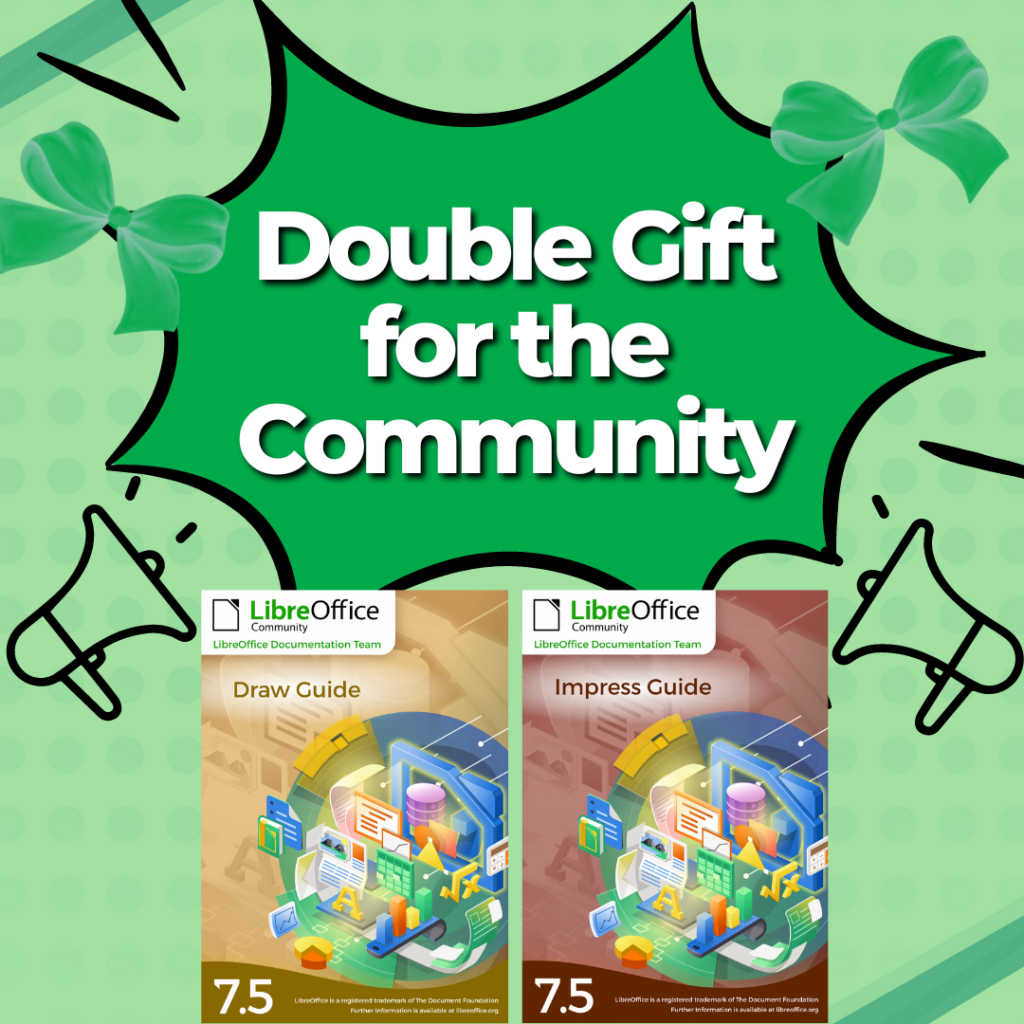
The LibreOffice Documentation Team announces the immediate availability of the Impress Guide 7.4 and Getting Started Guide 7.4

The Impress Guide 7.4 was coordinated by Peter Schofield and revised by Kees Kriek. The guide is available in PDF as well as in ODF formats. An online version is available in the bookshelf website.

Impress Guide 7.4

The Getting Started Guide 7.4 update was coordinated by Skip Masonsmith also with the revision of Kees Kriek and Jean Weber.

Getting Started Guide 7.4

The LibreOffice Community thanks Peter, Skip, Kees and Jean for their immense contribution to our documentation assets and knowledge.

Docmentation Team

The Guides can be downloaded or purchased in printed version from the Documentation website as well as the bookshelf project.

Sign the open letter about the universal right to install any software on any device

Earlier in 2022, together with more than 100 European organisations and companies, The Document Foundation has signed the #OpenLetter about the universal right to install any software on any device. Join us and sign the letter today.

To: Legislators in the European Union

In copy: Citizens of the European Union

The universal right to freely choose operating systems, software and services

Software design is crucial for the ecodesign and sustainability of products and hardware. Free Software systems and services enable reuse, repurposing and interoperability of devices. The universal right to freely choose operating systems, software and services is crucial for a more sustainable digital society.

The ongoing digitization of infrastructures and services comes along with a continuously growing number of electronic devices that are connected to the Internet – be it in private, public or business environments. Many of these devices need more energy and natural resources to be produced than the energy they consume during their entire lifespan. And way too many of these devices are being wasted and not reparable simply because the software stops working or is not being updated anymore.

Once the pre-installed software stops users from continuing to use their hardware, restrictive ownership models prevent users from helping themselves to enjoy longer use of their devices. Restrictions span from physically locking down hardware, to technical obscurity by using proprietary software, to legal restrictions via software licenses and end user license agreements. This way, manufacturers often prohibit repairability, access and reuse of their devices. Even after purchase, customers often do not really own their devices. They are not able to do what they want with their very own devices. If you cannot install the software you want on your own device – you don’t own it.

We, the signees of this open letter,

  • recognize that free access to the hardware and software determines how long or how often a device can be used or reused.
  • declare the increased longevity and reusability of our devices to be inevitable for a more sustainable digital society.

That is why we ask legislators around Europe to make use of the historic chance and enable a more sustainable use of electronic products and devices with a universal right to install and run any software on any device. To this end, we demand that:

Users have the right to freely choose operating systems and software running on their devices

Our tablets, phones and other connected devices are general purpose computers. Replacing software and operating systems on these devices enables us to extend the initial lifespan of a device and to make full use of our hardware. For the ability to reuse and repurpose our resources in a creative and sustainable way we need the universal right to install and develop any operating system and software we want on any of our devices. Any legal, technical or other obstacles to reuse these devices for any purpose must not be allowed.

Users have the right to freely choose between service providers to connect their devices with

Users must have the free choice of providers offering software related services, meaning they can use the device from one manufacturer with the service provided by another. Many connected clients today go to waste simply because their online services go offline. Free choice of services allows these clients to be reused by connecting to another service.

Operating systems and embedded software determine possible interactions between generic sensors, modules and systems with their connected online services. For users to exercise free choice of services, they must be able to use the device from one manufacturer with any online service, which could be supplied by any other third party or by themselves. Connected services as well as the software on connected devices and applications must offer interoperability and full functionality of a device’s initial purpose with the use of Open Standards.

Devices are interoperable and compatible with open standards

Software designs and architectures determine accessibility and compatibility of hardware via standards, drivers, tools, and interfaces. Proprietary software and protocols hinder competition among manufacturers, undermine repairability of devices and create an artificial incompatibility of different devices within the same infrastructure. Interoperability of single devices however is crucial for the creation of sufficient, sustainable and long-lasting IT infrastructures. To enable interoperability, manufacturers must ensure that any data necessary to run a device’s primary function is compatible with and possible to import/export in open standards.

Source code of drivers, tools, and interfaces are published under a free license

Smaller components of a device often require specific drivers, tools, and interfaces to operate. Users need full access and free reusability of the source code of those drivers, tools, and interfaces to analyse and integrate a device within a set of interconnected devices from different manufacturers. Source code reusability is also key to exercise the full right to repair for any third-parties from professional repair shops to repair cafés to end users.

A free license is any license that gives everyone the four freedoms to use, study, share and improve the software, including Free Software and Open Source Software licenses. The obligation to publish drivers, tools, and interfaces under such a free license after market entry is key for full access to our devices and exercising the universal right to repair.

To sign the open letter, you can click on the following link: Open Letter about the universal right to install any software on any device


Month of LibreOffice, November 2022 – Half-way point…

So far, 203 sticker packs have been awarded in the Month of LibreOffice, November 2022. But we’re only half of the way through – so if your name (or username) isn’t on the list, join in, help to make LibreOffice even better, and get some cool swag! We’ll have 10 bonus pieces of merchandise to give away, to 10 lucky people…

How to take part

So, let’s get started! There are many ways you can help out – and as mentioned, you don’t need to be a developer. For instance, you can be a…

  • Handy Helper, answering questions from users on Ask LibreOffice. We’re keeping an eye on that site so if you give someone useful advice, you can claim your shiny stickers.
  • First Responder, helping to confirm new bug reports: go to our Bugzilla page and look for new bugs. If you can recreate one, add a comment like “CONFIRMED on Windows 10 and LibreOffice 7.4.2”.
  • Drum Beater, spreading the word: tell everyone about LibreOffice on Twitter or Mastodon! Just say why you love it or what you’re using it for, add the #libreoffice hashtag, and at the end of the month you can claim your stickers.
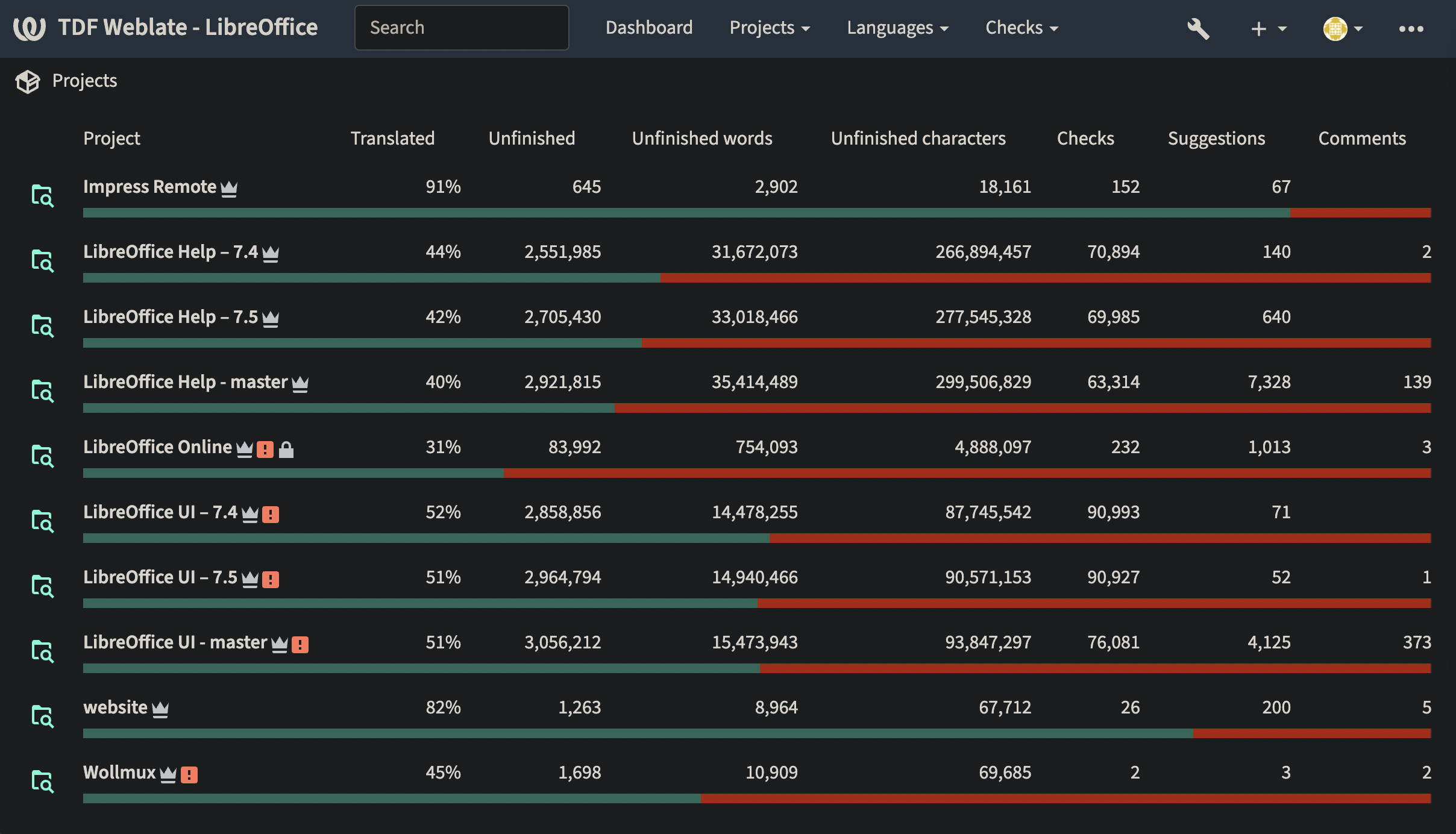
  • Globetrotter, translating the user interface: LibreOffice is available in a wide range of languages, but its interface translations need to be kept up-to-date. Or maybe you want to translate the suite to a whole new language? Get involved here.
  • Docs Doctor, writing documentation: Whether you want to update the online help or add chapters to the handbooks, here’s where to start.

Join in, learn new things, and have fun! We’ll post the final results in early December…

Community Member Monday: Muthuramalingam Krishnan (Tamil project)

Today we’re talking to Muthuramalingam Krishnan, who’s helping to spread the word about LibreOffice in southern India…

Tell us a bit about yourself!

I’m Muthuramalingam, from Tirunelveli – a southern district in Tamil Nadu, currently living in Chennai. I was in the IT industry for around 10 years, from 2007 to 2017. Currently, I’m giving training on technical matters around open source programming languages like Java and Python in Payilagam, Chennai.

What are you doing with LibreOffice in Tamil?

A long time ago, I started contributing to LibreOffice by raising a few bugs. After a while, as I had the opportunity to meet a number of youngsters and graduates, I started introducing them to LibreOffice. Once they started using LibreOffice, it became very easy for us to get them involved in LibreOffice QA (Quality Assurance) related of activities. Thus, we started conducting few offline and online trainings. A few links about them are here, here and in this video.

What are some of the opportunities and challenges with free and open source software (FOSS) adoption in your region?

Let me think about the challenges first regarding FOSS adoption. As many people are using proprietary operating systems here, they don’t have much idea or clue about FOSS adoption. Thus, it would be difficult for us to convince them that they are capable of contributing to any FOSS software.

Where there are challenges, there are also opportunities. Hence, our easiest opportunity is creating awareness about open source first, and then ask them to use a FOSS operating system. (Linux Mint is a good start for Beginners.) Once they adopt the operating system (dual-booting is also fine for us), every other FOSS ddoption will automatically follow, including LibreOffice.

How can other people help out in the Tamil community?

There are lot of people who are involved in FOSS development in Tamil. There are many active communities including Kaniyam, ILUGC, KanchiLUG etc. They will definitely help us with spreading the word about events, by publishing on their websites, Telegram groups, Sometimes they will help us to get event spaces at places including colleges and Universities. We can get senior members of these communities to guide people with translations, QA and other activities.

Join the Tamil community on Telegram here! And thanks to Muthuramalingam for all his help 😊

Say hello to the team at The Document Foundation!

Joining a free and open source software project, such as LibreOffice, is a great way to build your skills, gain experience for future career options, meet new people – and have fun!

But sometimes, joining a large and well-established project can be a bit daunting at the start. So here we’ll introduce you to the small team at The Document Foundation, the non-profit entity behind LibreOffice. Most team members oversee certain sub-projects in the LibreOffice community – click on their names to learn more in interviews…

Note that this is just the team at The Document Foundation; the LibreOffice community is made up of hundreds of people! Most of the new features are implemented by developers in our ecosystem and volunteers.

Now that you know who we are, click here to get involved and join our projects!