TDF is Google Seasons of Doc Mentoring Organization
The Document Foundation has been accepted as organization for the Google Seasons of Docs, a project whose goals are to give technical writers an opportunity to gain experience in contributing to open source projects, and to give open source projects an opportunity to engage the technical writing community.

For technical writers who are new to open source, the program provides an opportunity to gain experience in contributing to open source projects. For technical writers who’re already working in open source, the program provides a potentially new way of working together.

During the program, technical writers will spend a few months working closely with the LibreOffice community, bringing their technical writing expertise to the project’s documentation, and at the same time learn about the open source project and new technologies. At the same time, LibreOffice documentation team members will work with the technical writers to improve the project’s documentation and processes.

LibreOffice is an advanced office suite covering may areas of knowledge, from maths and sciences, engineering, financials, editing, drawing, printing and more. LibreOffice is also that kind of application that is used cross-industry, a very rich opportunity for technical writing.

Olivier Hallot, LibreOffice documentation coordinator, will lead the GSoD project, supported by Sophie Gautier and by members of the LibreOffice documentation team such as Drew Jensen, who has immediately created a banner to visually support this community effort.

All information about the Google Summer of Docs project are on the GSoD website. An outline of the project’s different steps is available on the GSoD timeline. The next deadline in the process for The Document Foundation is May 28th, as we we have to find interested technical writers to discuss our ideas, which are summarized on the following TDF wiki page. The list includes some of our project’s permanent challenges, but should not be limited to these items.

LibreOffice contributors who are interested in becoming a mentor for the GSoD project should get in touch with Olivier Hallot by sending him a message or by subscribing to the documentation mailing list.

Reminder: LibOCon 2020 Call for Locations

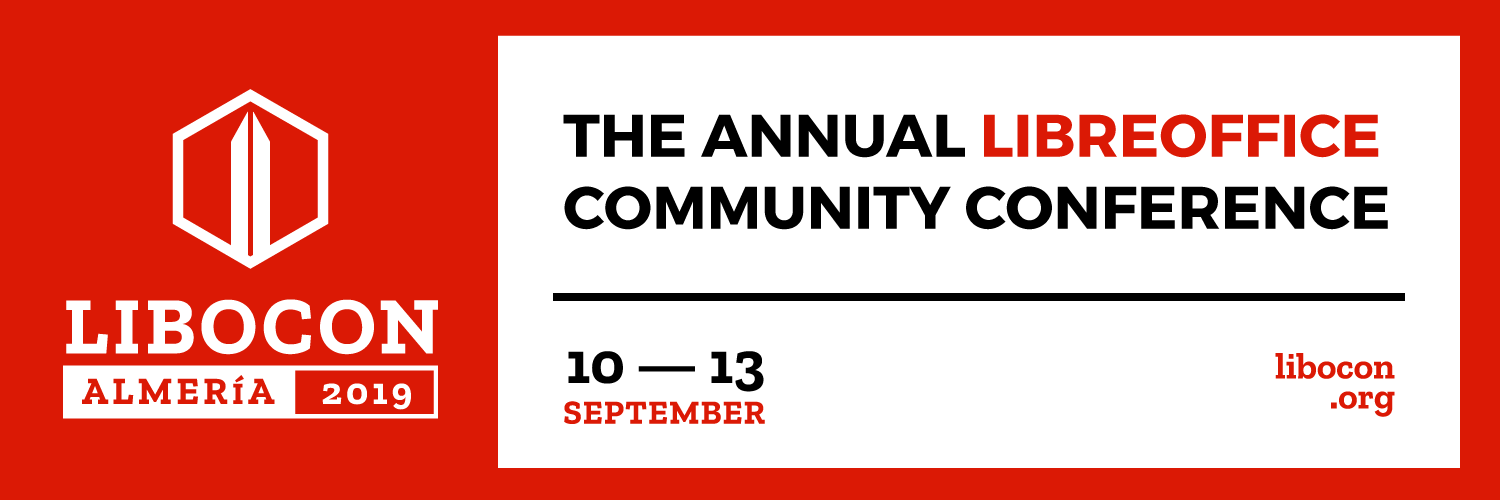
The Call for Location for LibreOffice Conference 2020 is open until June 30, 2019. It will be the 10th of a series of successful events: Paris, October 2011; Berlin, October 2012; Milan, September 2013; Bern, September 2014; Aarhus, September 2015; Brno, September 2016; Rome, October 2017; Tirana, September 2018, and Almeria, September 2019. During or around the event we will celebrate the 10th anniversary of the project, which was announced on September 28, 2010.

The Call for Locations opens well in advance as TDF Board of Directors wants to to give the event organizers the opportunity to attend this year’s conference – in Almeria, Spain, September 11 to 13, 2019 – to familiarize with the community and the structure of the event. For historical and practical reasons, the LibreOffice Conference takes place between September and November, with a preference for September.

More details about LibOCon 2020 Call for Locations are available on the original blog post.

LibOCon Reminders

LibreOffice Conference Almeria is approaching, and people interested in participating should remember to:

REGISTER by filling up the form on the Conference Registration Page;

SEND THEIR TALK PROPOSAL based on the Call for Papers guidelines, as we want to know about your experience in contributing to or using LibreOffice.

People who need a VISA or an invitation letter to attend LibOCon Almeria can find all the necessary information on the Conference VISA Application Page.

People who need accommodation can book at the Civitas Residence, which is offering special rates to LibOCon attendees.


Starting today: The Month of LibreOffice, May 2019 – get cool merchandise!

LibreOffice is made by a community of developers and supporters around the world. This month, we want to say a big thanks to everyone who helps out – and encourage more people to join our friendly community as well! So how are we going to do this?

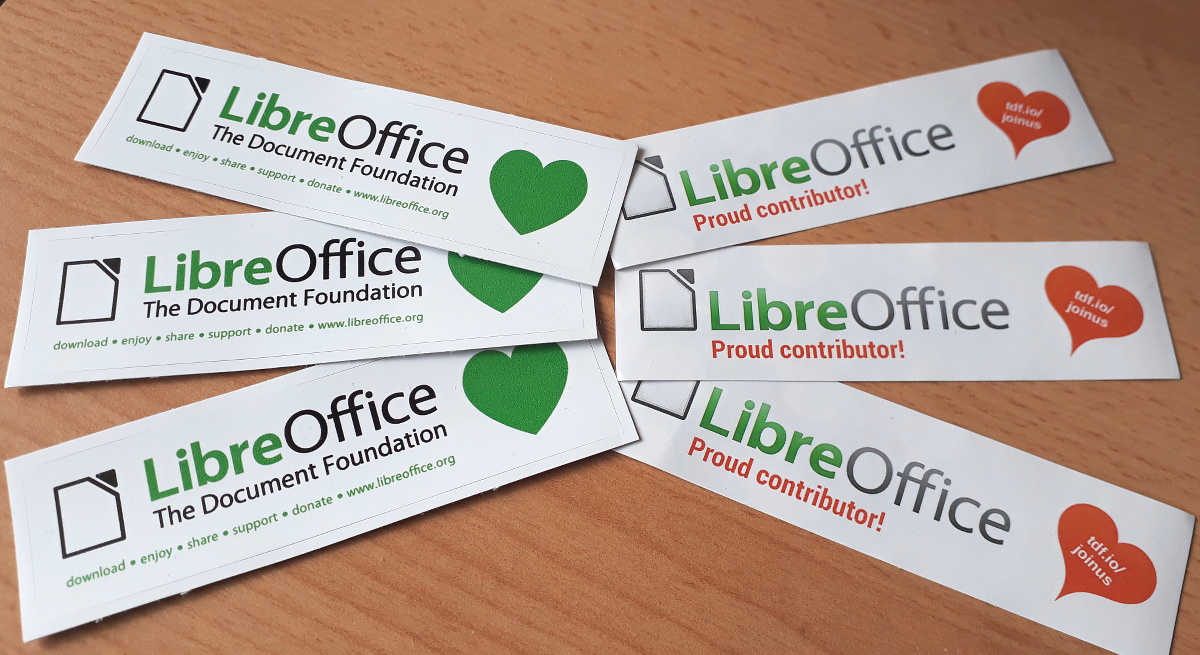
Well, everyone who contributes can claim an awesome sticker pack at the end of the month:

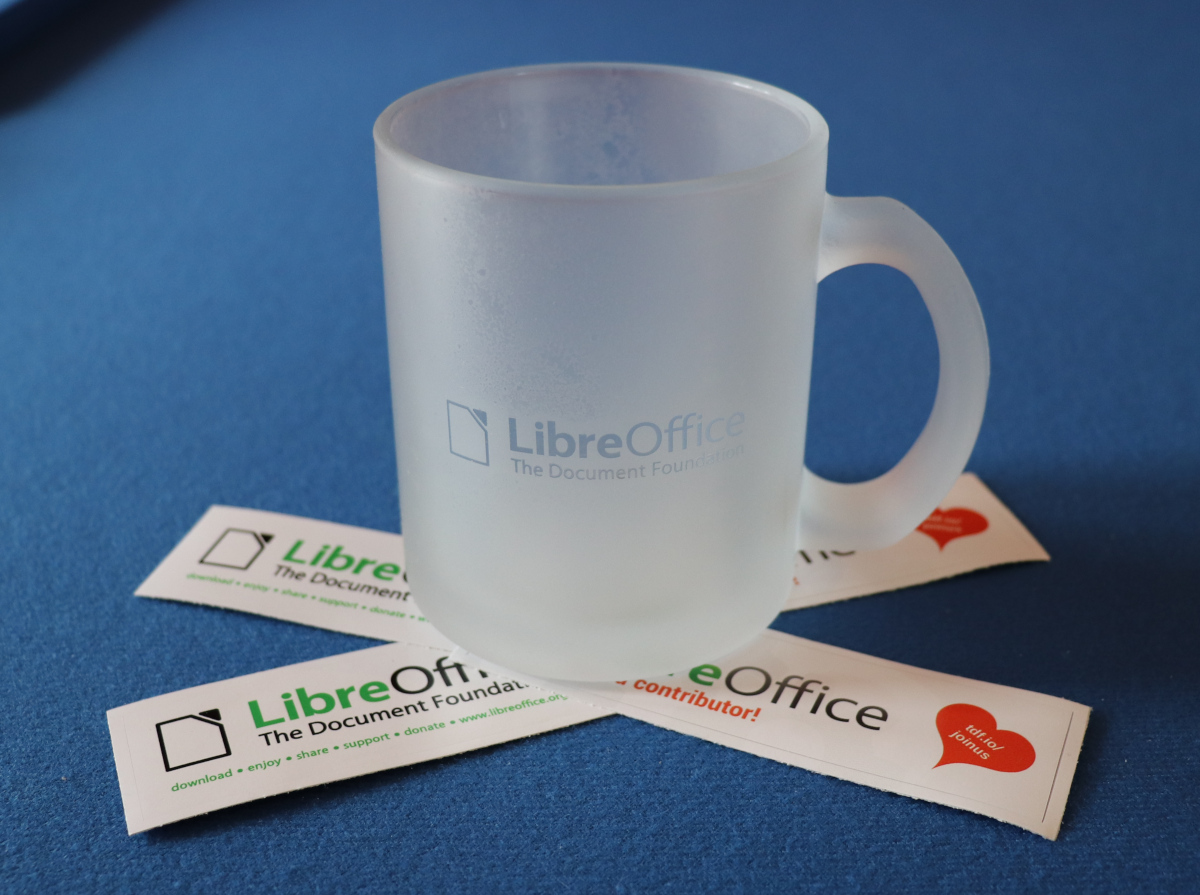
And even better, we’ll also choose 10 contributors at random to receive an exclusive glass LibreOffice mug:

How to take part

So, let’s get started! There are many ways you can help out – and you don’t need to be a developer. For instance, you can be a…

  • Handy Helper, answering questions from users: over on Ask LibreOffice there are many users looking for help with the office suite. We’re keeping an eye on that site so if you give someone useful advice, you can claim your shiny stickers.
  • First Responder, helping to confirm new bug reports: go to our Bugzilla page and look for new bugs. If you can recreate one, add a comment like “CONFIRMED on Windows 10 and LibreOffice 6.2.3”. (Make sure you’re using the latest version of LibreOffice!)
  • Drum Beater, spreading the word: tell everyone about LibreOffice on Twitter or Mastodon! Just say why you love it or what you’re using it for, add the #libreoffice hashtag, and at the end of the month you can claim a sticker. (We have a maximum of 100 stickers for this category, in case the whole internet starts tweeting/tooting!)
  • Globetrotter, translating the user interface: LibreOffice is available in a wide range of languages, but its interface translations need to be kept up-to-date. Or maybe you want to translate the suite to a whole new language? Get involved here.
  • Code Cruncher, contributing source code: The codebase is big, but there are lots of places to get involved with small jobs. See our Developers page on the website and this page on the wiki to get started. Once you’ve submitted a patch, if it gets merged we’ll send you a sticker!
  • Docs Doctor, writing documentation: Another way to earn a badge is to help the LibreOffice documentation team. Whether you want to update the online help or add chapters to the handbooks, here’s where to start.

So there’s plenty to do! As the contributions come in, we’ll be updating this page every day with usernames. So dive in, get involved and help make LibreOffice better for millions of people around the world – and enjoy your sticker as thanks from us. We’ll be posting regular updates on this blog and our Mastodon and Twitter accounts over the next four weeks!

LibreOffice monthly recap: April 2019

Check out our regular summary of events and updates in the last month!

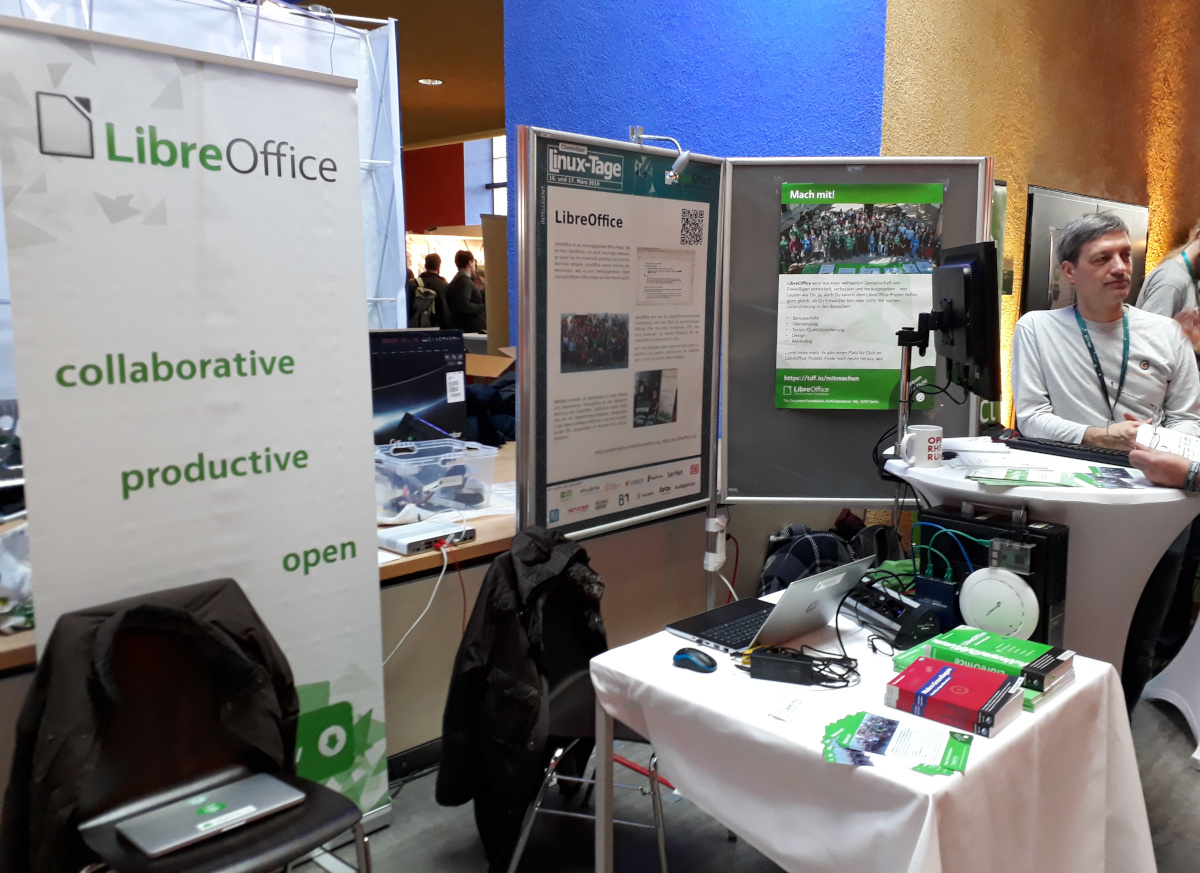
  • We reported back from the Chemnitzer Linux-Tage 2019, where the LibreOffice community had a stand with flyers, stickers and other goodies. We also held some talks about LibreOffice and The Document Foundation – it was great to meet so many passionate Free Software fans there!

  • On April 8, we had a chat with Biraj Karmakar from the Indian community. Biraj helps out with translations and QA (quality assurance) – so if you’re reading this, are based in India and want to join our project, let us know and we can put you in touch with the community there!

  • In another Community Member Monday interview, we Roman Kuznetsov from Russia told us about his experiences joining the project. “I got valuable experience communicating with a worldwide community, along with some practice in English, working in Bugzilla and making good bug reports”, he said.

  • Finally, we geared up preparations for a new Month of LibreOffice! This time, along with sticker packs for all contributions, we’ll also give out 10 awesome LibreOffice mugs to randomly selected participants at the end of the month. But how can you take part? Well, just check this blog tomorrow for all the details!

Keep in touch – follow us on Twitter, Facebook and Mastodon. Like what we do? Support our community with a donation – or join us and help to make LibreOffice even better!

Community Member Monday: Roman Kuznetsov

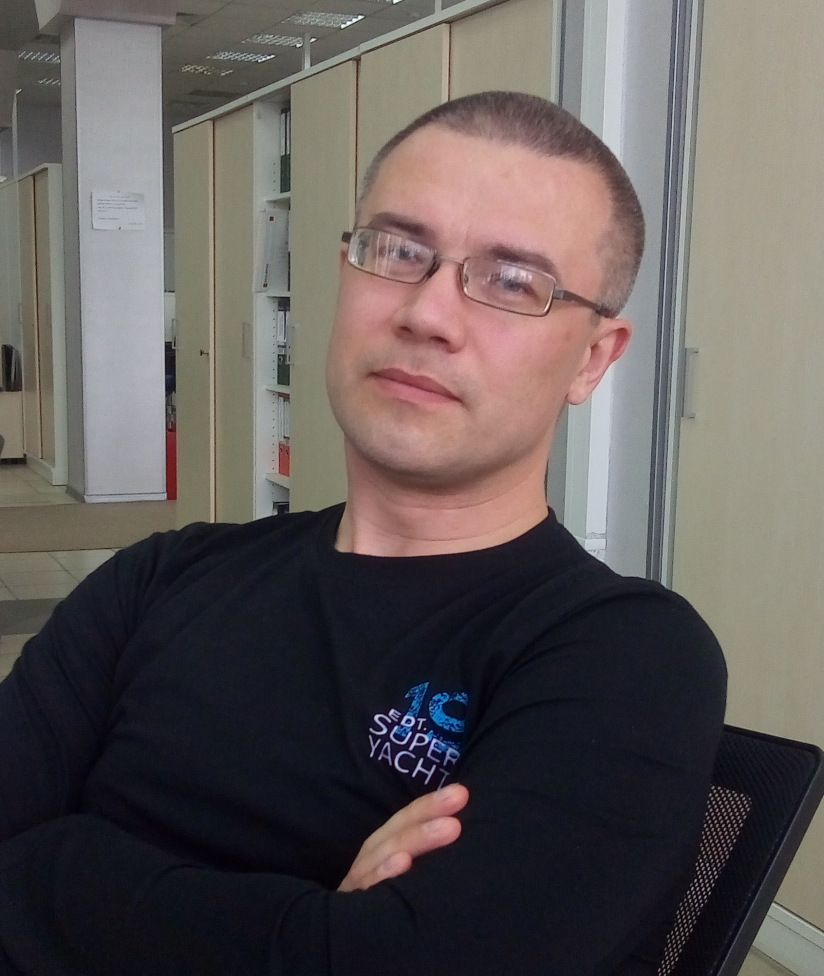
Today we’re chatting with Roman Kuznetsov, a Russian contributor to LibreOffice who helps out in QA and other areas:

Your nickname in the LibreOffice project is “Kompilainenn” – where did that come from?

Oh, it’s simple: one day I was trying to compile the Linux kernel for my old and slow PC. And I came up with my current nickname: Kompilainenn 😀

So tell us a bit about yourself – where you’re from, where you live, how to find you on social media, and what do you do in your spare time!

I’m a member of The Document Foundation from Russia, and I live in Lipetsk – it’s an industrial metallurgical city. You can find me on Telegram as @Kompilainenn, and on IRC in the channel #libreoffice-ru. I have a blog about LibreOffice in Russian: the blog has strange address with the prefix “anti”, but in reality the blog isn’t against LibreOffice 😉

I work for a large agribusiness company, as the boss of the “build cost calculation and conclusion of contracts” department. In my spare time I read books, play with my children, play computer games or walk outdoors – and of course make LibreOffice better 😉

What are you working on in LibreOffice at the moment?

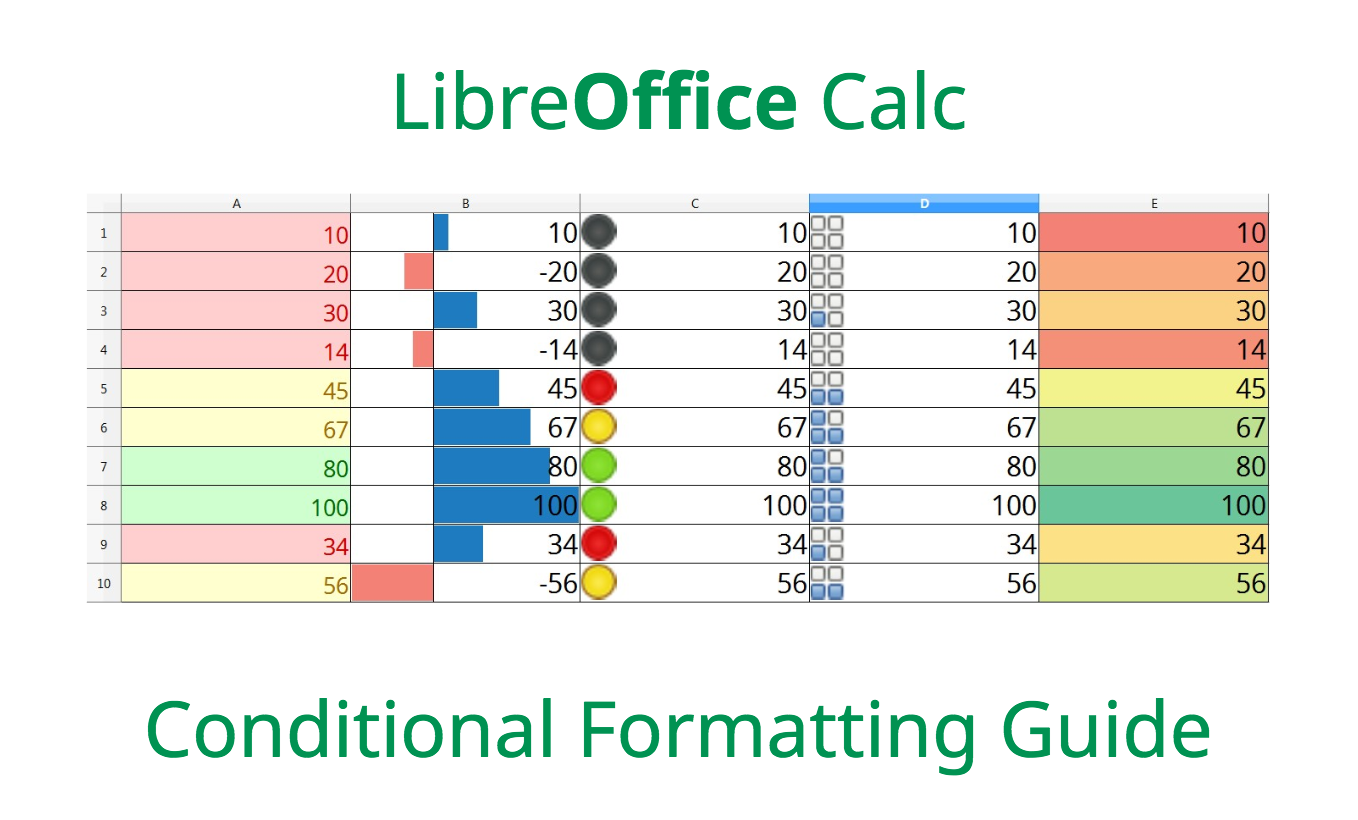
At the moment I’m doing some quality assurance (QA) work – filing bug reports, retesting and sorting many old bugs. It’s huge area of activity – and also, I’ve fixed a pair of user interface bugs. I have translated my Conditional Formatting Guide into English as well.

Is there anything else you’d like to work on in the future?

First, I would like to learn C++ and I want to try to improve the management of macros in LibreOffice.

Second, there is the LibreOffice Style Guide in Russian. But it has much information about Writer styles, and very little info about styles in all another modules of LibreOffice. I want to add more info about styles for all modules, and then translate the guide to English.

Third, I want increase the number of active members in the Russian community – to involve more Russian developers in LibreOffice development. It will take a lot of work!

How did you get involved with LibreOffice – and what was the experience like?

I used OpenOffice.org from 2008, and then LibreOffice when it came to life. In 2013, I knew about the Russian forum http://forumooo.ru and created an account there.

At the end of 2014, Lera Goncharuk (aka “tagezi”) invited me to help him with translating LibreOffice’s FAQ into Russian on our wiki. And I agreed. Since then, I translate all Release Notes for new versions of LibreOffice into Russian.

Other tasks I worked on were translating the Getting Started Guide and Draw Guide. Then I began to send bug reports and some enhancements. Also, I worked on translations of Math and Impress guides. In the last year I have tried fix simple UI bugs in the source code of LibreOffice – now I have over ten simple bug fixes aready!

I got valuable experience communicating with a worldwide community, along with some practice in English, working in Bugzilla and making good bug reports. Now that I know more about how LibreOffice’s user interface is created, I like to make new dialogues in Glade and create UI mockups in Pencil.

Finally, what do you see in the future for LibreOffice? What does it need most?

First, I fully agree with Khaled Hosny, who was interviewed recently. LibreOffice needs to have a more clear vision and development agenda.

Second, every month I see about 600 new bug report and only 150 bug fixes. Our project need more developers and needs to pay more attention to attracting programmers to the project.

Third, it need to have more marketing materials about LibreOffice in various world languages – things like stickers, posters, etc. People should know about alternative software in the office world.

But to finish: thanks to everyone in the LibreOffice community for their work!

And thanks to Roman for his time and contributions! Our project and community is always open to newcomers, in many areas: marketing, design, programming, documentation, QA and more. Learn new skills, meet new people and get involved today!