
 The Annual Report of The Document Foundation for the year 2021 is now available in PDF format from TDF Nextcloud in two different versions: low resolution (12.2MB) and high resolution (31.6MB). The annual report is based on the German version presented to the authorities in April.
Category: Foundation
Join the LibreOffice Team as a Web Technology Engineer (m/f/d), 10-20h per week, remote
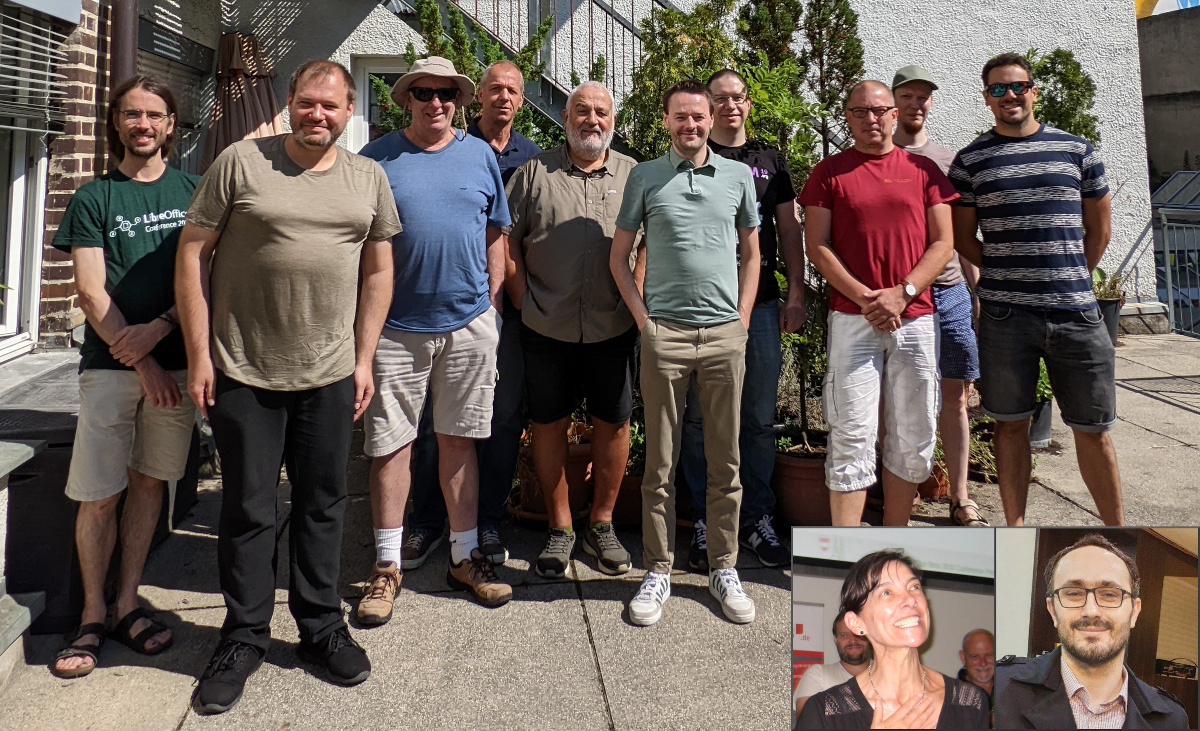
The Document Foundation (TDF) is the non-profit entity behind the world’s leading open source office suite, LibreOffice. We are truly passionate about free software and the open source culture.
To provide high quality tools for our contributors, together working on office productivity for over 200 million users around the globe 🌎, we are searching for a Web Technology Engineer (m/f/d) to start work as soon as possible.
As our future Web Technology Engineer, you work with a great team and collaborate with volunteers around the globe to:
- Maintain and improve the user-facing (frontend) part of our web applications. This includes external and internal applications, and some custom projects.
- Implement features and fixes to the applications we use (see the list below for some examples)
- Take care of localisation needs and accessibility requirements for our tools
- Make as many of our web-based tools as possible usable both with desktop and mobile devices
- Evaluate web technologies and bring them to TDF web services
To succeed in this new role, you ideally already have some of the following skills:
- Self-driven and a motivated team player
- Fluent in HTML and CSS
- Demonstrable JavaScript coding experience of at least three years
- Some experience with TypeScript
- Experience in backend development (e.g. Django and Python) and/or system administration is a plus
- Contribution history in FLOSS communities is a plus
- Design skills are a plus (UX or visual)
- Experience in implementations conforming with accessibility requirements is a plus
- Previous experience in remote work
- Fluent written and spoken English is a mandatory requirement
Examples of the technologies and applications we use:
- Bugzilla
- Discourse
- Gerrit
- Etherpad
- Hugo
- Jitsi
- MediaWiki
- Nextcloud
- OpenGrok
- Redmine
- Silverstripe CMS
- WordPress
All jobs at The Document Foundation are remote jobs 🌟, where you can work from your home office or a coworking space. The work time ⌚ during the day is flexible, apart from very few fixed meetings.
Are you interested? Get in touch! We aim to schedule the first interview within two weeks of your application. You can also approach us anytime for an informal chat to learn about the role or in case of questions.
TDF welcomes applications from all suitably qualified persons regardless of their race, gender, disability, religion/belief, sexual orientation or age. Don’t be afraid to be different, and stay true to yourself. We like you that way!
We are looking forward to receiving your application, including information about you, when you are available for the job, and of course your financial expectations. Pointing to public repositories with your code is very helpful. Please send us an e-mail to webtech.application@documentfoundation.org no later than August 12, 2022. If you haven’t received feedback by September 9, 2022, your application could not be considered.
Note: We do not accept agency resumes. Please do not forward resumes to any recruiting alias or employee.
Interview with German Scholarship student Julian Hübenthal
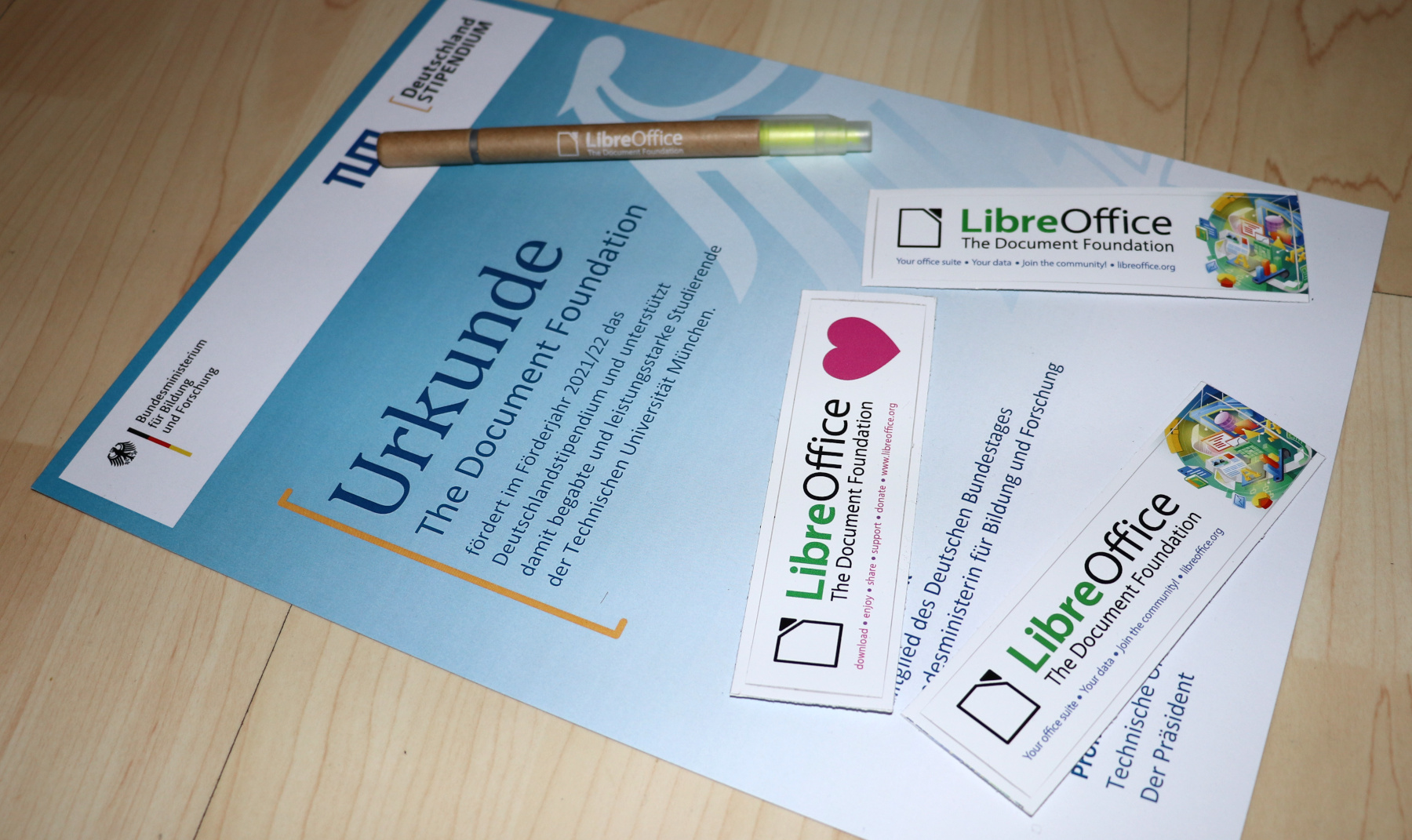
In 2019, the German LibreOffice community unfortunately lost one of its most active members, Klaus-Jürgen Weghorn. In his memory, The Document Foundation decided to support a student through the Deutschlandstipendium initiative.
Let’s get to know him…

Tell us a bit about yourself!
I come from near Lüneburg. I graduated from the Wilhelm-Raabe-Schule Gymnasium in Lüneburg last year.
I have quite a wide range of interests, which certainly contributed to my Abitur [qualification at the end of secondary education] average of 1.0 and did not make my decision to study any easier. However, my main focus is certainly in the mathematical/scientific/technical subjects.
I like to ride my road bike and go cycling in general, and I like to travel, gladly combining both interests together.
What are you currently studying, and how is it going?
I am currently studying computer science in my second semester. The course is interesting and I like the challenge. However, I have found out that the course is not quite right for me. Therefore, I would like to change to business informatics for the coming winter semester, for which I am currently already taking the appropriate modules. I am impressed by what I have already learned in a comparatively short time during my studies. Apart from that, I have been able to maintain my Abitur during my studies.
Are you familiar with free and open source software?
I have already used free and open source software, for example the Linux distribution Ubuntu as part of my studies, or Eclipse even before my studies. However, I have not yet participated in such a project myself.
Apart from the questions, I would also like to thank you again for the support and recognition of my achievements.
You’re welcome, Julian! We wish you every success in your studies.
Annual Report 2021: Attracting new contributors to LibreOffice
Bringing new community members on board, and helping them to get started in the LibreOffice community, is an essential part of our work. Here’s what we did in 2021…
(This is part of The Document Foundation’s Annual Report for 2021 – we’ll post the full version here soon.)
Onboarding tools and sites
Joining a large and established project like LibreOffice can be daunting for many. The software has a large codebase, and sub-projects use a wide array of tools. In recent years, we’ve made efforts to simplify the onboarding process by linking more services together with SSO (single sign-on), thereby reducing some of the complexity. In addition, we’ve created Easy Hacks and similar “bite size” projects in other areas, so that newcomers can get involved quickly and achieve something without months of work.
Currently, we have two websites/pages that function as starting points for new contributors: What Can I Do For LibreOffice and the Get Involved page. The former was set up by LibreOffice’s Albanian community, and lets users click through topics of interest, until they find something they want to do. The latter is a regular page, with a list of sub-projects inside LibreOffice, and quick steps to make initial contact.
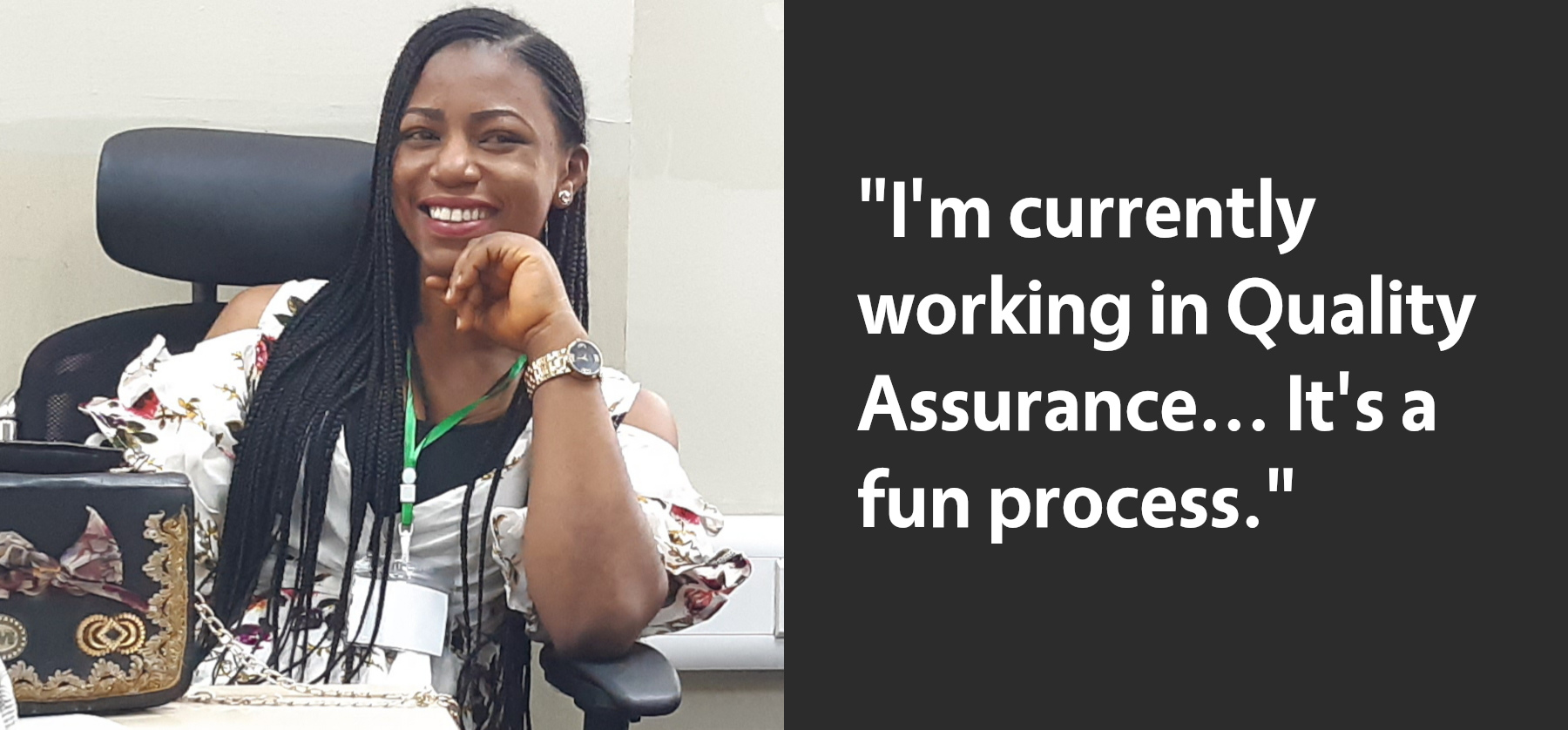
Throughout 2021, we posted regular “Community Member Monday” interviews on this blog. In many cases, we emphasised how these contributors started off as regular LibreOffice users, but wanted to “scratch an itch” and start to make changes to the software. We highlighted the ways in which other community members helped newcomers to start working on projects, and used these as “success stories” on our social media accounts, encouraging others to make the step-up from being a user to an active contributor.
In addition, we have accounts and projects listed on various volunteering platforms, including VolunteerMatch and Idealist (English), Vostel (German), Vapaaehtoistyo (Finnish), TuDu (Polish) and HeroClan, Um sem um tam and Zapojim se (Czech).
LibreOffice New Generation
In early 2021, we announced LibreOffice New Generation, a project to bring new – and especially younger – people into the LibreOffice community. While The Document Foundation is proud that our community is diverse and has people from all ages, younger people help to bring fresh ideas and approaches to the project. So we wanted to make it easier for everyone to join, get involved and have fun – regardless of age.

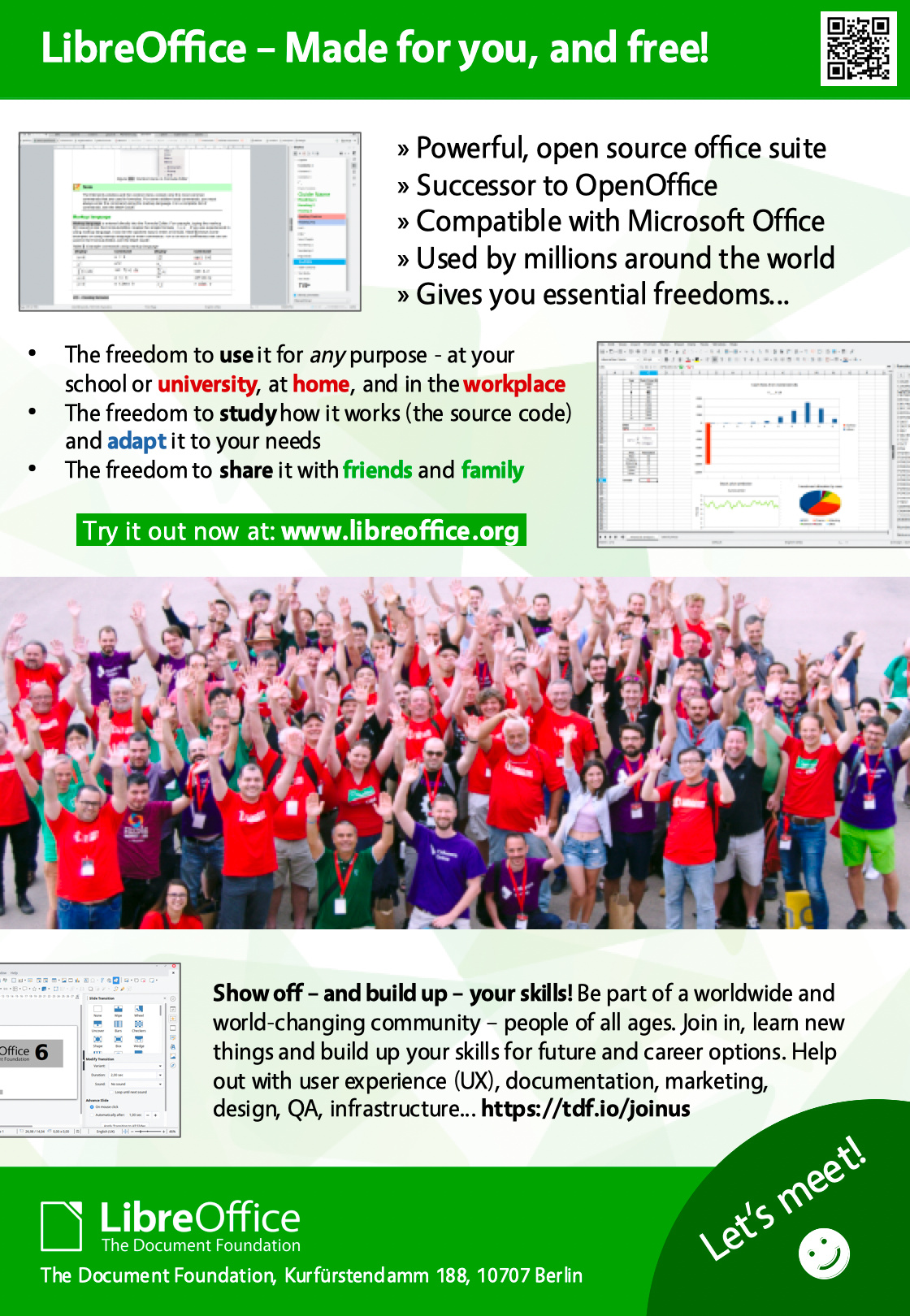
To achieve this, we set up the New Generation project with communication channels, contact points in the community, and initial ideas for things to work on. The community grew quickly, with 300 members arriving in the Telegram group within the space of a few weeks, and many ideas being proposed. One was to create a distinctive flyer that can be distributed in schools and universities, which not only explains what LibreOffice does, but how all users can also get involved and help to improve the software. New Generation community members created an initial design for the flyer, along with an update, and then translated it into several languages. TDF used funds from its marketing budget to get flyers printed and distributed to people around the globe.
Open Badges
We also continued to issue Open Badges, special, custom images with embedded metadata, confirming contributions from people in the community. For instance, we sent our personalised badges to French translators of the Math Guide, along with Brazilian Portuguese documentation team members and Czech documentation contributors.

Like what we do? Support the LibreOffice project and The Document Foundation – get involved and help our volunteers, or consider making a donation. Thank you!
Annual Report: TDF’s infrastructure in 2021
In 2021, the infrastructure team migrated our “Ask LibreOffice” site to Discourse, deployed a Decidim instance, and assisted with video streaming during the LibreOffice Conference.
(This is part of The Document Foundation’s Annual Report for 2021 – we’ll post the full version here soon.)
LibreOffice’s infrastructure team is responsible for maintaining the hardware, virtual machines and services that enable the wider community to develop, market, test, localize and improve the software. The public infrastructure is powered by around 50 kernel-based virtual machines (KVMs) spread across four hypervisors, plugged to an internal 10Gbps switch, hosted at Manitu in St. Wendel (Germany), and managed with libvirt and its KVM/QEMU driver. The virtual disk images are typically stored in GlusterFS volumes – distributed across the hypervisors – except for some transient disks (such as cache) where the IOPS requirement is higher and the redundancy less important.
As 2021 marked another “pandemic year” with only online events, the infrastructure team helped to make these a pleasant experience from home. Notably, they deployed a Pretalx instance to manage conference submissions and the schedule, and put in place a streaming backend based on Jitsi/Jibri/RTMP during the annual conference, thereby providing several participation options to chose from.
Ask LibreOffice
After several months of tests and feedback from the community, the infra team also concluded the migration of LibreOffice’s Q&A platform (“Ask LibreOffice”) to Discourse. Over 65,000 questions and 130,000 replies from 50,000 users — spanning over 17 languages — were imported, with a focus on preserving post attribution and overall layout. The metric collection engines (Matomo as well as the public Grimoire Dashboard) were updated to reflect that change.
Also on the community participation front, the infrastructure team deployed a Decidim instance to structure debate and encourage democratic participation from community members. The instance is currently still under test.
On the Continuous Integration (CI) front, the team deployed new buildbots for Windows and Linux baselines, as well as a buildbot for the WebAssembly (WASM) effort. They also migrated and refactored the bibisect setup to better suit the needs of the quality assurance community.
Backends
As for the backends: Debian GNU/Linux 11 (codename “Bullseye”) was released in the middle of 2021, and the team upgraded most of TDF’s virtual machines accordingly during the second half of the year. However, for the lower layers of the virtualization stack, the upgrade is planned for 2022. Furthermore, lots of work was done in planning the restructuring of database engines, most notably around Point-in-Time Recovery; this work was driven by contributor Brett Cornwall. Finally, the team assisted the Membership Committee with the architecture of the back-end side of their new tooling.
Like what we do? Support the LibreOffice project and The Document Foundation – get involved and help our volunteers, or consider making a donation. Thank you!
Annual Report: LibreOffice Quality Assurance in 2021
Quality Assurance (QA) is a cornerstone of the LibreOffice project, thanks to the activity of a large number of volunteers and the feedback of many users who help in reporting bugs and regressions.
(This is part of The Document Foundation’s Annual Report for 2021 – we’ll post the full version here soon.)
In 2021, the QA team triaged thousands of bugs, bisected hundreds of regressions, and answered questions from countless bug reporters. As one of the most visible groups directly responding to end users, the QA team must be nimble and able to adapt to changes. In addition, it must deal with specific requests for help from other teams.
The QA team meets regularly on IRC on the #libreoffice-qa channel, which is the best medium for discussing bugs and regressions. The IRC channel provides an excellent opportunity to remain in close contact with team members, and to tutor new members in the art and skill of LibreOffice QA. This is bridged to the Telegram group.
During 2021, 6,804 bugs were reported by 3,022 users, which means 131 new bugs were reported every week on average.
Top 10 bug reporters
- Telesto (571)
- NISZ LibreOffice Team (296)
- Regina Henschel (126)
- Mike Kaganski (115)
- Xisco Faulí (104)
- Eyal Rozenberg (87)
- Rafael Lima (66)
- sdc.blanco (60)
- Valek Filippov (54)
- Colin (50)
Bug Hunting, Bibisecting
In July 2021, the QA Team organized an online Bug Hunting Session for LibreOffice 7.2. This provided the opportunity for all users, especially those with technical knowledge, to test pre-release versions and provide their feedback in the IRC channel and Telegram group. They were helped to report and confirm bugs, which led to improved stability in the final release.

Also, during 2021, the QA team performed 652 bibisects of regressions.
Top 10 Bisecters
- Xisco Faulí (166)
- Timur (85)
- Aron Budea (68)
- raal (66)
- Buovjaga (48)
- Telesto (46)
- NISZ LibreOffice Team (29)
- Justin L (23)
- Roman Kuznetsov (23)
- Kevin Suo (18)
Learn more about the QA project on this page, and give the team a hand!