How do different free and open source software projects do mentorship, and how can we all learn from each other? Daniel Garcia Moreno (EndlessOS Foundation and GNOME), Emily Gonyer (openSUSE), Ilmari Lauhakangas (The Document Foundation), and Marie Nordin (Fedora) discuss this in a panel moderated by Ben Cotton:
Please confirm that you want to play a YouTube video. By accepting, you will be accessing content from YouTube, a service provided by an external third party.
Here’s our summary of updates, events and activities in the LibreOffice project in the last four weeks – click the links to learn more…
We started off March with a custom shape tutorial from Regina Henschel. If you’ve ever tried to draw special and complex shapes beyond the basic offerings of LibreOffice, check it out!
During March, TDF released two new updates for LibreOffice: 7.3.1 and 7.3.2. These fix bugs and improve compatibility – so all users of the 7.3 branch are recommended to update. (We also released LibreOffice 7.2.6 on March 10.)
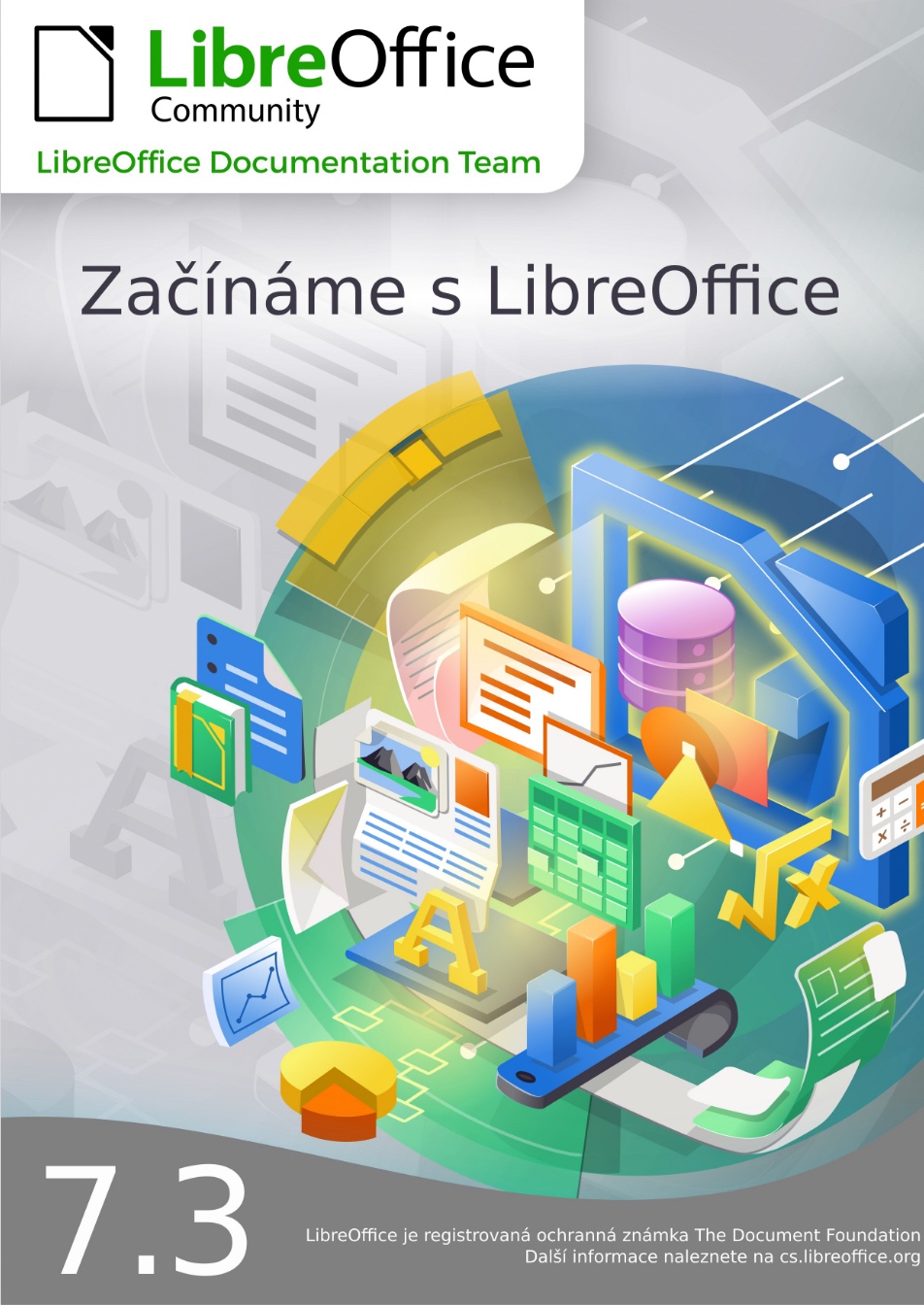
Meanwhile, the Czech community worked on a translation of the LibreOffice Base Guide 6.4. Thanks to Marcela Tomešová, Martin Kasper, Zdeněk Crhonek, Jan Martinovský, Roman Toman and Miloš Šrámek for their great work! 👍
How can we make free and open source software development sustainable in the long term? Mike Saunders from The Document Foundation appeared on the Sustain OSS podcast to talk about this issue, along with the challenges and opportunities in building communities.
In the middle of the month, the Board of Directors at The Document Foundation started its new term. Welcome to new new members, and thank you to those who are moving on, for all their work and support.
LibreOffice is taking part in the Google Summer of Code 2022. If you’re a contributor, want to improve your programming skills and receive a financial stipend to implement new features in LibreOffice, get involved!
Companies in the LibreOffice ecosystem contribute many features and fixes to the software, and provide long-term support (LTS) versions and other benefits. We caught up with Michael Meeks of Collabora Productivity to find out what his team has been working on in recent versions of the suite.
In 2019, the German LibreOffice community sadly lost one of its most active members, Klaus-Jürgen Weghorn. In his memory, The Document Foundation (the non-profit foundation behind LibreOffice) has decided to support a student through the Deutschlandstipendium initiative.
And finally, our documentation team announced the Writer Guide 7.3. This covers all aspects of the word processing component in LibreOffice, and is well worth keeping on your (digital) bookshelf…
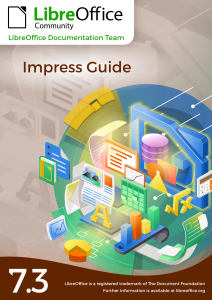
Writer Guide 7.3 comes with the latest updates for LibreOffice Community 7.3
The Documentation team is happy to announce the immediate availability of the Writer Guide 7.3.
This user guide has been updated from Writer Guide 7.2. It covers changes that are visible in the LibreOffice Writer user interface and additional information from earlier releases, including:
Enhancements to Track Changes (Chapter 3). More details are in the Release Notes.
Added details about the Print dialog in macOS (Chapter 7).
Updated details about Templates dialog (Chapter 10).
Updated list terminology in Chapter 11 and anywhere else lists are mentioned.
Minor rewording and replacement figures in several chapters.
LibreOffice 7.3 Community includes many changes not visible in the user interface. These changes include further improvements in interoperability with Microsoft’s proprietary file formats, including new features targeted at users migrating from Microsoft Office to LibreOffice, or exchanging documents between the two office suites. These improvements include:
New handling of change tracking in tables and when text is moved.
Performance improvements when opening large DOCX and XLSX/XLSM files, improved rendering speed of some complex documents, and new rendering speed improvements when using the Skia back-end introduced with LibreOffice 7.1.
Improvements to import/export filters.
ScriptForge libraries, which make it easier to develop macros, have been extended with various features.
This update was possible with the volunteer work of Jean H. Weber and Kees Kriek from the LibreOffice Documentation Team. A big thank you to Jean and Kees for their wonderful work.
The LibreOffice Documentation Team is devoted to produce the best documentation for LibreOffice and is open to everyone interested in contributing to our collective effort.
With the Deutschlandstipendium, the German government is expanding student funding through a program that is also kick-starting a new scholarship culture in Germany. The federal government and private sponsors – companies, associations, foundations and individuals – work together to support high-achieving students. In this way, civil society is taking responsibility for talented young people and making a contribution to Germany’s future.
We are in contact with the student and will report more here on the blog.
Across the globe, LibreOffice communities help to improve the software, translate the user interface, update documentation and spread the word. You can see a list of international projects on this page, and today we’re announcing communication channels for the Indian LibreOffice community!
Check them out – they’re bridged together, so you only need to join one to take part: