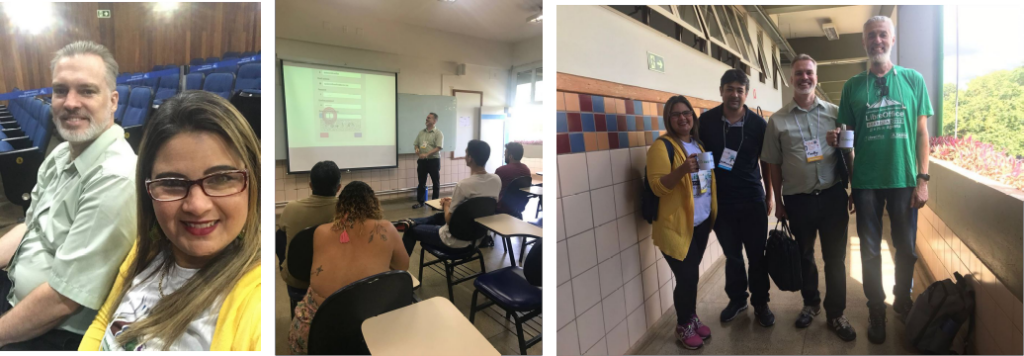
Emiliano Vavassori, Deputy Chairperson in The Document Foundation’s Board of Directors, give us an update on recent events in Italy:
Linux Arena at Fiera del Radioamatore – Pordenone, April 23rd and 24th
As in every spring, the Pordenone Linux Users Group (PNlug) organizes an internal event inside the local ham radio/electronics fair, «Fiera del Radioamatore», called Linux Arena. This is an occasion for them to gather a multitude of representatives from different FLOSS projects (Odoo, OpenWRT, various GNU/Linux distros) and other local organizations (other Linux Users Groups, other FLOSS associations like LibreItalia) to show bystanders and interested people that using FLOSS software for a large variety of goals is indeed fun.
The Document Foundation has been hosted by them for a long time – at first with Italo Vignoli and then, in the more recent past, with the quite constant presence and support from Marco Marega (he goes by the name Akurery on the wiki, and he is one of the most prolific translators of LibreOffice documentation and manuals inside the Italian native language project community).
The turnout was unfortunately low, as the weather those two days was really nice, sunny and cool; nonetheless, we got the chance to speak with users and potential new contributors on a different number of topics, from simple use cases to troubleshooting and integration with other software.
We look forward to continuing the collaboration with PNlug at the November session of the Fiera del Radioamatore, by trying to propose different activities to the bystanders, such as a private cloud solution with a collaboration suite based on LibreOffice Technology.
PNlug released a summary of the event over LinkedIn, with photos! Linux Arena 2023: Spring edition (Google translated)
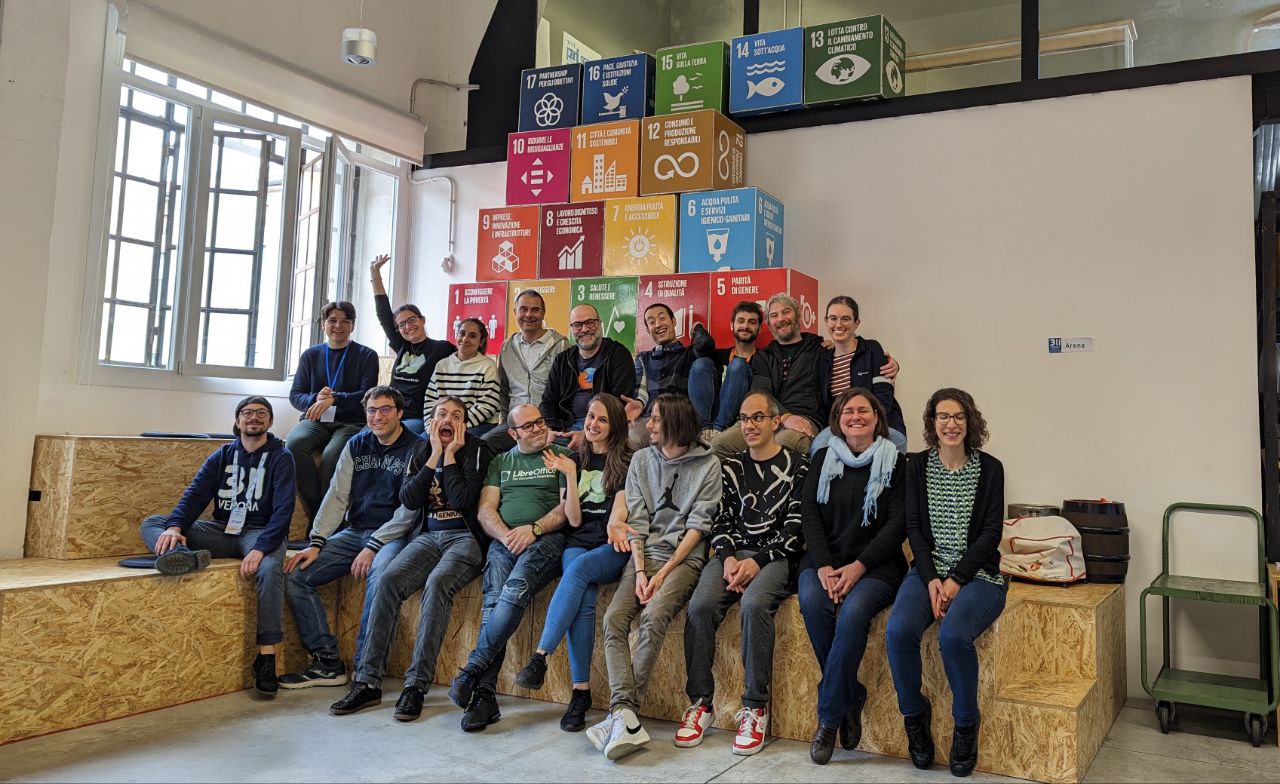
MERGE-it – Verona, May 12th to 14th
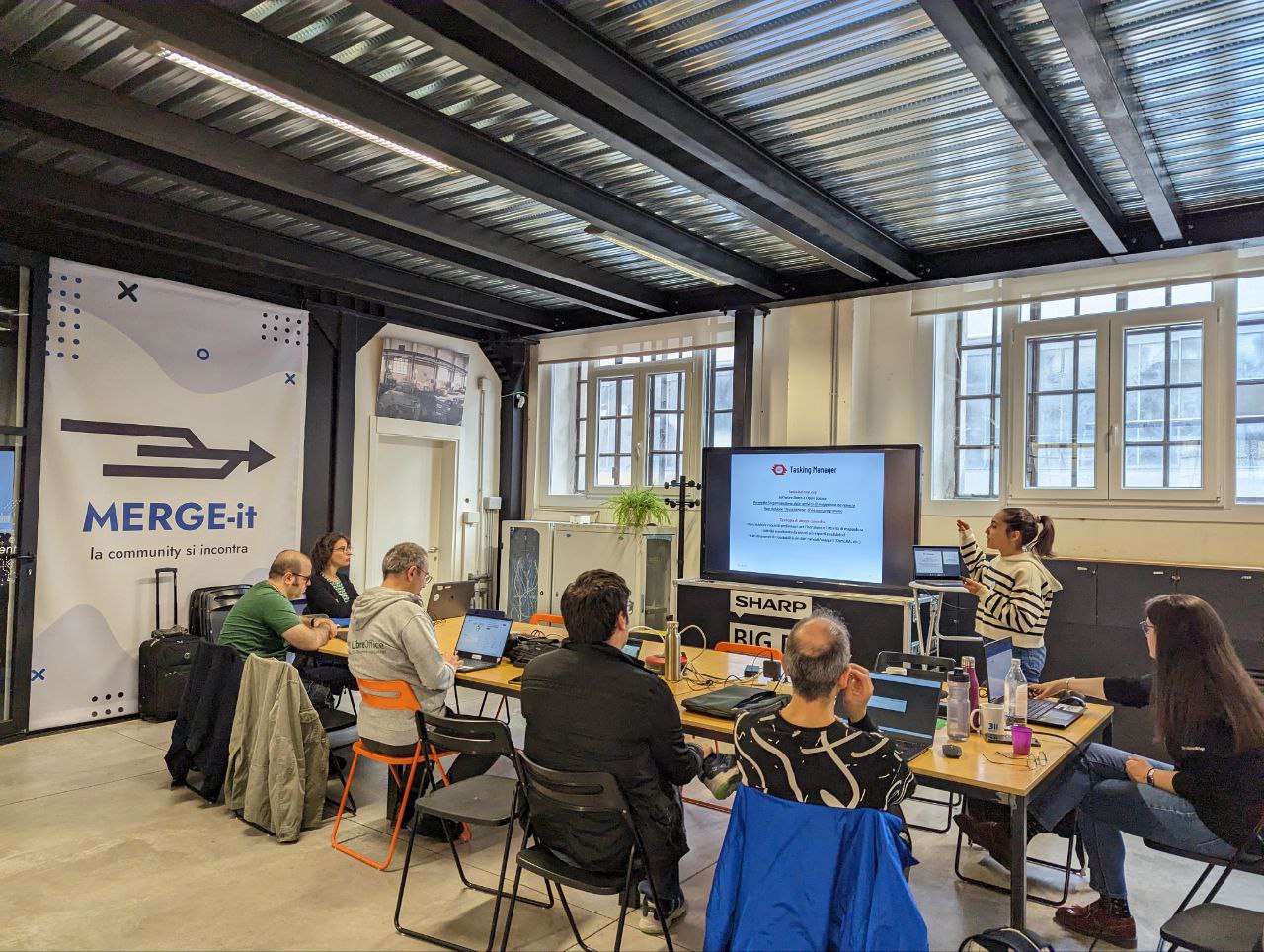
MERGE-it has been designed, since its inception back in 2018, by members of the Italian Linux Society (ILS) as an event where the Italian FLOSS communities can meet and exchange ideas, projects and collaborations, while trying to explain the advantages of the FLOSS to enterprises and public sdministrations.
The event is held once every other year, and this year’s event was the first one after the pandemic; the chosen venue was 311 Verona, a co-working and creative space hosting different companies, startups and volunteer associations often involved with FLOSS software – for example the local CoderDojo, a gym to teach young people about coding, and FabLab, an association of makers.
The first day (May 12th) was dedicated to enterprises and public administrations, mixing between regular users and makers of FLOSS with pretty important corporate realities in the Italian landscape (DevCode Srl with their ERP OpenSTAManager, Nethesis Srl with their complete software package based on NethServer, a CentOS-based distribution developed with their international community, all the enterprises under the RIOS consortium, which is a member of the APELL initiative). Participants on the first day were in the order of about 100 people.
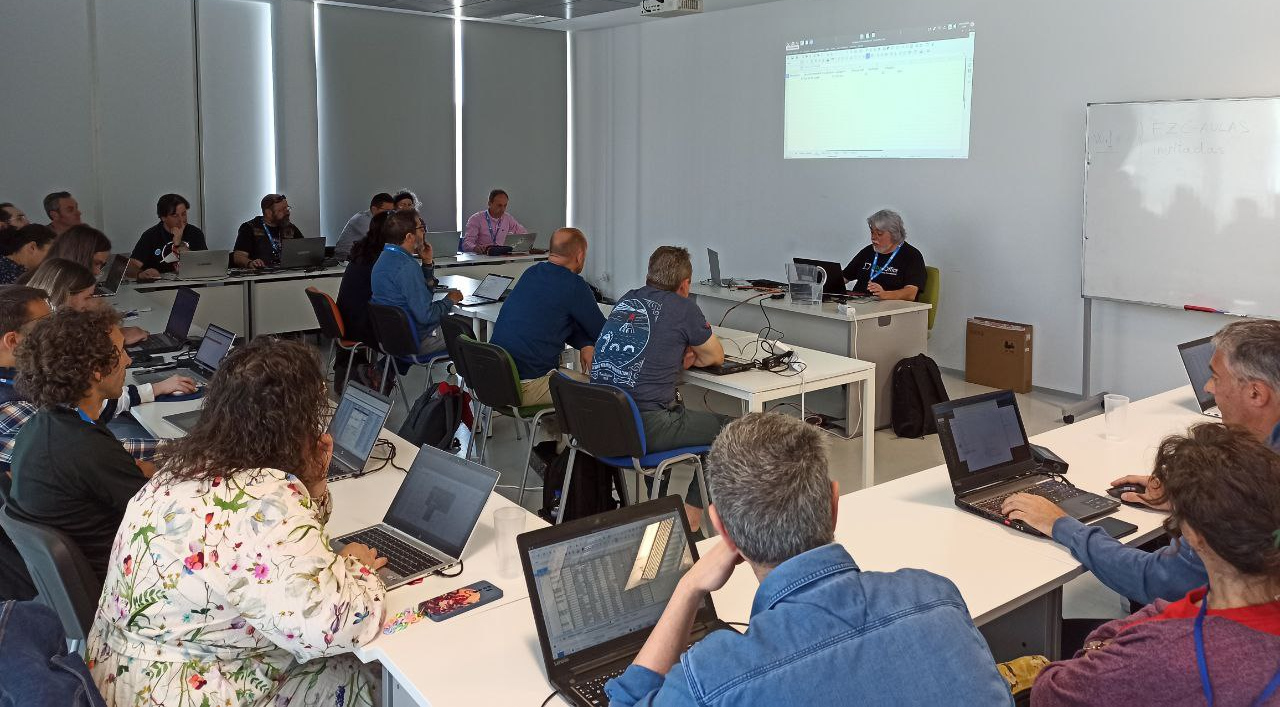
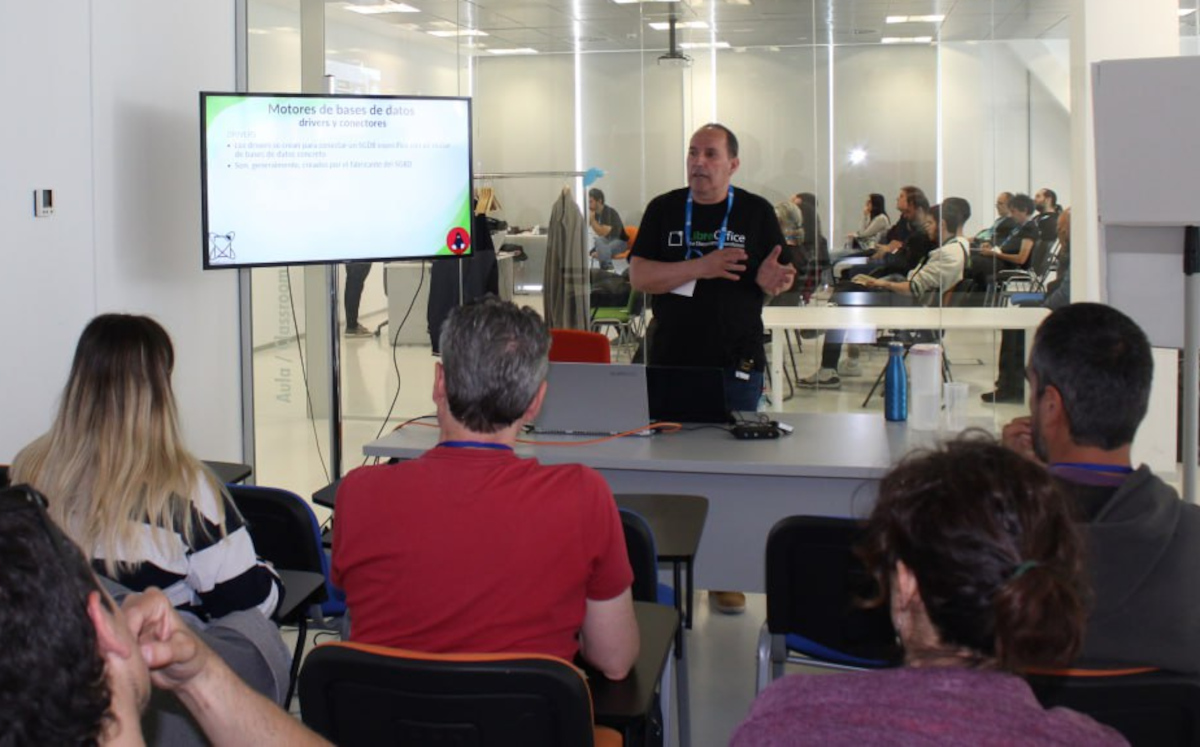
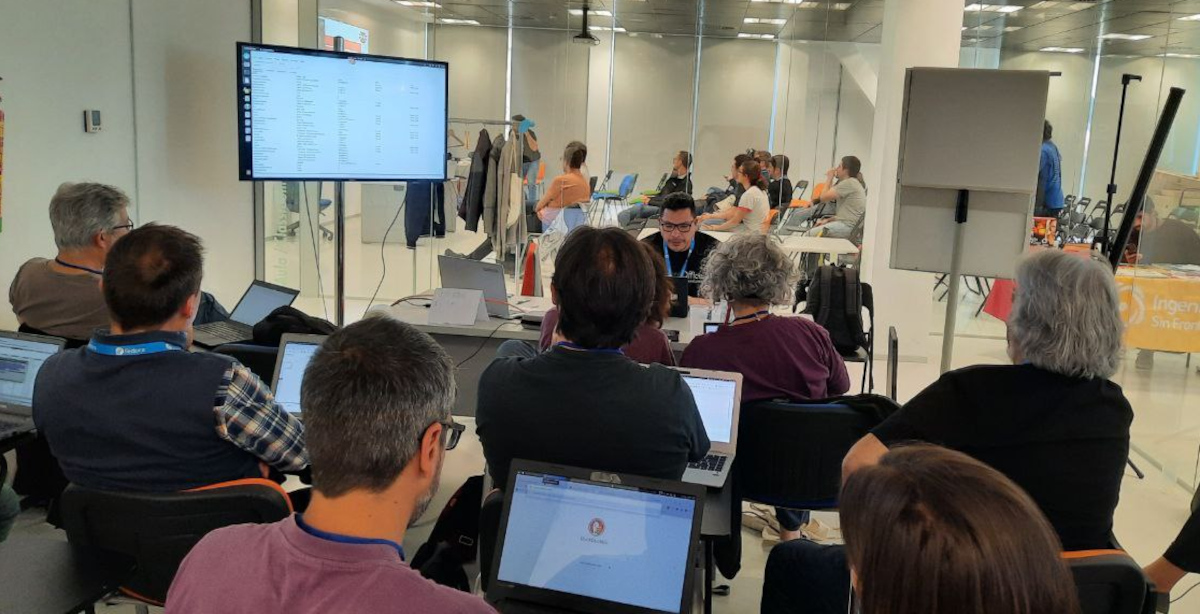
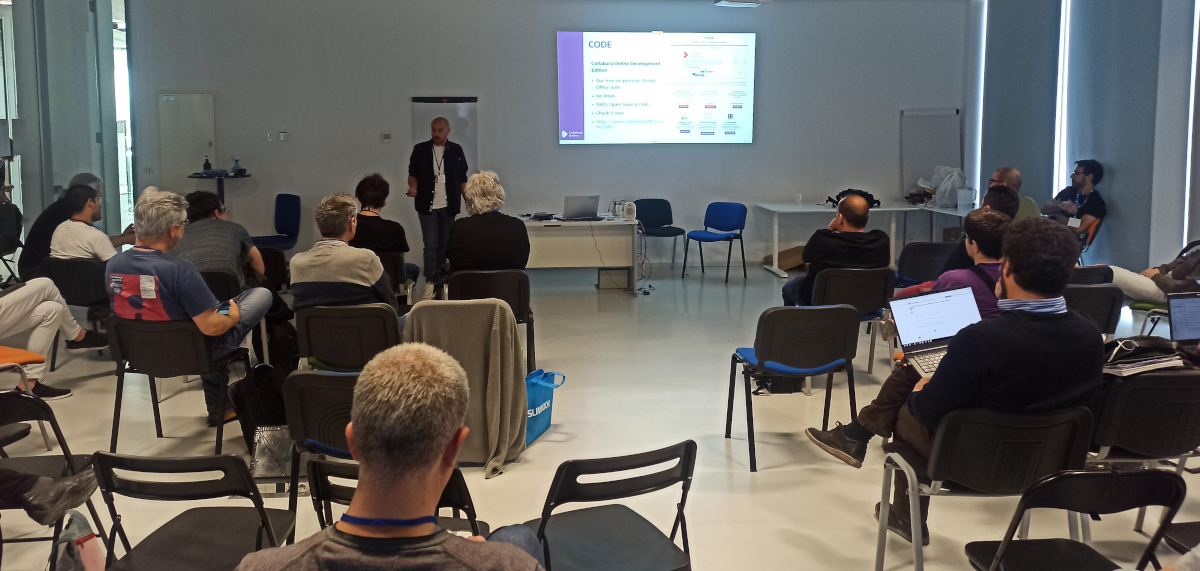
The second day (May 13th) was devoted to the community-based projects and associations, creating a melting-pot of ideas, values and projects between very active communities in Italy, like Wikimedia Italia, FSFE, ILS, OpenStreetMap Italia, onData and our local community, LibreItalia; between those bigger groups, also other local Linux Users Groups from all around Italy (from Bolzano to Palermo). The very diverse composition of the bystanders helped in delving into various topics, organised as frontal speeches as well as in managed panel discussions, such as planning strategies to get FLOSS to be adopted in schools in Italy, how to involve younger contributors, and better collaboration and communication between communities with similar goals and values.
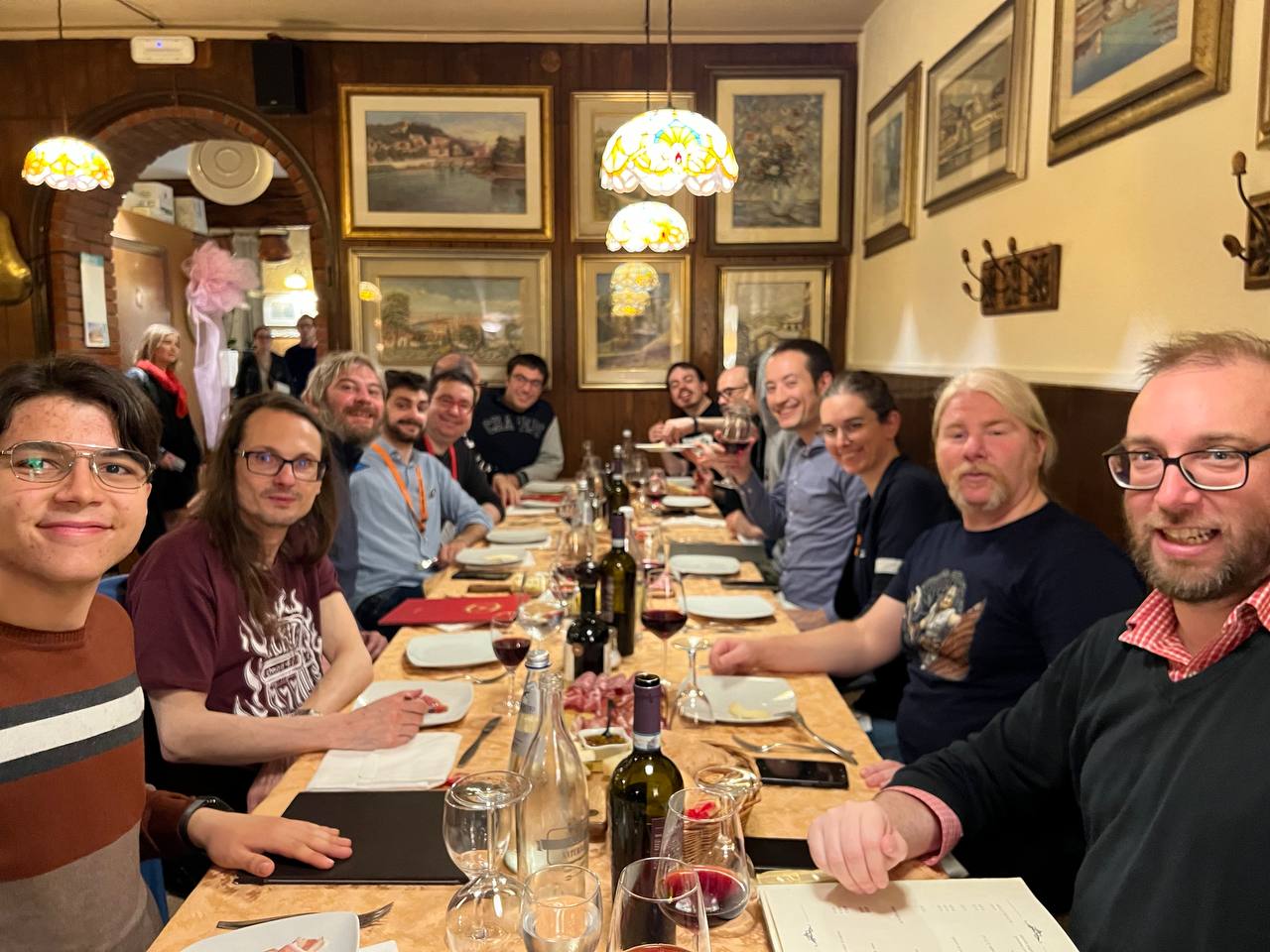
Although the attendance on the second day was a little bit lower (about 50-60 people), organisers shared the clear impression that the participation was felt much more than the first day. Of course, knowing very well that the best networking happens when seated for a meal, we tried to do our best by having dinner together on Friday and Saturday evenings!
On Sunday 14th, another couple of activities were scheduled: a hackathon, to better organize ILS’s online resources for its members, and a mapathon, hosted by OpenStreetMap Italia professional mappers, who came specifically for the event from Milan and Florence; the mapathon unfortunately suffered a slight change of scope, as heavy rains hit Verona and made impossible to do field mapping. But the hackathon was instead pretty successful, migrating most of ILS repositories out of GitHub to a self-hosted GitLab instance.
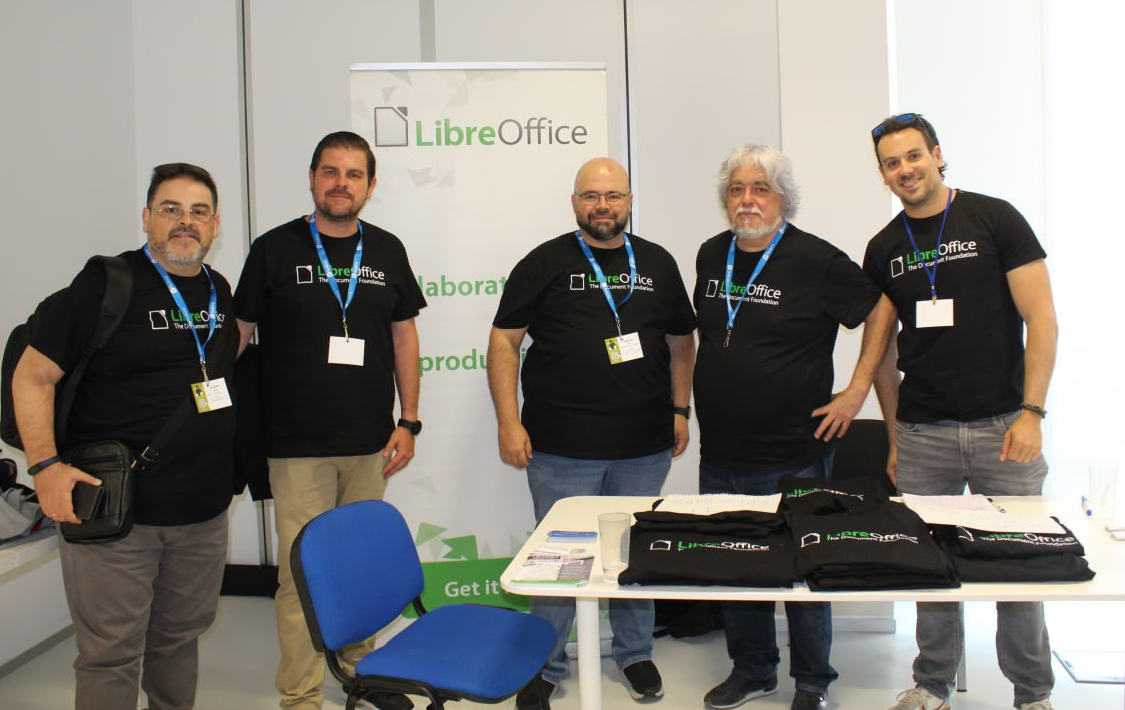
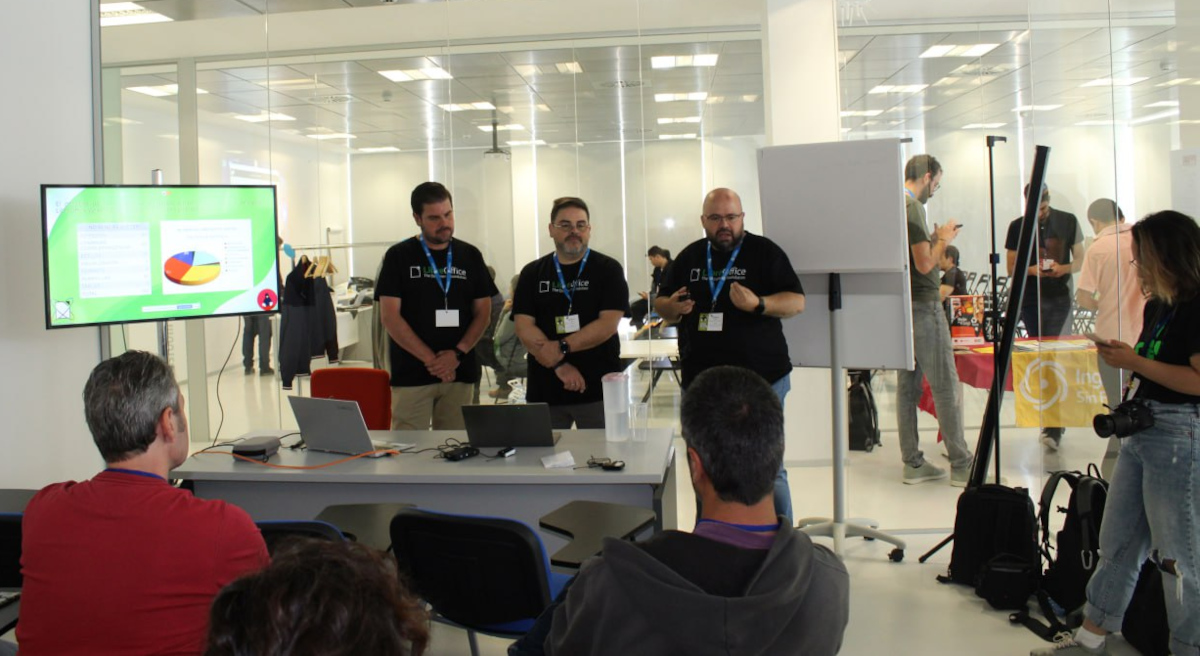
Our community was represented by Marco Marega, Gabriele Ponzo and Emiliano Vavassori, all TDF trustees as well as members of LibreItalia.
Overall, it was a positive, fun and constructive event to experience, and positive vibes were confirmed by most of the participants. We look forward to the next iterations to tighten ties with other FLOSS communities operating in Italy!