Local event update: LibreOffice at OpenFest in Sofia, Bulgaria
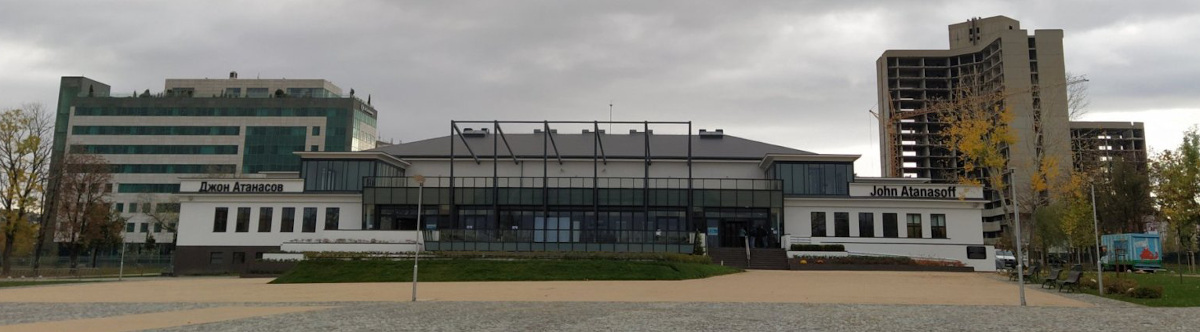
LibreOffice community members attend many events around the world to spread the word about the software, encourage people to get involved, and have fun! We’re really grateful for all their efforts. On November 2 and 3, the OpenFest 2019 took place in Sofia, Bulgaria, and Gabriele Ponzo was there. Here’s his report:

What was the event about?

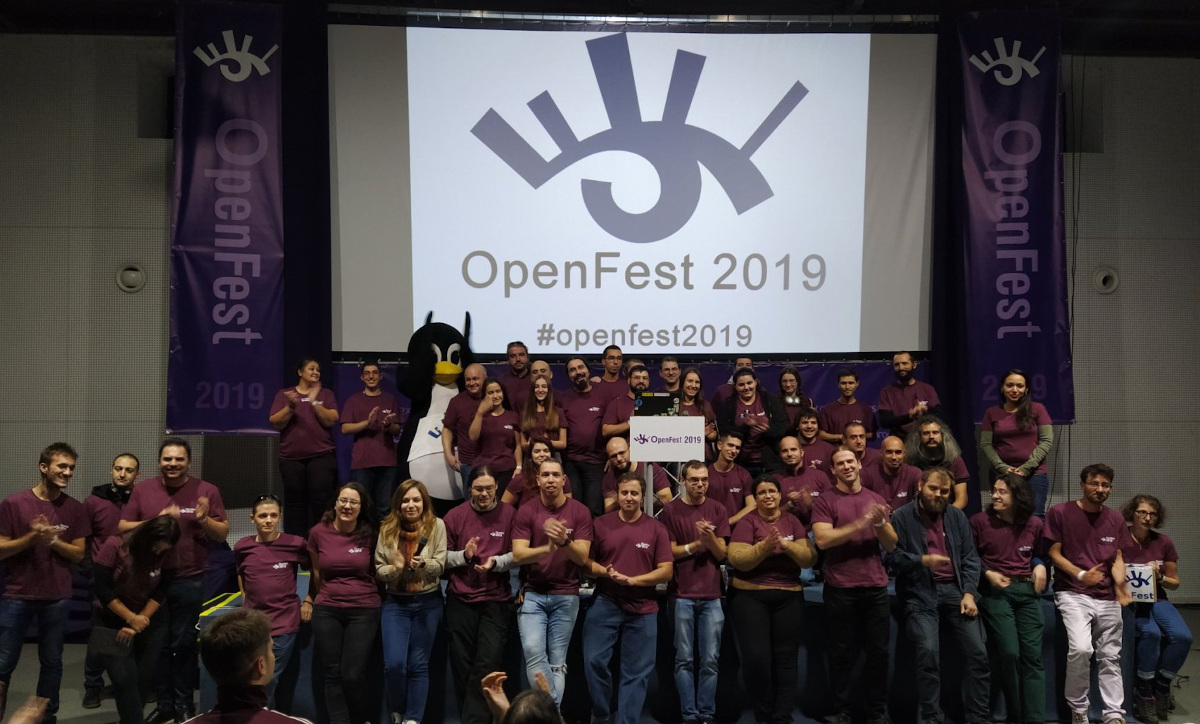
Sofia’s OpenFest looks like probably the largest open source software and hardware festival in Bulgaria. There were plenty of people – more on Saturday than on Sunday.

There were three tracks, and a huge room for many workshops (four or five usually), which covered topics such as electronics skills improvement (eg soldering), or padlock cracking, or developing with Elasticsearch…

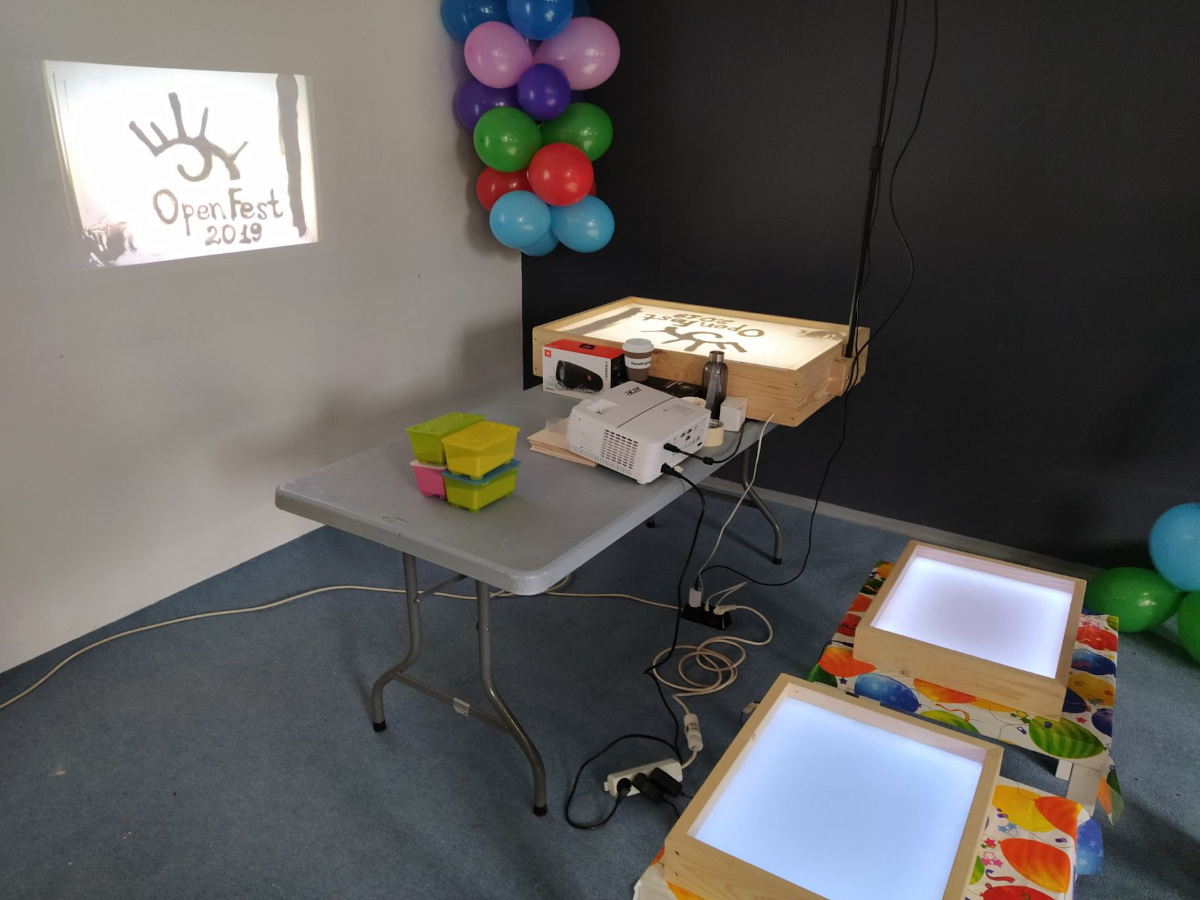
There was also an awesome kindergarten (with backlit sand projection game), a relaxation area and a speaker’s corner, to allow attendees pose more questions to speakers, after their lectures. The organisation of the event was great, I must say, which includes pre and post parties, lead by Yana Petrova.
Why did you go there?

The goal of my mission was to create a local LibreOffice community, and possibly increase the membership base of The Document Foundation, the non-profit entity behind the software, having this country better represented. I’ve seen many people that were interested – so we’ll see if they will become active in our community.

I also had a great opportunity to get in touch with a local technical school called TUES, which is a high school but really well connected with the university. We have now started an official dialogue, in order to try organising some kind of lecture or workshop there too.

My dream would be to have teachers giving students practice with our Easy Hacks and thus giving them the chance to get their hands on a real project’s source code, and possibly improve it. This would have a great added value, from my point of view, in IT lessons, giving the students satisfaction and many real chances for the future.

What did you do there?

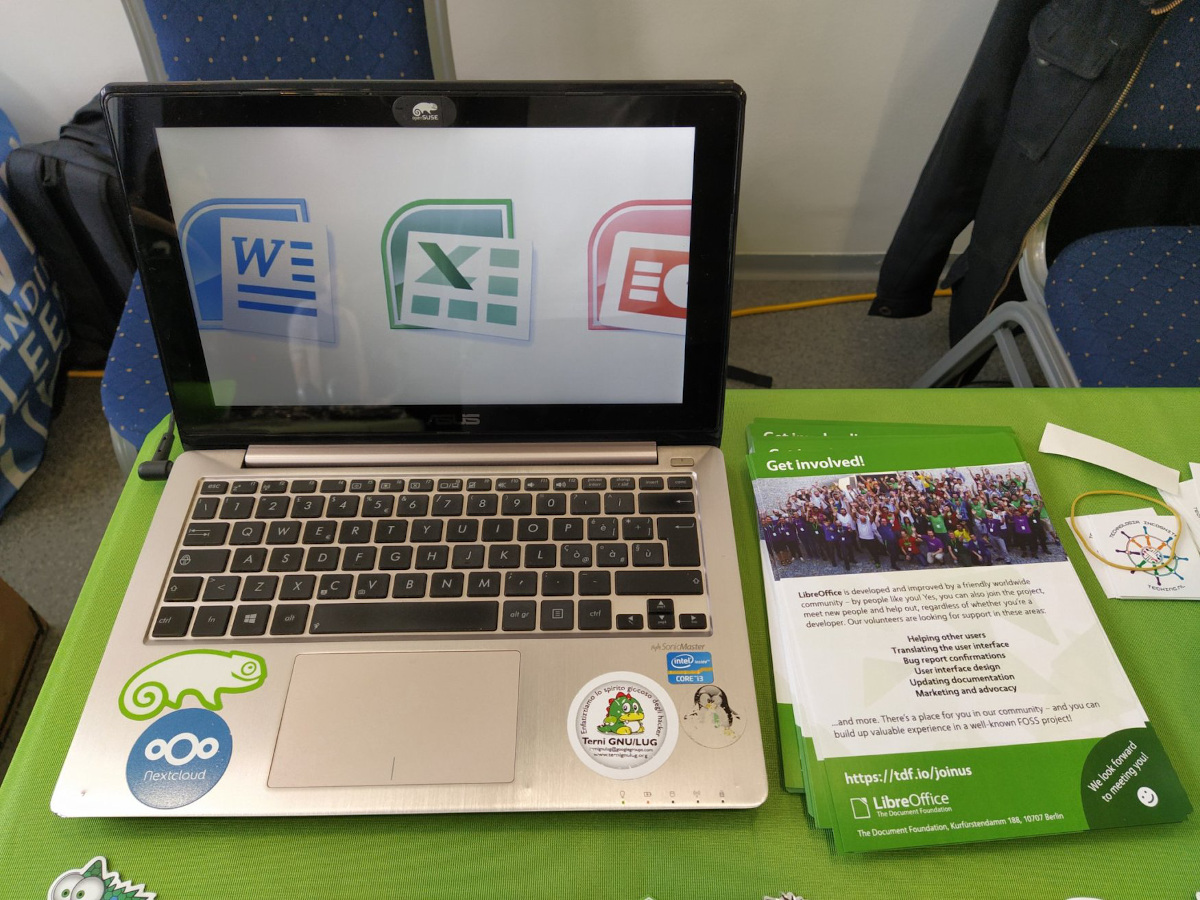
I had the opportunity to share a booth with the wonderful guys from the openSUSE community. They were really kind and warm with me and helped in many ways, from coming to the airport to pick me, to talking about LibreOffice in Bulgarian to attendees of the booth, side-by-side with me who was doing in English.
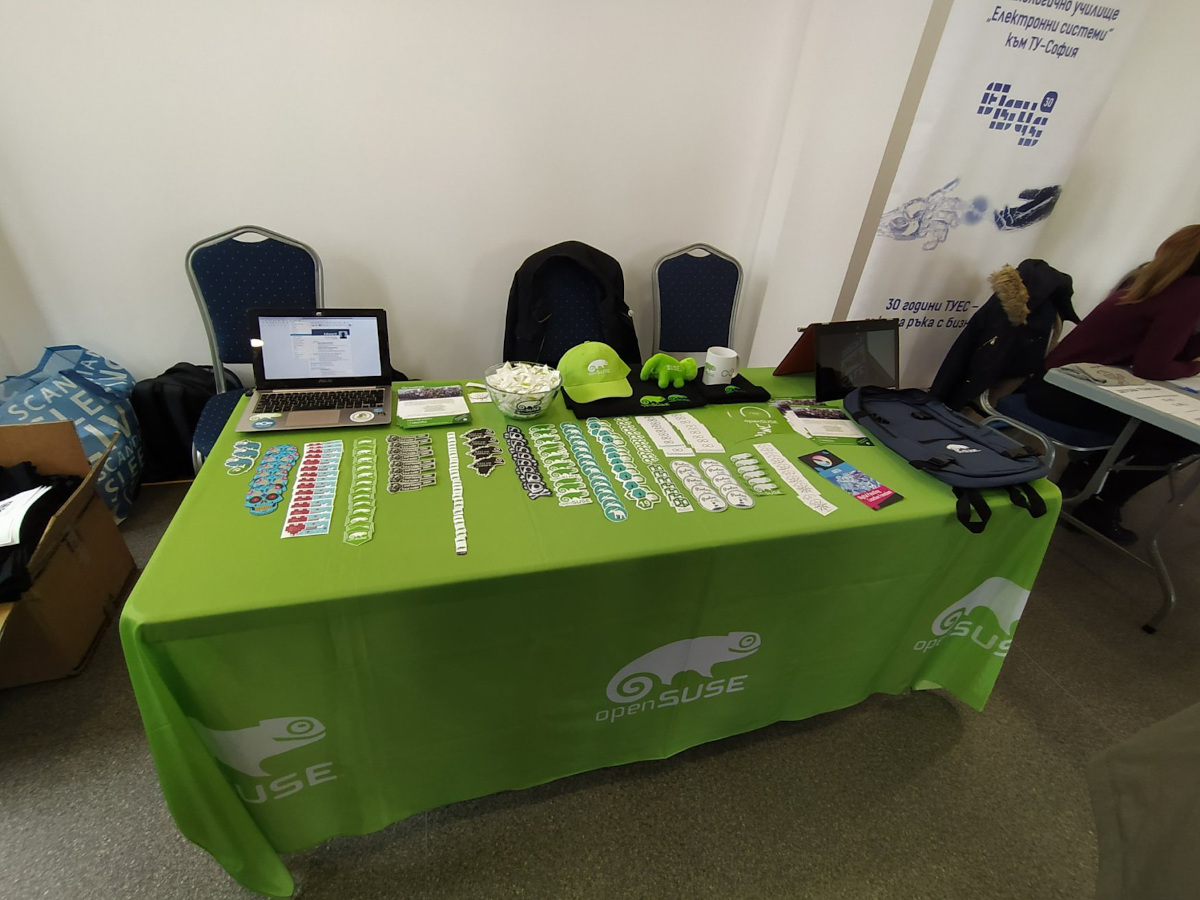
A special thank you goes to Dimitar Zahariev who was so gentle and I’m really happy and honoured to have become friend of, as well as to Rozalina, Rositsa and Rumen.

At the end of the morning of the second day, I had my usual talk about our community and TDF membership. The hall wasn’t full, as in some other’s lectures, but I received a lot of questions at the end, which gave me a lot of hope, and I also talked to two interesting speakers during lunch, about LibreOffice and its ecosystem.
Are there any other events you’d like to attend?

I’ve been told by Yana that they’ll probably have another event during next summer. Either that one and/or the next edition of this one; I’d like to come, but this time with someone else from our community, in order to have our own booth, with plenty of gadgets and marketing materials.

This time, in fact, we couldn’t send anything there and Dimitar was so kind to print flyers for us. Then the organisation team have let us share a big LCD screen with the Kiwi TCMS guys, to show some videos. A thank you goes also to those last ones (Alex, Anton and Vasilena), who were so kind and generous to let use the screen one day per each booth. I’ve been talking to them too, in order to see if the two projects may collaborate.

The event really deserves our presence, from my point of view, since there was a lot of people attending, and the organisation was really professional, starting with the conference management software developed by them – we should ask them if we could try it for our conferences 😉 And also with the audio and video service (like at FOSDEM!).
How can community members get involved and help out at other events?

When we have a booth, especially if it’s not shared, more people are necessary, to cover whole days. This gives everyone the chance to do other things – to have the possibility to follow some talks, do some PR, and get some rest now and then. But the best would be to have people who’re not shy, possibly used to speaking in public, and used to approaching unknown people – in order to interact with them and explain our project.

Another way to involve attendees is to have some kind of game or challenge, giving some gadget as a prize. This is something I’ve seen at most of the booths at this conference.

In conclusion, I really enjoyed this event and I hope to come back and increase even more our presence and our brand knowledge, hoping to find always more contributors to our projects, who could also be the numerous IT companies present in Bulgaria.
LibreOffice Conference 2019: Lightning talks

Towards the end of the recent LibreOffice Conference 2019 in Almeria, Spain, we had a series of “lightning talks” – that is, quick presentations on various topics. Here’s the video, skip ahead for:

  • 00:03 – Unicode in 5 minutes (Ivan Sanchez Ortega)
  • 08:10 – Archiving important wiki content (Dennis Roczek)
  • 16:05 – GDB tips and tricks (Ashod Nakashian)
  • 24:19 – How to find bad synonyms in translations (Koji Annoura)
  • 35:06 – Reproducible builds in LibreOffice (Bjoern Michaelsen)
  • 41:08 – Replicating Rapid Prototyper (Michael Meeks)

Please confirm that you want to play a YouTube video. By accepting, you will be accessing content from YouTube, a service provided by an external third party.

YouTube privacy policy

If you accept this notice, your choice will be saved and the page will refresh.

LibreOffice Macro Team: progress report

Macros help users to automate common tasks in LibreOffice, and in September, we announced a new team in our community to work on macro support.

So, what has happened in the meantime? This article is a collection of the work done by the LibreOffice Macro Team in the past few months, as well as any other macro-related things in the project. If you are interested in contributing to the macro team (development, testing or documentation), we’d love to hear from you – please send an email to ilmari.lauhakangas@libreoffice.org and we’ll get in touch.

Quality assurance work

Tomoyuki Kubota and Alain Romedenne reorganised the macro meta bug, creating several subcategories for macro issues and feature requests.

Wiki docs

Soon after the announcement of the macro team in early September, we were contacted by Nathan Ullberg, who promptly started contributing to the wiki documentation. Nathan is keeping notes on the progress of his work on his wiki user page. Alain is collaborating with Nathan on the wiki effort, which includes creating new articles with example macros, reviewing old ones and translating them from French to English.

Code contributions from macro team members

Tomoyuki Kubota:

Andreas Heinisch:

Alain Romedenne:

Code contributions from honorary associate members

Mike Kaganski (Collabora):

Stephan Bergmann (Red Hat):

Samuel Mehrbrodt (CIB):

Help content

Improved by Alain Romedenne:

Improved by Olivier Hallot (TDF):

Added by Olivier Hallot (TDF):

Finally, we have to highlight Alain’s presentation from the LibreOffice Conference 2019: Scripting LibreOffice Python macros, aka “Macros Well Kept Secrets”:

Please confirm that you want to play a YouTube video. By accepting, you will be accessing content from YouTube, a service provided by an external third party.

YouTube privacy policy

If you accept this notice, your choice will be saved and the page will refresh.

Big thanks to everyone for their contributions and special thanks to Alain for coordinating things and being a tireless macro educator! As mentioned, everyone is welcome to join our efforts to improve macro support in LibreOffice – you don’t need to be a developer. Help us with documentation, bug reports and more – and gain valuable experience on the way!

Community Member Monday: Sokibi, Indonesia

A story about how Sokibi uses LibreOffice and other FOSS to spread knowledge and love

Authors: Ahmad Haris and Franklin Weng

Sokibi (no last name – it’s a typical Javanese old-style name) was born in a rural village, around 45KM away from Semarang City in Central Java island, Indonesia. He now runs a small store residing in a traditional market, working on repairing computers, selling new and used computers, and provided open source solutions for migrations, support and training.
Sokibi has had extensive experience with office suites – from StarOffice and OpenOffice.org to LibreOffice. So besides his daily job, he put huge effort into teaching LibreOffice in schools, from primary schools to high schools. It was not always easy to go to different schools, which were usually very far away from his home town or company, but over the last 20 years, Sokibi has insisted on spreading knowledge about these office suites, without getting students locked in to proprietary software. During these times, Sokibi also wrote 16 books about learning computers from beginner level onwards, including four books for kindergarden kids and 12 books for primary school students.

What Sokibi has done is not only teaching computing and LibreOffice in schools. Many villages in Central Java have libraries but no computers at all. Although Sokibi has just run a small store selling computers, he decided to donate many computers to these libraries to build computer labs there, with Linux and many other open source programs – including LibreOffice – pre-installed.

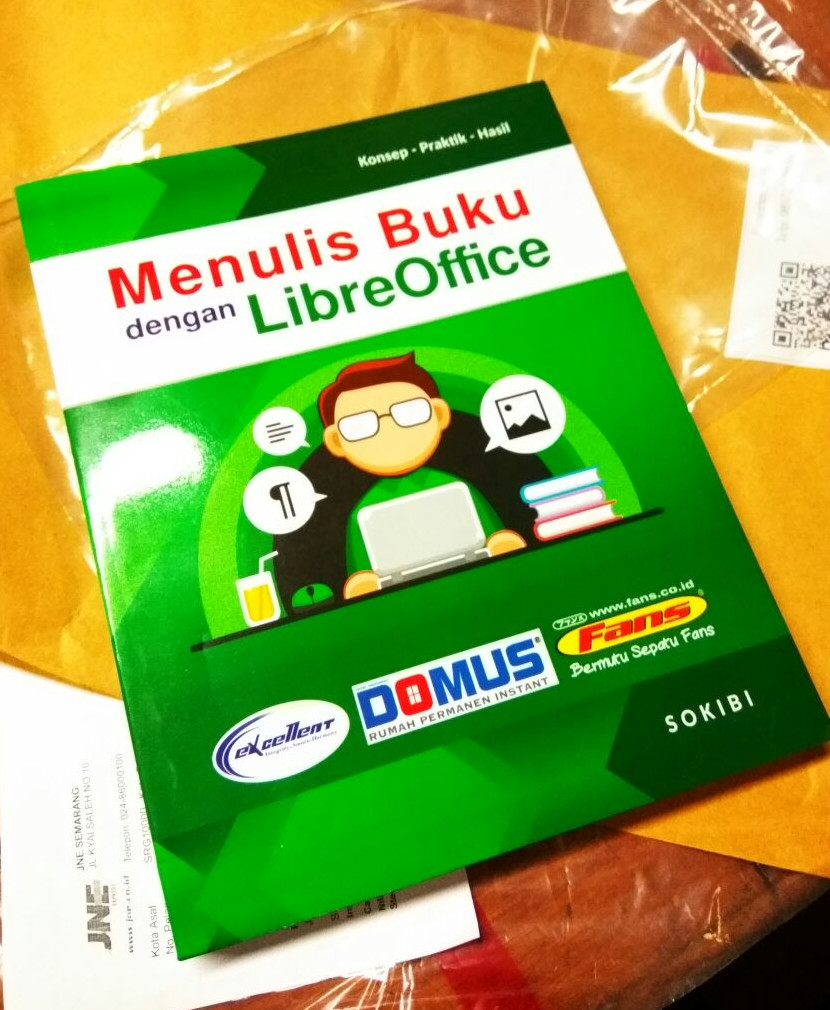
Several years ago, Sokibi joined the documentation team of BlankOn Linux – an Indonesian Linux distribution founded by Ahmad Haris – writing documents for users who wanted to migrate to FOSS, and also about the daily use of LibreOffice. Now he’s still writing books – including computer learning books for high school students, and several other FOSS applications, like the one pictured above (which covers LibreOffice, Gimp and Inkscape).

In his point of view, currently there is only small or limited documentation and HOWTOs in his local language Indonesian. Therefore he keeps teaching and spreading the knowledge and love, hoping that the number of contributors to LibreOffice and FOSS can grow.

We believe that there are more people like Sokibi, spreading his knowledge and love to people using the power of free and open source software. Let’s applaud Sokibi, and if you know anyone doing the same, please it share with us!

LibreOffice community at Czech free software events

Stanislav Horáček writes:

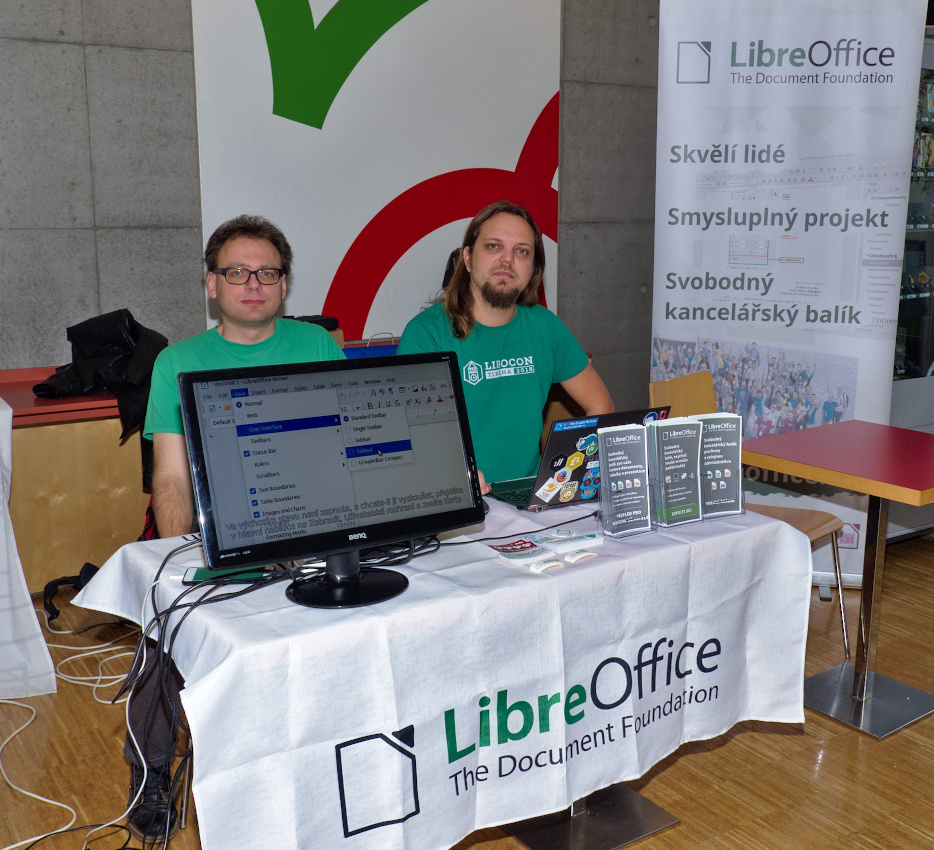
Like every year, we would like to say few words about our impressions and experiences from our Czech free and open source software (FOSS) conferences in autumn. As in the last year, we participate with our LibreOffice booth at LinuxDays in Prague (me and Zdeněk Crhonek), and at OpenAlt in Brno (Petr Valach and Zdeněk Crhonek).

We appreciated supporting words from LibreOffice users, as well as their questions and critical remarks – it was good opportunity to realise that LibreOffice is a really complex piece of software, and some ways of using it can be unpredictable 🙂 Some notes from the events:

  • LibreOffice Online is better known than at previous events, but still some people are surprised that there is this version, so there is interest in how to install it and get it working. We noticed a demand for an online service with LibreOffice as paid alternative to Google Docs for small companies.
  • Other quite hot topics were macros and (missing) automatic updates in Windows.
  • Examples of special questions: using a stylus and handwriting recognition in LibreOffice; a version for the Librem device; embedding LibreOffice in another application; creating business cards with pictures; saving values of Solver settings in Calc; filtering by colours in Calc…
  • At LinuxDays, I had a talk about a new Czech spellcheck dictionary (which also uses Wikidata as a source), available as a LibreOffice extension.

Thanks to organizers of both events for this opportunity and to The Document Foundation, the non-profit entity behind LibreOffice, for the support! We can really recommend these types of events, as you get feedback from both end users of our software, and developers/enthusiasts of another communities. Don’t hesitate to attend if there is a similar event in your country 🙂

TDF says: huge thanks to Stanislav, Zdeněk and Petr for all their great work! Native language communities are essential building blocks of the LibreOffice project, helping to share knowledge, spread the word and make LibreOffice even better for everyone. And everyone is welcome to join and help out!

Refreshing LibreOffice’s “Frequently Asked Questions” pages

Ilmari Lauhakangas (aka Buovjaga) writes:

A year ago we started migrating our wiki translations to the standard translation management system used across the known wikiverse. The system allows for proper tracking of translation status, and offers a user experience familiar to LibreOffice translators.

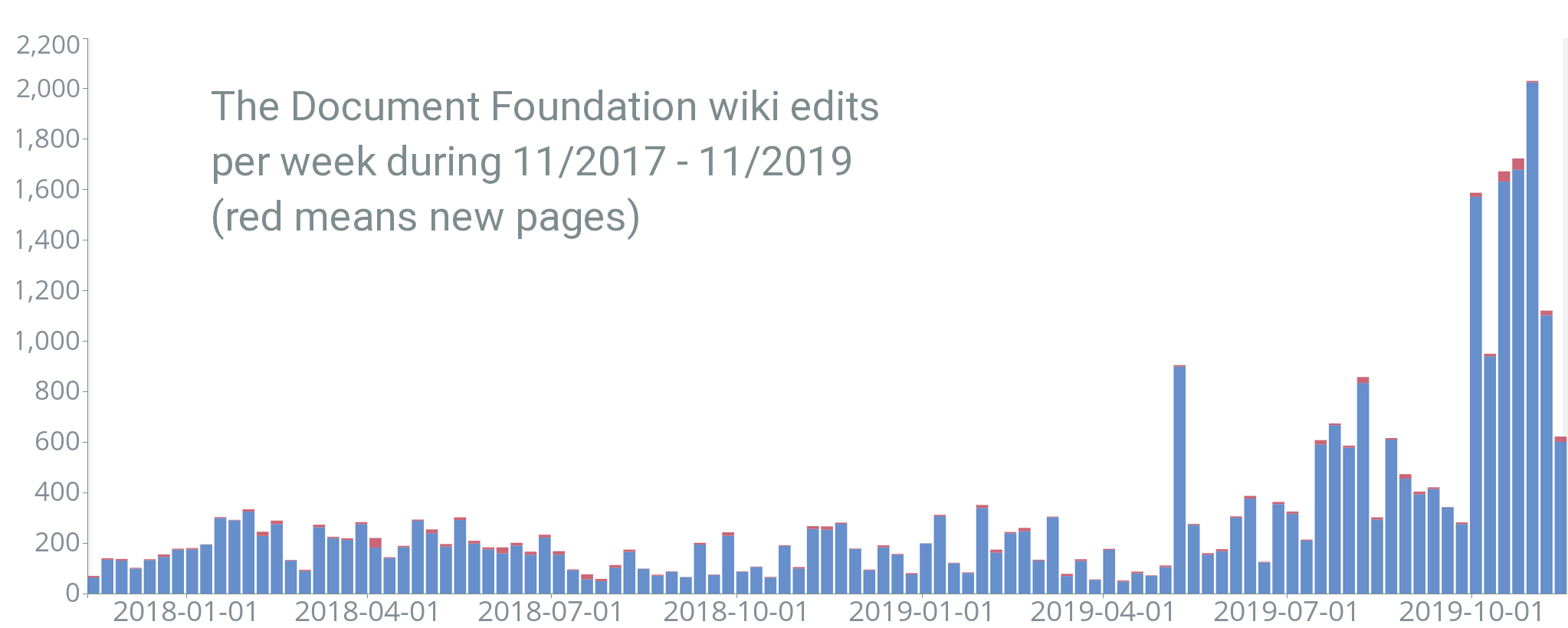
By the end of summer 2019, we had enough experience with the new system to be able to define best practices and give instructions to translators. Right at this moment one of our Czech contributor heroes, Zdeněk Crhonek (aka Raal), expressed interest in offering FAQ translation tasks through a volunteer platform called Um sem um tam. Zdeněk took it upon himself to migrate each FAQ article to the new system while creating the tasks.

In addition to the migration effort, the FAQ pages were checked for accuracy and many changes were made to bring them up to date. All of this work resulted in unprecedented activity in The Document Foundation wiki as can be seen in this chart:

Big thanks to Zdeněk Crhonek, Czech translator Petr Kuběj and the original French creators of the FAQ articles!

Translators are invited to update the FAQ translations as well as to confirm that the source text corresponds to the current LibreOffice interface. If you have questions regarding the migration process in general, please contact Ilmari Lauhakangas.