In order to make it easier for users to find training videos about LibreOffice, we have created a comprehensive index updated to the end of April 2022 using the open source Zotero bibliography and reference management software.
At the moment, indexed videos are only in English (although there are also videos in other languages, which have still to be indexed), and have been grouped by topic: LibreOffice, LibreOffice Writer, LibreOffice Calc, LibreOffice Impress, LibreOffice Draw, LibreOffice Base, LibreOffice Math, LibreOffice Interviews and LibreOffice Talks.
The next task is to create an index of documents relevant for The Document Foundation and LibreOffice, covering topics such as open source software, open standards, change management, sustainability, interoperability, digital citizenship, migrations, openness, digital sovereignty and document formats, to mention only the most important. The objective is to provide educational materials to all LibreOffice stakeholders, as a background for training and presentations, or as a simple but comprehensive source of information.
Have you ever tried to draw special and complex shapes beyond the basic offerings of LibreOffice? A custom shape of the Fibonacci spiral defined by its equation and properties with handles to reshape size? Thanks to Regina Henschel, now you have a tutorial for drawing custom shapes of your own and use them in LibreOffice.
Currently, LibreOffice provides a lot of predefined custom shapes. They are grouped to the sets ‘Basic Shapes’, ‘Block Arrows’, ‘Symbol Shapes’, ‘Stars and Banners’, ‘Callouts’, and ‘Flowchart’. And all shapes from the ‘Fontwork Gallery’ are custom shapes too. But you can do more, much more.
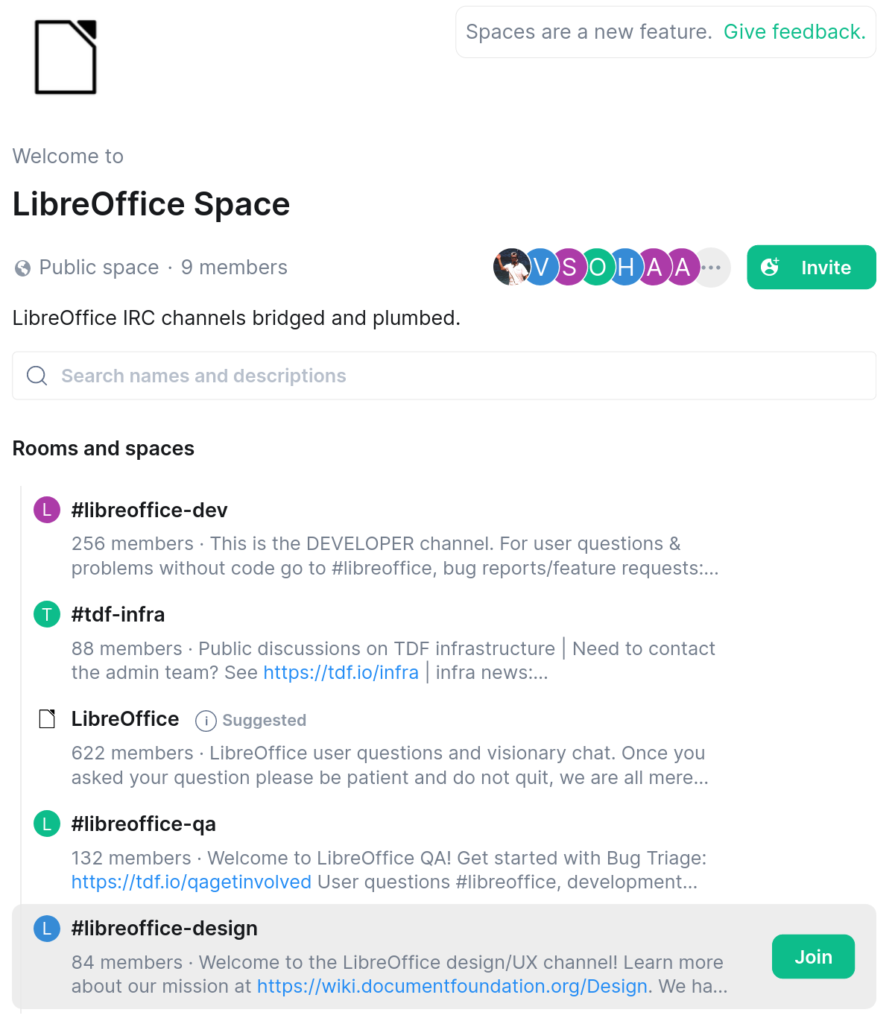
Ever wondered about using modern chat tools to discuss LibreOffice? Here we will discuss using a Matrix bridge to connect to the LibreOffice IRC rooms, to participate more efficiently in LibreOffice-related discussions.
Traditionally, IRC has been the preferred way of communication for the FOSS communities including the LibreOffice community. There are multiple IRC rooms that you can join, and the one related to the LibreOffice development is #libreoffice-dev at Libera Chat network. A more complete list is in the TDF Wiki:
IRC is an open protocol, and there are many clients for it. With the modern IRC clients, some of the shortcoming of the earlier IRC clients are now resolved. For example, you can use encryption in your connection.
On the other hand, IRC still has its drawbacks. You have to be online to get the messages, and you will lose the messages that was sent when you were offline. There are solutions like “IRC bouncers” that can help resolve this specific issue, but when compared to the modern chat clients and protocols, IRC still falls behind. So, many people prefer the new tools for chat.
But, is there a way to connect these two worlds, old and new? Fortunately there is a solution: using a Matrix bridge.
Using the Matrix Bridge for the LibreOffice IRC Channels
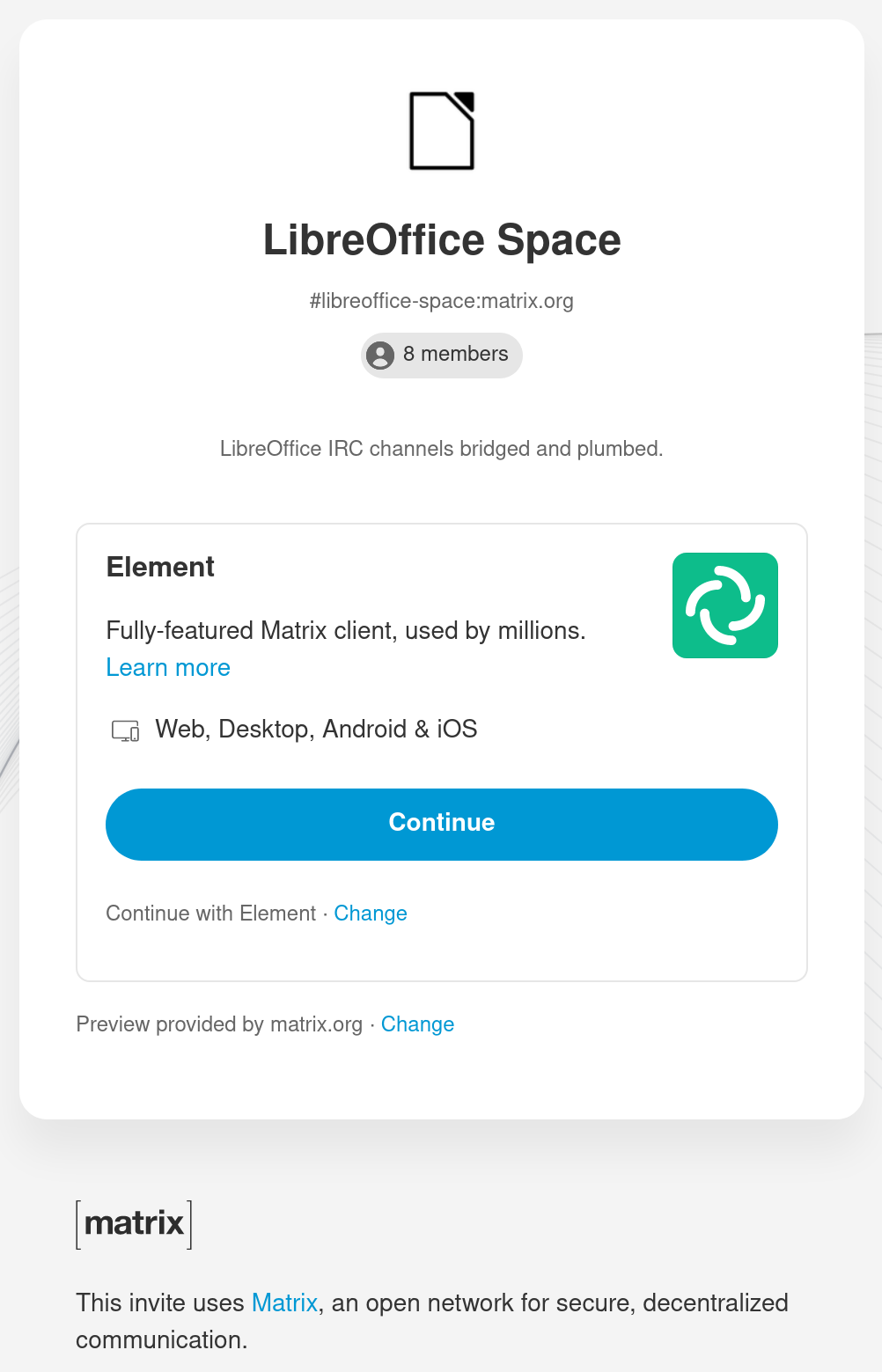
To use the matrix bridge for the LibreOffice IRC channels, first you need a Matrix account. Then, by clicking on the link below you can connect to the “LibreOffice space“, and see the LibreOffice channels in Matrix:
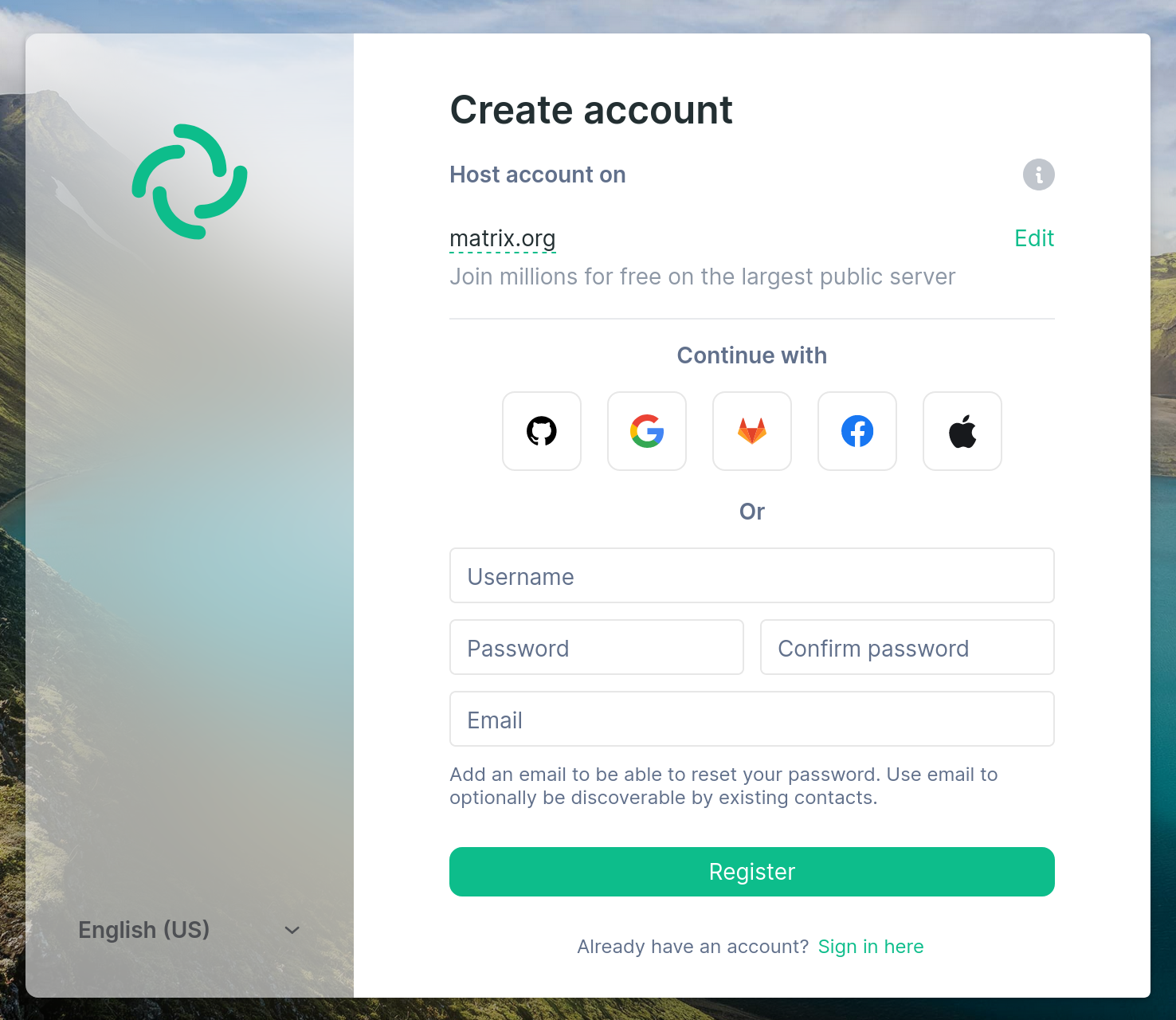
You don’t have an account? No problem! You can register one at matrix.org. It is as easy as a simple sign up, by entering username, password and your e-mail. You have to verify your e-mail address by opening a link sent to your inbox.
You, or your organization can have your own Matrix home server. If not, you can stick to matrix.org account. In any way, having a Matrix account lets you to join the LibreOffice space.
Join LibreOffice space
Subsequently, after joining the LibreOffice space you can join separate rooms and enjoy the Matrix bridge!
Join rooms in the LibreOffice space which uses Matrix bridge to IRC
Then, if you look at the users list in the IRC rooms, you see several people with [m] after their names. They are usually people that are using Matrix bridge. If you are also using Matrix bridges, you can use the Matrix for private messages and use all the features available in Matrix protocol and client.
Finally, we hope that you enjoy the LibreOffice space on Matrix, and have fun!
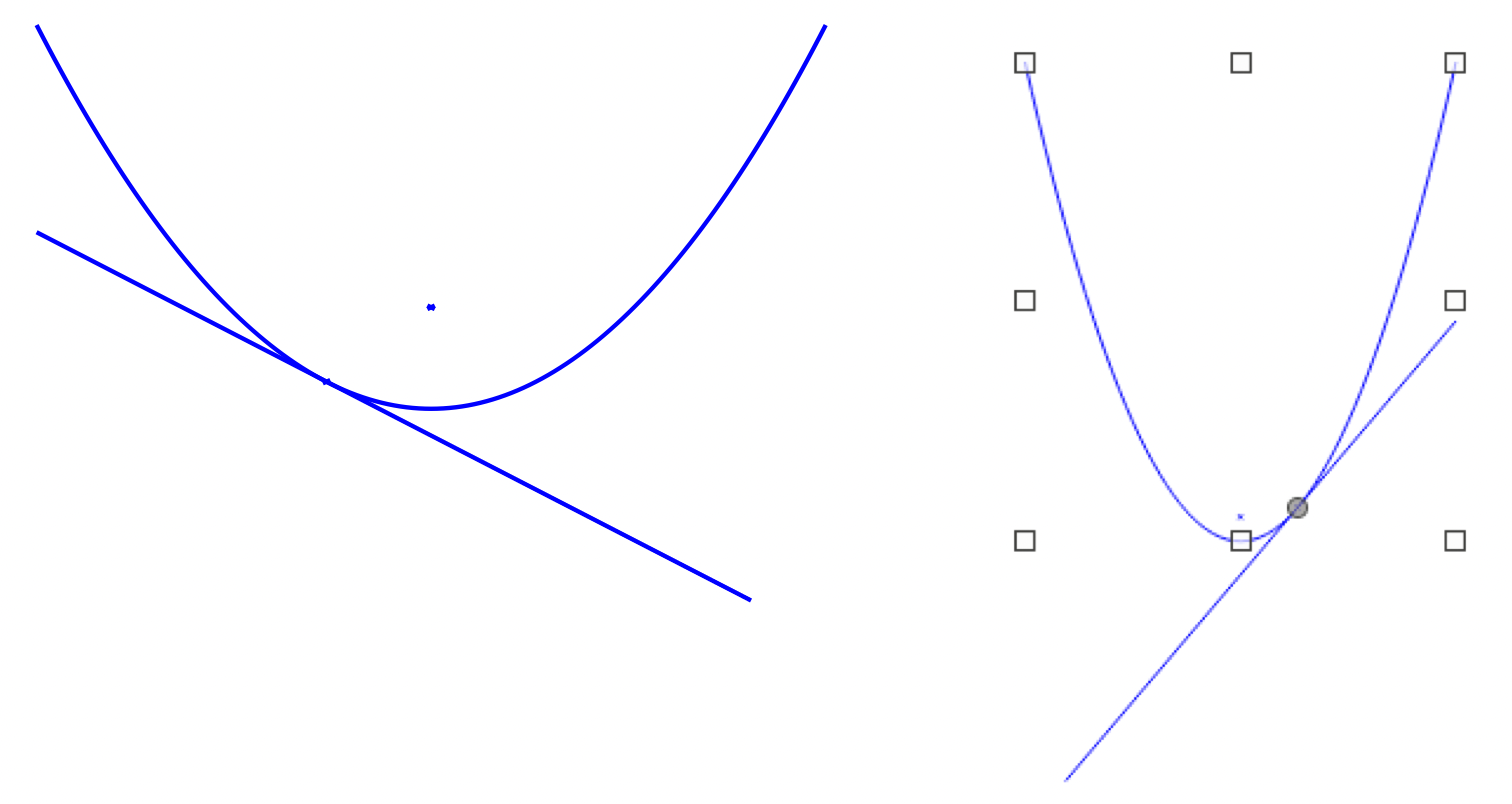
Teachers of mathematics often need a parabola in their instructions or exercises. Creating a parabola by using a chart is cumbersome. Therefore I have generated some parabolas as custom shape for anyone to use. You can get them in this LibreOffice Writer document.
A simple parabola
A parabola with focus
And a parabola with tangent, where you can drag the point of contact
The parabola-shapes are contained in a document. You can copy and paste a shape from there to your document or you can drag the shapes into your Gallery. The document contains in addition some explanations how the shapes were generated. You can download the document from the wiki.
Regina Henschel shows you how to do some nifty 3D tricks in LibreOffice…
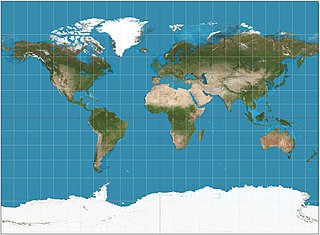
First, you need a world map in “Miller projection”. You find a suitable one on Wikipedia – download the full-size version. Here’s a thumbnail of it (CC-BY-SA, Daniel R. Strebe, August 2011):
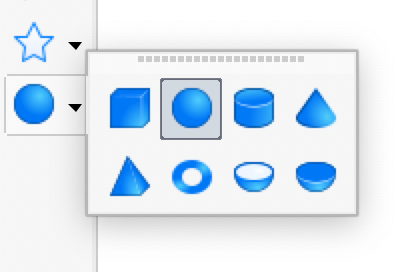
Next, start LibreOffice Draw, and create a sphere from the “3D-Objects” toolbar.
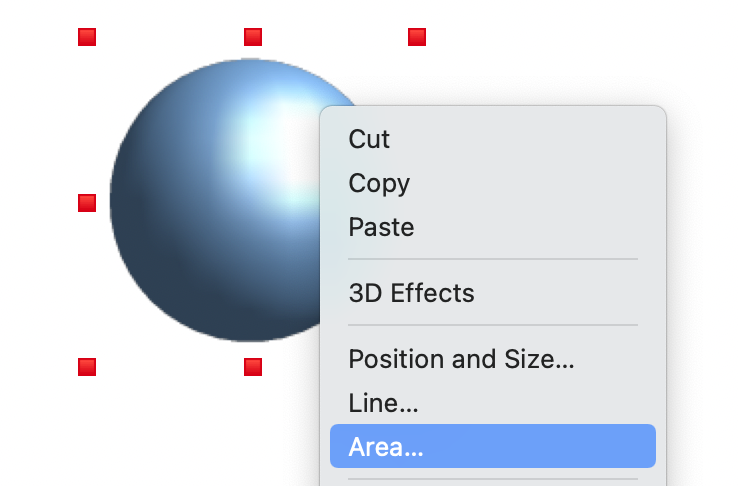
Click the sphere to select it, right-click to bring up the context menu, and choose “Area”.
In the dialog box that appears, click on “Bitmap” and then on “Add/Import”. Select the downloaded map, and enter a name for it, that you will use in your collection of bitmaps. The image should be applied to the sphere. If not, select the map from the collection.
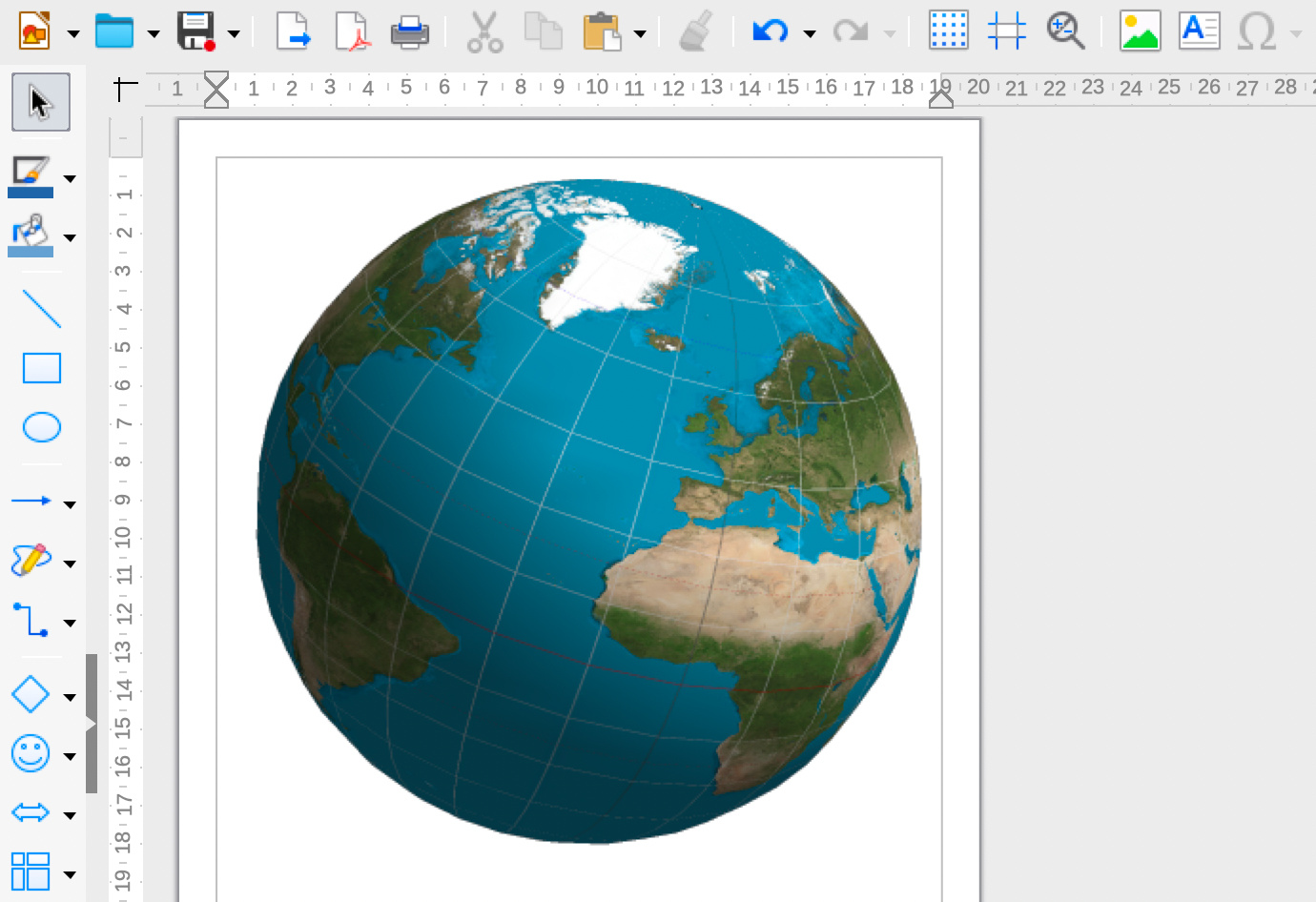
Then, in the “Options” part of the dialog box, select the item “Stretched” from the drop-down list “Style”. Click OK. Your globe is finished!
Now you can rotate the globe to the part of the earth you want to see – click on it once to show red corner controls, then once again to show orange; the latter can be used for rotation.
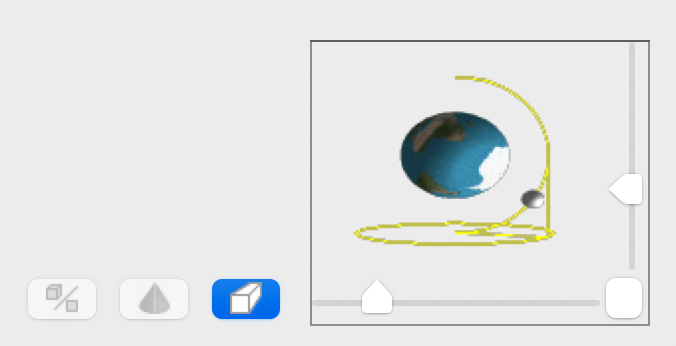
If you want to change the position of the “sun”, open the “3D Effects” dialog from the context menu. Select the tab “Illumination”. In the lower part drag the ball to the desired direction. And finally, apply it with the “Assign” icon top right.
Thanks to Regina for the tips! More guides for LibreOffice Draw, written by our documentation community, are available on this page. Check out the Draw Guide 6.4 for lots more info!
Some Apache OpenOffice users are reporting that version 4.1.8 is crashing on Apple macOS 11.0 (aka “Big Sur” or 10.16) when opening OOXML documents – like .docx and .xlsx. The error message is:
OpenOffice quit unexpectedly
Here’s a video showing how it crashes (WebM version here):