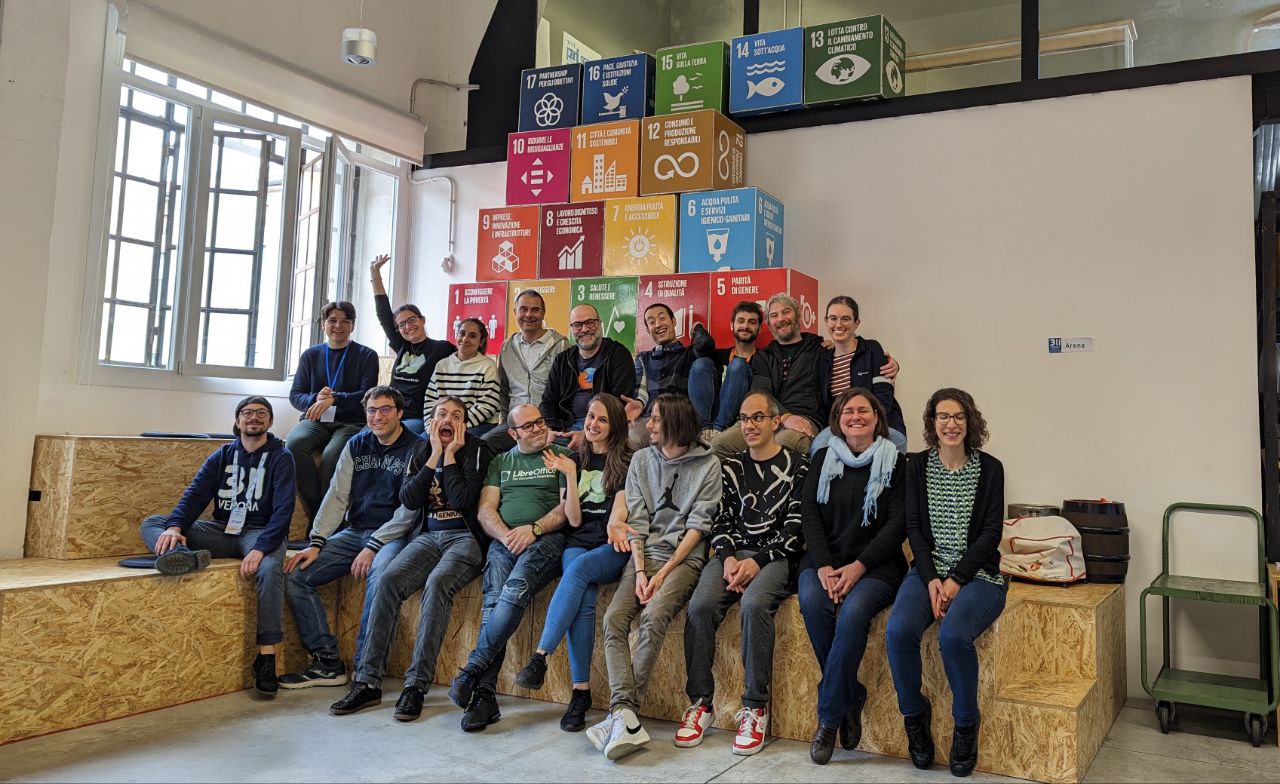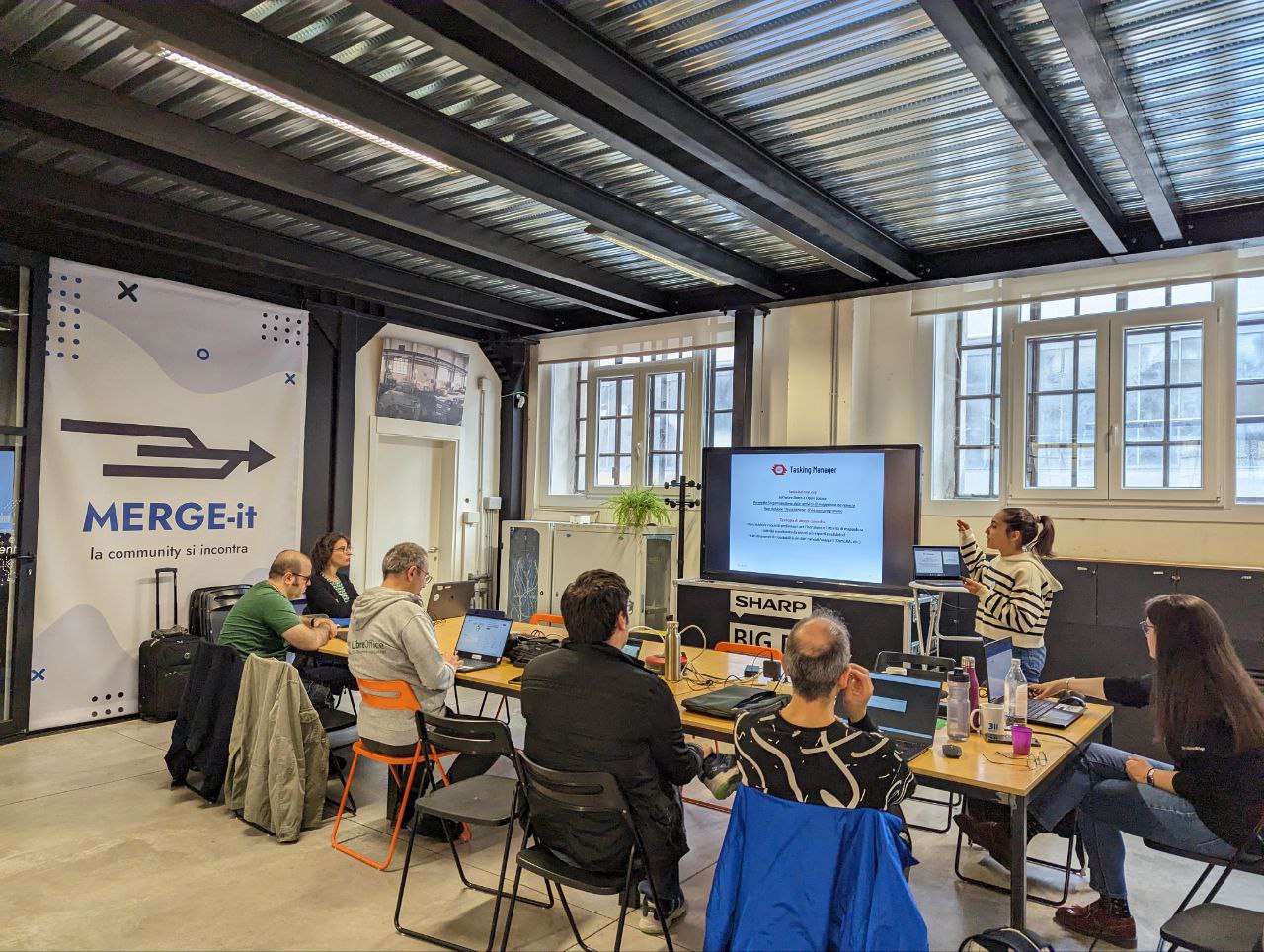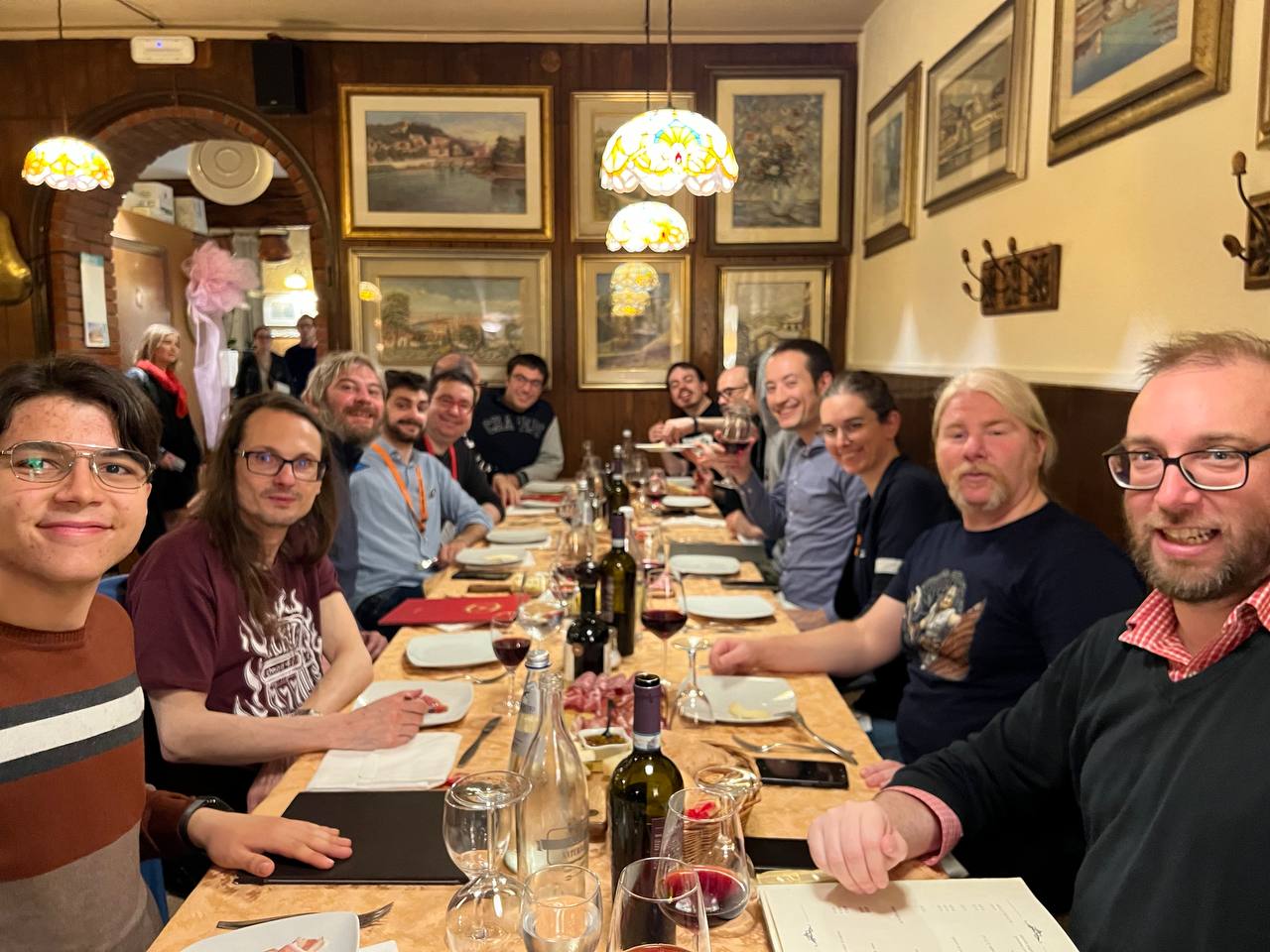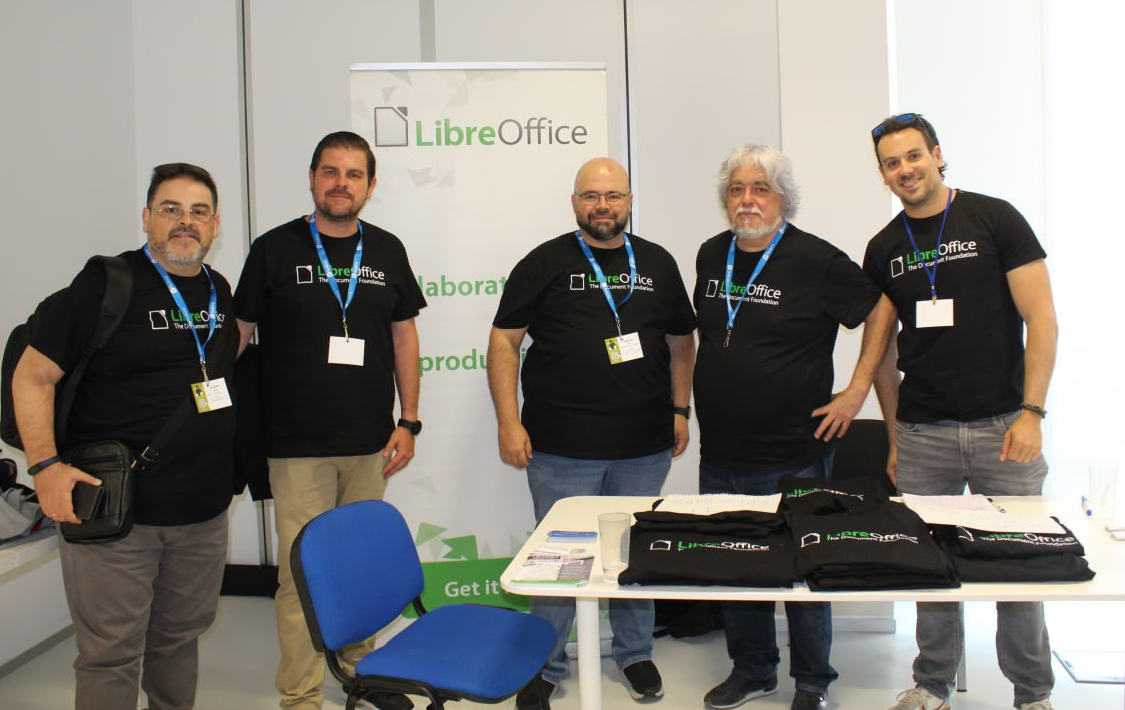
By helping to translate and market LibreOffice around the world, native language projects bring enthusiasm and passion to the global community. Here’s what they did in 2022…
(This is part of The Document Foundation’s Annual Report for 2022 – we’ll post the full version here soon.)
Czech
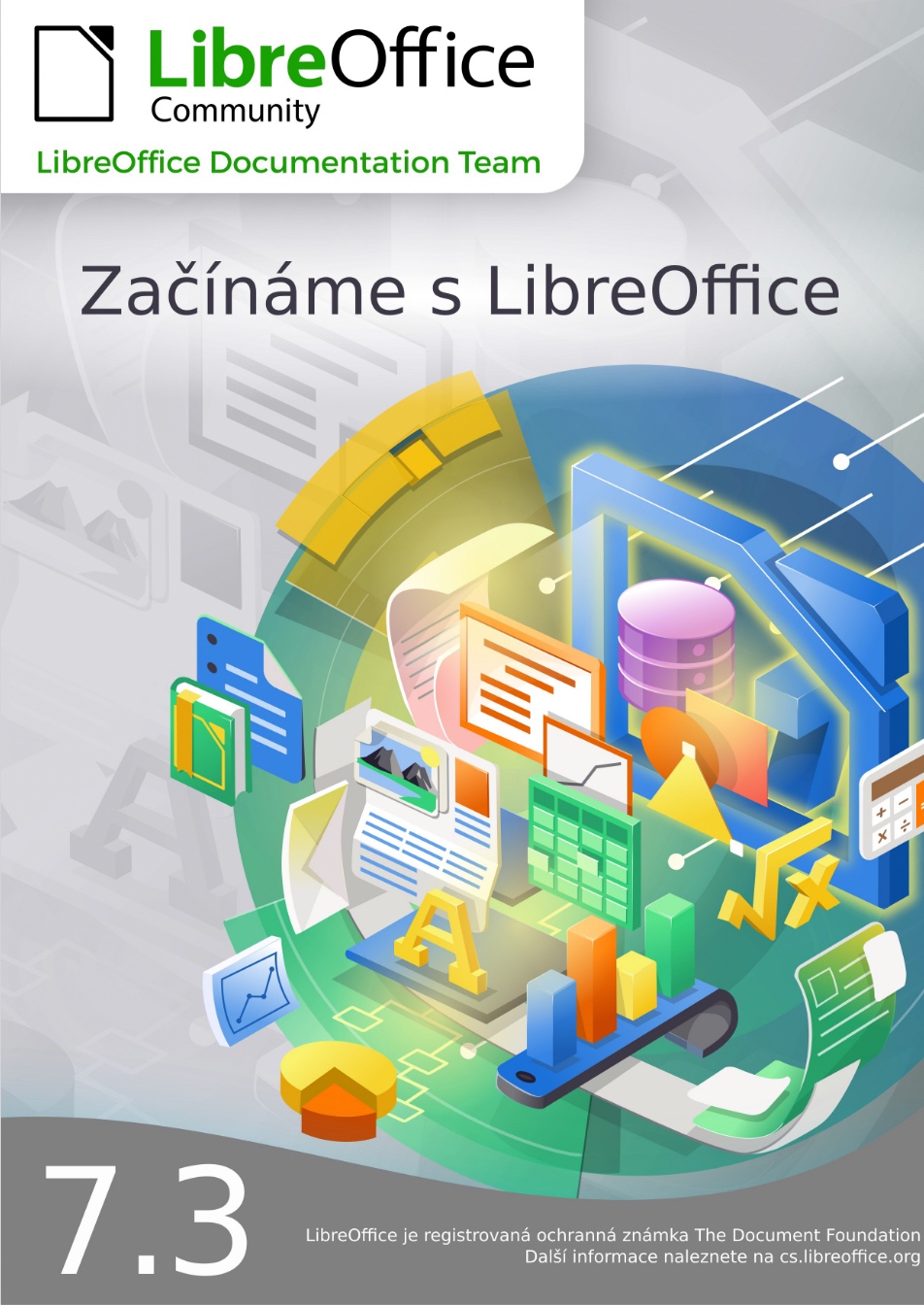
Czech speakers worked on updating translations of LibreOffice’s user interface and in-app help content, keeping them complete. They also helped with translations of guidebooks: the Getting Started Guide for LibreOffice 7.3 was translated and published in May 2022; the Base Guide for LibreOffice 6.4 was translated and published in March 2022; and the Writer Guide for LibreOffice 7.2 was translated and published in February 2022. New versions of Calc and Base Guides are in progress.
On the Ask LibreOffice website, Czech community members helped to support end-users, and they also maintained the Czech Facebook and Twitter account. In addition, they updated the Numbertext library to be usable for the Czech language.
Finally, at the InstallFest conference in Prague, community members had a booth with LibreOffice merchandise, and could answer questions from visitors.
Dutch
Throughout the year, the Dutch-speaking community supported users by answering questions on the Ask LibreOffice website and mailing lists. They also maintained the Dutch LibreOffice website, and participated in the documentation team’s work on English guides by reviewing chapters.
Regarding Dutch translations of LibreOffice guides, the community published the following: Getting Started for LibreOffice 7.2 in January; Writer Guide for LibreOffice 7.3 in April; Draw Guide for LibreOffice 7.3 in June; Math Guide for LibreOffice 7.3 also in June; Calc Guide for LibreOffice 7.4 in September; Impress Guide for LibreOffice 7.4 in October; and Getting Started Guide for LibreOffice 7.4 in December.
On Weblate, the community managed to keep up with changes to LibreOffice’s user interface, maintaining its status as 100% translated. The help content was extended, which the community regards a good thing, but a lot of work to translate for a small group of volunteers. Although the help content kept growing, the community was able to maintain it at 100% translated.
Esperanto
By the end of 2022, the LibreOffice translation status for Esperanto was as follows: user interface 99.98%, LibreOffice Online 100%, Impress Remote 100%, help content 41%, and the website 100%.
Finnish
During 2022, there was translation work of LibreOffice’s user interface and its help content The Quick Reference Guide was translated, user interface translations were reviewed, and a style guide for Finnish translations was created with funding from Fuugin säätiö (Finnish Unix users’ group foundation).
French
Thanks to the work of French speakers, LibreOffice’s user interface was 100% translated, while the help content reached 95%. Translation of Calc functions on the wiki continued, while release notes were translated, and French questions on Ask LibreOffice were answered too.
Community members attended the OSXP (Open Source Experience) event in Paris, along with the conference Capitole du Libre in Toulouse. They also had a LibreOffice booth at two events in Lyon: Campus du Libre and the Journée du Logiciel Libre.
German
LibreOffice’s German-speaking community updated the Base Guide for version 7.4, and published it in August 2022. They also published example files and content (“Beispieldatenbanken_V74”) for many specialised database solutions around the same time. The layout of both was changed – the font “DejaVu” became the default font now for the content. Code is now numbered with “001”, “002” and so forth.
Regarding translations: in Weblate, the translation status of LibreOffice’s user interface was 100%, while the Help content is 98%. German-speaking community members provided user support by answering questions on Ask LibreOffice and mailing lists, while they also worked on translating Release Notes for major LibreOffice versions, and publishing videos to demonstrate the new features.
Indonesian
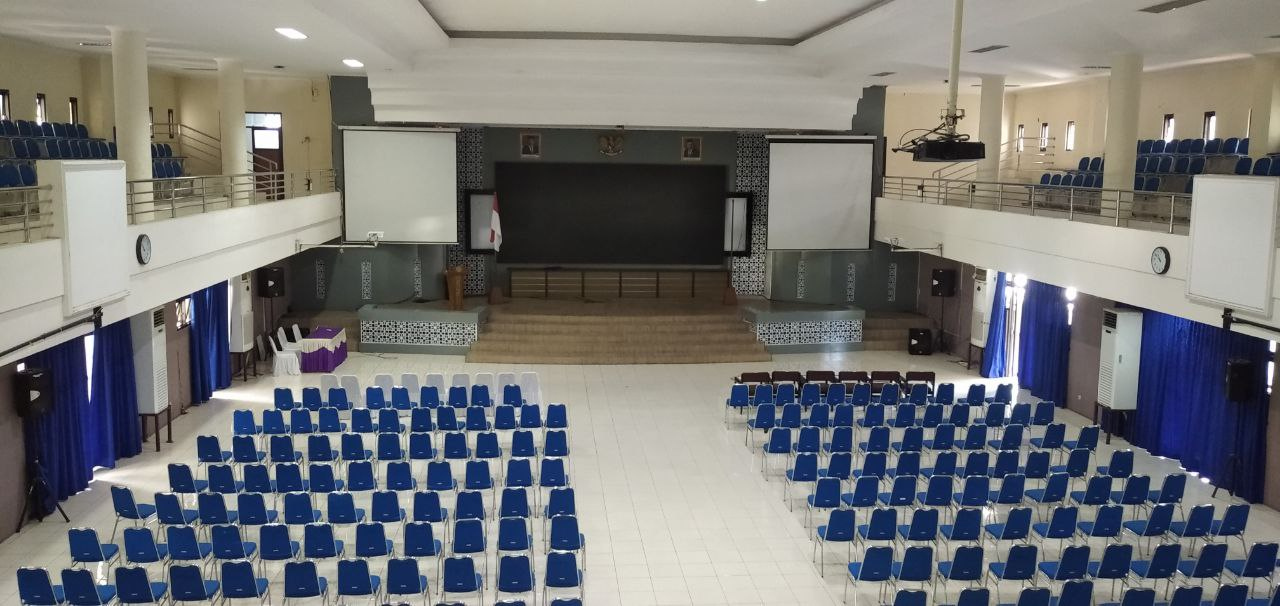
A LibreOffice Translation and Quality Assurance event (LOTQ) 2022 was successfully held in two cities, Bogor (West Java) and Gresik (East Java) on 13 and 14 August 2022. This event was held to highlight of the Indonesian community‘s active contribution to LibreOffice, especially in terms of translations and also QA.
Andika Triwidada was present at LOTQ 2022 as a senior Indonesian translator mentor. Around 25 people from various backgrounds attended and participated in this event. Unfortunately, the speaker for QA, Rizal Muttaqin, was unable to attend, so Ahmad Haris took over the QA topic.
For two days, participants were guided to translate strings from the source language into Indonesian. Apart from that, they also discussed several other matters related to translation. Here are some of the questions raised in the discussion session: Can the official LibreOffice page be translated into Indonesian? The vocabulary in the spell checker in LibreOffice needs to be updated – and for this reason it is necessary to improve the vocabulary and the hyphenation information for each word to be used in the LibreOffice spell checker. It is necessary to conduct a large-scale survey (estimated 3,000 participants) regarding the components and aspects that should be prioritized for translation.
The Document Foundation provided support for the event, allowing the organisers to print LibreOffice T-shirts, and provide attendees with snacks during the workshops.
Japanese
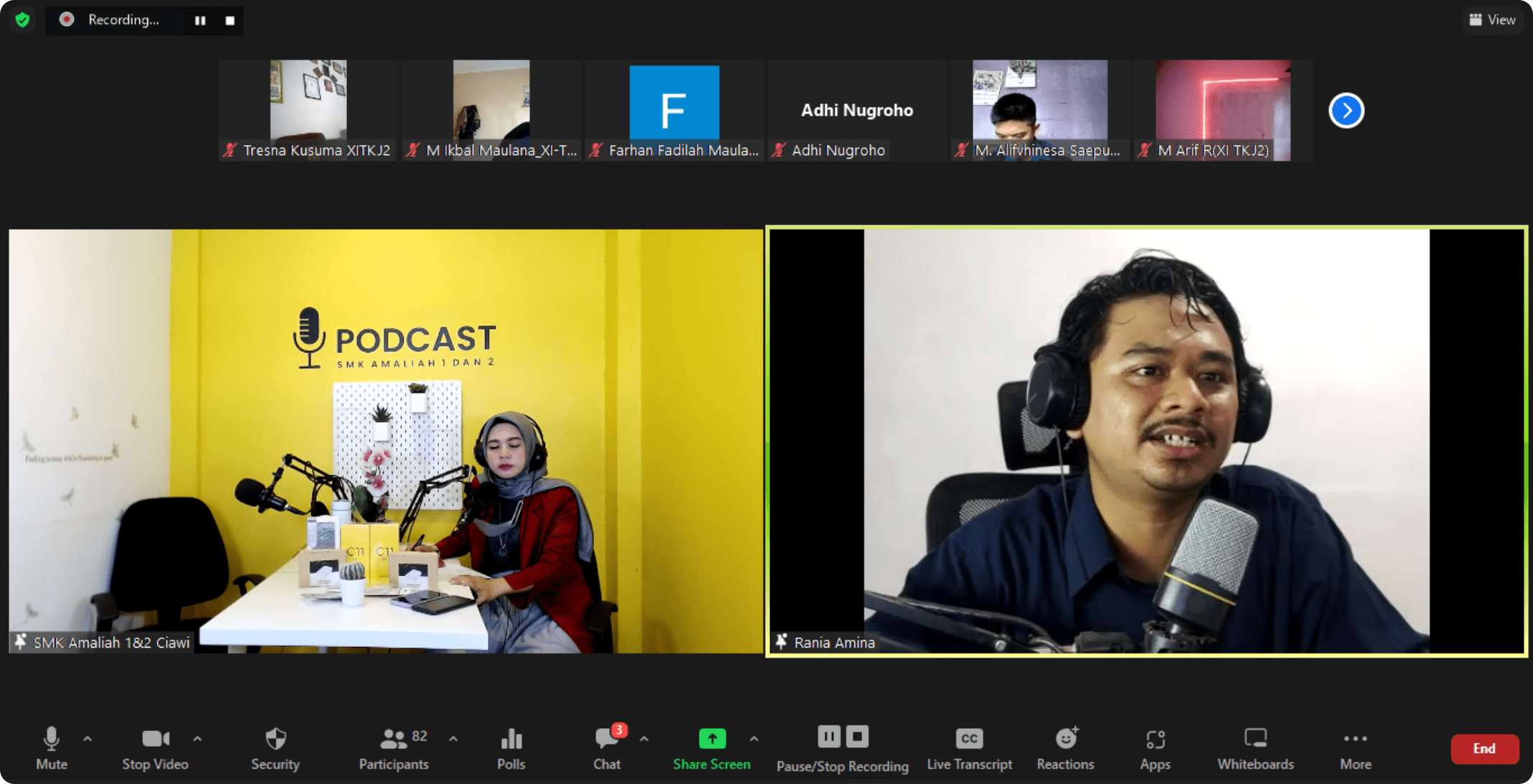
The LibreOffice Kaigi 2022 Online was held on Saturday 16 July 2022. LibreOffice Kaigi is an annual gathering in Japan, and was held online again last year, using Jitsi meet and YouTube Live, with a maximum of 22 participants in total. It was sponsored by The Document Foundation and iCraft Inc. Ltd.
In his keynote speech, Junji Shimonoh, who is active in the W3C’s Internationalisation Working Group, spoke about the “Current status of Japanese typesetting requirements”. The requirements for Japanese typesetting processing (JLreq) are referenced in the development of specifications such as CSS, but they are also referenced by the OpenDocument Format (ODF, as used in LibreOffice) and are important for Japanese language users, as they are referred to when implementing Japanese typesetting in LibreOffice.
The presentation included an introduction to the overall activities of the Internationalisation Working Group, the history of JLreq and its overview, and the requirements for Japanese digital text typesetting (JLreq-d), which are currently under consideration. The presentations were pre-recorded, but the Q&A session was live – and so lively that there were so many questions as time was running out.
Enoki and Meguro gave a “Review of the state of LibreOffice over the past year”, introducing the status of LibreOffice in the global and Japanese communities. They introduced activities in Japan, such as the translation status, the release of videos for users and the “Ask” question site. Regarding global activities, he explained that the development status is relatively stable, referring to data from The Document Foundation’s dashboard, showed downloads and donations are growing, and also explained budgetary efforts.
The Japanese community continued to organise “LibreOffice Hackfest Online”, where the community works together on Tuesdays at 20:00. The activity was often answering questions on the “Ask” site, along with occasional bug triaging, translations, and other activity.
There were other meetups too: two Study Parties (where LibreOffice users share know-how and interact with each other), FOSSASIA Virtual Summit 2022 and COSCUP 2022 (Taiwan), where LibreOffice community members were present. Every month, small meetups for LibreOffice users and contributors took place – held at the same time as a local activity meetup called “Open Awaji”. Then there was the Kansai Open Forum 2022, an open source and IT event in Kansai. In 2022, it became a hybrid event, so the Japanese LibreOffice community held a seminar locally.
In other news, the community used an automatic translation service (with an open source license), provided by a research institute related to the Government of Japan (NICT). They published three translated handbooks (Getting Started, Writer and Calc), and worked on an online video series called “Tech Tech LibreOffice” that highlights various features in the suite. Meguro-san created 15 how-to videos and posted them on YouTube throughout 2022. There were also 100 new questions or updates in on the Japanese “Ask” website.
Kazakh
Thanks to the work of the Kazakh-speaking community, the LibreOffice Impress Remote was 100% translated, while the desktop app’s user interface jumped from being 84% to 92% translated, during the year.
Korean
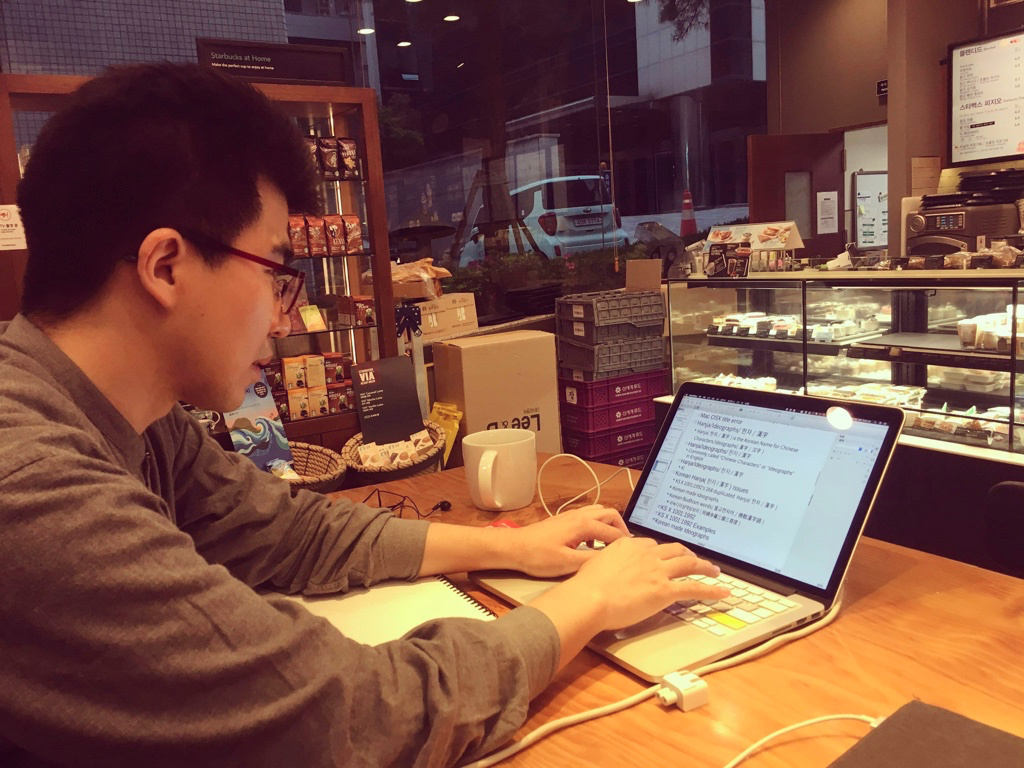
At the Ubucon Asia 2022, DaeHyun Sung from the Korean-speaking community promoted LibreOffice in-person – the first such presentation since the COVID-19 pandemic that began in 2020. He gave a talk called “Status and future of LibreOffice Korean community”.
Portuguese (Brazilian)
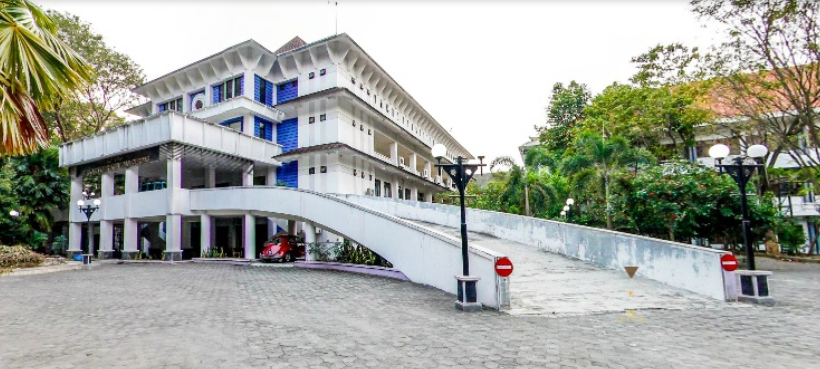
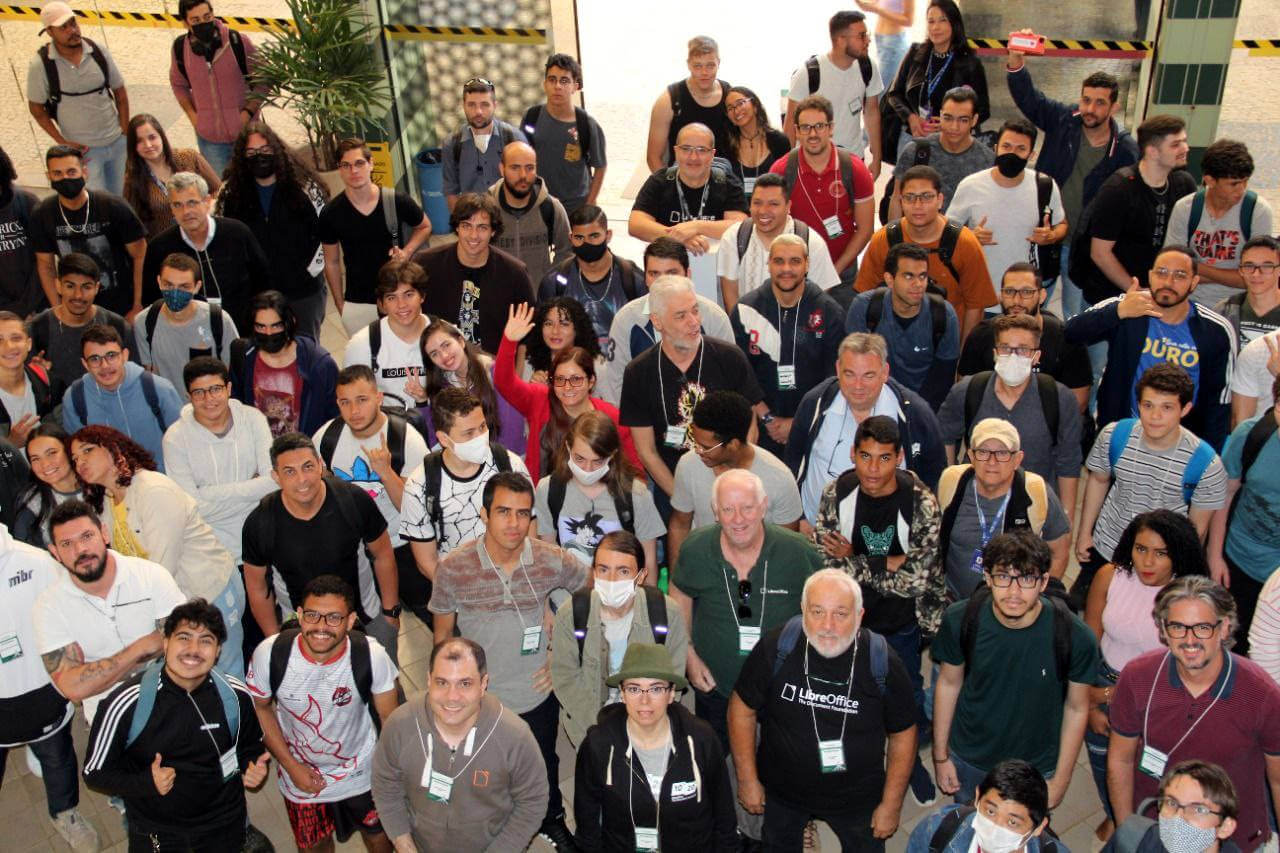
In August, the Latin American LibreOffice Community organised a local conference in Brasilia, the capital of Brazil. It gathered around 400 people, among them students and IT professionals, and was opened to the public on Thursday August 25th in a ceremony presided by Prof. Wesley Sepulvida, representing UCB, Lothar Becker (formerly on the Board of Directors of The Document Foundation) and Olivier Hallot representing the LibreOffice community.
The conference was organized entirely by volunteers, and followed up on the first event held in the city of Asunción in Paraguay in 2019. Brasilia was chosen to host the conference in 2022 because of its importance in the Latin American context and its excellent infrastructure. The lectures and workshops were given by members of the LibreOffice community from Italy, Spain, Mexico, Brazil and Argentina, on August 25 and 26 at the Catholic University of Brasília, on the Taguatinga campus.
Meanwhile, work continued on translations of the LibreOffice Guides, with the Math Guide 7.3 being published with the help of Vitor Ferreira. In addition, the community achieved 100% translation status for LibreOffice’s help content, using Weblate (Luciana Mota, Rafael Lima, Timothy Brennan, Olivier Hallot), and 100% translation of the suite’s user interface (Olivier Hallot). Diego Peres worked on translations of several wiki pages, while Henderson Matsuura assisted with blog posts.
Some more statistics: the Brazilian community maintained two Telegram groups, with “LibreOfficeBR” reaching 965 members and LibreOffice Português reaching 384 members. Therei is also Facebook group and Ask LibreOffice forum in Portuguese with over 3,700 questions, and videos on YouTube by Jessé Moreira, Beto Garcia (aka NOMOUSE), and many, many others.
Right-to-left (RTL) languages
RTL-languages are written from right-to-left, and include (among others) Arabic, Hebrew, Kashmiri, Pashto, Persian, Uighur, Sorani Kurdish, Pakistani Punjabi, Sindhi and Urdu. In 2022, there was occasional activity in the “LibreOffice RTL” Telegram group, and an invite link to the group was added on TDF’s bug tracker. In addition, at the LibreOffice Conference 2022 in Milan, there was some lively discussion around RTL issues.
Please confirm that you want to play a YouTube video. By accepting, you will be accessing content from YouTube, a service provided by an external third party.
If you accept this notice, your choice will be saved and the page will refresh.
Regarding RTL-related bugs: 44 non-language-specific known bugs were filed in 2022 (up until Dec 10th), 18 by community/channel members, 14 by significant LibreOffice contributors who aren’t channel members, 16 by Eyal Rozenberg and nine by Hossein Nourikah. Community members were involved in triaging and testcase authoring of most of these bugs. There were an additional 23 RTL-language-specific bugs.
Only about half of the bugs filed were marked as blocking RTL-CTL, RTL-Arabic, RTL-Hebrew or RTL-UI (and a much lower ratio if we don’t include bugs filed by channel members). This was corrected later, so that by now, all of these bugs block one of the meta-bugs.
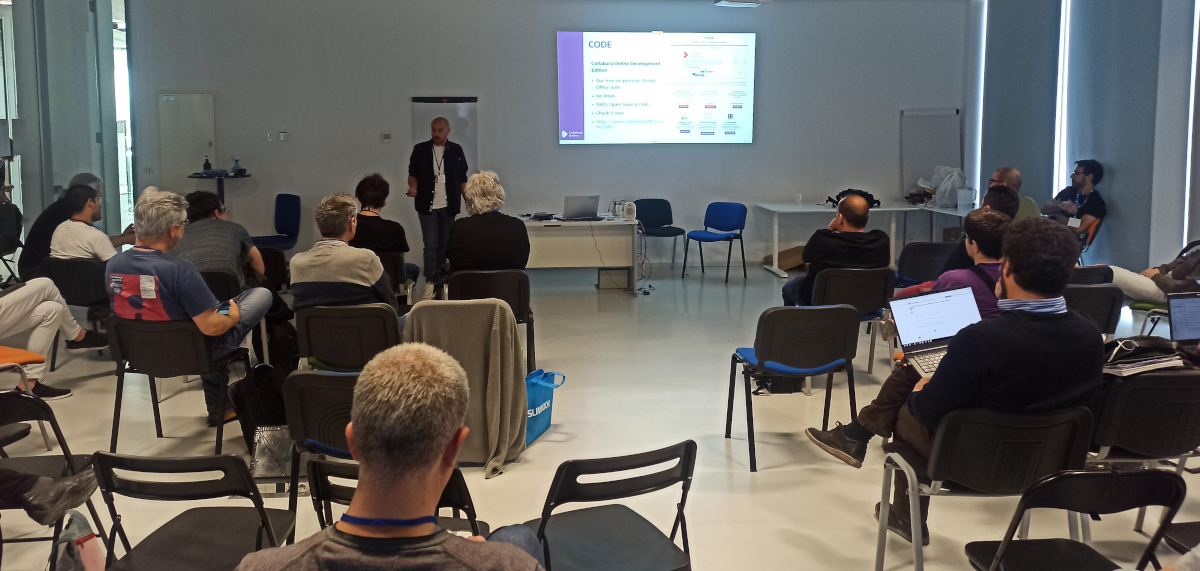
As in previous years, there was a positive, friendly, cooperative and zero-drama atmosphere on the channel. Although there were no community events or projects this year, two talks were given at the LibreOffice Conference 2022 on community-related issues: “The state of RTL language support in LibreOffice” and “Five things we can do to help language communities flourish”.
Finally, the RTL community reported some “demographics”: in the Telegram channel, members: 32 members (seven joined and one left). For languages: Arabic had under representation in membership and activity; Hebrew had over representation in membership and activity; and Farsi had under representation in membership and activity.
There were no speakers/writers of other RTL languages in the community: Urdu, N’Ko, Rohingya, Kurdish, Manding, Fula, Mende, although a few Hungarian users joined (there is an old RTL Hungarian runic script).
Slovak
Slovak speakers worked in 2022 on keeping translations of LibreOffice’s user interface up-to-date, and also supported the Czech translation team with their translations of the user guides.
Slovenian
In 2022, there was ongoing translation and review work of LibreOffice’s user interface and help content; both reached 100% translated status, while release notes for major versions of the suite, along with the website, were 100% translated too. The Slovenian language pack was updated with an upgraded thesaurus (from tezaver.si), while the community published articles in Slovenian on their blog, and posted updates on the Twitter and Mastodon social media accounts. Finally, there was work on Bugzilla regarding localisation and proofing tools.
Spanish
LibreOffice’s Spanish user interface and help content translation statuses reached 99% and 87% respectively, in 2022. Then, 28 articles were published on the Spanish blog; some of them were translations of announcements on the English blog, but there were also several articles written independently.
In terms of documentation, the Spanish version of the Getting Started Guide 7.2 was published – and work is progressing on the Writer Guide 7.3. Additionally, the Impress Guide 7.0 and the Getting Started Guide 7.2 were published in HTML format.
Spanish community members supported LibreOffice users in the Telegram group, which had over 1,000 subscribers. Activity in the Python macro group (which has recently moved to Mastodon) also continued, along with user support on the Spanish Ask LibreOffice subforum.
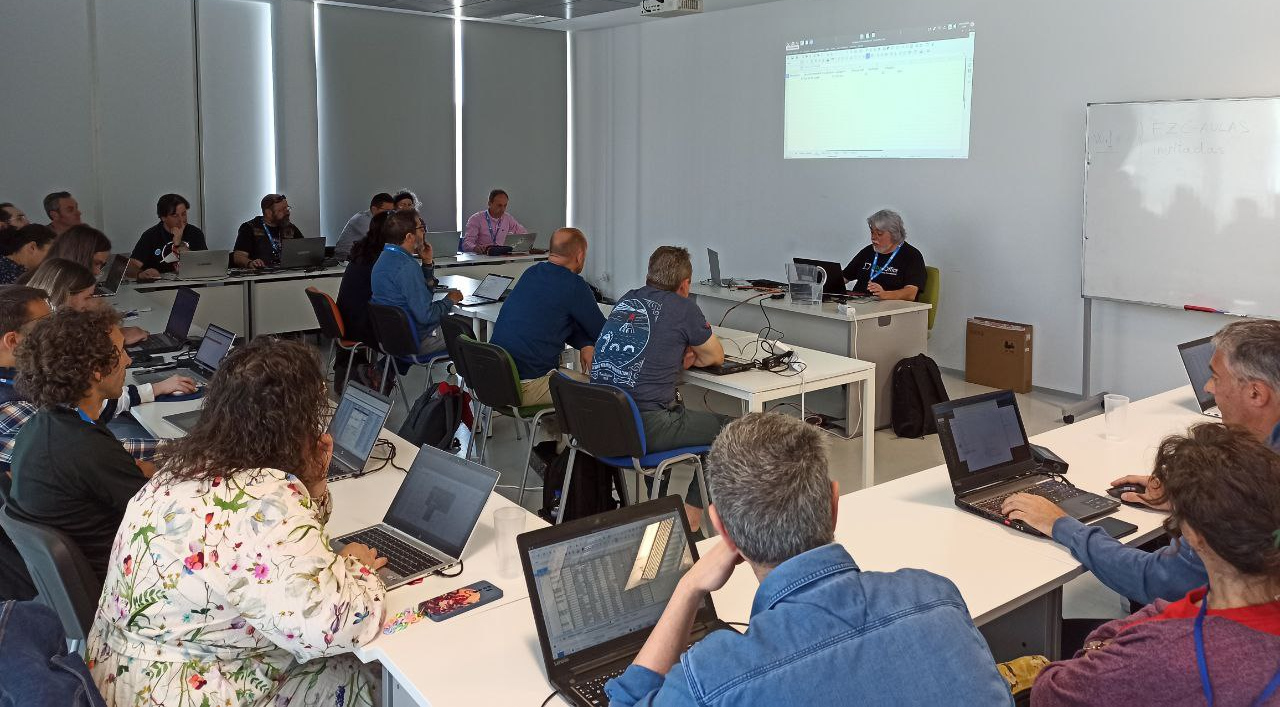
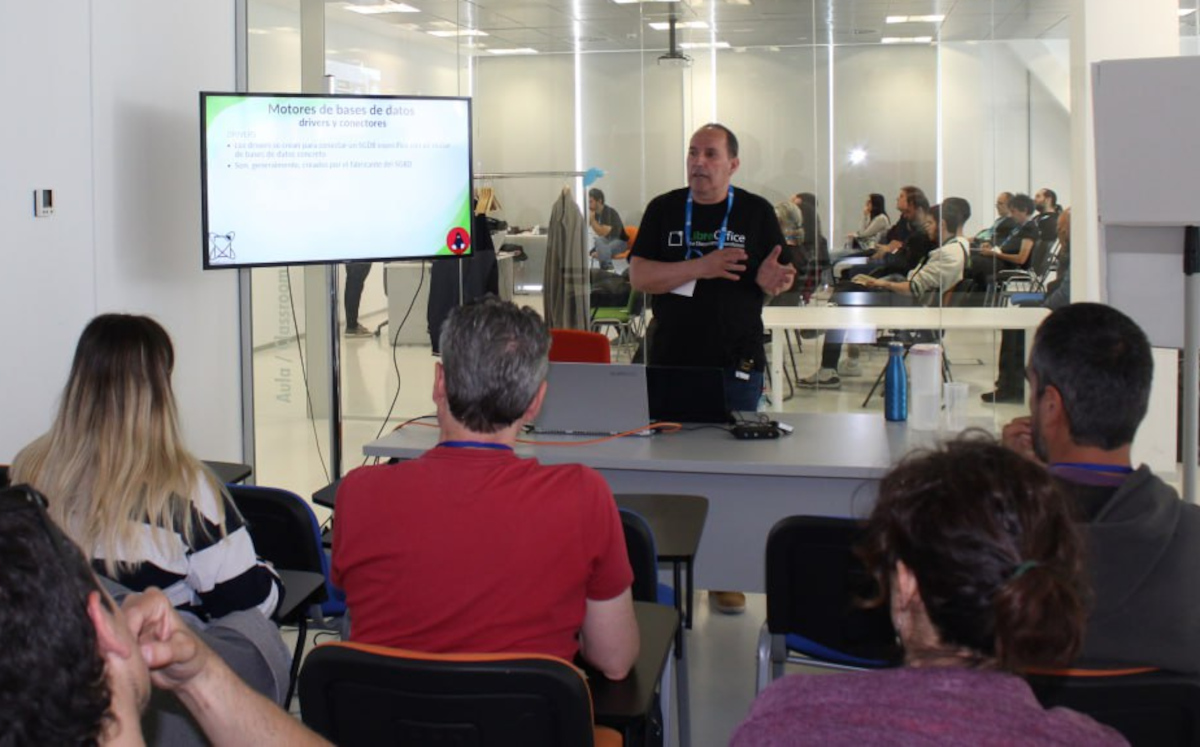
An invoicing workshop was held using LibreOffice and Firebird, in which the community tried to test the viability of using LibreOffice Base to manage the invoicing of a small company. Every step was published on YouTube and announced in the Telegram channel.
There was also another iteration of the university program “Servicio Social para la Documentación de LibreOffice en español”. They have published three magazines and collaborate in user interface translation.
Tamil
Tamil-speaking LibreOffice supporters took part in online and offline LibreOffice QA “Hackathon” events. One such event, with Ilmari Laukahangas from The Document Foundation, showed attendees how to join the LibreOffice community and work on improvements to the software.
In addition, the Tamil community created a Telegram group for their language.
Thank you to everyone!
We at The Document Foundation would like to say a huge thank you to everyone who in the native language communities. Your work makes LibreOffice accessible to hundreds of millions of people around the world, and your passion is wonderful. Thank you!