Month of LibreOffice, May 2019 – half way through!

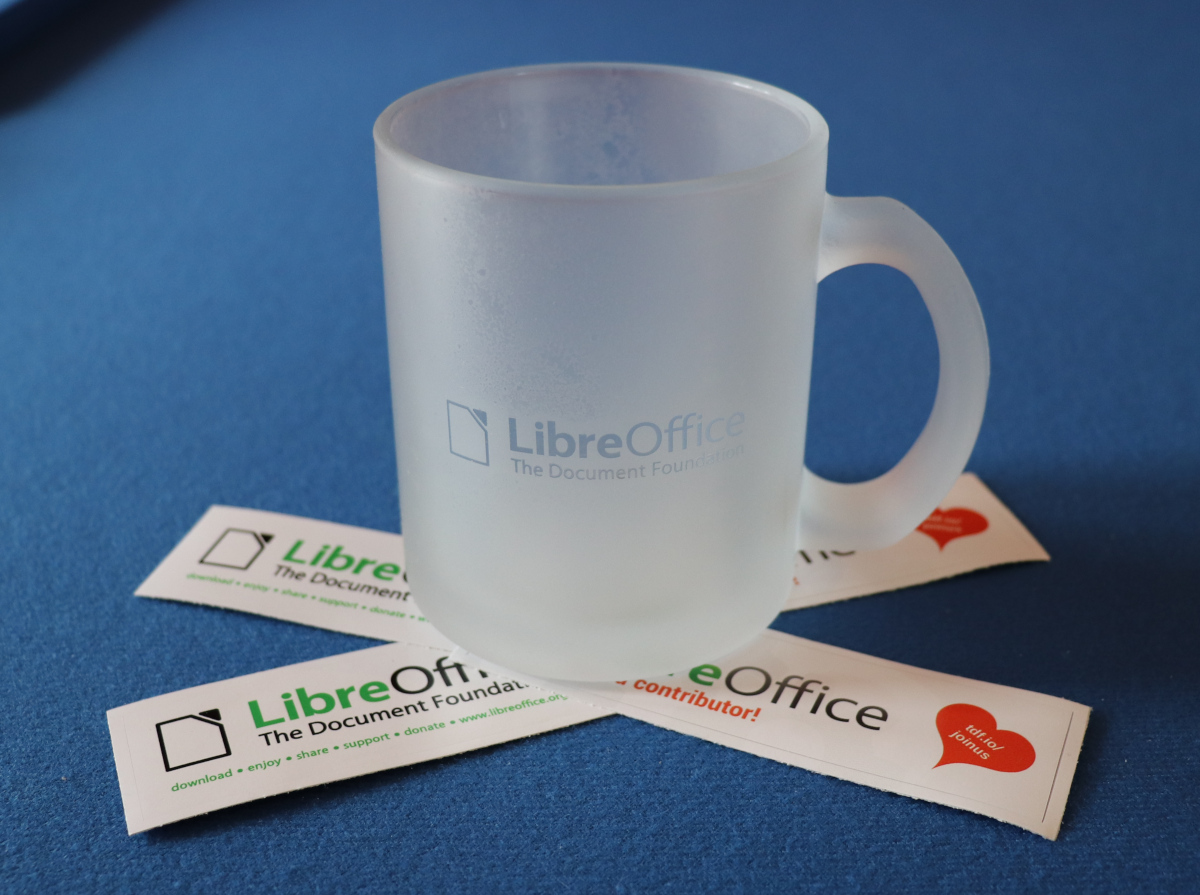
It’s the Month of LibreOffice, and we’re awarding sticker packs – and the chance to win cool mugs – to all contributors in the project! On this page we’re maintaining a list of names/usernames for people who’re helping out, and everyone there can claim a sticker pack at the end! We’ll also choose 10 people at random to get one of the mugs. So, how many packs have been awarded so far?

But there are still two weeks to go, so if your name isn’t there, check below to see how you can get involved! Many tasks only take 10 or 20 minutes, but make a big difference to the project. (And if you have already contributed this month, but your name isn’t there, email us with details and we’ll look into it.)

How to take part

There are many ways you can help out – and you don’t need to be a developer. For instance, you can be a…

  • Handy Helper, answering questions from users: over on Ask LibreOffice there are many users looking for help with the office suite. We’re keeping an eye on that site so if you give someone useful advice, you can claim your shiny stickers.
  • First Responder, helping to confirm new bug reports: go to our Bugzilla page and look for new bugs. If you can recreate one, add a comment like “CONFIRMED on Windows 10 and LibreOffice 6.2.3”. (Make sure you’re using the latest version of LibreOffice!)
  • Drum Beater, spreading the word: tell everyone about LibreOffice on Twitter or Mastodon! Just say why you love it or what you’re using it for, add the #libreoffice hashtag, and at the end of the month you can claim a sticker. (We have a maximum of 100 stickers for this category, in case the whole internet starts tweeting/tooting!)
  • Globetrotter, translating the user interface: LibreOffice is available in a wide range of languages, but its interface translations need to be kept up-to-date. Or maybe you want to translate the suite to a whole new language? Get involved here.
  • Code Cruncher, contributing source code: The codebase is big, but there are lots of places to get involved with small jobs. See our Developers page on the website and this page on the wiki to get started. Once you’ve submitted a patch, if it gets merged we’ll send you a sticker!
  • Docs Doctor, writing documentation: Another way to earn a badge is to help the LibreOffice documentation team. Whether you want to update the online help or add chapters to the handbooks, here’s where to start.

So dive in, get involved and help make LibreOffice better for millions of people around the world – and enjoy your sticker as thanks from us. We’ll be posting regular updates on this blog and our Mastodon and Twitter accounts over the next four weeks!

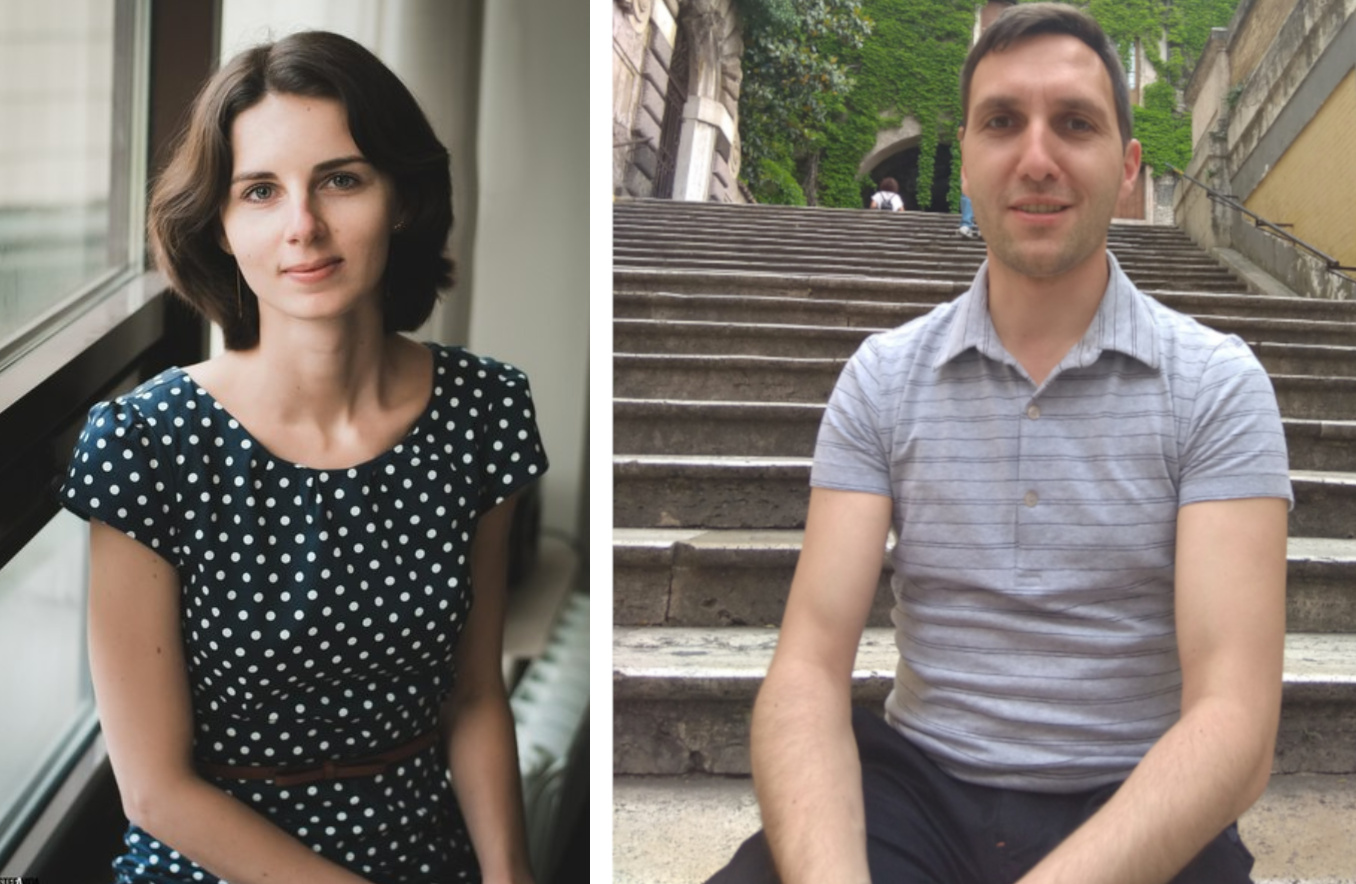
Community Member Monday: Vera Blagoveschenskaya

Today we’re talking to Vera from the Russian LibreOffice community, who has been especially active in our Quality Assurance (QA) project recently…

First, tell us a bit about yourself!

I live in Obninsk, Russia – it’s one of the major Russian science cities. You know, the first nuclear power plant was built in Obninsk. At the moment I work at BaseALT as a QA engineer. I really love testing! (I’ve noticed a minor bug in LibreOffice Writer while typing these words – I will surely report it later 🙂)

I’m also mother of a teenage girl, so a lot of my spare time is dedicated to supporting her interests. Now she is really into biking and swimming, and we dream of visiting the Tokyo Olympics in 2020.

What are you working on in LibreOffice at the moment? And is there anything you’d like to try in future?

I find and report bugs in Bugzilla and check fixes. In addition, I try to reproduce unconfirmed bugs and categorize them. For the future, well, it’s really hard to choose – there are so many options! But I undoubtedly would like to have more time to contribute to LibreOffice.

How did you get involved with LibreOffice – and what was the
experience like?

When I started to work in BaseALT, one of the tasks was to test LibreOffice for KDE 5.
I took part in the Bug Hunting Session for LibreOffice 6.2 in October 2018 and had success. I was mentioned in the November 2018 QA report; it was unexpected and very pleasant!

A bit later, Aleksei Nikiforov (who works at BaseALT as well) got involved in work and fixed some KDE 5 crashes. Now we work together, thereby continuing the tradition of contributing to LibreOffice. You know, BaseALT was formed from the ALT Linux Team, which helped to localize StarOffice a long time ago.

Finally, what do you see in the future for LibreOffice?

My opinion: LibreOffice needs to be promoted more widely. Most Windows users don’t know that there is a great and free alternative to Microsoft Office.

Thanks to Vera for her time and contributions! And indeed, we in the LibreOffice project would appreciate more help spreading the word – join our marketing community today!

Bringing people together: German LibreOffice Community Meeting, May 2019

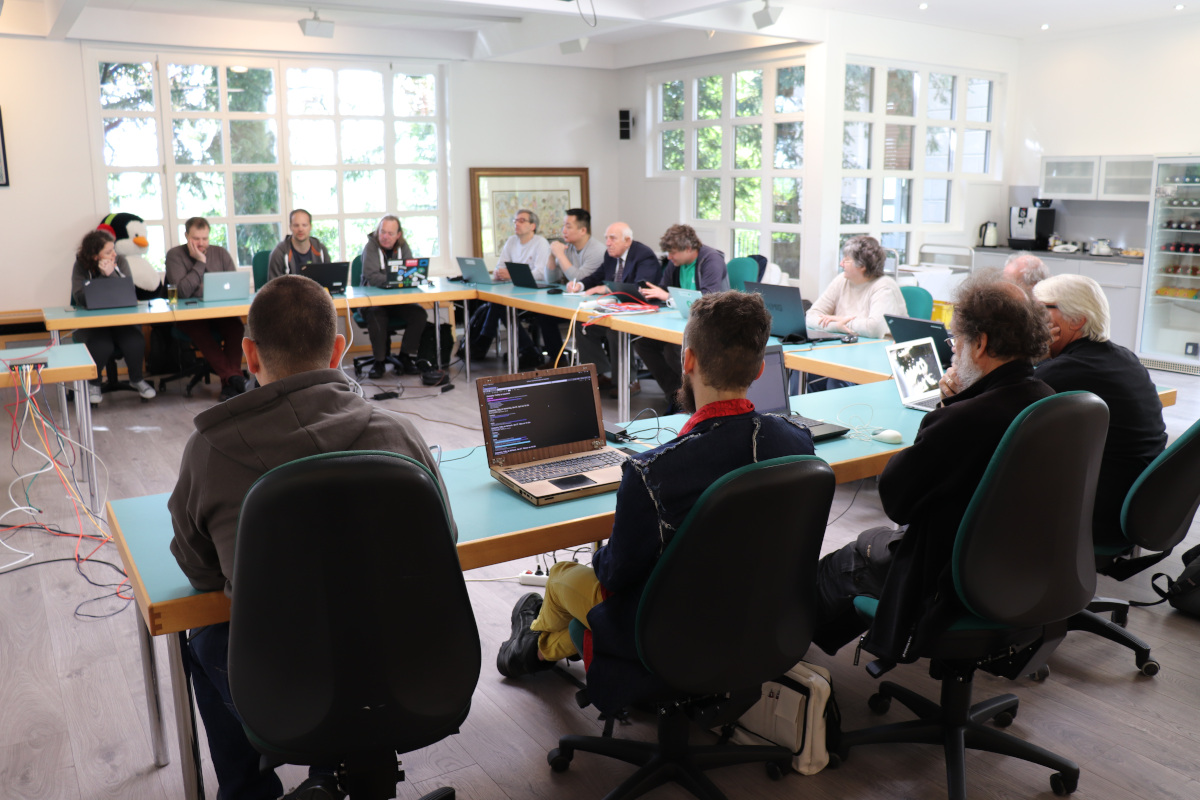
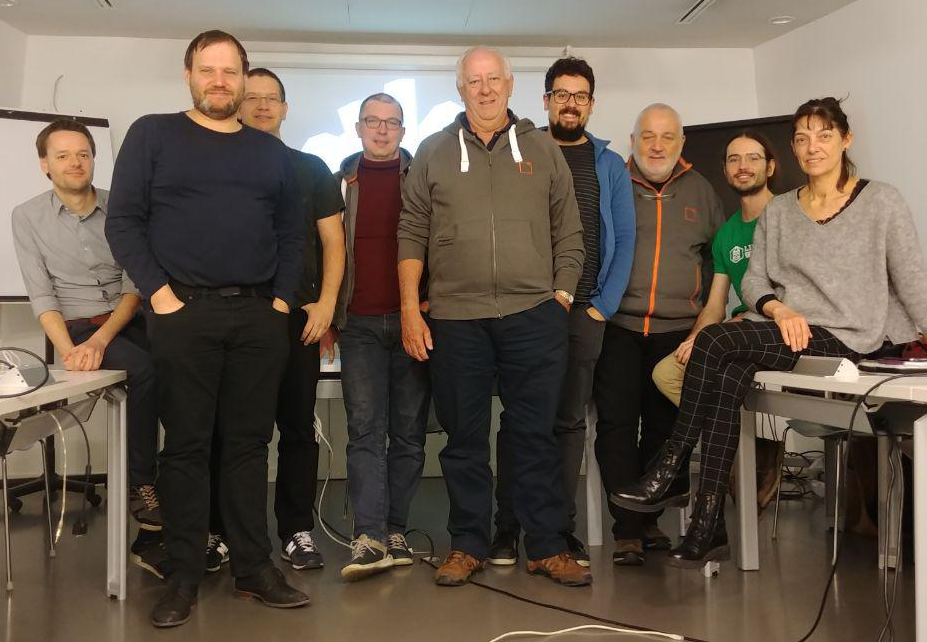
Free and open source software is all about community: meeting people, sharing knowledge and ideas, and having a good time! As you may know, LibreOffice is developed by a worldwide community, and every year, members of the German-speaking community meet to discuss the project’s status and future. In May, we met at Linuxhotel in Essen:

On Friday evening, we had an informal get-together with pizza and drinks. This was also an opportunity for new participants to get to know one another, while long-time LibreOffice supporters, who hadn’t met in a while, could catch up too.

The main event started on Saturday:

15 people took part, from across the LibreOffice project: developers, event organisers, infrastructure maintainers, documentation editors, and TDF team and board members. We discussed many topics, which are detailed on the pad (in German), including: the structure of the German project; the various tools that we use (and how to consolidate them); and which events we should attend in the future.

In addition, we created a list of tasks to focus on in the coming weeks and months, assigned to various members of the community. As we’re a volunteer-led project, we always appreciate help, so if you’ve seen something on the pad that piques your interest, please join our mailing list and give us a hand!

After the discussions, we relaxed with some more food, drinks and games (Linuxhotel has a dart board). On Sunday morning, before everyone left, we had a quick final round of discussion, and a summary of what we’re planning to do.

On the whole, it was a great event and reminded us that in-person meetings are important, especially for projects that normally work together over the internet. Being able to discuss ideas face-to-face is invaluable – and of course, it’s great fun too. See you next year!

Follow us on Twitter, Mastodon, Facebook and Telegram!

Next C++ workshop: Binary Trees, 9 May at 18:00 UTC

Boost your C++ skills with the help of LibreOffice developers! We’re running regular workshops which focus on a specific topic, and are accompanied by a real-time IRC meeting. For the next one, the topic is Binary Trees. Start by watching this presentation:

Please confirm that you want to play a YouTube video. By accepting, you will be accessing content from YouTube, a service provided by an external third party.

YouTube privacy policy

If you accept this notice, your choice will be saved and the page will refresh.

And check out the suggested EasyHacks.

Then join us for a discussion via our #libreoffice-dev IRC channel. You can ask experienced LibreOffice developers questions, and learn more about the language. See you then!

First LibreOffice Latin America Conference: Call For Papers

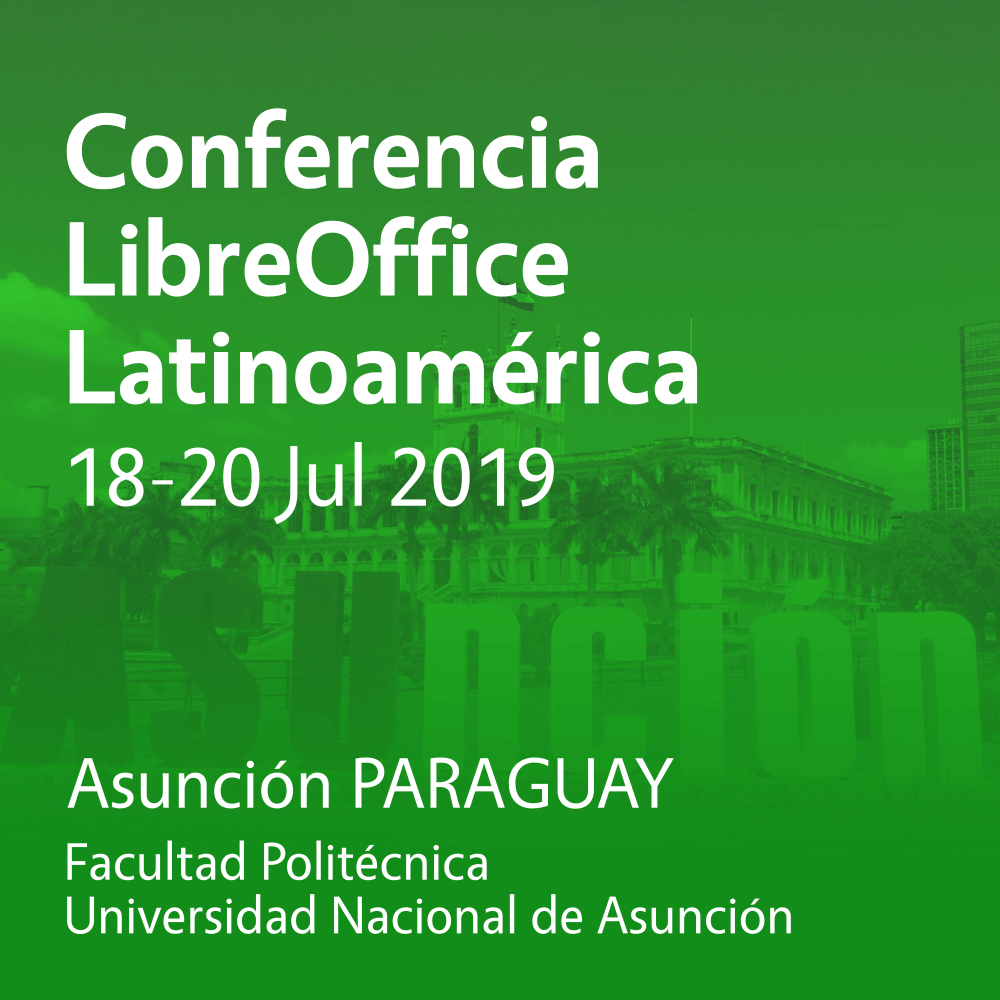
The Document Foundation invites all members and contributors to submit talks, lectures and workshops for this year’s First LibreOffice Latin America Conference in Asunción, Paraguay. The event is scheduled for mid July, from Friday 19 to Saturday 20. Whether you are a seasoned presenter or have never spoken in public before, if you have something interesting to share about LibreOffice or the Document Liberation Project we want to hear from you!

Proposals should be filed by May 31st, 2019, in order to guarantee that they will be considered for inclusion in the conference program.

The conference program will be based on the following tracks:

a) Cases of migration to LibreOffice

b) Standard OpenDocument Format (ODF)

c) Community & Ecosystem

d) Resources & functionalities of LibreOffice

e) Quality Assurance

f) Localization, Documentation and Native Language Projects

g) Advocating LibreOffice

Presentations, case studies, workshops, and technical talks will discuss a subject in depth, and will last 30 minutes (including Q&A). Lightning talks will cover a specific topic and will last 5 minutes (including Q&A). To submit your proposal, visit https://latam.conference.libreoffice.org/

The talks will be presented in the auditorium of the Polytechnic Faculty of the National University of Asuncion (FPUNA). The authors of the approved talks will be notified by e-mail as of June 10 and the publication of the preliminary programming grid will be carried out on June 30. The event is free and registration is open.

If you do not agree to provide the data for the talk under the Creative Commons Attribution-Share Alike 4.0 License please explicitly state your terms.

If you want to give multiple talks please send a separate response for each.

TDF is Google Seasons of Doc Mentoring Organization

The Document Foundation has been accepted as organization for the Google Seasons of Docs, a project whose goals are to give technical writers an opportunity to gain experience in contributing to open source projects, and to give open source projects an opportunity to engage the technical writing community.

For technical writers who are new to open source, the program provides an opportunity to gain experience in contributing to open source projects. For technical writers who’re already working in open source, the program provides a potentially new way of working together.

During the program, technical writers will spend a few months working closely with the LibreOffice community, bringing their technical writing expertise to the project’s documentation, and at the same time learn about the open source project and new technologies. At the same time, LibreOffice documentation team members will work with the technical writers to improve the project’s documentation and processes.

LibreOffice is an advanced office suite covering may areas of knowledge, from maths and sciences, engineering, financials, editing, drawing, printing and more. LibreOffice is also that kind of application that is used cross-industry, a very rich opportunity for technical writing.

Olivier Hallot, LibreOffice documentation coordinator, will lead the GSoD project, supported by Sophie Gautier and by members of the LibreOffice documentation team such as Drew Jensen, who has immediately created a banner to visually support this community effort.

All information about the Google Summer of Docs project are on the GSoD website. An outline of the project’s different steps is available on the GSoD timeline. The next deadline in the process for The Document Foundation is May 28th, as we we have to find interested technical writers to discuss our ideas, which are summarized on the following TDF wiki page. The list includes some of our project’s permanent challenges, but should not be limited to these items.

LibreOffice contributors who are interested in becoming a mentor for the GSoD project should get in touch with Olivier Hallot by sending him a message or by subscribing to the documentation mailing list.