LibreOffice 6.0 Writer Guide

LibreOffice Documentation Team has just released the LibreOffice 6.0 Writer Guide, with a general Introduction to LibreOffice Writer followed by the following chapters: Working with Text (basics), Working with Text (advanced), Formatting Text, Formatting Pages (basics), Formatting Pages (advanced), Print Export Email, Introduction to Styles, Working with Styles, Templates, Images & Graphics, Lists, Tables of Data, Mail Merge, TOCs Indexes Biblios, Master Documents, Fields, Forms, Spreadsheets Charts Objects, Setting Up Writer and Customizing Writer, for a total of 448 pages.

LibreOffice 6.0 Writer Guide is available from TDF Wiki as ODT and PDF, both the complete book and individual chapters, and from ODF Authors as ODT of individual chapters.

LibreOffice 6.0 Writer Guide is also available as a printed book from Lulu, by Friends of Open Document Inc., an Australia-based volunteer organisation with members around the world which will be using profits from the sale to benefit the LibreOffice community.

The Document Foundation announces LibreOffice 6.0.6

Berlin, August 2, 2018 – The Document Foundation (TDF) announces LibreOffice 6.0.6, the sixth minor release of the 6.0 family, ready for mainstream users and enterprise deployments.

TDF recommends deploying LibreOffice in production environments with the backing of certified professionals, providing development, migration and training support (list at https://www.libreoffice.org/get-help/professional-support/). This is extremely important for the growth of the LibreOffice ecosystem.

For enterprise class deployment, LibreOffice should be sourced from a company providing a Long Term Supported version of the suite (members of TDF Advisory Board: http://www.documentfoundation.org/governance/advisory-board/).

LibreOffice 6.0.6 change logs are available at the following links: https://wiki.documentfoundation.org/Releases/6.0.6/RC1 (fixed in RC1) and https://wiki.documentfoundation.org/Releases/6.0.6/RC2 (fixed in RC2).

Download LibreOffice

LibreOffice 6.0.6 is immediately available for download at the following link: https://www.libreoffice.org/download/download/.

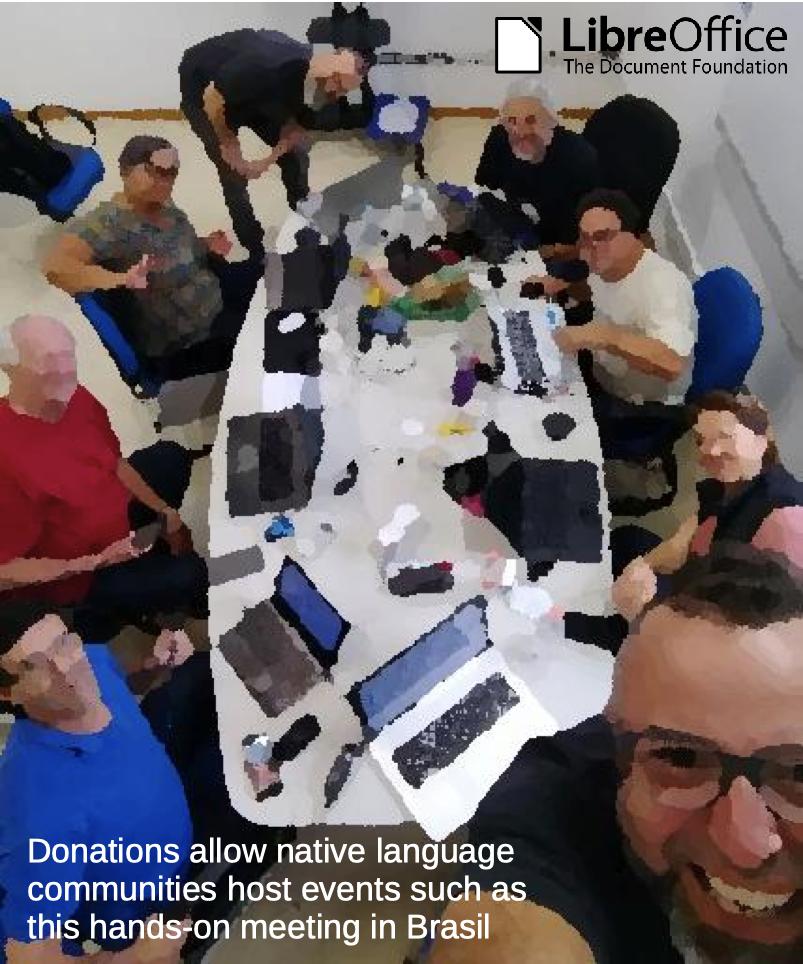
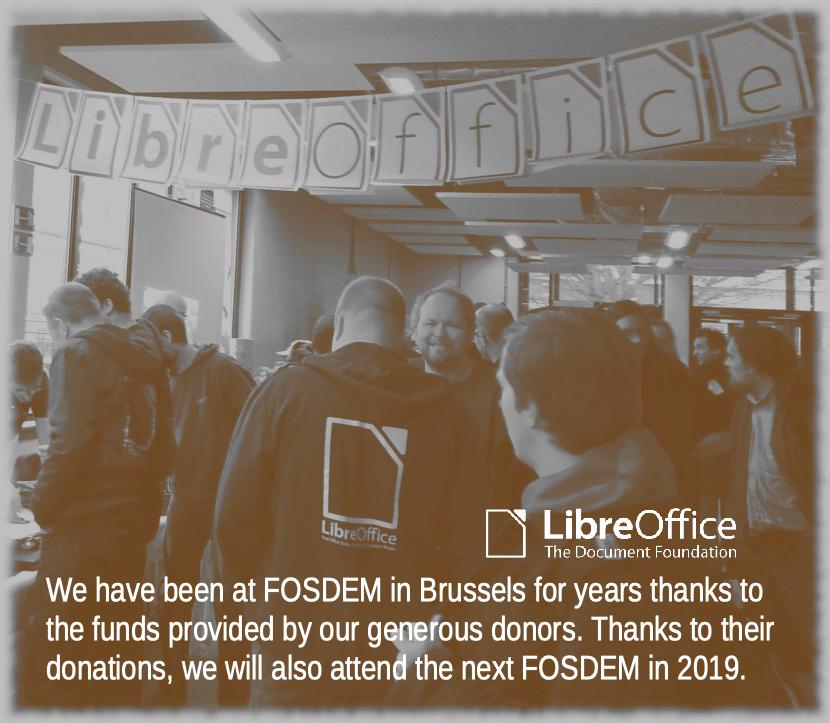
LibreOffice users, free software advocates and community members can support The Document Foundation with a donation at https://www.libreoffice.org/donate/. Donations help TDF to maintain its infrastructure, share knowledge, and fund the presence of volunteers at events like the LibreOffice Conference, where they can meet with free software advocates coming from all over the world (https://www.libocon.org/).

Several companies sitting in TDF’s Advisory Board (https://www.documentfoundation.org/governance/advisory-board/) provide either value-added LTS versions of LibreOffice or consultancy services for migrations and training, based on best practices distilled by The Document Foundation.

LibreOffice monthly recap: July 2018

There’s a lot going on in the LibreOffice community, in the lead up to LibreOffice 6.1, in development, documentation, design, QA, translations and much more. Here’s a summary of news and updates in July…

  • Preparations for LibreOffice 6.1 continued, with the final Bug Hunting Session on July 6. Users around the world helped to test new features and report bugs so that they can be fixed before the final release – thanks to everyone who took part!

Please confirm that you want to play a YouTube video. By accepting, you will be accessing content from YouTube, a service provided by an external third party.

YouTube privacy policy

If you accept this notice, your choice will be saved and the page will refresh.

  • Another Bug Hunting Session took place in July, this time with the Turkish LibreOffice community. 15 people were present, and tested the software for three hours. See the full report here.

  • TDF published its Annual Report for 2017. This describes activities in and around the LibreOffice and Document Liberation projects, and provides additional information on how donations to TDF have been used. Read it here.
  • Later in the month, we described how automated tools and the volunteer contribution of security specialists are constantly improving the quality of LibreOffice’s source code. Check out the blog post for full details.
  • Finally, our Albanian community is organising the LibreOffice Conference 2018, which will take place from September 25 – 28 in Tirana, Albania. Come and join us – register today! Here’s a quick video overview of what to expect:

Please confirm that you want to play a YouTube video. By accepting, you will be accessing content from YouTube, a service provided by an external third party.

YouTube privacy policy

If you accept this notice, your choice will be saved and the page will refresh.

Keep in touch – follow us on Twitter, Facebook and Google+. Like what we do? Support our community with a donation – or join us and help us to make LibreOffice even better!

How LibreOffice’s quality has improved thanks to automated tools and the volunteer contribution of security specialists

Last Coverity Scan metrics about LibreOffice, with 0 outstanding defects on 6 million lines of code. Kudos to our developers.

Berlin, July 25, 2018 – The Document Foundation celebrates five years of improvements to LibreOffice’s source code under Red Hat’s leadership, thanks to the adoption of automated tools such as Coverity Scan and Google OSS-Fuzz, and to the key contributions in the area of source code fuzzing of security specialists such as Antti Levomäki and Christian Jalio of Forcepoint.

“The combination of Coverity Scan, Google OSS-Fuzz and dedicated fuzzing by security specialists at Forcepoint has allowed us to catch bugs – which could have turned into security issues – before a release,” says Red Hat’s Caolán McNamara, a senior developer and the leader of the security team at LibreOffice.

Since 2013, Coverity Scan has helped to reduce the number of issues by several orders of magnitude (from 0.93 to 0.00093 per 1,000 lines of code). The score is significantly better than the FOSS software average of 0.65 and the proprietary software average of 0.71.

LibreOffice defect density score during the last two years

The Coverity Scan score is related to a static analysis to find source code defects and vulnerabilities. In static analysis, the code under examination is not executed. As such, the score does not represent an absolute value about quality and security of the software when executed on end user desktops.

More recently, developers have implemented fuzzing or fuzz testing, a technique that involves providing invalid, unexpected or random data as inputs to a program, which is then monitored for exceptions such as crashes or failing built-in code assertions, or for potential memory leaks. Fuzzing is able to catch issues just a few hours after they appear in the upstream source code repository, and help to solve bugs and potential security issues before they reach the end user.

#abetterlibreoffice

TDF Annual Report 2017

The Annual Report of The Document Foundation for the year 2017 is now available in PDF format from TDF Nextcloud in two different versions: low resolution (7.4MB) and high resolution (31.5MB). The annual report is based on the German version presented to the authorities in April.

The 48 page document has been entirely created with free open source software: written contents have obviously been developed with LibreOffice Writer (desktop) and collaboratively modified with LibreOffice Writer (online), charts have been created with LibreOffice Calc and prepared for publishing with LibreOffice Draw, drawings and tables have been developed or modified (from legacy PDF originals) with LibreOffice Draw, images have been prepared for publishing with GIMP, and the layout has been created with Scribus based on the existing templates.

Pictures have been kindly provided by members of the LibreOffice community from Albania, Brasil, Germany, Italy, Japan, Taiwan and Turkey.

TDF Annual Report will soon be available on Lulu for print-on-demand. In addition, some printed copies will be available at LibreOffice Conference in Tirana.

Results from the LibreOffice 6.1 RC1 Bug Hunting Session in Ankara

Question: Who can help to improve LibreOffice for millions of users around the world?
Answer: Anyone!

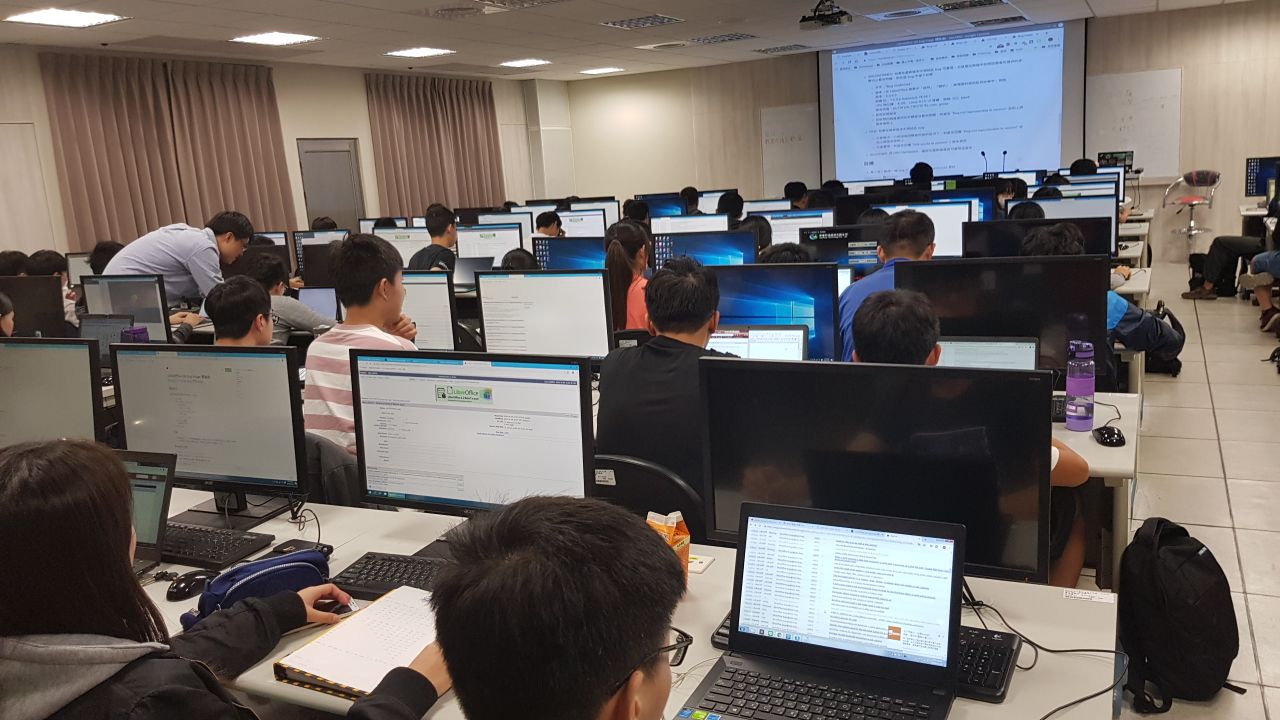
For instance, the Turkish LibreOffice community recently organised a Bug Hunting Session for LibreOffice 6.1 Release Candidate 1, to find and fix issues before the final release in early August.

Muhammet Kara helped to organise the event, and here’s his summary:

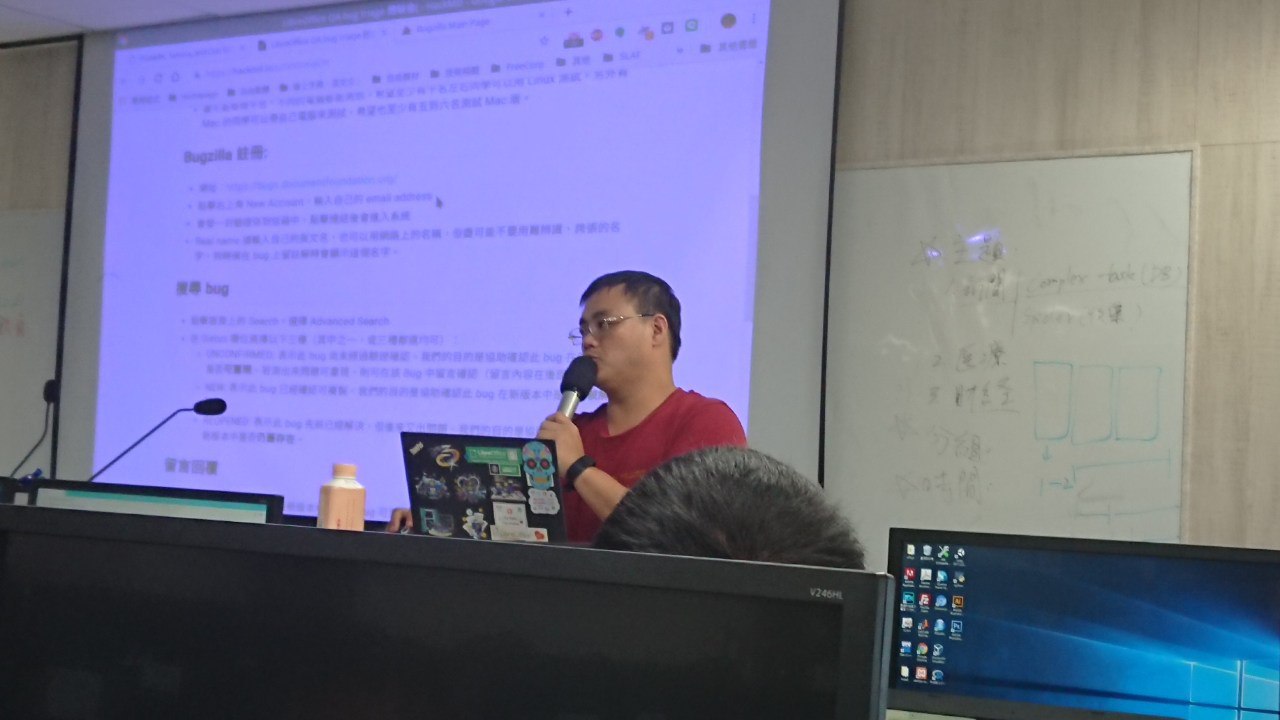
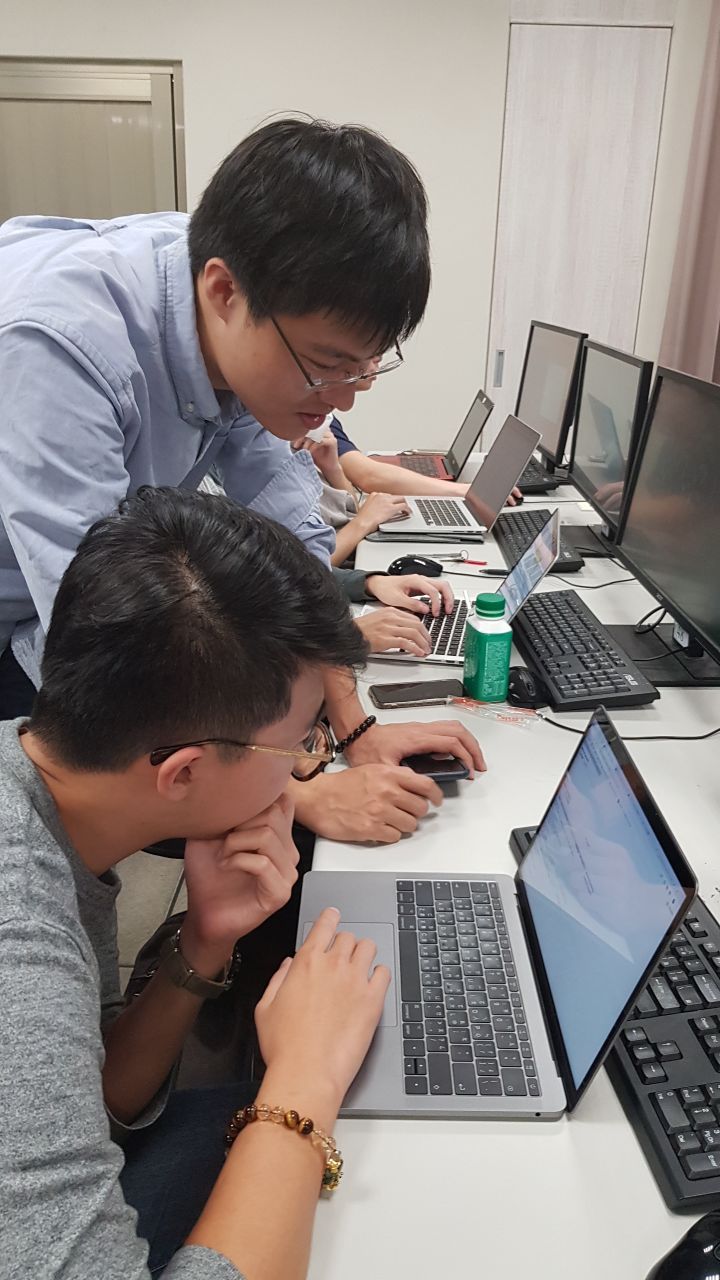
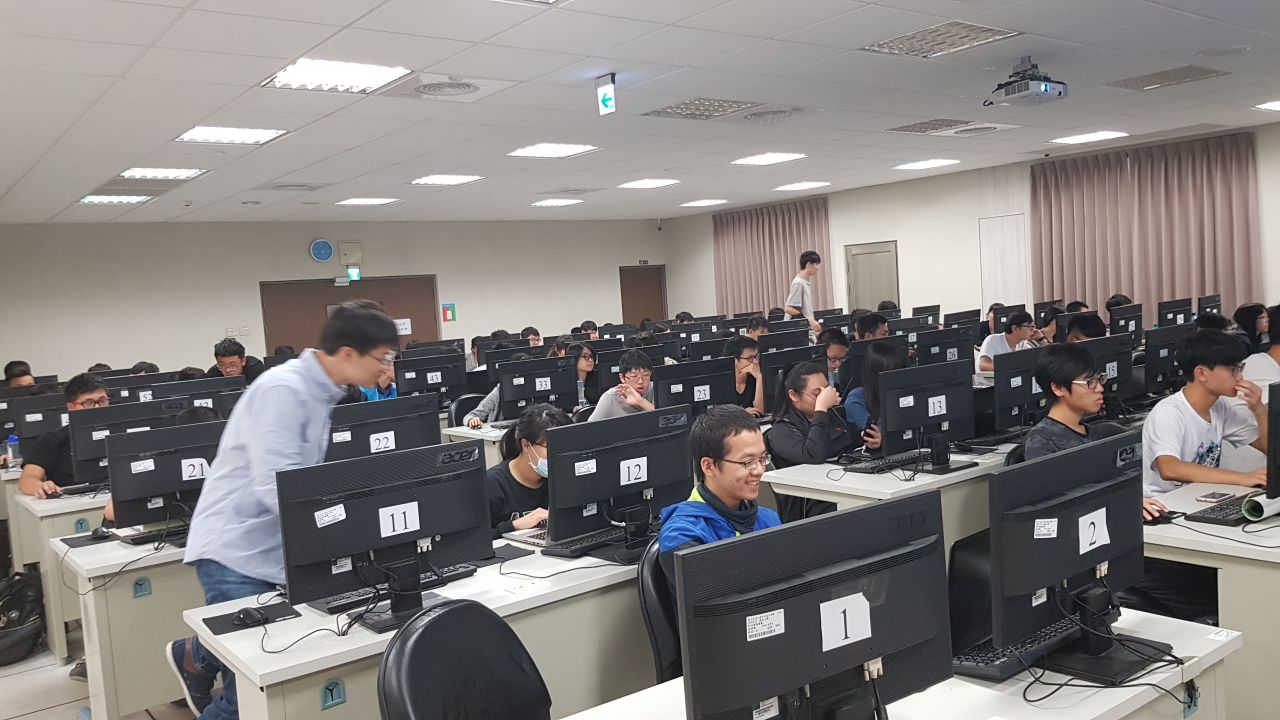
  • Around 15 people were present, and they tested LibreOffice for three hours. Multiple bugs were discovered. Some were reported, some were discussed, others were prepared for reports later.
  • Muhammet talked about “how to report bugs” for about 15 minutes, showing the LibreOffice Bugzilla installation.
  • There were Pardus, Debian, Windows and macOS machines (and possibly Fedora). Participants cross-checked issues on multiple platforms simultaneously.
  • After the session, there was a long discussion on community and ecosystem building for LibreOffice in Turkey.

So a big thanks to the Turkish community for their help! Check out some more photos below. And as mentioned, anyone can get involved and help to identify issues in LibreOffice – you don’t need to be a developer. See here to get started, and millions of users around the world appreciate your work!