MITRE names The Document Foundation as a CVE Numbering Authority (CNA)

Berlin, March 15, 2019 – MITRE announced that The Document Foundation, the home of LibreOffice, has been approved as CVE Numbering Authority (CNA). The Document Foundation is at the center of one of the largest free open source software ecosystems, where enterprise sponsored developers and contributors work side by side with volunteers coming from every continent. The nomination is the result of significant investments in security provided by the LibreOffice Red Hat team under Caolán McNamara leadership.

What is CVE?

Common Vulnerabilities and Exposures (CVE) is a reference list of public cybersecurity vulnerabilities, with entries that describe those vulnerabilities and provide references for them. These references are often used as the vulnerability names, especially in security updates. To date, LibreOffice has a track record of rapid response to all reported threats.

What is a CVE Numbering Authority (CNA)?

A CNA is an organization that can assign and announce CVE entries within a particular scope. Some CNAs are organizations providing CVEs for their products such as The Document Foundation.

How will The Document Foundation assign CVEs?

The Document Foundation Security Team provides a forum for all of the vendors and individuals who contribute to LibreOffice development to co-ordinate the work of protecting our users from threats related to the application.

As a CNA, The Document Foundation Security Team now has the ability to assign CVE IDs to vulnerabilities affecting our products, the ability to control the disclosure of vulnerability information without pre-publishing, and notification of vulnerabilities in our products by researchers who request a CVE ID from us.

Next C++ workshop: Classes and Arrays, 14 March at 19:00 UTC

Yes, it’s that time again! You can improve your C++ skills with the help of LibreOffice developers: we’re running regular workshops which focus on a specific topic, and are accompanied by a real-time IRC meeting. For the next one, the topics are Classes and Arrays. Start by watching this presentation:

Please confirm that you want to play a YouTube video. By accepting, you will be accessing content from YouTube, a service provided by an external third party.

YouTube privacy policy

If you accept this notice, your choice will be saved and the page will refresh.

And check out these sections from C++ Annotations: Classes and Arrays.

Then join us for a discussion via our #libreoffice-dev IRC channel on Freenode. You can ask experienced LibreOffice developers questions, and learn more about the language. See you then!

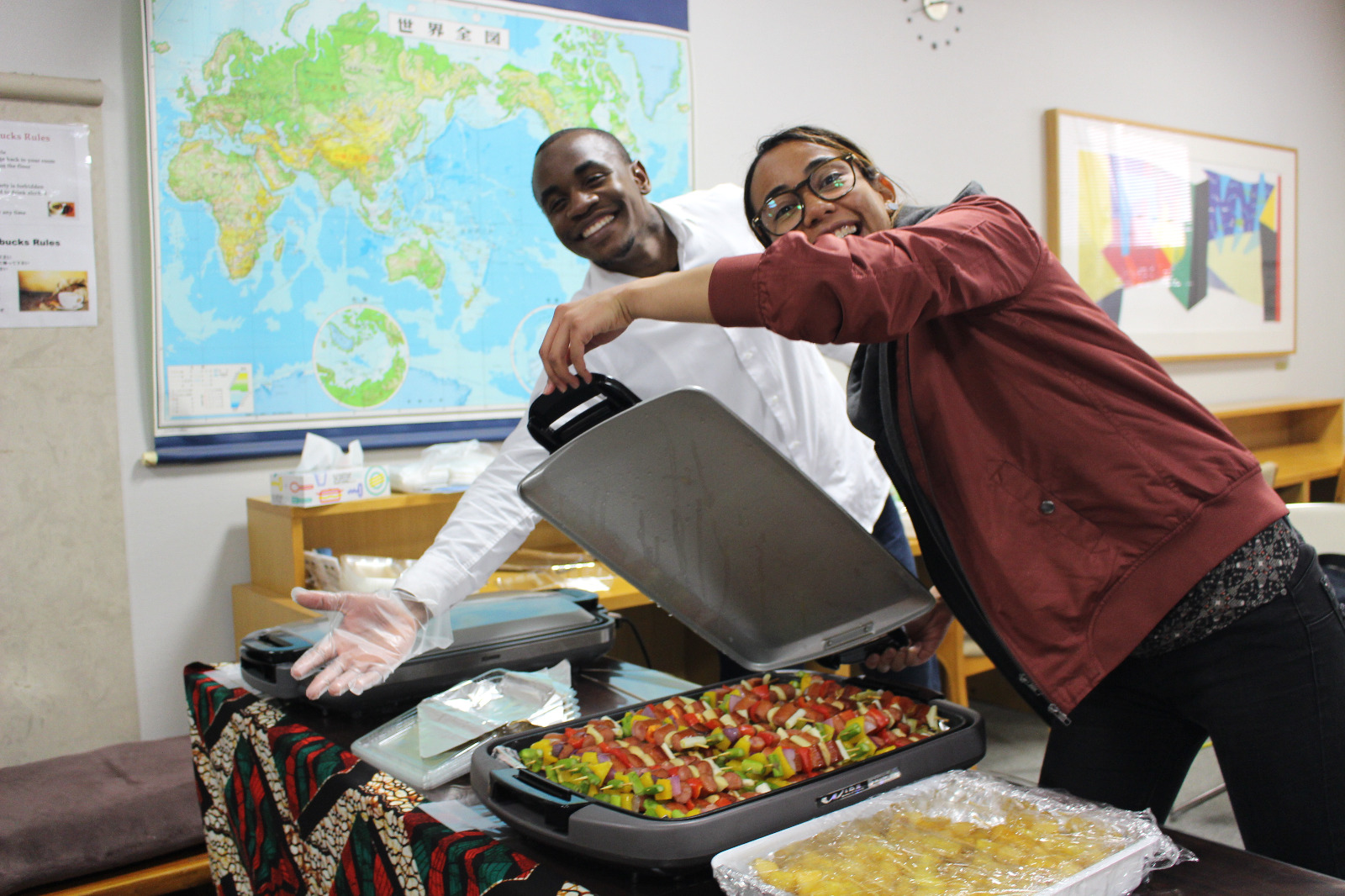
Community Member Monday: Dieudonne Dukuzumuremy and Tomas Kapiye

LibreOffice is an international project, available in many languages thanks to our enthusiastic worldwide community! Today we speak to two contributors from Africa who are currently living in Japan, starting with Dieudonne Dukuzumuremy:

Firstly, tell us a bit about yourself (where you live, your experience, and what you love – apart from LibreOffice of course!)

I live in Japan (Kobe City). In fact, I have graduated in Japan as a Master’s holder in Information Systems. Currently, I’m doing a post-graduation internship. When I’m not working on LibreOffice, I work as software developer.

Besides that, I will stay in Japan until December – then after I will go back to my home country Rwanda, where I work as a lecture in at the Integrated Polytechnics University. There I provide the fundamentals of programming such as PHP, HTML, CSS, MySQL, SQL Server, VB.net, WordPress etc..

I’m interested in learning new global technologies and bringing more ICT innovations to developing countries, sharing knowledge as well as being result-oriented.

My hobbies are playing football and futsal, along with meeting and making friends.

What do you do in the LibreOffice project?

In LibreOffice I do bug triaging and translations. Currently I’m working on bug reports, reproducing bugs, and translating LibreOffice into the Kinyarwanda language – which is one of the languages of Rwanda.

How did you get involved? Was it a good experience?

I joined a post-graduation internship in a company which has a department of open source software department, and they are focusing on LibreOffice. So LibreOffice is my main task during my internship.

A good experience is that I understand how LibreOffice works as open source, in terms of the different categories of contributors. It was my first time participating, and providing a contribution. It is also interesting to translate LibreOffice into my own language.

What does LibreOffice need most right now?

LibreOffice needs more active collaborative teamwork, to keep improving its features, in order to make it more reliable for users. LibreOffice also needs to improve more in marketing, so that people around the world understand it. Most developing countries spend a lot of money to buy licensed office softwares – but LibreOffice makes it cheaper and gives more to local people who support it.

Tomas Kapiye
Where do you live, and what do you get up to in your spare time?

I also live in Kobe, Japan. In my spare time I like surfing the net, in search for new news on technology, international relations, business and finance, and social well-being. Sometimes I study computer networking (I am originally a Computer Engineer (CCNP)), or I study Python since I have a personal interest in it.

When I have more time, I meet friends for a chess game, go swimming or exercise in the park. Oh and I like catching fish, making friends from all over the world, and spending some time in the kitchen 🙂

What do you do in the LibreOffice project?

I am doing translations mostly, but periodically also do bug triaging.

How did you get involved?

I got involved by joining an internship programme at a company called iCraft in Kobe, Japan. It was a good experience – I wouldn’t have imagined all of the efforts that are happening behind-the-scenes in applications such as LibreOffice, especially to deliver good service to end users.

Lastly, what does LibreOffice need most right now?

User-friendly materials about the processes to follow when someone wants to get involved. LibreOffice also needs to expand its efforts into Africa, especially considering that many things are moving there and all forms of development are taking place there.

A big thanks to Dieudonne and Tomas for their time and contributions! If you’re reading this and are based on the African continent, you can help us to localise the software and spread the word about it!

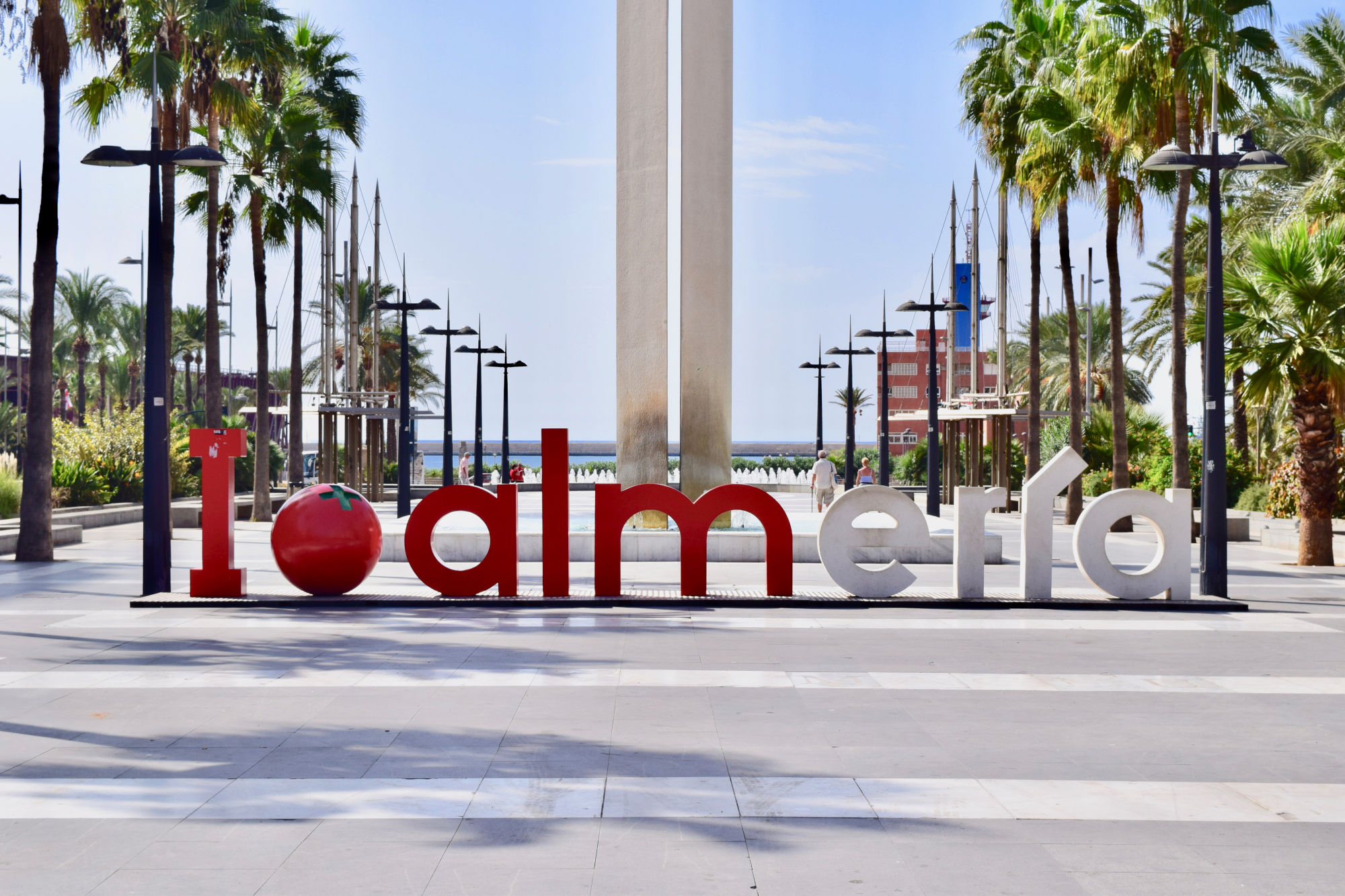
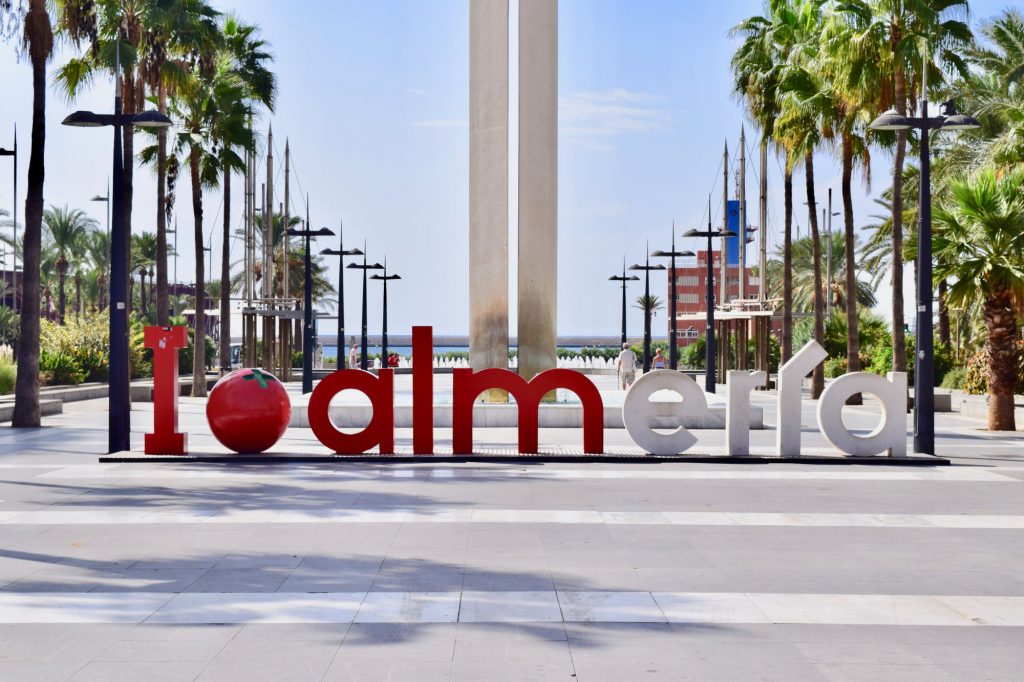
LibOCon Almeria Call for Papers

The Document Foundation invites all members and contributors to submit talks, lectures and workshops for this year’s conference in Almeria (Spain). The event is scheduled for early September, from Wednesday 11 to Friday 13. Whether you are a seasoned presenter or have never spoken in public before, if you have something interesting to share about LibreOffice or the Document Liberation Project, we want to hear from you!

Proposals should be filed by June 30, 2019, in order to guarantee that they will be considered for inclusion in the conference program.

The conference program will be based on the following tracks:

a) Development, APIs, Extensions, Future Technology
b) Quality Assurance
c) Localization, Documentation and Native Language Projects
d) Appealing Libreoffice: Ease of Use, Design and Accessibility
e) Open Document Format, Document Liberation and Interoperability
f) Advocating, Promoting, Marketing LibreOffice

Presentations, case studies, workshops, and technical talks will discuss a subject in depth and will last 30 minutes (including Q&A). Lightning talks will cover a specific topic and will last 5 minutes (including Q&A). Sessions will be streamed live and recorded for download.

Please send a short description/bio of yourself as well as your talk/workshop proposal to the program committee address: conference@libreoffice.org

If you do not agree to provide the data for the talk under the “Creative Commons Attribution-Share Alike 4.0 License”, please explicitly state your terms. In order to make your presentation available on TDF YouTube channel, please do not submit talks containing copyrighted material (music, pictures, etc.).

If you want to give multiple talks, please send a separate email for each.

Thanks a lot for your participation!

(Image credit: José Juan Sánchez, CC-BY-SA, Wikimedia Commons)

LibreOffice monthly recap: February 2019

Check out our regular summary of events and updates in the last month!

  • The biggest news in February was the release of LibreOffice 6.2, which features the new NotebookBar, an (optional) user interface based on tabs. There are many other improvements too, including faster change tracking, tidied-up context menus, better compatibility and new features in Writer, Calc and LibreOffice Online. Our video summarises the changes:

Please confirm that you want to play a YouTube video. By accepting, you will be accessing content from YouTube, a service provided by an external third party.

YouTube privacy policy

If you accept this notice, your choice will be saved and the page will refresh.

  • Meanwhile, The Document Foundation has a new job listing! We’re looking for a Development Mentor to help new LibreOffice coders get involved in the project. The role involves working from home at your location for at least 10 hours per week, up to full-time – and note that the deadline for applications is March 29, 2019!
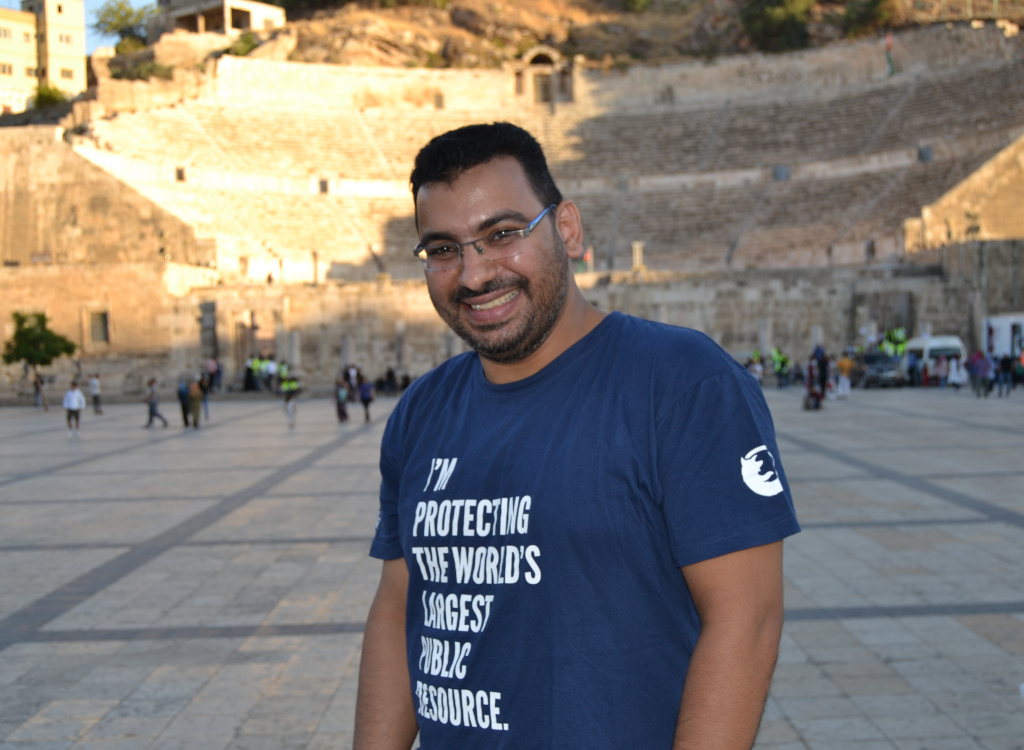
  • Also in February, we talked to Khaled Hosny about his involvement in LibreOffice. Khaled is based in Egypt, and has been contributing in the areas of text layout and font handling, especially for Arabic and other writing systems that require advanced text layout.

  • Our developer community organised two C++ workshops, helping C++ coders to understand features in the language. The first covered recursion on 14 February, while the second took place on February 28 and dealt with fractals. Stay tuned for more workshops, and join us!

  • On Valentine’s Day (14 February), we celebrated “I love Free Software Day”, a campaign from the Free Software Foundation Europe. This highlights the fact that free software is about much more than just zero cost – it’s about the freedom to share, study and change the software that we use.

  • At FOSDEM 2019, a major get-together of free and open source software developers, members of the LibreOffice project gave various talks about updates and new features. Now the videos are online, so find a topic that interests you and click through to watch the video.

Keep in touch – follow us on Twitter, Facebook and Google+. Like what we do? Support our community with a donation – or join us and help us to make LibreOffice even better!

LibreOffice and the Google Summer of Code 2019

Google Summer of Code (GSoC) an international annual program that has taken place every year since 2005 – and the LibreOffice Project has been involved since 2010. In GSoC, Google awards stipends to students who successfully complete coding tasks for free and open source software projects over the summer.

This year, LibreOffice is taking part again! So if you’re a student, know some C++ and want to get involved with a well-known open source project (and get some financial support from Google too), join in! Proposals will be accepted starting on March 25, but in the meantime you can view a list of ideas for inspiration.

Even though proposals won’t be officially accepted for a few weeks, we encourage you to join the development mailing list and talk about your ideas beforehand, so other developers can give you some feedback.

To learn more about how it works, check out our interview with Gautam Prajapati, who worked on the LibreOffice Viewer for Android app as part of GSoC in 2017:

Please confirm that you want to play a YouTube video. By accepting, you will be accessing content from YouTube, a service provided by an external third party.

YouTube privacy policy

If you accept this notice, your choice will be saved and the page will refresh.

We look forward to meeting you!