LibreOffice contributor interview: Anxhelo Lushka

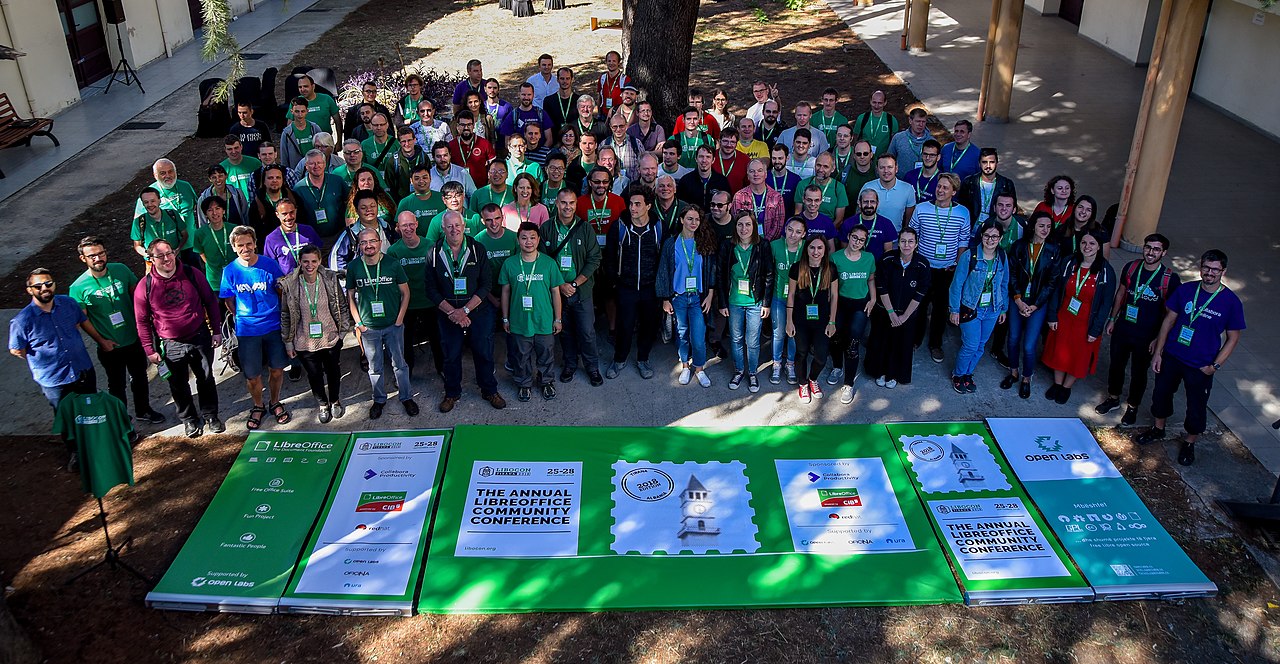
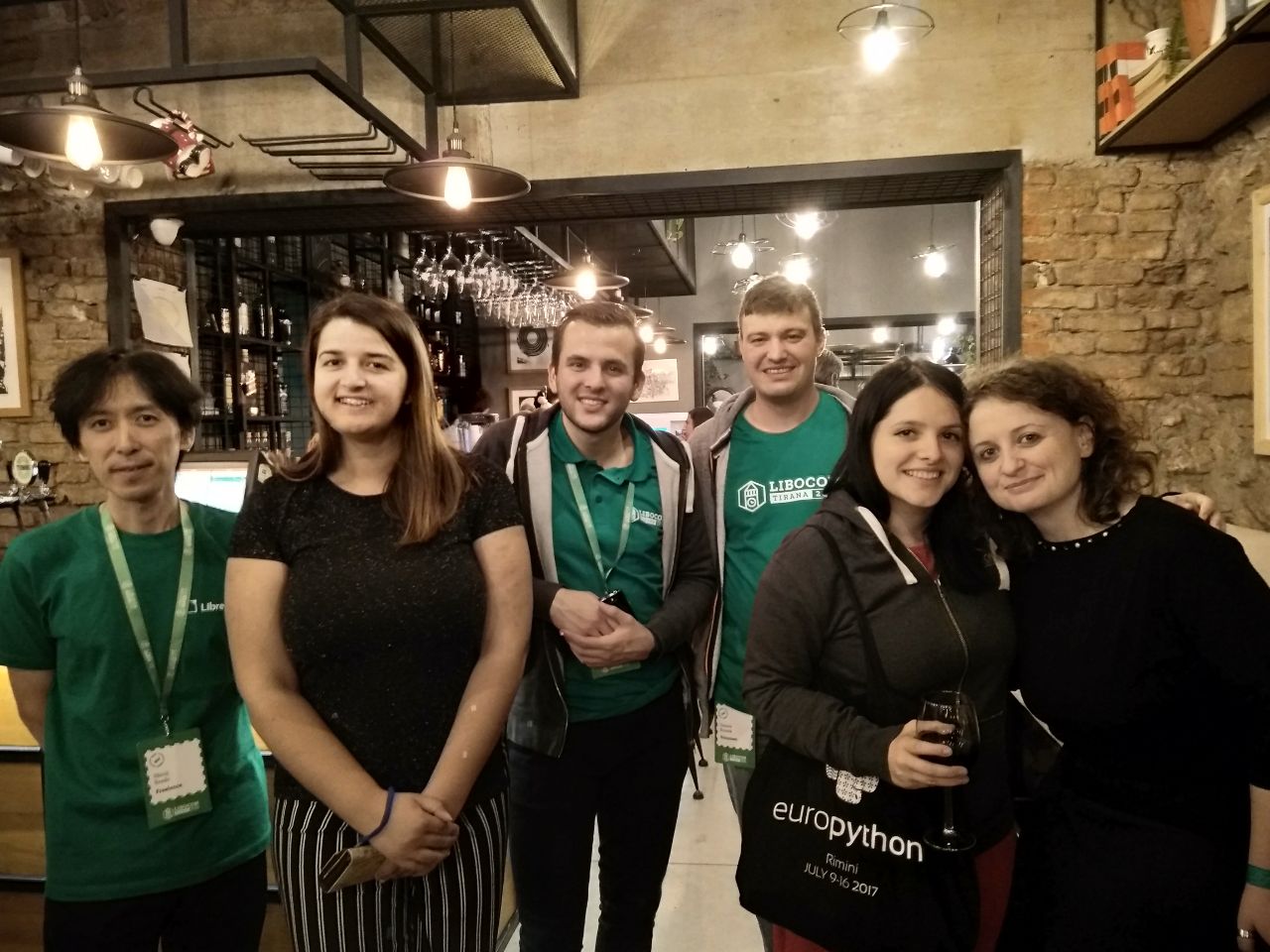
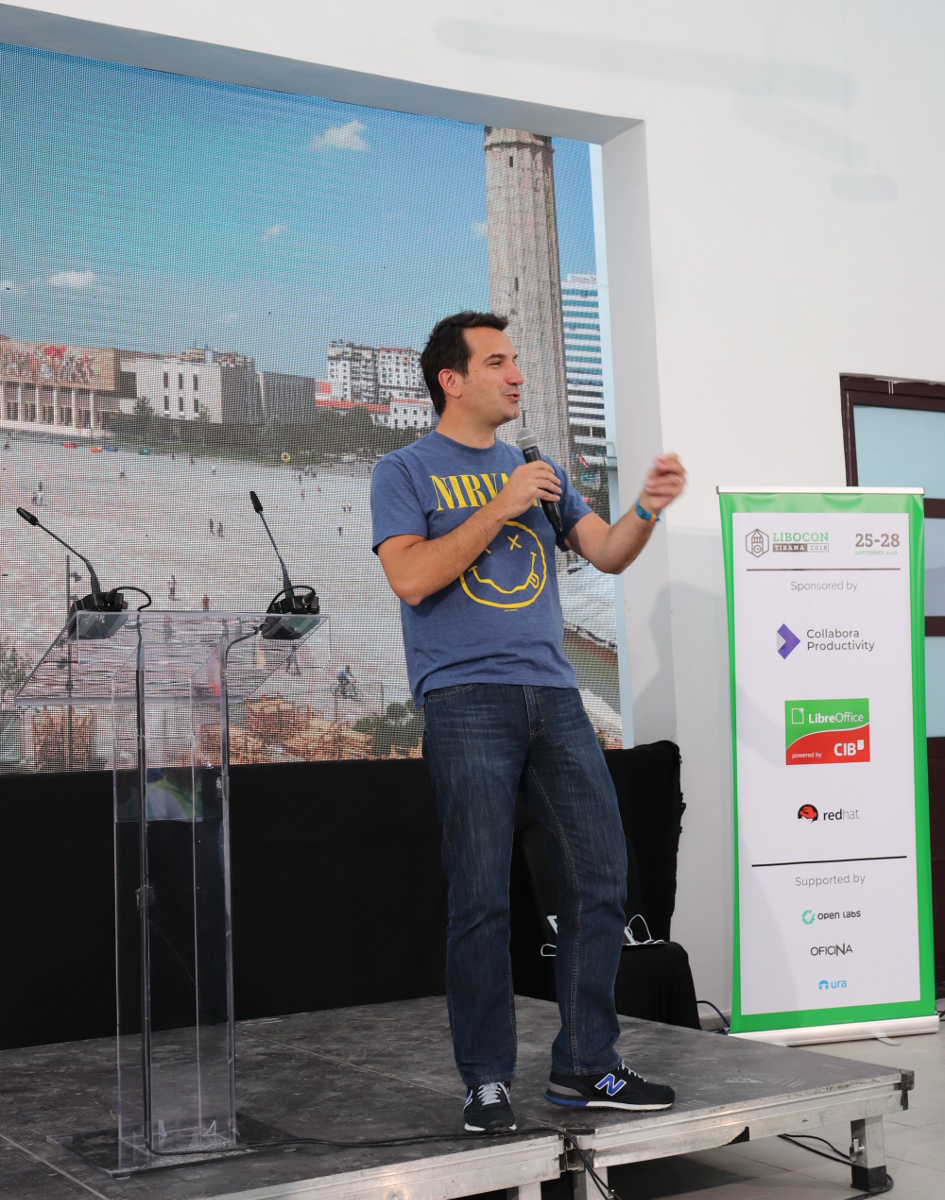
This year’s LibreOffice Conference will take place in late September in Albania. One of the organisers is Anxhelo Lushka, a member of the Albanian LibreOffice community – we caught up with him at the last conference to talk about his experiences of building a community, how developers and designers can work together, and what we can look forward to in Tirana…

Please confirm that you want to play a YouTube video. By accepting, you will be accessing content from YouTube, a service provided by an external third party.

YouTube privacy policy

If you accept this notice, your choice will be saved and the page will refresh.

LibreOffice contributor interview: Gautam Prajapati

Gautam has been working on the LibreOffice Viewer for Android, as part of the Google Summer of Code. We caught up with him at our recent conference in Rome, to talk about progress in the Android app, his experiences of joining the community, and how others can get involved.

Please confirm that you want to play a YouTube video. By accepting, you will be accessing content from YouTube, a service provided by an external third party.

YouTube privacy policy

If you accept this notice, your choice will be saved and the page will refresh.

LibreOffice Conference Organization CheckList

I have organized the LibreOffice Conference in 2013 (Milan) and 2017 (Rome), after having organized the OOo Conference in 2009 (Orvieto). So, I am qualified for the creation of a conference organization checklist to help future organizers in carrying out their tasks.

Of course, I give for granted that the entire team is familiar with both the Call for Locations and the proposal, because there are some details which could represent a major issue getting close to the events, if ignored. I am referring to the fact that the organization of the conference has to be entirely managed by the community including activities such as handling sponsorships and sending out invitation letters to attendees requiring a VISA to enter the country.

So, let’s manage the checklist as a 12 month countdown, starting from the previous LibreOffice Conference. In fact, the location will be announced during the closing session, when all the future organizing team will be called on stage to get a virtual handover from the leaving one.

12 Months

Set the event date and location in stone. If the location is a public administration building, ask to organize a meeting with the people responsible for the ceremonial as soon as possible, to go over all event details. The later the meeting, the higher the chances that something will go wrong at the very last minute.

11 Months

Start thinking about specific responsibilities for each member of the organization team. Of course, this can be decided at a later time, but it is definitely better to get each member on his own agenda as soon as possible. A well coordinated team will result in a lower effort, especially if volunteers are not experienced event planners (I have organized events for over 30 years of my professional life, from the small meeting to the large exhibition, so organizing the LibreOffice Conference has never been a real issue, but I have a peculiar background for FLOSS).

10 Months

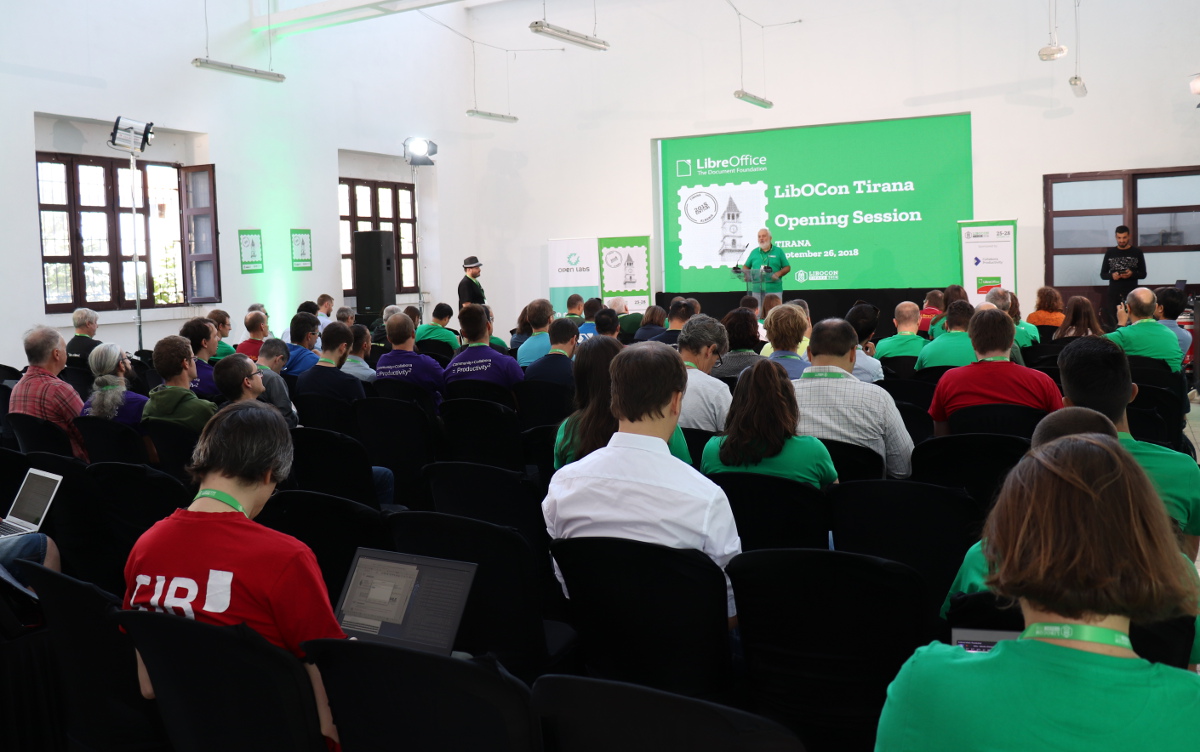
Start thinking about conference planning. Write down a tentative program, based on what you know at the time: (1) there will be TDF BoD, MC and team meetings before and/or after the conference; (2) there will be a community day on Tuesday, with at least a half day meeting of people active in native language communities, to discuss localization and marketing activities; (3) the opening session will be Wednesday morning; (4) tracks, at least three, will run concurrently from Wednesday afternoon until Friday early afternoon; (5) the closing session, with all remaining confernce attendees, will be on Friday late afternoon. Every other event will have to fit this schedule: in general, there should be a community dinner, and a “hacknight” for people to work together on common tasks (hacking is not just for hackers, but also for other volunteers involved in the project).

9 Months

Once the conference tentative schedule is set, it is time to start studying sponsor packages to leverage all the opportunities in the program: general sponsorships to cover the entire event, but also specific sponsorships for collateral events, and for food. At the end, based on past experiences, all sponsors will choose different levels of general sponsorships, but all other options will give the organizing team more flexibility while discussing with sponsor prospects (and in some cases will be instrumental to attract small local sponsors).

8 Months

Based on the expected level of sponsorships, start to design a tentative budget, detailing all items and giving each one of them a figure (based on experience, or on average market prices). Also, give each budget item a rate, as you will have to confirm them based on the amount of money available. The budget should foresee the following items: location, technical equipment for presentations and recording of sessions, network connection, conference bag and t-shirt, light food and drinks for lunches, and community dinner and hacknight. Leave some money for last minute expenses, which will always happen.

7 Months

Provide contents for the conference website: how to get the VISA (for those who need a VISA), how to reach the city and the conference location, what to do (apart from attending the conference), where to stay (hotels, apartments, and other kind of accommodations, from the medium expensive to the unexpensive), where to eat (and what to eat, keeping in mind that we have a community with different eating habits, from vegan to vegetarian to omnivore, and food allowances based on the religion, with people not eating cow and pork meat).

6 Months

Once the website is ready, start meeting potential conference suppliers to brief them. They should be able to make the best possible proposal at the first attempt, to avoid the inevitable loss of time which results from endless budget reviews. At that time, you should be able to have all details under control, even if nothing has been set in stone (because you will probably be missing sponsorships, which are instrumental to confirm services, based on their importance).

5 Months

Organize the meeting with TDF team representatives, to show them the venue and go over all conference details. In general, the meeting will be with Sophie Gautier and Italo Vignoli, who are the two people coordinating the conference effort for TDF, but Florian Effenberger could join as well (or replace Italo Vignoli, according to their availability).

4 Months

Based on the outcome of the meeting with TDF representatives, you can start making your final plans for the conference. At this point in time, you should be able to have a complete picture of the event including collaterals. You should be talking to potential sponsors too, to get their confirmation as soon as possible, although – based on experience – the last sponsors will confirm during the last two months. Because of this, you should explain the situation to conference suppliers, as they should be prepared to act immediately after the budget confirmation.

3 Months

Several people will start asking for a letter of invitation, which is often needed to get a VISA. At this point, you should be very familiar with the immigration law of your country, and of specific situations which might reduce the chances of getting a VISA (for instance, today it is impossible for Indians to get a business VISA to Italy, and vice versa, so the suggestion is to ask for a tourist VISA instead of a business VISA).

2 Months

The call for papers will be closed, and the presentation schedule will be published to allow people to finalize their travel schedule and book their accommodations in due time. VISA requests will increase. Sponsors will confirm their commitments. As usual, everything will come together at the last minute, so the team should be prepared to handle this sharp increase in activities.

1 Month

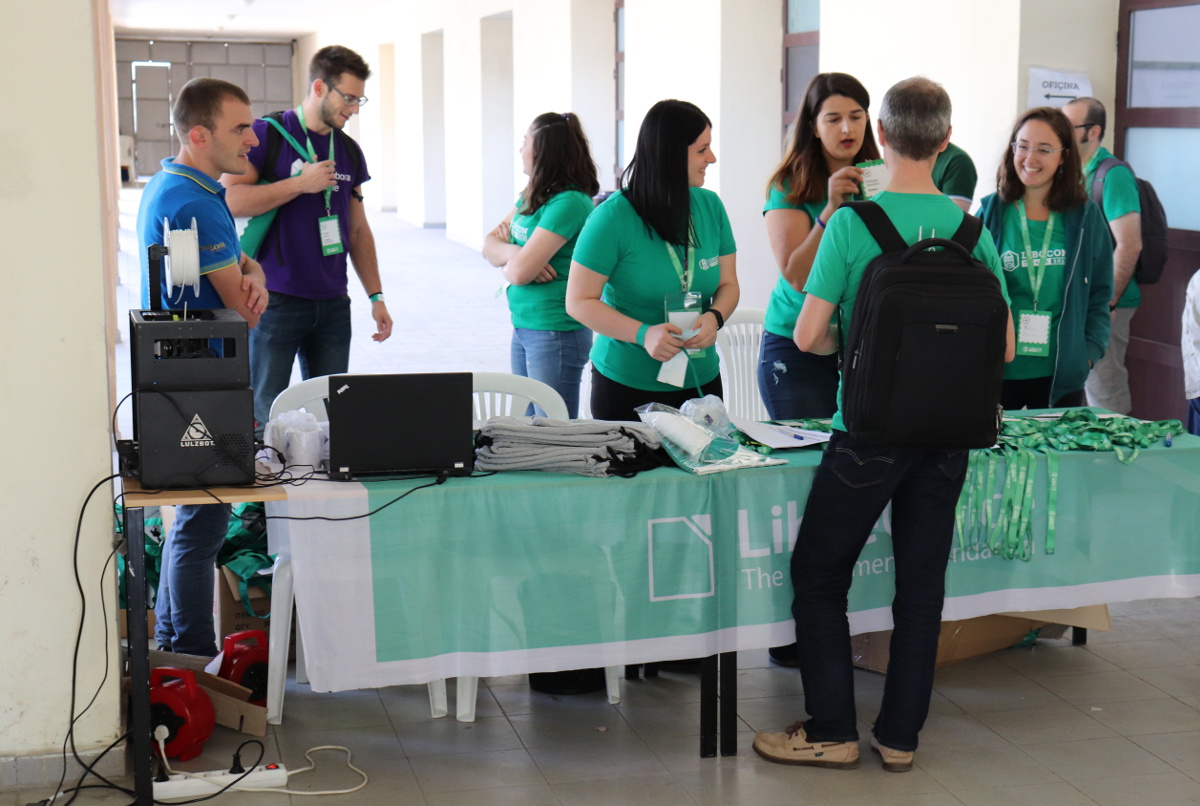
If you have planned the event in the proper way, the last month will be spent by confirming the services and checking that suppliers are sticking with the schedule. Of course, there will be some last minute emergencies, but they should not create any disruption to the program. During last week, the team should work at last time details, and at preparing the conference kit (badge, bag, t-shirt, sponsor materials, and other stuff).

During the Conference

Try to have fun. Of course, taking care of the entire program and check all details will ask for a lot of energy, but there should be space for some fun as well. Every conference attendee will have a specific question to ask, but don’t take this as an issue. In fact, it is an opportunity to get to know everyone in the community-

After the Conference

Pay all the bills, and have some rest.

Video: Bjoern Michaelsen talks about growing the LibreOffice community

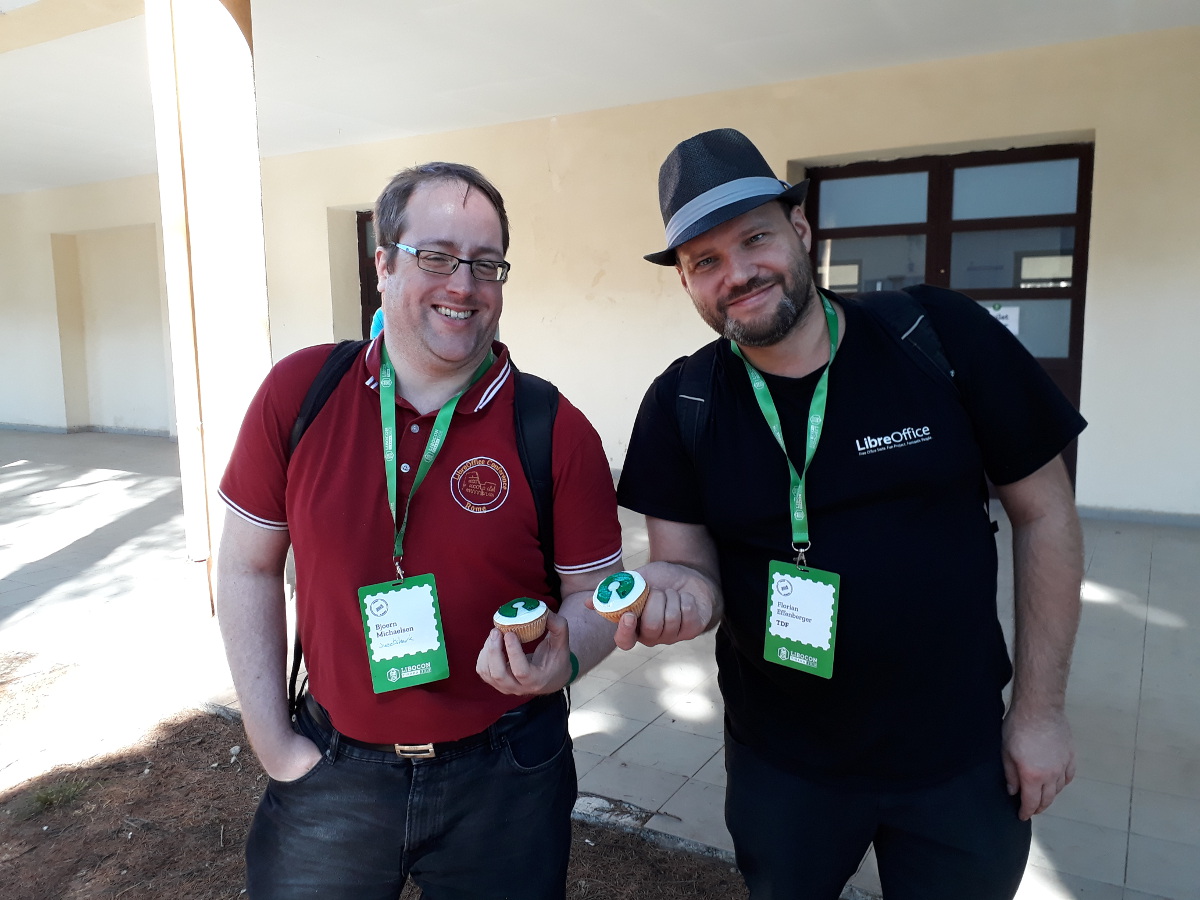
Bjoern Michaelsen is on the Board of Directors at The Document Foundation. We talked to him at the recent LibreOffice Conference in Rome about the challenges of growing a community. Also, we look ahead to some new ideas for hackfests.

Please confirm that you want to play a YouTube video. By accepting, you will be accessing content from YouTube, a service provided by an external third party.

YouTube privacy policy

If you accept this notice, your choice will be saved and the page will refresh.

Call for Papers Open Document Editors DevRoom at FOSDEM 2018

FOSDEM is one of the largest gatherings of Free Software contributors in the world and happens each year in Brussels (Belgium) at the ULB Campus Solbosch. In 2018, it will be held on Saturday, February 3, and Sunday, February 4.

As usual, the Open Document Editors DevRoom will be jointly organized by Apache OpenOffice and LibreOffice, on Saturday, February 3 (from 10:30AM to 6:30PM, room AW1.120). The shared devroom gives every project in this area a chance to present ODF related developments and innovations.

We are now inviting proposals for talks about Open Document Editors or the ODF standard document format, on topics such as code, localization, QA, UX, extensions, tools and adoption related cases. This is a unique opportunity to show new ideas and developments to a wide technical audience. Please do keep in mind, though, that product pitches are not allowed at FOSDEM.

Length of talks should be limited to a maximum of 30 minutes, as we would like to have questions after each presentation and to fit as many presenters as possible in the schedule. Exceptions must be explicitly requested and justified. You may be assigned LESS time than you request.

All submissions have to be made in the Pentabarf event planning tool: https://penta.fosdem.org/submission/FOSDEM18.

While filing your proposal, please provide the title of your talk, a short abstract (one or two paragraphs), some information about yourself (name, bio and photo, but please do remember that your profile might be already stored at Pentabarf).

To submit your talk, click on “Create Event”, then make sure to select the “Open Document Editors” devroom as the “Track”. Otherwise, your talk will not be even considered for any devroom at all.

If you already have a Pentabarf account from a previous year, even if your talk was not accepted, please reuse it. Create an account if, and only if, you don’t have one from a previous year. If you have any issues with Pentabarf, please contact ode-devroom-manager@fosdem.org.

The deadline is Monday, December 4th, 2017. Accepted speakers will be notified by Monday, December 11th, 2017. The schedule will be published by Friday, December 15, 2017.

Recording Permission

The talks in the Open Document Editors DevRoom will be audio and video recorded, and possibly streamed live too.

In the “Submission notes” field, please indicate that you agree to have your presentation recorded and published under the same license as all FOSDEM content (CC-BY). For example: “If my speech is accepted for FOSDEM, I hereby agree to be recorded and to have recordings – including slides and other presentation-related documents – published under the Creative Commons Attribution (CC-BY) 4.0 International License. Sincerely, Name”.