Community Member Monday: Dieudonne Dukuzumuremy and Tomas Kapiye

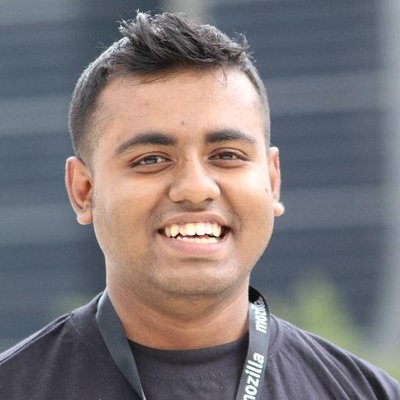
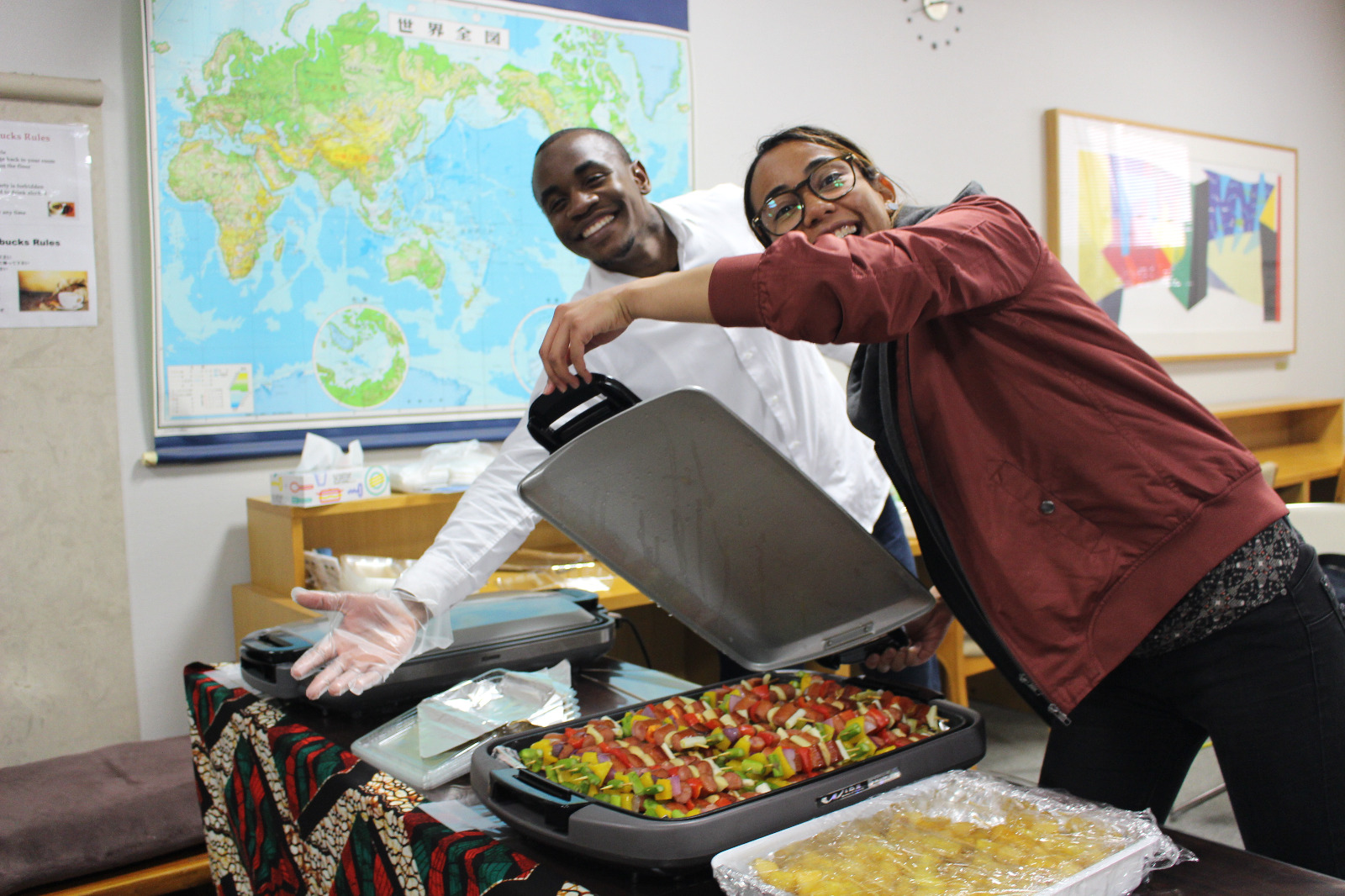
LibreOffice is an international project, available in many languages thanks to our enthusiastic worldwide community! Today we speak to two contributors from Africa who are currently living in Japan, starting with Dieudonne Dukuzumuremy:

Firstly, tell us a bit about yourself (where you live, your experience, and what you love – apart from LibreOffice of course!)

I live in Japan (Kobe City). In fact, I have graduated in Japan as a Master’s holder in Information Systems. Currently, I’m doing a post-graduation internship. When I’m not working on LibreOffice, I work as software developer.

Besides that, I will stay in Japan until December – then after I will go back to my home country Rwanda, where I work as a lecture in at the Integrated Polytechnics University. There I provide the fundamentals of programming such as PHP, HTML, CSS, MySQL, SQL Server, VB.net, WordPress etc..

I’m interested in learning new global technologies and bringing more ICT innovations to developing countries, sharing knowledge as well as being result-oriented.

My hobbies are playing football and futsal, along with meeting and making friends.

What do you do in the LibreOffice project?

In LibreOffice I do bug triaging and translations. Currently I’m working on bug reports, reproducing bugs, and translating LibreOffice into the Kinyarwanda language – which is one of the languages of Rwanda.

How did you get involved? Was it a good experience?

I joined a post-graduation internship in a company which has a department of open source software department, and they are focusing on LibreOffice. So LibreOffice is my main task during my internship.

A good experience is that I understand how LibreOffice works as open source, in terms of the different categories of contributors. It was my first time participating, and providing a contribution. It is also interesting to translate LibreOffice into my own language.

What does LibreOffice need most right now?

LibreOffice needs more active collaborative teamwork, to keep improving its features, in order to make it more reliable for users. LibreOffice also needs to improve more in marketing, so that people around the world understand it. Most developing countries spend a lot of money to buy licensed office softwares – but LibreOffice makes it cheaper and gives more to local people who support it.

Tomas Kapiye

Where do you live, and what do you get up to in your spare time?

I also live in Kobe, Japan. In my spare time I like surfing the net, in search for new news on technology, international relations, business and finance, and social well-being. Sometimes I study computer networking (I am originally a Computer Engineer (CCNP)), or I study Python since I have a personal interest in it.

When I have more time, I meet friends for a chess game, go swimming or exercise in the park. Oh and I like catching fish, making friends from all over the world, and spending some time in the kitchen πŸ™‚

What do you do in the LibreOffice project?

I am doing translations mostly, but periodically also do bug triaging.

How did you get involved?

I got involved by joining an internship programme at a company called iCraft in Kobe, Japan. It was a good experience – I wouldn’t have imagined all of the efforts that are happening behind-the-scenes in applications such as LibreOffice, especially to deliver good service to end users.

Lastly, what does LibreOffice need most right now?

User-friendly materials about the processes to follow when someone wants to get involved. LibreOffice also needs to expand its efforts into Africa, especially considering that many things are moving there and all forms of development are taking place there.

A big thanks to Dieudonne and Tomas for their time and contributions! If you’re reading this and are based on the African continent, you can help us to localise the software and spread the word about it!

LibreOffice monthly recap: February 2019

Check out our regular summary of events and updates in the last month!

  • The biggest news in February was the release of LibreOffice 6.2, which features the new NotebookBar, an (optional) user interface based on tabs. There are many other improvements too, including faster change tracking, tidied-up context menus, better compatibility and new features in Writer, Calc and LibreOffice Online. Our video summarises the changes:

Please confirm that you want toΒ play a YouTube video. By accepting, you will be accessing content from YouTube, a service provided by an external third party.

YouTube privacy policy

If you accept this notice, your choice will be saved and the page will refresh.

  • Meanwhile, The Document Foundation has a new job listing! We’re looking for a Development Mentor to help new LibreOffice coders get involved in the project. The role involves working from home at your location for at least 10 hours per week, up to full-time – and note that the deadline for applications is March 29, 2019!
  • Also in February, we talked to Khaled Hosny about his involvement in LibreOffice. Khaled is based in Egypt, and has been contributing in the areas of text layout and font handling, especially for Arabic and other writing systems that require advanced text layout.

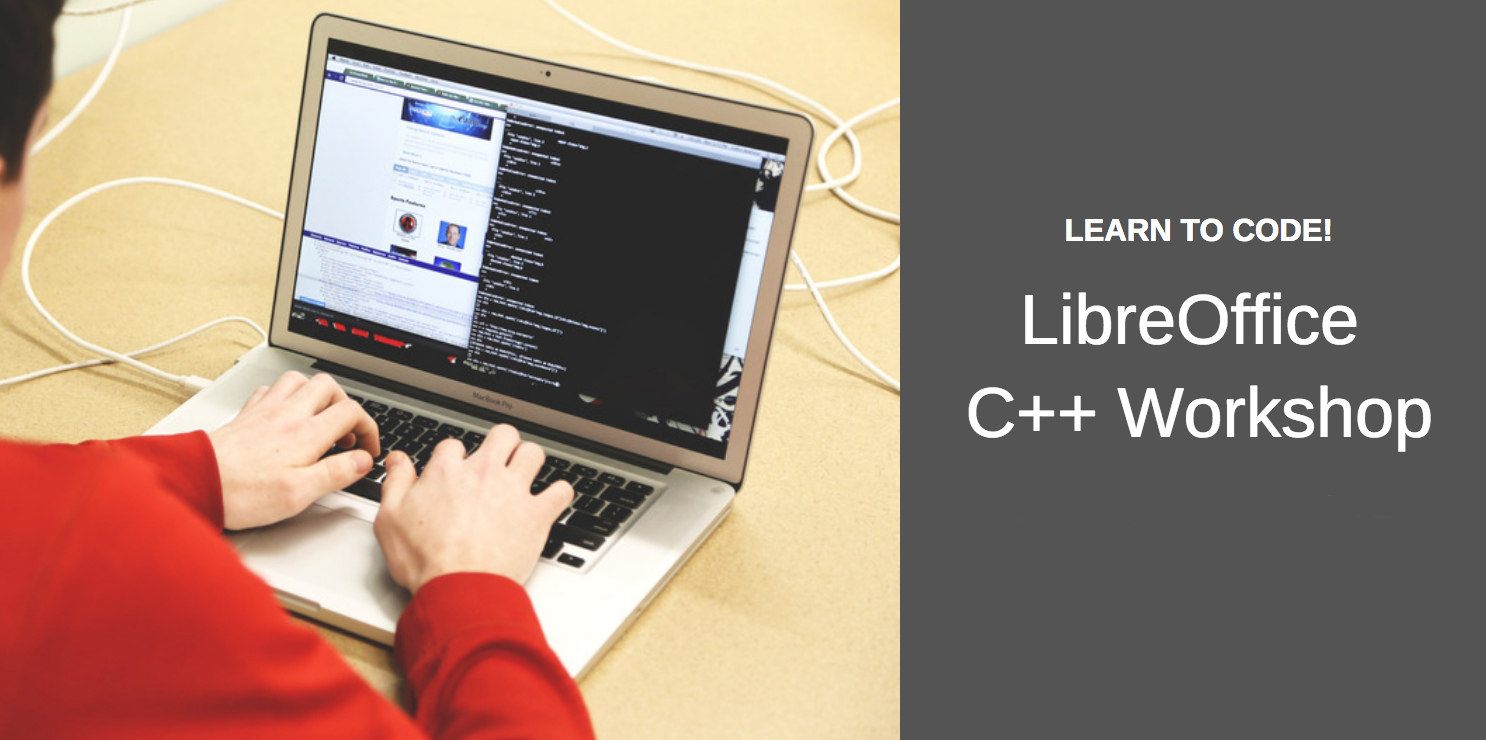
  • Our developer community organised two C++ workshops, helping C++ coders to understand features in the language. The first covered recursion on 14 February, while the second took place on February 28 and dealt with fractals. Stay tuned for more workshops, and join us!

  • On Valentine’s Day (14 February), we celebrated “I love Free Software Day”, a campaign from the Free Software Foundation Europe. This highlights the fact that free software is about much more than just zero cost – it’s about the freedom to share, study and change the software that we use.

  • If you’re a happy user of LibreOffice and would like to learn more about our friendly worldwide community, you might be wondering if there’s anybody near you (or at least, in your country or region). Well, we’ve created a map of community members who we’ve interviewed on this blog – and there are many more interviews to come. Check it out!

  • At FOSDEM 2019, a major get-together of free and open source software developers, members of the LibreOffice project gave various talks about updates and new features. Now the videos are online, so find a topic that interests you and click through to watch the video.

Keep in touch – follow us on Twitter, Facebook and Google+. Like what we do? Support our community with a donation – or join us and help us to make LibreOffice even better!

LibreOffice and the Google Summer of Code 2019

Google Summer of Code (GSoC) an international annual program that has taken place every year since 2005 – and the LibreOffice Project has been involved since 2010. In GSoC, Google awards stipends to students who successfully complete coding tasks for free and open source software projects over the summer.

This year, LibreOffice is taking part again! So if you’re a student, know some C++ and want to get involved with a well-known open source project (and get some financial support from Google too), join in! Proposals will be accepted starting on March 25, but in the meantime you can view a list of ideas for inspiration.

Even though proposals won’t be officially accepted for a few weeks, we encourage you to join the development mailing list and talk about your ideas beforehand, so other developers can give you some feedback.

To learn more about how it works, check out our interview with Gautam Prajapati, who worked on the LibreOffice Viewer for Android app as part of GSoC in 2017:

Please confirm that you want toΒ play a YouTube video. By accepting, you will be accessing content from YouTube, a service provided by an external third party.

YouTube privacy policy

If you accept this notice, your choice will be saved and the page will refresh.

We look forward to meeting you!

First LibreOffice Asia Conference

The First LibreOffice Asia Conference Will Be Held On May 25-26, 2019 In Nihonbashi, Tokyo, Japan

This is the first ever LibreOffice conference covering Asia, a rapidly-growing area for free and open source software. The call for papers will be launched soon.

Berlin, February 18, 2019 – After the huge success of the LibreOffice Conference Indonesia in 2018, members of the Asian communities have decided to raise the bar in 2019 with the first ever LibreOffice Asia Conference in Nihonbashi – the very center of Tokyo, Japan – on May 25-26.

One of the main organizers, Naruhiko Ogasawara, a member of the Japanese LibreOffice community and The Document Foundation, can’t hide his excitement: “When we launched the LibreOffice Mini Conference Japan in 2013 as a local event, we knew little about communities in other parts of Asia. In recent years we have attended the LibreOffice Conference and other Asian events like OpenSUSE Asia, COSCUP etc. We have realized that many of our colleagues are active and that our community should learn a lot from them. We are proud to be able to hold the first Asia Conference with our colleagues to further strengthen that partnership.”

“It’s a real leap of faith,” says Franklin Weng, an Asian member in the Board of Directors of The Document Foundation. “Asia is a rapidly-growing area in adoptions of ODF and LibreOffice, but our ecosystem for LibreOffice and FOSS has not been good enough yet. In this conference we’re not only trying to make the FOSS ecosystem in Asia more healthy, but also to encourage Asian community members to show their potential.”

Several core members from The Document Foundation will attend this conference, including Italo Vignoli, leader of the marketing and public relations community (and co-chairman of LibreOffice Certification Committee), along with Lothar Becker, who is also co-chairman of the Certification Committee. In addition, there will be community members from Indonesia, South Korea, Taiwan, Japan and probably China attending.

The main focus areas of this conference include:

  • Business workshop – which will be hosted by Lothar Becker and Italo Vignoli. Lothar and Italo will discuss business services: what are the fundamentals of LibreOffice business services, the current status of LibreOffice business in Europe, Asia and other geographies, and how we can support each other, etc.
  • CJK Hackfest – which will be led by Mark Hung, a LibreOffice Certified Developer in Taiwan, to discuss and hack CJK issues in LibreOffice.
  • Certification Interview – the second LibreOffice Certification Interview in Asia will be held during the LibreOffice Asia Conference, hosted by Italo Vignoli and Lothar Becker. So far total four or five candidates will be interviewed for LibreOffice Certified Migration Professionals and LibreOffice Certified Trainers.
  • Asia Local Certification for LibreOffice – which will be hosted by Franklin Weng and Eric Sun, two TDF members from Taiwan, to introduce the concept of having LibreOffice skills and trainer certifications in Asia.

The call for proposals will be launched soon in February. Besides the topics above, other LibreOffice and ODF-related topics are also welcome.

Find a LibreOffice community member near you!

Hundreds of people around the world contribute to each new version of LibreOffice, and we’ve interviewed many of them on this blog. Now we’ve collected them together on a map (thanks to OpenStreetMap), so you can see who’s near you, and find out more! Click the image to see the live map:

Don’t see anyone near you? Help us to create a new native language community in your country! (Or if you’re already active in the project and would like to be interviewed, just drop us a line.)

Let’s celebrate “I love Free Software Day”!

One of our goals in the LibreOffice community is to make powerful productivity tools available to everyone. Releasing the software for free is an important part of that, but “free software” is about more than just the price. It’s about giving users fundamental freedoms in how they use their software and computers – giving control back to them.

For instance, the source code for LibreOffice – that is, the human-readable “recipe” behind the program – is available for everyone to see, study and modify. You can download this code, see what it does, change it for your needs, and then turn it back into an executable version for your computer. Many hundreds of people have done this already, contributing back important changes and updates to LibreOffice. And then you’re free to share the changes with other users.

In contrast, most other office suites don’t give users these freedoms; they are “closed”, so users can’t look under the hood, can’t study how they work, can’t make changes, and can’t share the software. Users become restricted and trapped, controlled by and locked into specific software from a specific company. That’s the very opposite of freedom!

So we’re different. But LibreOffice is just one example of free software. There are many other well-known programs, such as the Firefox web browser, and GNU/Linux operating system. The Free Software Foundation Europe is helping to spread the word about freedom, and has a number of campaigns to this end.

So we’re happy to support them on this day – and you can help them too! Use the hashtag #ilovefs on social media, talk about why free software is important to you, and let’s help people to get back control over their digital lives.