LibreOffice monthly recap: November 2020

Here’s our summary of updates, events and activities in the LibreOffice project in the last four weeks – click the links to learn more…

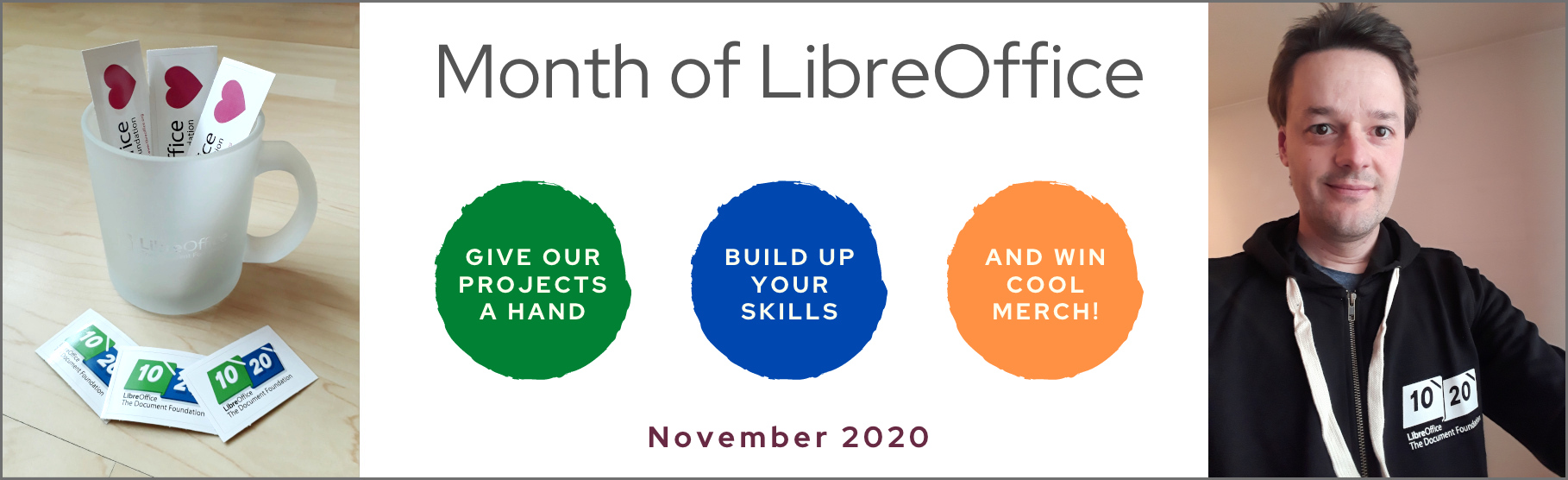
  • November kicked off with a new Month of LibreOffice. This is a campaign we run twice a year, in which we award sticker packs (and the chance to win some bonus merchandise) to all contributors in the LibreOffice project. Thanks to everyone who took part – instructions for claiming your stickers will be posted here soon!

  • Our Turkish community reported back from the Linux and LibreOffice Migration at Eyüpsultan Municipality. They said: “Open source software has many advantages, including flexibility, high performance, major savings on licensing fees, independence from any particular company, and compliance with open standards. The benefits of open source software are recognized all over the world.”

  • On November 9, we talked to Arnaud Mez from our French-speaking community. He’s helping to spread the word about LibreOffice and free software in Congo, organising talks and “sprint” events. A big thanks to Arnaud for all his contributions!

  • Over in the Documentation project, community members announced the LibreOffice Calc Guide 7.0. This was a team effort of Steve Fanning, Gordon Bates, Kees Kriek, Annie Nguyen, Samantha Hamilton, Olivier Hallot and Jean Hollis Weber, coordinated by Felipe Viggiano.

  • More docs news: Paul Sutton has created some LibreOffice tutorial videos, aimed at beginners, and shared them on his website. He plans to make regular updates, so if you’re introducing someone to LibreOffice, check it out!

  • Finally, we chatted to Yusuf Keten, who has added new features to LibreOffice as part of the Google Summer of Code. He’s also decided to become a Member of The Document Foundation, the non-profit entity behind LibreOffice – so, welcome Yusuf!

Keep in touch – follow us on Twitter, Facebook and Mastodon. Like what we do? Support our community with a donation – or join us and help to make LibreOffice even better for everyone!

Community Member Monday: Yusuf Keten

Today we’re talking to Yusuf Keten, who added new features to LibreOffice as part of the Google Summer of Code 2020. He was mentored by Muhammet Kara from Collabora Productivity. Here’s what he had to say…

To start, tell us a bit about yourself!

I was born on February 25, 1998 in Istanbul, Turkey. Currently I’m a third-year Computer Engineering student at Hacettepe University in Turkey. I really like coding. Nowadays, I am working on computer graphics. Also, I have academic projects about GPGPU programming. I am contributing to LibreOffice in my free time because of my enthusiasm for open source culture.

Apart from programming, I like to spend my time playing electric guitar, drawing. Also, I describe myself as a coffee lover! You can find me on Twitter and LinkedIn.

Why did you decide to become a member of The Document Foundation, the non-profit behind LibreOffice?

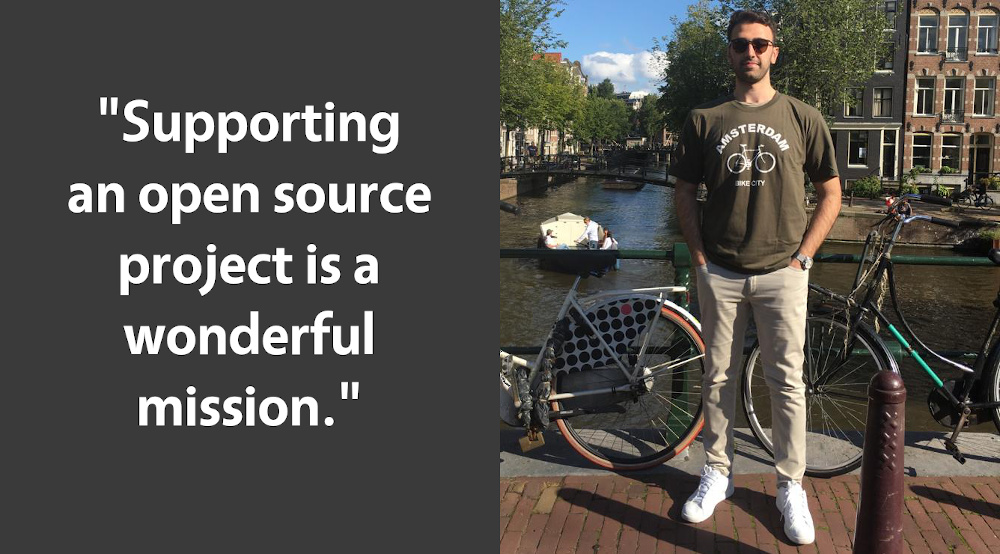
I came across TDF when I attended a LibreOffice Bootcamp given by Muhammet Kara. He explained what TDF does, and its values. I was really impressed, because supporting an open source project is a wonderful mission. Also, there are lots of talented people in TDF. Therefore, I wanted to be part of this great organization and contribute to TDF’s activities.

What are you working on in LibreOffice right now?

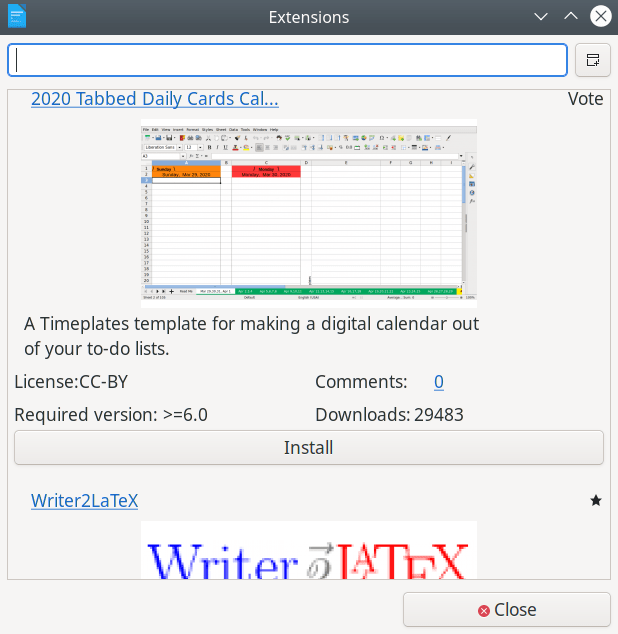
I have been working on User Experience topics for nearly a year. I created a new Additions dialog as during my Google Summer of Code work. It provides an interface for adding any extension types such as fonts, templates etc. with only one click. Also, users can search extensions based on how many votes they have, downloads and comments. Check out my GSoC report.

Anything else you plan to do in the future?

In my GSoC project, there are still some bugs and missing features. I would like to fix these bugs and add these features. Also, I may add other new features to LibreOffice, if they is needed.

Even though I worked on User Experience parts until now, I may work on computer graphics aspects of LibreOffice in the future – because I’m improving my skills in this area.

We at TDF would like to share our appreciation for Yusuf for all his contributions! We’re really happy to have him on board as a member. Indeed, everyone in the community who’s active in our projects is welcome to become a member!

The Month of LibreOffice, November 2020 – Half-way through

We’re just over half-way through the Month of LibreOffice, November 2020, in which we award sticker packs to all contributors in our projects and community! (Plus, a bonus chance to win extra merchandise: a mug, T-shirt or hoodie.)

So how’s it going? Well, we’ve already awarded 262 sticker packs:

Is your name/username not on that page yet? Do something about it! There are many ways to help out – you don’t need to be a programmer. Let’s see…

How to get your stickers

There are many ways you can help out – and you don’t need to be a developer. For instance, you can be a…

  • Handy Helper, answering questions from users on Ask LibreOffice. We’re keeping an eye on that site so if you give someone useful advice, you can claim your shiny stickers.
  • First Responder, helping to confirm new bug reports: go to our Bugzilla page and look for new bugs. If you can recreate one, add a comment like “CONFIRMED on Windows 10 and LibreOffice 7.0.3”.
  • Drum Beater, spreading the word: tell everyone about LibreOffice on Twitter or Mastodon! Just say why you love it or what you’re using it for, add the #libreoffice hashtag, and at the end of the month you can claim your stickers.
  • Globetrotter, translating the user interface: LibreOffice is available in a wide range of languages, but its interface translations need to be kept up-to-date. Or maybe you want to translate the suite to a whole new language? Get involved here.
  • Docs Doctor, writing documentation: Whether you want to update the online help or add chapters to the handbooks, here’s where to start.

Join in! We’ll be posting regular updates on this blog and our Mastodon and Twitter accounts until the end of the month…

The LibreOffice Calc Guide 7.0 Just Arrived!

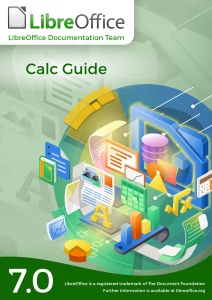
The LibreOffice Documentation Team is happy to announce the availability of the LibreOffice Calc Guide 7.0, the most comprehensive guide for the Calc module, updated to the latest version of LibreOffice.

The Guide is available in PDF format and contains 545 pages, covering all basic and advanced features of the spreadsheet module of LibreOffice, and is a must-read book for exploiting the maximum of LibreOffice Calc.

(more…)

Community Member Monday: Arnaud Mez

LibreOffice is way more than just an office suite – it’s a worldwide project and community where people share ideas, build up their skills, and have fun. Today we’re talking to Arnaud Mez, who’s part of the Francophone community and who’s spreading the word about LibreOffice and helping with design…

To start, tell us a bit about yourself!

I’m from the Republic of Congo (the one with Brazzaville as its capital city 🙂 ). I’m the owner of a small venture called Smarty TC, based in the town of Pointe Noire, the city I live in.

My everyday tasks and duties are exactly similar to my hobbies, as I constantly fight to stay focused on doing only what I love… So I do a lot of reading and listening to music, but beyond that I do a lot of research on the internet in order to keep an average but updated knowledge base. I did sport years ago… 😉 like Taekwondo until I reached the black belt level, and life just swallowed me up into the more exiting side: computers.

My favourite musicians are Joshua Aaron and Paul Wilbur, but I also love Hebraic and Japanese music as they have strong and deep cultural riches. I don’t play games on my PC now and stopped playing on consoles, but my favourite games ever are Need for Speed Carbon, and the Zelda series starting from Ocarina of Time.

What’s the situation like with LibreOffice and free software in Congo? Is it widely used, or are there challenges to adoption?

Well, I’d be modest and say we are still close to zero in terms of spreading the word everywhere in our country. The Republic of Congo is mostly influenced by almost 70% of what happens in France, with fewer real openings to proper technology, support etc. which makes things a bit more difficult.

The main challenges are having local people well-trained in FOSS and LibreOffice. The more people who get trained in a serious way and get accredited, the more FOSS and LibreOffice will spread – people here trust papers such as certificates more than everything, because they constantly think about getting employed, more than building up themselves and providing services.

There are some initiatives here touching on IT and computing, but they’re led by people leading the retail industry, and most of them think about selling what they believe will bring more money – so less about growing people, if you get my point.

I decided to start my business after five years of being jobless, because I believe this: we have to stand up if we want to build up local competences. The more we train people, the more we encourage openness, and the more meetups we arrange, the more we create exposure. (Yes, I do some other types of lucrative work in my ventures, but I don’t teach or train people to use Microsoft Office, or keep my focus on it.)

You’re part of the Francophone LibreOffice community – how is that going? What do you do together?

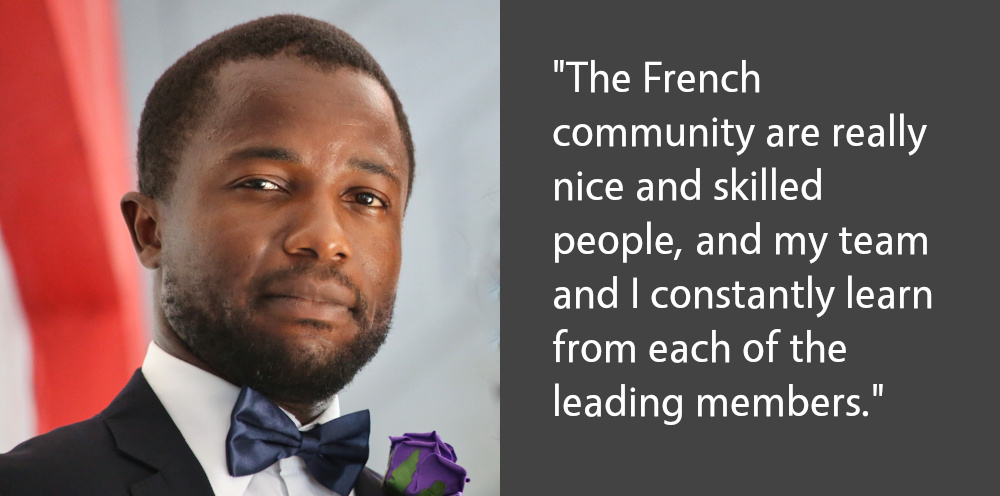
As a French-speaking person, I had no choice but join the French community because it’s the place where I can interact with ease. They’re really nice and skilled people, and my team and I constantly learn from each of the leading members.

We mostly use Linux distros, not so much Windows, and we had a good time working with William Gathoye and Regis Perdreau on a solution to fix some visual imperfections that happen when LibreOffice is used with KDE Plasma. There we learned about the library causing that issue, but weren’t sure if one of us reported it.

Sophie Gautier is really helping us with visuals and some materials, and now that we have more people learning, we are sending stickers around and they are proud and happy – which makes us happy too.

I personally share and talk a lot with Arnaud Versini who is a great source of knowledge. He actually helped me to step into OpenSUSE (I used SUSE back in 2007 until 2008) and start learning about its Open Build Service tool, which is really amazing and helpful.

Philipe Hemmel, Valerie Dagrain and all of the others in the community help us to understand more aspects and implications of the educational, associative and corporate parts of LibreOffice and FOSS culture. It’s a very good place to be.

What else you working on in the LibreOffice project right now? Is there anything else you want to do?

Well, because I do graphic design and not that much deployment, I’d say nothing specific yet if talking about LibreOffice as a project – but locally here in Pointe Noire, I’m the one who organizes the “LibreOffice Sprint”, the “LibreOffice Talks” and some more to come. So I’m more into planing and organizing things, and getting people to join in.

The recent COVID-19 wave led us to stop our activities, but with flexibility and social distancing happening day after day, we too are coming back on track – but still we need more support from the LibreOffice project. My goal is to have people here helping the project in many aspects, and not only using the software.

Many thanks to Arnaud – and indeed everyone in the French-speaking LibreOffice community – for all their great work and support. Check out our native language projects – we’re building communities all around the globe. Is something missing from the list, or needs more work? Let us know, and let’s improve it together!

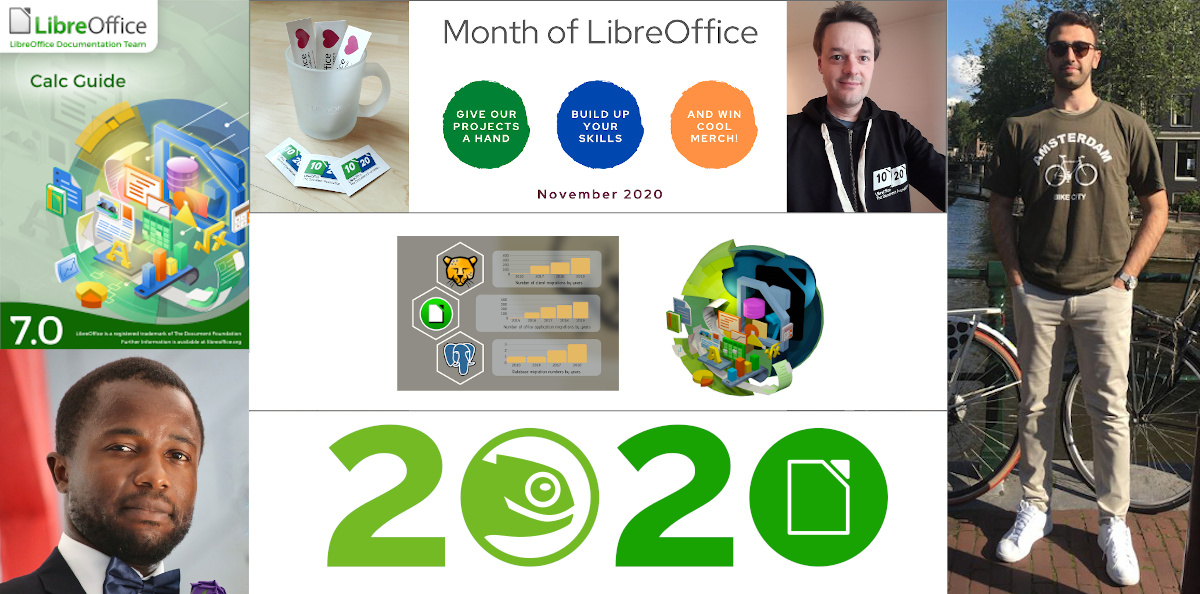
The Month of LibreOffice, November 2020 begins – help out and get awesome merch!

Love LibreOffice? Want to help make it even better? Now’s your chance! The software is developed by a passionate community, spread across the globe, with many volunteers working in their spare time. And you can join them: not only is it a great way to build your skills for a possible future career, but also an opportunity to meet new people, have fun… And get some cool merchandise throughout November! So how does this work

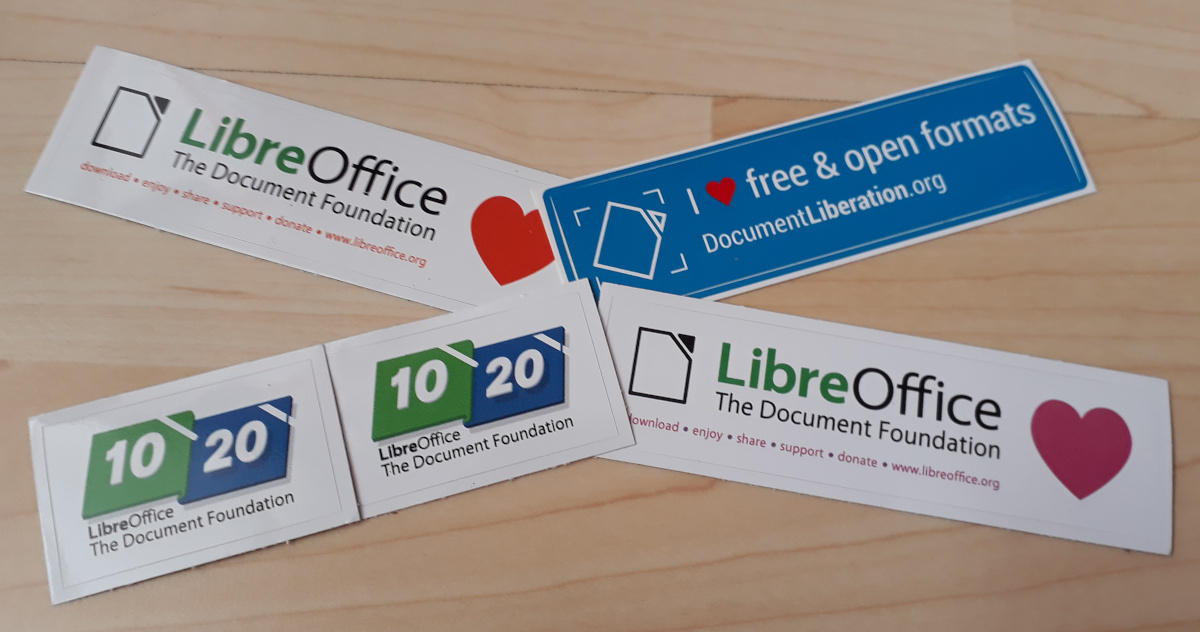
Well, everyone who contributes can claim an awesome sticker pack at the end of the month:

And then, we’ll also choose 20 contributors at random to receive a piece of bonus merchandise – a LibreOffice mug, T-shirt or 10/20 anniversary hoodie (proudly modelled in the photo above).

How to get your stickers

So, let’s get started! There are many ways you can help out – and you don’t need to be a developer. For instance, you can be a…

  • Handy Helper, answering questions from users on Ask LibreOffice. We’re keeping an eye on that site so if you give someone useful advice, you can claim your shiny stickers.
  • First Responder, helping to confirm new bug reports: go to our Bugzilla page and look for new bugs. If you can recreate one, add a comment like “CONFIRMED on Windows 10 and LibreOffice 7.0.3”.
  • Drum Beater, spreading the word: tell everyone about LibreOffice on Twitter or Mastodon! Just say why you love it or what you’re using it for, add the #libreoffice hashtag, and at the end of the month you can claim your stickers.
  • Globetrotter, translating the user interface: LibreOffice is available in a wide range of languages, but its interface translations need to be kept up-to-date. Or maybe you want to translate the suite to a whole new language? Get involved here.
  • Docs Doctor, writing documentation: Whether you want to update the online help or add chapters to the handbooks, here’s where to start.

So there’s plenty to do! As the contributions come in, we’ll be updating this page every day with usernames across our various services. So dive in, get involved and help make LibreOffice better for millions of people around the world – and enjoy your sticker pack at the end as thanks from us. And who knows, maybe you’ll be lucky enough to win a bonus hoodie, T-shirt or mug as well…

Let’s go! We’ll be posting regular updates on this blog and our Mastodon and Twitter accounts over the next four weeks – stay tuned!