Community Member Monday: Don Matschull

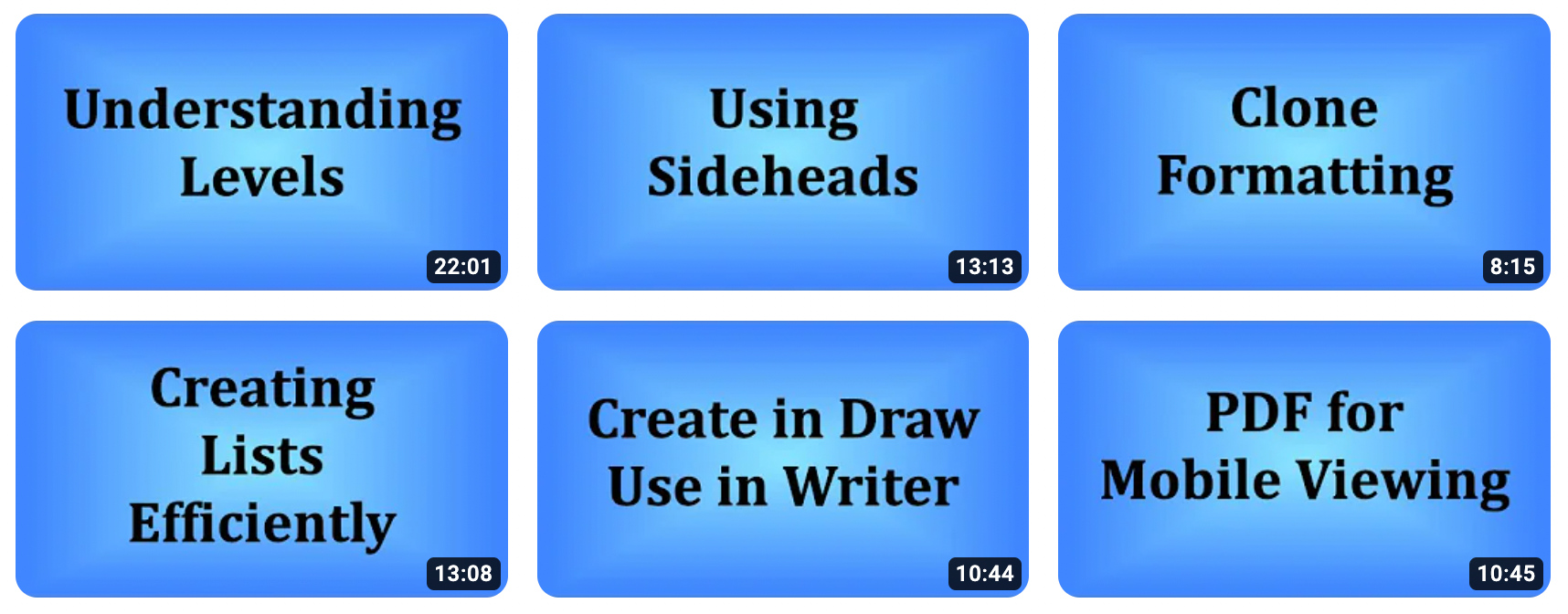
Thumbnails from Don Matschull's YouTube channel

TXDon (aka Don Matschull) is a regular on our Ask LibreOffice website, helping users with their questions. He also maintains a YouTube channel with video tutorials about the suite, and has created courses on Udemy. We chatted with him about his work – and here’s what he had to say.


Don Matschull: I really want to help others learn about what LibreOffice has to offer. I especially want to emphasize the advantage of using styles rather than trying to use LibreOffice Writer like other applications with direct formatting.

In the past, I tended to learn just enough about an application to accomplish the task at hand. After using one application for years, I had some extra time and started to read more of the user manual and other books. I quickly learned that I could have saved hours, days, months of time if I had delved more deeply when I first started using the application. Now, I try to gain a deeper knowledge of the application I am working with.

As I learn, I like to share the knowledge I’ve gained. Trying to explain something helps me understand it even better. When researching a topic, I tend to check the user guides, help files, do internet searches for written and video tutorials, and use help forums such as Ask LibreOffice. Often, I find only bits and pieces of what I want to know and end up experimenting until I’m satisfied that I have a decent grasp of the subject. Then, I try to share what I’ve learned to keep others from having to spend the time and frustration I spent learning.

I try to design my courses in a somewhat logical progression, though this can be difficult because of the way topics can be interrelated. My YouTube videos are more spontaneous. The biggest difficulty with these is trying to keep them short while also covering the topic in more than a superficial manner.

My next video will probably be about how to make lists more distinctive and attractive. Then, I expect to discuss the new features and changes introduced by LibreOffice 7.6 when it reaches the point that version 7.5 now holds.

Eventually, I would like to prepare a whole new course or more on LibreOffice Writer incorporating audio and video techniques I learned since my initial course.

Click here to view Don’s LibreOffice tutorial videos

LibreOffice QA help from CSUMB students – Keldin Maldonado

Keldin Maldonado

Recently, The Document Foundation – the non-profit entity behind LibreOffice – teamed up with the California State University, Monterey Bay (CSUMB) to encourage students to learn about LibreOffice quality assurance (QA) and help out. Let’s hear from one of the students, Keldin Maldonado:

What did you work on in your 25 hours?

I worked in the QA team for LibreOffice. I was tasked with looking over bug reports and providing feedback on these reports by either confirming the bug, asking for more information, or providing my feedback if I wasn’t able to replicate the bug.

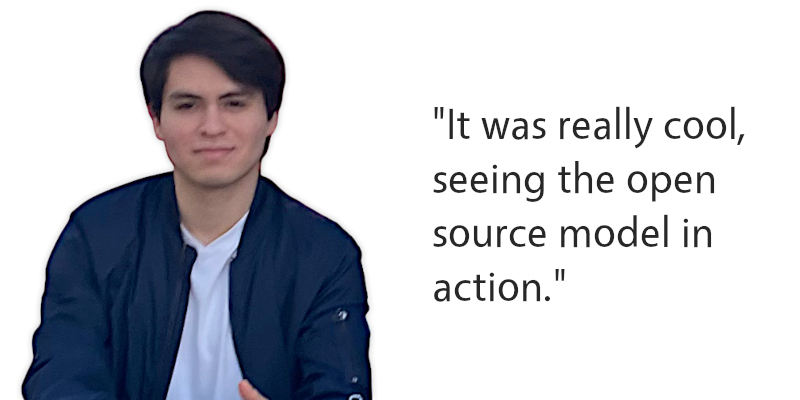
Later in my volunteer time, I learned about finding the specific commits that caused the bugs through bibisecting that made life for developers a lot easier. I must say, it was honestly really cool seeing the open source model in action. I was able to witness the community effort to resolve these issues in LibreOffice and see how this product was consistently improving.

What was the experience like?

This was the first time doing any sort of work like this, so I had a hard time getting used to some of the tooling, specifically Bugzilla with its infinite options. Luckily, I had Ilmari Lauhakangas to mentor me through this. He provided search queries that definitely made life easier. Apart from this, I also had issues with my working environment because of backward compatibility. I was able to use Distrobox, however, on a Linux box I built specifically for bug hunting that I then SSHed into from my main machine to be able to run older versions of LibreOffice, and my compatibility issues disappeared.

Bugzilla logo

In terms of the good things, I genuinely think that the last couple of mentoring meetings that I had with Ilmari taught me things that will stick with me for life, and for that, I have to give him a huge thanks for being patient and a good mentor. Specifically, I think learning about bibisecting was a great skill to be taught. I will definitely continue to use this going into my professional career and participating further in the open source community.

I also think that having a chance to work in this community maintaining LibreOffice, a product that many people rely on a day to day basis, was great. It might sound a bit cliche, but it genuinely felt really good knowing about the impact I was making, albeit small on the grand scheme of things. I know that my efforts made people’s lives a bit easier in the long run.

What are you planning to do next?

In terms of my professional plans, I am still enrolled in my undergraduate computer science program, which I will finish in the summer of 2024, and then I hope to go into software engineering. Currently, that is what’s taking up the majority of my time. In regards to The Document Foundation and LibreOffice, I will continue to provide help. Last I spoke with Ilmari, he asked me if I wanted to continue with the development side of things, which I think is a great opportunity for me to further develop my skill, and it will give me a chance to continue helping with The Document Foundation’s efforts.

Big thanks to Keldin for his contributions! But he wasn’t alone – Steven Casey also joined the QA community, and we’ll talk to him in our next interview on this blog…

Czech translation of LibreOffice Impress Guide 7.5

Impress Guide cover

Zdeněk Crhonek (aka “raal”) from the Czech LibreOffice community writes:

The Czech team has finished its translation of the LibreOffice Impress Guide 7.5. As usual it was a team effort, with translations by Petr Kuběj, Zdeněk Crhonek and Radomír Strnad. Localized pictures were provided by Roman Toman, and technical support came from Miloš Šrámek. Thanks to all the team for their work!

The Czech translation of the Impress Guide 7.5 is available for download on this page. We haven’t yet decided what we will translate next – probably we will wait for the next big release (LibreOffice 24.2), but if any volunteers would like to join us in the meantime, please visit this page.

Great work everyone!

Announcing the ODF Toolkit 0.12.0 release

Open Document Format logo

ODF is the Open Document Format, the native format used by LibreOffice (and supported by many other apps too). It has various sub-formats such as .odt for text files, .ods for spreadsheets, and .odp for presentations.

Meanwhile, the ODF Toolkit is a set of Java modules that allow programmatic creation, scanning and manipulation of ODF files. And at the end of last month, the developers announced a new version: 0.12.0!

Big changes include a new ODF 1.3 mimetype “Text master template”, while the API for Text Selection was completely refactored. In addition, there were many fixes to improve reliability and security.

Check out the full announcement and link to the release notes here

LibreOffice Help files have now a much better content editor

The LibreOffice Help documentation project members have now a much better Help editor, thanks to Juan José Gonzales (JJ) of the TDF team.

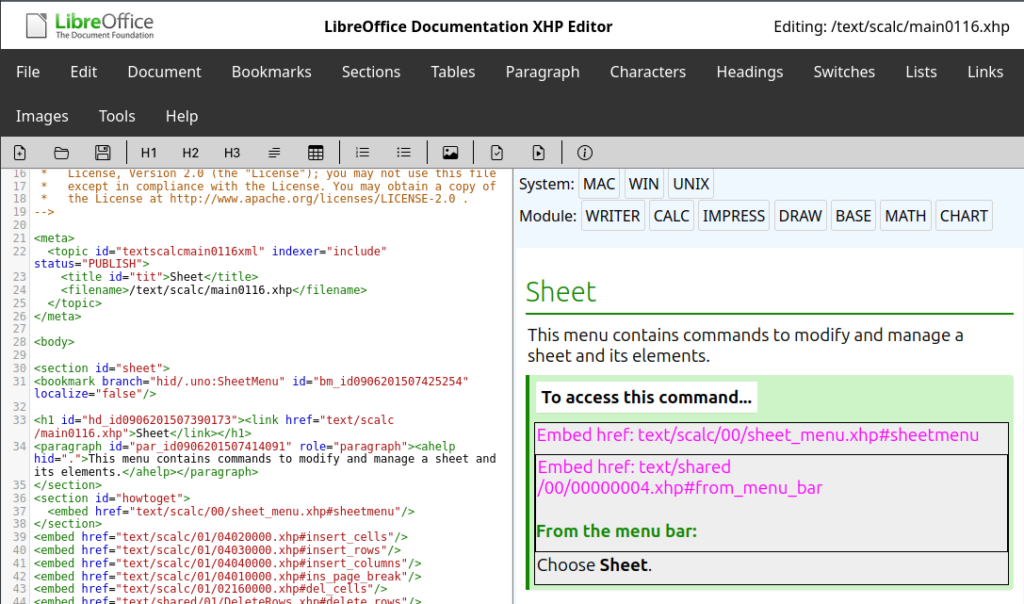
Based on the editor originally created by Olivier Hallot and Mike Saunders, the new editor was greatly improved by JJ fixing many usability issues, adding a handy toolbar to the editor and automating some tasks for rendering the help page.

The Help editor renders the page in a way to assist the content editor in dealing with the several specific XML tags used in the Help pages. It displays the resulting page with information on links, embeds and other information, including switches that changes contents based on the system and the application.

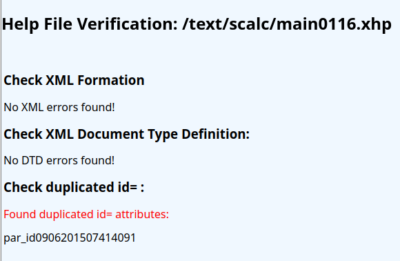
The editor is also capable to perform checking, notably XML conformity, DTD compliance and best of all, paragraph’s ID uniqueness, which is the most common mistake in writing Help pages.


Content editors can access the editor at the address here, and source code for the Help editor is available for download and improvements on this page.

LibreOffice project and community recap: December 2023

Recap logo

Here’s our summary of updates, events and activities in the LibreOffice project in the last four weeks – click the links to learn more…

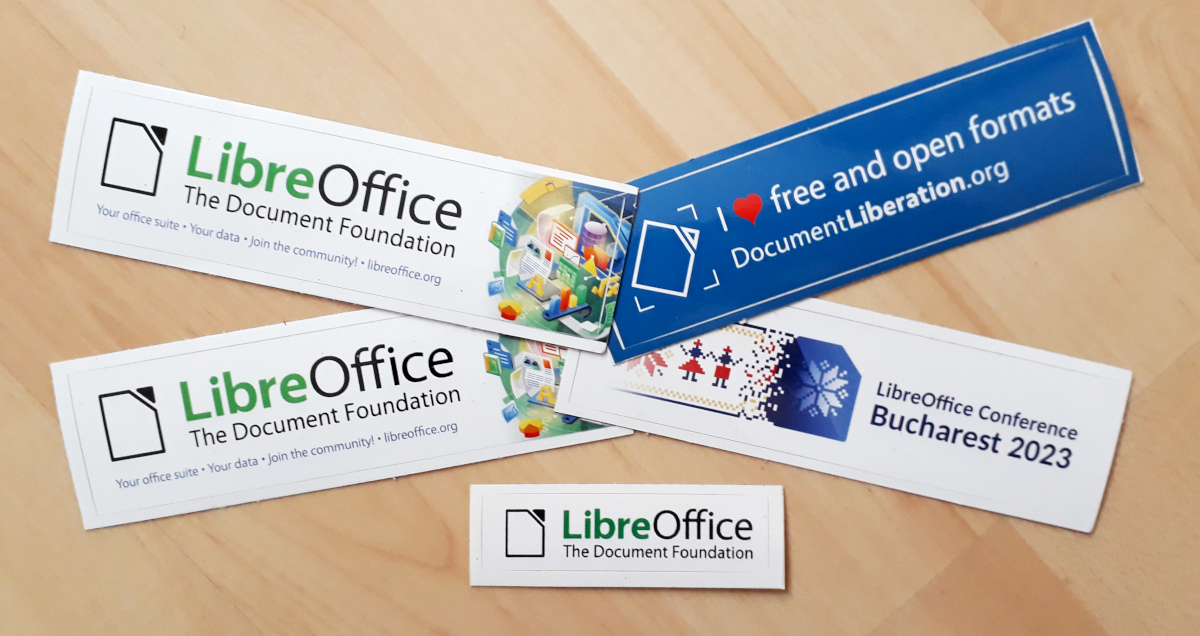
LibreOffice stickers

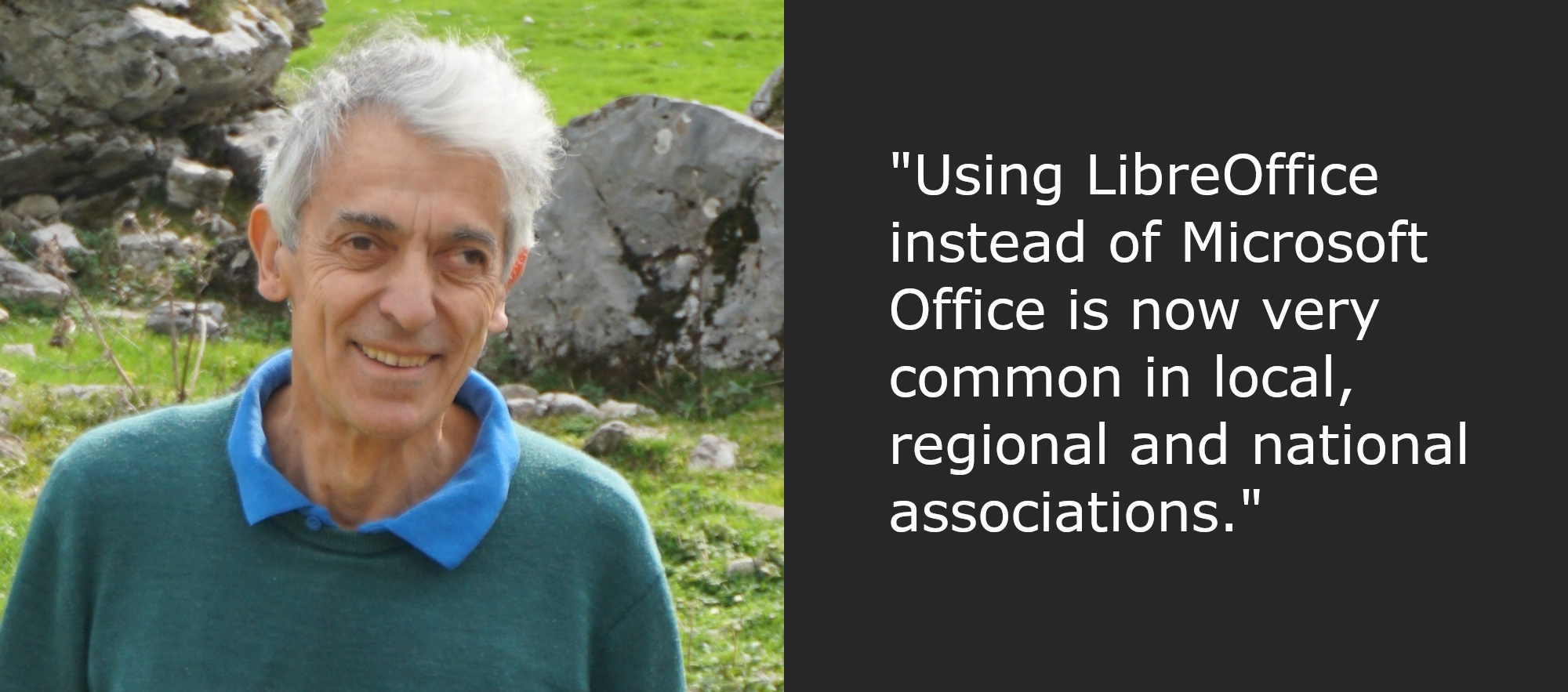
Robert Cabane

LibreOffice Calc Guide cover

  • We had two updates for the software in December:
    LibreOffice 7.6.4 and 7.5.9
    . All users are recommended to download and install the latest releases.

Donate button

  • Meanwhile, we prepared a Security Backgrounder document that describes – in language accessible to everyone, including non-security specialists – the impressive work done by developers and quality assurance specialists in the area of LibreOffice security.
  • The second of our community interviews was with Dominique Prieur, who gives courses on LibreOffice and is working with the Orléans prison in France to develop office automation workshops.

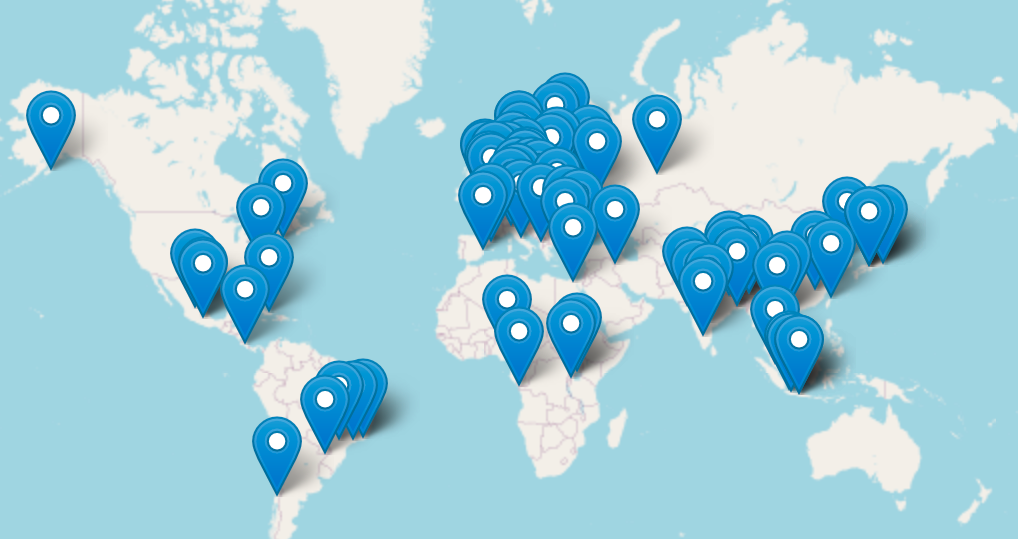
Map of community members around the world

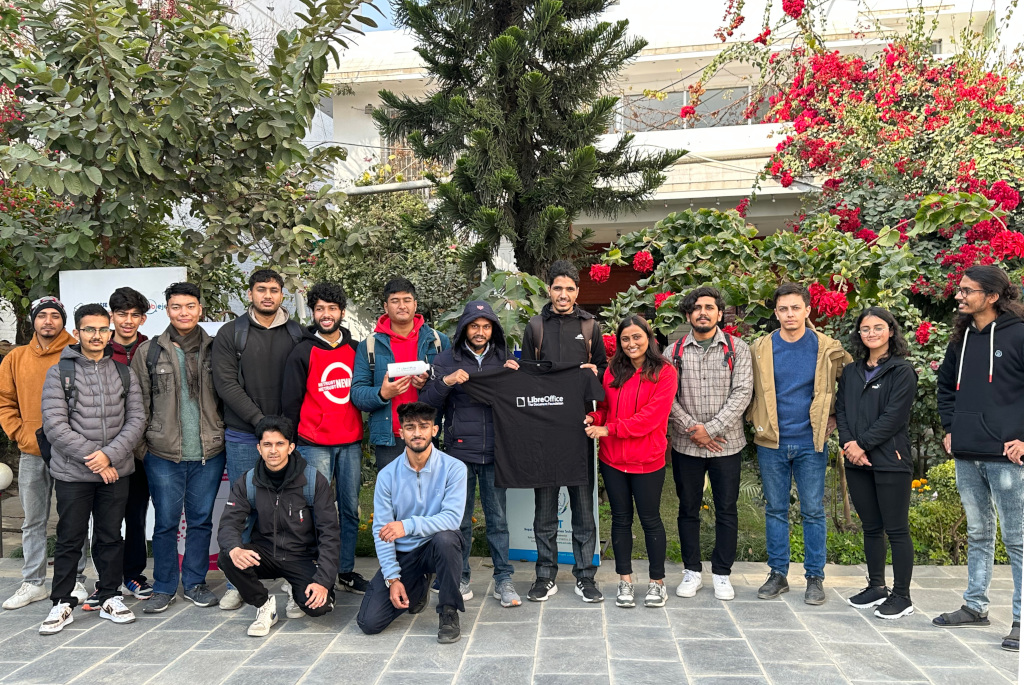
LibreOffice Localization Sprint 2023 in Nepal - group photo

  • And finally, on the last day of the year, we said thanks to the whole LibreOffice community for all the support and contributions throughout 2023. We look forward to making 2024 another great year for our projects and community!

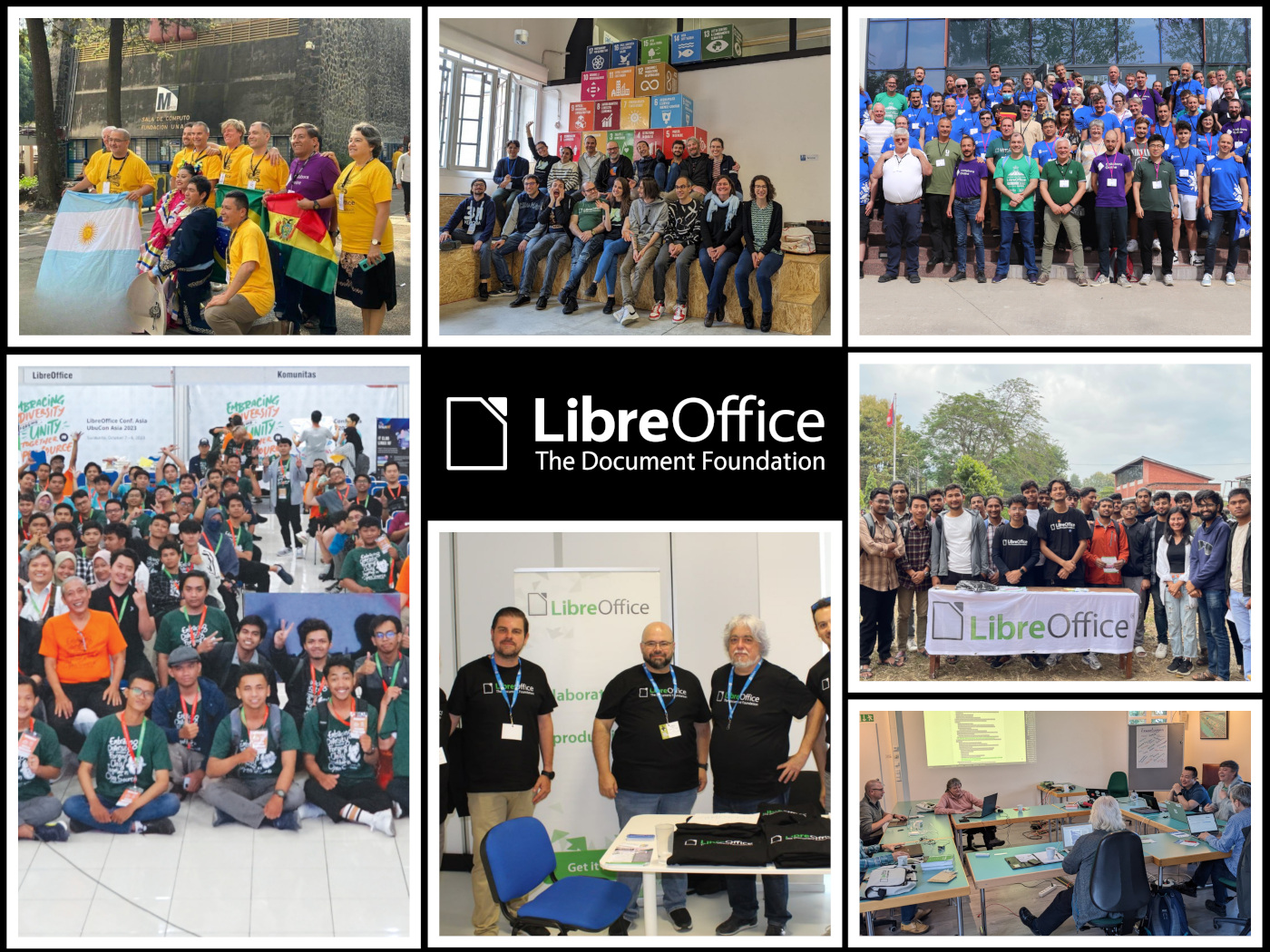
Collage of LibreOffice events in 2023

Keep in touch – follow us on Mastodon, Twitter (aka “X”), Bluesky and Facebook. Like what we do? Support our community with a donation – or join our community and help to make LibreOffice even better!