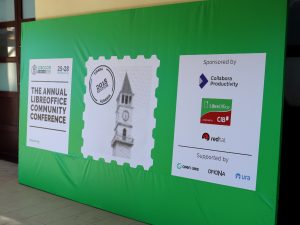
LibreOffice Conference 2018: Day 3 in pictures

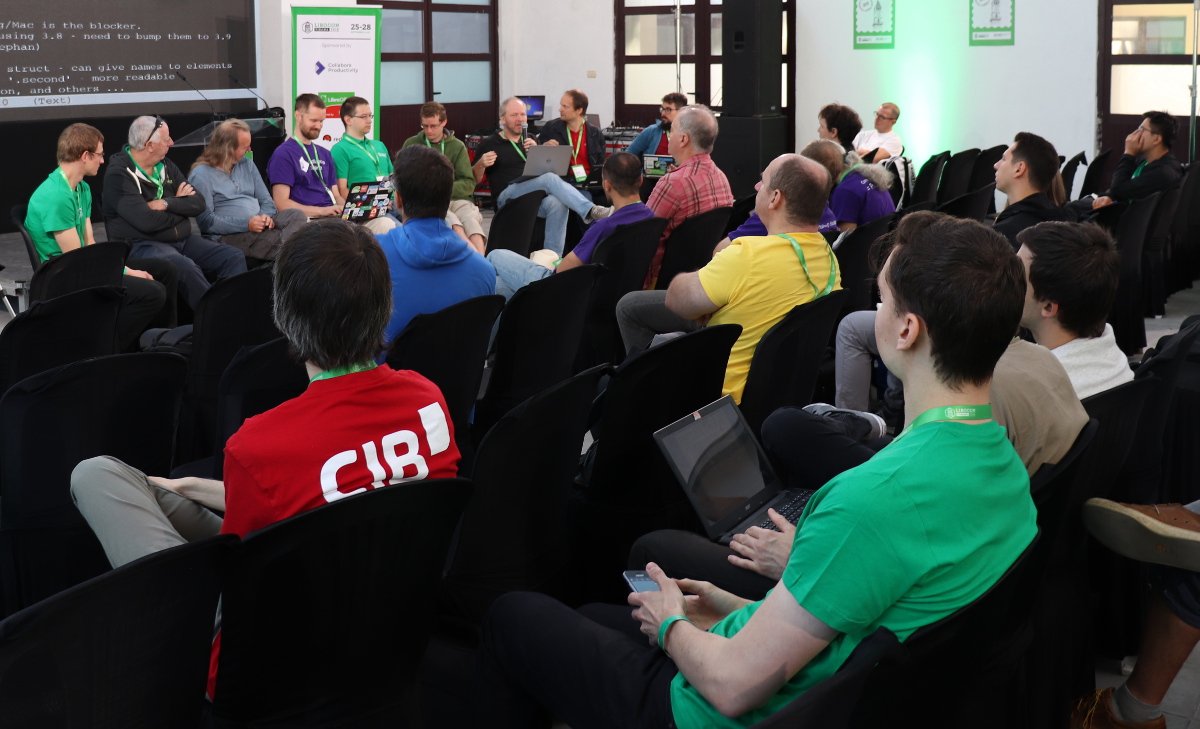
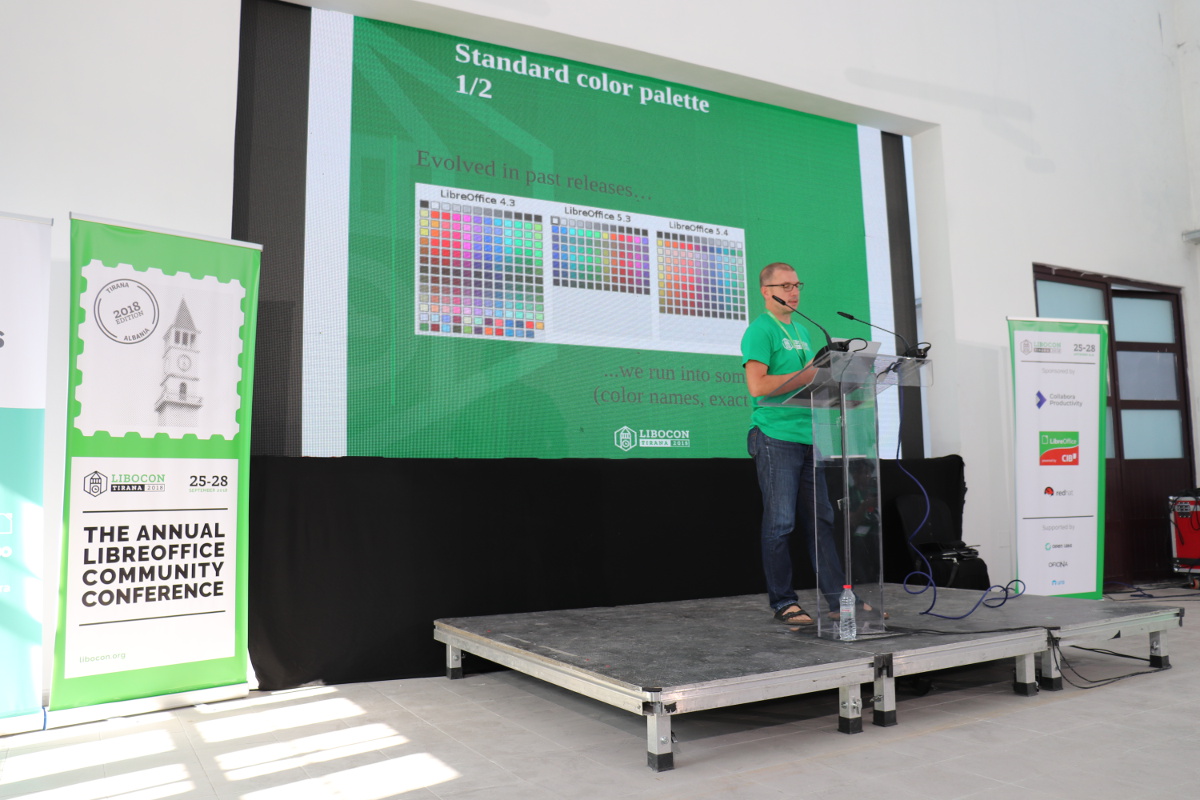
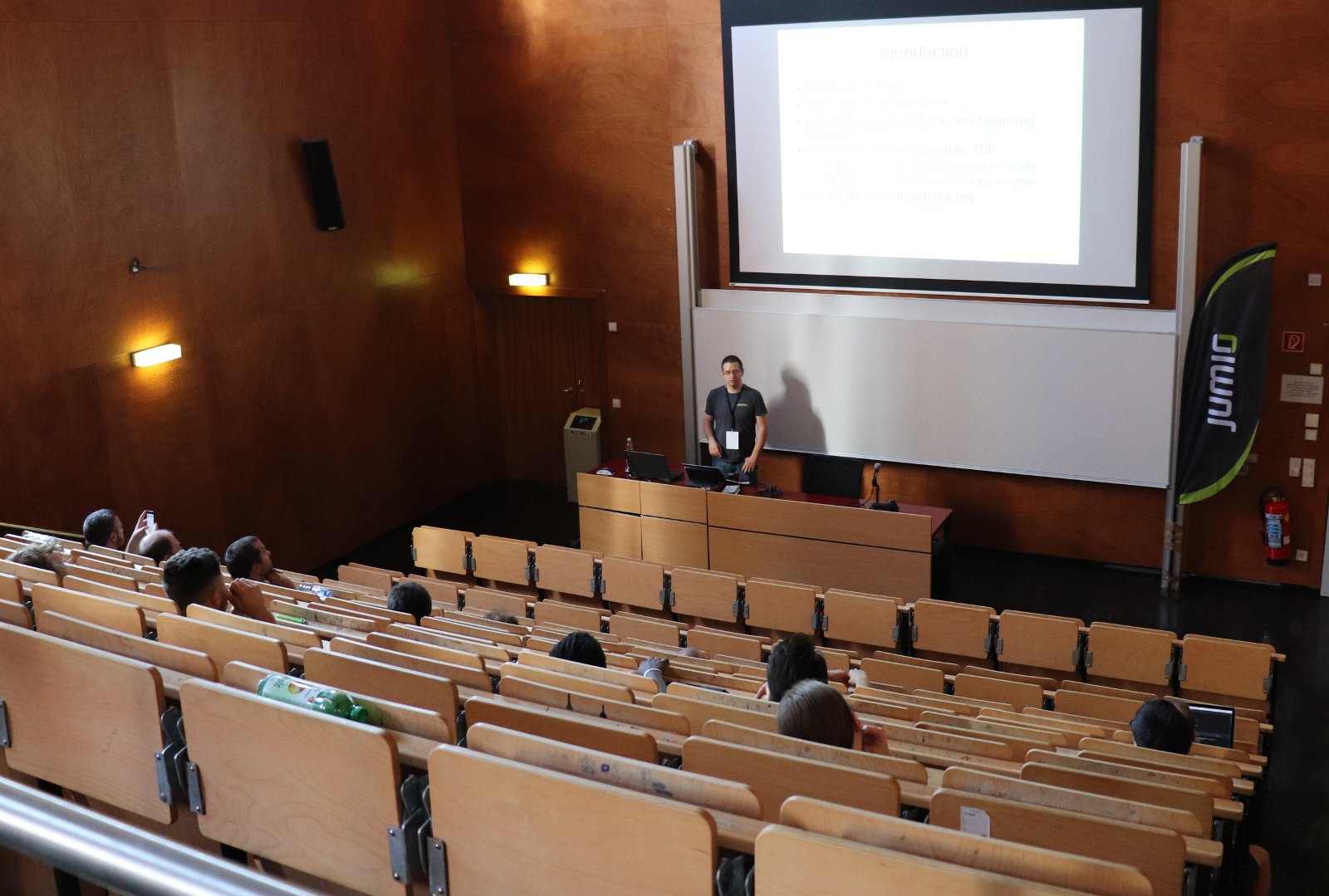
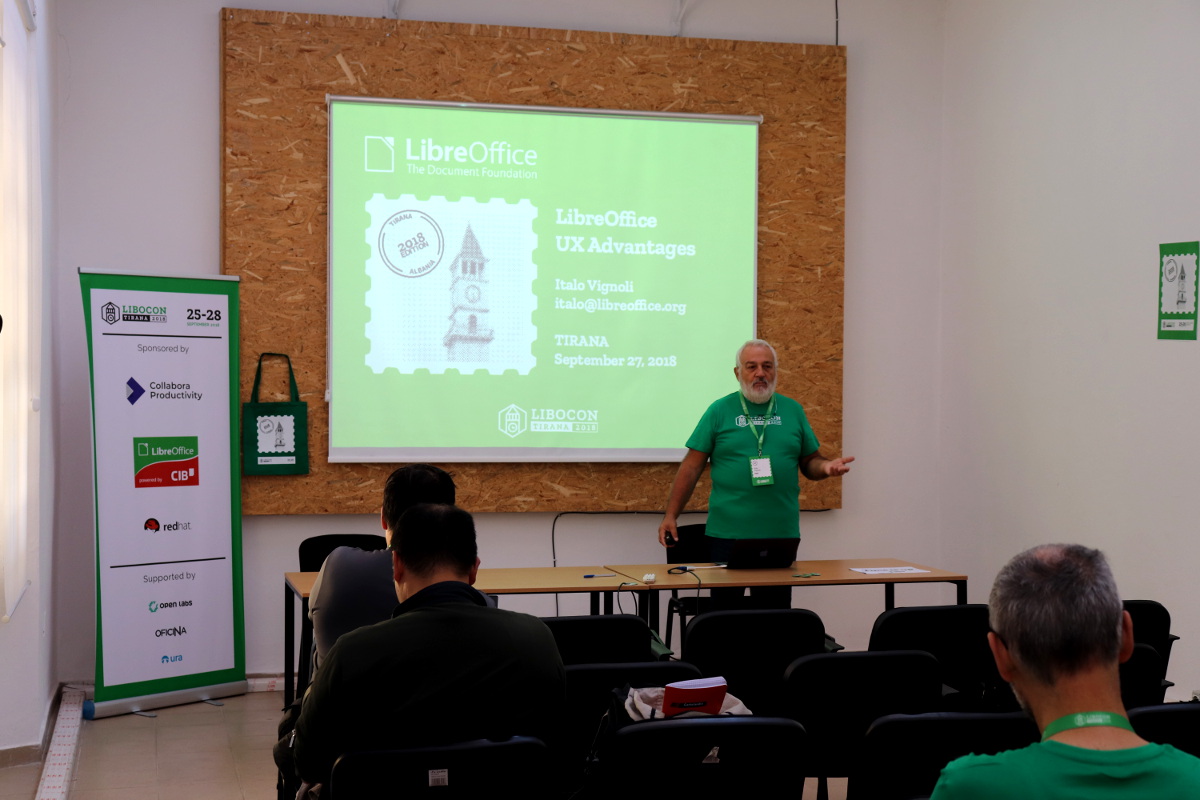
We started the day with presentations – such as LibreOffice’s user experience advantages:

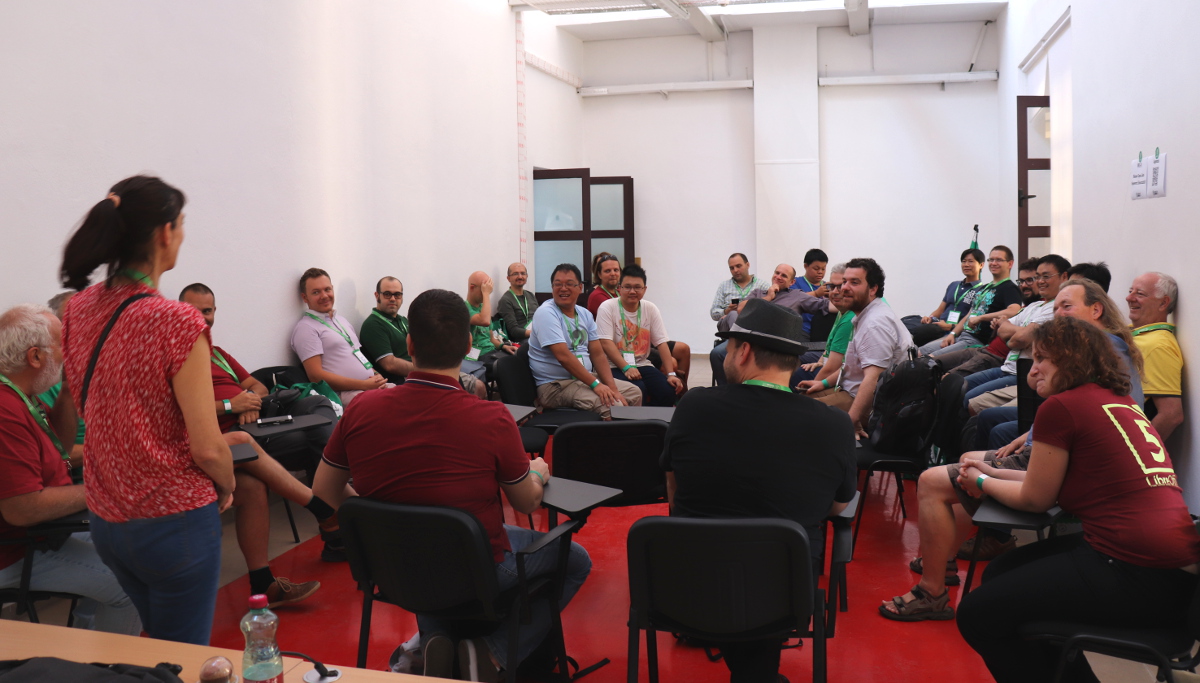
Meanwhile, the Engineering Steering Committee met in person:

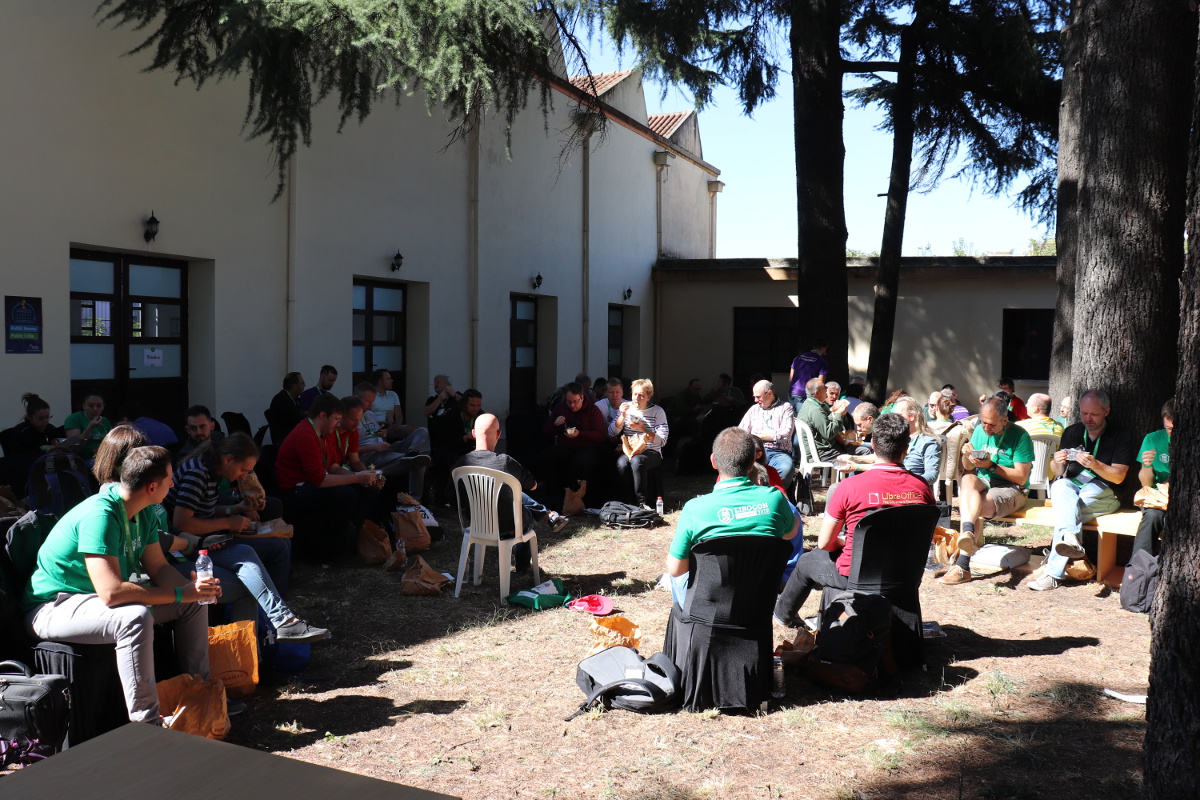
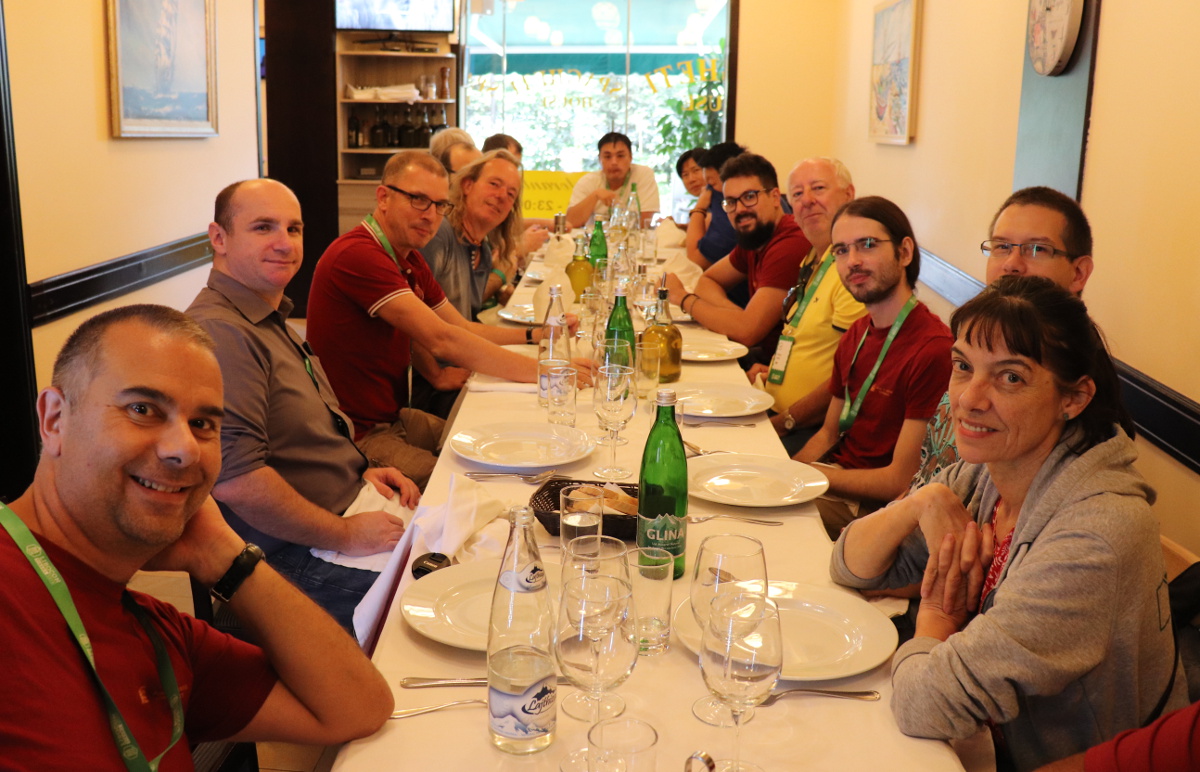
Relaxing with pasta for lunch!

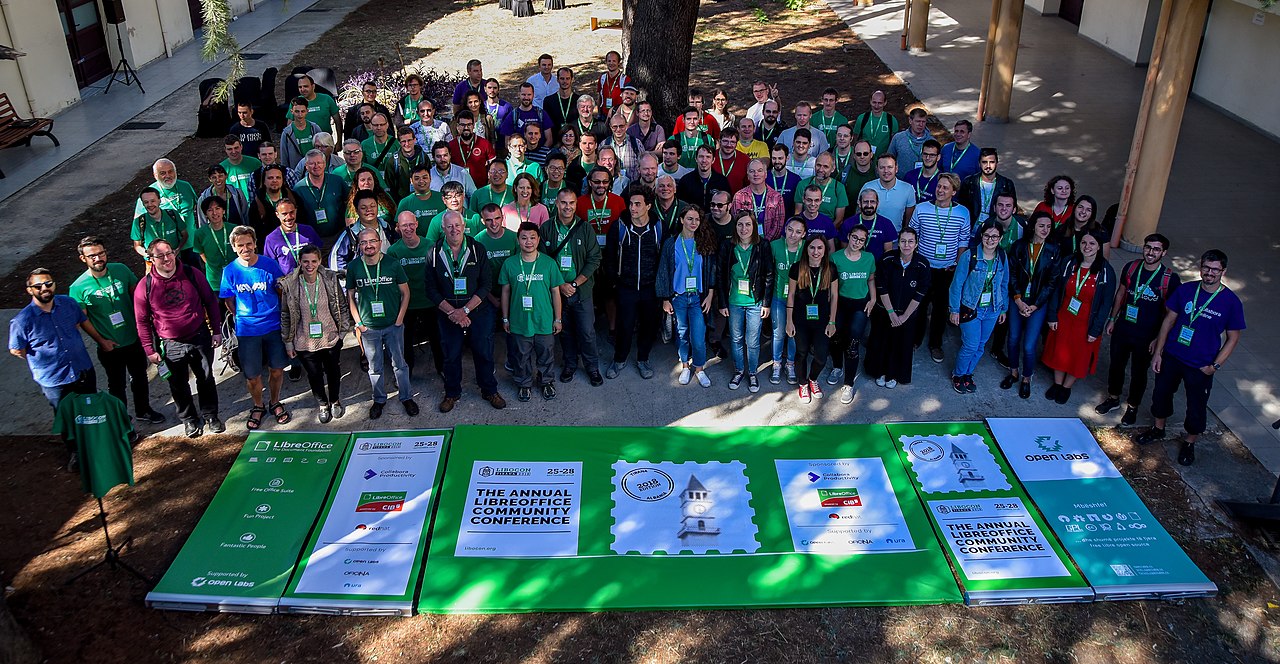
And then time for the group photo…

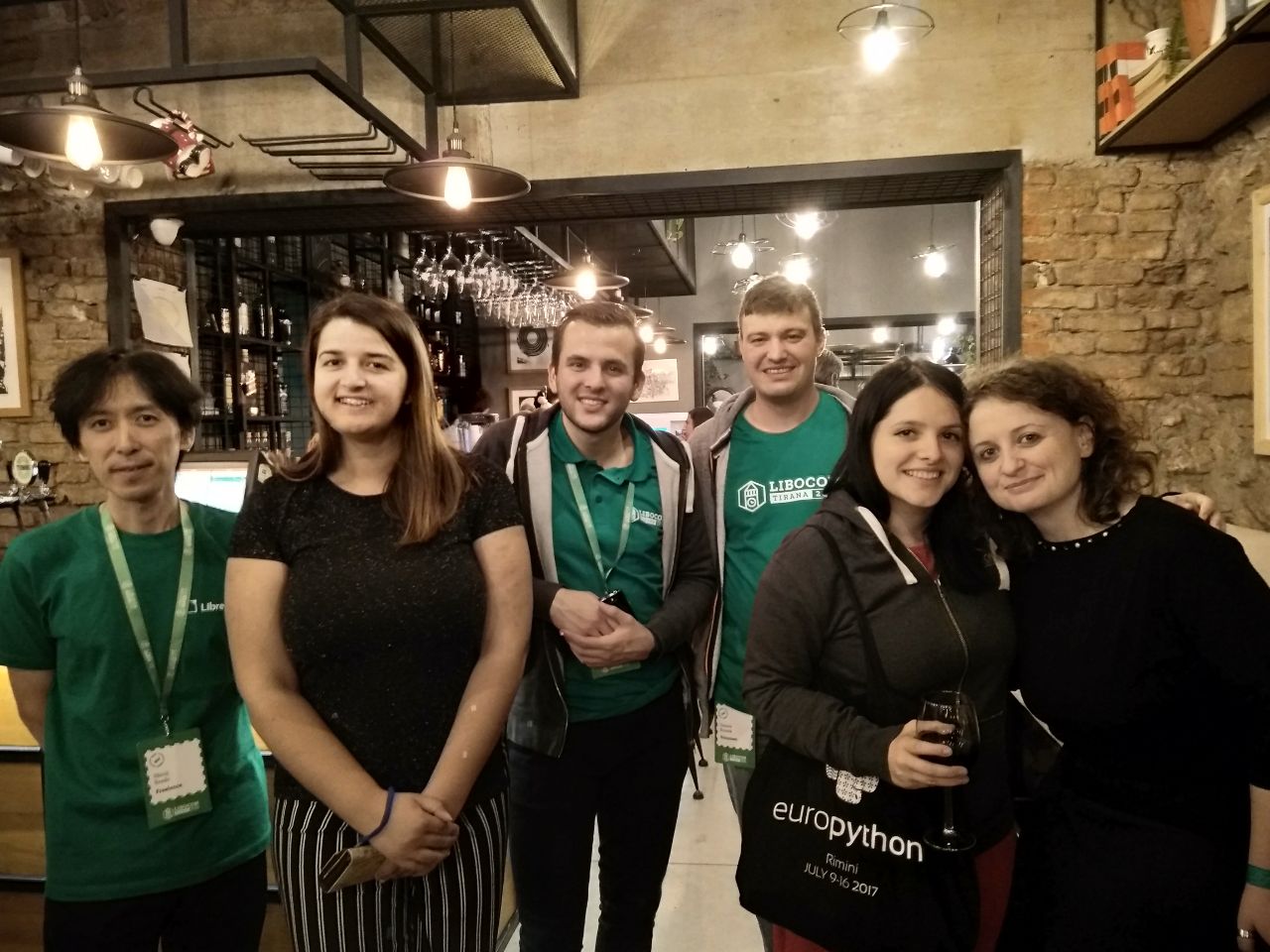
Having fun at the hackfest in the evening:

Now we’re into the final day! Stay tuned…

Announcement of LibreOffice 6.1.2 at LibreOffice Conference

Tirana (Albania), September 27, 2018 – The Document Foundation announces LibreOffice 6.1.2, the second minor release of the LibreOffice 6.1 family, targeted at early adopters, technology enthusiasts and power users. The new release was launched during the LibreOffice Conference 2018, in Tirana, the capital city of Albania. LibreOffice 6.1.2 provides around 70 bug and regression fixes over the previous version.

LibreOffice 6.1.2 bug and regression fixes are described in the change log page: https://wiki.documentfoundation.org/Releases/6.1.2/RC1 (changed in RC1).

Enterprise deployments

LibreOffice 6.1.2 represents the bleeding edge in term of features for open source office suites, and as such is targeted at technology enthusiasts, early adopters and power users.

For any enterprise class deployment, TDF maintains the more mature LibreOffice 6.0.6, which should be sourced from a company providing a Long Term Supported version of the suite (they are all members of TDF Advisory Board, and are listed here: https://www.documentfoundation.org/governance/advisory-board/).

Also, value-added services for migrations and trainings, to support enterprise class deployments in large organizations, should be sourced from certified professionals (list available here: https://www.libreoffice.org/get-help/professional-support/).

LibreOffice is deployed by large organizations in every continent. A list of some large or significant migrations announced in the media is available on the TDF wiki: https://wiki.documentfoundation.org/LibreOffice_Migrations.

Availability of LibreOffice 6.1.2

LibreOffice 6.1.2 is immediately available from the following link: https://www.libreoffice.org/download/. Minimum requirements for proprietary operating systems are Microsoft Windows 7 SP1 and Apple macOS 10.9. Builds of the latest LibreOffice Online source code are available as Docker images: https://hub.docker.com/r/libreoffice/online/.

LibreOffice Online is fundamentally a server service, and should be installed and configured by adding cloud storage and an SSL certificate. It might be considered an enabling technology for the cloud services offered by ISPs or the private cloud of enterprises and large organizations.

LibreOffice users, free software advocates and community members can support The Document Foundation with a donation at https://www.libreoffice.org/donate.

LibreOffice 6.1.2 is built with document conversion libraries from the Document Liberation Project: https://www.documentliberation.org.

LibreOffice Conference 2018: Day 2 in pictures

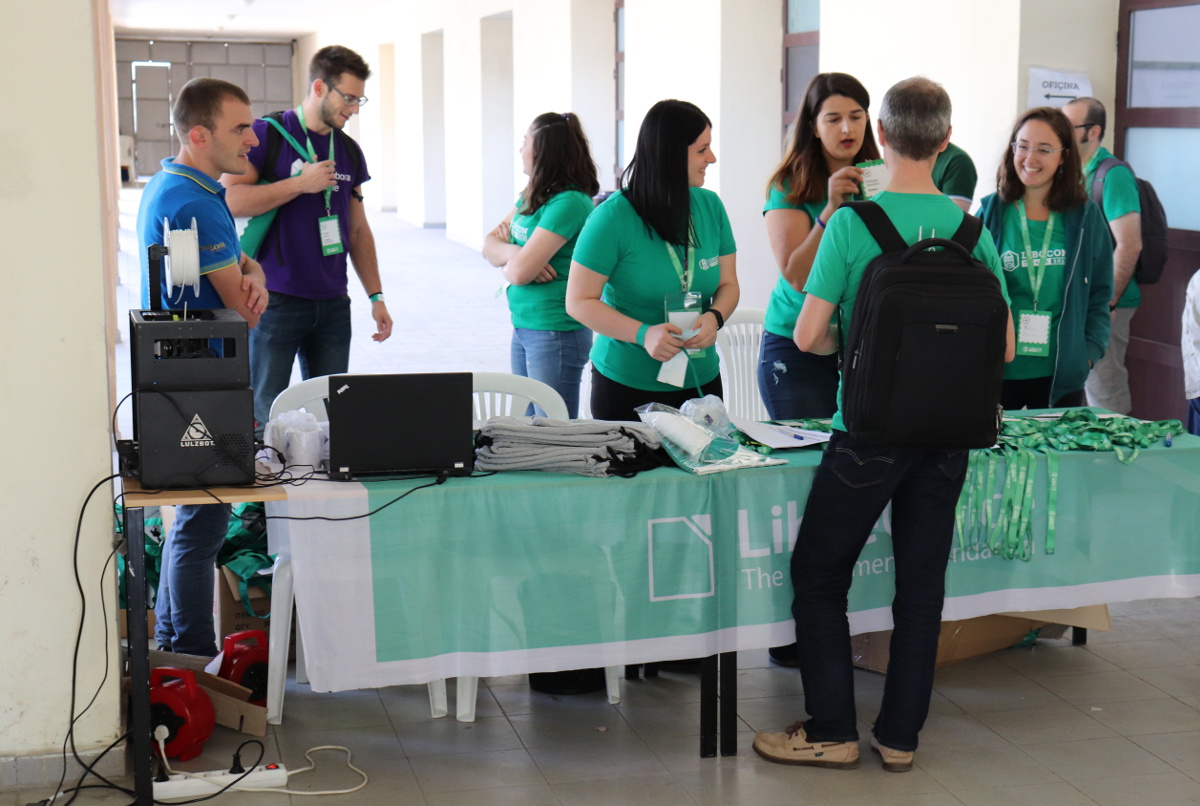
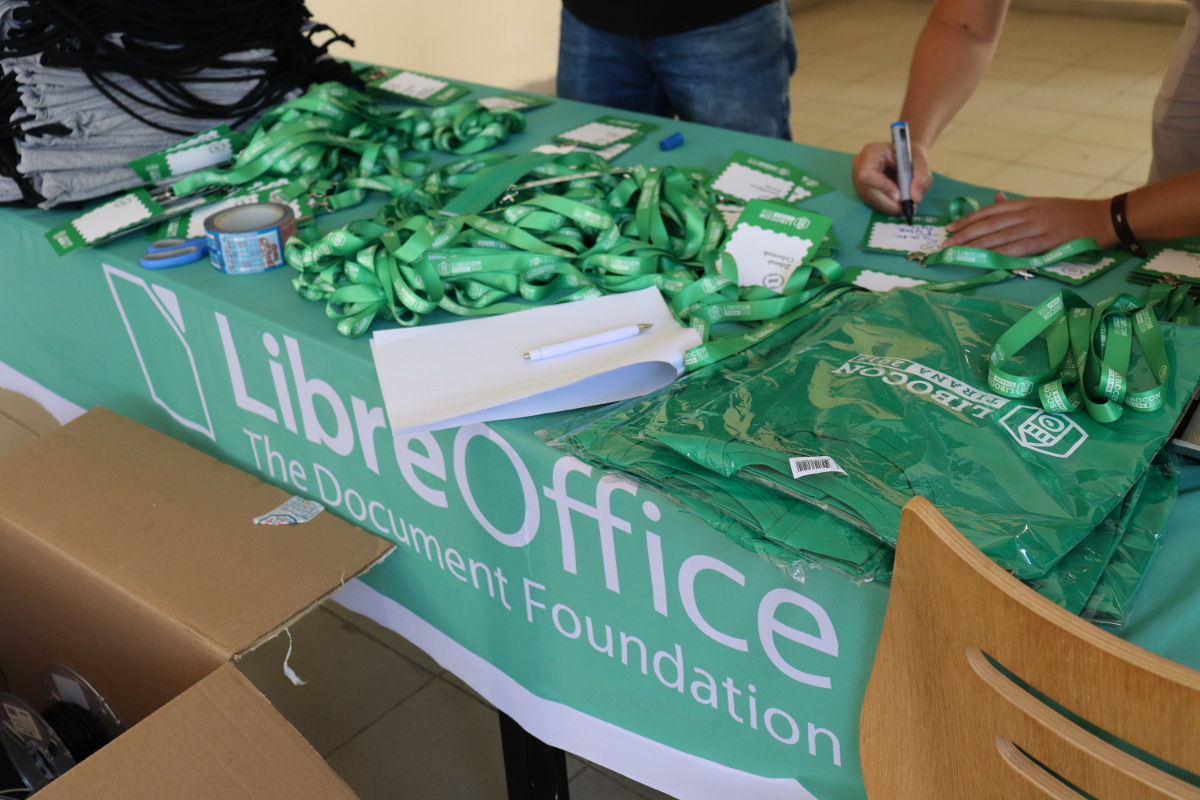
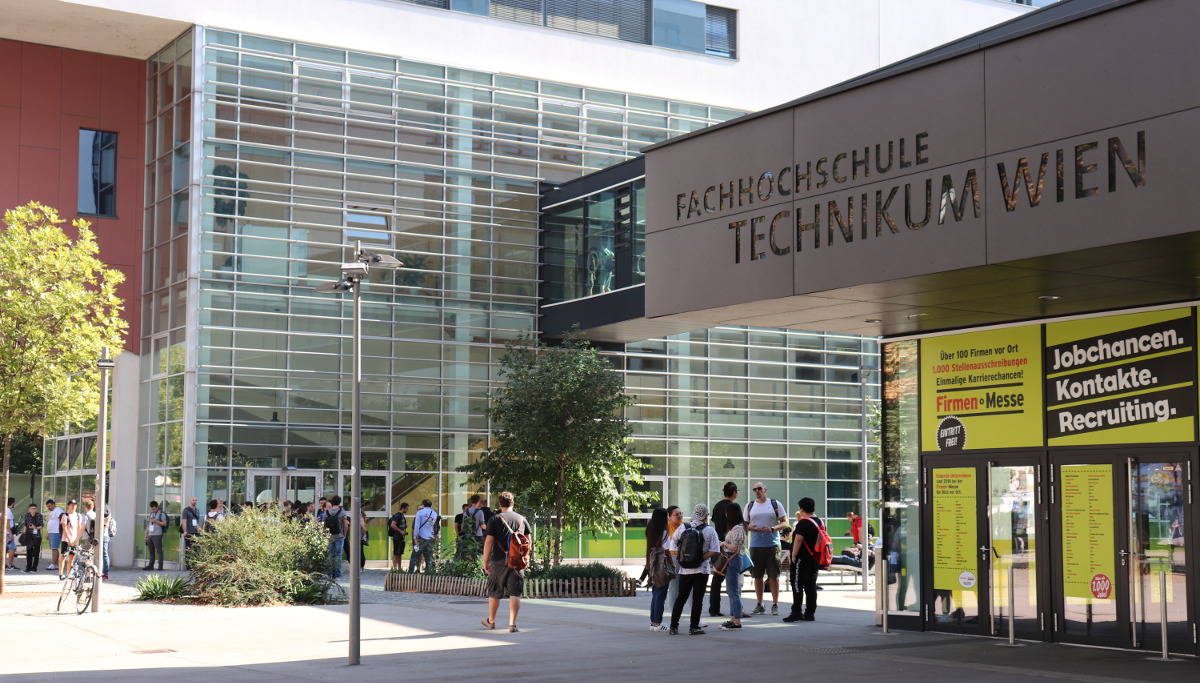
We welcomed attendees this morning:

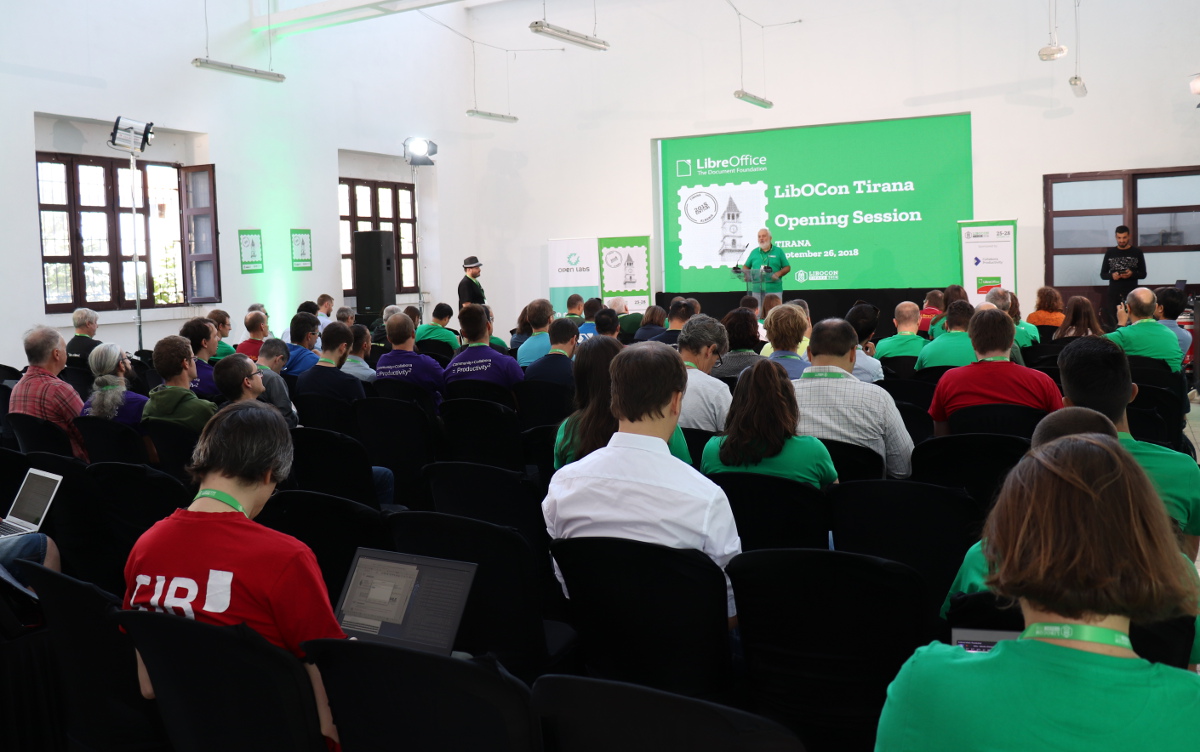
Then the opening session began!

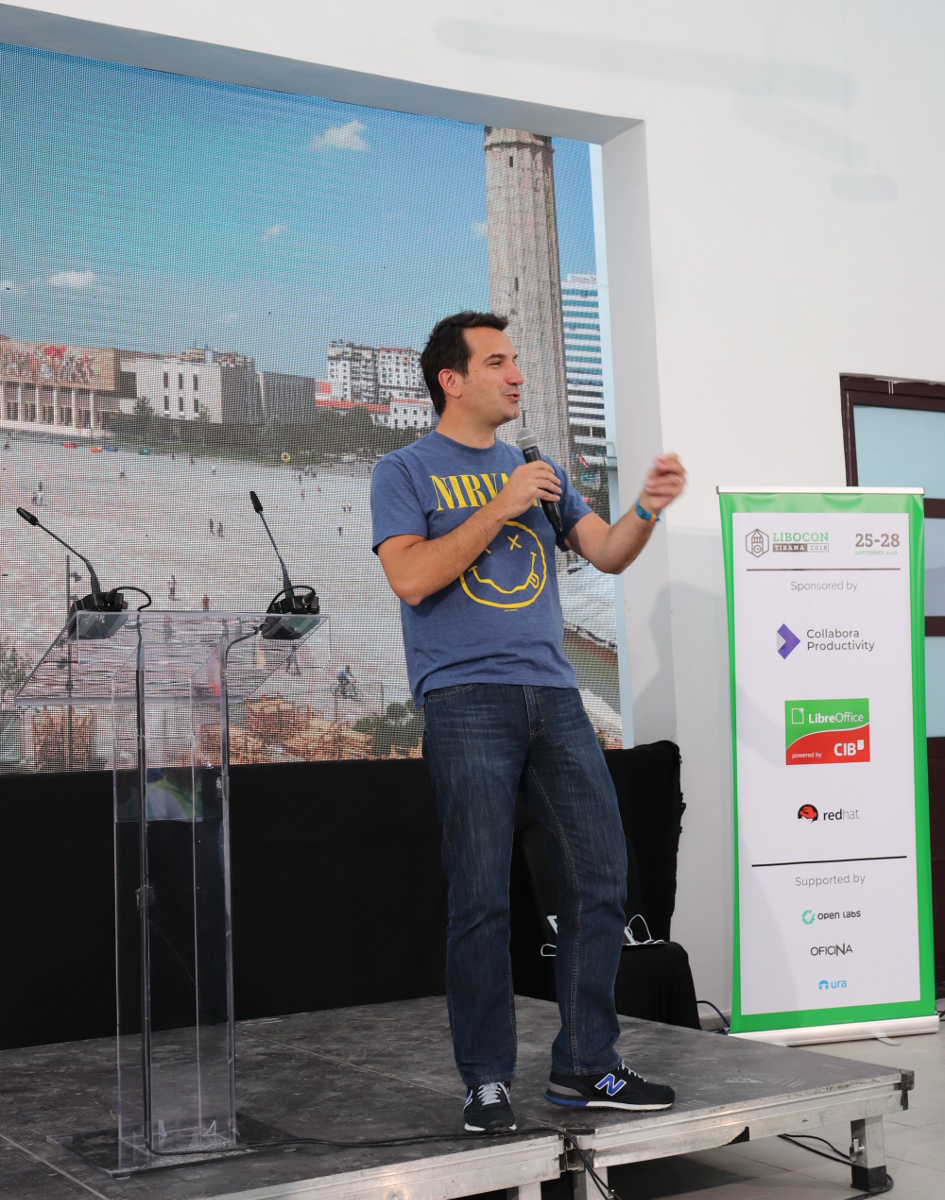
Erion Veliaj, Mayor of Tirana, joined us to talk about the importance of free and open source software in the city:

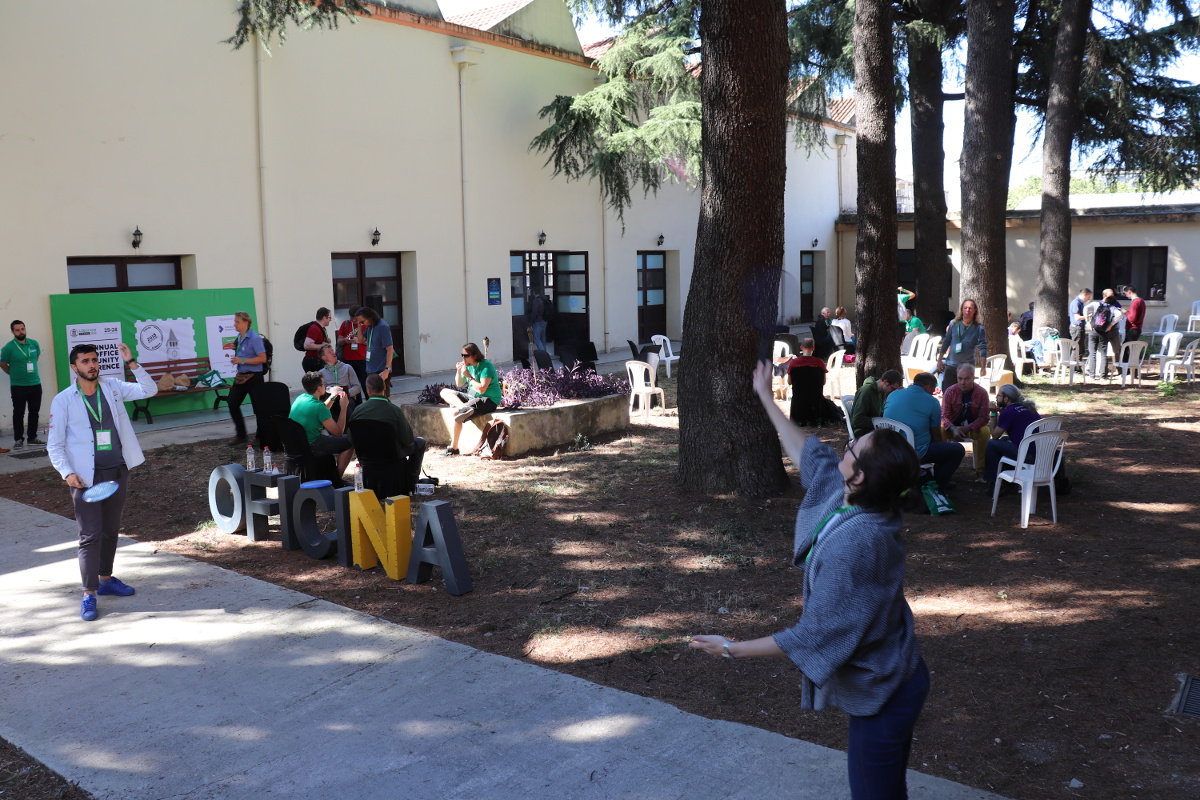
Fun and games at lunchtime:

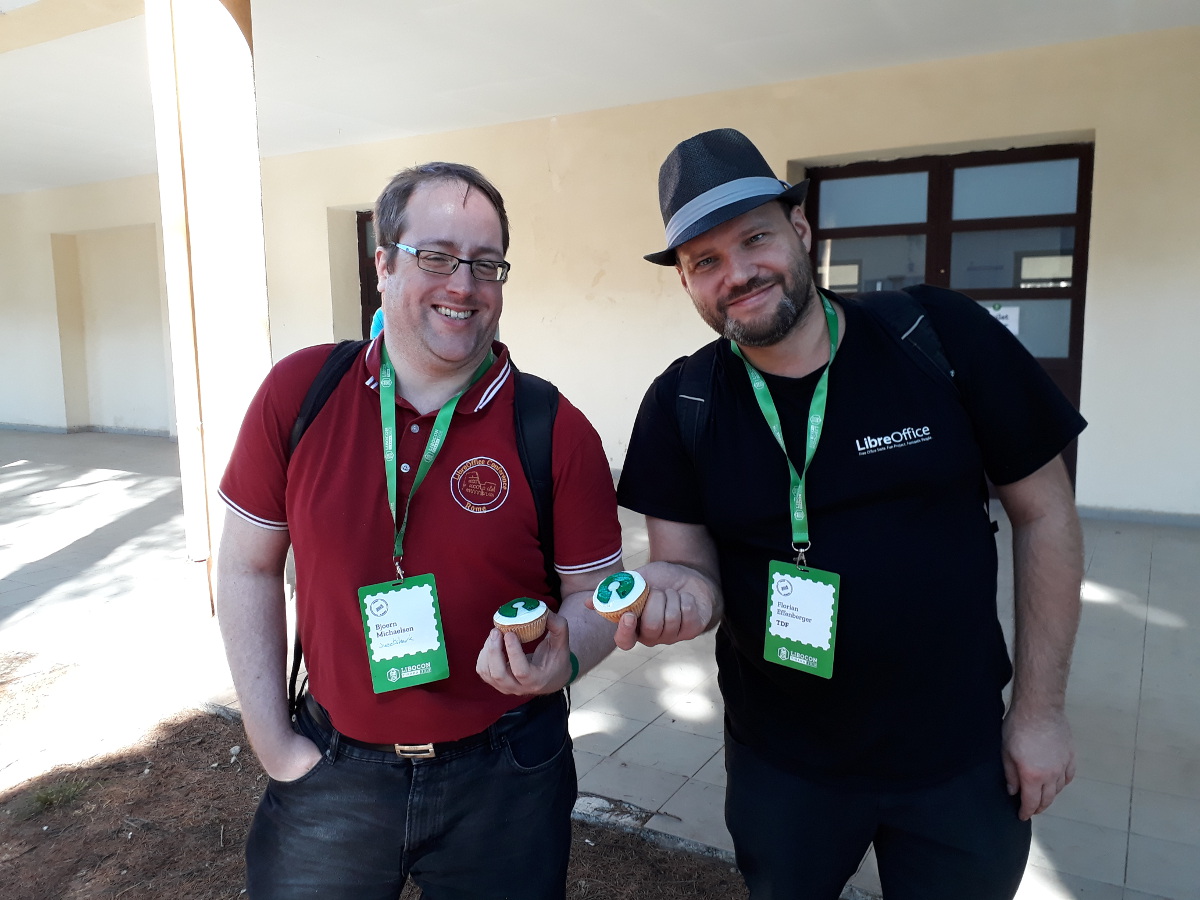
BjΓΆrn Michaelsen and Florian Effenberger celebrated 20 years of the Open Source Initiative:

Meanwhile, Heiko Tietze gave a talk about recent user interface improvements in LibreOffice:

See you tomorrow!

LibreOffice at droidcon Vienna

LibreOffice is available for Android smartphones and tablets – albeit as a “Viewer” application, for checking documents on the go. There is an experimental editing mode, but it still needs more work, and we’d love to have more help and feedback to improve it!

So to spread the word amongst potential contributors, Christian “Cloph” Lohmaier (LibreOffice’s release engineer) and Mike Saunders attended droidcon Vienna on 21st and 22nd of September.

Organised by AndroidHeads and the Google Developer Group Vienna, droidcon is made up of 20 sessions on various topics. On the first day, Cloph gave a talk titled “Struggles with a large native app, LibreOffice’s attempts at Android”, describing the first stages of development of the LibreOffice Viewer, challenges faced along the way, and the next steps to take. Full slides from the talk are here.

At the end of the talk, there were some questions from the audience about the build process and testing. As Cloph explained, the Viewer app doesn’t have many user interface elements to test, so the main issues are related to the “lifecycle” – ie when users open and close the app, rotate their devices, and so forth. And regarding the build system, Cloph noted that it’s much better today, compared to the early days of the app.

Meanwhile, one of the recurring topics at the conference was Kotlin, a “statically typed programming language for modern multiplatform applications” that runs on the Java VM. Kotlin is growing in popularity, so if you’re interested in the language and the possibility of converting the LibreOffice Android apps (including the Impress Remote), give us a hand! Our wiki has information on building the apps, and you can also talk to our developer community on IRC and mailing lists too.

Finally, after the first day of droidcon, there was an evening party with more opportunity to share ideas and meet people. So thanks to the organisers, and now we move on to the LibreOffice Conference 2018 in Tirana, which is just a few days away…!

#IDAD, International Day Against DRM

Today we are celebrating the International Day Against DRM.

DRM, or Digital Rights Management, is a set of access control technologies for restricting the use of proprietary hardware and copyrighted works, by controlling the use, modification, and distribution of copyrighted works. Instead of educating users, companies prefer to restrict them from exercising their legal rights under the copyright law, such as backing up copies of CDs or DVDs, lending materials out through a library, accessing works in the public domain, or using copyrighted materials for research and education under the fair use doctrine.

DRM is an epidemic spreading across the Web, infiltrating homes, classrooms, workplaces, and just about everywhere else users can go. Tools, technologies, books, games, movies, and music are coming to us locked down with DRM, whether they are streaming or claim to be locally hosted.

DRM can be associated to document lock in by means of pseudo-standards. They are both hidden to users and reduce their freedom as they make sharing contents – even when fully legitimate – completely or partially impossible.

The Document Foundation supports the International Day Against DRM as part of its daily fight to make content sharing available to all individuals, and to educate them to adopt open standards to foster innovation.