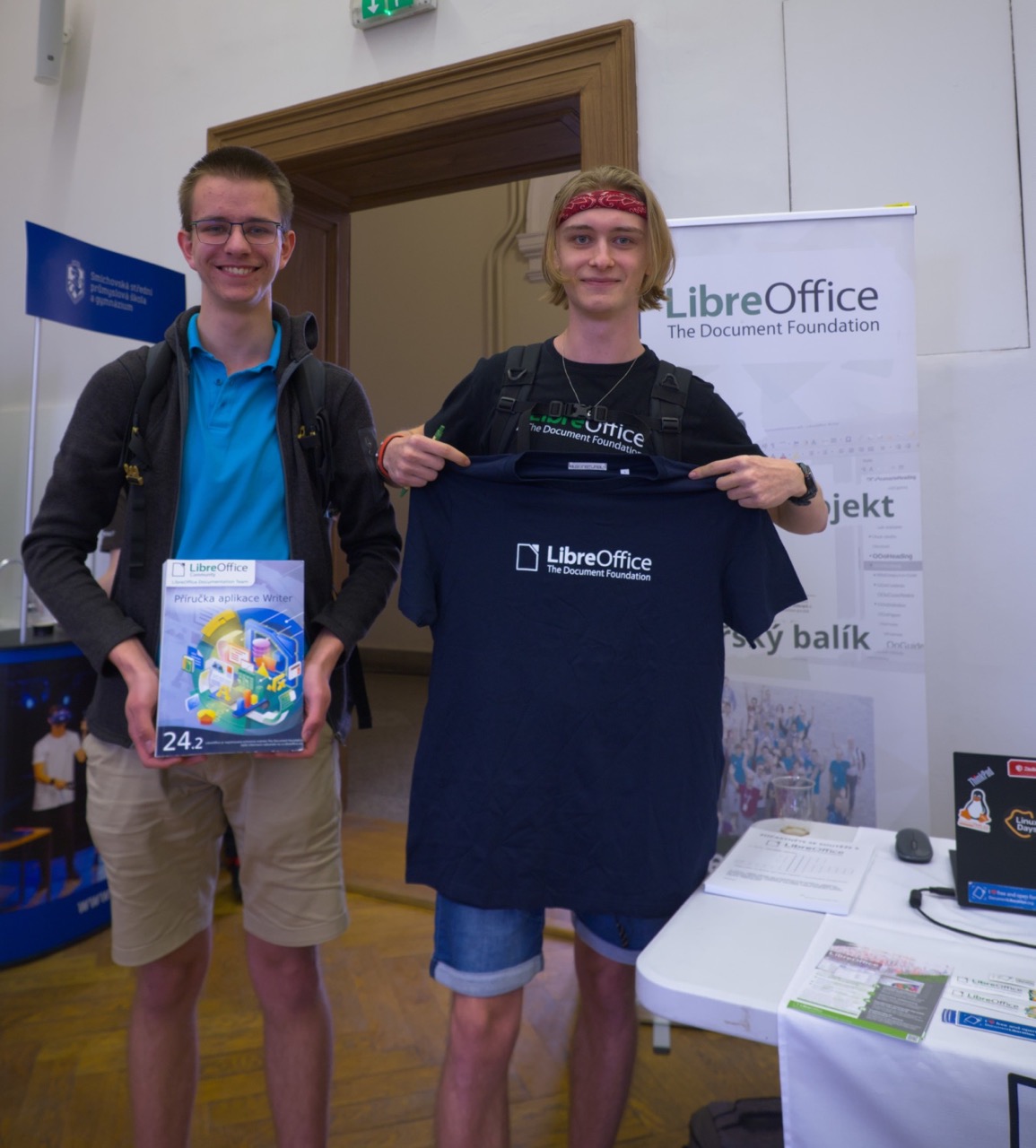
Get cool LibreOffice merchandise – and support our projects and community! We’ve updated our Spreadshirt shop with new designs, and part of the sales go to The Document Foundation, the non-profit organisation behind the suite.

Get cool LibreOffice merchandise – and support our projects and community! We’ve updated our Spreadshirt shop with new designs, and part of the sales go to The Document Foundation, the non-profit organisation behind the suite.

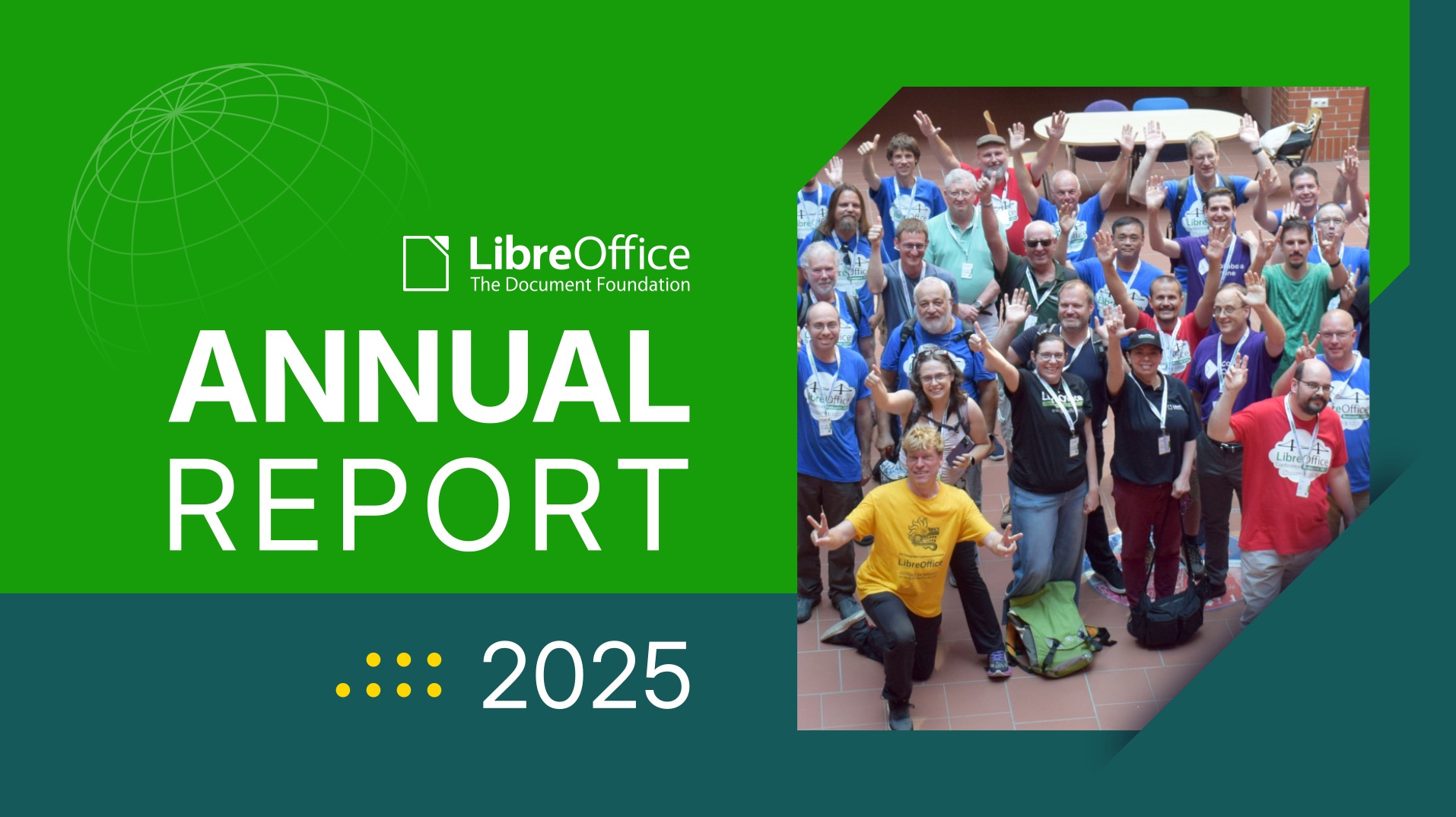
(This is part of The Document Foundation’s Annual Report for 2024 – we’ll post the full version here soon.)
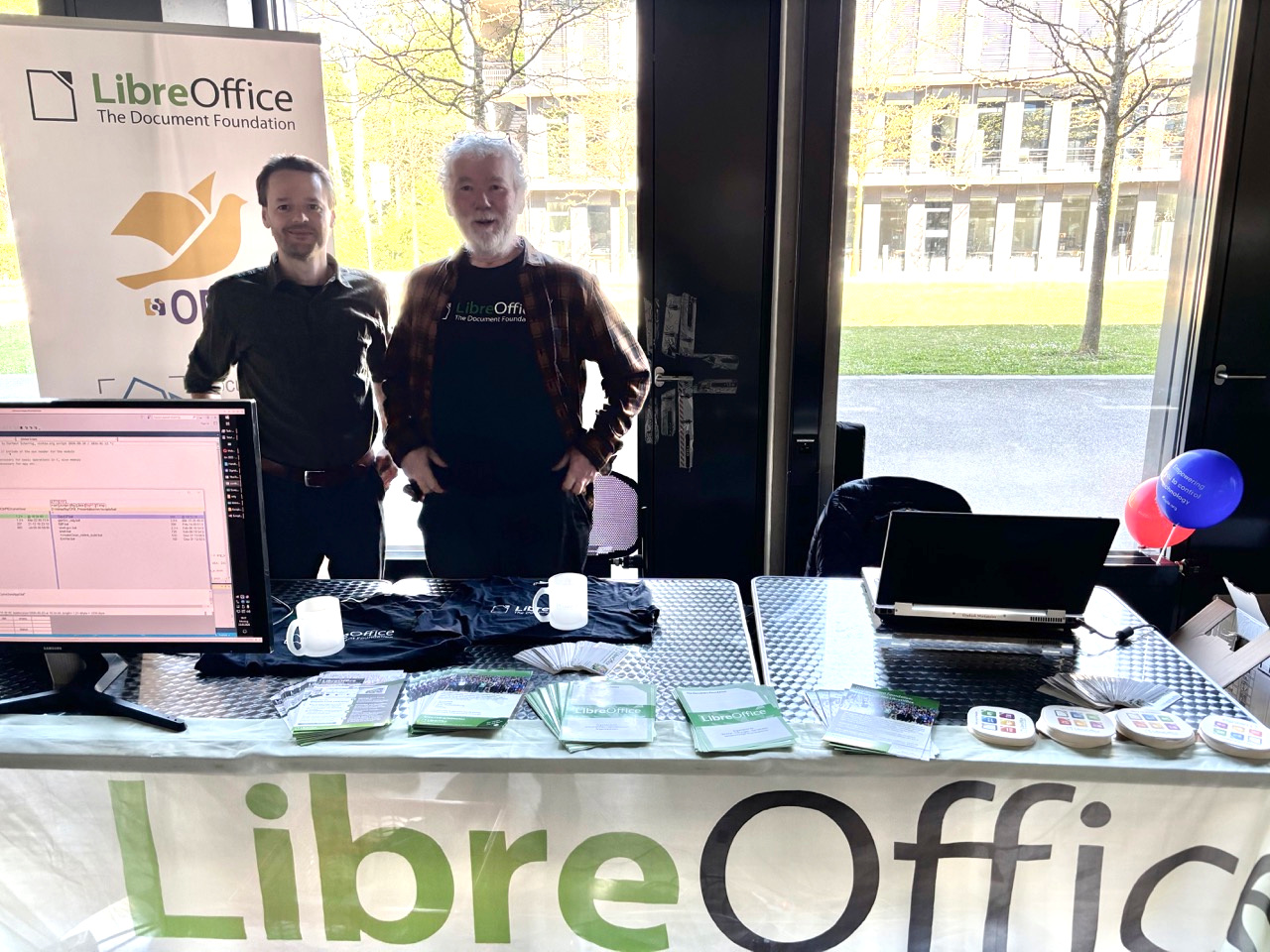
A major highlight of TDF’s 2024 marketing activities was the LibreOffice and Open Source Conference, held from October 10 to 12 in Luxembourg. The annual event brought together contributors from around the world, including developers, designers, documentation writers, translators, and marketers.
Marketing efforts for the conference included:
The conference acted as a vital showcase of LibreOffice’s progress, community strength, and future plans.

Throughout May and November 2024, TDF organized its recurring “Month of LibreOffice” initiative. This campaign aimed to recognize and reward community contributors across various roles, including development, documentation, QA and marketing.
Participants who contributed during the campaign period were acknowledged through:
This initiative not only celebrated existing contributors but also attracted new participants interested in supporting open source software.

In November 2024, TDF launched its LibreOffice Podcast, a new platform to discuss topics related to LibreOffice and the wider world of open source software. The podcast aimed to:
The first episode focused on marketing strategies for FOSS, with discussions on how to engage institutions and governments in adopting LibreOffice.
Please confirm that you want to play a YouTube video. By accepting, you will be accessing content from YouTube, a service provided by an external third party.
If you accept this notice, your choice will be saved and the page will refresh.
In 2024, TDF expanded and optimized its social media presence. Alongside its traditional platforms like Twitter (X) and Facebook, TDF increased its focus on:
These efforts aimed to grow the project’s audience, particularly among decision-makers in public administration and enterprises.
TDF placed a strong emphasis on supporting native language communities. The marketing team worked with volunteers worldwide to produce localized materials, including:
Several regions ran independent marketing initiatives, including:

Throughout the year, TDF organized workshops and training sessions aimed at onboarding new users and contributors. These included:
The Open Source Workshops helped public sector organizations understand the benefits of LibreOffice and how it can replace proprietary office suites.
LibreOffice participated in the Outreachy program, with a focus on developing new templates for LibreOffice Writer. These templates included resumes, reports, and business documents aimed at improving the user experience and broadening appeal, particularly for users migrating from proprietary suites.
Marketing activities highlighted:
TDF continued its media relations work, distributing regular press releases covering:
TDF’s press outreach focused on reinforcing LibreOffice’s position as a cost-effective, secure, and privacy-respecting alternative to proprietary office suites.
The marketing efforts in 2024 yielded significant results:

In 2024, through conferences, campaigns, podcasts, and media outreach, TDF advanced its mission of promoting free and open source software while making LibreOffice more accessible and trusted around the world. These marketing efforts not only amplified LibreOffice’s visibility but also demonstrated the value of community-driven open source projects in delivering professional-grade software solutions.

(This is part of The Document Foundation’s Annual Report for 2024 – we’ll post the full version here soon.)
The Document Foundation website provides general information about the foundation (overview, statutes, code of conduct, financials and reports) and its governance (board of directors, membership committee, members, advisory board, and engineering steering committee), and about LibreOffice certification, including a list of certified developers, and professionals for migrations and trainings.
During 2024, the foundation’s website was visited 98,499 times, with 146,456 page views – a slight reduction in visits but also a slight growth in page views from 2023. Continent-wise, the largest chunk of visits were from Europe (52%), followed by North America (24%) and Asia (16%). And regarding software: the most visits were from PCs using the Windows (65%) operating system, followed by GNU/Linux (10%) and macOS (8%) and devices uses Android (6.2%), while for browsers: Chrome had 39%, followed by Firefox (16%) and Microsoft Edge (15%).

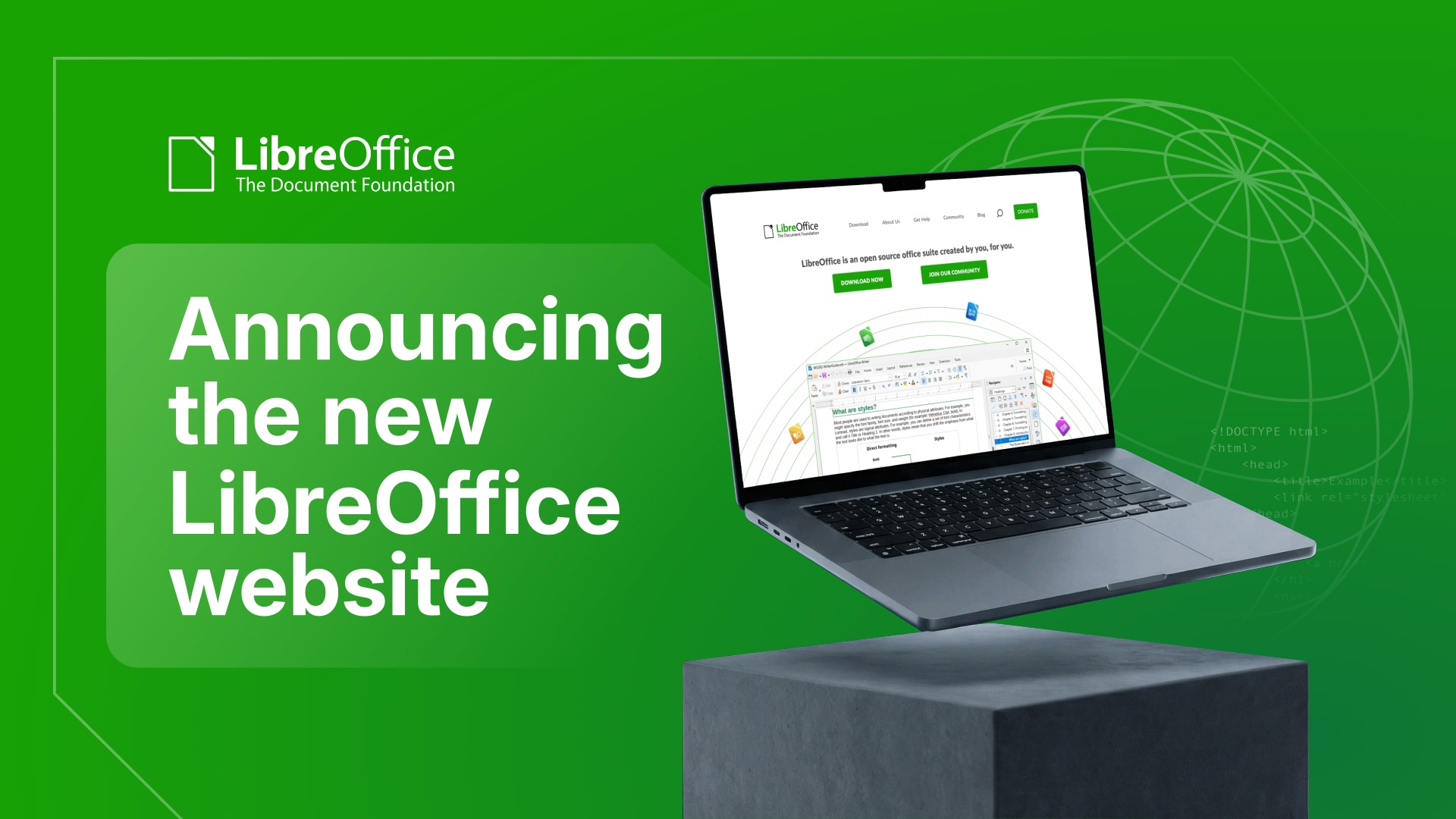
The LibreOffice website provides information about the office suite and the document format, the various download options, how to get help, how to contribute to the project, events where users can get to know the LibreOffice community, and how to make a donation to support the project and the community.
In 2024, we continued to make improvements and tweaks to the website, updating the “Discover” and “New Features” sections of the site to reflect new versions of the software.
During 2024, the English-language LibreOffice website was visited 19,298,517 times (a 0.6% gain over 2023), with 46,065,236 page views (a 0.1% gain). Most visits were from Europe (52%), followed by Asia (20%), North America (15%) and South America (9%), from PCs using the Windows operating system (82%), followed by macOS (6%) and Linux (23%). Regarding web browsers, Chrome was the most popular (41%), followed by Microsoft Edge (29%) and Firefox (13%).

TDF’s blogs (like this one) are essential for communicating activities inside and around the project, including new releases of LibreOffice, community events and support for other free and open source initiatives. In 2024, we used them to post regular interviews with community members and provide updates from team members about documentation, marketing, QA, design and more.

Blogs were also maintained by various native language communities including Japanese, Spanish, German and others. Thanks to the hard work of community members, we had press releases, tips and other articles translated into many languages, and picked up by local media organisations.
These native language blogs complement the information provided by the main blog in English, and by the two blogs managed by members of the design and the quality assurance projects, which provide updates about activities for the upcoming major releases.
In 2024, the blog had 100,180 visits and 131,174 page views – a drop in both cases of around 30% from the previous year. The press releases for LibreOffice 24.2 and 24.8 were the most popular posts, followed by the posts about the German state of Schleswig-Holstein moving 30,000 PCs from Microsoft Office/365 to LibreOffice.
In January 2024, our X (formerly known as Twitter) account (@LibreOffice) had 63,060 followers; by the end of the year, we had grown this to 68,870. Our most popular posts were for major releases of LibreOffice, and news about migrations to the suite. We posted customised images for “Community Member Monday” interviews with short quotes, encouraging more users to get involved with LibreOffice projects.
In addition, we focused not only on our own posts, but also retweeting announcements from the LibreOffice community members. We liked and reposted messages of support from end users – many of whom were surprised and thankful that a large project would show them support. To keep the content flowing, we reposted popular older tweets, and responded to individual messages.
On other social media platforms, we focused on growing our account on Mastodon, a Twitter-like open source, federated and self-hosted microblogging service. In 2024 we worked more on expanding our activities on our account @libreoffice@fosstodon.org, and from January to December, we grew our follower base from 25,440 to 29,326. We also joined Bluesky in late 2023 thanks to invites from a community member, and by December 2024 our follower count had reached 2,900.

Our Facebook page growth was smaller, from 63,348 page followers to 64,239. We’ve noticed a gradual reduction in activity on Facebook over the last few years, which reflects its changing audience, and the move towards other social media platforms. Nonetheless, Facebook still provides a good opportunity to interact with end users of LibreOffice, and every day we checked in to answer questions, get feedback, and post announcements/tips about the software.
Our YouTube channel grew from 20,638 subscribers and 3,243,107 video views in January 2024 to 22,586 subscribers and 3,534,370 video views by the end of the year. The most popular videos were the “New Features” videos for LibreOffice 24.2 and 24.8, and we also added videos of talks, presentations and workshops from the LibreOffice Conference 2024.
At the end of 2024, we posted the first video from the new LibreOffice Podcast series, where Italo Vignoli and Mike Saunders from TDF talked about the challenges and opportunities in marketing free and open source software like LibreOffice. More podcasts are planned for 2025.
Please confirm that you want to play a YouTube video. By accepting, you will be accessing content from YouTube, a service provided by an external third party.
If you accept this notice, your choice will be saved and the page will refresh.

On March 26, we celebrated Document Freedom Day. Mike Saunders from The Document Foundation, the non-profit behind LibreOffice, gave an online talk about the importance of open standards and free software:
Please confirm that you want to play a YouTube video. By accepting, you will be accessing content from YouTube, a service provided by an external third party.
If you accept this notice, your choice will be saved and the page will refresh.

Nearly a year ago, we posted about the German state of Schleswig-Holstein’s plan to move 30,000 PCs from Microsoft Office/365 to LibreOffice.
Now, Stephane Fermigier from EuroStack – which promotes European technological sovereignty and open source – has posted an update, citing an article in the German c’t Magazin. It discusses various reasons for the migration to LibreOffice and Linux, including:
In Fermigier’s post he also points to a recent talk from the LibreOffice Conference 2024 in Luxembourg (see below – video also available on PeerTube). Meanwhile, Dirk Schrödter, Head of the State Chancellery of Schleswig-Holstein, posted some thoughts on LinkedIn, including:
This is not just about technological independence but also about economic aspects. At present, our administrations and businesses are trapped in a system characterized by monopolistic structures and high licensing fees. […] It is a core responsibility of our state to be able to influence the operational processes of its IT systems at all times and to ensure the data security of its citizens and businesses. […] The necessary conclusion can only be: Open Source software must become the standard in our digitalized administration.
Please confirm that you want to play a YouTube video. By accepting, you will be accessing content from YouTube, a service provided by an external third party.
If you accept this notice, your choice will be saved and the page will refresh.
LibreOffice 25.2 is our new major stable release, with many new features. This video which shows a few of them (also available on PeerTube) is in English but has subtitle translations in 17 languages, thanks to our awesome localisation communities! (You can see their work on this wiki page.)
Join them and help to make LibreOffice, its documentation and marketing materials available in more languages.
Please confirm that you want to play a YouTube video. By accepting, you will be accessing content from YouTube, a service provided by an external third party.
If you accept this notice, your choice will be saved and the page will refresh.