
How TDF uses its tendering process to improve LibreOffice and share knowledge with the community

In 2017, The Document Foundation (TDF) launched four tenders aimed at improving LibreOffice in several strategic areas, where the tasks are beyond the capabilities of independent volunteer developers. Proposals from several companies have been carefully evaluated by the Foundation with the help of competent and independent volunteers. Development activity is going to start soon and we want to share some details with you upfront.

All proposals include sharing knowledge via blog posts and other documentation. The source code will be available in the public Git repository, while the development process will be discussed during public ESC calls and in our open mailing lists. This will make it easier for volunteer developers to further contribute to the source code and to implement additional features based on the tendered items.

Development results will be evaluated by TDF jointly with the volunteers who helped to assess the proposals.

These are the four tenders:

(1) Tender to Implement Accessibility Improvements
(https://blog.documentfoundation.org/blog/2017/04/27/tender-accessibility/)

Hypra will develop a tool to find and flag new Glade widgets that are added without accessibility (a11y) markup, which will catch all the common cases and blacklist all the existing dialog and/or widgets without these. The goal is to avoid future a11y regressions.

TDF will invest € 18,000.00

(2) Tender to improve image handling in LibreOffice
(https://blog.documentfoundation.org/blog/2017/05/02/tender-improve-image-handling-libreoffice-201705-01/)

Collabora will develop a mechanism, which will be propagated through filters and UNO APIs, to better manage (compressed) image streams out of document storage into an on-disk cache. This should avoid any chance of data loss, while improving image detail reading performance and storage

TDF will invest € 39,750.00.

(3) Tender to deprecate LibreOffice’s SVG filter in favor of SVGIO
(https://blog.documentfoundation.org/blog/2017/05/03/tender-deprecate-libreoffices-svg-filter-favour-svgio-201705-02/)

CIB will remove the old SVG import filter code (used for importing documents) and switch all SVG handling to the SVGIO filter (used when inserting images into a file).

TDF will invest € 9,520.00.

(4) Tender to implement HSQLDB binary format import in LibreOffice
(https://blog.documentfoundation.org/blog/2017/05/04/tender-implement-hsqldb-binary-format-import-libreoffice-201705-03/)

Collabora will develop a mechanism to import database files with high fidelity from the HSQLDB binary file format, which has been used inside many existing ODB files, by reading the Java serialization code, and writing a filter to import all data into LibreOffice Base. The objective is to remove the legacy Java/HSQLDB database and move to Firebird.

TDF will invest € 29,750.00.
Sunday Marketing #4

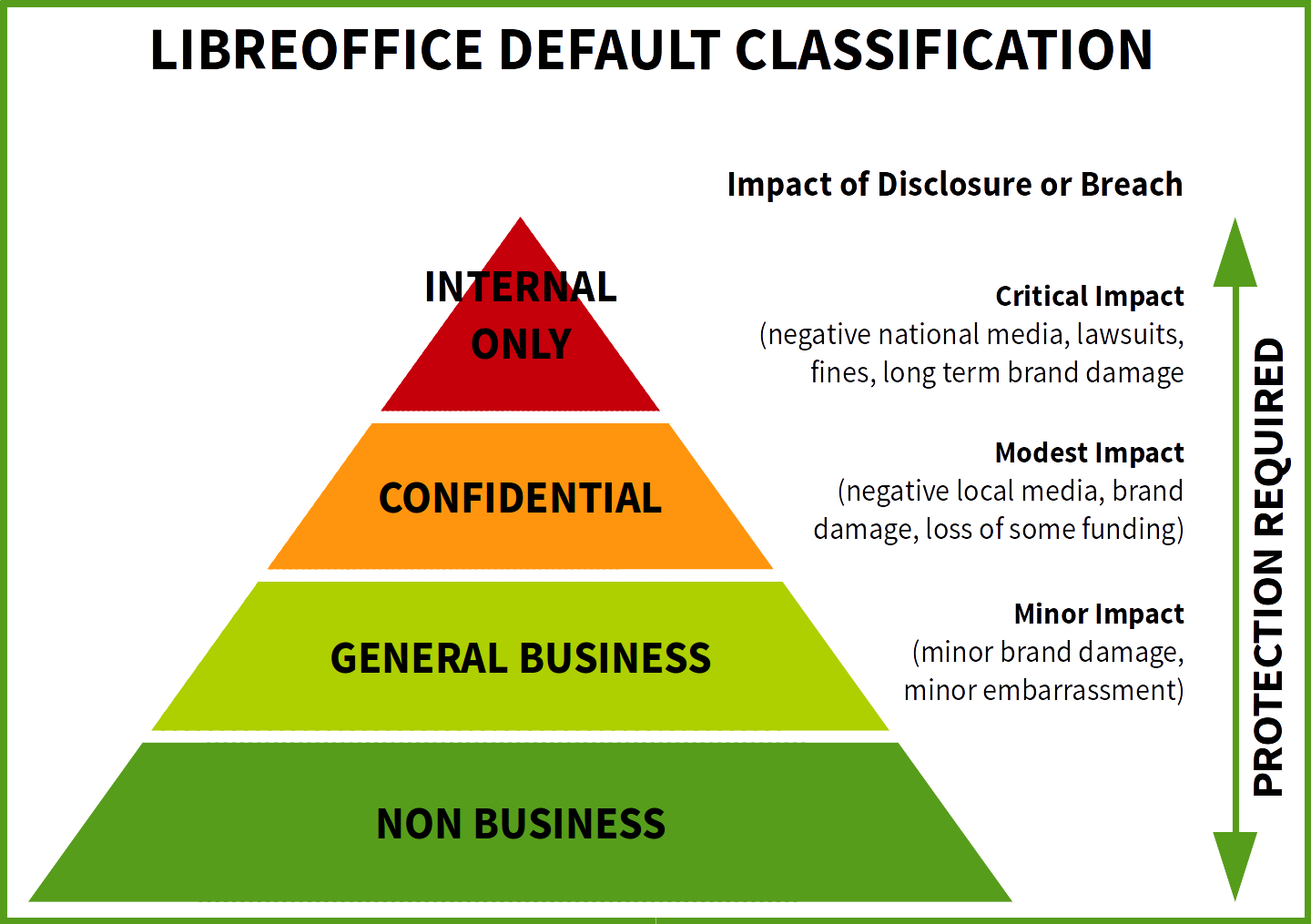
Document classification is one of LibreOffice 6.0 improved features. As the concept of classification is not well known outside enterprises and large organizations, to help marketing the feature we have produced this graphic to help community members with presentations. Of course, we have used LibreOffice Draw, and you are invited to localize the ODG file embedded into the attached Hybrid PDF file. The graphic complements the background, which provides additional information about classification.

LibreOffice community focus: Design

LibreOffice’s design community works on the software’s user interface (UI), improving its usability and accessibility. With LibreOffice 6.0 due to be released at the end of the month, we talked to members of the community to get their perspectives on the new version…

What have you been working on in preparation for LibreOffice 6.0?

Various things, including:

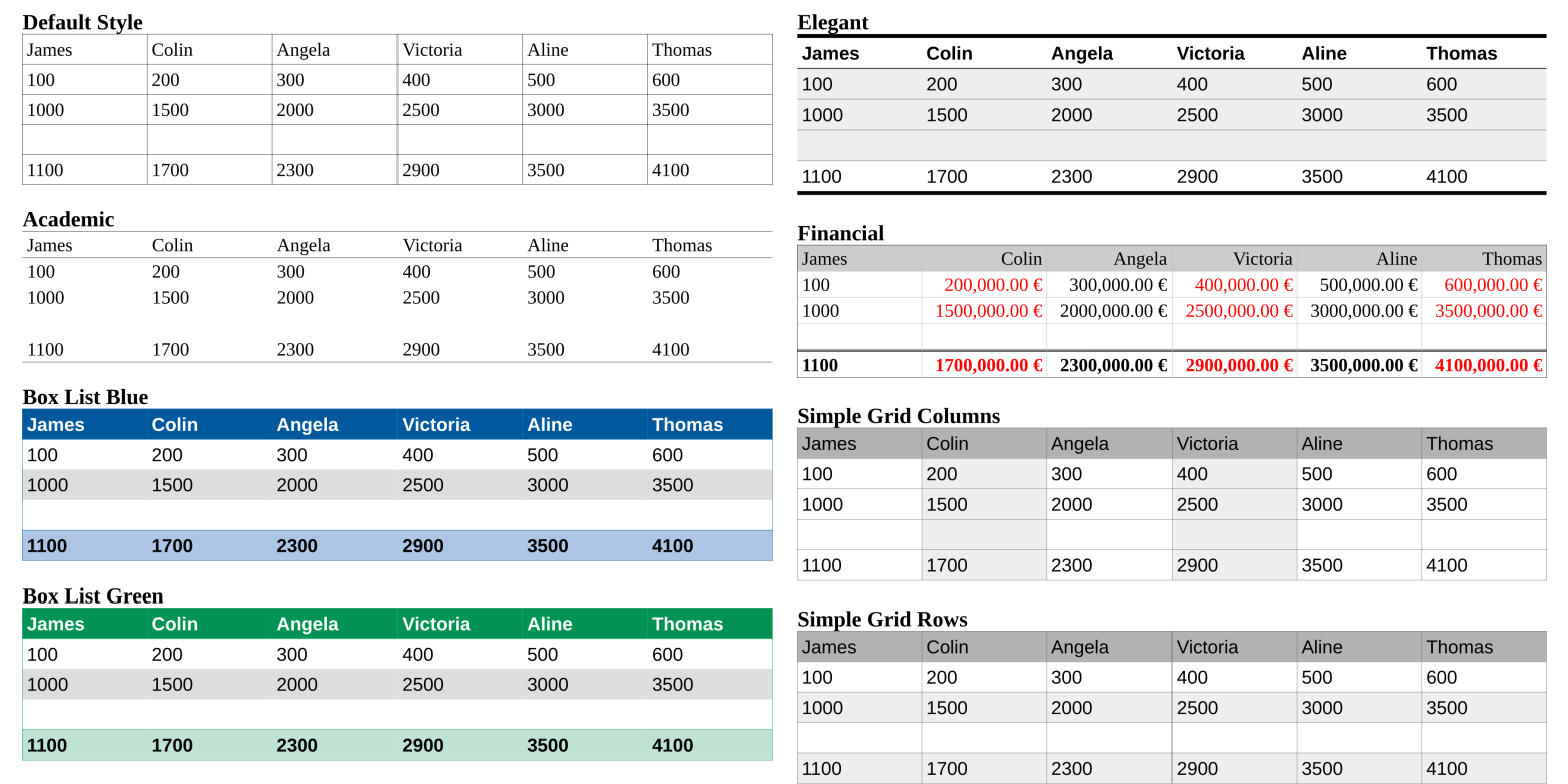
  • New table styles and new gradients (click for bigger):

  • The LibreOffice 6.0 motif/splash screen:

  • And menu and toolbar improvements

What are your favourite new features in this release?

Both GSoC (Google Summer of Code) projects are really nice: the revamped customization dialog, and the special character dialog with quick access from the toolbar. In addition, there’s the ability to rotate images to arbitrary degrees, and many other small improvements.

What tools and services do you use in the design community?

At the moment we use Balsamiq Mockups, but next we switch to Pencil. In addition, we use LibreOffice Draw (eg for the new motif) and Inkscape. For communication, we are active on IRC in the #libreoffice-design channel and Telegram.

Finally, how can people get involved with the design community?

A big thanks to the design team for their input and improvements in LibreOffice 6.0. For our final Community Focus, we’ll talk to the development community – more on that soon!

Sunday Marketing #3

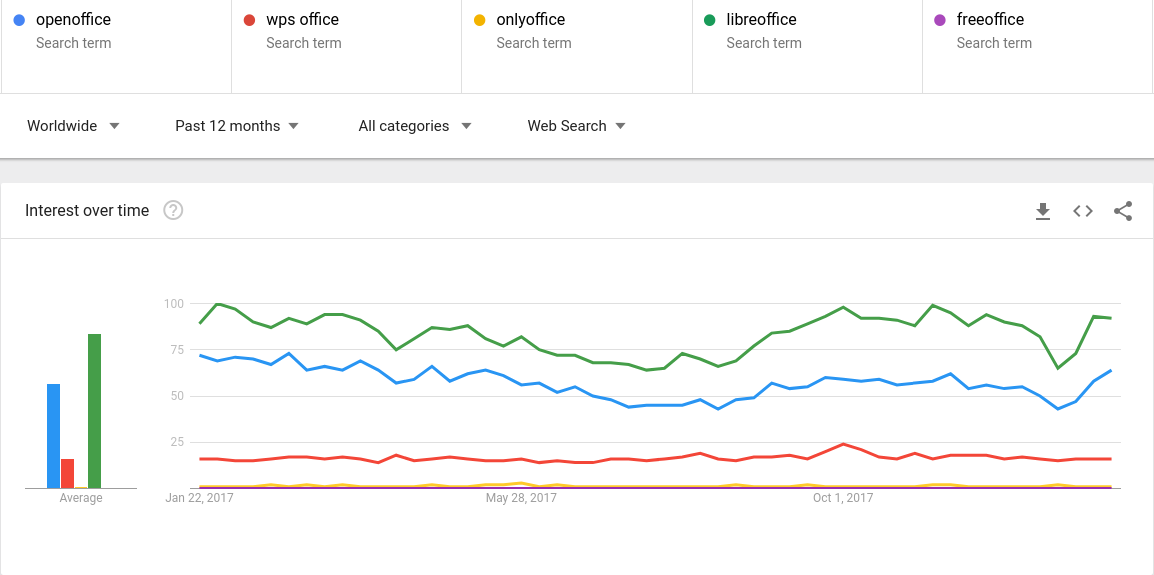
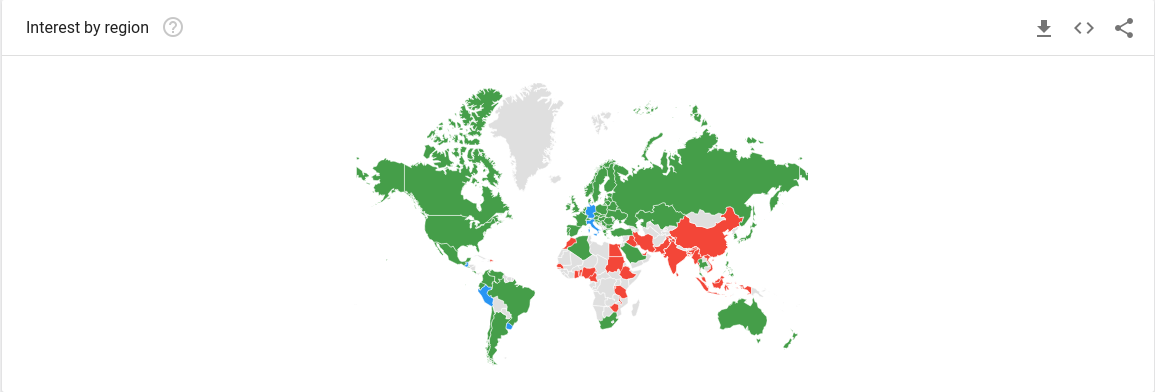
Google Trends is a service which compares end user searches for specific terms, and as such is a useful marketing tool to get some insight on the awareness of LibreOffice in comparison with other applications. I have compared the five alternatives to the leading office suite during the last 12 months: LibreOffice is leading, followed – as expected – by OpenOffice and WPS Office. LibreOffice is also leading in term of geographical coverage.

LibreOffice community focus: QA (quality assurance)

With LibreOffice 6.0 due to be released at the end of the month, we’ve been talking to various communities involved in the project. In the last couple of weeks, we’ve chatted with the localisation and documentation teams, and today it’s the turn of QA (quality assurance), which is coordinated by Xisco Fauli…

What has the QA community been working on in preparation for LibreOffice 6.0?

During the development of LibreOffice 6.0, three Bug Hunting Sessions were held (6.0 Alpha1, 6.0 Beta1 and RC1), the last one just two weeks ago. There was also a parallel event organized by Muhammet Kara in Ankara, where volunteers gathered to test LibreOffice 6.0 RC1. Besides that, the QA team is constantly testing the latest daily builds, testing new features, and triaging the bugs reported on Bugzilla.

What are your favourite new features in this release?

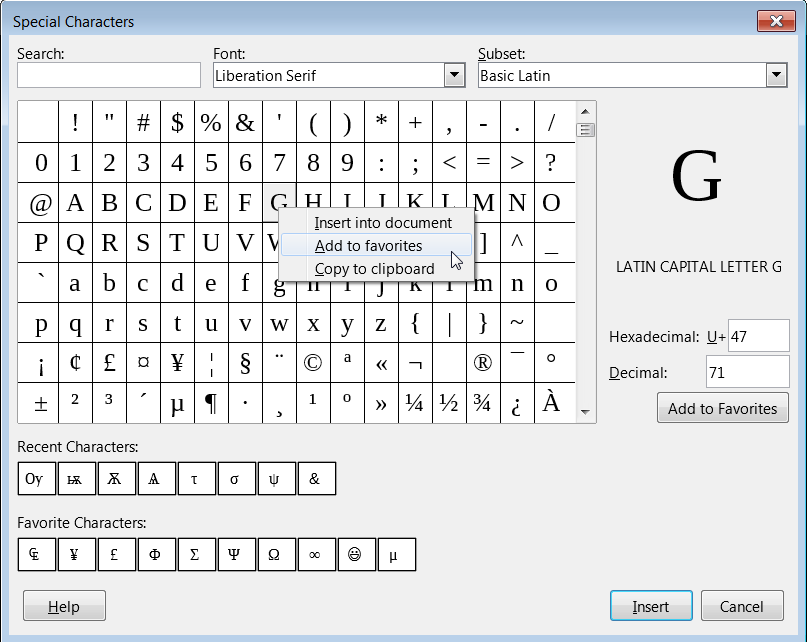
That’s a difficult question, especially taking into account all the improvements done in this release to LibreOffice Android Viewer, to LibreOffice Online or the work done by the Google Summer of Code students among others. But if I had to choose one, I think I’d go for the characters dialog refactoring done by Akshay Deep and the UX (user experience) team, as this is probably the feature I will use the most in the near future. Here’s how it looks:

What tools and services do you use in the QA community?

A very handy tool recently completed by Markus Mohrhard is the automated updater for Windows and Linux, which allows the QA team to test daily builds without having to manually download the latest build every time.

This is very practical as testers no longer need to worry about constantly updating to the latest build, and can focus more on testing the program instead, assured that they are testing changes done to the code just the day before.

This tool was presented at the beginning of the LibreOffice 6.0 development cycle, and I believe it will have a very positive impact on the quality of 6.0 as it shortens the time between a problem being introduced in the code, and the time it’s found.

Another tool we’ve been using for some time now is the bibisect repositories, which allow us to find the exact code commit where a bug was introduced, increasing the chances that the bug gets fixed and reducing the time until it gets fixed.

Another tool which is fulling working now is a set of scripts called office-interoperability-tools that we use to automatically find document layout regressions in the master code branch compared to other office suites (in our case we use MS Office). Right now we use it with 8,450 files, and I believe it will also have a positive impact on the quality of LibreOffice 6.0.

Finally, it’s important to mention the main tool used in QA, Bugzilla, the place where all bugs are reported and triaged. Then there’s the wiki page where the QA documentation can be found, and testlink, the application to manage manual tests.

Finally, how can people get involved with the QA community?

The’re many ways one can help LibreOffice QA. Probably the simplest one would be: download the latest pre-release build (LibreOffice 6.0 RC2 as of today), install it and use it as you would use LibreOffice in your daily basis (but take into account it’s still a pre-release, so it’s not recommended to use it with important documents). If you find anything working incorrectly, please report it to Bugzilla.

On the other hand, if you prefer to follow a set of manual tests, you can use testlink (see the documentation for that. We also need help to triage bugs that are not-yet-confirmed, or retest old bugs to see if they might have been fixed.

Lastly, if you’re looking for something especially exciting things to do, you can help us to test daily builds, bisect bugs or write UI-tests. Don’t hesitate to join the #libreoffice-qa channel and say hello. We’ll be grateful to help you with any question or problem you have!

Much gratitude to Xisco and the diligent QA community for helping to make LibreOffice 6.0 a solid release. Their efforts are appreciated by users across the world. Next up, we talk to the design and development communities – more on this blog very soon…

Sunday Marketing #2

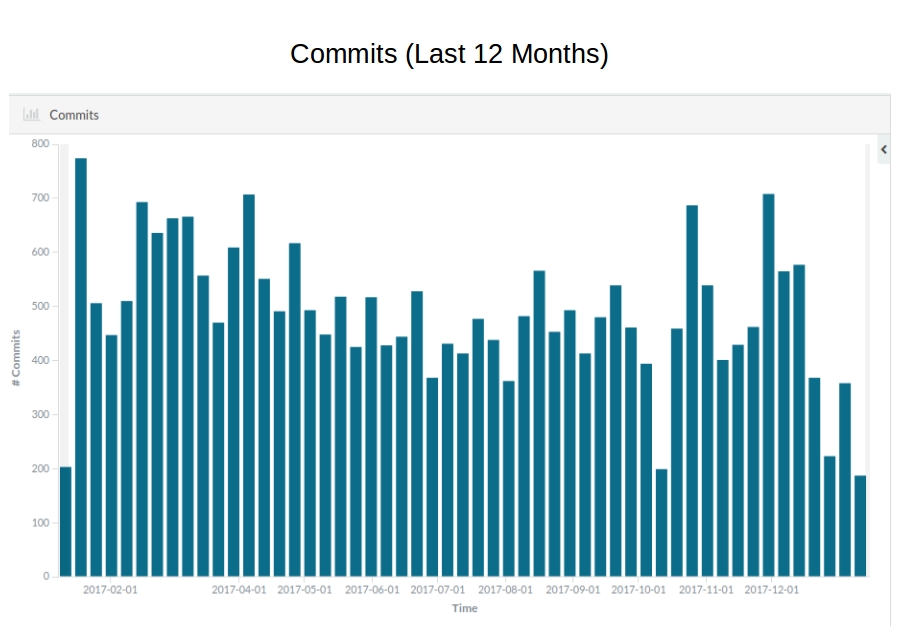
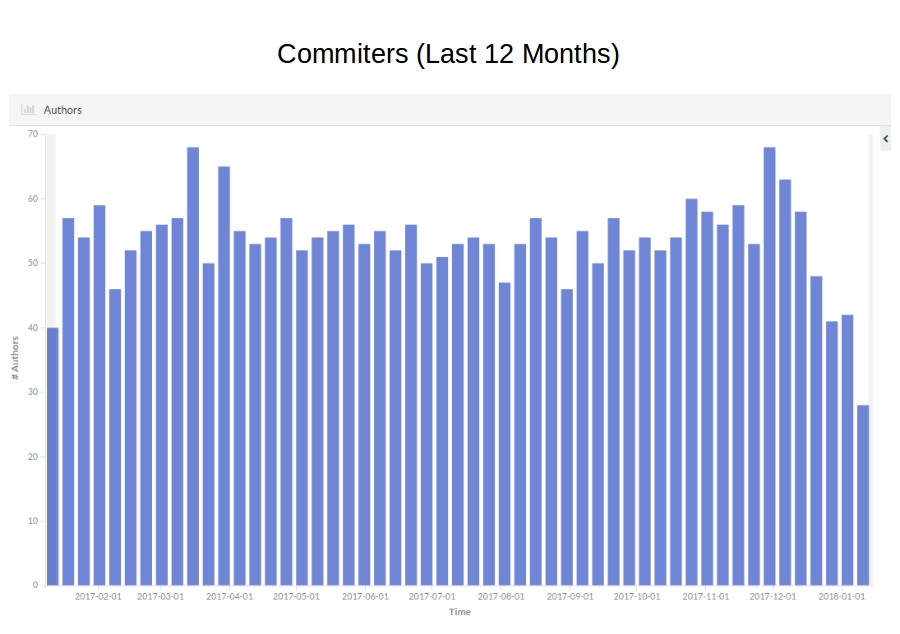
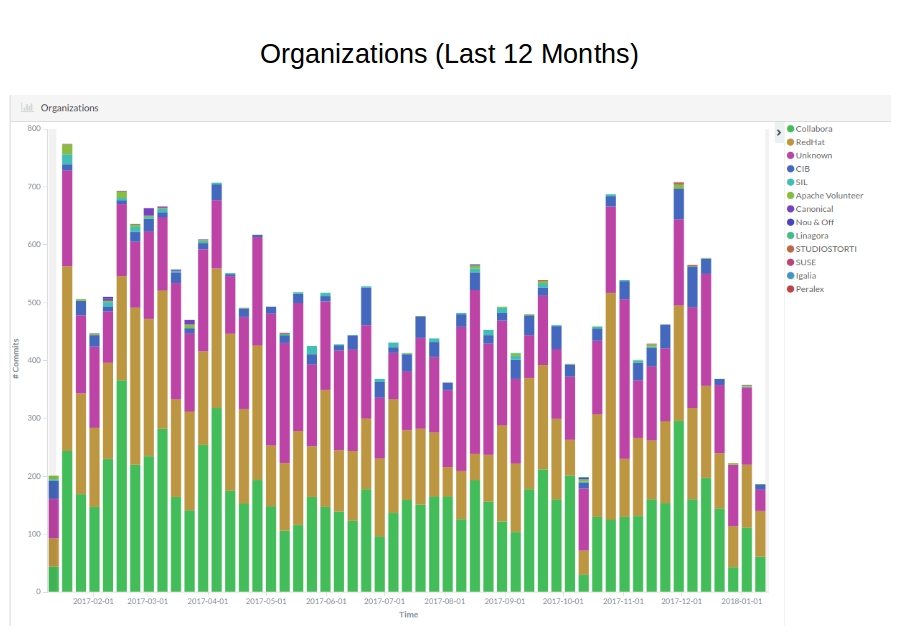
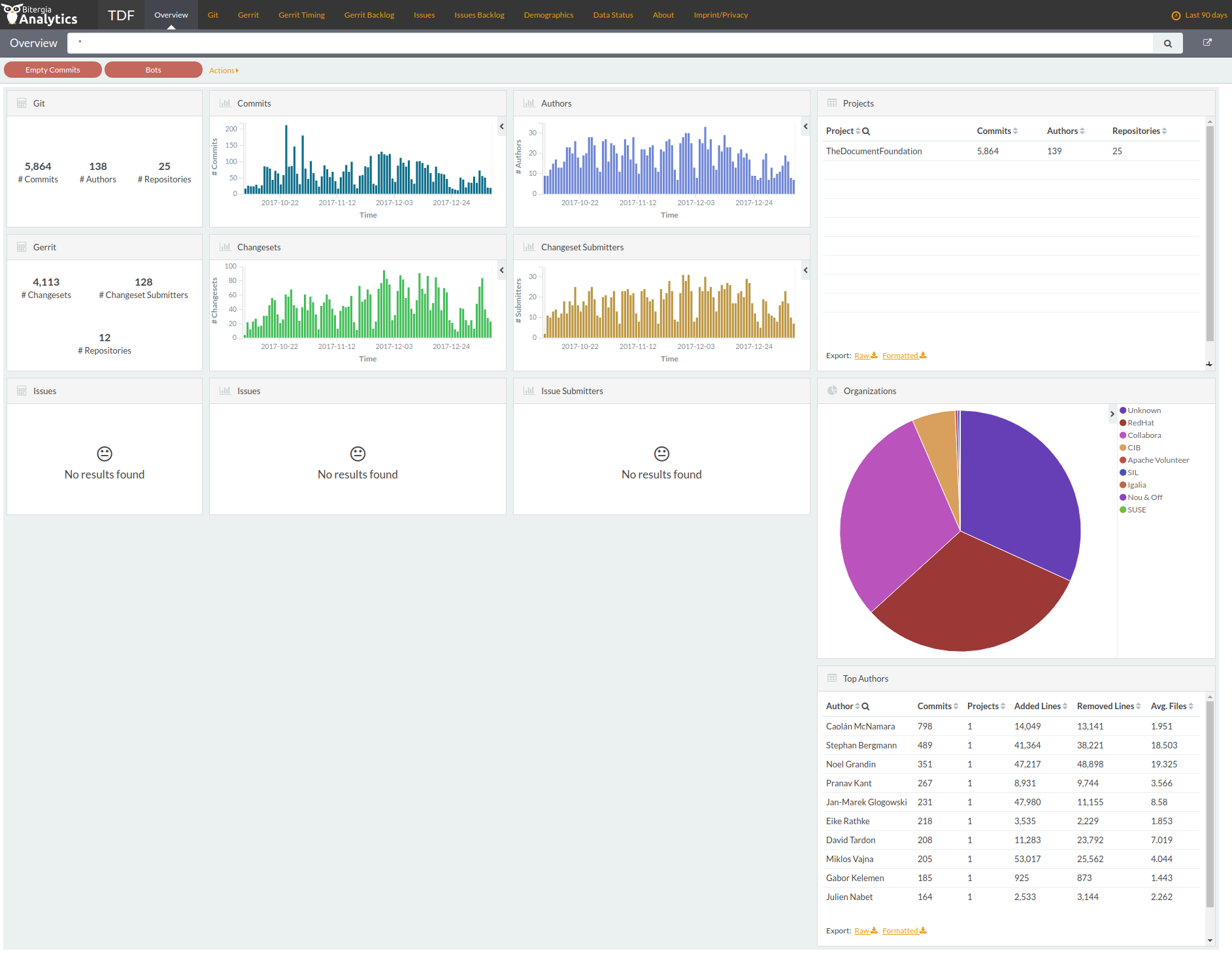
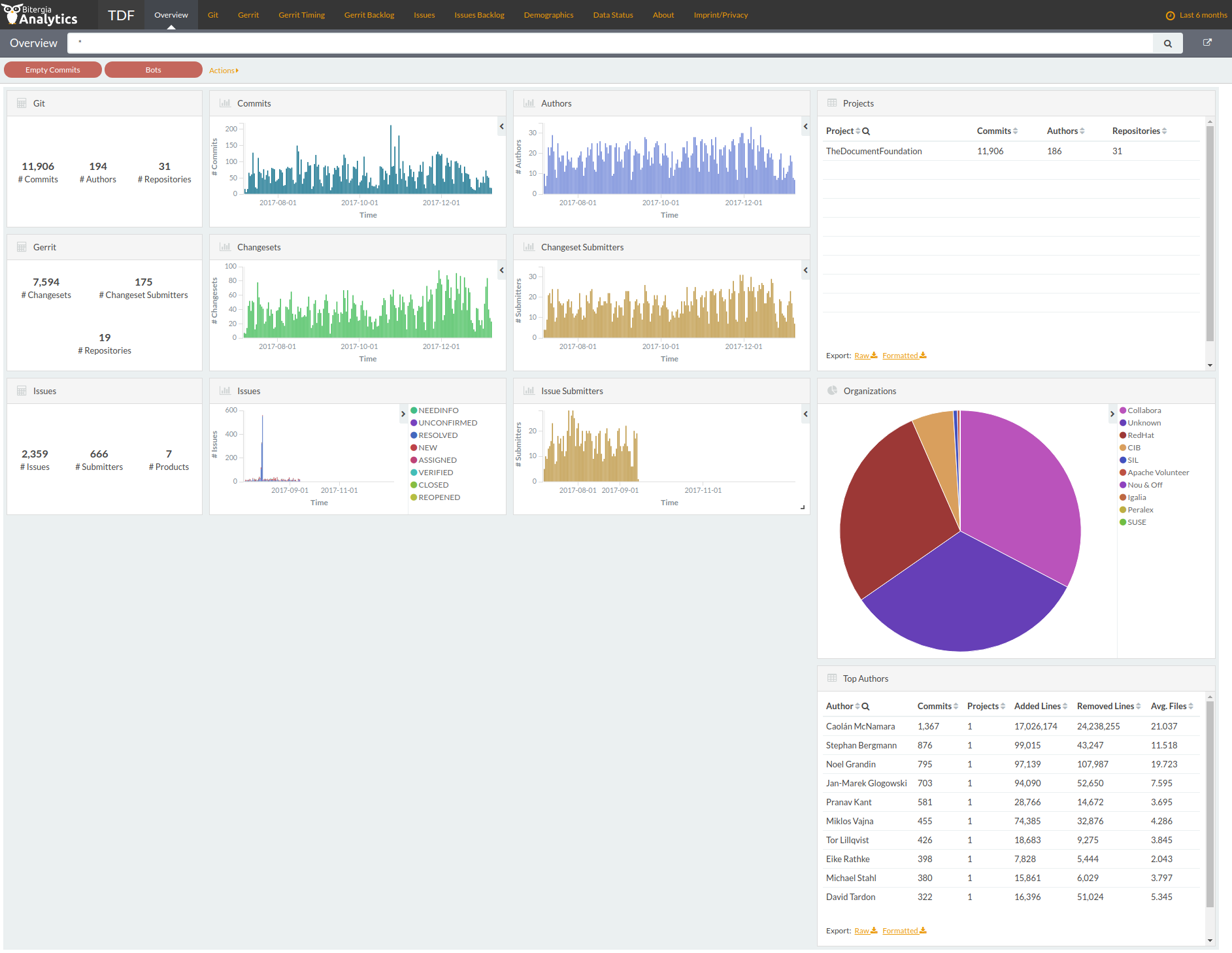
In 2017, The Document Foundation has announced the availability of a Dashboard, based on data gathered from several development-related repositories. It is a very useful resource for marketing, as it can be configured to provide either an overview of the project or several detailed charts which can be used to get a more precise picture of what has happened in term of commits, committers, organizations, and issues. The time span covered by the dashboard can be set by the user, from days to years.

The three histograms show trends related to commits, committers and organizations during the last 12 months (clicking on the thumbnails will open a large image, easier to read).

Commits and committers show a rather stable trend, which confirms the maturity of the project. The very few lows in commits are either seasonal or related to the LibreOffice Conference, when core developers are spending most of their time on knowledge sharing rather than on code hacking.

The organizations’ histogram adds the affiliation bit to commits. Collabora, Red Hat and independent volunteer developers (marked as “unknown” in the legend) are the three largest group of contributors, followed by CIB and SIL. Of course, we would like to see more contributions from developers paid by large organizations deploying LibreOffice for personal productivity.

The following four thumbnails show the dashboard home configured for the following time intervals: 2 years, 1 year, 6 months and 90 days. They provide some interesting insights.