Indonesian LibreOffice community: Online translation marathon

Communities around the world help to translate and localise LibreOffice in over 100 languages. We really appreciate their efforts! Even when they can’t meet in person, they hold online events to make progress, as Ahmad Haris reports:

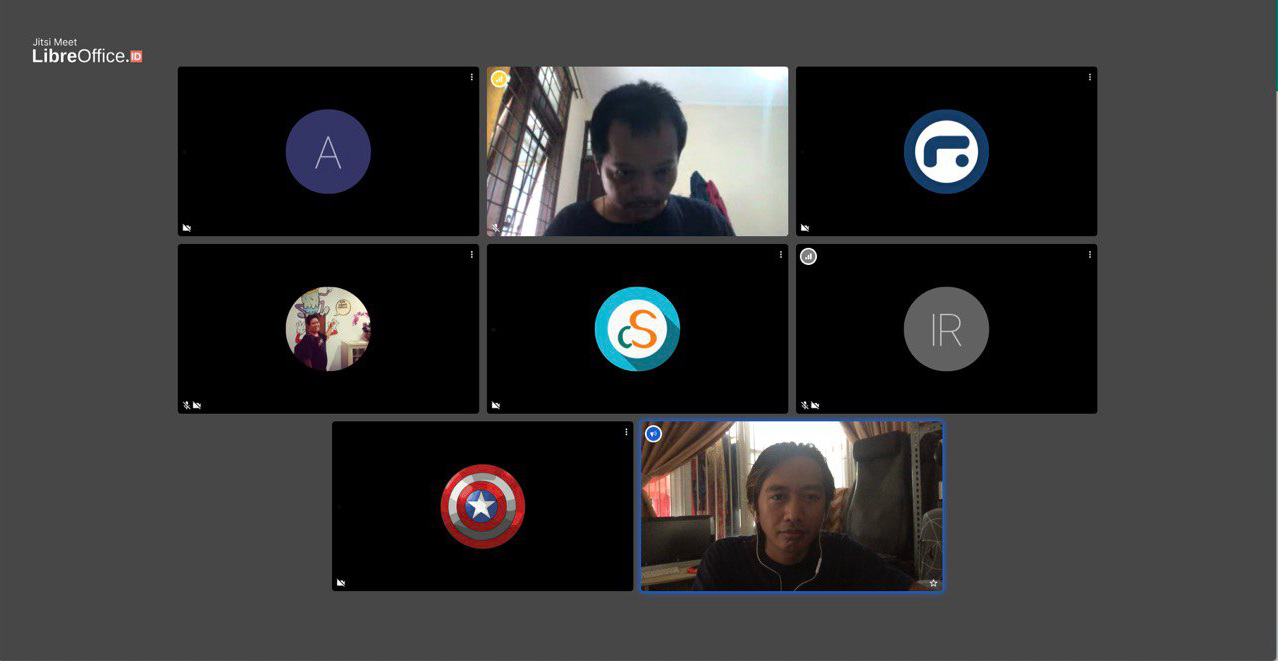
March 28, 2020: The Indonesian LibreOffice community held an online translation marathon, which focused on the user interface. Normally, we have in-person meetings for such translating marathons, but due to the ongoing COVID-19 situation, we held it online. We use Jitsi and deploy to our community server. The results were quite positive, since we’re heading towards reaching 100% translation. Only a few strings (21) remain untranslated because we also use the same string in the Indonesian language.

A big thanks to everyone in the Indonesian LibreOffice community who took part! Everyone around the world is welcome to join our translation projects and make LibreOffice accessible for all, regardless of language or location. It’s a great way to use your skills, contribute to a well-known FOSS project, and have fun!

LibreOffice monthly recap: March 2020

Here’s our summary of updates, events and activities in the LibreOffice project in the last four weeks – click the links to learn more. March was a difficult month for many people around the world, so we’d like to say en extra big thank you to everyone who contributed time and effort to our software and community.

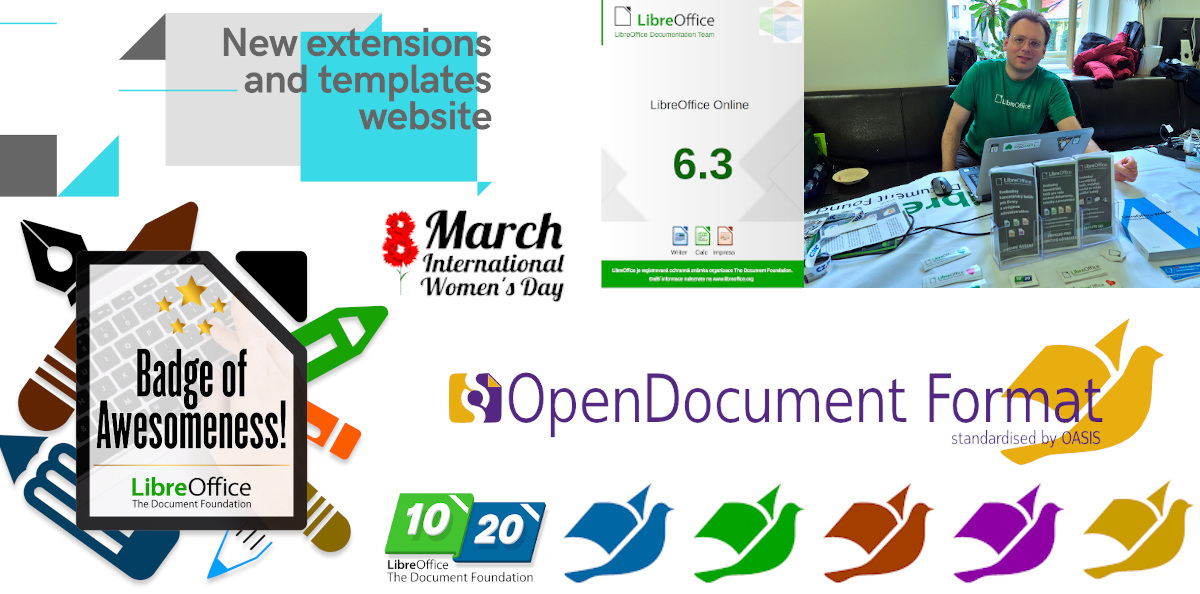
  • LibreOffice includes a wide range of features for home users and professionals, but it can be extended further. We’re working on a new extensions and templates website, with a streamlined design and improved usability for authors and users. We’ll post more updates on this blog as it progresses!

  • Open Badges for LibreOffice is a new service we’ve set up, crediting members of the community for their work. Open Badges are PNG images that are awarded to contributors for reaching a certain threshold – such as a number of commits to the codebase, or answering questions on Ask LibreOffice. But these images are something special: they contain metadata describing the contributor’s work, which can be verified using an external service.

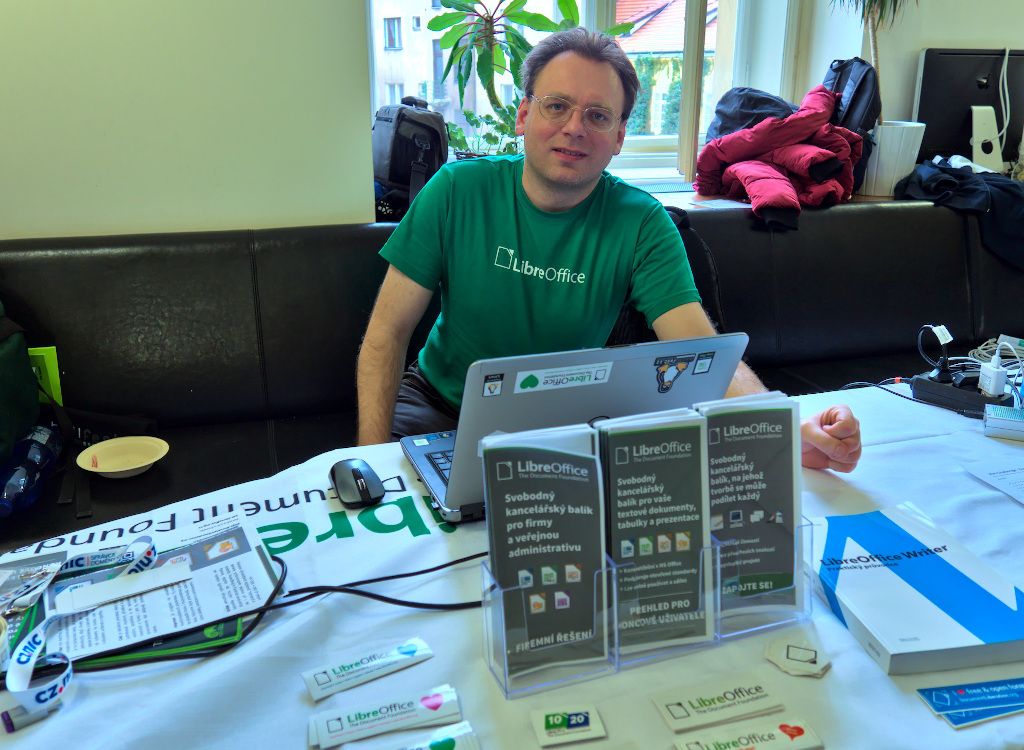
  • Petr Valach from the Czech LibreOffice community reported back from InstallFest 2020 in Prague, which took place on February 29 and March 1. We really appreciate the help of our Czech supporters for spreading the word about LibreOffice!

  • LibreOffice 6.4.2 was released on March 19. It’s the second revision release of the 6.4.x series, and includes over 90 bugfixes and compatibility improvements.

Keep in touch – follow us on Twitter, Facebook and Mastodon. Like what we do? Support our community with a donation – or join us and help to make LibreOffice even better for everyone!

LibreOffice Online Guide translated into Czech

the LibreOffice Online Guide was created as part of the Google Season of Docs programme, and released in December 2019. Today we’re announcing that the Czech LibreOffice community has finished translating the guide, and it can be downloaded here. (See this page for English documentation.)

It was a team effort, and participants were Petr Kuběj, Zuzana Pitříková, Zdeněk Crhonek, Roman Toman, Tereza Portešová, Petr Valach and Stanislav Horáček. Thanks to all volunteers! The Czech team continues with the translation of the Getting Started Guide, and is always open for new volunteers, translators and correctors. Give them a hand!

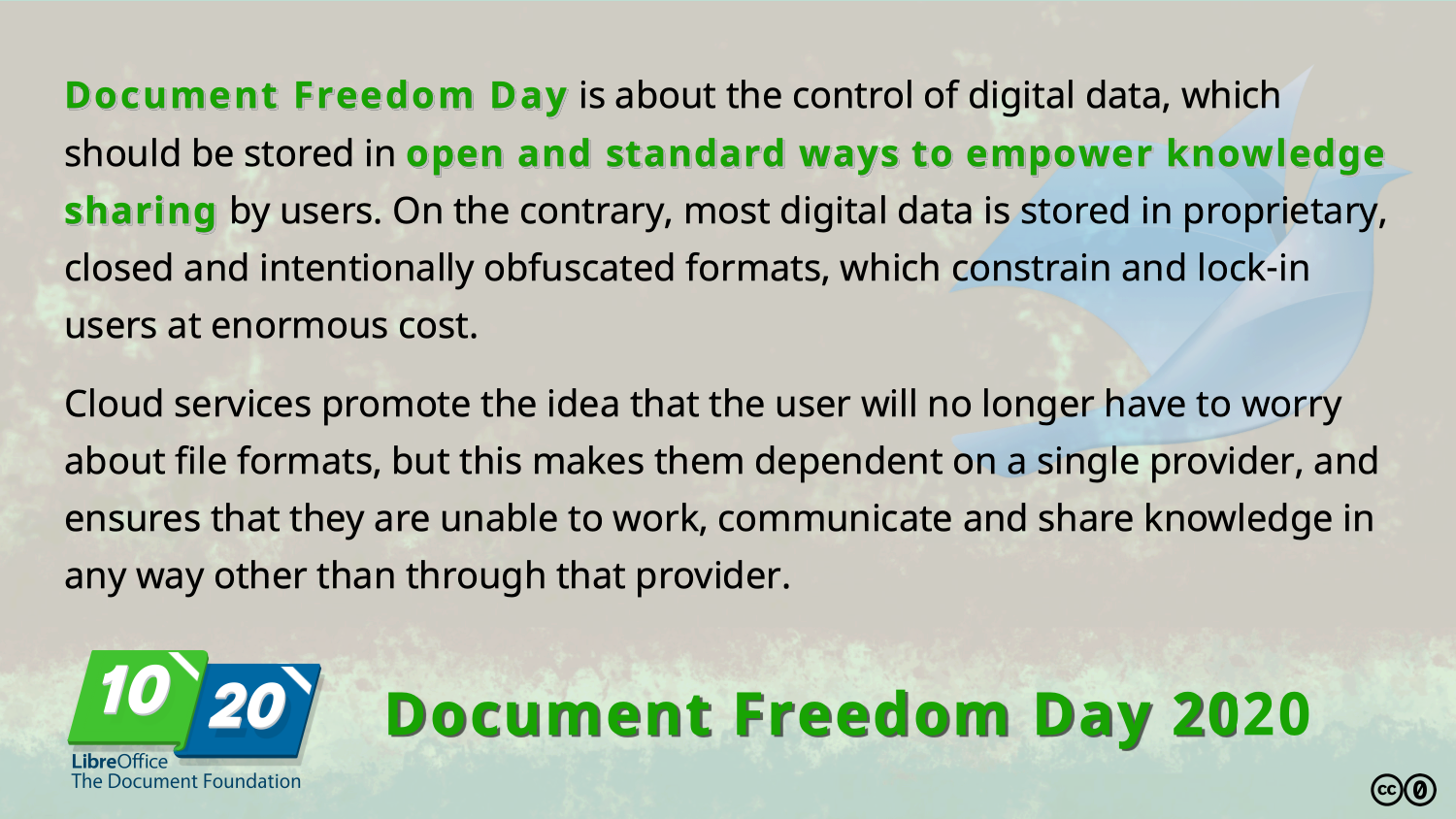
Document Freedom Day 2020

Document Freedom is based on Open Formats, such as ODF or Open Document Format, the ISO standard native file format of LibreOffice and other FOSS office suites.

What is an Open Format?

When you save a document on your computer, it is stored in a computer file. Whether it is a text file, a picture, a video or any other kind of work, it is saved with a specific coded structure, known as the file format.

To be able to share data, software programs must be able to communicate with each other. It implies that no barrier whatsoever may hinder the exchange of data and the related write or read operations. For such a seamless exchange to be possible, software programs are required to be “interoperable”.

Interoperability is guaranteed when it relies on open standards, i.e. public technical specifications, freely usable by everyone, without restriction nor compensation, and maintained by an open decision-making process. File formats based on these open standards are “Open Formats”.

Where software interoperability is set aside, or if a program editor does not give access to the key information for interoperability or if the file design recipe is kept undisclosed, or if the file design recipe is available but is not followed by the program, file formats are considered to be “closed” and do not allow interoperability. For a software user, choosing between an Open File Format or a closed one has a deep impact on the ownership of and the access to his/her own data and their availability over time.

What are the benefits of Open Formats?

  • Open Format documents are readable and writable, by oneself or by third parties.
  • Open Format document readability is guaranteed over time as the format evolves without disruptions.
  • Open Formats have the advantage of being freely usable by many software programs, enabling interoperability.
  • Open Formats support freedom of choice as they do not promote any company’s specific format. They help avoid the monopolistic position of software editors who aim at locking users through their own proprietary formats.

Free Software and open formats, the perfect duo!

Free Software are programs that offer four freedoms to users: the liberty to copy and to distribute the software to others, the right to use it for every kind of use, the right to study it in order to know its functioning, and the right to modify in order to improve it. Free Software designers usually favour existing Open Formats, and contribute to their evolution.

Furthemore, as Free Software developers publish their source code (the software design recipe), recording methods and format descriptions used are de facto distributed with the software.

Open Formats and Free Software share the same goals: to be at the service of eveyone and to ensure users the full ownership and control over their data as well as perennial availability of those data.

Let’s celebrate Document Freedom Day 2020 by sharing with other people the information about the importance of Open Formats. Create your own DFD Dove.

[This text is almost entirely based on a document developed by April (https://www.april.org/en) for a previous Document Freedom Day, and released under Creative Commons Attribution Share Alike 2.0 License]

LibreOffice: A great choice for schools and education

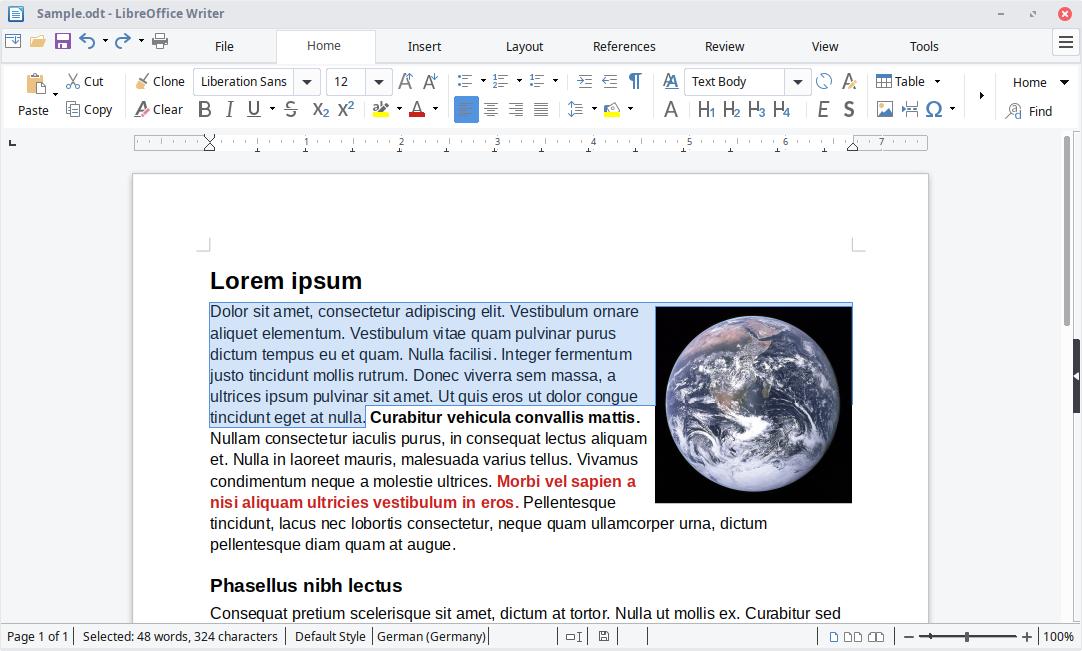
Many schools, colleges and universities around the world use LibreOffice to get their work done every day. The free and open source office suite, compatible with Microsoft Office and a successor to OpenOffice(.org) with many extra features, includes a complete set of powerful tools for students and teachers:

  • Writer – word processor
  • Calc – spreadsheet
  • Impress – presentation tool
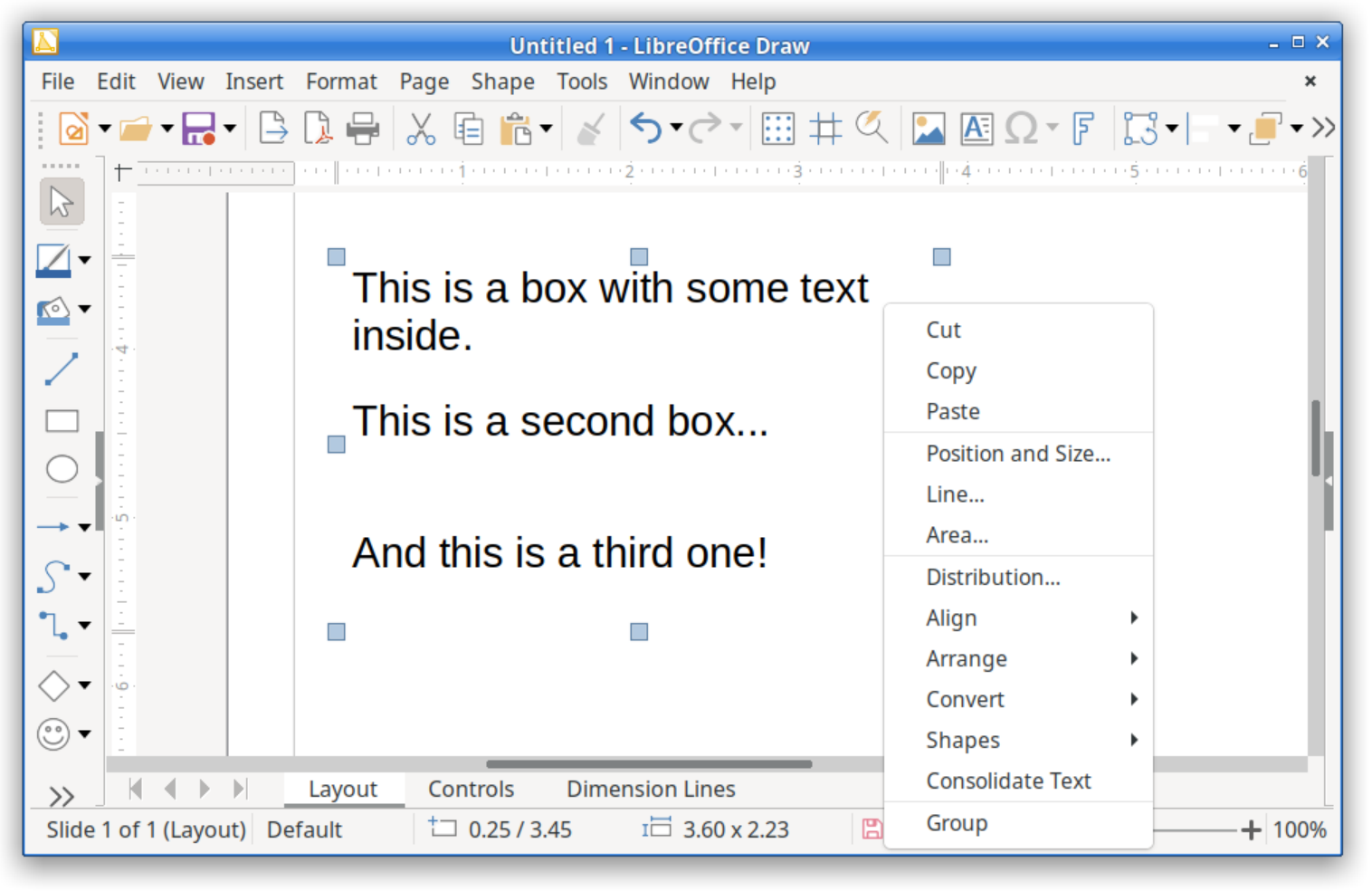
  • Draw – for technical drawings, brochures etc.
  • Math – formula editor
  • Base – database

Benefits in education

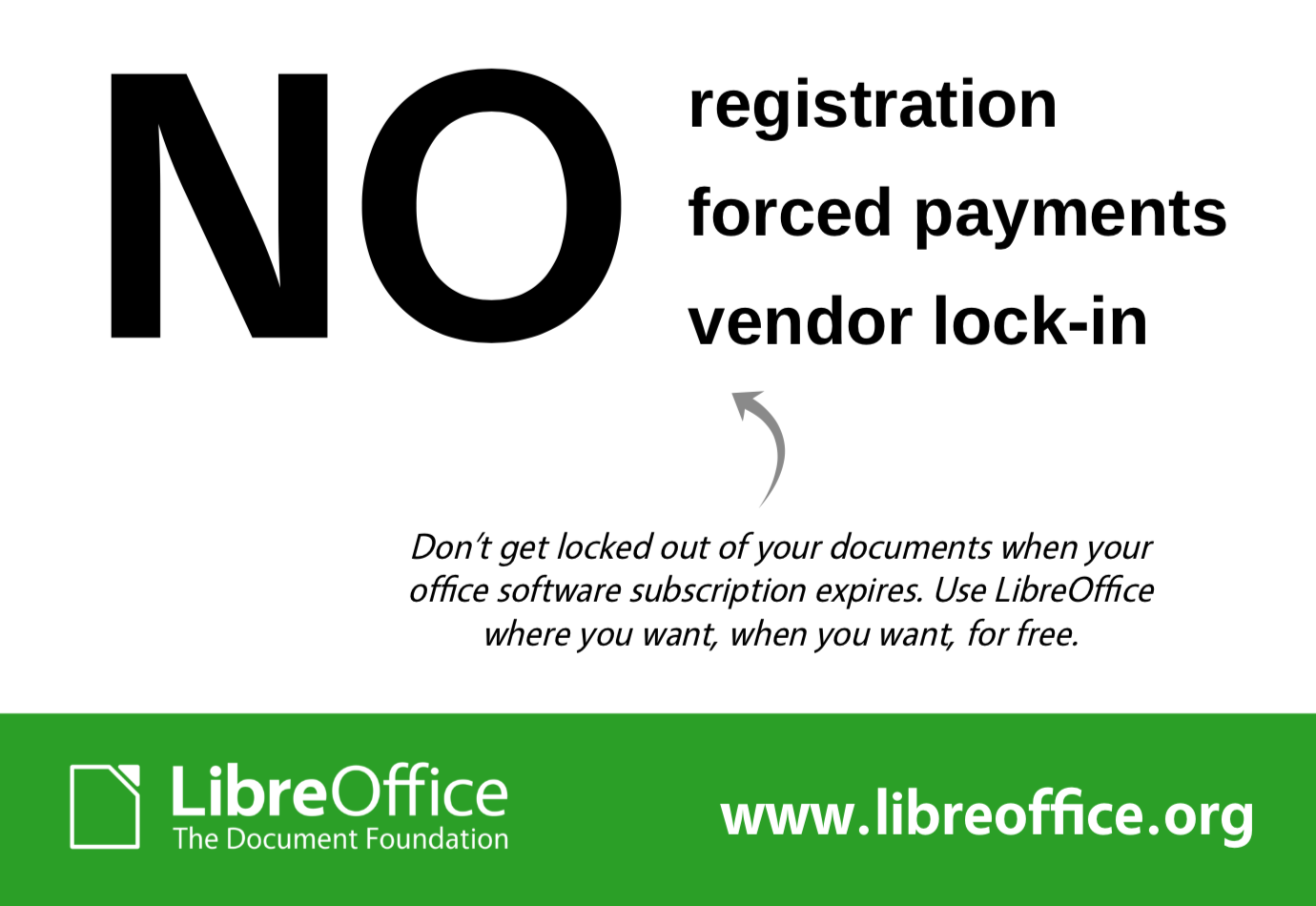
Because LibreOffice is free and open source software, students and teachers can download and install it on as many machines as they like, without worrying about license fees, subscriptions or audits. If you’re a teacher, you can be sure that your students won’t suddenly be locked out of their documents for not renewing a subscription. They can keep working, as long as they like!

As well as the desktop app, there’s also LibreOffice Online, a cloud-based version of the suite that students can access via their web browsers. You can set up LibreOffice Online on your own infrastructure, with help from professional support services.

Additionally, LibreOffice is backed up by a rich ecosystem, with many companies and resources available to help users:

One more benefit, especially for IT students and teachers: because LibreOffice is open source, anyone can study how it works and make improvements. See what you can do for LibreOffice here!

Give it a try – download LibreOffice for Windows, macOS and Linux