Visit of the Univention Summit 2017

The Document Foundation has enabled us to visit the Univention Summit in Bremen, so here is our report

Univention’s primary product is the Univention Corporate Server  (https://de.wikipedia.org/wiki/Univention_Corporate_Server#App_Center). UCS combines various free software applications into a comprehensive server platform based on Debian GNU/Linux.

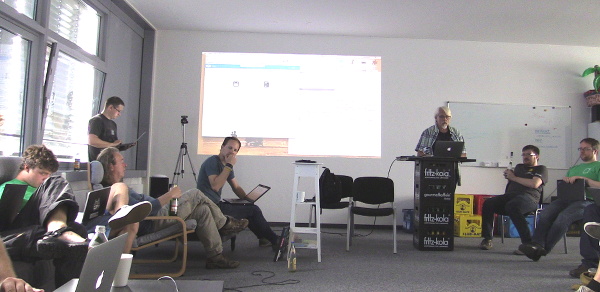
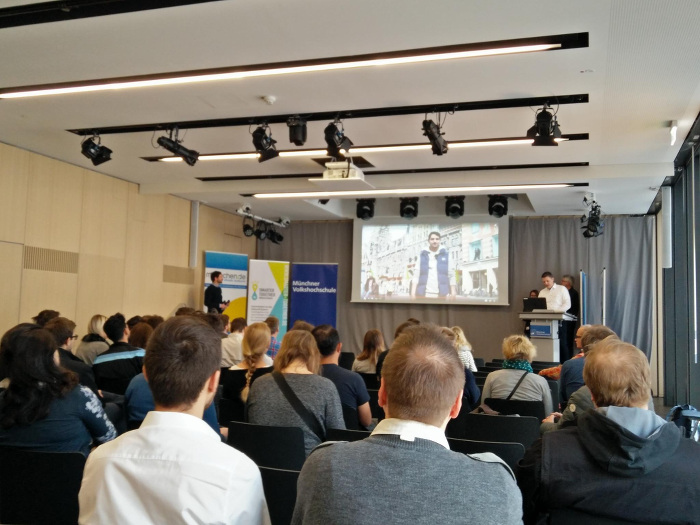
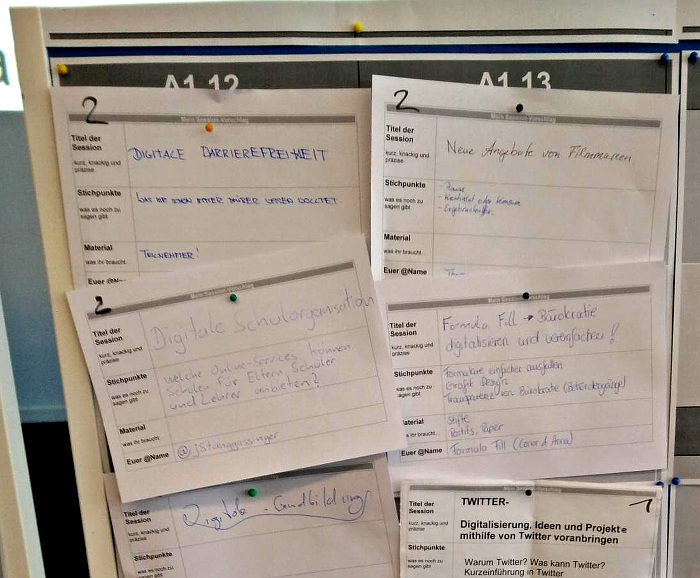
The goal of the summit was networking in the field of open source software and, of course, to popularize UCS. This package is used by companies, administrations, and schools – and we (coming from the south of Germany) noticed that the new version of the paedML, the educational sample solution at the schools of Baden-Württemberg, runs on the basis of UCS. Accordingly, pedagogy was a focus of this meeting, in addition to a technology track and a series of app programming. There were also lectures on this central question: how should school IT structure look now and in the future? Several members of the host company and media representatives from schools, municipalities and federal states, including the Senator for Children and Education in Bremen, who played a major role at the beginning of the development of UCS between 2002 and 2004, spoke about this question.

LibreOffice played a role in many lectures and discussions – because it is open and free, but also because the resistances are often (still) great. The entire program and the presentations can be found at https://www.univention-summit.de/programm/ or via http://en.slideshare.net/Univention. There were more than the originally announced 250 visitors present, and this high number (in addition to the plans of the federal government for a €5 billion nationwide support program for IT in schools) shows the importance of this conference.

Besuch des Univention-Summits 2017

Die TDF hat uns den Besuch des Univention-Summit in Bremen ermöglicht, deshalb hier unser Bericht

Das Hauptprodukt von Univention ist der Univention Corporate Server (https://de.wikipedia.org/wiki/Univention_Corporate_Server#App_Center). UCS vereint verschiedene freie Softwarepakete in einem umfassenden Server-Betriebssystem auf Basis von Debian GNU/Linux.

Ziel des Summits war das Netzwerken im Bereich der Open Software und natürlich die Bekanntmachung von UCS. Dieses Paket wird von Unternehmen, Verwaltungen und Schulen eingesetzt – besonders fiel uns auf, dass die neue Version der paedML, der pädagogischen Musterlösung an den Schulen Baden-Württembergs, auf der Basis von UCS läuft. Entsprechend war ein Schwerpunkt dieser Tagung (neben einem Technik-Track und einer Reihe über App-Programmierung) ein Pädagogik-Track mit Vorträgen z.B. der Senatorin für Kinder und Bildung in Bremen, deren Amt schon am Beginn der Entwicklung von UCS zwischen 2002 und 2004 eine wichtige Rolle spielte. Zentrale Frage: Wie muss die schulische IT-Struktur jetzt und in Zukunft aussehen? Zu dieser Frage äußerten sich einige Mitglieder der gastgebenden Firma und Medienbeauftragte von Schulen, Kommunen und Bundesländern.

LibreOffice spielte in vielen Vorträgen und Diskussionsbeiträgen eine Rolle – weil es offen und gratis ist, aber auch, weil oft die Widerstände dagegen (noch) groß sind. Das gesamte Programm und die Vorträge finden sich unter https://www.univention-summit.de/programm/ oder alternativ über http://de.slideshare.net/Univention. Es waren mehr als die angekündigten 250 Besucher anwesend und diese hohe Zahl zeigt (neben den Plänen der Bundesregierung für ein 5 Milliarden schweres bundesweites Unterstützungsprogramm für die IT an Schulen) die Bedeutung dieser Tagung.

Ellen und Walter Pape

LibreOffice @ FOSDEM ’17

FOSDEM banner

FOSDEM is the biggest gathering of free and open source software (FOSS) developers in Europe. It takes place every year in early February, at the Université Libre in Brussels, and it’s a great event for discovering new technology, exchanging ideas and generally enjoying the community around FOSS.

This year, the Open Document Editors devroom was home to many talks and presentations about LibreOffice – including development, design, documentation, LibreOffice Online and other topics.

We have now uploaded all of the videos to our YouTube channel, so click play below to start watching (and use the icon in the top-left to choose others in the playlist). Alternatively, scroll on for a full list of presentations and links to the videos.

Please confirm that you want to play a YouTube video. By accepting, you will be accessing content from YouTube, a service provided by an external third party.

YouTube privacy policy

If you accept this notice, your choice will be saved and the page will refresh.

Full list of presentations:

Like what you see? Click here to get involved – you too could be presenting awesome new technology in the future!

Updates from events: Turkey, Taiwan and Japan

Today marks five years since The Document Foundation (TDF) was legally incorporated in Berlin, Germany. We want to celebrate this anniversary by highlighting some recent activities and events from our Native Language Projects. These communities have been instrumental to the growth of TDF and LibreOffice, and are one of our most important assets.

Turkey

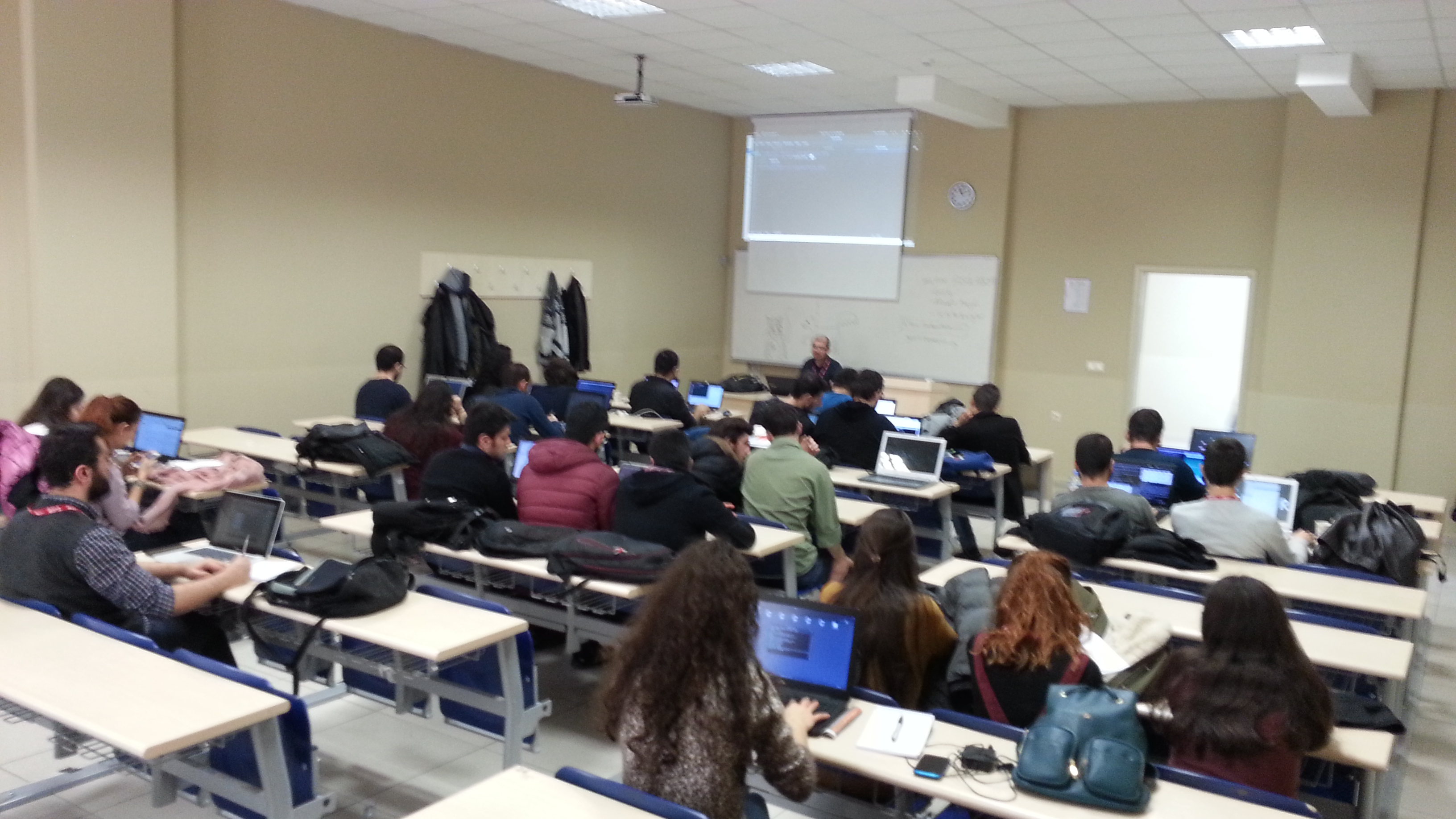
The Turkish community recently attended the Academic Informatics Conference 2017 in Aksaray, from 8 to 10 of February, with several LibreOffice related activities.

A general presentation was done by Muhammet Kara and Gökhan Gurbetoğlu in the first session (first half of the first day).

In the second half of the first day, the attendees were introduced to the LibreOffice development environment, and the tools used in the process (Gerrit, Vim, Git…). The attendees were walked through the process of joining the LibreOffice community, and building the LibreOffice source code for the first time.

Attendees who had relatively older computers were provided with SSH access to a 32-core machine, courtesy of TUBITAK ULAKBIM. The last session (first half of the second day) was held like a hackfest. Questions from attendees were answered by the speakers.

LibreOffice community members were pleased to see that the participants were eager to learn about the software, and together they established a WhatsApp group for further communication. A more detailed presentation about LibreOffice development activities in Turkey was given by Gülşah Köse and Muhammet Kara on the last day (morning) of the conference.

Taiwan

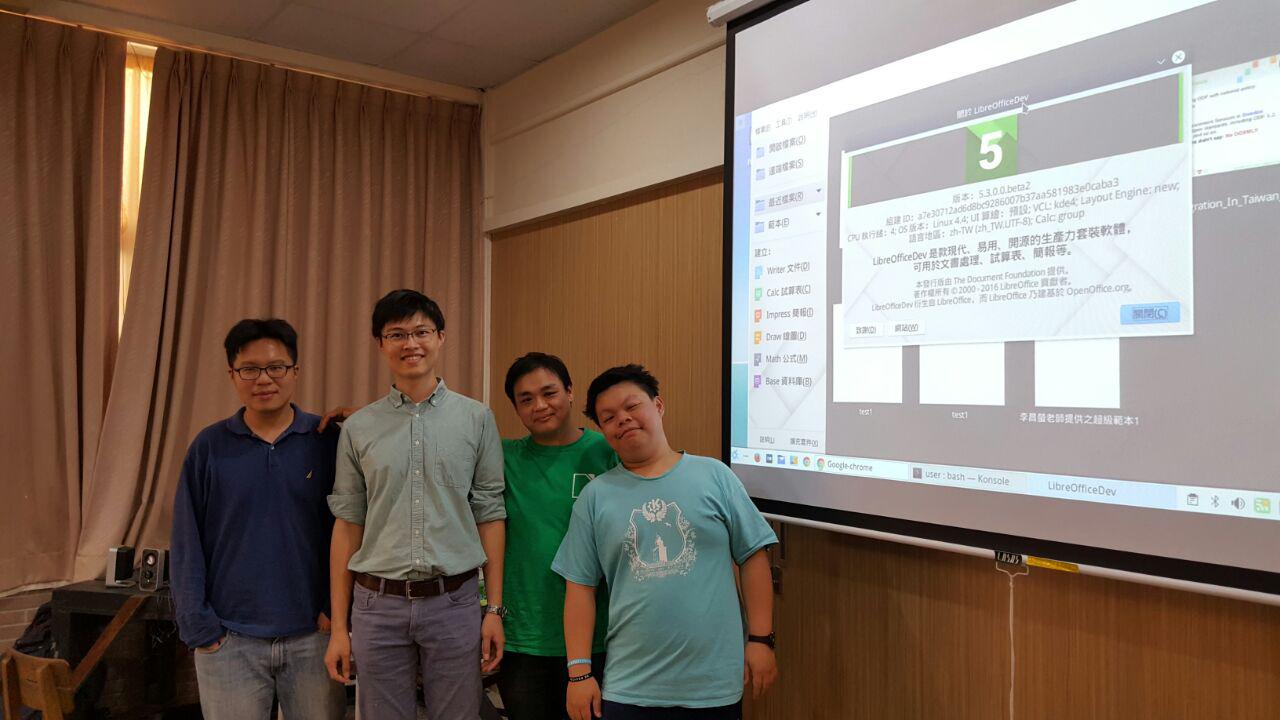
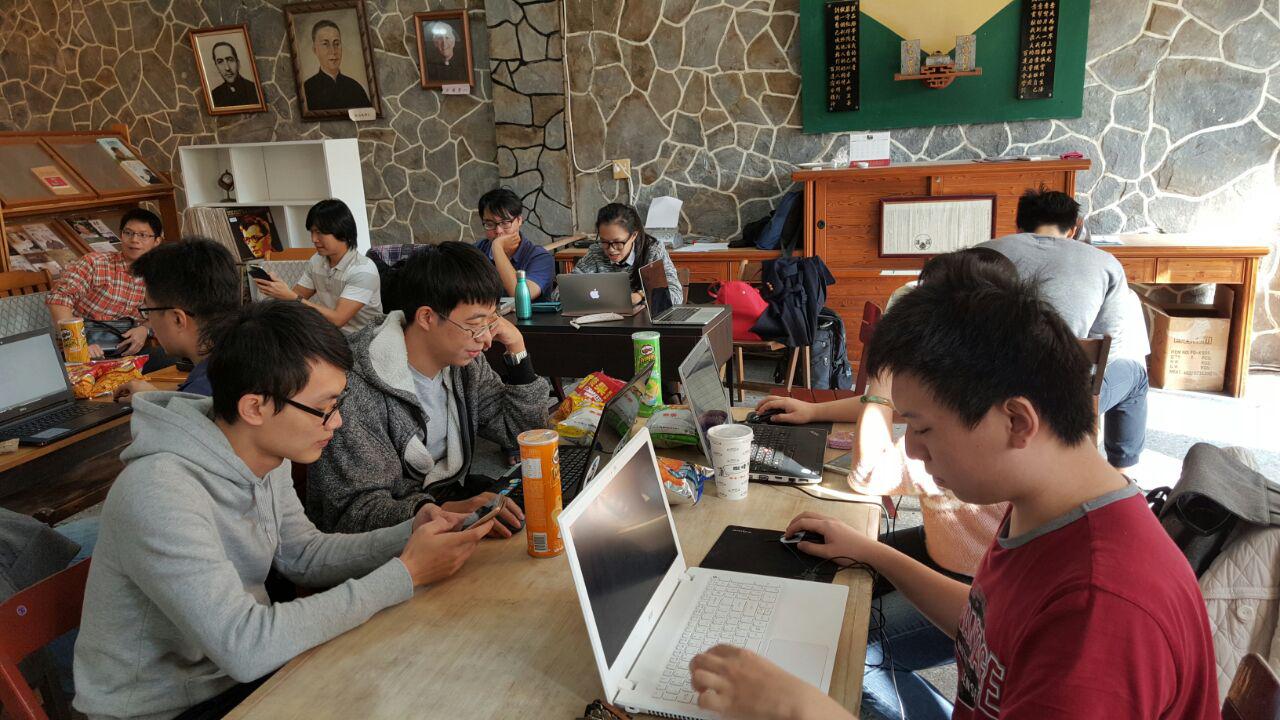
The first LibreOffice QA Sprint in Taiwan – organized by Software Liberty Association Taiwan and supported by two professors of the Department of Computer Science and Engineer, National Cheng-Kung University: Professor Joseph Chung-Ping Young and Alvin Wen-Yu Su – was held in Tainan City on December 17, 2016. In this four-hour sprint the attendees found and reported many issues. Attendees were students, teachers, employees of enterprises and governments, LibreOffice developers and lecturers, and all four TDF members in Taiwan.

Early in the afternoon, a live video-session with Italo Vignoli, one of the core members of The Document Foundation, gave most of the attendees exposure to the international community for the first time.

Han Lu, a student in NCKU, summarized the issues found by attendees. After the summary, Franklin Weng explained how to report bugs on the LibreOffice Bugzilla. Also, Cheng-Chia Tseng introduced the Pootle translation platform for LibreOffice and gave some tips on how to translate LibreOffice.

Japan

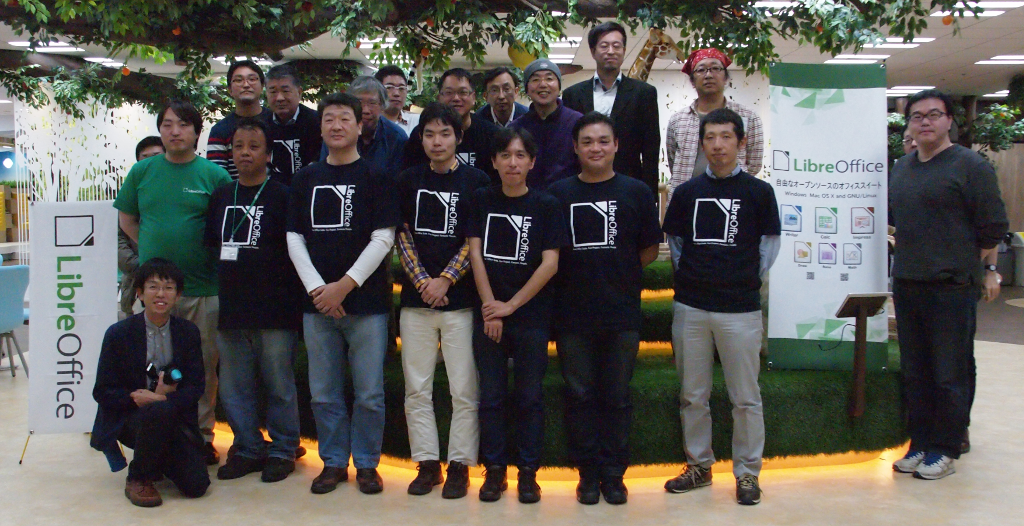
LibreOffice Kaigi 2016.12, Japan’s annual LibreOffice conference, was organized in early December 2016 with great success! The word Kaigi is the Japanese word 会議, which means conference. The name means not only Japanese regional, but also Japanese users-specific.

Around 25 people gathered and enjoyed several talks (migration to Open Document Format in Taiwan, by Franklin Weng, LibreOffice/ODF and styles, maintaining Math and Japanese translation), along with a few lightning talks and a panel discussion.

Second ever LibreOffice Hackfest in Italy, with 15 participants

Development mentor Jan Iversen writes:

“Italy has a very big LibreOffice community but with only a few developers, so when LibreItalia had its yearly conference this weekend, we tried to start changing the situation. The second hackfest in Italy was only around four hours – but the time was well spent.

After a short introduction from Marina (Chairwoman of The Document Foundation) our development mentor gave a presentation, explaining how everybody can help LibreOffice. Slides were in Italian, the talk was in English, and comments were in Spanish.

There were in total 15 people including power users, contributors, source code committers and certified developers – a broad range to address. There was less interest in getting a build done, and much more interest in two other aspects:

  • How can we grow a local development community, ranging from people helping QA to “hard-core” developers?
  • The ladder to enter development is too high, so what can we do do make development attractive for new people?

Jan presented our toolbox, which is actually quite extensive. Opengrok surprised everybody. None of the fast developer notebooks could match the fast search times. A search for “jani” took 15ms and was called cheating, so we did another search for “Ponzo” which took just 16ms.

The online editing feature in Gerrit made even the skilled developers look up. We had a longer discussion about when not to use this feature, but everybody saw the clear advantage.

In the end, there was only one question: when do we have a full two-day Hackfest? Osvaldo promised to arrange one in his University during the first quarter of 2017.

No visit to Italy is complete without pizza. LibreItalia arranged dinner in a nice pizza restaurant (sorry, not the typical European style, but real pizza!). It was amazing to feel and see, how big the hospitality is there, and how eager people were to learn.

So in all, a big thank you to LibreItalia for giving me this chance to promote developers. I am sure it will not be last time I visit Italy.”

LibreOffice Conference 2016: video roundup

A short video roundup of this year’s conference in Brno – thanks to everyone who attended, and see you next year in Rome!

Please confirm that you want to play a YouTube video. By accepting, you will be accessing content from YouTube, a service provided by an external third party.

YouTube privacy policy

If you accept this notice, your choice will be saved and the page will refresh.

Registration for the LibreOffice Conference is now open

Berlin, Juli 1st, 2015 – Registration for the LibreOffice Conference, which will be hosted by the Danish city of Aarhus from September 23 to September 25, 2015, is now open at: http://conference.libreoffice.org/2015/registration/.

Call for Papers is still open until July 15, 2015. Details on the tracks and the call for papers are available at: http://conference.libreoffice.org/2015/call-for-papers/. Tracks are about Development, Quality Assurance, Localization, Documentation and Native Language Projects, Ease of Use, Design and Accessibility, Migrations and Deployments, Certifications and Best Practices, ODF, Document Liberation and Interoperability, and Building a Business around LibreOffice.

The conference website (http://conference.libreoffice.org/) is also including some practical info (http://conference.libreoffice.org/2015/practical-info/) about VISA, transportation and accommodation.

Of course, do not forget to pay a visit to the sponsors who have made the event possible with their generous support: CIB, Collabora, Google, Magenta and RedHat (http://conference.libreoffice.org/2015/our-sponsors/).