In March, we announced that LibreOffice will be participating in the Google Summer of Code (GSoC), a programme that connects students with free and open source software projects. GSoC helps students to implement new features, and provides them with financial support along the way.
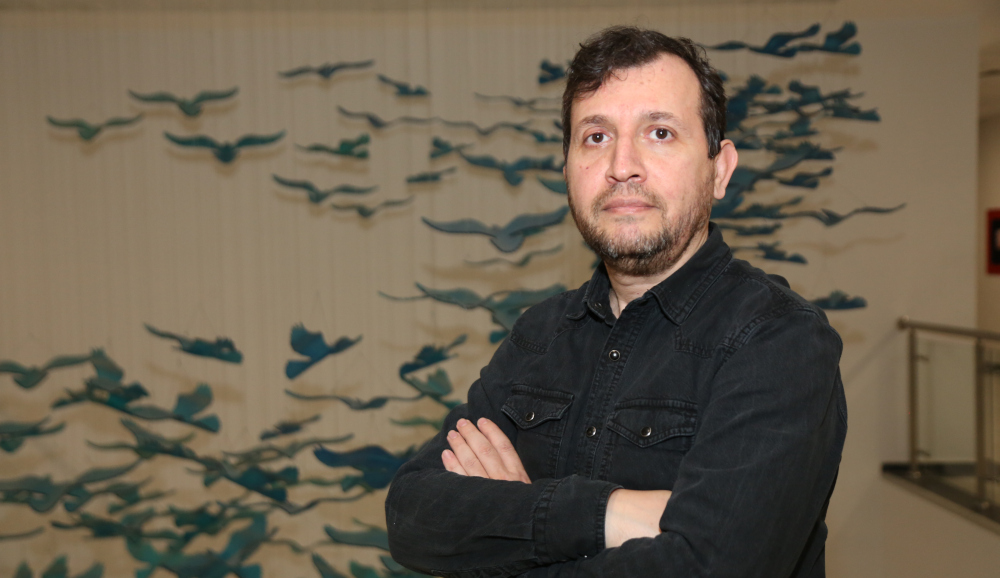
Bayram Çiçek – 100 Paper Cuts: This aims to improve LibreOffice’s user interface, implementing enhancement requests and solving the most annoying UX (user experience) issues.
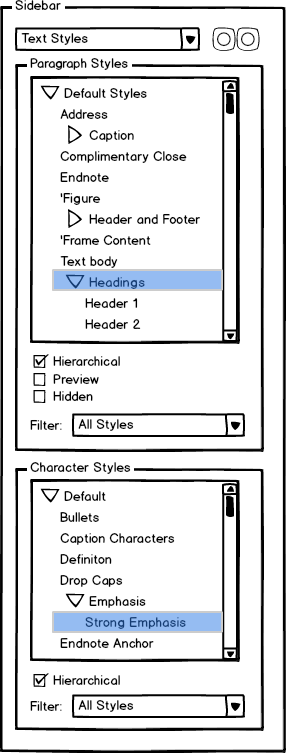
Anshu Khare – Sidebar: It’s planned to revamp the current styles deck sidebar and to merge paragraph and character styles into one Text Style deck. Furthermore, the student wants to rework the filter workflow. Here’s a mockup (click for larger):
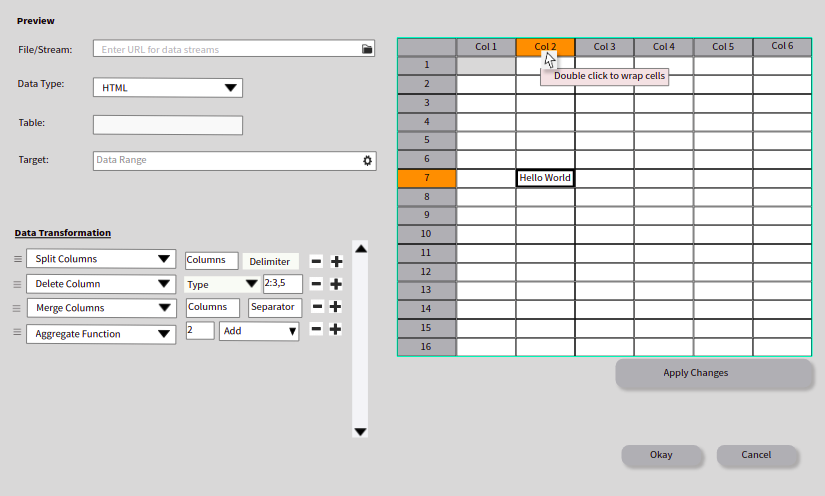
Tushar Kumar – Implement an interface for external data source import in Calc: Currently, Calc’s back-end data provider supports CSV, HTML, XML and and Base’s data provider. This feature is not yet ready for production, however, so this project’s goal is to improve it. Here’s a mockup:
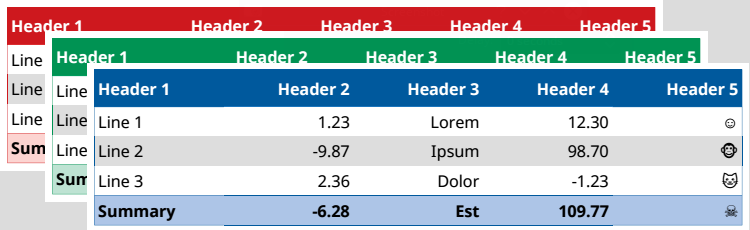
Balázs Sántha – Implement table styles in OOXML (.docx) support: At the moment, table styles found in .docx documents are converted into direct formatting at at Writer’s core level. This project aims to take a step towards a solution for handling proper table styles.
Panos Korovesis – Make the SVM format independent of the VCL metafile + tests for the format: This requires the completion of the tests regarding SVM, and then the separation of the read and write functionality of MetaActions to new distinct classes.
Akshit Kushwaha – Tests for the VCL graphics back-end: Add more test cases to the pre-existing tests, running those tests in every back-end, and implement a usable UI for the users to test the graphic’s feasibility themselves. This should make graphics rendering smoother.
Shubham Jain – Write missing unit tests: Extend the tests in Libreoffice. There are currently more than 1300 bugs fixes which do not have tests written for them, so this project aims to bring down that number.
Good luck to all the students – we appreciate their work on these important features and improvements! And thanks to our mentors for assisting them: Heiko Tietze, Xisco Fauli, lmari Lauhakangas, Olivier Hallot and Christian Lohmeier (The Document Foundation); Tomaž Vajngerl, Muhammet Kara, Luboš Luňák, Miklos Vajna and Mike Kaganski (Collabora); Thorsten Behrens (allotropia); László Németh and Markus Mohrhard.
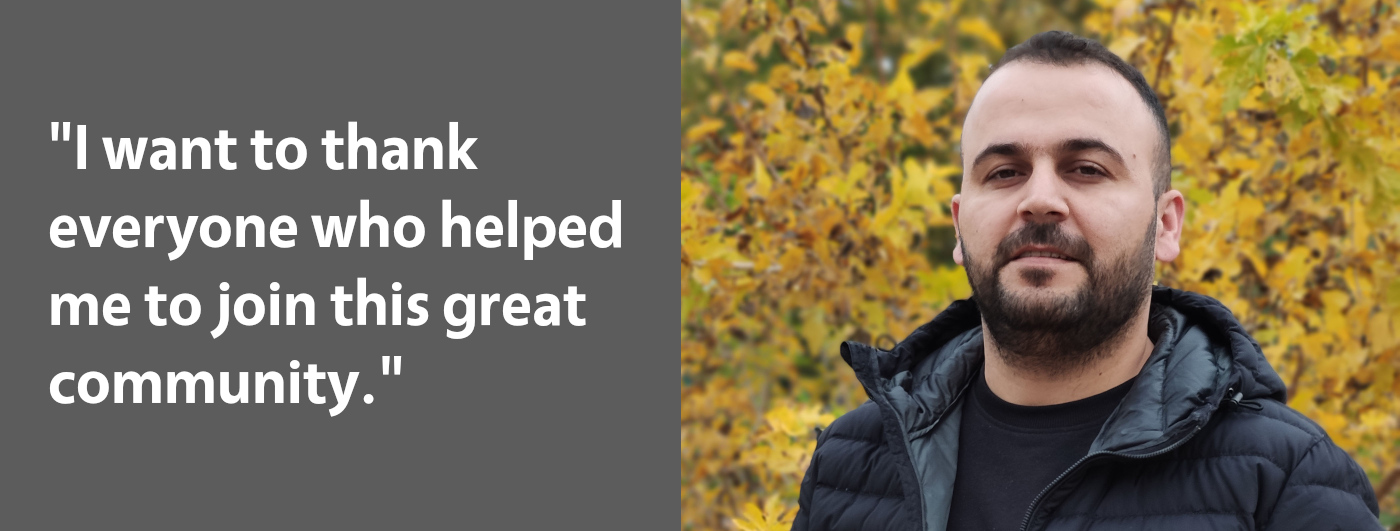
I’m a passionate administrator and open source enthusiast, starting my career 26 years ago. I live in Istanbul, and enjoy keeping myself up to date with the latest in the open source world, and trying out the latest tools, features, and services around Linux. In my spare time, I participate in the Turkish translation of open source applications.
You recently decided to become a Member of The Document Foundation, the non-profit behind LibreOffice. Tell us about that…
I want the OpenDocument Format and LibreOffice application to be used in my institutions and city. For this reason, I wanted to support The Documentation Foundation individually.
Also, I am here because I think the LibreOffice community has a differentiation from other open source communities. You can install and use open source applications, but there is a need for the OpenDocument Format to become widespread in order to use the produced output.
Here, I want to be a part of this dissemination and I believe that there will be an opportunity for this. Open source usage in Turkey is not at the desired level yet. In addition, it is very sad that many individuals and institutions are unaware of the OpenDocument Format and LibreOffice. I want to strive to eliminate this problem.
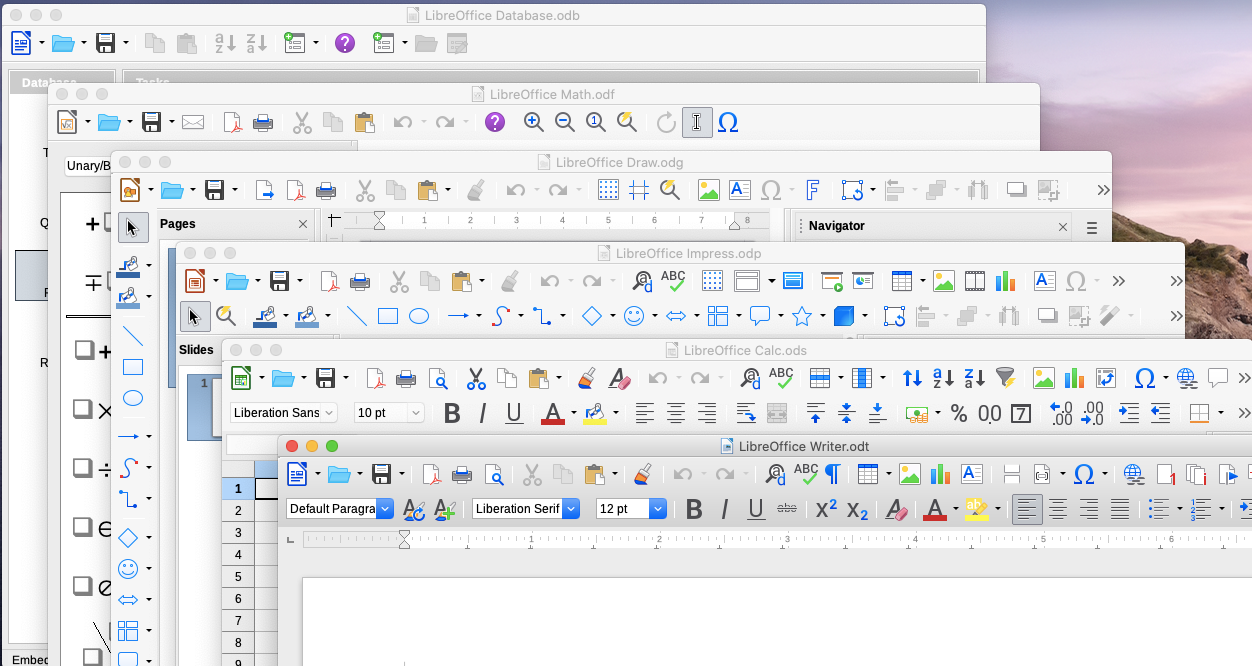
Design has been one of the major focus points of LibreOffice in the last few years, and has produced new icon sets and a number of incremental updates to the user interface – menus, toolbars and the SideBar – and the creation of the brand new NotebookBar…
(This is part of The Document Foundation’s Annual Report for 2020 – the full version will be posted here on the blog soon.)
Improvements in LibreOffice 7.0
Icon Themes
A new Sukapura icon theme, based on Apple’s color palette as defined in macOS Human Interface Guidelines for Visual Design, was developed to become the default on macOS. The Sukapura icon theme is based on the Colibre icon theme and developed to fit macOS desktop environment in mind. (Added by Rizal Muttaqin)
The Colibre icon theme was adopted as default for the Windows operating system was refreshed based on the new Monoline style iconography implemented by Microsoft Office 365. The goal of the Monoline style is to have a consistent, clear, and accessible iconography to communicate action and features with simple visuals, ensure the icons are accessible to all users, and have a style that is consistent with those used elsewhere in Windows. (Rizal Muttaqin)
Sifr was polished and updated, with fewer icons falling back to Breeze or Colibre, while the unmaintained Tango icon theme was removed from core, but is still available as an extension. (Rizal Muttaqin, Heiko Tietze)
Dialogs
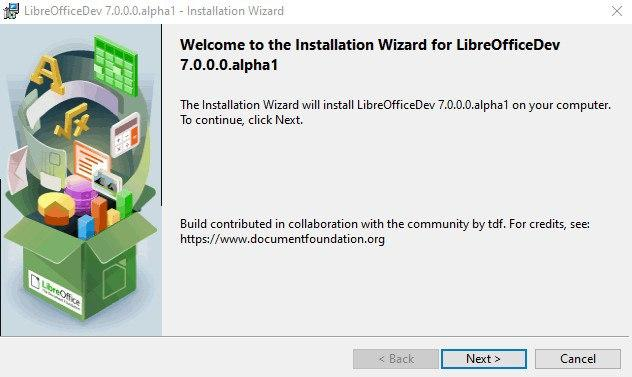
The Windows Installer was updated with new icons and images, based on LibreOffice 7.0’s visual theme. (Bayu Rizaldhan Rayes, Rizal Muttaqin, Muhammad Rivan)
Impress Presenter Screen
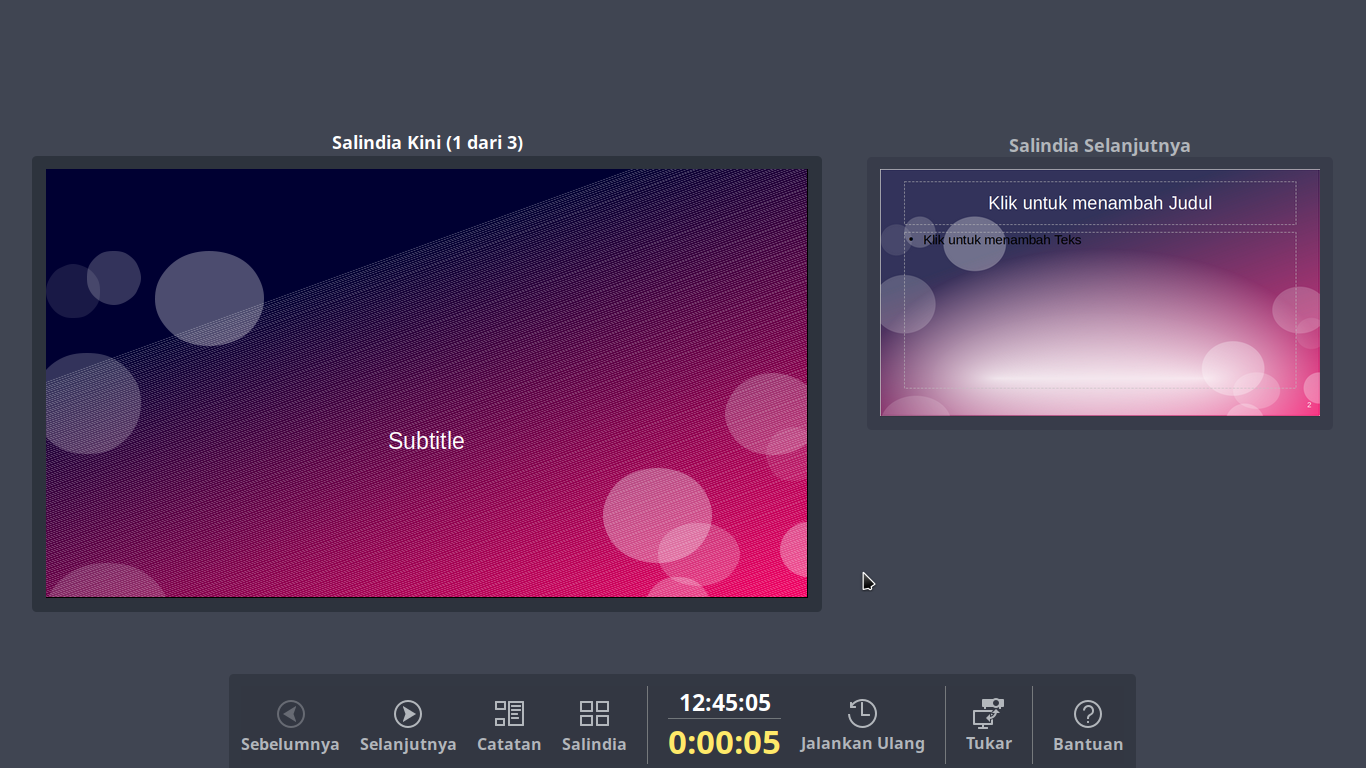
The Impress Presenter Screen shows on the personal computer or laptop screen when the presentation is projected on a second screen or a projector. The screen shows both the current and the next slide, plus optionally the speaker notes, plus a timer and some presentation controls such as arrows to go back and forth.
The visual appearance of the screen was refreshed, according to the user interface design. The extra white border pixel in the box was removed as well as the blurred shadow, while the background has been darkened to make the icons in the bottom bar more visible.
Three buttons were added: the first two to pause and resume the timer, which are useful to get the complete control on the timing of the session which was missing in the past, and a third to exit the Presenter Screen, in addition to the Esc button used in past versions. (Rizal Muttaqin)
Improvements in LibreOffice 7.1
Icons
The Elementary icon theme has been updated to be more consistent with Elementary branding colors, which are named after natural elements such as fruits. (Rizal Muttaqin)
Dialogs
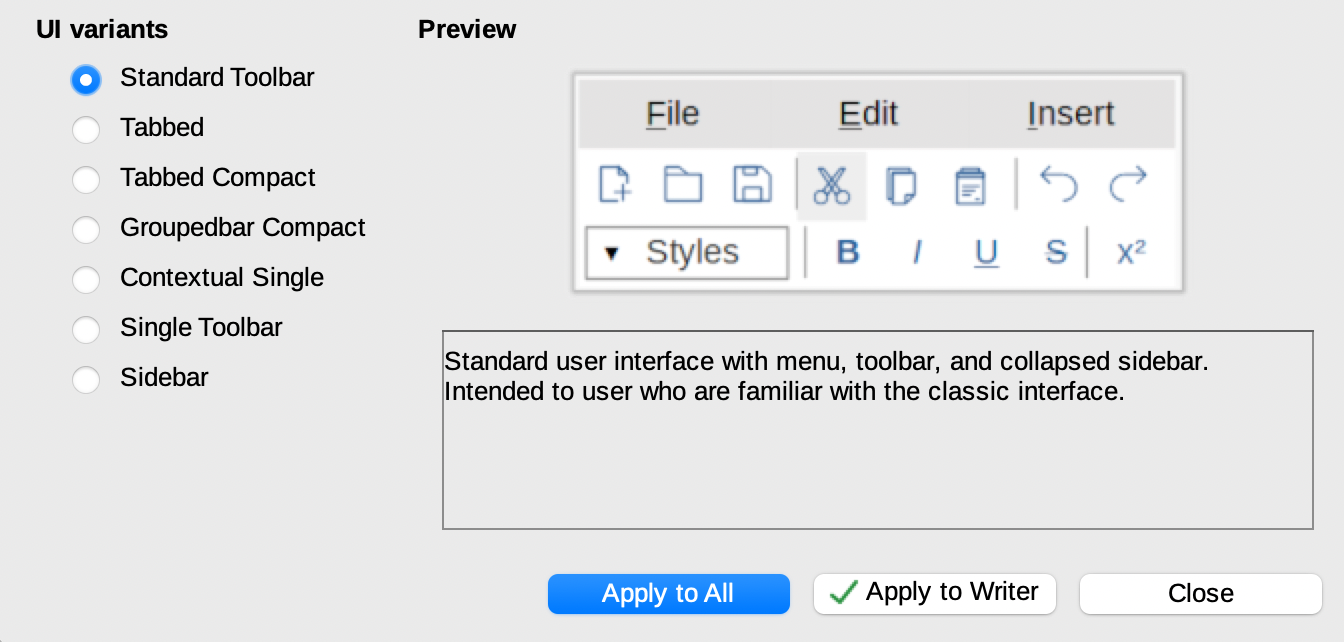
LibreOffice offers several User Interface options, from the traditional one based on Toolbars and Menus, with Sidebar, to the different NotebookBar alternatives, which are more familiar to users migrating from proprietary solutions. To help users choose the best User Interface for their preferences or habits, a new dialog window was added to select the UI during the first start. (Heiko Tietze, TDF)
NotebookBar
A new widget providing styles preview was added to the tabbed NotebookBar. (Szymon Kłos, Collabora)
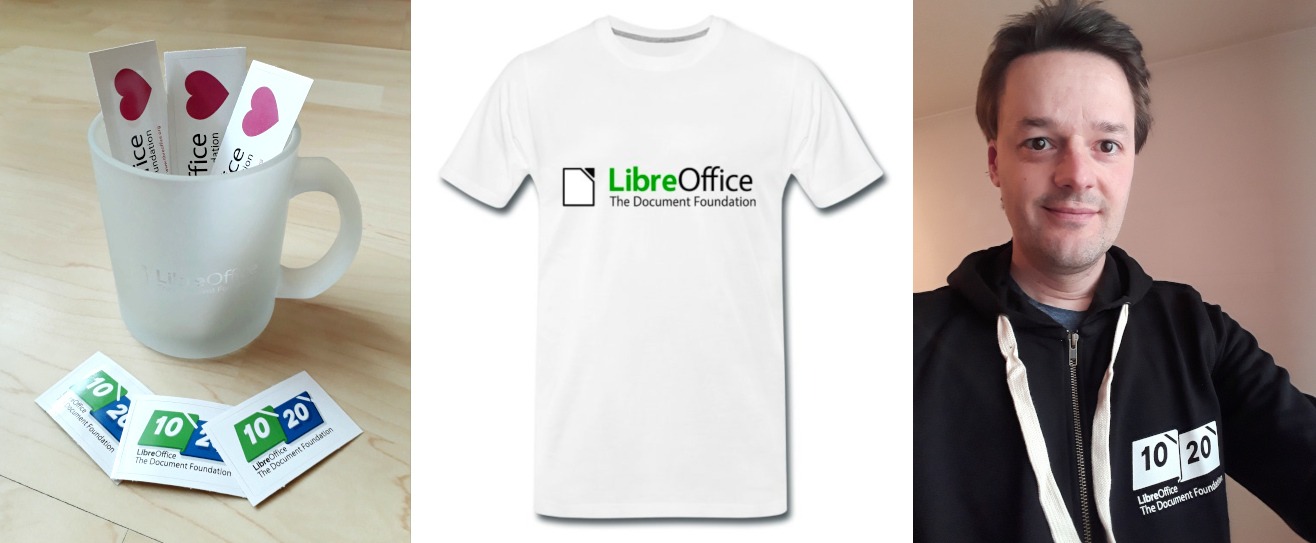
At the start of May, we launched the Month of LibreOffice, encouraging all users to get involved and help to make the software even better. Everyone who contributes – be it to documentation, translations, bug report testing and other areas – can claim a cool sticker pack, and has a chance to win extra merch too:
So how’s it looking? 285 sticker packs have been awarded so far – so if you see your name/username on that list, congrats! We still have two weeks to go, though, so if you’re not yet on the list, read on to find out how you can take part…
Do something awesome
So, let’s get started! There are many ways you can help out – and as mentioned, you don’t need to be a developer. For instance, you can be a…
Handy Helper, answering questions from users on Ask LibreOffice. We’re keeping an eye on that site so if you give someone useful advice, you can claim your shiny stickers.
First Responder, helping to confirm new bug reports: go to our Bugzilla page and look for new bugs. If you can recreate one, add a comment like “CONFIRMED on Windows 10 and LibreOffice 7.1.2”.
Drum Beater, spreading the word: tell everyone about LibreOffice on Twitter or Mastodon! Just say why you love it or what you’re using it for, add the #libreoffice hashtag, and at the end of the month you can claim your stickers.
Globetrotter, translating the user interface: LibreOffice is available in a wide range of languages, but its interface translations need to be kept up-to-date. Or maybe you want to translate the suite to a whole new language? Get involved here.
Code Cruncher, contributing source code: The codebase is big, but there are lots of places to get involved with small jobs. See our Developers page on the website and this page on the wiki to get started.
Docs Doctor, writing documentation: Whether you want to update the online help or add chapters to the handbooks, here’s where to start.
So, join us! And keep following updates on this blog and our Mastodon and Twitter accounts…
By helping to translate and market LibreOffice around the world, native language projects bring enthusiasm and passion to the global community. Here’s what they did in 2020…
(This is part of The Document Foundation’s Annual Report for 2020 – the full version will be posted here on the blog soon.)
Central Kurdish
Support for the Central Kurdish language was added to LibreOffice in 2021, and Jwtiyar Ali helped to drive the translation of the suite’s user interface. In addition, a Telegram group was created for community members to talk about upcoming translation projects, and bring new translators on board. Throughout the year, the Central Kurdish team worked on translating strings, with the goal in 2021 being to complete all translations, and also provide a dictionary for the language.
InstallFest, which took place in Prague on 29 February and 1 March 2020, was an event focused on GNU/Linux, helping new users to install the operating system. But it also had lectures and stands for many other free and open source software projects, and the Czech LibreOffice community was there with a booth.
The vast majority of visitors were from younger generations – often high school or even elementary school pupils. The new mobile application from Collabora, which was released just a few days before the event, aroused great interest, as did LibreOffice Online. Other visitors to the booth asked questions was about handling ODF files with embedded fonts, and the status of various bug reports.
Later in the year, the Czech community gave a talk at the OpenAlt conference (online) about maintaining an experimental Czech spellcheck dictionary in LibreOffice.
Outside of events, community members worked on maintaining and updating the Czech language LibreOffice website, supported users by answering questions on the CZ Ask LibreOffice website, and kept social media updated with 600 tweets on the Twitter account (and regular activity on the Facebook page).
On other websites, Czech contributors published articles and news on Czech FOSS portals (openoffice.cz, root.cz, abclinuxu.cz), and ran a small survey (with 20 responses) to collect examples of how LibreOffice is being used in schools, organizations and small companies.
In terms of translations, the Czech community announced their work using platforms for volunteers – which turned out to be a great way to involve of new contributors. Tens of volunteers participated during 2020. Together with long-time community members, they worked on translations for LibreOffice’s user interface and help content (both at 100%), subtitles for videos, FAQ articles and other pages on the wiki.
The Online guide for LibreOffice 6.3 translated and published in March 2020, followed by the Math guide for LibreOffice 6.4 in June, and the Getting Started Guide for LibreOffice 6.4 in July.
Dutch
Throughout 2020, the Dutch-speaking LibreOffice community was involved in various projects and activities. For instance, community members helped to support LibreOffice users by answering questions on the Ask LibreOffice website and mailing lists. In addition, they worked on maintaining the Dutch LibreOffice website, and helped out with the “10 year anniversary” video:
Please confirm that you want to play a YouTube video. By accepting, you will be accessing content from YouTube, a service provided by an external third party.
If you accept this notice, your choice will be saved and the page will refresh.
Another area where the Dutch community was especially active is documentation. The Math guide for LibreOffice 6.4 was translated and published in March 2020, and this was followed by the Getting Started Guide 6.4 in June, Draw Guide 6.4 in July, Writer and Calc Guides 6.4 in August, and finally the Calc Guide 7.0 in December. Other chapters for the Getting Started, Impress and Writer Guides 7.0 were translated as well.
For LibreOffice’s user interface, Dutch community members ensured that the software’s user interface was 100% translated in 2020 – while translations of the help text jumped from 70% to 92% by the end of the year.
Esperanto
Esperanto, a constructed auxiliary language, also received support from the LibreOffice community in 2020. The software’s user interface was almost entirely translated into the language, while LibreOffice Online, Impress Remote and the website reached “100% translated” status. For the help content, 48% of it was translated. Interested users of the Esperanto language can join in and help to further translations – see the website for more information.
Finnish
Thanks to work by the local community in Finland, LibreOffice’s English-Finnish glossary for translators was expanded, and a lot of user interface translations were reviewed with funding from Fuugin Säätiö (from the Finnish Unix Users’ Group foundation). Also, the translations for the LibreOffice Impress Remote were reviewed, while instructions for translators were updated to reflect the current Weblate-based workflow and to make onboarding of new translators easier. Finally, there was ongoing translation work – mainly in the interface.
French
A Writer sprint was organised by the French-speaking community, with 25 participants from West African countries (Congo, Benin, Togo, Cameroun, Ivory Coast) from August to December via a Telegram group. The aim of the sprint was to explore Writer features through various exercises but also how to interact on Telegram. There were difficulties with internet connections in some countries (in Togo particularly), meaning the organisers had to extend the sprint for several weeks. But – all in all – it went well and will be continued with specifics demands from the participants.
The community met twice on Jitsi with some members, and more specifically with the La Mouette association to explore how they could better interact. On the documentation side, they translated the Base, Beginner, Writer and Draw guides.
A group of five students from the Brest University of Translation worked on translating the Math guide. The work is ongoing due to some delays because of the pandemic. In addition, the release notes and the FAQ were translated and maintained. Both the user interface and help for each LibreOffice version were translated into French, and a group began translating the UI in Guadeloupean Creole. Finally, regular support was provided via the mailing lists and Ask LibreOffice.
German
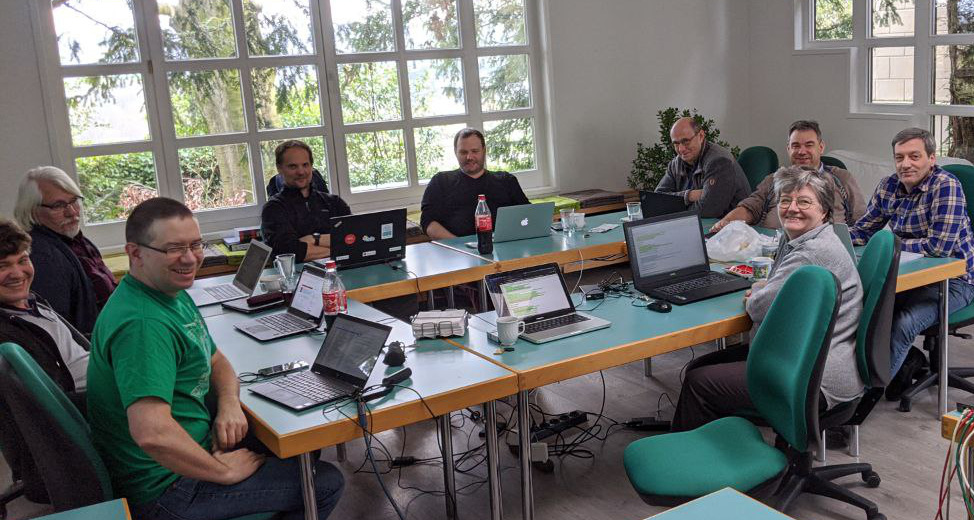
Before the COVID-19 pandemic stopped almost all in-person meetings, the German-speaking LibreOffice community had the opportunity to meet at Linuxhotel in Essen, in early March. There were 15 participants, who discussed many topics including: a potential scholarship programme in memory of Klaus-Jürgen Weghorn, who passed away in 2019; the new TDF Board of Directors; LibreOffice Online; the extensions and templates website; and upcoming events. Saturday evening was a social event, with pizza and drinks.
Throughout the year, German-speaking community members had monthly calls, planned via the pad. These calls provided opportunities for new community members to get familiar with TDF’s projects and tools.
In terms of documentation, the German Base Handbook 7.0 (covering LibreOffice’s database) was published in August 2020.
Inuktitut (and other activities in Canada)
The LibreWaterloo group consists of five committed individuals, and occasional Canadian members. Due to COVID-19 restrictions, all monthly meetings were moved to online videoconferences using the BigBlueButton (BBB) platform.
Over the twelve-month period of 2020, topics of meetings covered: How to build and hack LibreOffice code; An overview of LibreOffice and its main modules; Invited guest from Collabora; Invited guest from CIB; Localization and software – can we help?; Invited guest to discuss LibreLogo; And bug triaging – can we help?
A member of the LibreWaterloo group offered to help facilitate various Canadian indigenous localizations of LibreOffice, with the first efforts going into Inuktitut localization (which is still an ongoing effort). The LibreWaterloo project expects more concrete results in 2021 for this localization initiative.
On social media, some marginal effort to advertise LibreOffice through Facebook was done, but more is planned throughout 2021. Additionally, plans to evangelize ODF to various levels of the Canadian government and Canadian businesses are in the works – more will be reported on the TDF blog and via Twitter when it happens.
Italian
Because of the pandemic, most educational activities throughout 2020 took place online, and unfortunately several planned events had to be postponed. Nonetheless, LibreItalia representatives talked about many topics: LibreOffice’s 10th Anniversary; ODF and Open Standards; LibreOffice 7.0’s New Features; Free Software Tools for Remote Learning; and more.
There was just one face-to-face event, in Como in late summer, with a small attendance. Later in the year, the community organized the annual LibreItalia Conference in December (online), with several talks and a round table with politicians and other experts, to discuss about implementation of LibreOffice in public administrations.
Regarding localisation: the user interface and help content was translated for LibreOffice 6.4, LibreOffice 7.0 and LibreOffice 7.1. In addition, there was localisation of other documents, update of tips and tricks in Italian, and localization and maintenance of the Italian website.
Japanese
Over in Japan, the local native language community organised 32 hackfests throughout the course of the year. Also, they had seminars or other presentations at seven open source software conferences, a study party, four online meetups (including Document Freedom Day, LibreOffice’s ten-year anniversary, and the openSUSE+LibreOffice pre-conference party).
For in-person events, community members organised nine mini-meetups, and attended one free software conference.
Lastly, Japanese project members worked with other countries and regions in East Asia: COSCUP (Taiwan), HKOSCon (Hong Kong), Northeast Asia OSS Promotion Forum (with the Korean community), Korea-Japan LibreOffice Online Seminar (organized by National IT Industry Promotion Agency, part of the South Korean government).
Mongolian
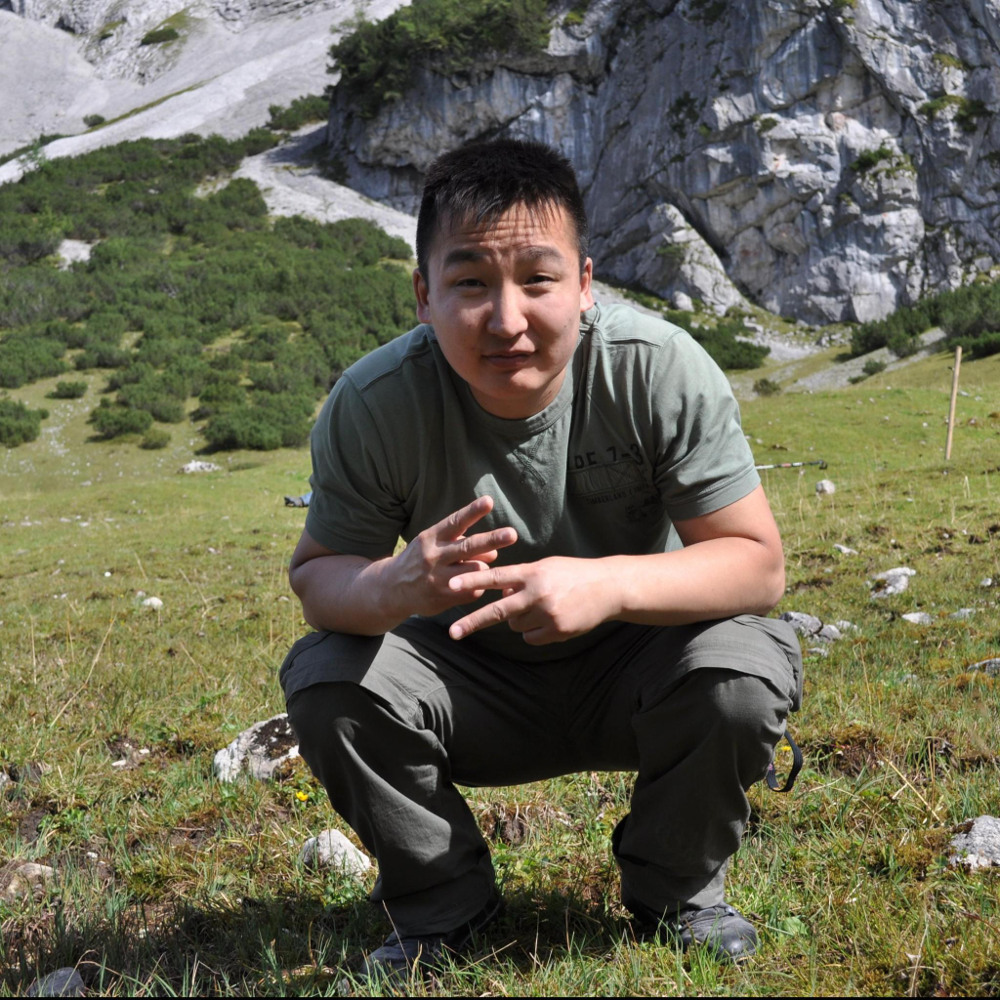
Currently, the Mongolian translation work is done by Battsengel Ichinnorov (aka “bachka”). In 2020, he resumed his work on translations, and got in contact with a Mongolian dictionary plugin developer. His current goal is to complete the translation, add support for the traditional Mongolian script, and bring more people into the project – so anyone with Mongolian knowledge is welcome to help out.
Throughout 2020, the Farsi community wrote 20 blog posts on their website: https://libreoffice.ir. In addition, they completed the translation of LibreOffice’s relaunched templates and extensions website, translated approximately 7000 strings on Weblate, added two new reviewers for translation on Weblate, and fixed some minor problems with right-to-left language pages on TDF’s wiki.
They also started translating development-related pages on the wiki, and began to document the LibreOffice’s software architecture in the Persian language.
(Final note: the community received several complaints about text rendering defects in fully justified Arabic/Persian text, which has lasted for several years without stable fix. Considering the emphasis of many active contributors and users, fixing this bug is the most important goal in 2021 for the Persian team.)
Polish
Marcin Popko led the Polish social media efforts in 2020, launching a new Facebook fanpage one year ago – it has so far reached 210 fans. He also organised two sticker giveaways via the page.
On the topic of community, Marcin wrote an article for a popular Polish techsite. The community also prepared the fully translated Polish LibreOffice website, using the current LibreOffice theme.
Portuguese (Brazilian)
Throughout 2020, the community organised “Papo Libre” – a weekly meeting with the pt-BR community, for any topic related to LibreOffice and The Document Foundation. The meeting bonded the Brazilian community around the publication of the LibreOffice Guides.
They published the Calc Guide 7.0 (coordinated by Felipe Viggiano), and the Math Guide 7.0 (coordinated by Rafael Lima). Much of the communication took place via “LibreOffice Portuguẽs”, the Telegram Channel for the Portuguese speaking community (393 members). There is also “LibreOffice Doc BR”, the Telegram channel for the pt-BR documentation community (17 members).
Russian
Activities in the Russian language community included supporting users on the forum and Russian Telegram group. Community members wrote 67 articles on a Russian blog about LibreOffice.
They also worked on translating wiki articles, the LibreOffice user interface, and guidebooks into Russian – such as the Draw Guide, which was updated to version 6.3.
Over 100 bug reports were filed, a new Russian thesaurus was integrated into LibreOffice, and Russian spellcheck dictionary was converted from KOI-8R to UTF. (Additionally: Belarusian hyphenations were integrated into LibreOffice, and the Belarusian spellcheck dictionary was updated.)
Spanish
Various online events and regional conferences involving people from Latin America and Europe took place, with Spanish and Portuguese speakers. There were four online events, from May to August.
Moreover, they had a regional conference in parallel with the international one. Outside of these events, there were monthly Hispanic meetings on Jitsi. Community members also created a Hispanic YouTube channel.
In terms of user support, they helped out on Ask LibreOffice, and the Spanish-language Telegram group (currently with 1030 members).
For the website and social media, a Mastodon channel was created, while the Hispanic blog featured press release translations and other content produced in-house. A new section was implemented in order to collect tips and tricks coming from the Telegram group, called “Pearls of Wisdom” (coordinated by Celia Palacios).
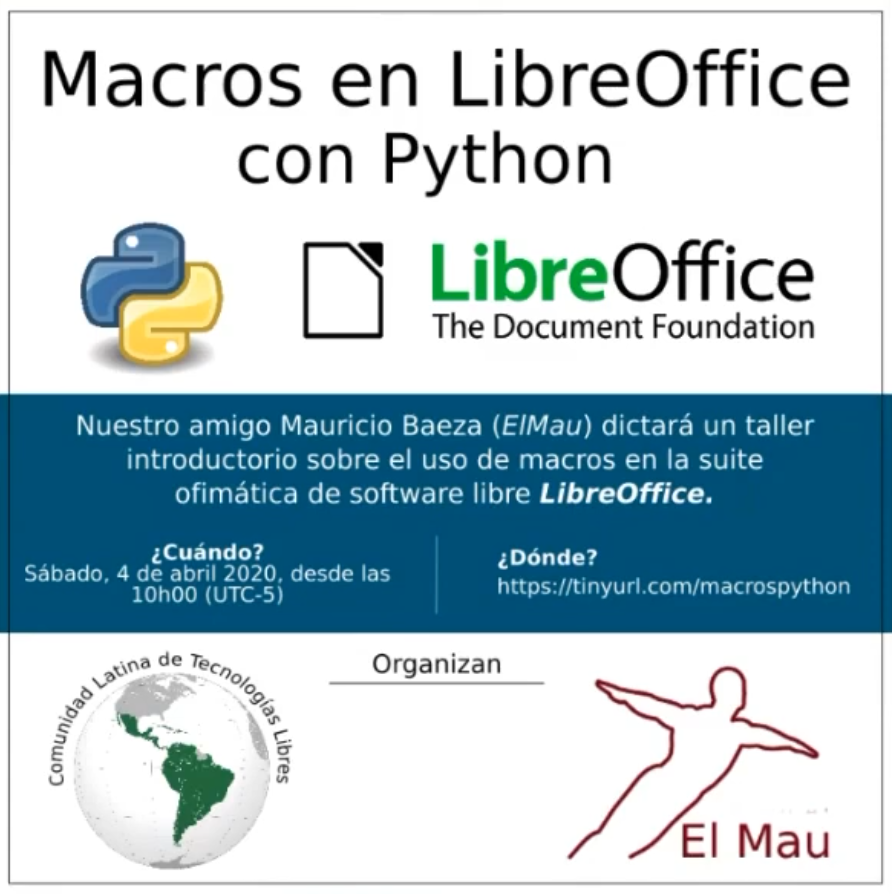
In terms of documentation, a Python scripting course was held by Mauricio Baeza from Mexico (video here).
A documentation programme to involve young students from public universities was set up: “Social service program for Spanish version of LibreOffice documentation”. At the moment there are three students involved (Celia Palacios coordinates this programme).
A LibreOffice Base tutorial was added to https://oficinalibre.net (owned by Ismael Fanlo). Several courses for LibreOffice Calc and Writer are already there – they’re free to use by anyone, and publicly shown in the Telegram Spanish group. Some volunteers are testing the new Base tutorial (Juan Carlos Sanz, Paul G Janzen and Milton Tirado).
Traditional Chinese (Taiwan)
Sadly, the LibreOffice Asia 2020 conference was cancelled due to the pandemic. Still, there was plenty of good news throughout the year: for instance, a new blog for LibreOffice’s Traditional Chinese community was set up, to replace the old Blogspot one. News and important announcements were translated and published there.
Three lecturers passed the certification interview, which was held online during the LibreOffice Conference 2020, and were certified as LibreOffice Trainers: Freddie Chen, Kai-Yuan Hu, and Yu-Tung Hou. Now there are seven certified people in Taiwan, including six LibreOffice Certified Professional Trainers and six LibreOffice Certified Migration Consultants (two of them have both certifications).
In Yi-Lan County, the Police Departments migrated from Microsoft Visio to LibreOffice Draw. Several trainers helped the Police Departments to convert many, many drawing objects like cars and (cross) roads, which were used to describe traffic accidents in Visio, into SVG format and integrated into LibreOffice Draw. Also, Sunjun Information Service Company provided several training courses for LibreOffice Draw to the Police Departments in Yi-Lan County, to teach those officers how to use it in their daily work.
Turkish
In January 2020, a LibreOffice Development Workshop took place at the Free Software Winter Camp. This was a four-day workshop, as a follow-up to the LibreOffice Developer Bootcamp 2019 – and two of LibreOffice’s six Google Summer of Code 2020 students were among the participants. It was hosted by Eskişehir University, and the trainer’s time was sponsored by Collabora.
Then there was the LibreOffice Developer Bootcamp 2020, organized together with Hacettepe University’s ACM Student Chapter and Collabora. It was run at full capacity of 150 students and went on for six weeks. Students were introduced to free and open source software, Google Summer of Code, LibreOffice, Collabora Online, and other FLOSS projects such as GNOME and KDE.
After the foundations of C++ and JavaScript were covered, the students compiled the source code for LibreOffice and Collabora Online, and sent patches to both projects. Then, a Telegram group was formed for the participants, and mentoring is now being provided by volunteers from the community.
Another event was “The Office Suite of the Open-Source World: LibreOffice”. This was a public talk/seminar as part of the “Open Seminars” series organized by Turkey Open Source Platform. With over 1,000 registered attendees, it was also streamed live from the Twitter account of the Science and Technology Minister.
And lastly, there was online basic training of LibreOffice on Pardus GNU/Linux. This was given by one of TDF’s members, Şenol Aldıbaş, live-streamed to the public, and is now available on YouTube:
Please confirm that you want to play a YouTube video. By accepting, you will be accessing content from YouTube, a service provided by an external third party.
If you accept this notice, your choice will be saved and the page will refresh.
Ukrainian
In 2020, the Ukrainian language community translated approximately 9400 strings.
Thank you to everyone
We at The Document Foundation would like to say a huge thank you to everyone who in the native language communities. Your work makes LibreOffice accessible to hundreds of millions of people around the world, and your passion is wonderful. Thank you!
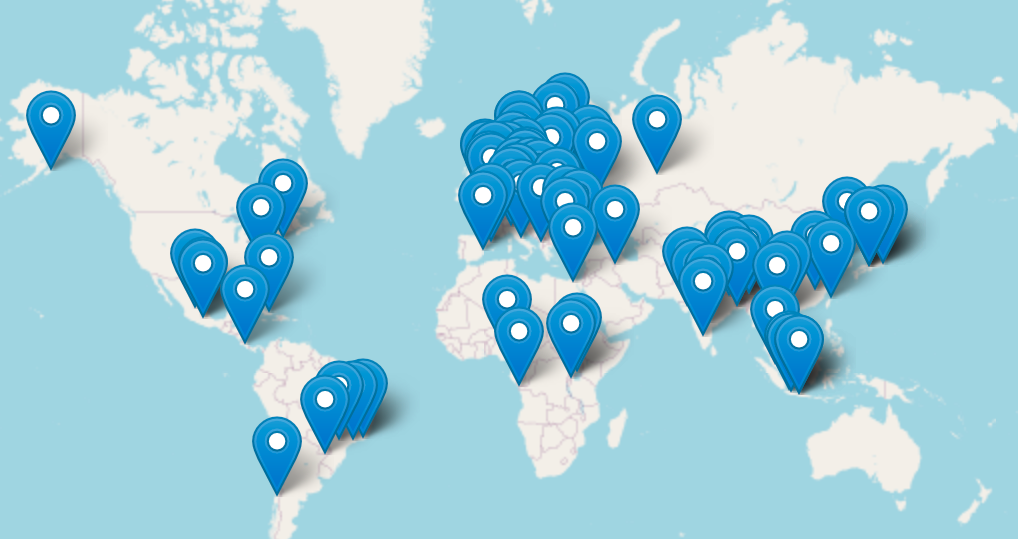
(This image shows some LibreOffice community members from our map. If you’re not there, or want to get your location on the map, let us know!)
Today we’re talking to Dante Doménech, who’s helping to improve LibreOffice Math…
Hi Dante – tell us a bit about yourself!
I’m from Spain – the biggest city in the area is Valencia. I’m a physics student, and my hobbies are coding and reading about other scientific fields.
What are you doing in the LibreOffice project right now?
I’m working on updating the suite’s formula editor to be fully compatible with MathML. This would increase the strength of our formula editor, by backing it with a solid standard.
Additionally, I’m working on adding support for Kahan summation, for handling sums in LibreOffice Calc. This would increase the accuracy of statistical operations – in particular sum, average, standard deviation …
How did you originally get involved, and what was the experience like?
There was no way of using custom RGB colors in Math formulas – so I added the feature myself. It was easier than expected, because the people in the community directly pointed me to the code I was looking for.
Is there anything else you’d like to work on?
Once I’m finished with the formula editor, I may improve the collection of numerical calculus functions in Calc. I also may help with making a new Math guide.
Many thanks to Dante for all his contributions! Some of them will arrive in LibreOffice 7.2, due this summer. Stay tuned to the blog for more updates…