
Tell us a bit about yourself!
My name is Rohan. I am currently in Berlin, Germany, and my background is in mechanical engineering and I have a master’s degree in sustainable mobility and robotics. I recently worked on my master’s thesis, where I used LibreOffice closely on macOS. That experience actually played a big role in bringing me closer to the project.
Outside of my academic and technical work, I am interested in open source software, mobility, robotics, and learning how large software projects are built and maintained. Contributing to LibreOffice has been a very new and rewarding experience for me, because I did not come from a traditional software engineering background.
What are you working on in the LibreOffice project right now?
At the moment, I am exploring macOS-related development work, especially around OfficeBean and native window handling. One of the issues I have been looking into is adding macOS support for OfficeBean, which involves understanding how Java AWT, native macOS views, and LibreOffice’s VCL layer interact.
So far, my merged contributions have mostly been in the LibreOffice core repository, around C++ cleanup, refactoring, and modernisation. These include:
- tdf#168771 basctl: Convert traditional enums to enum class
- tdf#43157 canvas & chart2: Replace OSL_ASSERT with SAL_WARN_IF
- tdf#143148: Replace include guards with #pragma once
Some of my other patches have not been merged, but they still helped me learn a lot about the codebase, Gerrit, code review, and how to communicate with reviewers.
I also contributed to the developer documentation by adding macOS-related LCOV information to the Development/LCOV wiki page. I wanted to document what I learned so that other macOS contributors could have a clearer path when using coverage tools.
Why did you choose to become a TDF member?
I chose to become a TDF member because LibreOffice has personally helped me a lot, especially during my master’s thesis. While using it closely, I noticed bugs and small rough edges, and that made me curious about how such issues are reported and fixed.
After attending the LibreOffice Conference in Budapest, I became much more interested in the community behind the project. I saw how welcoming and serious the community is about open standards, user freedom, and long-term software sustainability.
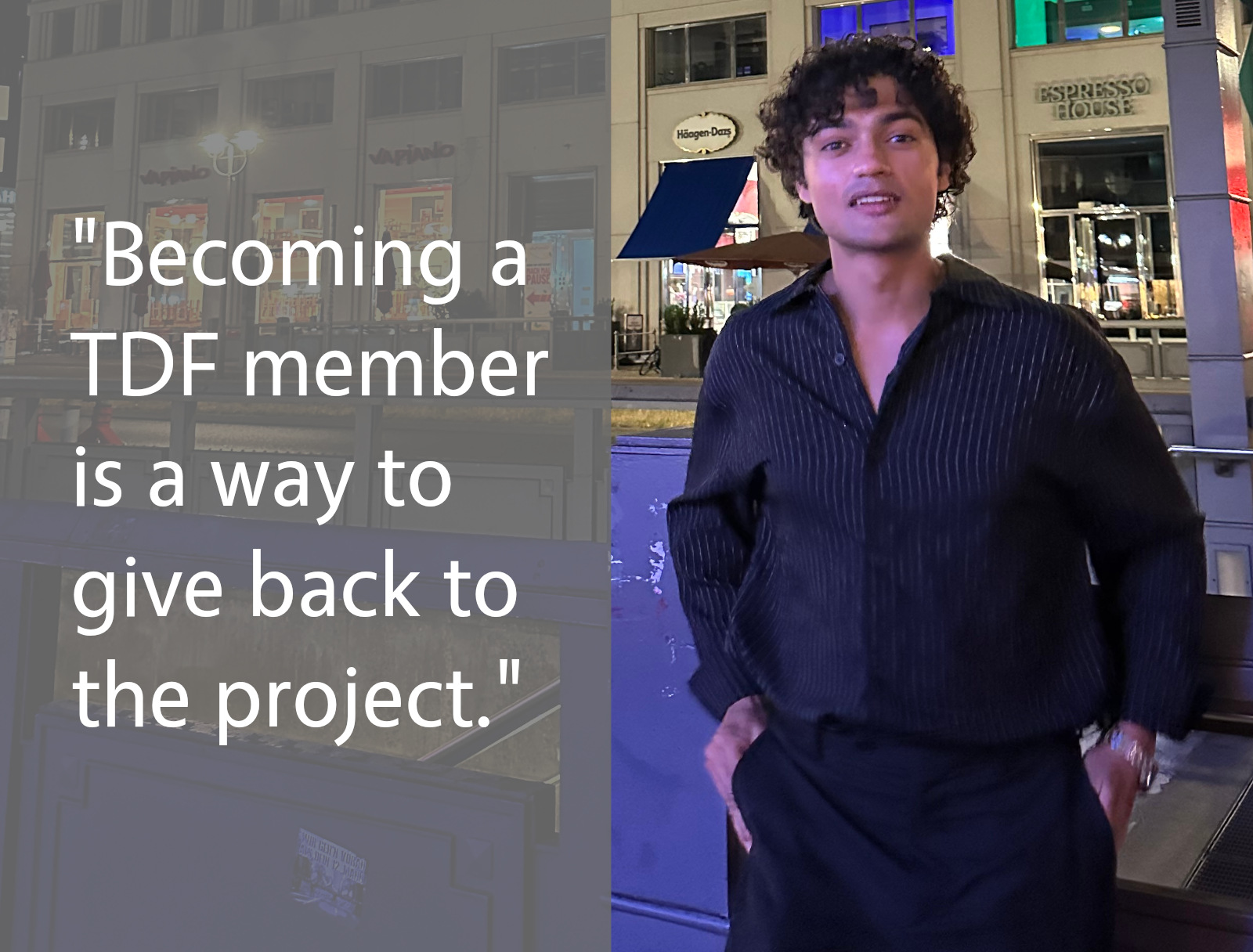
For me, becoming a TDF member is a way to give back to a project that supported my own academic work. It is also a way to stay connected with the community and keep learning from people who have much more experience in open-source development.
Anything else you plan to do in the future? What does LibreOffice really need?
In the future, I would like to continue improving my understanding of LibreOffice’s core codebase, especially in areas related to C++, macOS, VCL, and developer tooling. I am still learning, so I want to take on tasks step by step and contribute in a way that is useful and maintainable.
I think LibreOffice really benefits from better onboarding paths for new contributors, especially people who are not coming from a pure computer science background. The codebase is large and can feel intimidating at first, so documentation, mentoring, and small well-described tasks are very important.
LibreOffice also needs continued attention on platform-specific issues, including macOS, because many users depend on it every day across different environments. Even small improvements can make a big difference for users.
For me, contributing to LibreOffice has been both a technical learning journey and a way to give back. I really appreciate the patience and support of the community, because it has helped me ask better questions, understand code review better, and gradually become more confident as a contributor.
Please confirm that you want to play a YouTube video. By accepting, you will be accessing content from YouTube, a service provided by an external third party.
If you accept this notice, your choice will be saved and the page will refresh.