
LibreOffice ecosystem interview: Michael Meeks at Collabora Productivity
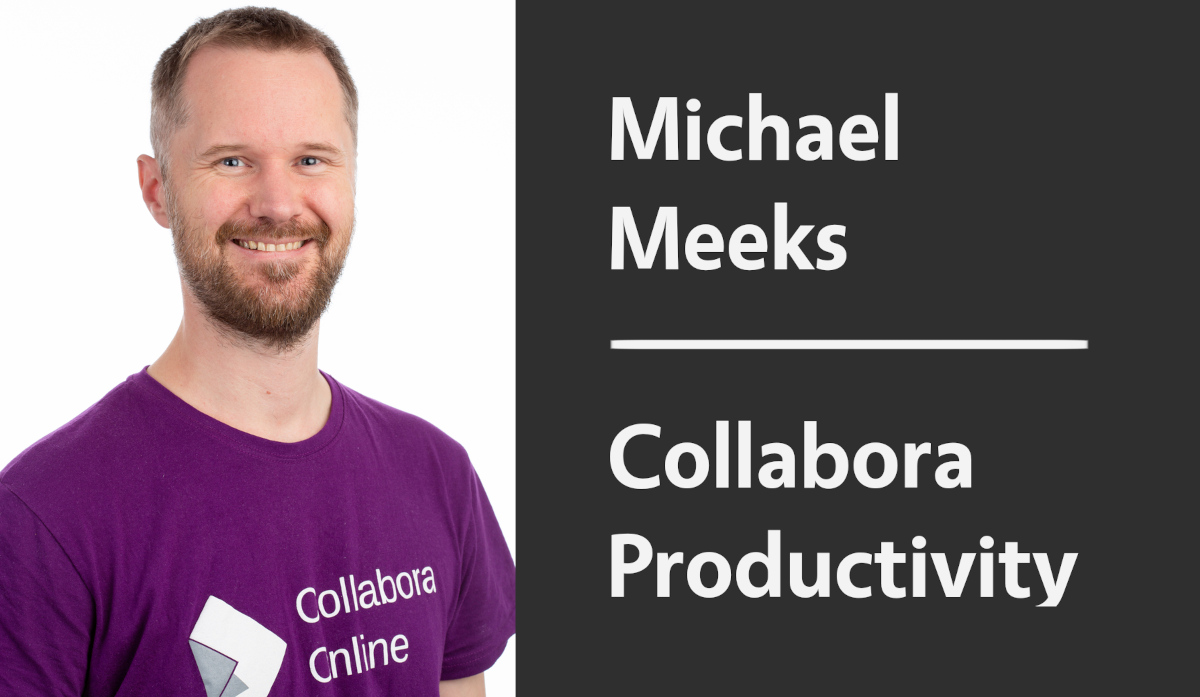
Following our interviews with Caolán McNamara at Red Hat and Thorsten Behrens at allotropia, today we’re talking to Michael Meeks from Collabora Productivity:
Tell us a bit about yourself!
I’m Michael Meeks, a Christian, husband and enthusiastic open source developer. I run Collabora’s Office division with the assistance of an amazing team – leading our Collabora Online and Office products, and supporting customers and partners. I’ve served as a Director of the The Document Foundation from its founding until recently, and have contributed to both the OpenDocument Format and OOXML standardization.

I’d started some decades ago working on the Linux desktop in the GNOME project around the Gnumeric spreadsheet, first as a volunteer, then for Ximian – which was involved in the open-sourcing of OpenOffice.org. Since then, I’ve been involved with improving the codebase, although the name of my employer has changed from Ximian, Novell, Attachmate, Micro Focus, SUSE – and finally being spun out alongside a brave and talented subset of the SUSE LibreOffice team to Collabora Productivity some nine years ago.
What does Collabora Productivity provide in the LibreOffice ecosystem?
One big piece we do is improving the awesome LibreOffice Technology core engine / APIs, and performance for Collabora Online – which provides a real alternative to Microsoft Office 365 – with collaborative editing in the browser. We spend time working hard on integrations with popular open source products like Nextcloud, ownCloud, Seafile, EGroupware, and proprietary ones such as HiDrive, Filr – as well as helping hosting providers like Strato provide LibreOffice Technology to their users en-masse.
Around Collabora Online, we have a mission to allow you to control your documents. That means full control from open source software, open standard file formats, through to on-premise hosting, and full network control. It is encouraging to see the growing consensus these days between e.g. The European Pirate Party (enthusiastic Collabora Online users) talking positively about the importance of Digital Sovereignty, and at another pole – for instance, the head of the UK’s MI6 warning on the BBC:
“The data-trap is this: that if you allow another country to gain access to really critical data about your society, over time that will erode your sovereignty.”
For Collabora’s customers, we also take a new LibreOffice version each year and freeze this as our Long-Term Support (LTS) base; we create many hundreds of fixes and feature patches which we contribute up-stream, as well as back-porting the latest fixes to our enterprise branch: much as is done for an enterprise Linux distribution. We sell that toegher with services and support as Collabora Office. We also maintain a tool (Collabora OLE Automation Tool) to ease migration of vertical applications that use Visual Basic / OLE2 integration that makes LibreOffice behave like Microsoft Office via COM. In addition, we maintain Collabora Office and LibreOffice Windows Group Policy Templates – these make it easy to manage lots of LibreOffice machines via Group Policy.
Another strand of work is re-packaging Collabora Online / LibreOffice Technology as responsive mobile apps for Android and iOS, as well as Chrome OS. By delivering LibreOffice-based document editing to everyone’s browsers, PCs and mobile devices, we give people a real alternative that lets them choose their own document formats, security profile and threat model – real digital sovereignty.
What has Collabora been working on in LibreOffice 7.3?
We’ve been working on lots of things: some of the team have done a lot for interoperability, e.g. Miklos improving writer’s paragraph styling, or Dennis making charts more compatible, or Sarper re-working our PowerPoint header/footer interoperability. There is a constant stream of improvements based on customer feedback here.
Another big set of improvements in LibreOffice 7.3 are from Lubos and Noel around the performance of file opening, rendering, editing of documents as well as improving calculation threading. One particularly important piece here was the work done to very significantly improve performance of lots of editors in a single file – which has been back-ported to make Collabora Online very much faster in our latest releases.
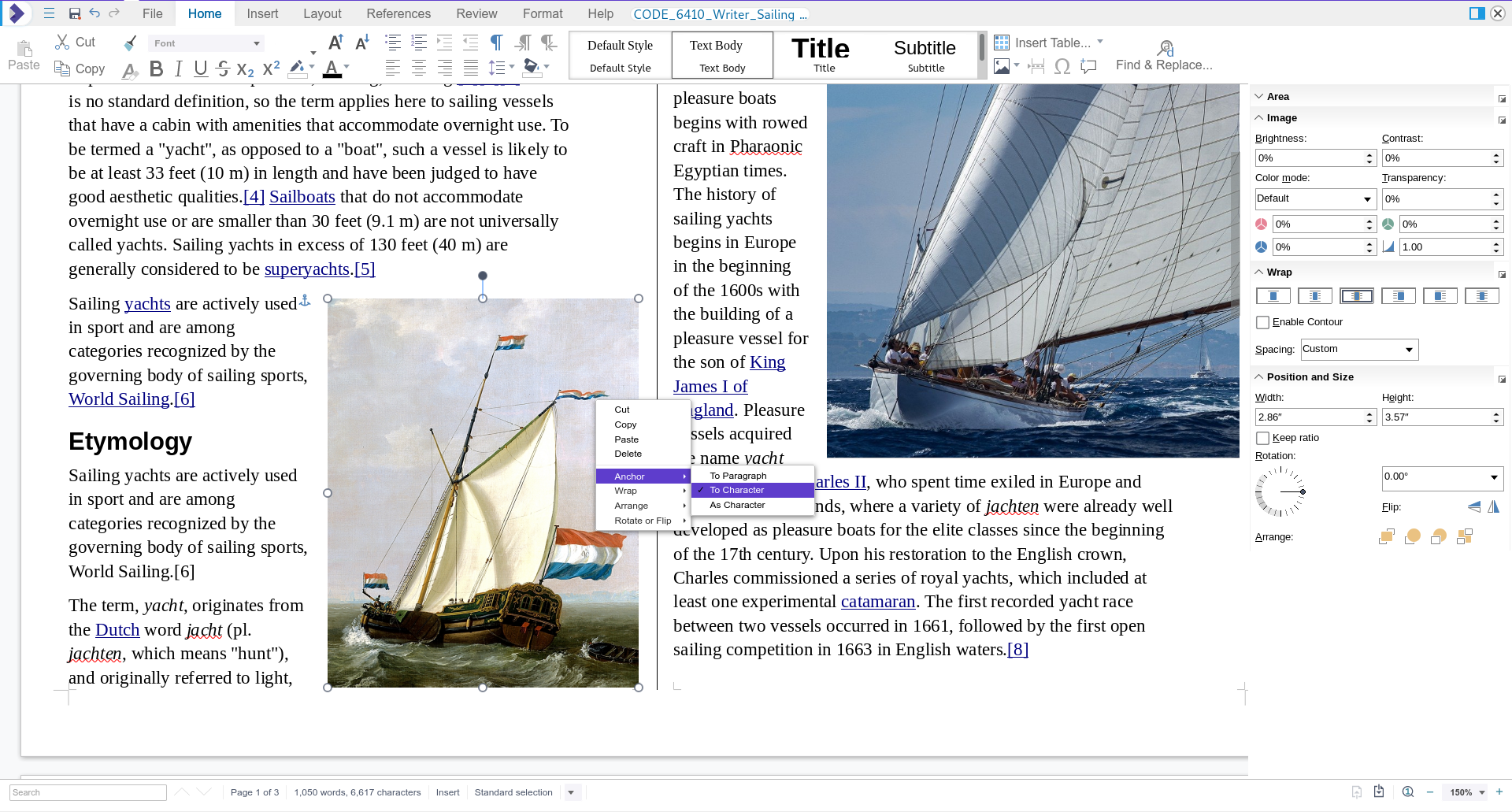
We are looking forward to upgrading to LibreOffice 7.3 in the next months, and not having to carry these back-ports forward.
What new features are you particularly happy with?
I’ve been really pleased with the work we’ve done alongside AMD around Skia rendering – in LibreOffice 7.3 we make that the default for macOS (users, please report any problems), which for the first time allows us to share a single, modern rendering API between macOS, Linux and Windows for rendering – which is a huge step in the right direction.
What’s more: adding WebP support for images – interestingly, Firefox now requires this as a copy/paste format for images, and it’s long overdue to have this high quality format from Google supported.
Looking beyond this release, what else are you planning to do?
We work continuously on LibreOffice, all around the code from ongoing clean-ups, performance work, unit-tests (particularly important to avoid customer tickets regressing) and so on. We have a few things that are in the works currently.
Another thing that Tomaz, Sarper and Miklos will debut in LibreOffice 7.4 is the start of colour theme support for shapes, to allow us to re-style documents more deeply by changing the theme and palette. This should also help with interoperability and templating.
We’ve also added Sparkline support, providing a very pretty and useful way to quickly visualize data for LibreOffice 7.4.
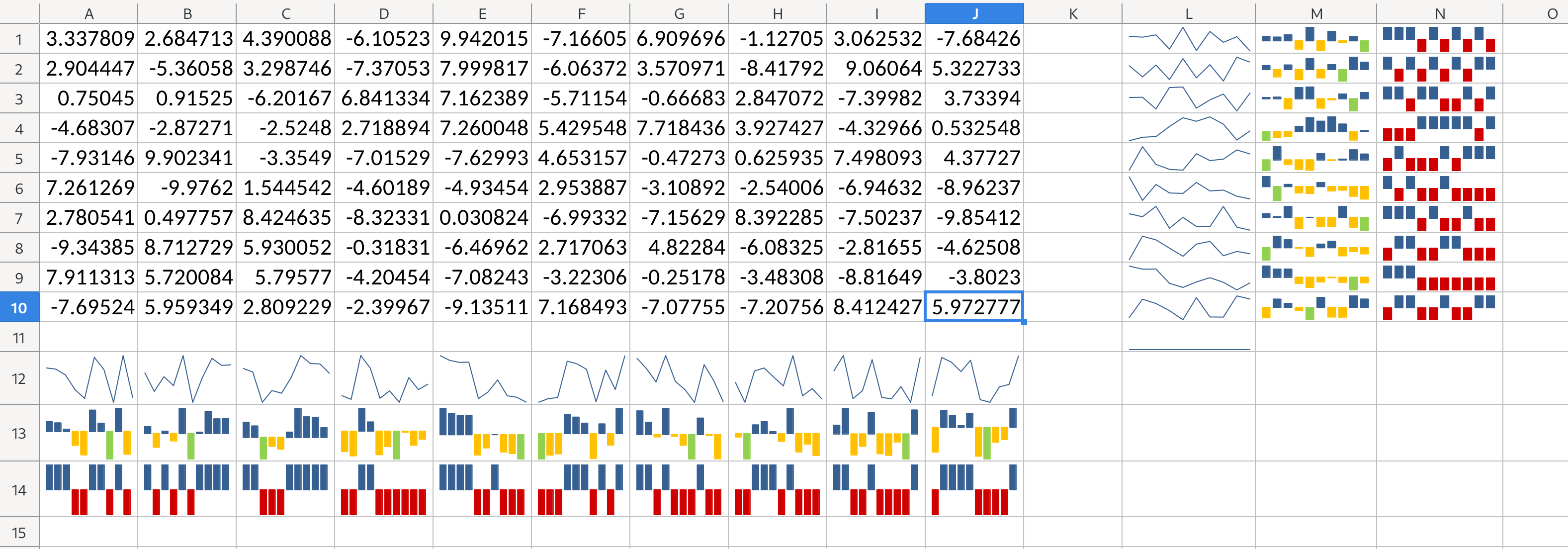
You can read about the history of these from Edward Tufte.
Lubos has been working hard on jumbo sheets – allowing much larger number of columns in sheets (and more rows too) which should make interoperability much smoother for people with large spreadsheets.
And of course lots more – we’re expecting LibreOffice 7.4 to be packed with new and enhanced feature / function from the whole community – and Collabora.



 Constitution of India



_in_Amritsar,_India.jpg)
.jpg)