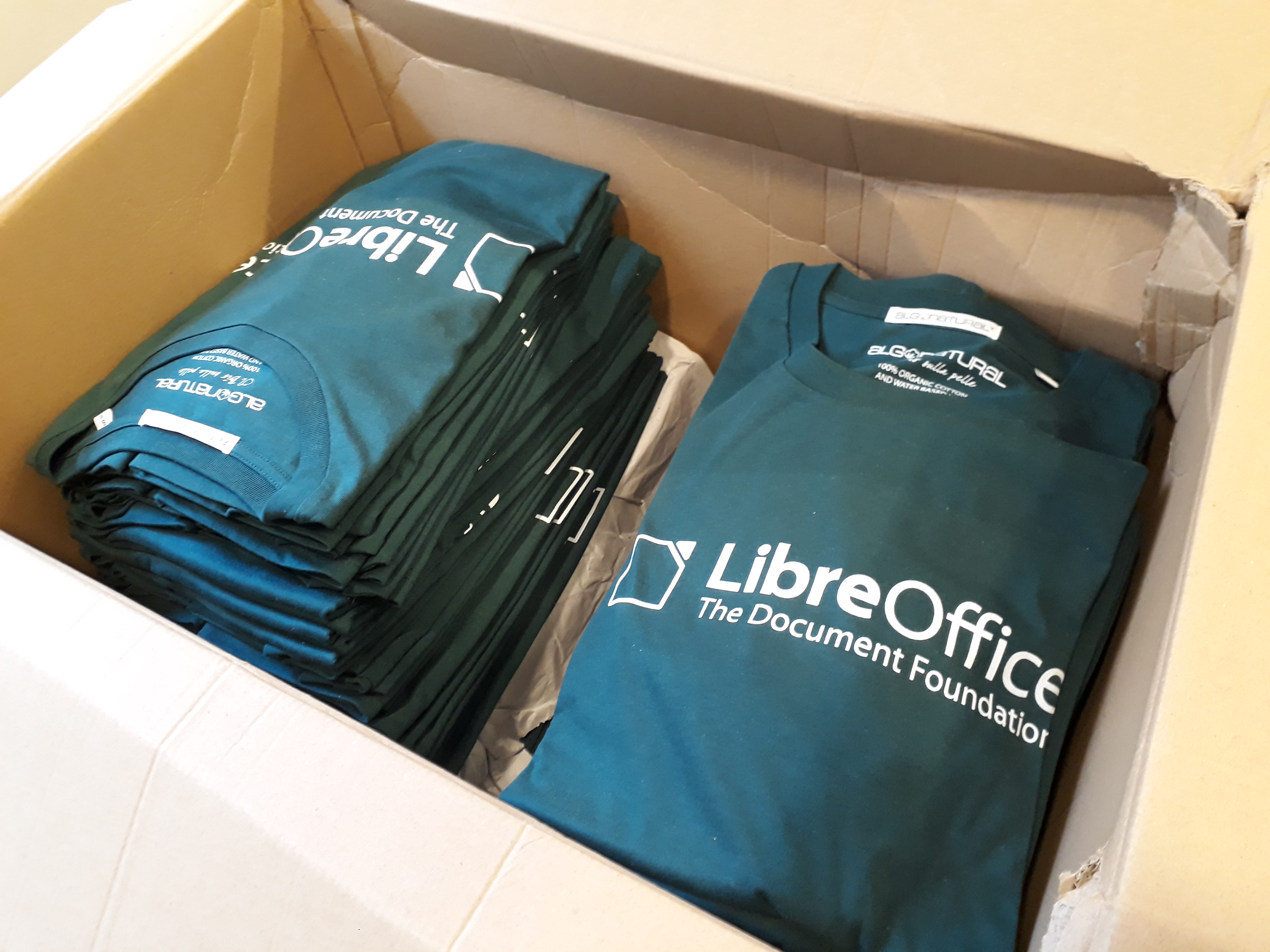
The organizing team of LibreOffice Conference 2023, which will be hosted by the Faculty of Automatic Control and Computers of the University Politehnica of Bucharest – the capital city of Romania – from Wednesday, September 20 (community meetings), to Saturday, September 23, has released the Conference Sponsor Package. Members of the organizing team are Maria Veronica Ruxanda (Vera), Irina Bulciu, Roberto Grosu, Cătălin Popescu, Adrian Stănescu, Daniel Grigore and Gabriel Masei. Gabriel is a TDF Member and is also a Deputy Member of TDF Board of Directors.
The conference will open on Thursday, September 21, with the opening session followed by technical tracks, and will end on Saturday, September 23, with the closing session. All conference sessions will be at the Precis Building, while areas for internal meetings (scheduled on September 18 and 19), informal meetings during the conference, and networking activities will be in other neighbouring buildings inside the university campus.
Berlin, May 4, 2023 – LibreOffice 7.5.3 Community, the third minor release of the LibreOffice 7.5 line, the volunteer-supported free office suite for desktop productivity, is available from https://www.libreoffice.org/download for Windows (Intel/AMD and ARM processors), macOS (Apple Silicon and Intel processors), and Linux [1].
A description of new features of LibreOffice 7.5 is available in the Release Notes [2].
Based on the distinctive features of the LibreOffice Technology platform for personal productivity on desktop, mobile and cloud, LibreOffice 7.5 provides a large number of improvements and new features targeted at users sharing documents with MS Office or migrating from MS Office. These users should check new releases of LibreOffice on a regular basis, as the progress is so fast, that each new version improves dramatically over the previous one.
Products based on LibreOffice Technology are available for major desktop operating systems (Windows, macOS, Linux and Chrome OS), for mobile platforms (Android and iOS), and for the cloud.
For enterprise-class deployments, TDF strongly recommends the LibreOffice Enterprise family of applications from ecosystem partners – for desktop, mobile and cloud – with a large number of dedicated value-added features and other benefits such as SLA (Service Level Agreements): https://www.libreoffice.org/download/libreoffice-in-business/.
The Document Foundation does not provide technical support for users, although they can get it from volunteers on user mailing lists and the Ask LibreOffice website: https://ask.libreoffice.org.
LibreOffice users, free software advocates and community members can support The Document Foundation with a donation at https://www.libreoffice.org/donate.
Here’s our summary of updates, events and activities in the LibreOffice project in the last four weeks – click the links to learn more…
We started the month noting Microsoft’s plans to raise the prices of its office software in Germany – and other services – significantly. And not just once, but every six months there are to be “price adjustments”. Of course, LibreOffice (and LibreOffice Technology-based products) comes to the rescue!
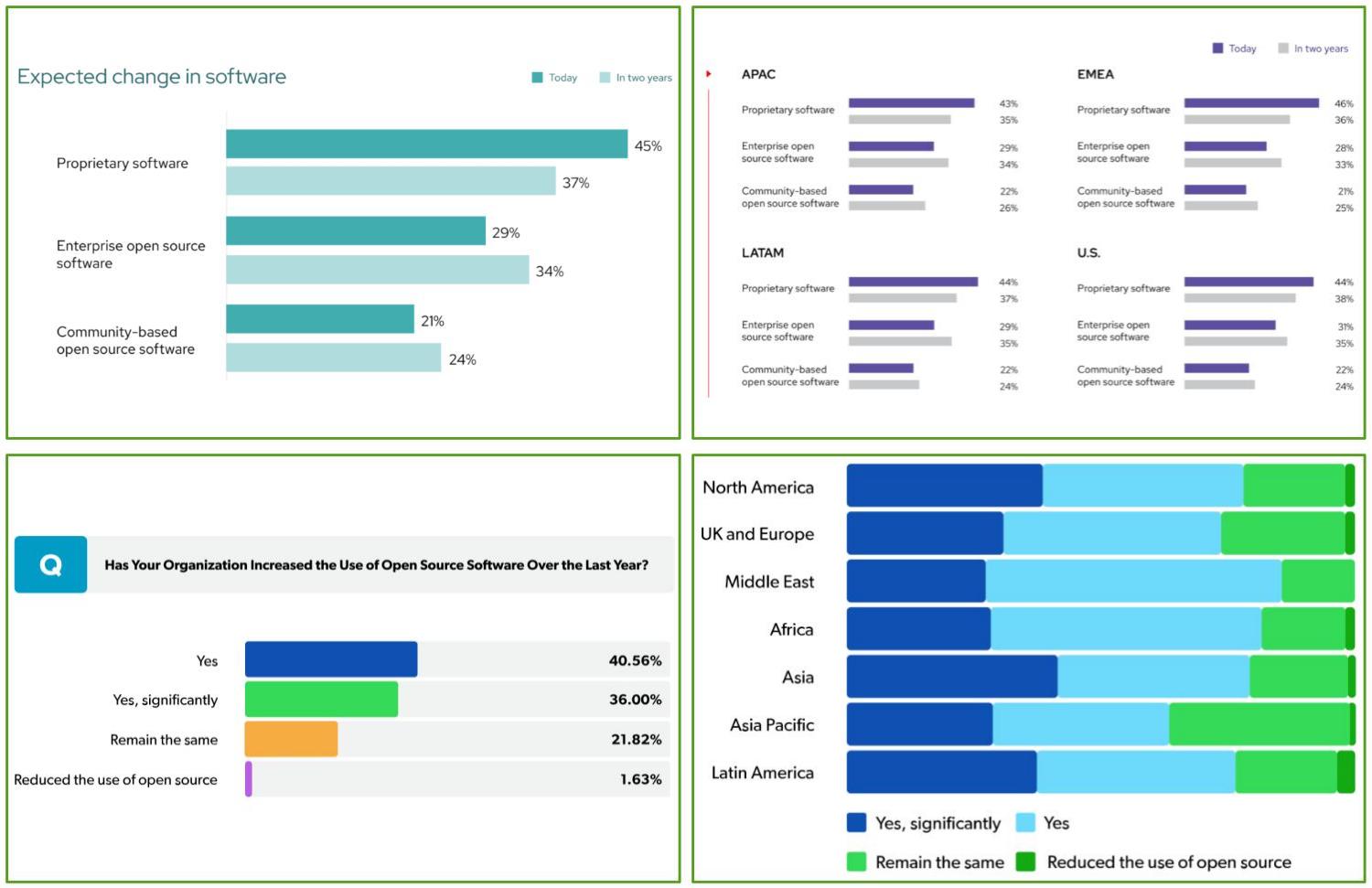
Talking of FOSS, we looked at how free and open source software continues to grow, as shown by data provided by reports of analysts, and by declarations of users. Over 76% of IT managers have increased the use of open source software during 2022, while almost 22% have not changed the amount, and less than 2% have reduced it.
Want new features in LibreOffice? Help to fund developers! Every major release of LibreOffice includes a bunch new features, thanks to our community of volunteer and ecosystem developers. But what can you do, if you want a new feature in LibreOffice but don’t have the technical know-how to implement it? Find out more here…
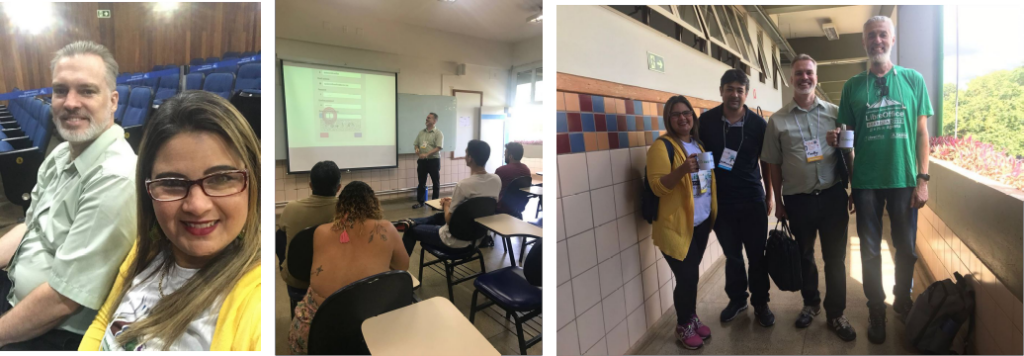
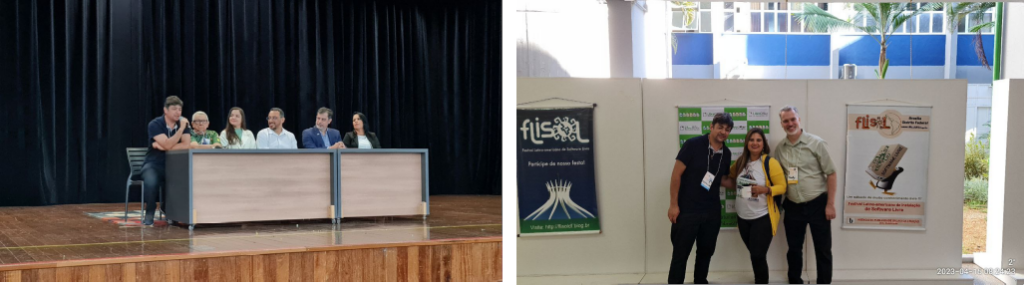
Finally, the Brazilian community gave a presentation at the FLISOL-DF event (Festival Latino Americano de Instalação de Software Livre) about the LibreOffice project. Check it out!
We use our social media channels to raise awareness about our work, share information and encourage new contributors to join us
(This is part of The Document Foundation’s Annual Report for 2022 – we’ll post the full version here soon.)
Social media
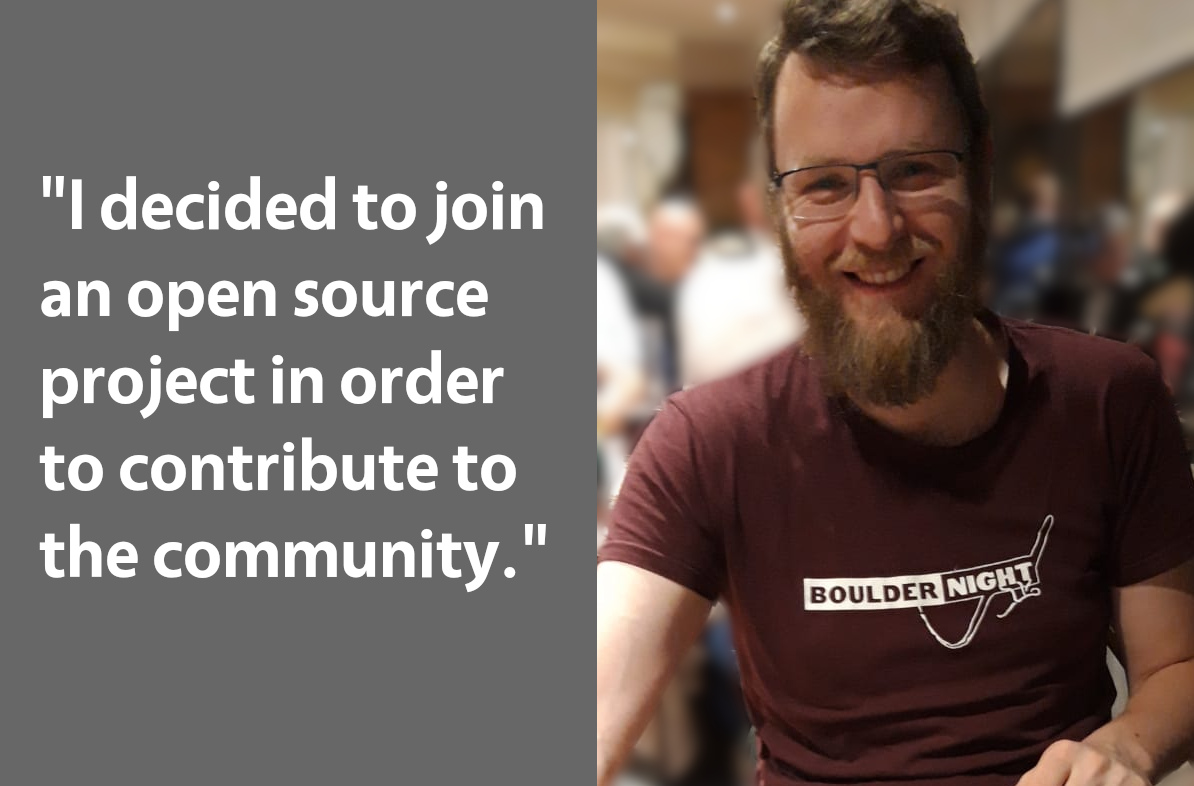
In January 2022, our English-language Twitter account @LibreOffice had 45,802 followers; by the end of the year, we had grown this to 52,808. Our most popular tweets were for major releases, but we also tweeted customised images for “Community Member Monday” interviews with short quotes, encouraging more users to get involved with LibreOffice projects.
In addition, we focused not only on our own tweets, but also retweeting announcements from the LibreOffice ecosystem and community members. We liked and retweeted messages of support from end users – many of whom were surprised and thankful that a large project would show them support. To keep the content flowing, we retweeted popular older tweets, and responded to individual messages.
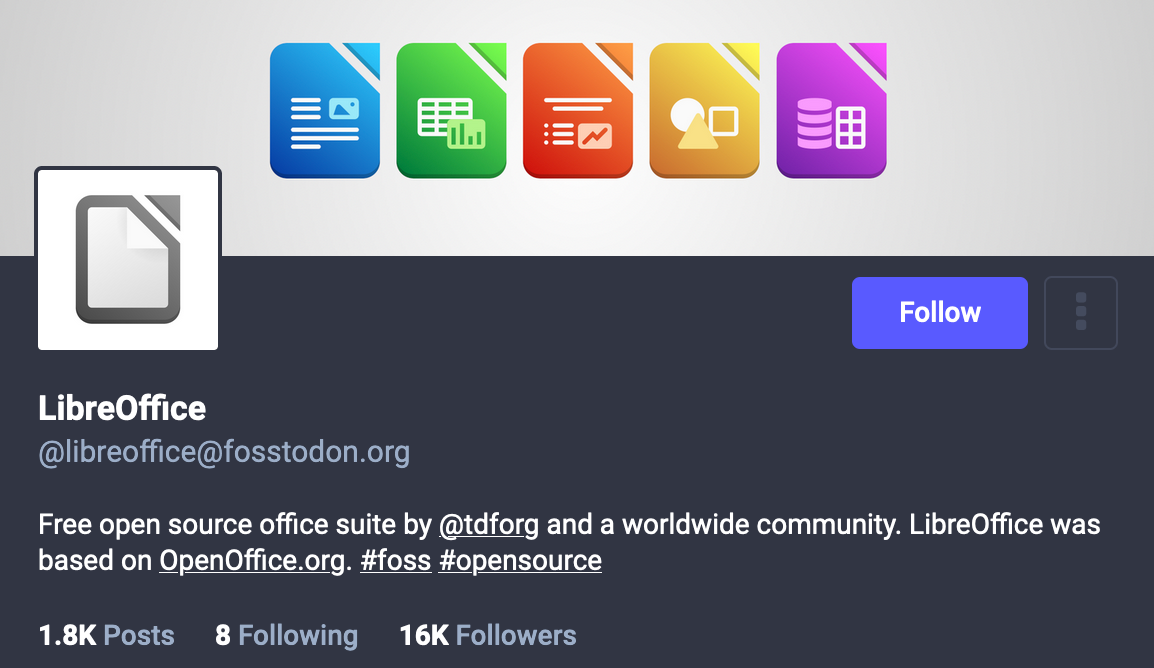
On other social media platforms, we focused on growing our account on Mastodon, a Twitter-like open source, federated and self-hosted microblogging service. In 2019 we set up @libreoffice and started posting content, often more focused on technical users, compared to our tweets and Facebook posts. In 2022 we worked more on expanding our activities here, and from January to December, we grew our follower base from 6,844 to 16,500.
Our Facebook page growth was smaller, from 59,241 page likes to 60,209. We’ve noticed a gradual reduction in activity on Facebook over the last few years, which reflects its changing audience, and the move towards newer mobile applications. Nonetheless, Facebook still provides a good opportunity to interact with end users of LibreOffice, and every day we checked in to answer questions, get feedback, and post announcements/tips about the software.
YouTube channel
Our YouTube channel grew from 15,015 subscribers and 2,420,699 video views in January 2022 to 17,964 subscribers and 2,858,092 video views by the end of the year. The “LibreOffice 7.3: New Features” video (a fantastic production by the Indonesian community) had over 196,000 views – while the video for LibreOffice 7.4 had over 47,000. We also added videos from FOSDEM and the LibreOffice Conference 2022.
Please confirm that you want to play a YouTube video. By accepting, you will be accessing content from YouTube, a service provided by an external third party.
If you accept this notice, your choice will be saved and the page will refresh.
Meanwhile, our community helped out with tutorial videos – in particular Harald Berger of the German community, who continued to produce a series of professional-looking step-by-step guides to installing and using LibreOffice.
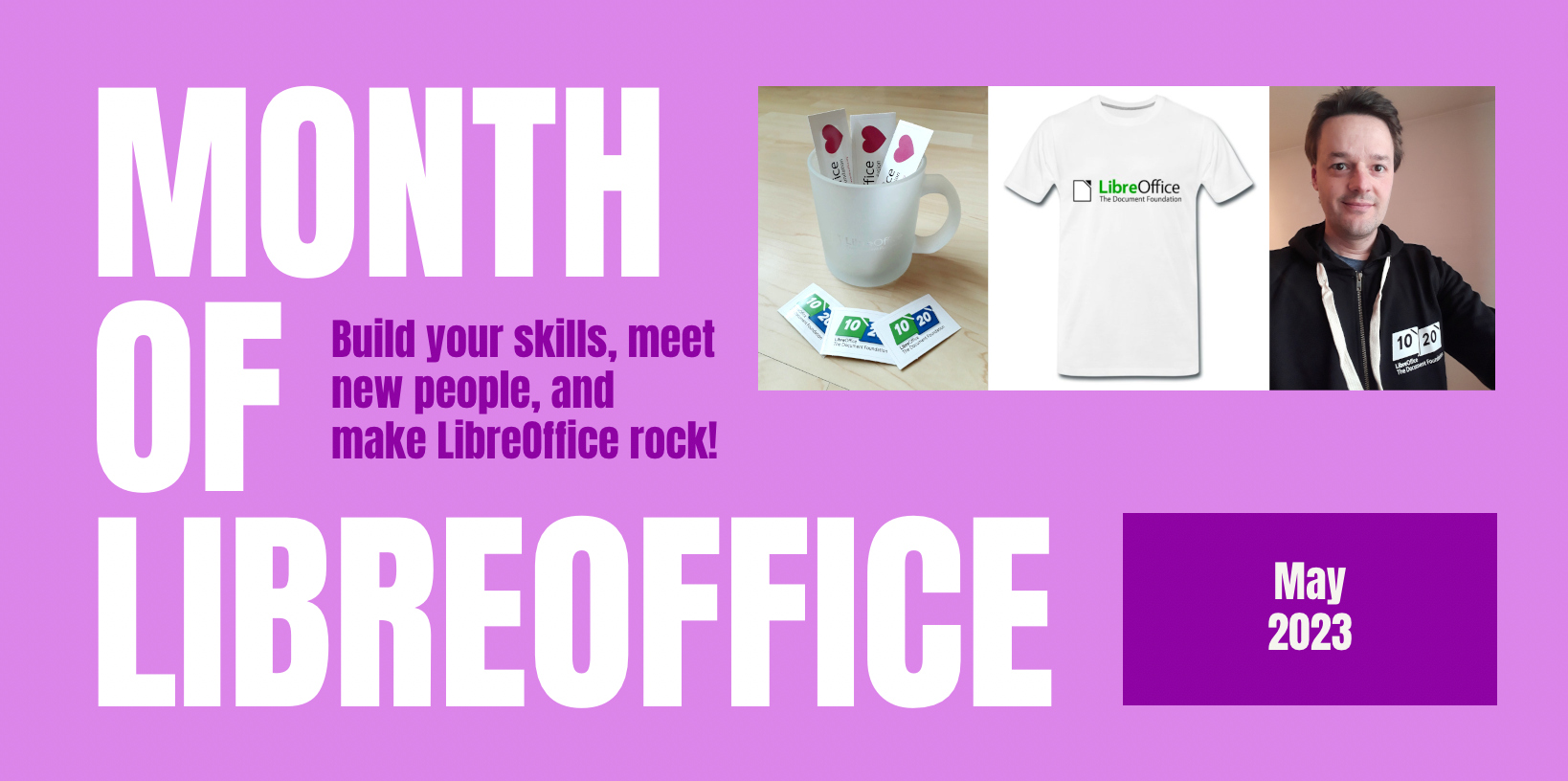
Want to expand your skillset and gain experience with UX, marketing, documentation, QA or translations? Join the Month of LibreOffice, May 2023! Over the next four weeks, hundreds of people around the world will collaborate to improve LibreOffice – and you can help them. There are many ways to get involved, as we’ll see in a moment.
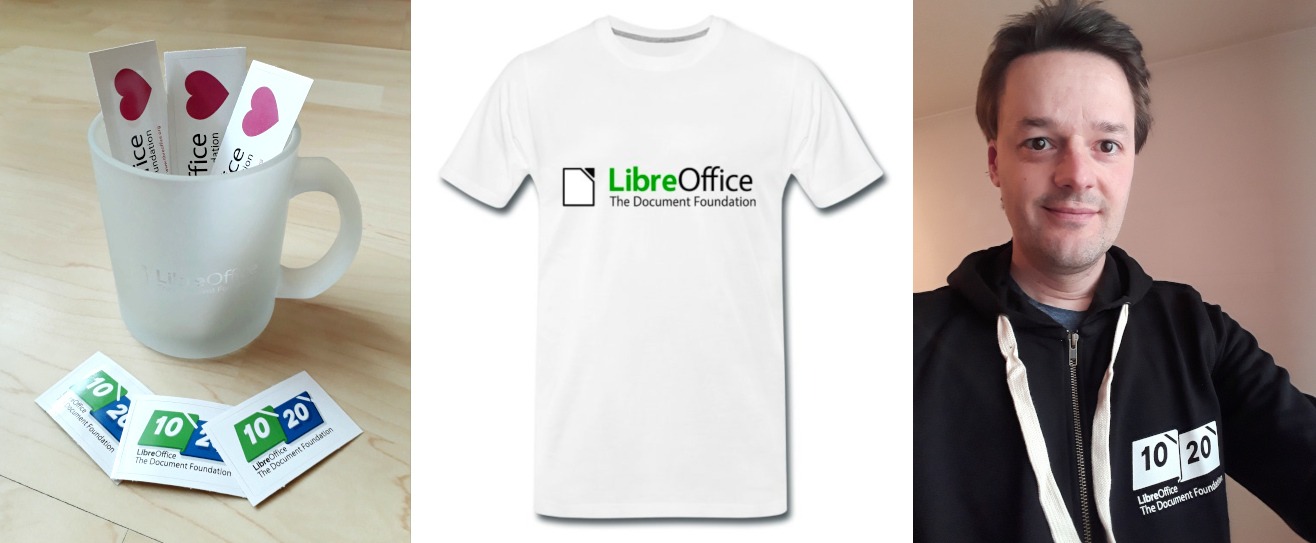
And best of all: everyone who contributes to LibreOffice in the next four weeks can claim a cool sticker pack, and has the chance to win extra LibreOffice merchandise such as mugs, hoodies, T-shirts, rucksacks and more (we’ll choose 10 participants at random at the end):
How to take part
So, let’s get started! There are many ways you can help out – and as mentioned, you don’t need to be a developer. For instance, you can be a…
Handy Helper, answering questions from users on Ask LibreOffice. We’re keeping an eye on that site so if you give someone useful advice, you can claim your shiny stickers.
First Responder, helping to confirm new bug reports: go to our Bugzilla page and look for new bugs. If you can recreate one, add a comment like “CONFIRMED on Windows 11 and LibreOffice 7.5.2”.
Drum Beater, spreading the word: tell everyone about LibreOffice on Mastodon or Twitter! Just say why you love it or what you’re using it for, add the #libreoffice hashtag, and at the end of the month you can claim your stickers.
Globetrotter, translating the user interface: LibreOffice is available in a wide range of languages, but its interface translations need to be kept up-to-date. Or maybe you want to translate the suite to a whole new language? Get involved here.
Code Cruncher, contributing source code: The codebase is big, but there are lots of places to get involved with small jobs. See our Developers page on the website and this page on the wiki to get started.
Docs Doctor, writing documentation: Whether you want to update the online help or add chapters to the handbooks, here’s where to start.
We’ll be updating this page every few days with usernames across our various services, as people contribute. So dive in, get involved and help make LibreOffice better for millions of people around the world – and enjoy your sticker pack at the end as thanks from us! And who knows, maybe you’ll be lucky enough to win bonus merch as well…
OK – let’s go! We’ll be posting regular updates on this blog and our Mastodon and Twitter accounts over the next four weeks – stay tuned!
The LibreOffice Conference is the annual gathering of the community, our end-users, developers, and everyone interested in free office software. In 2022, it took place in Milan, Italy
(This is part of The Document Foundation’s Annual Report for 2022 – we’ll post the full version here soon.)
Due to the COVID pandemic and travel restrictions our conferences for 2020 and 2021 had to take place online. For 2022, however, we could finally meet in-person again – although we live-streamed sessions, for participants to watch remotely (and they could ask questions in our chat channels too).
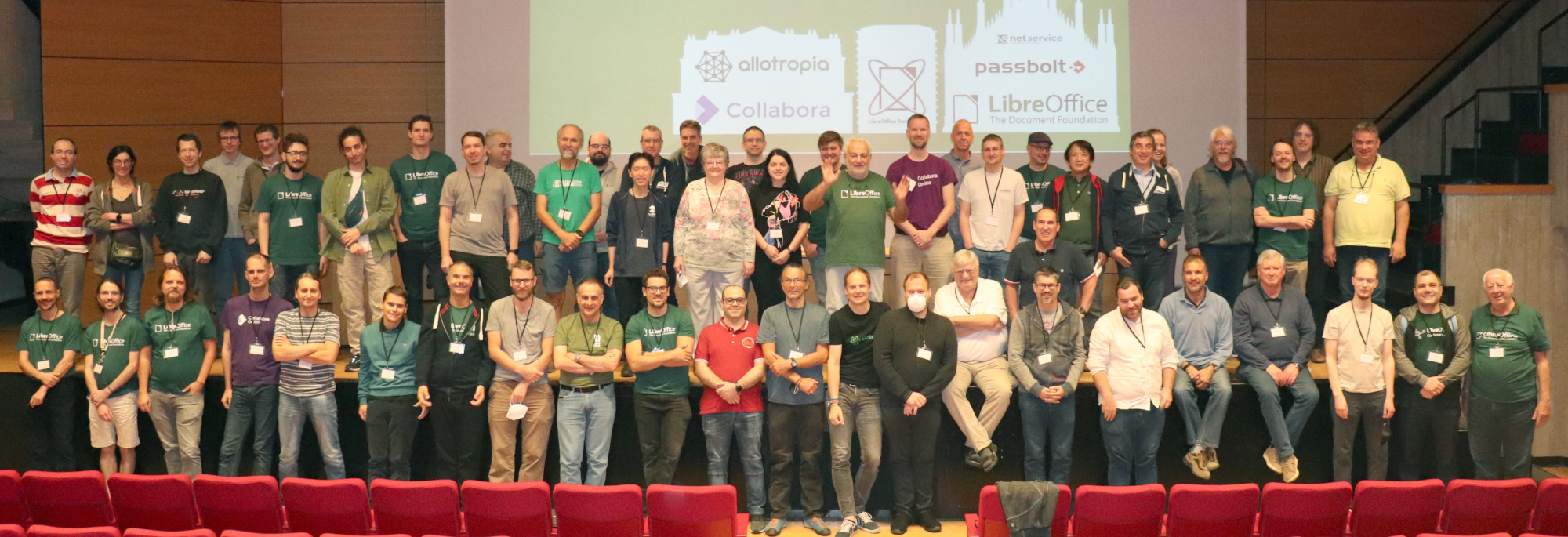
The conference took place from September 28 – October 1, in the Fondazione Culturale San Fedele, in downtown Milan. Four rooms were made available for the event: the auditorium, along with Ricci, Loyola and Saverio.
Conference Tracks and extra sessions
Following the opening session, presentations and talks were given across various “tracks”, or categories: Development, Advocacy, Marketing, Design, OpenDocument Format, Quality Assurance, Documentation and more. There were highly technical talks focused on specific areas of the software and source code, along with more open discussions about community building and recent updates from The Document Foundation.
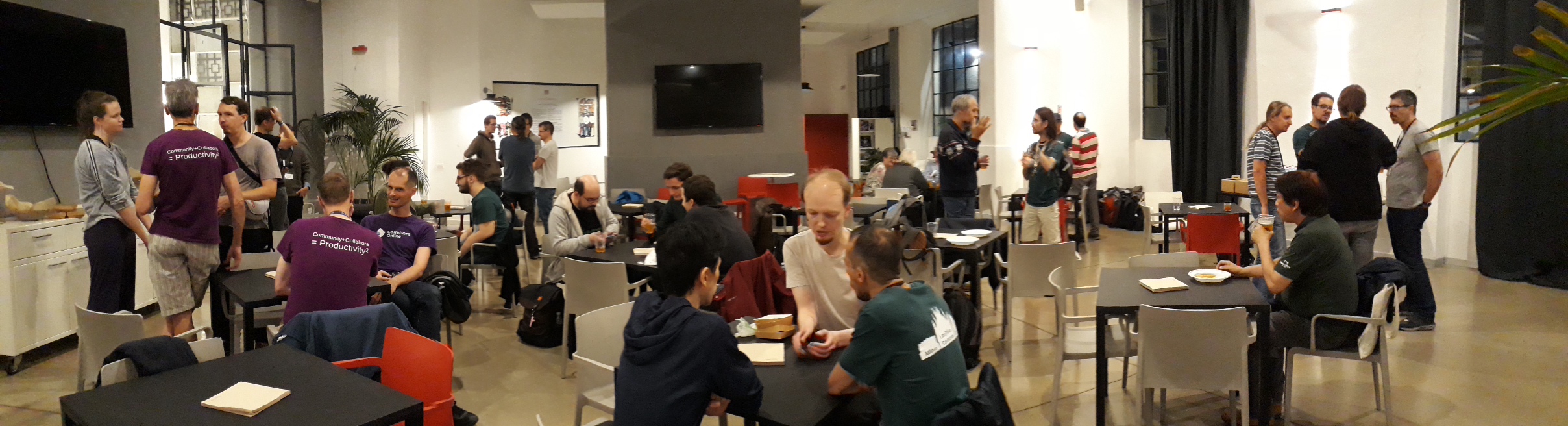
In addition to the talks, where was also a community dinner evening, in which various kinds of pasta were served, along with a walking tour of interesting parts of the city. On the final day, the conference wrapped up with a closing session, headed by Italo Vignoli who helped to organise the event.
Sponsoring and merchandise
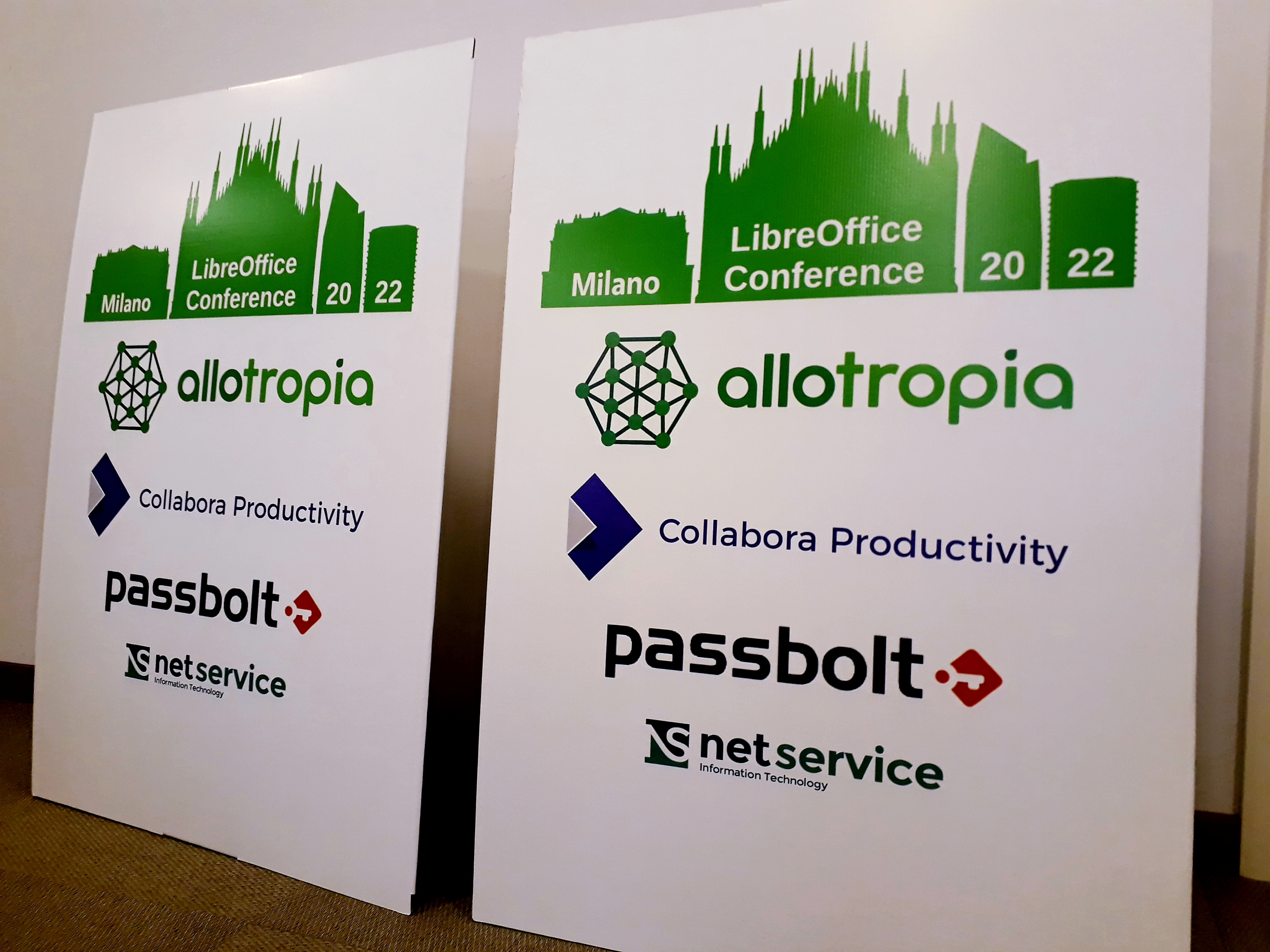
The event was sponsored by Collabora, allotropia, Net Service S.p.A and Passbolt. Thanks to this sponsoring, attendees could get merchandise at the conference, including T-shirts with the conference logo.
Full Programme
Full details about the event are available on our main conference website. For a quick overview of all the talks, including links to PDF versions of the presentations, see the schedule.
Videos from most of the talks are available in this playlist:
Please confirm that you want to play a YouTube video. By accepting, you will be accessing content from YouTube, a service provided by an external third party.
If you accept this notice, your choice will be saved and the page will refresh.
Conference in 2023
Planning is already underway for the LibreOffice Conference 2023, which is due to take place in Bucharest, Romania in September. The local organisation team has already found a suitable location, and is now working on other preparations for the event, including visas for attendees, catering and merchandise. We at TDF are helping them to get things ready, and are very grateful for their work.

 Berlin, May 4, 2023 – LibreOffice 7.5.3 Community, the third minor release of the LibreOffice 7.5 line, the volunteer-supported free office suite for desktop productivity, is available from