TDF Board of Directors election, 2021 – Second live Q+A session video

The election for The Document Foundation’s Board of Directors is running, and we have live Q+A sessions with the candidates. Here’s a recording of the second session (PeerTube version coming soon too) – timestamps for specific topics:

  • 03:20 – Introduction round
  • 20:25 – LibreOffice and ODF in small/home offices and enterprises
  • 1:01:32 – Documentation, and the ecosystem
  • 1:51:40 – Reaching out to governments and organisations

Please confirm that you want to play a YouTube video. By accepting, you will be accessing content from YouTube, a service provided by an external third party.

YouTube privacy policy

If you accept this notice, your choice will be saved and the page will refresh.

The third session will take place this evening at 21:00 UTC – take part via this link and let us know your questions!

German coalition treaty endorses “Public Money, Public Code” principle

A quick news update from Germany: the upcoming coalition government endorses free and open source software. In the coalition agreement (German), there are some key sentences on this topic, for instance:

Development contracts will usually be commissioned as open source, and the corresponding software is generally made public.

Another section states:

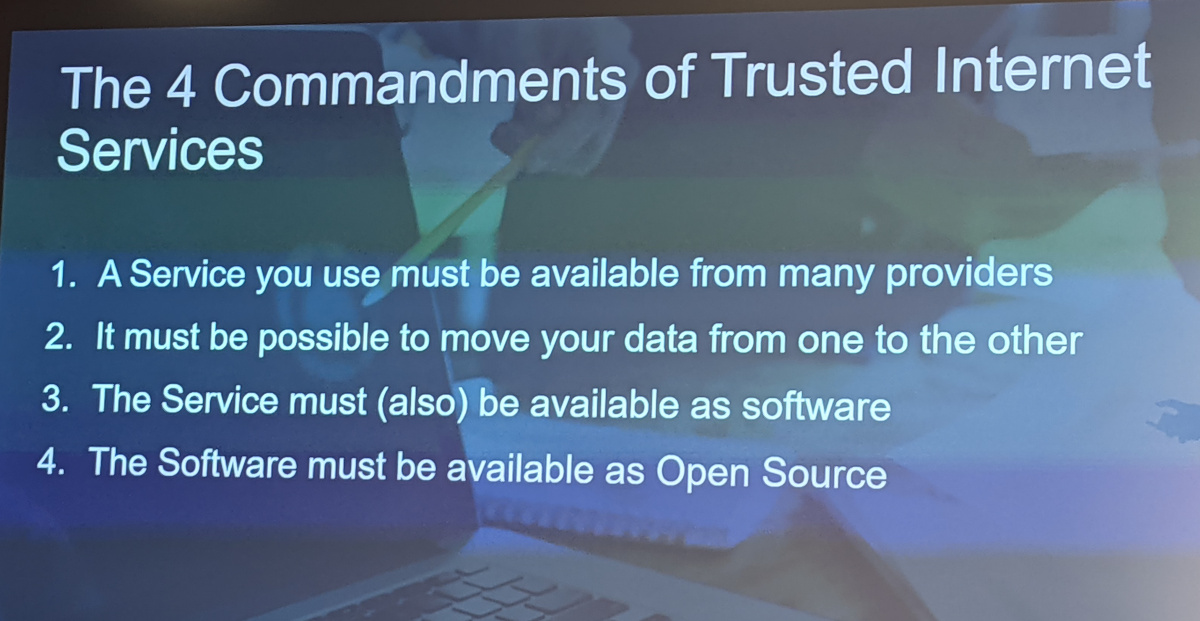
In addition, we secure digital sovereignty, among other things through the right to interoperability and portability, as well as by relying on open standards, open source and European ecosystems, for example in 5G or AI.

We are encouraged to see FOSS being considered by the incoming government, along with other news such as the north-German state of Schleswig-Holstein switching to LibreOffice and free software.

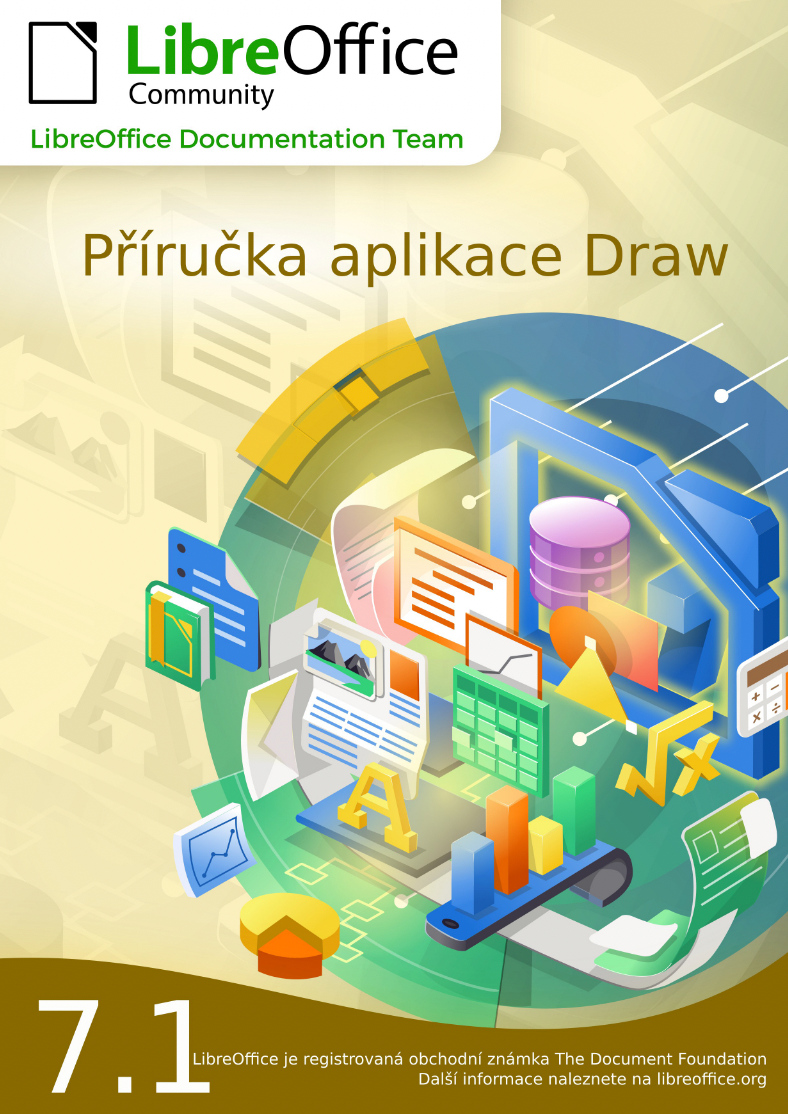
Czech translation of the LibreOffice Draw Guide 7.1

Zdeněk Crhonek from the Czech LibreOffice community writes:

Our team has finished translating the LibreOffice Draw Guide 7.1. As usual, it was a team effort, namely: translations by Petr Kuběj, Zdeněk Crhonek, Radomír Strnad, Ludmila Chládková; text corrections by Marcela Tomešová, Martin Kasper, Eva Kmochová, Věra Dvořáková; localized pictures by Roman Toman; and technical support from Miloš Šrámek. Thanks to all of the team for their work!
The Czech translation of the Draw guide 7.1 is available for download on this page.

Now, the team continues with translations of the Base Guide. We always looking for new translators and correctors. Join us!

Many thanks to everyone in the Czech community for their great work! Want to see more documentation in other languages? Give us a hand!

Community Member Monday: Bayram Çiçek

Today we’re talking to Bayram Çiçek, who’s helping to implement new features in LibreOffice as part of the Google Summer of Code…

Tell us a bit about yourself!

I live in Çanakkale, Turkey. I’ve just graduated with a bachelor’s degree in Computer Science from Çanakkale Onsekiz Mart University.

When I was a student, professors and instructors always told us about the importance and benefits of contributing to free and open source projects like LibreOffice. Since I was a LibreOffice user for years, the idea of not just being a user – but developing it, to go beyond being a user – has always been exciting to me. Therefore I decided to contribute to LibreOffice.

In November 2020, Hacettepe University organized an event called “ACM Hacettepe Lectures”. I attended the course “Contributing to Open Source Projects with C++” by Muhammet Kara. We sent our first patches to LibreOffice and Collabora Online together with other attendees, and this is how my journey began.

Then, I decided to apply to Google Summer of Code 2021, and I was lucky enough to get selected as a student under the mentorship of Muhammet Kara and Heiko Tietze, in the past summer. I worked on the most-annoying bugs, and tried to fix as many bugs as I could during GSoC.

What are you working on in the LibreOffice project right now?

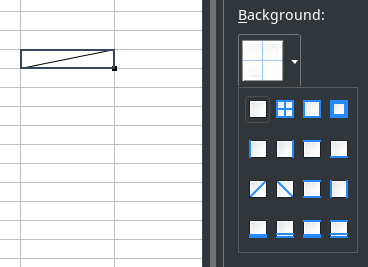
Currently, I’m working on Tables in Writer, and hoping to add a diagonal-borders feature to it. After gaining some more experience, I’ll be working on some bugs that related to my GSoC project, as I mentioned in my GSoC final report.
Why did you decide to become a member of The Document Foundation?

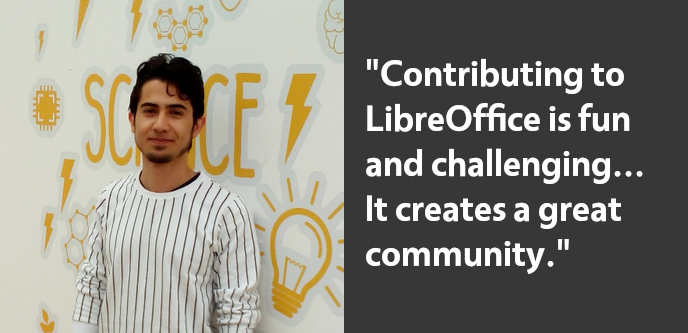
I think contributing to LibreOffice is both fun and sometimes challenging. When ‘fun’ and ‘challenge’ come together, it creates a great community, as LibreOffice does; and being a part of this community makes you more passionate and stronger. And that’s why I wanted to become a TDF member.

Anything else you plan to do in the future?

I will work on most-annoying bugs and I’ll be fixing as many bugs as I can in the future. Also, I want to actively contribute to Collabora Online.

On the other hand, I’ll continue to contributing to Turkish translation of LibreOffice and I want to be an active member of Turkish Community to spread the open source usage and LibreOffice.

Many thanks to Bayram for all his contributions, and enthusiasm in our community! And to everyone reading this: Find out what you can do for LibreOffice – have fun, build up your skills, and do awesome things 😊

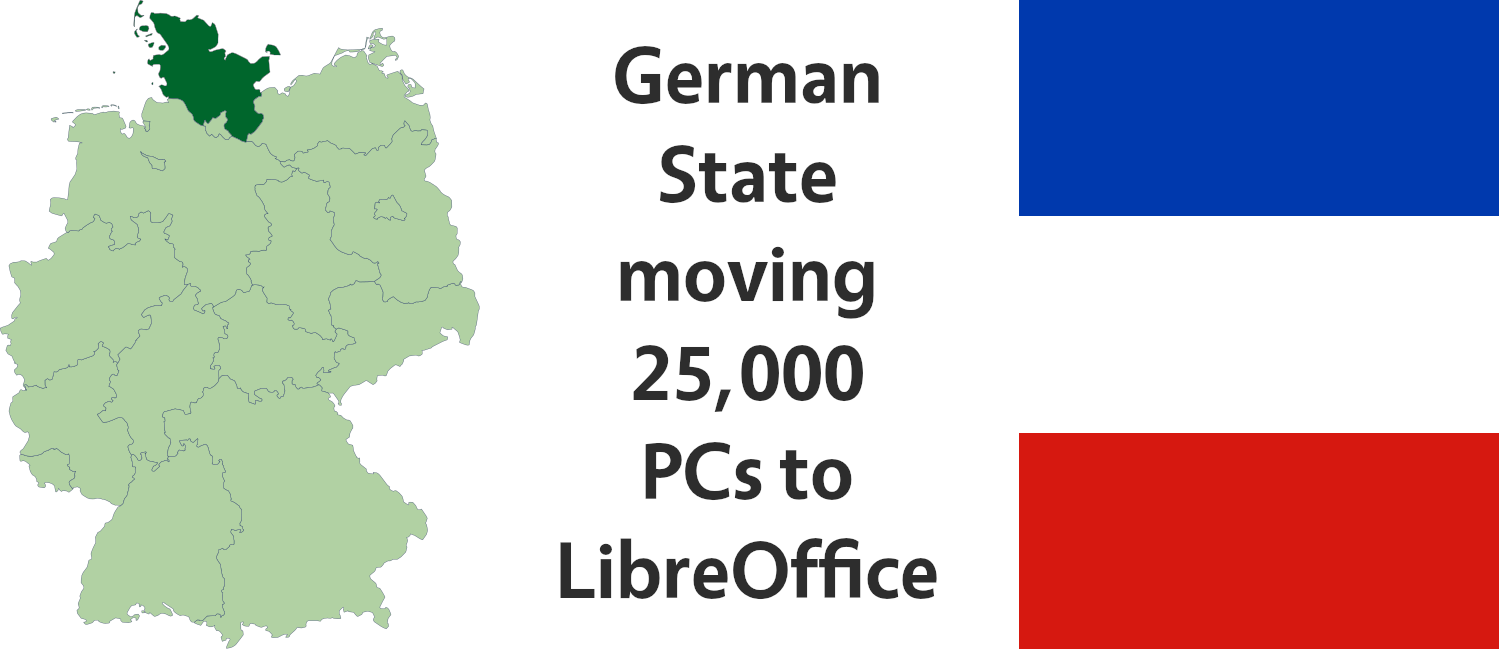
German state planning to switch 25,000 PCs to LibreOffice

The north-German state of Schleswig-Holstein plans to switch to open source software, including LibreOffice, in its administration and schools.

In doing so, the state wants to reduce its dependence on proprietary software, and eventually end it altogether. By the end of 2026, Microsoft Office is to be replaced by LibreOffice on all 25,000 computers used by civil servants and employees (including teachers), and the Windows operating system is to be replaced by GNU/Linux.

The necessary steps for this are specified in the planning of the Schleswig-Holstein state parliament (German), as digital minister Jan Philipp Albrecht explains in an interview with c’t (also German – Google Translate version here).

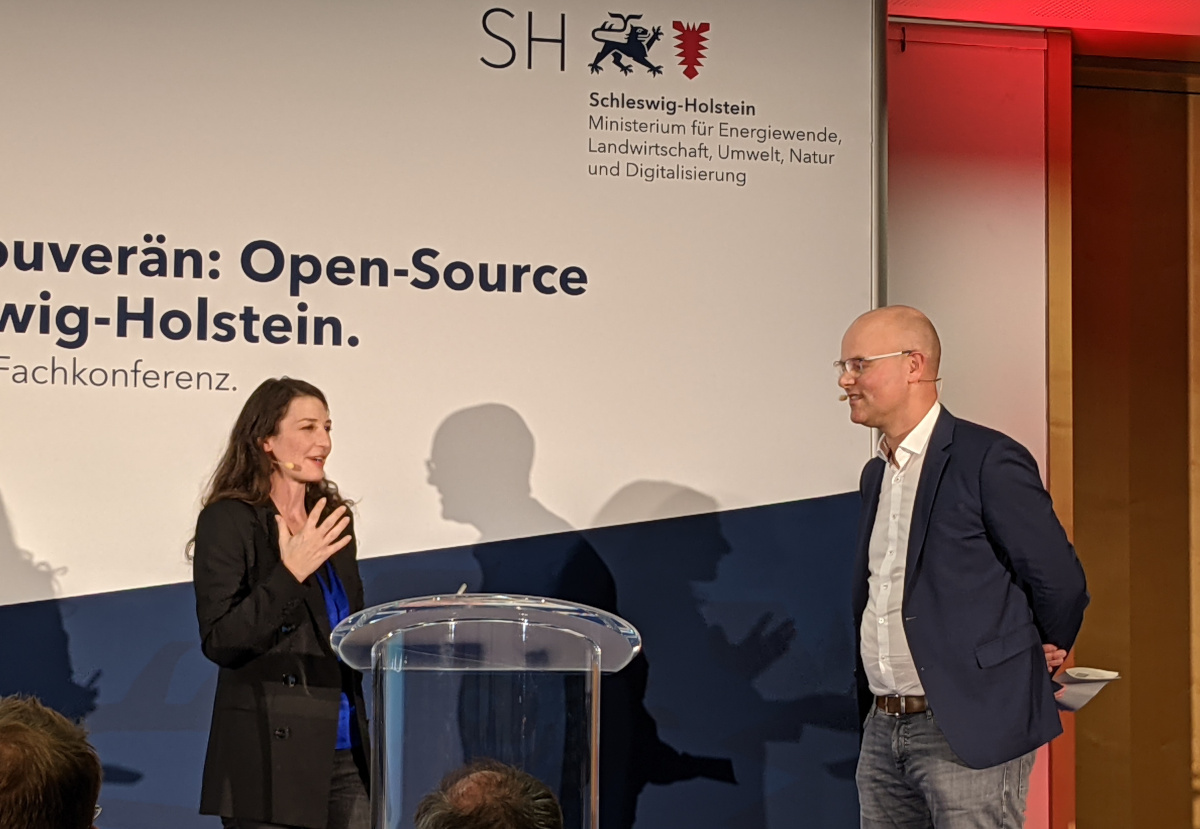
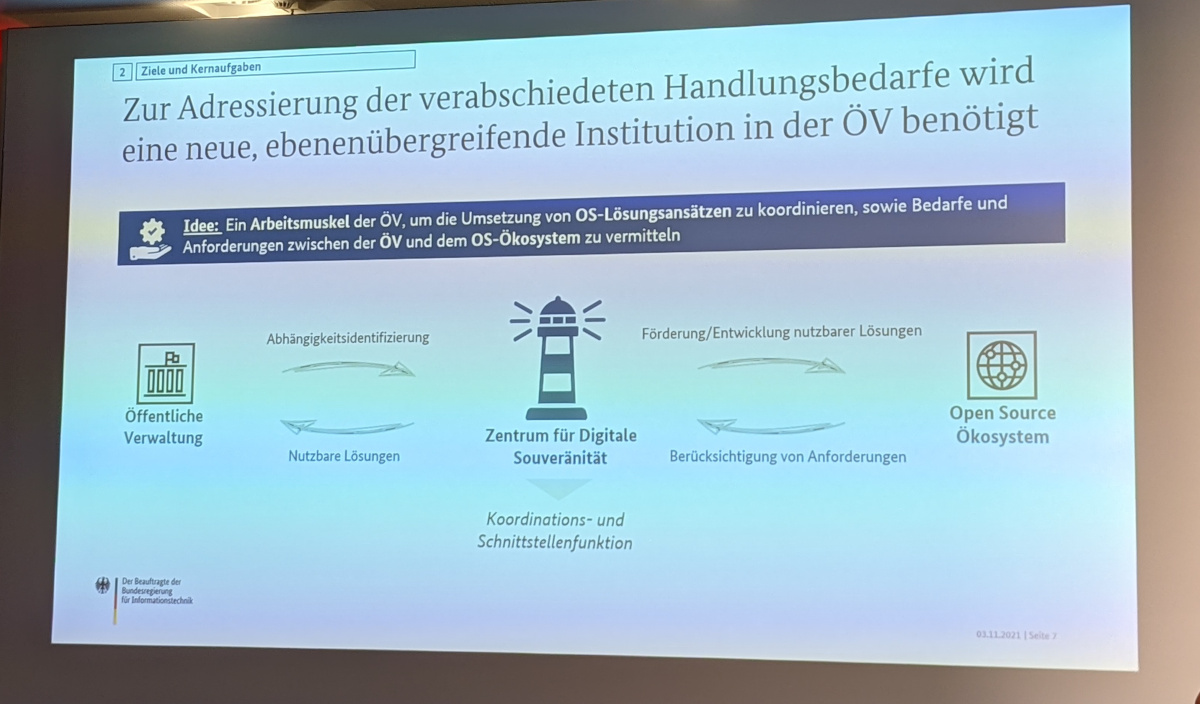
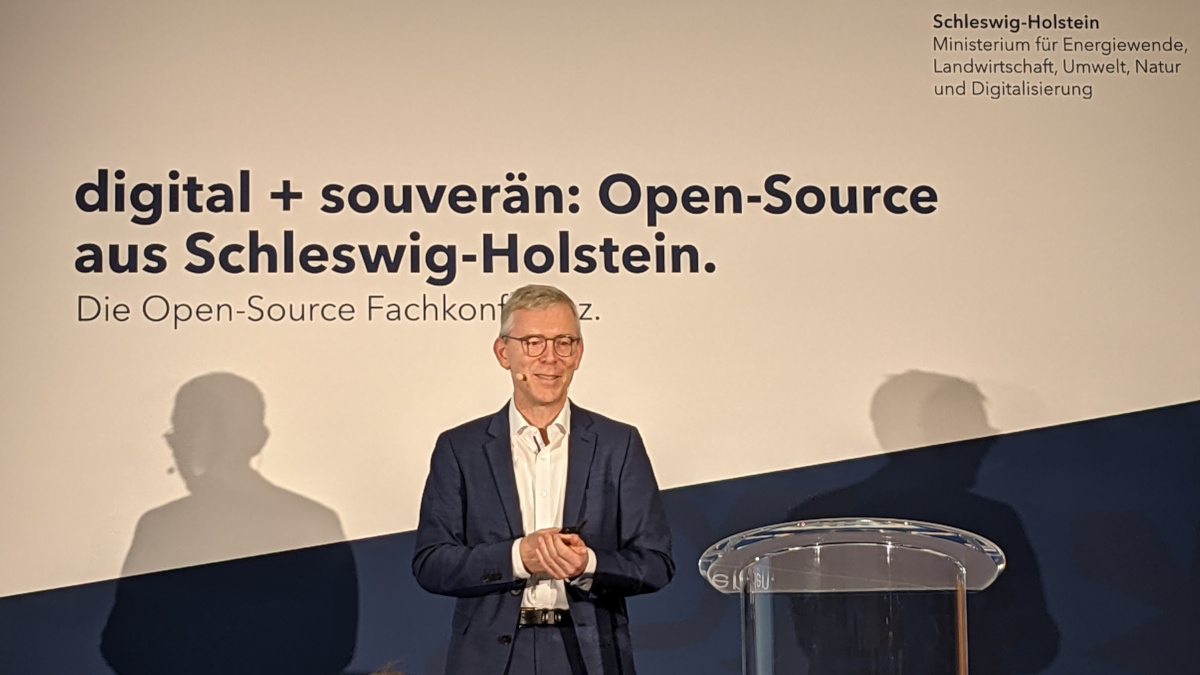
Lothar Becker and Thorsten Behrens from The Document Foundation, the non-profit entity behind LibreOffice, were invited to a meeting with those responsible (photos below). The focus was on cloud solutions, integration with LibreOffice and other systems, and video conferencing tools.

We at the Document Foundation are pleased that LibreOffice is being used in public institutions, and hope that more federal states, governments and other organisations around the world will join the migration.

(Germany map in banner image: David Liuzzo, CC-BY-SA)

The Month of LibreOffice, November 2021 – Half-way point!

Two weeks ago, we started the Month of LibreOffice, giving thanks to all contributions across our projects. Everyone who takes part can claim a sticker pack – and at the end of the month, we’ll award some extra merchandise to ten lucky winners as well!

So, how’s it looking so far? Well, so far we’ve awarded 277 sticker packs! If you see your name (or username) on that page, check this blog when the month ends with details. And if you’re not there yet, read on to find out how you can join in…

How to take part

So, let’s get started! There are many ways you can help out – and as mentioned, you don’t need to be a developer. For instance, you can be a…

  • Handy Helper, answering questions from users on Ask LibreOffice. We’re keeping an eye on that site so if you give someone useful advice, you can claim your shiny stickers.
  • First Responder, helping to confirm new bug reports: go to our Bugzilla page and look for new bugs. If you can recreate one, add a comment like “CONFIRMED on Windows 10 and LibreOffice 7.2.2”.
  • Drum Beater, spreading the word: tell everyone about LibreOffice on Twitter or Mastodon! Just say why you love it or what you’re using it for, add the #libreoffice hashtag, and at the end of the month you can claim your stickers.
  • Globetrotter, translating the user interface: LibreOffice is available in a wide range of languages, but its interface translations need to be kept up-to-date. Or maybe you want to translate the suite to a whole new language? Get involved here.
  • Docs Doctor, writing documentation: Whether you want to update the online help or add chapters to the handbooks, here’s where to start.

We’ll be updating this page every few days with usernames across our various services, as people contribute. So dive in, get involved and help make LibreOffice better for millions of people around the world – and enjoy your sticker pack at the end as thanks from us! And who knows, maybe you’ll be lucky enough to win bonus merch as well…

Stay in touch – we’ll be posting regular updates on this blog and our Mastodon and Twitter accounts in the next two weeks!