LibreOffice on the Sustain podcast

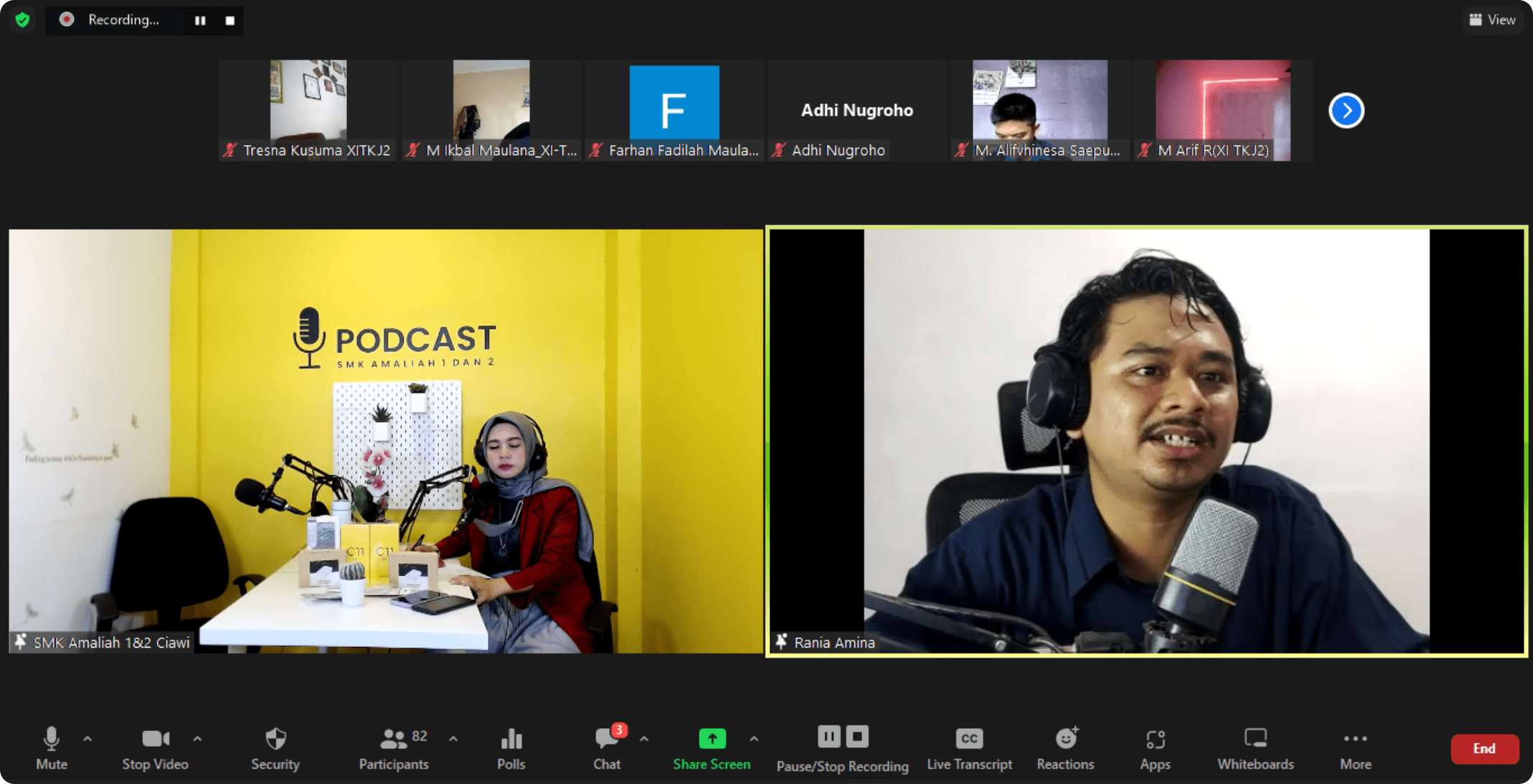
Sustain is a podcast that “brings together practitioners, sustainers, funders, researchers and maintainers of the open source ecosystem – we have conversations about the health and sustainability of the open source community.”

Mike Saunders from The Document Foundation, the non-profit entity behind LibreOffice, appeared on a recent episode of the podcast to talk about the LibreOffice community and long-term sustainable development. He discussed growing the project and ensuring that the work of volunteers and the wider ecosystem is recognised.

Click here to listen!

Announcement of LibreOffice 7.2.6 Community

Berlin, March 10, 2022 – LibreOffice 7.2.6 Community, the sixth minor release of the LibreOffice 7.2 family, targeted at desktop productivity, is available from from the download page.

End user support is provided by volunteers via email and online resources: community support. On the website and the wiki there are guides, manuals, tutorials and HowTos. Donations help us to make all of these resources available.

For enterprise-class deployments, TDF strongly recommends the LibreOffice Enterprise family of applications from ecosystem partners, with long-term support options, professional assistance, custom features and Service Level Agreements: LibreOffice Business.

LibreOffice 7.2.6’s changelog pages are available on TDF’s wiki: RC1 and RC2.

LibreOffice Community and the LibreOffice Enterprise family of products are based on the LibreOffice Technology platform, the result of years of development efforts with the objective of providing a state of the art office suite not only for the desktop but also for mobile and the cloud.

LibreOffice Technology based products for Android and iOS are listed here, while for App Stores and ChromeOS are listed on this page.

LibreOffice users, free software advocates and community members can provide financial support to The Document Foundation with a donation via PayPal, credit card or other tools on our donate page.

LibreOffice 7.2.6 is built with document conversion libraries from the: Document Liberation Project.

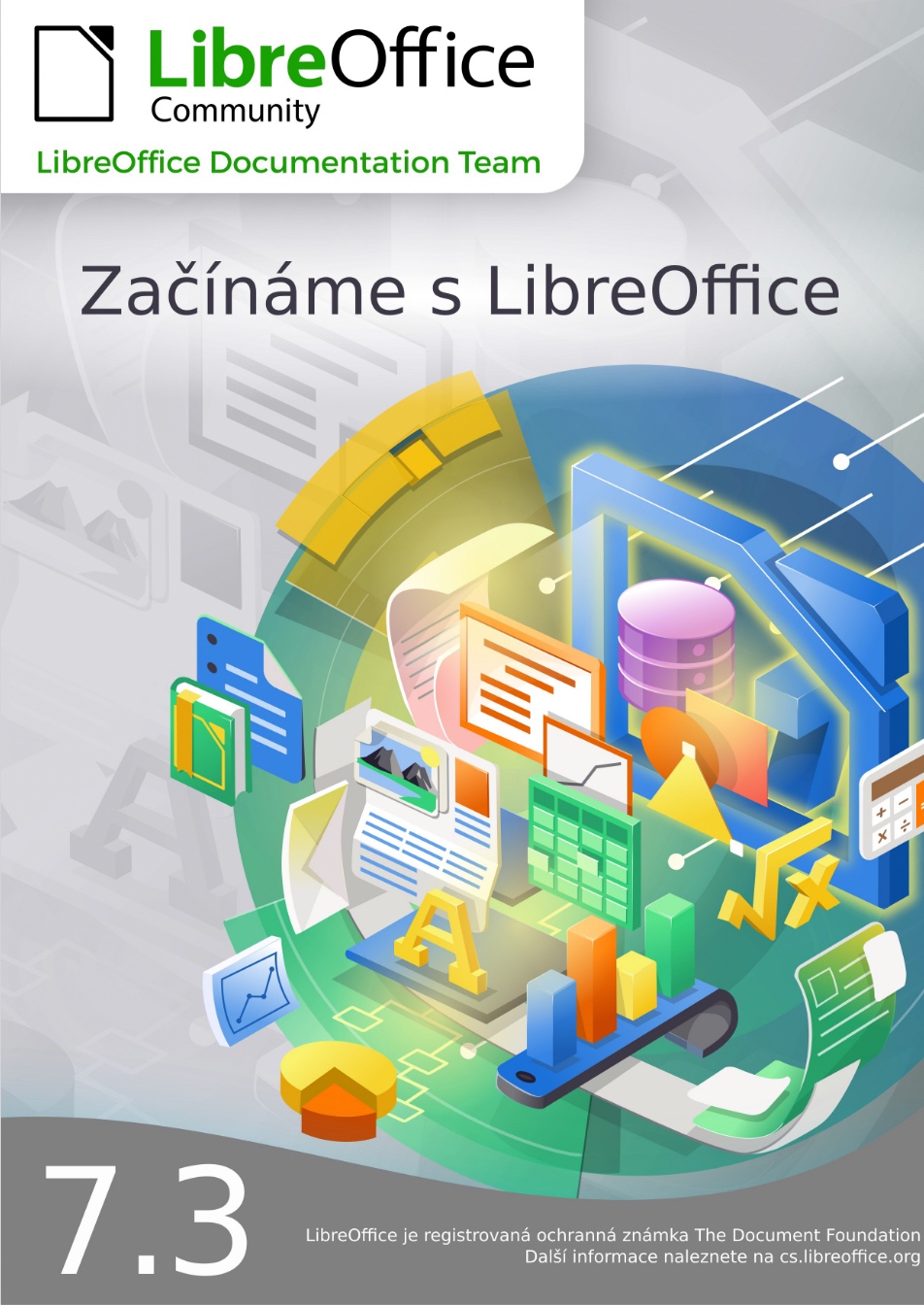
Czech translation of LibreOffice Base Guide 6.4

Zdeněk Crhonek (aka “raal”) from the Czech LibreOffice community writes:

The Czech LibreOffice docs team has finished its translation of the Base Guide 6.4. As usual it was a team effort, namely: translations by Petr Kuběj and Zdeněk Crhonek; revisions by Marcela Tomešová, Martin Kasper, Zdeněk Crhonek and Jan Martinovský; localised pictures by Roman Toman; and technical support from Miloš Šrámek. Thanks to all the team for their work and especially thanks to Petr, who translated almost whole book!

The Czech translation of the Base Guide 6.4 is available for download on this page.

The whole set of official guides are now translated to Czech languages, see the old announcements: Writer Guide, Draw Guide, Impress Guide, Calc Guide, and Getting Started Guide.

The team continues with translations of the Getting Started Guide 7.3. We always looking for new translators and correctors – Join us!

Indeed, many thanks to everyone in the Czech community for their work! Learn more about LibreOffice’s documentation project here.

Tender to clean up and further improve ODF conformance (#202202-01)

The Document Foundation (TDF) is the charitable entity behind the world’s leading free/libre open source (FLOSS) office suite LibreOffice.

We are looking for an individual or company to clean up and further improve ODF conformance.

The default file format of LibreOffice is ODF, the Open Document Format. We have successfully tendered two projects on the current version 1.3 recently:

The scope of this tender is to further improve the ODF conformance in LibreOffice. Note however that the majority of the items mentioned below are unrelated to ODF version 1.3, and have existed before support of this version was introduced in LibreOffice.

Deliverables

  1. Get ODFAutoTests (https://gitlab.com/odfplugfest/odfautotests) to run again. Note: This item does not ask to setup a publicly available website.
  2. Address one or more of the following high priority issues:
    1. “svg gradient” – Bugs 48392, 76682. Bug 48392 is prerequisite for Bug 76682.
    2. “list indent” – Bugs 78510, 92762, 114287, 83532, 82179, 145318
    3. “Math inline in text box” – Bug 129061. From user point of view it has highest priority.
    4. “numbered paragraph” – Bug 62032, 108868. The internal work is done. But a UI is missing. The expected UI needs to be specified.
    5. “ODF conformance part 1” – These are those errors, which are in most cases not visible for users, and therefore likely never included in a customer contract. Bug 53992, 101758, 103602.

    Please propose a subset and prioritization of these bugs, that do not exceed the person days factored in for this tender, see below.

  3. Address one or more of the following lower priority issues:
    1. “ODF conformance part 2” Bug 106934, Bug 91472, 97706, 107253, 108536, 113404, 113554, 116321, 131148
    2. “Trailing space in cell text not encoded as <text:s/>” – Bug 113726
    3. “FILEOPEN PPTX: equation not displayed because Impress doesn’t support inline formulas”, in particular the as-char embedded object – Bug 129061
    4. “ODF database mime-type confusion” – Bug 45854
    5. “table: evaluates <text:variable-set> in body of float and void cells, but not of string cells” – Bug 68024
    6. “Implement ODF attribute fo:hyphenate to exclude a portion of text from hyphenation” – Bug 106733
    7. “FILESAVE: Form: incorrect ‘time’ type” – Bug 131127
    8. “FILESAVE: Date form: unexpected attribute ‘form:input-required’ – Bug 131148, cf. also https://issues.oasis-open.org/browse/OFFICE-4121

    Please propose a subset and prioritization of these bugs, that do not exceed the person days factored in for this tender, see below.

The work has to be developed on LibreOffice master, so that it will be released in the next major version.

A key item of the deliverables for this tender is extensive documentation, about the approach chosen to implement the above items. We expect bidders to provide documentation on both the code and the non-code parts of this tender, e.g. methodology, structure and technical aspects. The Document Foundation will publish this under a free and open source license and make it available to the general public.

Required skills

  • Extensive knowledge of C++
  • Experience working on the LibreOffice source code

Other skills

  • English (conversationally fluent in order to coordinate and plan with members of TDF)

We use free, libre and open source (FLOSS) software for development wherever possible, and the resulting work must be licensed under the Mozilla Public License v2.0.

TDF welcomes applications from all suitably qualified persons regardless of their race, sex, disability, religion/belief, sexual orientation or age.

Bidders will get a preference for including a partner or independent developer who has not been involved in a successful tender before.

As always, TDF will give some preference to individuals who have previously shown a commitment to TDF, including but not limited to certified developers and/or members of TDF. Not being a member, or never having contributed before, does not exclude any applicants from consideration.

The task offered is a project-based one-off, with no immediate plans to a mid- or long-term contractual relationship. It is offered on a freelance, project basis. Individuals and companies applying can be located anywhere in the world.

When budgeting, we anticipated that this project (all items combined) to take in the region of 40 days of work. Should bidders’ assessment result in a significantly different number, please reach out to us before sending your bid, so we can clarify upfront.

TDF is looking forward to receiving your applications for one or more of the aforementioned tasks, your financial expectations and the earliest date of your availability, via e-mail to a committee at tender20220201@documentfoundation.org no later than March 31, 2022.

Applicants who have not received feedback by April 29, 2022 should consider that their application, after careful review, was not accepted.

All bidders are invited to ask their questions on this tender until March 24, 2022. Questions and answers will be made public in a collected and anonymized form.

Czech translation of LibreOffice Writer Guide 7.2

Zdeněk Crhonek (aka “raal”) from the Czech LibreOffice community writes:

The Czech team has finished translating the LibreOffice Writer Guide 7.2. As usual it was a team efort, namely:

Translations: Petr Kuběj, Radomír Strnad, Zdeněk Crhonek
Localized pictures: Roman Toman
Technical support: Miloš Šrámek

Thanks to all the team for their work! The Czech translation of the Writer guide 7.2 is available for download on this page.

The team continues with the translation of the Base Guide 6.4 and Getting Started Guide 7.3. We always looking for new translators and correctors. Join us!

Indeed, many thanks to everyone in the Czech community for their work! Learn more about LibreOffice’s documentation project here.

Community Member Monday: Nnamani Ezinne Martina

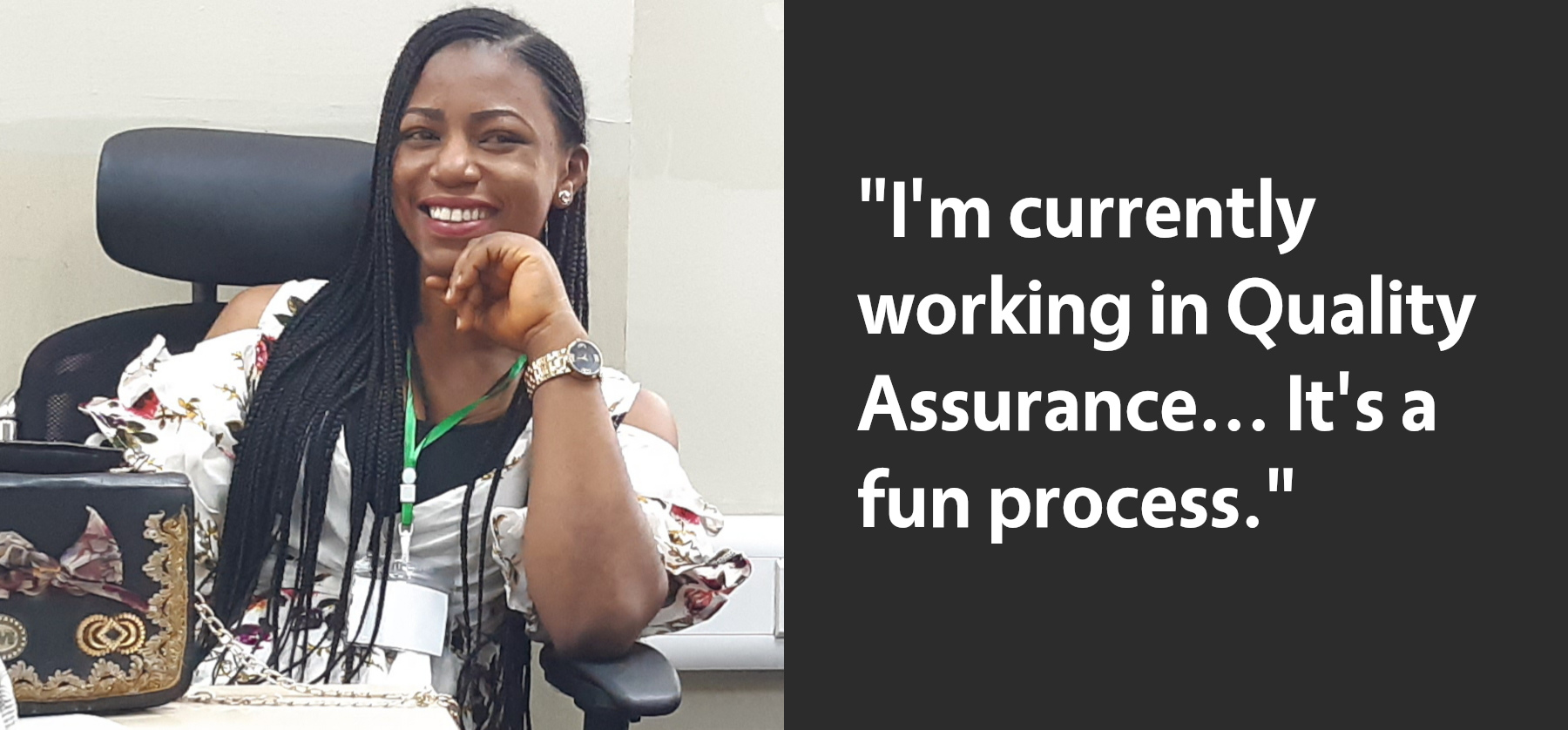
Today we’re talking to Nnamani Ezinne Martina, who helps out in LibreOffice’s Quality Assurance project and recently became a member of The Document Foundation:

Nice to meet you, Nnamani! Tell us a bit about yourself…

I was born in Awka Anambra state and I grew up there as well. But I am a native of Amagunze, a town in Nkanu-East Local Government in Enugu state. Both are in the eastern part of Nigeria.

I graduated with a bachelor’s degree in 2017 from Nnamdi Azikiwe University, Awka, Anambra state Nigeria. After my National Service year, I went into the tech space. Years later, I had the opportunity of joining Collabora Productivity and then realized how amazing Open source technology is.

I was intrigued by the strength of community contribution then I began my journey, contributing to open source technology.

What are you working on in the LibreOffice project right now?

I’m currently working in Quality Assurance. Here, I work on bug triaging; confirming newly reported bugs, retesting old bugs as well as bisecting the regressions in them. It’s a fun process. I get to tweak here and there and there and here, fishing out even the littlest bugs. It’s like moulding a tender baby to fruition. I see myself grow better every passing night!

Why did you decide to become a member of The Document Foundation?

I have always had a passion to grow better, and expand on that. And so, having contributed to TDF for a while, I realized that being a member would allow me the opportunity to interact with more community members and contribute even more.

Anything else you plan to do in the future?

I would love to have some more community members from across Africa. I plan to put the word out more, and get some more people to contribute to The Document Foundation. Thank you for the work you do.

And thanks to Nnamani for all her contributions! Learn more about LibreOffice’s QA community here.