By helping to translate and market LibreOffice around the world, native language projects bring enthusiasm and passion to the global community. Here’s what they did in 2024…
(This is part of The Document Foundation’s Annual Report for 2024 – we’ll post the full version here soon.)
Armenian
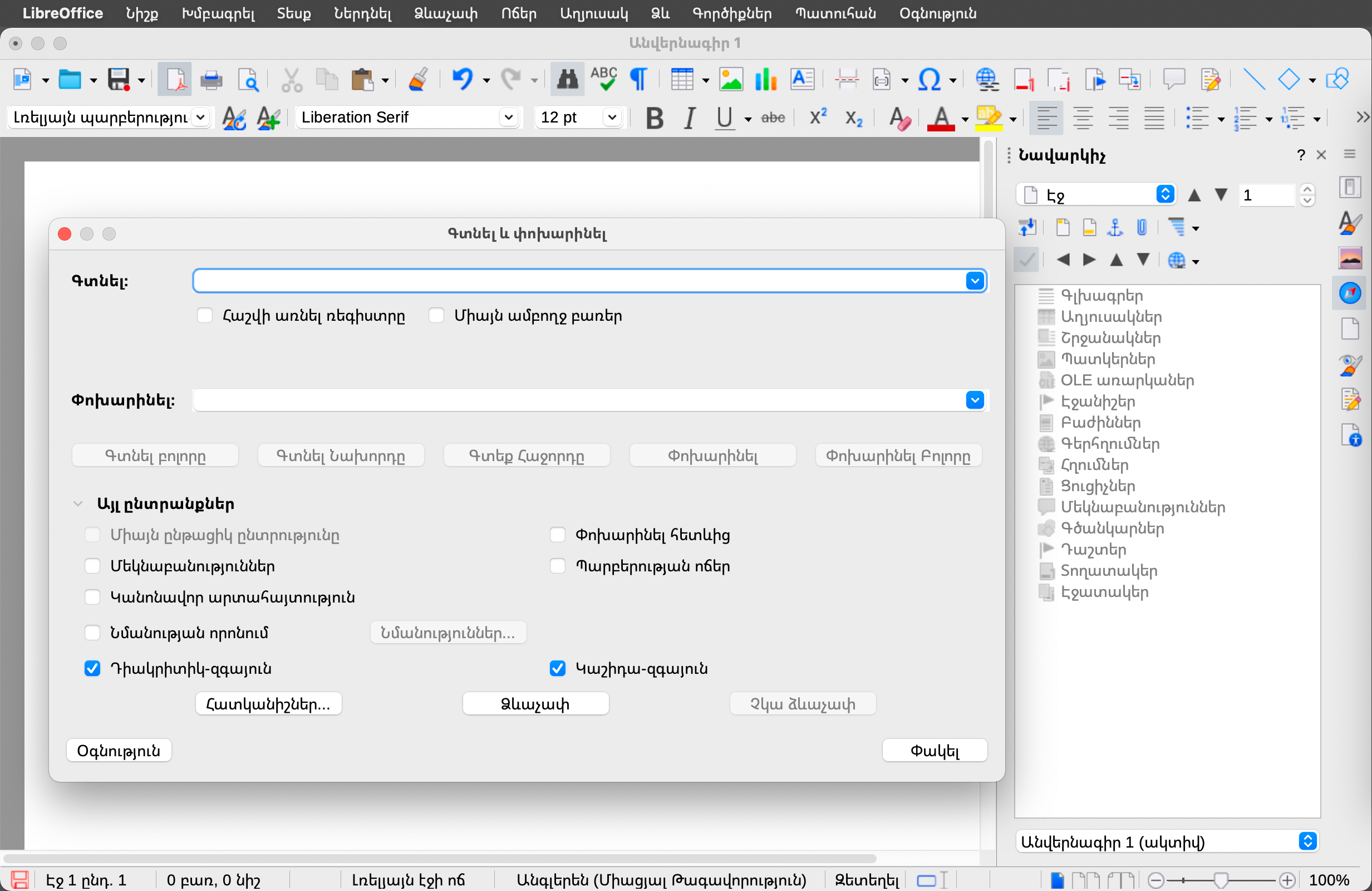
In 2024, the Armenian translation of LibreOffice reached 100% thanks to the efforts of Tigran Zargaryan. The suite was offered in Armenian for the first time. In addition, he ensured that the strings in the LibreOffice UI-master, website, Android Viewer and Help also reached 100% translated.
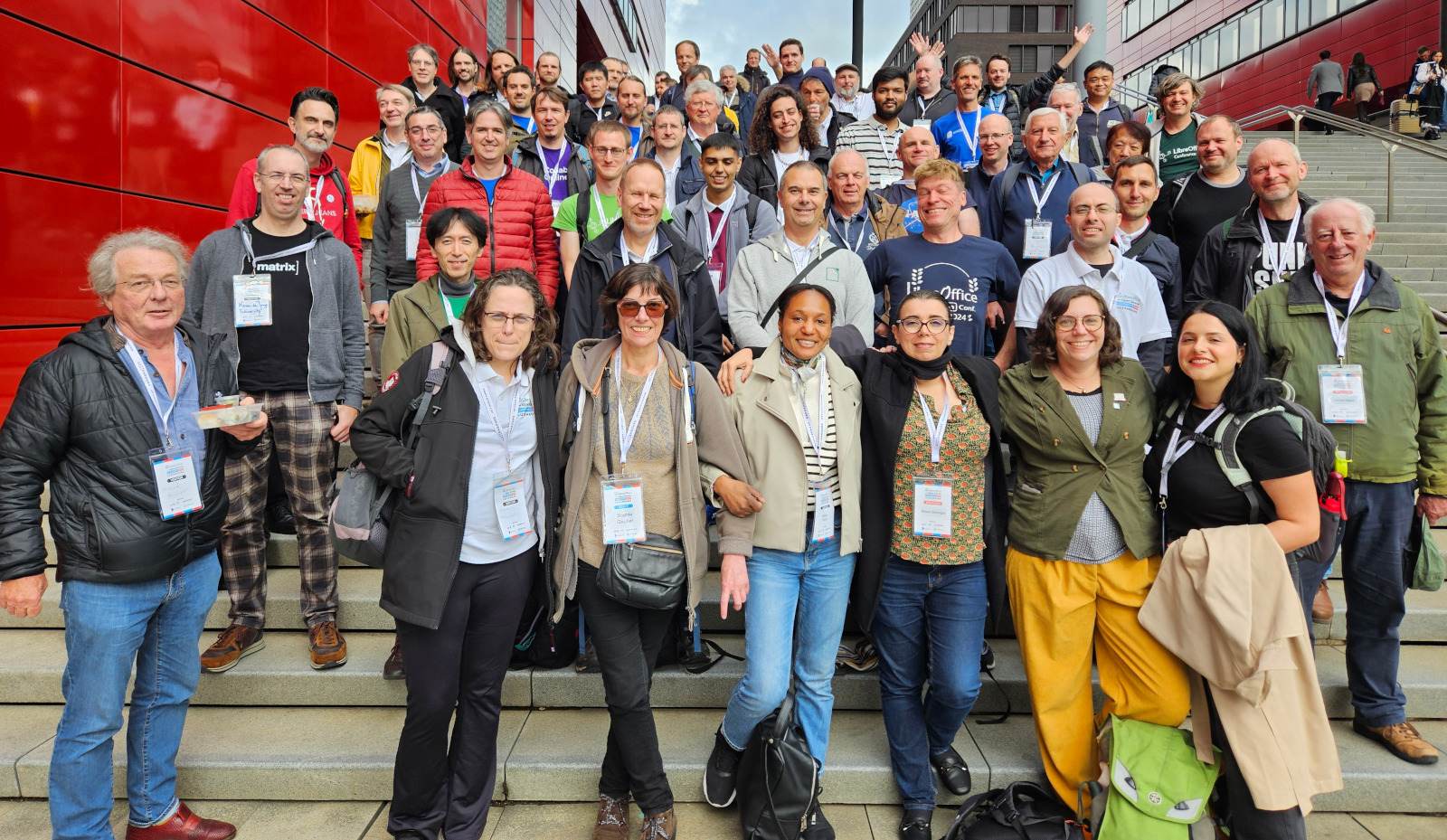
In appreciation for Tigran’s work, TDF invited him to join the LibreOffice Conference 2024 in Luxembourg using the foundation’s travel support programme.
Czech
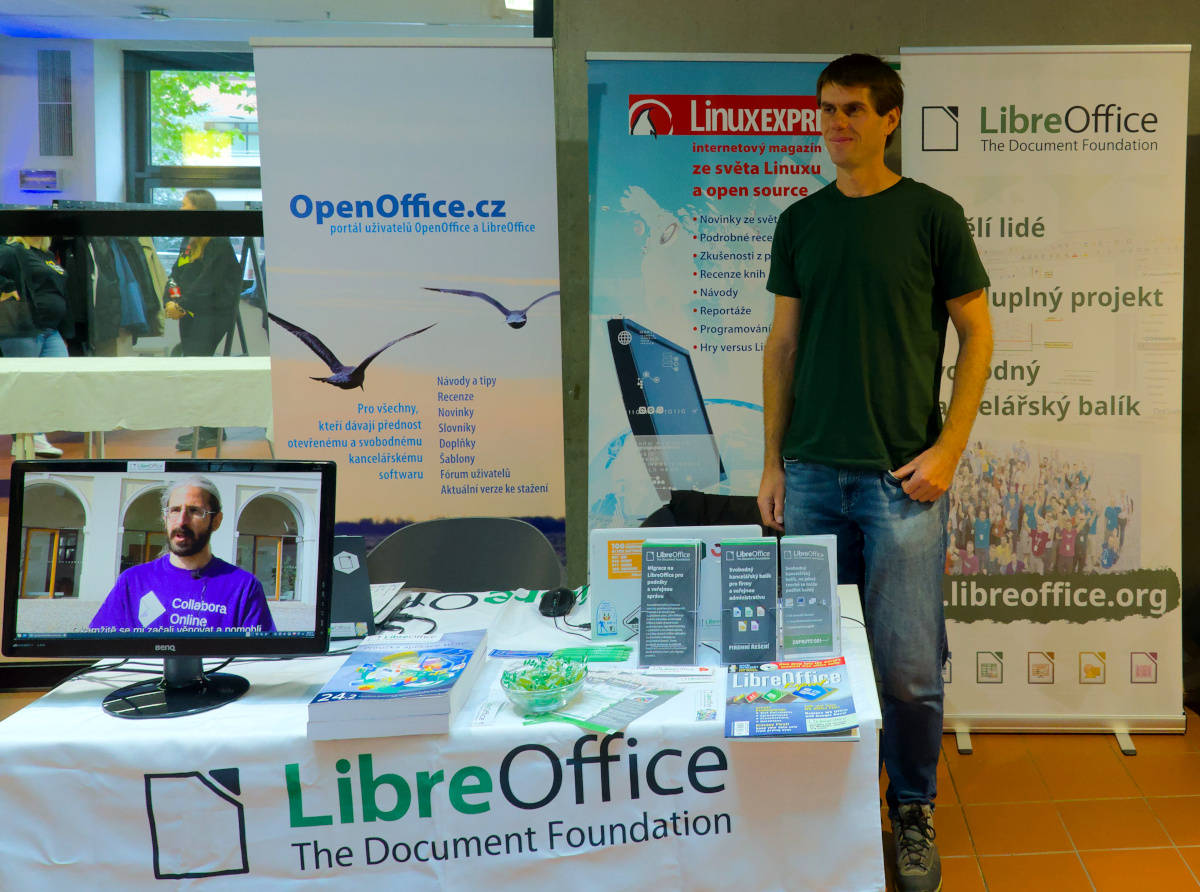
Throughout the year, Czech speakers worked on keeping the translation of LibreOffice’s UI complete, and the Help content around 95%. They presented the software at booths at two events: InstallFest in Prague in April, and LinuxDays in Prague in October.
They supported LibreOffice users on the Czech Ask site, and maintained social media accounts including X (Twitter), Facebook and Instagram. They also introduced a new Mastodon account.
Czech speakers produced many translated user guides in 2024, including the Getting Started Guide 24.8, Writer Guide 24.2 and Impress guide 7.5. And throughout the year they maintained the Czech LibreOffice website.
Danish
Speakers of Danish brought the user interface translation of LibreOffice up to 100%, while the Help content approached 100% (that goal was finally reached two months into 2025). They also translated the subtitles for LibreOffice videos covering features in new major releases.
Dutch
Dutch-speaking community members supported users by answering questions on the Ask LibreOffice website and mailing lists. They also translated the following guidebooks: the Calc Guide for LibreOffice 7.6 (translated and published in January); the Writer Guide for LibreOffice 24.2 (March); the Calc Guide for LibreOffice 24.2 (June); the Draw guide for LibreOffice 24.2 (July); the Impress Guide for LibreOffice 24.2 (July); the Getting Started Guide for LibreOffice 24.2 (August); the Impress Guide for LibreOffice 24.8 (October); the Draw Guide for LibreOffice 24.8 (December); the Writer Guide for LibreOffice 24.8 (December); and the Math Guide for LibreOffice 24.8 (December).
On Weblate, the community managed to keep up with the changes of the UI, maintaining it at 100% translated. Although the Help content kept growing they were able to maintain it at 100% translated.
Community members also set up a stand at the NLLGG in May 2024 – a conference of the Dutch Linux community. There, LibreOffice users could obtain information and ask questions about LibreOffice, whether or not in conjunction with a Linux operating system.
They also had a stand at the LocHal open source event in November 2024 – another conference of the Dutch Linux community.
Finnish
There was ongoing translation of the LibreOffice user interface and (to a lesser extent) Help, along with ongoing recruitment of volunteers on the vapaaehtoistyo.fi online platform. In addition, there was translation of the upcoming LibreOffice website redesign.
French
Thanks to the French-speaking community, translations on Weblate were maintained at 100% for all versions of LibreOffice. There were also other translations: the new website (based on Hugo); Calc functions on the wiki; press releases and video subtitles for LibreOffice “New Features” videos; and release notes for all versions.
In terms of events, community members were present at Capitole du Libre (Toulouse) and Open Source Experience (Paris). There was also coordination with UBO University for LibreOffice guidebook translations by translator students.
German
In terms of translations and documentation, the German-speaking community continued their work on Weblate by translating LibreOffice’s user interface and Help content. They also translated the release notes for major updates of the software, blog posts from TDF’s English blog, and published videos in German showing and explaining various features in LibreOffice. In addition the German community updated the Base Guide for versions 24.2 and 24.8.
Development continued on the XRechnungs-Extension for the new German legal requirements (which became effective in January 2025).
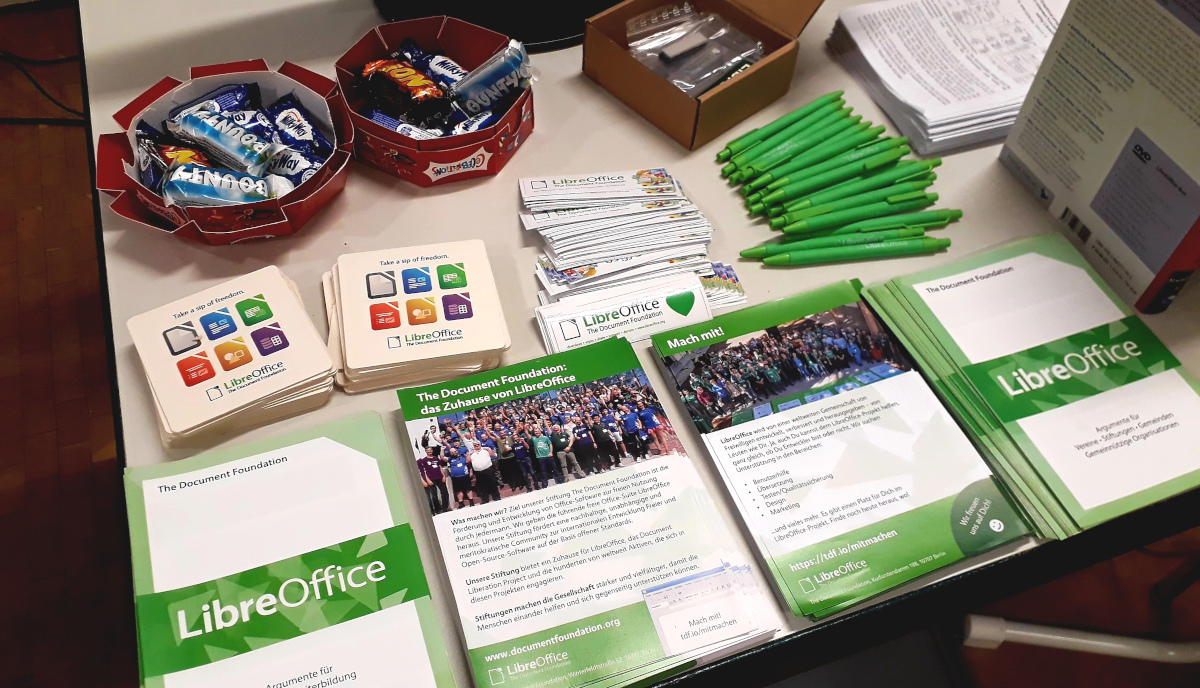
Members of the German-speaking community attended various events throughout the year to promote LibreOffice and encourage more people to join the project, such as the Univention Summit 2024 in January, Chemnitz Linux Days 2024 in March, FrOSCon in August and 38c3 in December.
Finally, the community helped to raise awareness of the ongoing migration of 30,000 PCs to LibreOffice in the northern German state of Schleswig-Holstein.
Japanese
The Japanese community had its local annual conference, LibreOffice Kaigi 2024 Online – which they reported about on their blog.
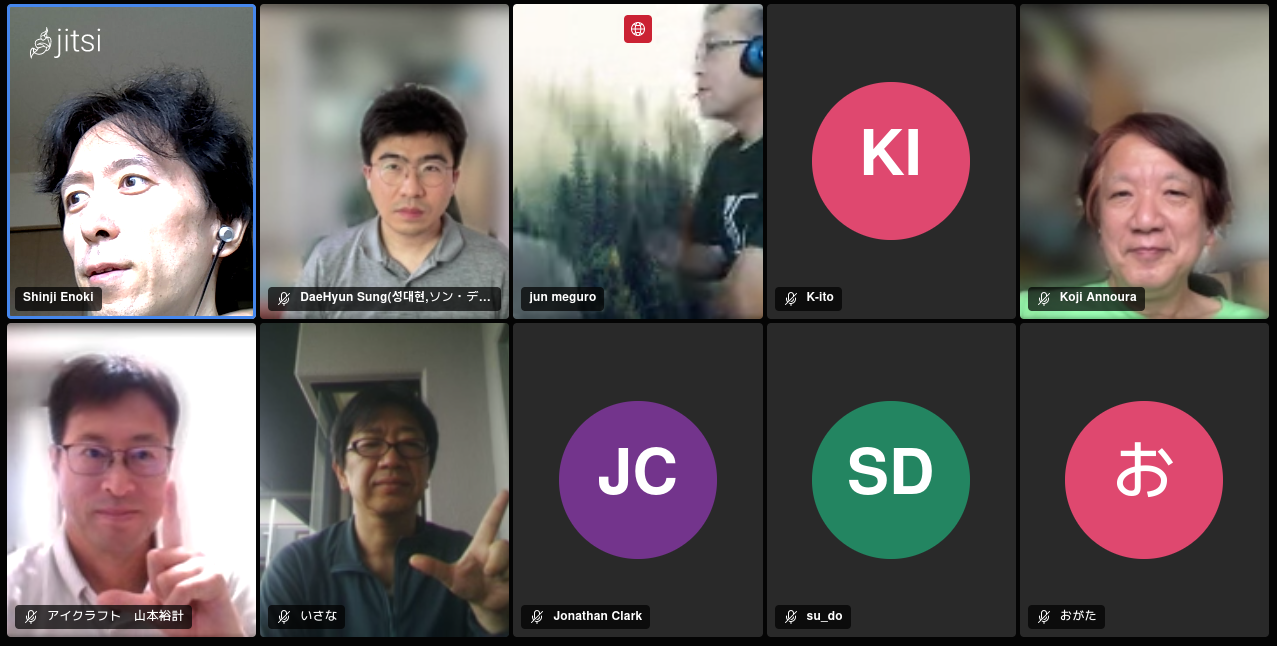
There were also Online Study Parties, held twice, where users shared knowledge and interacted with each other. And then there were 44 online hackfests throughout the year, where participants worked together in the community to make progress on tasks and transfer skills. They mainly checked the Japanese Ask LibreOffice website and tried to answer questions, but also did some UI translation, and occasionally bug triaging and bug reporting. All online events were held on Jitsi and streamed live on YouTube.
Meanwhile, there were in-person events every month in Awaji, Osaka City. They were held jointly with Open Awaji, an event themed around open data and the movement to open cities. Other activities at events included having booths and open source conferences (Osaka, Tokyo, Nagoya, Hiroshima, Tokyo, and Fukuoka). There was also the Kansai Open Forum 2024, an event for open source and IT communities in the Kansai region that has been held annually since 2002. Attendees talked about LibreOffice.
Japanese community members participated in the LibreOffice Asia Conference 2024 and COSCUP (Taiwan), along with the openSUSE.Asia Summit 2024 (Tokyo).
Six people from Japan participated in the LibreOffice Asia Conference 2024 in Taipei, two of whom gave joint presentations. Many members of the FLOSS community outside of the LibreOffice project who participated in COSCUP also attended the LibreOffice Community Party.
In terms of translations into Japanese, the user interface was 93% complete, and Help content 48% complete. There were also guidebook translations (Writer, Calc etc.) – Meguro-san translated using TexTra, a machine translation service provided by NICT, a Japanese government research institute.
On Japanese Ask LibreOffice, 101 questions or comments were added in 2024, while on the blog, community members posted 19 articles; these mainly consisted of translating the English TDF blog, especially the release announcements. And finally, on social media, the Japanese LibreOffice X (Twitter) account had: 2936 followers and 65 posts, while on Facebook there were: 624 followers and 23 posts. The Japanese community has created a Bluesky account but has not yet started using it fully.
Norwegian – Nynorsk
The Nyorsk project is led by one translator (Kolbjørn Stuestøl) who has maintained the user interface and Help content translations for LibreOffice at 100%.
Portuguese (Brazil)
One of the community’s key achievements was the publication of the Guia do Writer 7.6, a fully revised Portuguese translation of the Writer Guide 7.6, initially generated through machine translation and then carefully edited for linguistic accuracy and style. To streamline future translation efforts, the community launched a GitHub project utilizing the OmegaT computer-assisted translation tool, which integrates machine translation to reduce rework and improve quality control.
The local team — Tim Brennan, Tulio Macedo, and Olivier Hallot — successfully completed the full translation of both the user interface and Help content into Brazilian Portuguese. Rafael Lima contributed significantly by enhancing the Operations Research tools, commonly known as “Solver,” making them fully functional.
Weekly community meetings were held every Wednesday at 21:00 local time, providing a space to discuss all aspects of the LibreOffice environment and stay updated on developments from TDF.
The community also revamped the announcements for LibreOffice versions 24.2 and 24.8 with multimedia content tailored for Brazilian social media platforms, greatly expanding their reach — an effort led by Eliane Domingos.
Support and engagement remained strong across multiple channels, including active participation in the Brazilian Portuguese section of the Ask LibreOffice forum, two dedicated Telegram groups, Facebook and Instagram communities, and the ongoing translation of wiki pages, with notable contributions from Diego.
Spanish
Spanish speakers worked on updating their translation of the LibreOffice Base tutorial book (by Mariano Casanova), reaching 80% translation status. 31 articles were published on the Spanish blog, and community members worked on updating the LibreOffice UI translation (99%) and Help content (around 80%). They also published various guidebooks: Draw Guide 7.6 (in ODT, PDF and HTML formats); Calc Guide 7.5 (in ODT, PDF and HTML formats); and the Math Guide 7.3 (in HTML format).
Tagalog
The LibreOffice Tagalog localization project was relaunched in April 2024 after it was discovered that a previous effort had been abandoned years earlier. Motivated by the opportunity to complete the project for the benefit of both the global and local community, a new initiative was launched with the goal of finishing the translation within a year.
Working closely with the LibreOffice localisation support community, the project followed a consistent schedule of weekly and monthly progress updates. A key focus was integrating and automating translations using three different AI language tools, which included implementing verification processes, suggestions, and comments to ensure quality.
Technical workflows were developed to compile developer edition translations on a bi-weekly basis using Linux Mint, with results verified and shared through best practices posts on a US-based technology blog. The project also drew on the support of Filipino relatives to better understand and incorporate the nuances of various Filipino dialects, enhancing translation accuracy and cultural relevance.
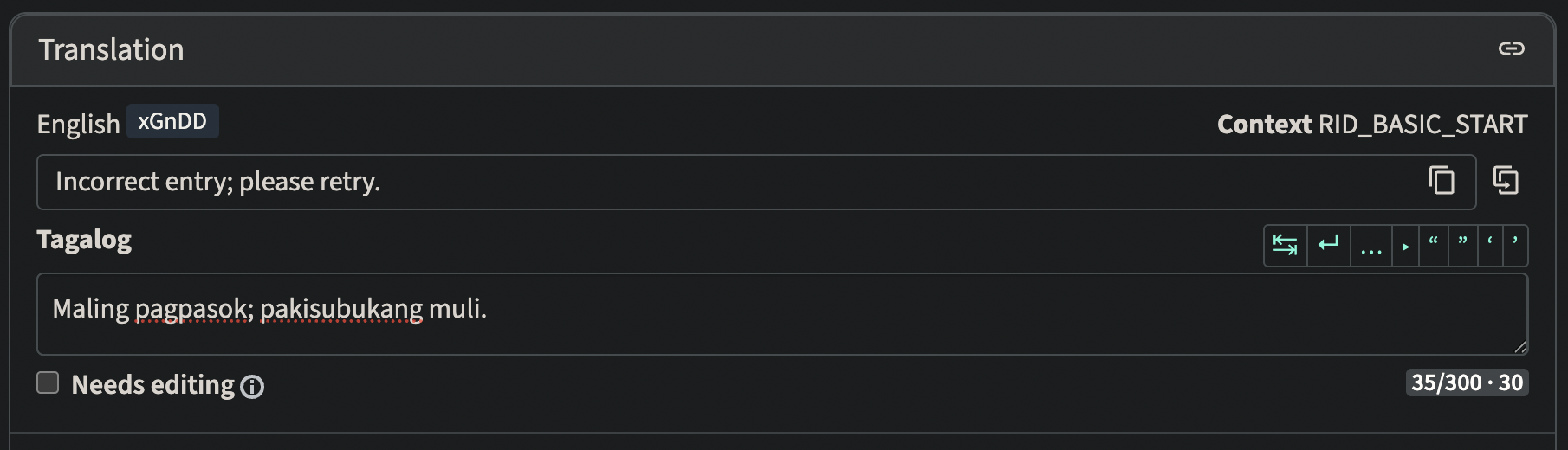
The translation work was completed ahead of schedule in January 2025 – four months earlier than planned. Fine-tuning continued with the help of the l10n support team to correct inaccuracies, particularly in the LibreOffice menus. (The screenshot below shows TDF’s Weblate instance being used to translate LibreOffice into Tagalog.)
In a further step toward community impact, the project began outreach to local contacts in Manila to share tools and methods used in the localization process, aiming to support similar efforts in K–12 education and non-profit business software across the Philippines.
Thank you to everyone
These are just some of the native language projects in the LibreOffice community, who provided summaries for the Annual Report. But there are many more – so we at The Document Foundation would like to say a huge thank you to everyone who in the native language communities. Your work makes LibreOffice accessible to hundreds of millions of people around the world, and your passion is wonderful. Thank you so much!