Community Member Monday: Tomoyuki Kubota

Today we’re talking to Tomoyuki Kubota (aka himajin100000), who is active in the Japanese LibreOffice community and recently became a member of TDF

To start with, tell us a bit about yourself!

I live in Tsurumi Ward, Yokohama City, Kanagawa Prefecture, Japan. Though it’s not as advanced as central Tokyo, Yokohama is one of the major cities near Tokyo, so it’s relatively easy to reach big stores.

One of my hobbies is, of course, reading the source code of LibreOffice via OpenGrok (for symbol-based searches) or via GitHub (sometimes, for text based search), to try to find out the cause of trouble I sometimes see on someone’s tweets when I search for the term “LibreOffice” on Twitter.

Sometimes I watch videos on www.nicovideo.jp, mainly Voiceroid and CEVIO commedy drama series made by others, and videos on the games I played in my childhood with Super Nintendo, such as Romancing SaGa 2, Kirby’s Dream Course (known as Kirby Bowl in Japan) etc. Sometimes, I enjoy watching videos on Human Resource Machine played by newbies’ to computer programming!

Why did you decide to become a member of TDF?

I was invited by Ilmari Lauhakangas, who is in charge of Development Marketing at TDF.

What are you working on in the LibreOffice project right now?

Honestly speaking, my main focus varies drastically, frequently at a whim, sometimes driven bya bug’s difficulties. I was planning to work on this bug and also this one, but what I did in the end was research on:

  • Ask LibreOffice questions (and this one (copying the content in just one whole cell entails a new line character as the row separator, isn’t this behaviour inconvenient?)
  • this tweet (in what rule, bar graph axis starts with a number other than zero?)
  • Behaviour of ‘Date Acceptance Patterns’
  • ‘Python Macros’ dialog has a ‘Create’ button, but it’s grayed out. (Possibly caused by ‘Creatable’ flags not set? BeanShell and JavaScript relies on the same script providers made in Java.)

Still not tackled enough: this tweet (printing company said they can’t guarantee the output if fonts are embedded in PDF with their encoding being ‘built-in’. Workaround is to use Microsoft Print To PDF, which sets identity-H, but the pseudo-driver does not have a UI for changing page size!)

After doing research on other matters to a certain degree, I want to return to my initial purpose – the bugs I mentioned at the start of this answer.

What does LibreOffice really need?

After meeting with Naruhiko Ogasawara, Shinji Enoki and Jun Nagota of the Japanese LibreOffice community, I noticed that event attendees are often developers, or who already know about LibreOffice to a certain degree, so not very successful in welcoming new end users.

Aside from that, IMHO, people new to LibreOffice are often even newbies to computer science itself, and don’t have concrete ideas on what application software is, how files are managed,
etc, and for those people, I think, before giving inpus on LibreOffice, helping them to get that knowledge first would be easier for them to start using LibreOffice.

Thanks to Tomoyuki for all his help! Stay tune to the blog for more community member interviews…
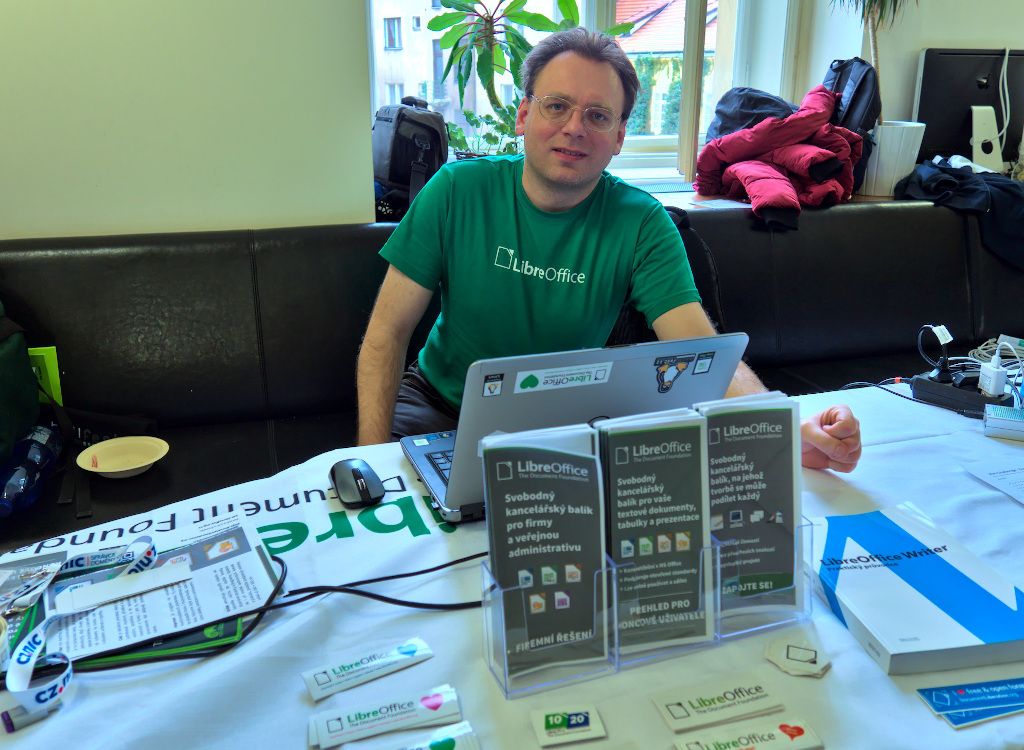
LibreOffice at InstallFest 2020, Prague, 29 February – 1 March

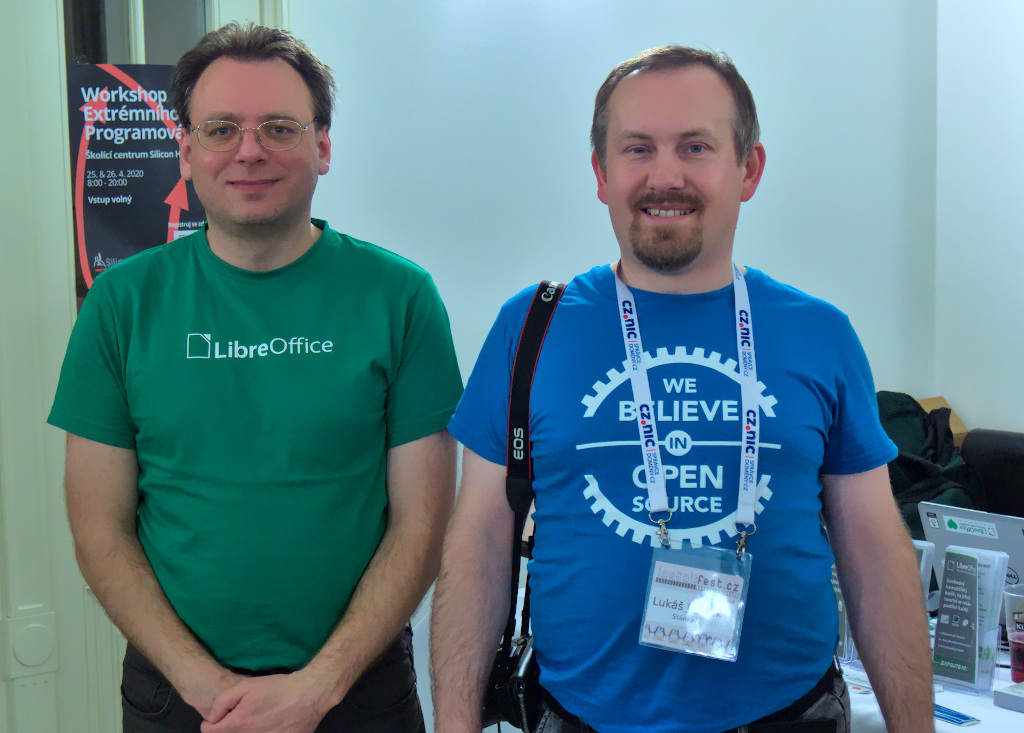
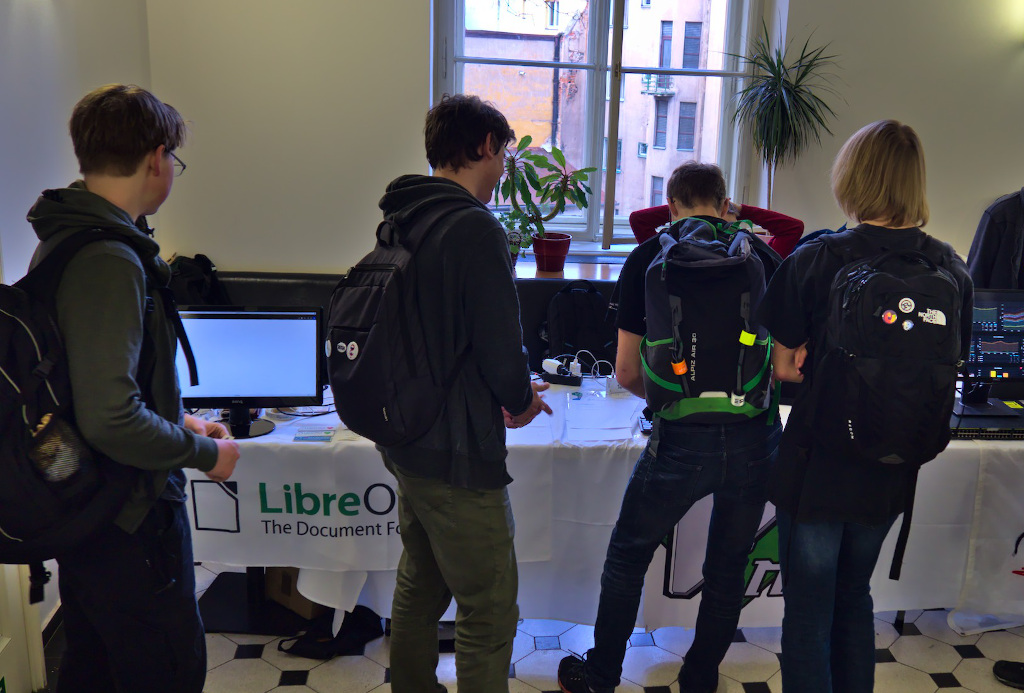
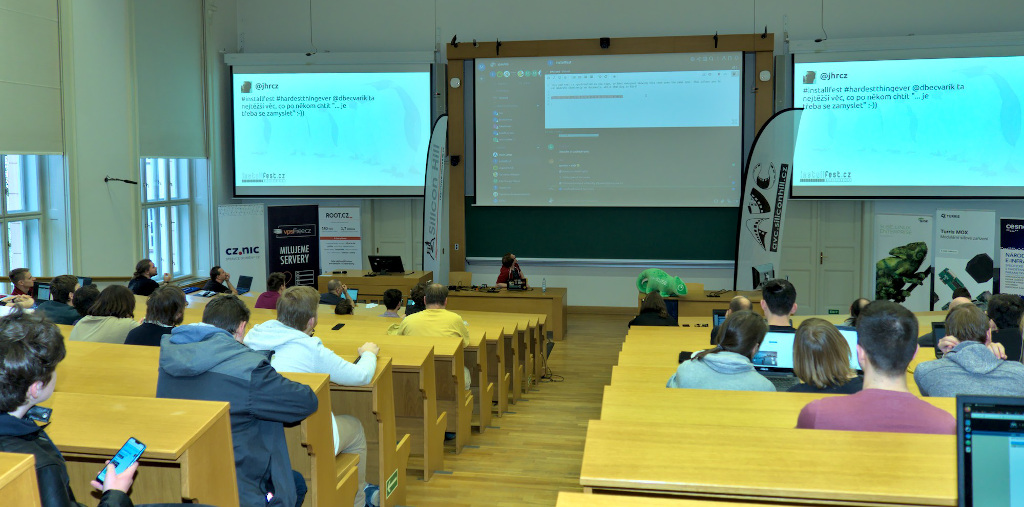
Our Czech LibreOffice community attends events around the country, spreading the word about LibreOffice, free software and open standards. Today, Petr Valach reports back from InstallFest, which took place on 29 February and 1 March. InstallFest focuses on GNU/Linux, helping new users to install the operating system, but also has lectures and stands for many other free and open source software projects…


For the first time this year, the LibreOffice community attended the InstallFest conference. The following is a summary of the knowledge and insights we gained there…

The vast majority of visitors were from younger generations – often high school or even elementary school pupils. The new mobile application from Collabora, released just a few days before – and surprisingly, almost no one knew about it – aroused great interest. Collabora Office Mobile has proven to be a highly featureful and functional alternative for the desktop version – although it has a limited range of features, but its capabilities are surprising.

One of the questions was about handling ODF files with embedded fonts. Experiments have shown that if the file contains text written in non-traditional fonts, and these are inserted into the file, it will display correctly in the mobile application. The only problem is with the file size, because LibreOffice does not allow you to embed font subsets – it embeds whole fonts. On the other hand, it ensures full compatibility when editing a file on another device; all characters defined in the font are inserted in the file.

LibreOffice Online has also gained great interest. It enables collaboration within a corporation, which can have thousands and tens of thousands of users (and it works, as we know from foreign deployments). There is a certain obstacle to the need to install the application as a cloud service – the method of installation is not widely known (solved by the documentation team, as the LibreOffice Online manual is published, and the Czech documentation team completes its Czech version).

Some users complained about several problems, for instance: scrolling doesn’t work on the touch screen, instead of text. It is a bug inherited from OpenOffice.org, not solved under number 85677.

One requirement also involved inserting the name of any worksheet in the Calc list into the selected cell, and dynamically linking it to the worksheet, to change the content of that cell when the worksheet name changes. Currently, only the name of the current worksheet can be inserted into the cell, either by field or by function:

= MID (CELL ("filename"); FIND ("# $"; CELL ("filename")) + 2; LEN (CELL ("filename")))

Now it is not possible to insert the name of any sheet in the list – it is not solved in bug 94975. (This is not possible in Microsoft Excel, by the way.)

Defender Folder Access Control in Windows 10 blocks LibreOffice installation. You must disable this feature before installing LibreOffice. For more information, see the LibreOffice wiki page.

We also learned from other visitors at the event about other schools and companies that use LibreOffice. We will address them shortly.


A big thanks to Petr and the whole Czech community for their work! And to anyone reading this who’d like to attend local events and help to spread the word about LibreOffice, join our marketing mailing list and drop us a line. We’ll point you in the right direction!

Announcing Open Badges for LibreOffice contributors!

LibreOffice is made by volunteers and certified developers across the globe, and today we’re announcing a new system to credit their work and show appreciation: Open Badges. So what are they?

In a nutshell, Open Badges are PNG images that are awarded to contributors for reaching a certain threshold – such as a number of commits to the codebase, or answering questions on Ask LibreOffice. But these images are something special: they contain metadata describing the contributor’s work, which can be verified using an external service. Open Badges are used by other free software projects, such as Fedora.

We at The Document Foundation – the non-profit entity behind LibreOffice – will start issuing customised badges to contributors, who can then proudly display them on websites or social media. And because of the embedded metadata, contributors can use the badges as proof of their work. If you’ve been a long-time contributor to LibreOffice and are in the job market, use your badge to highlight your involvement in a large open source project!

Starting off: Ask LibreOffice contributors

The first set of badges go to the nine people on Ask LibreOffice, our community assistance website, who’ve posted over 100 answers. We’ll be in touch personally with the badges! Their usernames:

  • Ratslinger
  • ajlittoz
  • Mike Kaganski
  • Opaque
  • Lupp
  • erAck
  • RGB-es
  • ebot
  • JohnSUN

Stay tuned to this blog for more Open Badges awards!

LibreOffice power feature: join text boxes after importing PDFs

Although PDF is primarily used as a read-only format, there are tools for editing PDFs – and indeed, many people pay quite a bit of money for these tools, such as Adobe Acrobat Pro.

But there are alternatives! LibreOffice Draw provides a powerful PDF editor, for free, and since LibreOffice 6.4 it has a great feature to speed up editing: the ability to consolidate (join) multiple text boxes. This is especially useful if you’ve imported a PDF, and the text content is spread across multiple text boxes, making it hard to work with.

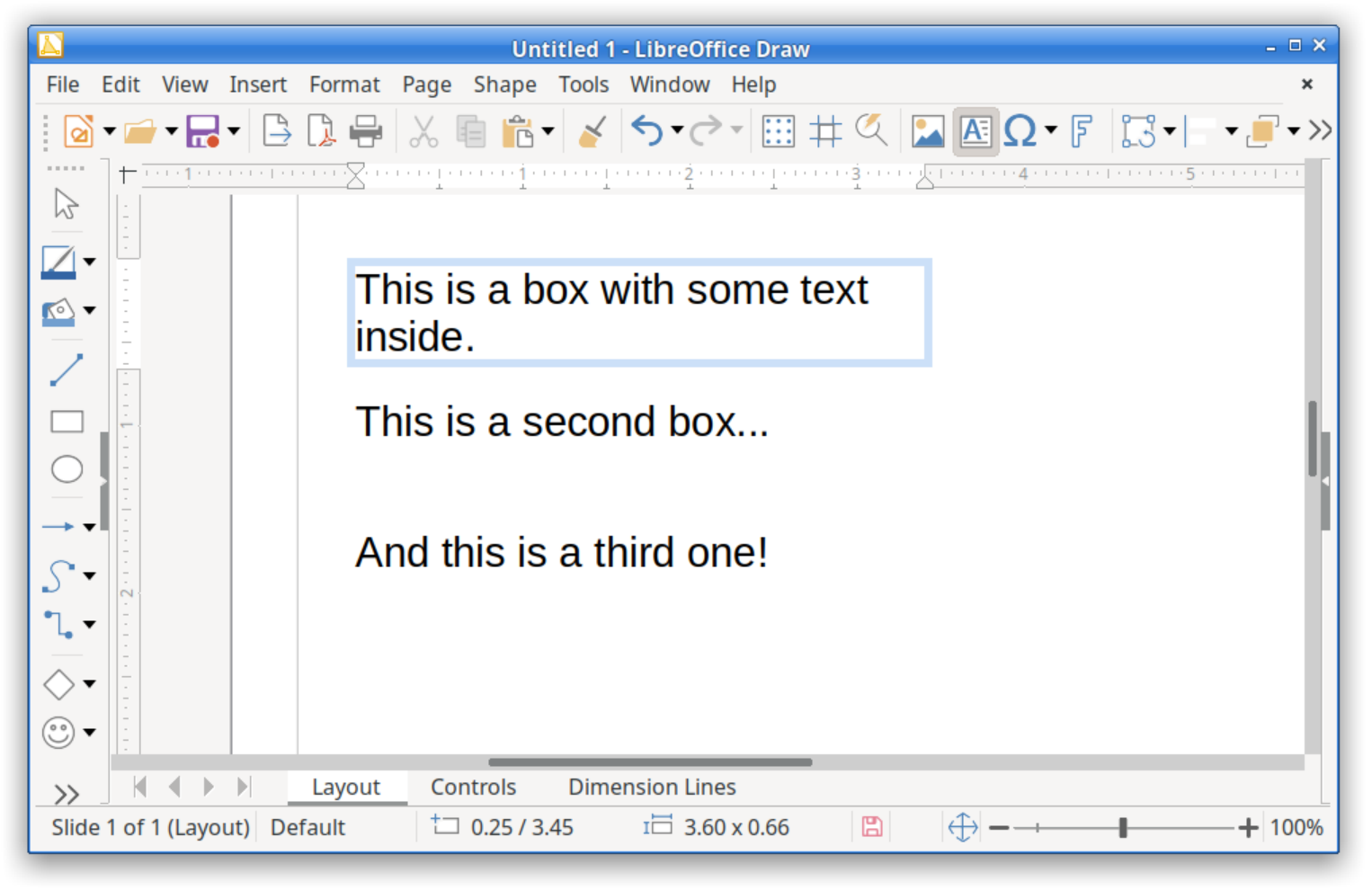
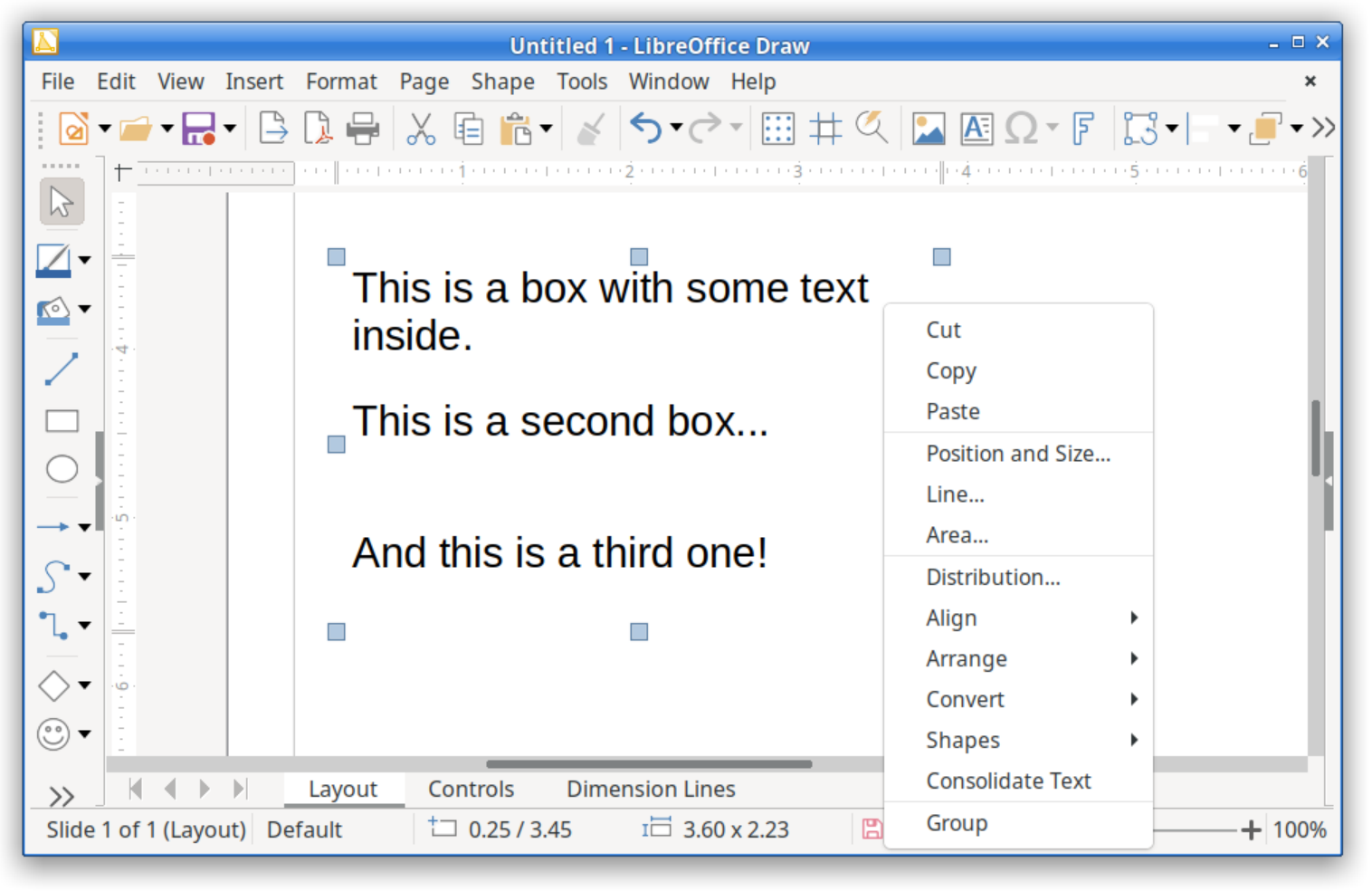
Let’s see it in action. Imagine you’ve opened a PDF document in LibreOffice Draw, and there are lots of separate text boxes, like this:

This is fiddly to work with – wouldn’t it be great if you could join all of these text boxes together, to edit them as a single chunk of text? Well, in LibreOffice 6.4, you can. Just select all of the text boxes, using the shift key while selecting them, then right-click and choose Consolidate Text in the context menu:

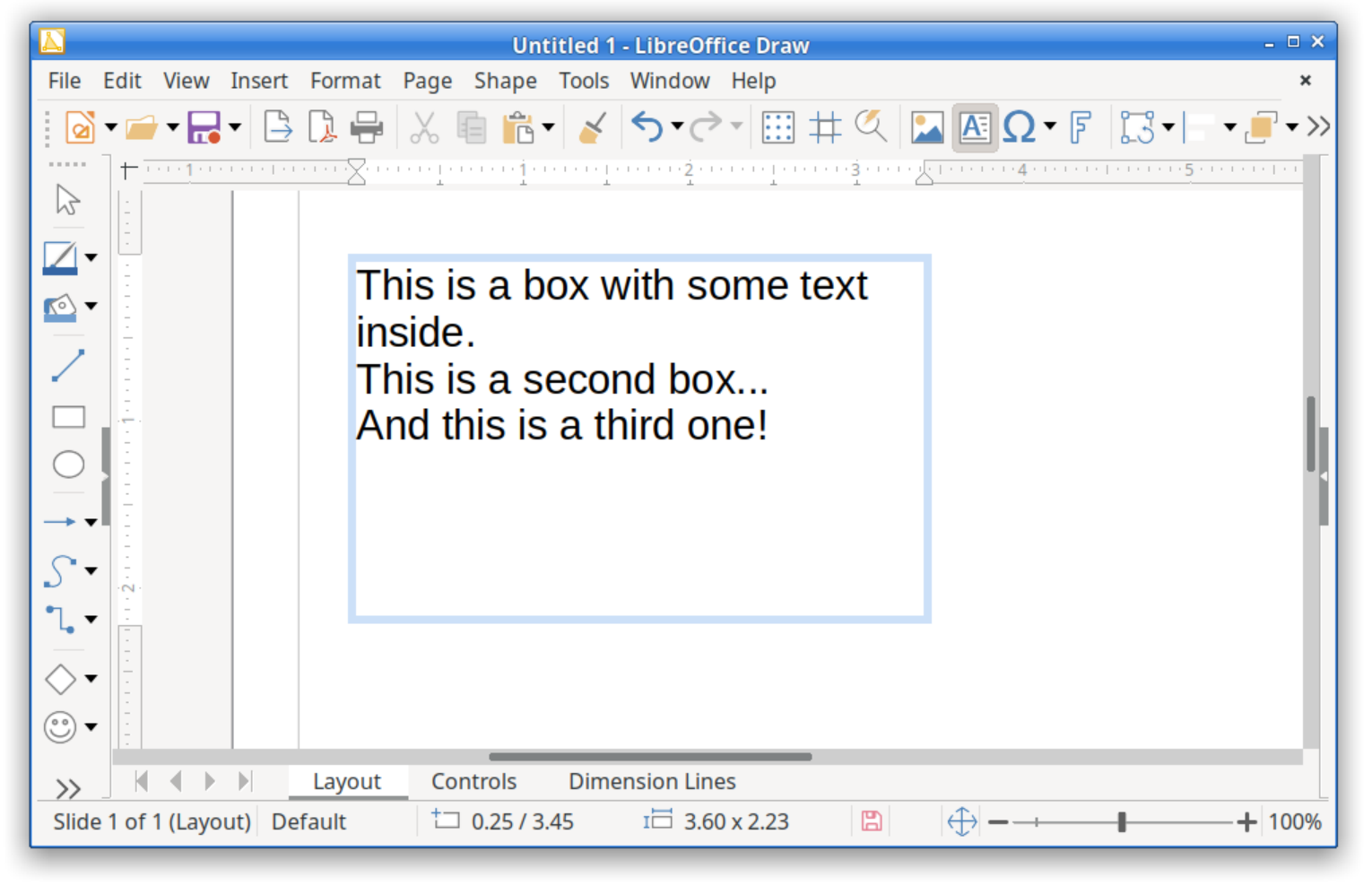
Now, the three text boxes are joined into one, so you can edit the text as a single item:

Download LibreOffice and try it out!

See the online help for more tips and guides, and Ask LibreOffice if you have any questions!

Our new extensions and templates page is getting ready!

Our old Extensions and Templates Website has worked well over the years. It is one of the key and most frequented websites of the LibreOffice project, as it enables users to enhance the functionality of LibreOffice with add-ons and plug-ins, while providing an easy way for authors to improve LibreOffice.

We’d like to express a special thanks to Andreas Mantke for implementing, designing and maintaining it in first place! It was his initiative to come up with such a website and he has spent countless hours over the past years to maintain the site to the benefit of our community. Kudos and thank you so much for your help and dedication!

As we look forward, we’ve been thinking about how to progress, while building on some of the other technologies we use.

After research and evaluation of various options, we’ve made the decision to update the website and base it on SilverStripe, the content management system we use for the main LibreOffice website. Our goals include:

  • Streamlined design
  • Improved usability for authors and users
  • Make extensions very prominent
  • Make it easy to localise in many languages

In the last few months, we’ve been working on a new site and workflow, and today we’d like to share the current progress, and provide some information on what’s going on under the hood. Christian Lohmaier talks about the new website, which will be available soon…


Initial setup

We decided to use a much more reduced and simplified setup for this. With fewer tools to maintain, the easier it is to add improvements along the way.

We’ve made the decision to go with SilverStripe, since that is a CMS we are already familiar with since we are already using it for our main website. It has a Model View Controller design that is easy to grasp and extend by anyone who knows some PHP and html and CSS.

The separate backend (administrative interface) and frontend (what a visitor using the site sees) allows us to streamline the workflow and improve error handling.

Having the data completely decoupled from the representation will allow us to revamp the site as new ideas come along or potential problems will surface. One of our goals is to simplify the user interface and also allow for translation and localization of both the extensions as well as the whole site from the very beginning. Extension maintainers can translate their listing into the language of their main target language.

Discoverability

Similarly, users told us that they wanted their extensions to be even easier to discover, so for this we decided to go with a curated list of tags as the main categorization/classification. We learned from other tag-using systems (like ask) that freeform tags would require a high level of discipline from content creators to not create too specific or too similar tags to make for a useful search tool.

Having a curated list of tags also allows for translation of the tags, further improving the experience for our non-English speaking endusers. This also will allow us to get rid of the rather arbitrary split into templates and extensions, but rather have a more targeted listings.

And since we’re already using SilverStripe in combination with TDF’s Single Sign-On solution, current users of our SSO can easily access the new site.

Creating and editing

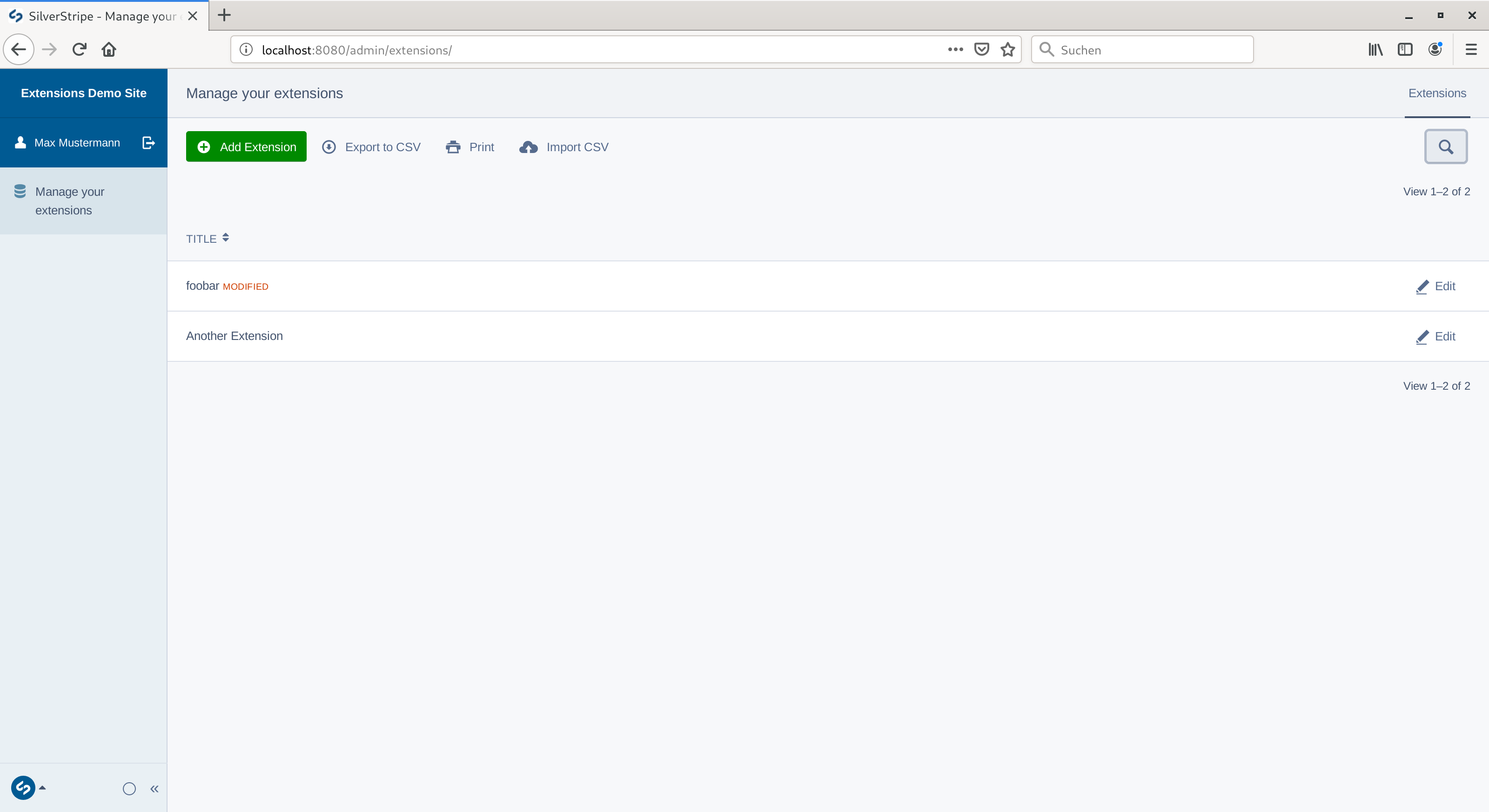
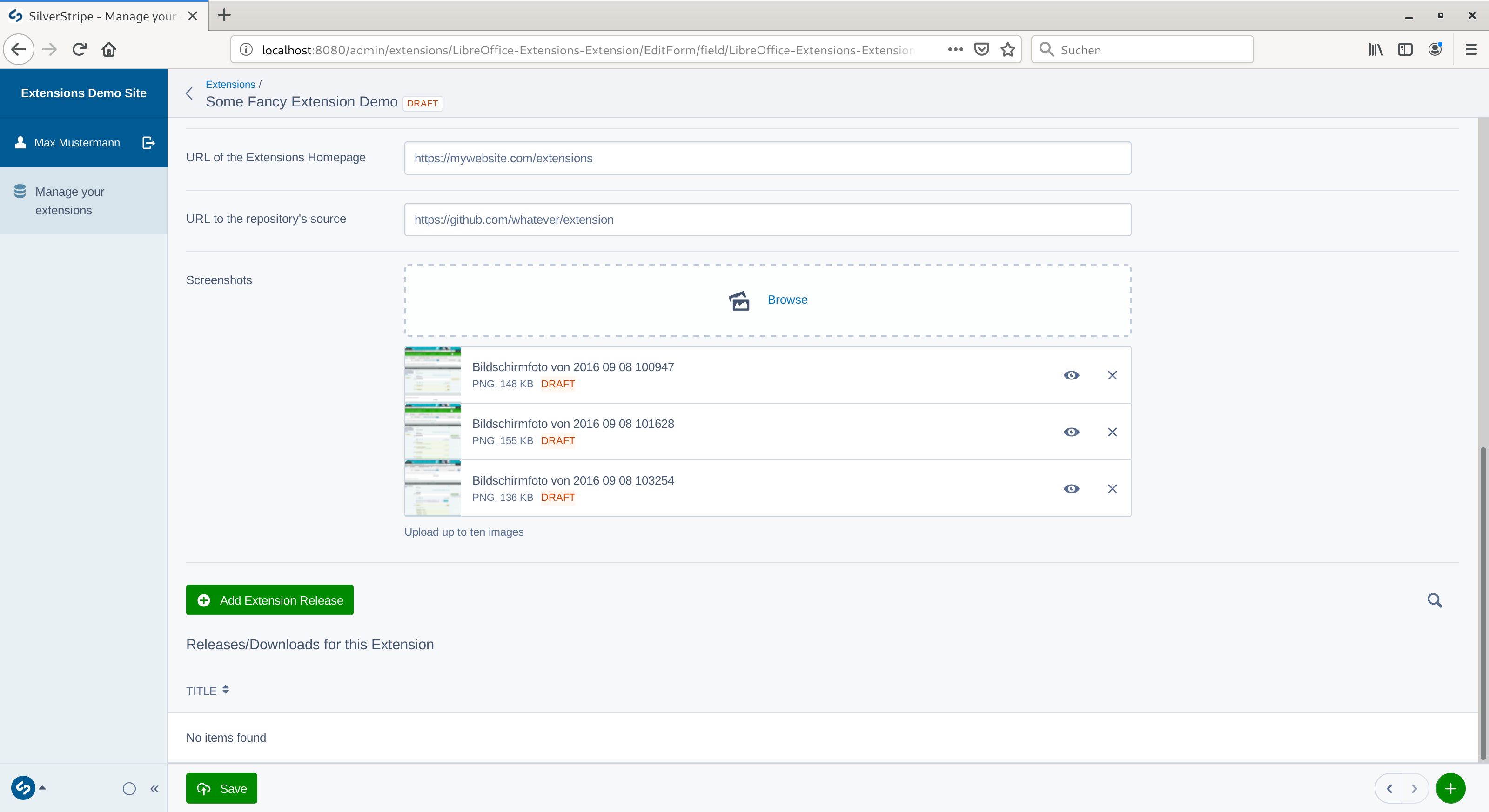
To illustrate the keep-it-simple approach, here is what an extension maintainer would see once logged in to edit or create an extension entry:

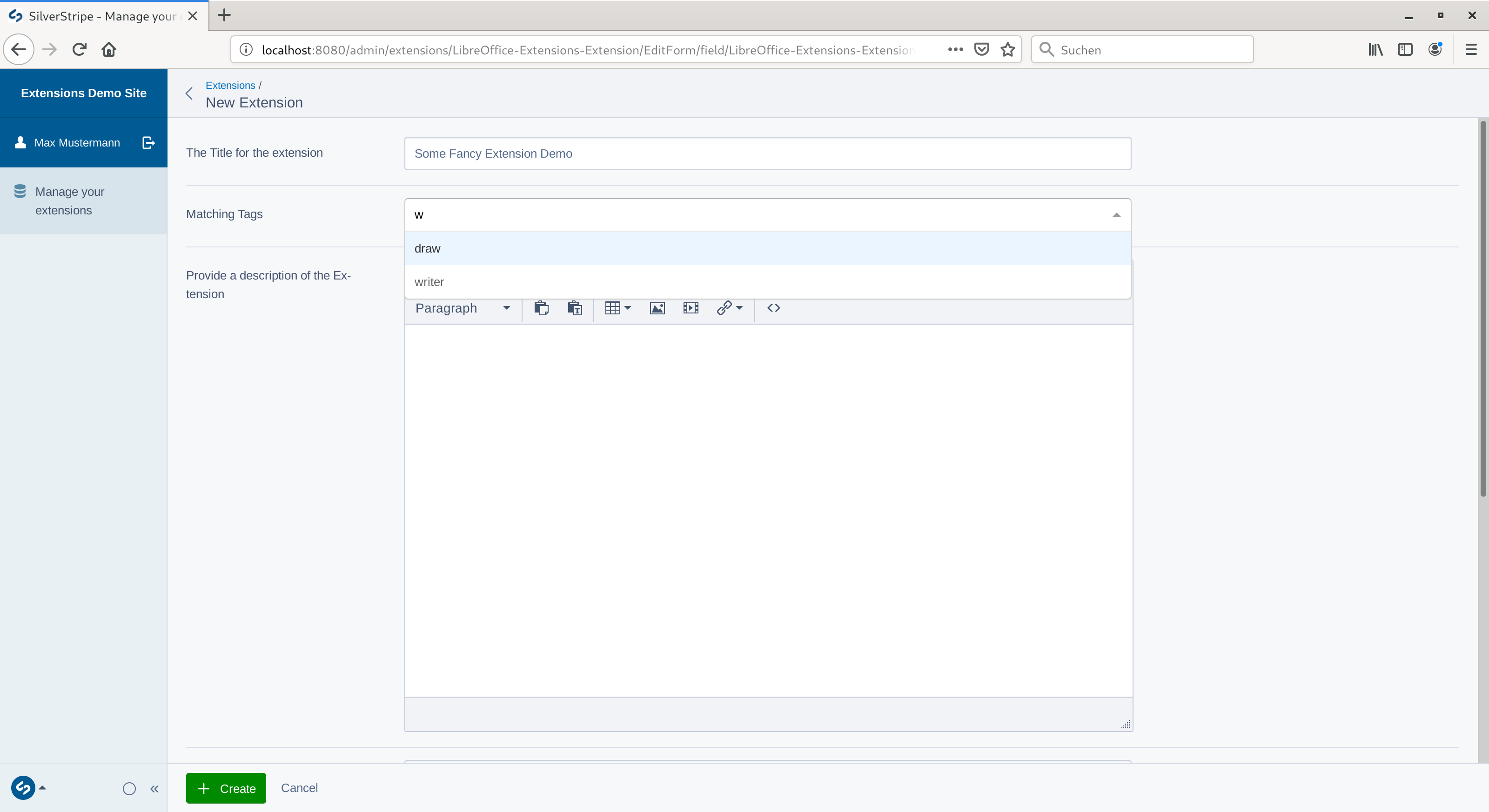
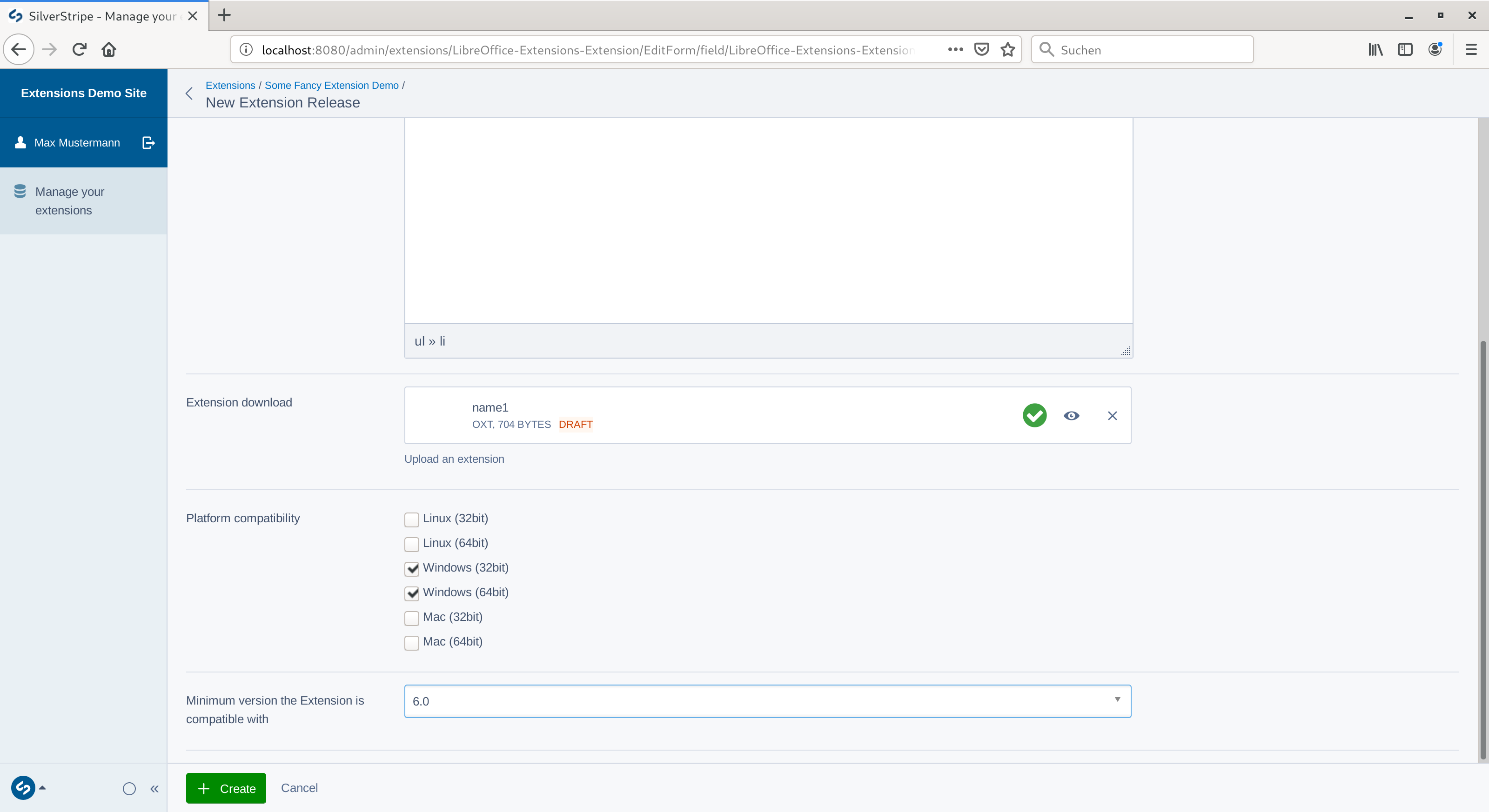
And here’s what creation of a new entry would look like:

While some people might think that this is not the most exciting user interface, and that it also boxes the user in, well: that is the whole point about it!

Just like on the current site, we kept the concept of having a main extension entry along with individual releases that might be limited to a certain language or a specific operating system:

Moderation

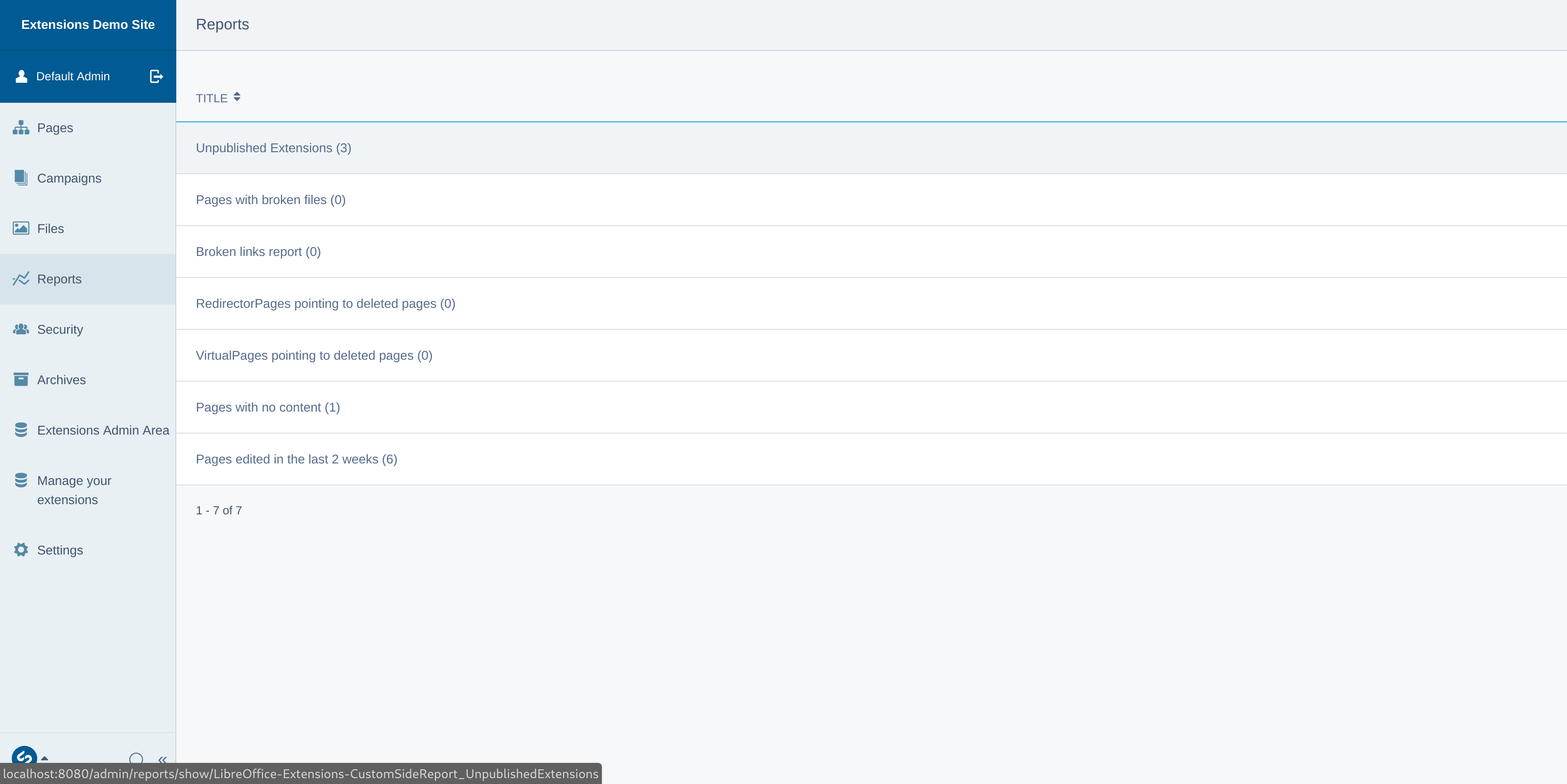
The new sites provides some features also for extension moderators with a more expansive admin interface in which they would have access to reports and where they can add and maintain the list of available tags, and do other similar tasks.

In the next post we’ll dig a little deeper into the more technical stuff like the data model and templating systems. That will then provide the required knowledge to not just give feedback on the current design (both visual as well as from a low-level perspective), but already provide concrete improvements in form of patches.

As we’re a volunteer-driven, community project, we really appreciate any help – so if you want to give us a hand, join our website mailing list and drop us a line. We look forward to hearing from you!

10 great LibreOffice-only features

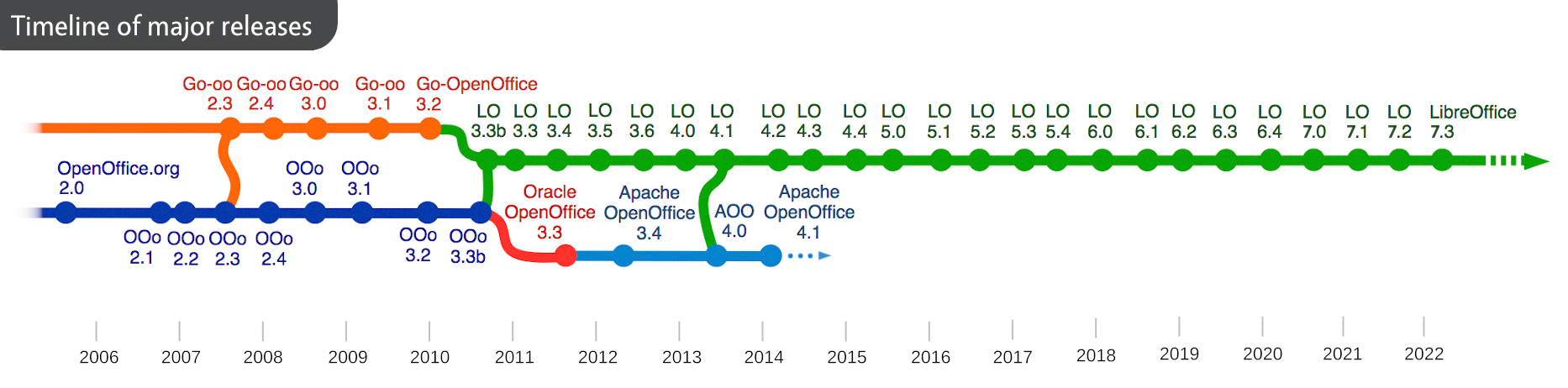
LibreOffice is the successor project to OpenOffice, which had its last major release (4.1) back in 2014, as you can see in this timeline – click to enlarge. And, of course, it’s still free and open source:

We release a new major version every six months – so let’s check out some of the great features our community and certified developers have added in recent years!


1. Improved compatibility – .docx export

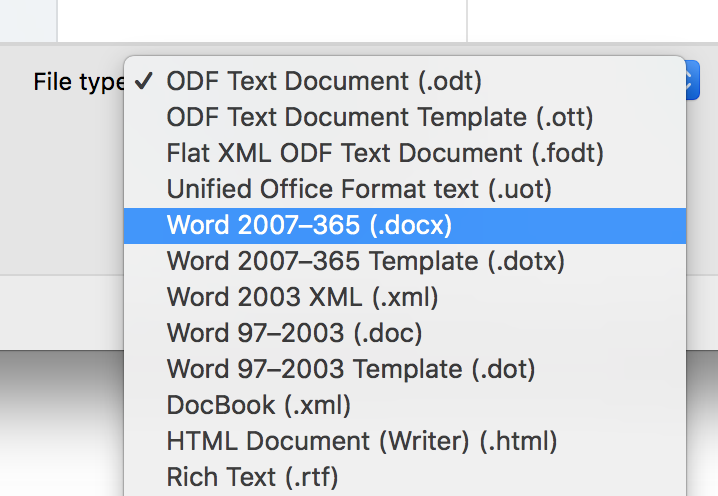
LibreOffice Writer, the word processor, can export documents in .docx format (OOXML), as used by Microsoft Office. Many other compatibility improvements have been added too.


2. NotebookBar user interface

Since LibreOffice 6.2, we have an alternative user interface option called the NotebookBar. To activate it, go to View > User Interface > Tabbed.


3. EPUB export

Want to create e-books from your documents? With LibreOffice, you can! Click File > Export and choose EPUB, which can be read on many e-book devices.


4. Document signing

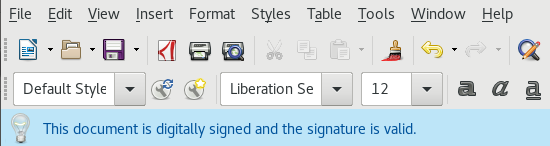
For improved security, you can use OpenPGP keys to sign and encrypt ODF, OOXML and PDF documents. (ODF is the OpenDocument Format, the native format of LibreOffice.)


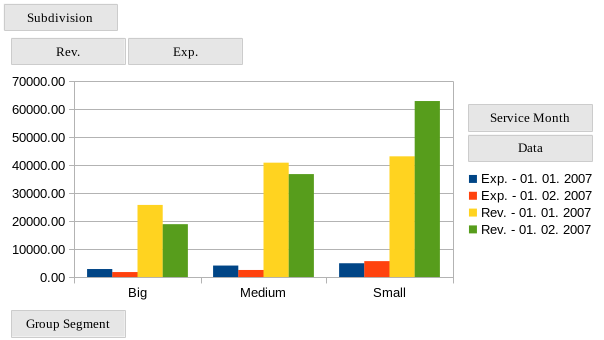
5. Pivot charts

Calc, LibreOffice’s spreadsheet, lets you create charts from pivot tables. This helps you to summarise data sets in complex spreadsheets.


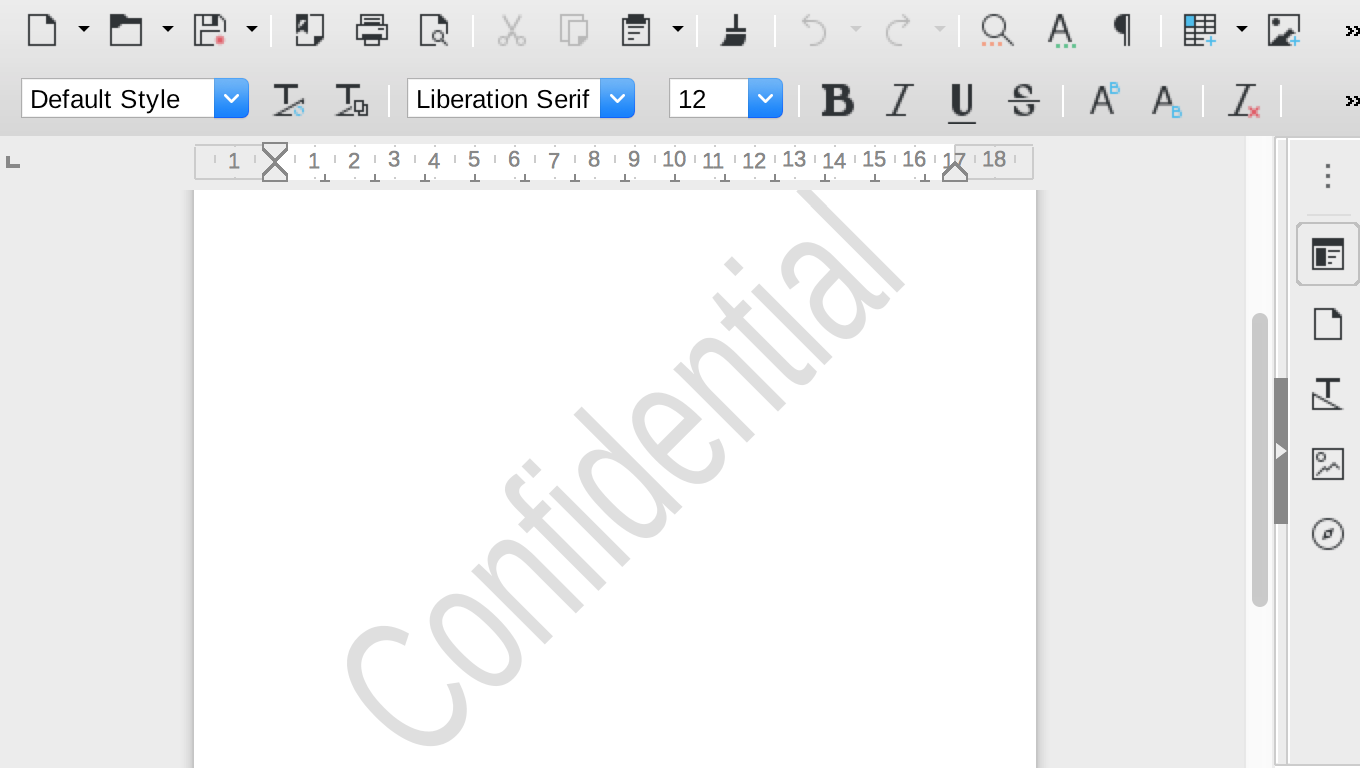
6. Document watermarks

LibreOffice 5.4 introduced custom watermarks, which can be added to page backgrounds.


7. Major spreadsheet performance boosts

Calc has benefited from multi-threading support, dramatically boosting performance on computers with multi-core CPUs.


8. Attractive presentation templates

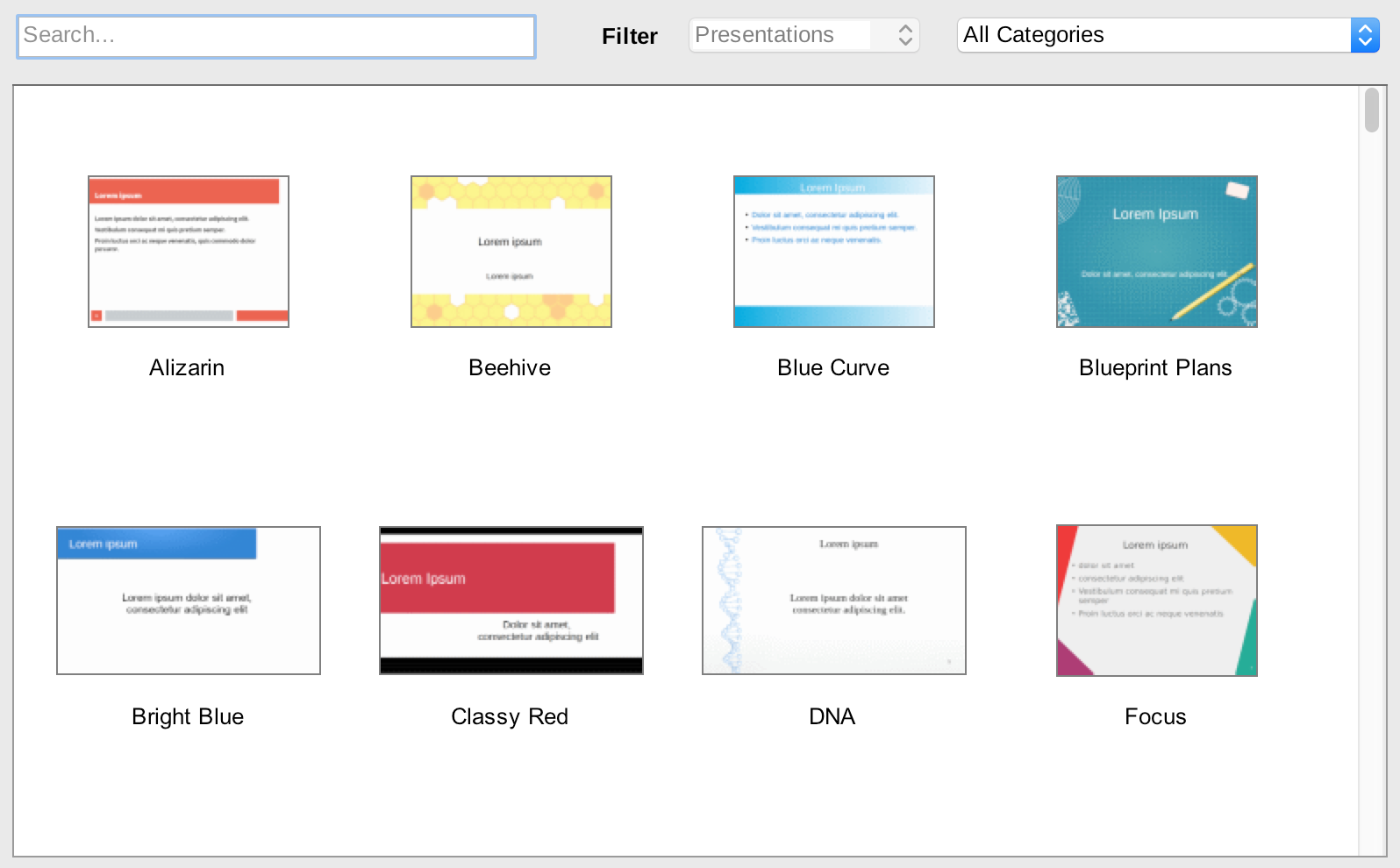
Impress, LibreOffice’s presentation tool, includes a selection of hand-crafted templates, so you can focus on content rather than design.


9. Documentation improvements

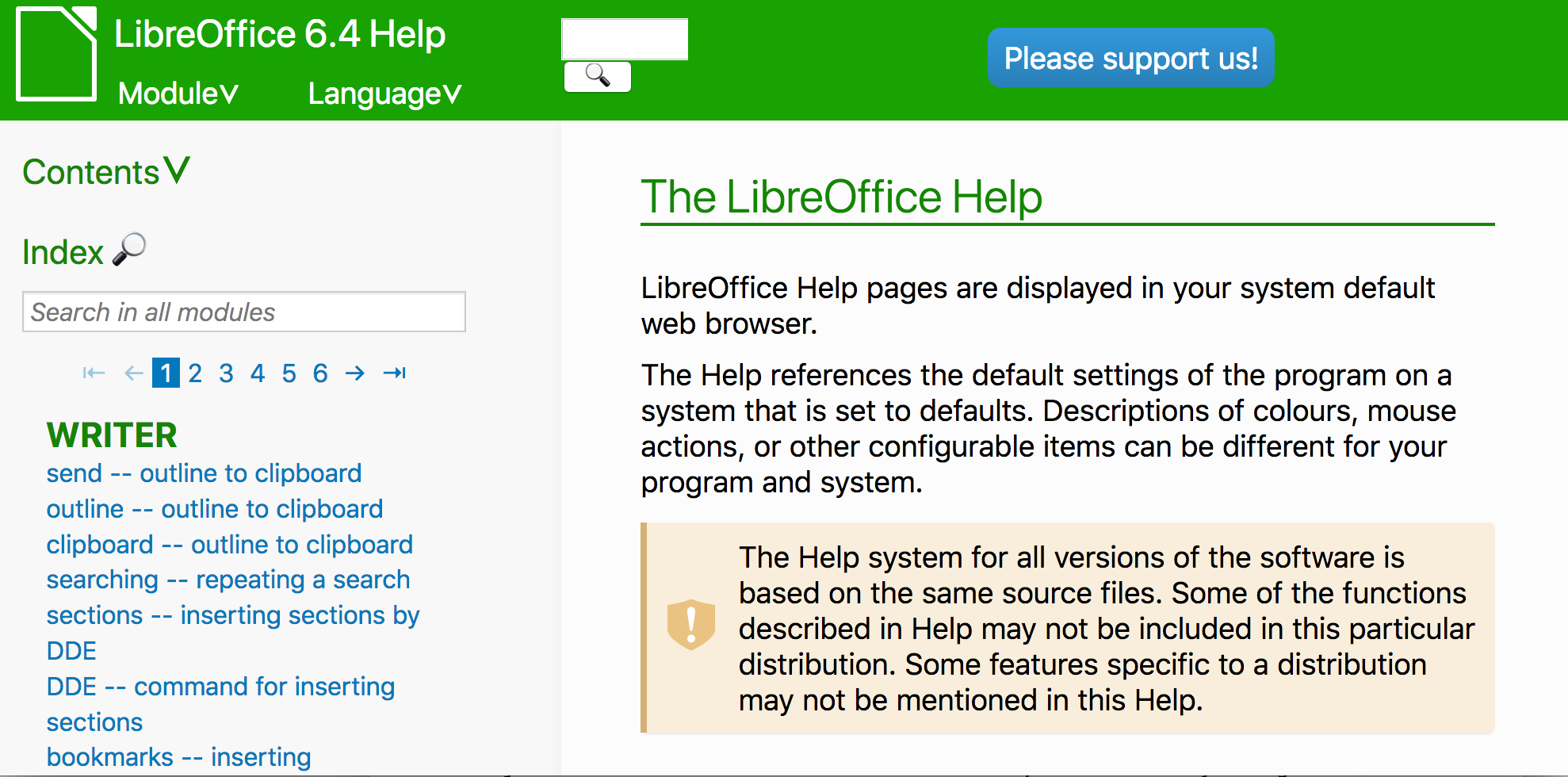
LibreOffice’s help system has been improved to be more user-friendly, while many guidebooks have been updated too.


10. Safe Mode

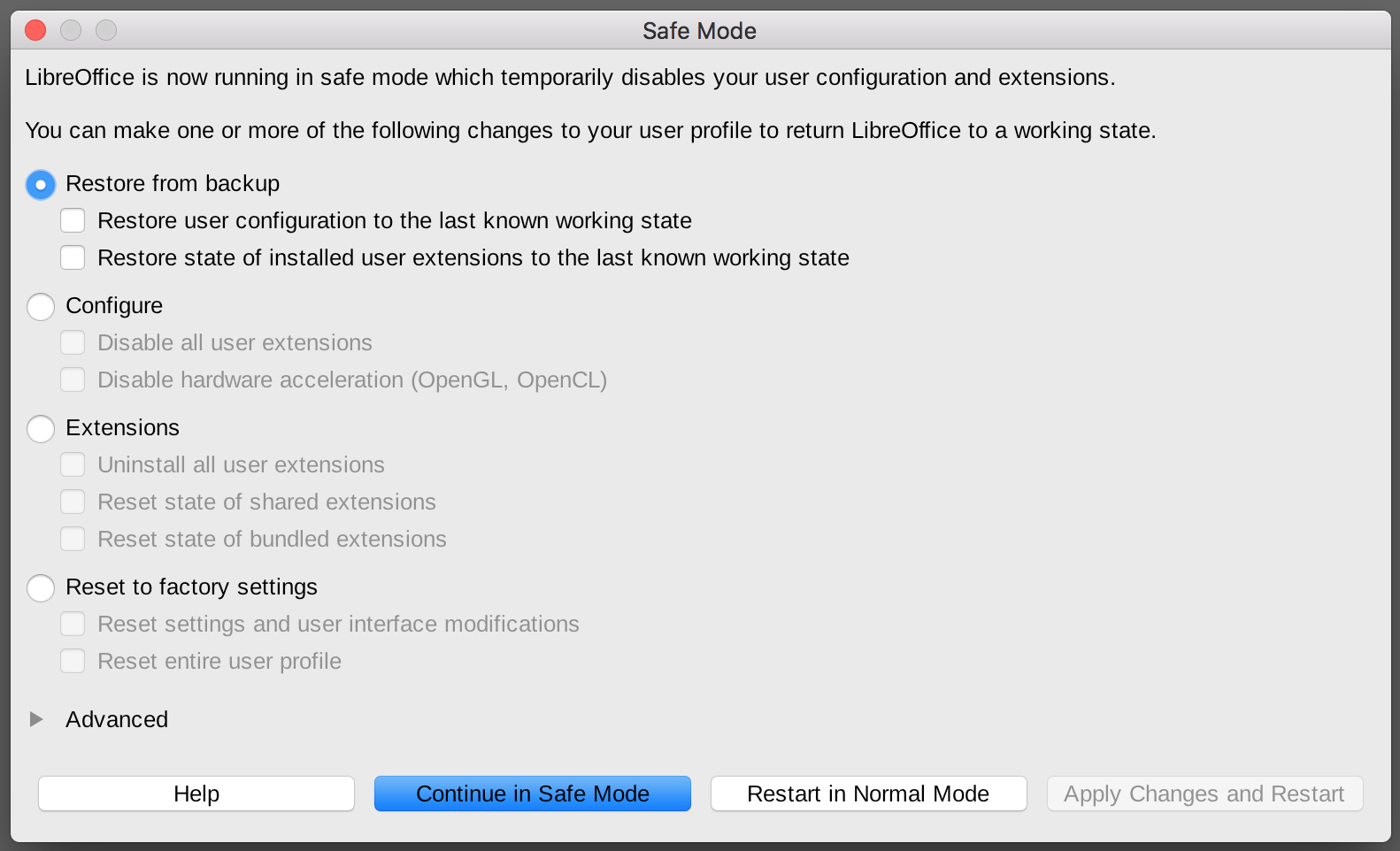
To improve reliability, LibreOffice 5.3 introduced a Safe Mode, which temporarily disables your user configuration and extensions. This helps you to pinpoint any issues which may affect your setup.


Like what you see? Download LibreOffice and try it out – it’s free!


Those are just some of the features – but of course, our community has grown, we’ve started the Document Liberation Project and we have professional support options for using LibreOffice in businesses. And there’s much more still to come – join us!