Coming up next week: A new Month of LibreOffice

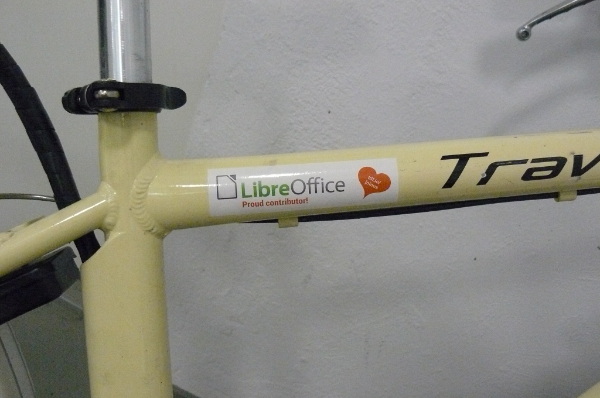
Back in May we had a “Month of LibreOffice”, celebrating contributions from the community in development, documentation, QA, translations and other areas. It went really well, with over 300 cool stickers awarded – and recipients added them to their PCs, laptops and even bikes:

So in November, we’re doing it again! On November 1st we’ll be starting a new Month of LibreOffice, giving you a chance to get your hands on a shiny sticker (or another one if you contributed before). We’ll post more details on this blog when it starts, but in the meantime you can check out the many ways to get involved. And if you’re new to the LibreOffice community, watch our short video below – we’re a friendly bunch, and will do our best to help you get started!

Please confirm that you want to play a YouTube video. By accepting, you will be accessing content from YouTube, a service provided by an external third party.

YouTube privacy policy

If you accept this notice, your choice will be saved and the page will refresh.

LibreOffice Conference 2017 in Rome – video wrap-up

This year’s LibreOffice Conference, held from 11 – 13 October, was a great success with over 200 attendees from around the world. Thanks to everyone who took part, and the hard-working organisers! Check out our short video wrap-up of the event:

Please confirm that you want to play a YouTube video. By accepting, you will be accessing content from YouTube, a service provided by an external third party.

YouTube privacy policy

If you accept this notice, your choice will be saved and the page will refresh.

With the conference finished, the community is now focused on LibreOffice 6.0, due for release in late January 2018. See the release notes for a list of new features and changes added so far, and join our upcoming Bug Hunting Sessions to help make it a really polished and robust release – stay tuned to this blog for details!

Call to Action: Hackfests “The New Generation”

LibreOffice’s development community has been growing steadily for seven years, thanks to the great enthusiasm demonstrated by several core members. They have mentored an entirely new generation of LibreOffice developers, also thanks to Hackfests and other face-to-face meeting opportunities such as FOSDEM and the LibreOffice Conference.

After seven years is now the right time to start thinking about the new generation of Hackfests. For several reasons, their number has decreased over the last couple of years, and they have never really gone beyond European borders (even with core developers flying over the Atlantic to attract potential new developers).

Bjoern Michaelsen will be hosting a conference call to discuss HackFests “The New Generation” on Sunday, September 17, at 4:30PM CEST (Berlin time, or UTC +2). Everyone interested is warmly invited to participate, especially from LibreOffice native language communities around the world.

If you cannot connect, make your voice heard by sending a couple of ideas by email to the Projects mailing list: projects@global.libreoffice.org.

LibreOffice contributor interview: Chandrakant Dhutadmal

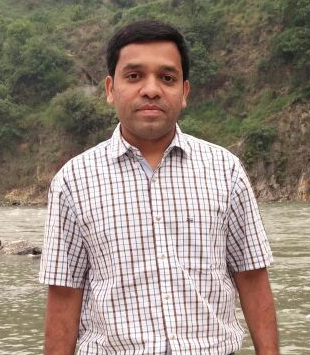
LibreOffice contributors around the world have a big impact on the success of the project – we really appreciate their help. Today we’re talking to Chandrakant Dhutadmal, who is involved in various free and open source projects including Mozilla Firefox and LibreOffice…

Where do you live?

I live in Pune, Maharashtra State, India.

Do you work for a LibreOffice-related company or just contribute in your spare time?

I work for the Centre for Development of Advanced Computing (C-DAC), which is an autonomous scientific organization under the Ministry of Electronics and Information Technology, in the government of India. We worked on a project of national importance where we aimed to provide software tools in Indian languages (free of charge) so that people can easily use the software in their own languages.

One of the applications which we worked on initially (way back in 2006) was OpenOffice.org. Later we shifted to work on LibreOffice. I do contribute to the project in my free time as well.

How did you get involved with LibreOffice?

During the above mentioned project work, we interacted with many organizations and individuals. Mr. Rajesh Ranjan was one of the persons who I interacted with – and told to about how the open source community works, and what kind of impact can it bring to the overall project.

We interacted very frequently and that is where we started working on organized efforts of volunteers for LibreOffice in India. I started doing a bit of contributions for LibreOffice since that time. Mr. Mahesh Kulkarni, who heads the department where I work, and my office in general have been really supportive for such activities.

What areas of the project do you normally work on? Anything else you want to tackle?

I normally work on LibreOffice marketing, community building and localization. These tasks keep me occupied enough.

What was your initial experience of contributing to LibreOffice like?

I was very pleased with the way the global LibreOffice community accepts newcomers and beginners. Initially, I was hardly a serious contributor to LibreOffice. But the fact that even small contributions by new contributors are valued by the community. Members like Sophie Gautier and Italo Vignoli have always been very supportive to me and others in India.

What does LibreOffice need most right now?

One of the most common and frequent issues which people report to me whenever I talk about LibreOffice is compatibility with Microsoft Office. It is quite a difficult task to satisfy them by explaining a few facts. I generally ask people to pinpoint the issues which affect them. Another area is to build a community of developers in India who can contribute to LibreOffice development.

What do you do when you’re not working on LibreOffice?

I read lot of articles on financial literacy. This is one of the topics which interests me a lot. I also like to travel to different places.

Anything else you want to mention?

I hope people get motivated enough by reading interviews like this, and get involved in the project!

Thanks Chandrakant – and indeed, there are many ways to get involved and make LibreOffice better for millions of users around the world. Our community is friendly and fun, and contributing to the QA, documentation, design, marketing or other projects is a great way to build up experience for a future career!

Meeting the Taiwanese community

I have just visited Taiwan to attend COSCUP, meet representatives of the Taiwanese government and the local community, and run a certification session. Generally speaking, it was a very positive trip, because I was able to get a grasp of the activities at every level. Taiwan is definitely one of the strongholds of The Document Foundation.

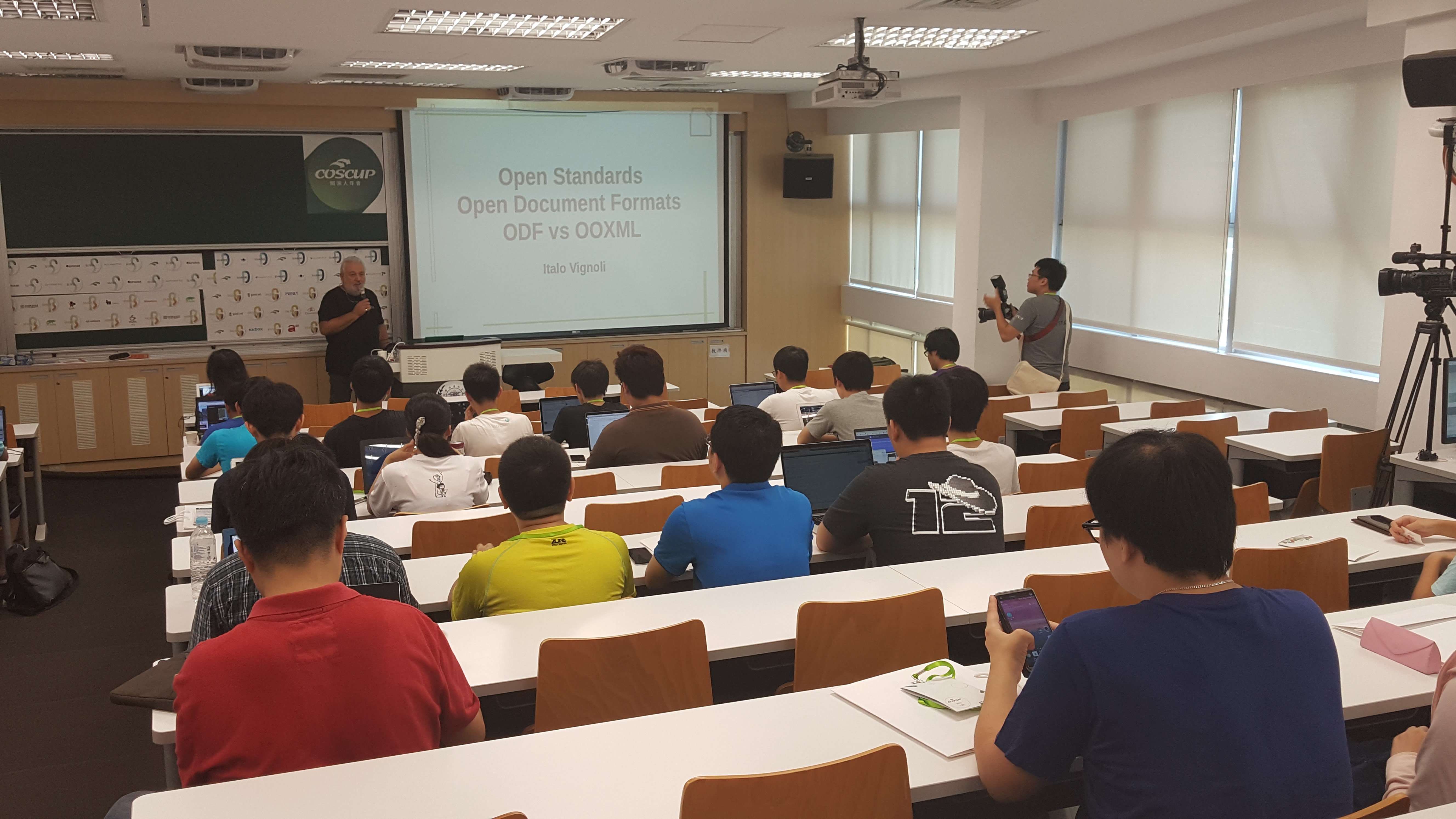
COSCUP is the annual conference held by the Taiwanese Open source community since 2006. This year, the event has returned to its original location at the National Taiwan University on August 5/6, with a number of community managed tracks. ODF and LibreOffice were featured during the first day, when I was able to present about the advantages of ODF over OOXML to a large audience of Taiwanese people – mostly young students – who asked several questions. Taiwan is one of the countries moving to ODF, so the topic is rather hot.

The meeting with representatives of the Taiwanese government, led by Digital Minister Audrey Tang, was organized on Monday, August 7, in the early afternoon. During the meeting, we discussed the situation of the migrations to ODF in Europe, together with the opportunities and the challenges faced by every government. I learned about the digital strategy of the Taiwanese government, and about the investments they are doing to introduce open source software to the next generations of citizens. Digital Minister Audrey Tang asked about the evolution of LibreOffice in the cloud.

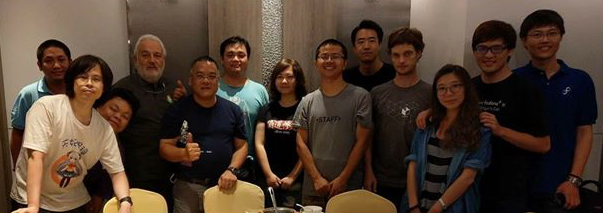
The meeting with the Taiwanese LibreOffice community spanned over a couple of events: a dinner on Saturday night, during which I had the opportunity to taste some real Chinese and Taiwanese dishes (which are rather different from their European equivalents), and a meetup on Monday night, during which I could talk about ODF vs OOXML, to provide some competitive marketing background on the topic. Moving from OOXML to ODF is not easy, not even in countries where the decision is backed by the government like Taiwan. It is therefore important that all community members know the differences between the two document formats and the advantages of ODF in term of interoperability and costs over OOXML.

I would like to take the opportunity of thanking LibreOffice Taiwanese community for the organization of my presence in the island, and congratulate the Taiwanese government for their comprehensive digital strategy to support not only open source software and open standards but also the education of a new generation of digital citizens.

LibreOffice contributor interview: Nguyen Vu Hung

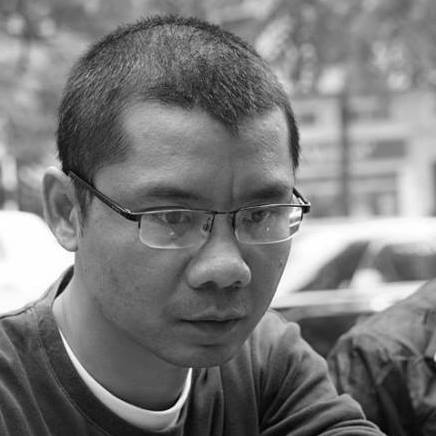
The Document Foundation’s wiki has lots of resources and materials for marketing LibreOffice in English – such as presentations, flyers, stickers and branding guidelines. But we also want to spread the word about free software and open standards in every country, so we really appreciate our international community which promotes LibreOffice in other languages. One such community member is Nguyễn Vũ Hưng who helps with marketing LibreOffice.

Where do you live, and are you active on social media?

I live in Hanoi, Vietnam, and you can find me on social media at:

Do you work for a LibreOffice-related company or just contribute in your spare time?

I work as an CTO for a game and offshore development company based in Hanoi. The company has nothing related to LibreOffice, but our staff uses LibreOffice at work. I’m a volunteer in the LibreOffice community in my spare time, and have been a long-time contributor to open source projects.

How did you get involved with LibreOffice?

​It goes back about ten years ago, when I contributed to Vietnamese localization and ​community support with OpenOffice.org. When LibreOffice started, I join the new project with nearly the same role, translating the user interface, until recently. The English skills of average users around the world are getting better, which is why I’ve changed my focus to open source and LibreOffice marketing.

What areas of the project do you normally work on? Anything else you want to tackle?

For a year or two until now, I’ve found that the role most fitting for me is forum and Facebook fan-page content seeding. It works 🙂 For that kind of marketing and content seeding activity, getting people involved is the most difficult part. I’ve been looking at what Slashdot does, and I’m learning about approaches to improve KPIs (key performance indicators) such as the statistics for “seen”, “comments” and “engagement” in Facebook posts.

What was your initial experience of contributing to LibreOffice like?

This is not my first experience with LibreOffice, but I still remember: I was mentoring a student who was finishing an Easy Hack. It was not really “easy” to read so much code and start hacking away on a small improvement – but luckily, he did it 🙂 (Here’s the Bugzilla ticket showing how it went.)

What does LibreOffice need most right now?

It needs to go mobile (more work on Android) and get into the cloud (more work on LibreOffice Online).

What do you do when you’re not working on LibreOffice?

Playing with my kids takes up most of my time. I balance time spent with my family with other IT/open source activities, including LibreOffice, Agile Vietnam ​and ITEC (IT Experts Clubs in Vietnam). We hold monthly events about Agile/Scrum and an event series named “S* Architecture”. I wish I could do the same with LibreOffice in Vietnam!

Thanks Nguyễn for all your contributions. And for others reading this who’d like to help out with LibreOffice marketing – or indeed translations, design, documentation, QA and other projects – join us and get involved!