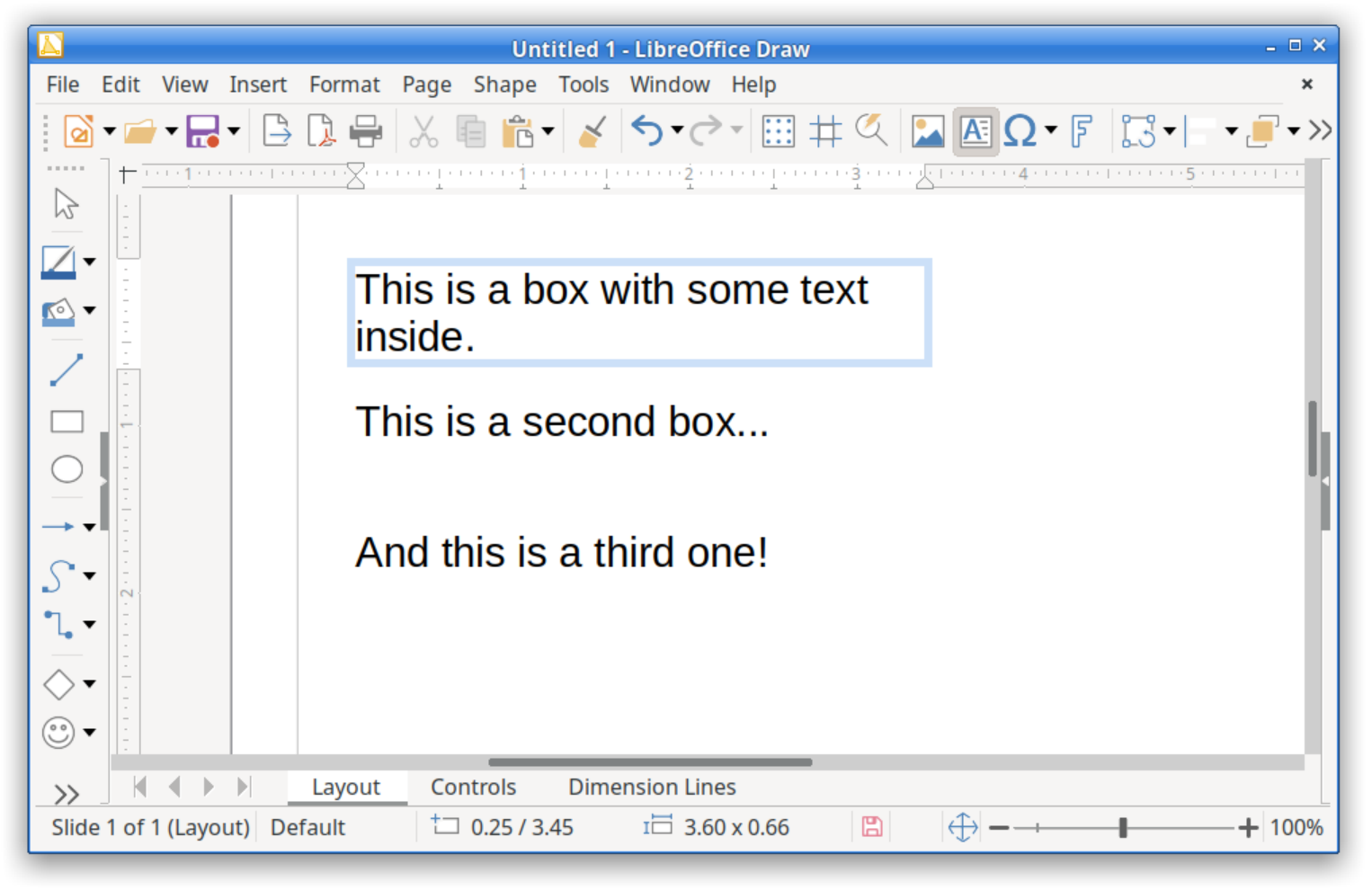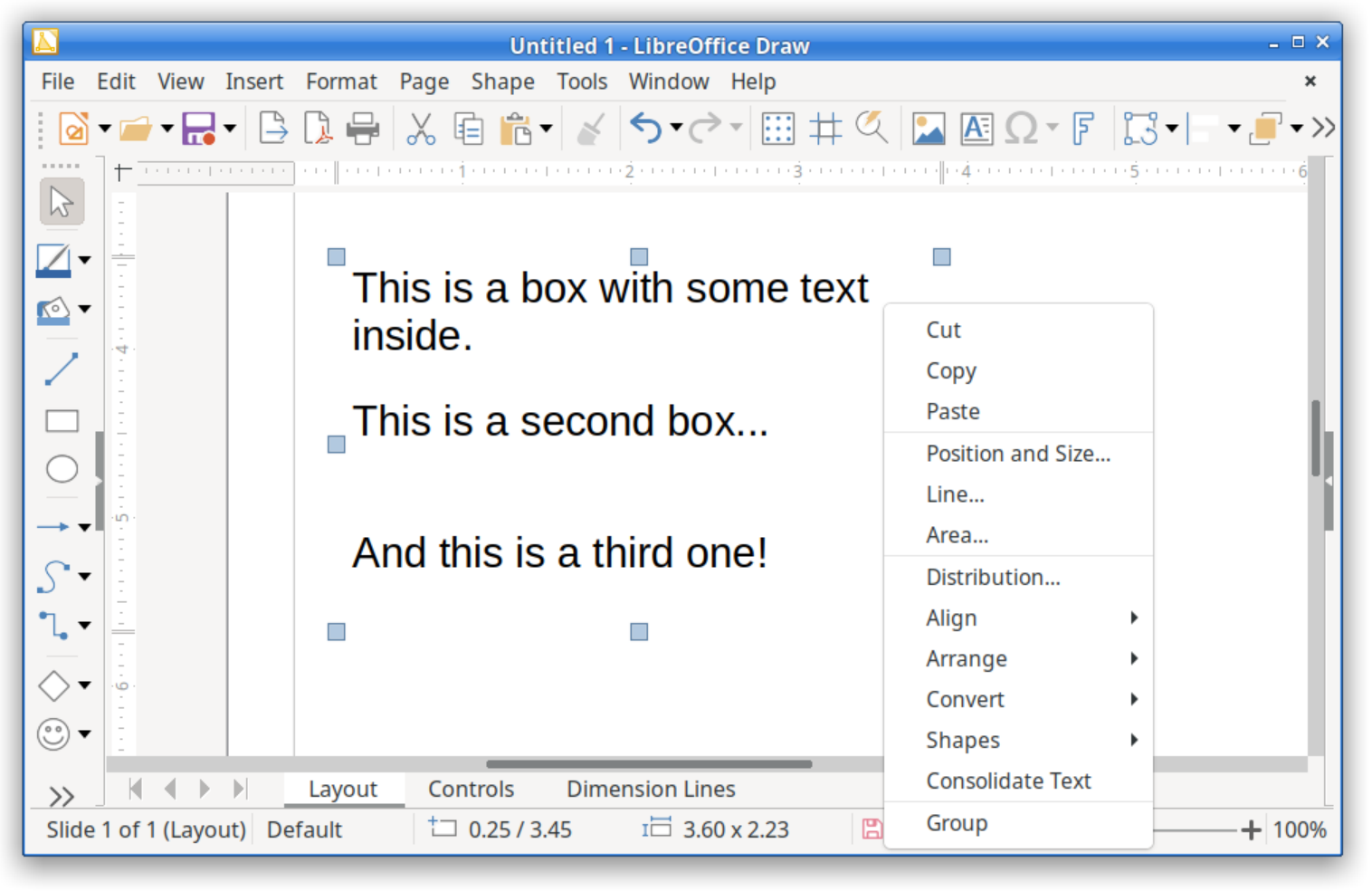
Check out this short video of activities throughout the year:
Please confirm that you want to play a YouTube video. By accepting, you will be accessing content from YouTube, a service provided by an external third party.
For our final Community Member Monday of 2019, we talk to Saikeo Kavhanxay, who is helping with the Lao language localisation of LibreOffice…
First, tell us a bit about yourself!
I live in Vientiane, Laos. I am working as a full-time network engineer. My hobbys are reading books, surfing the internet and learning how to code. I also dedicate my free time to the open source community and I have contributed to other open source projects as well.
What are you working on in LibreOffice at the moment?
Currently I am contributing to LibreOffice localization for my locale. In the future I also plan to contribute to other parts of the project as well, like filing bugs, development and assisting people in my community who have questions about using LibreOffice.
How did you get involved in the project?
I’ve been using LibreOffice for a long time, and then I realised that I want to contribute something back, so I decided to contact my locale and the LibreOffice localization community. After that, I got an opportunity to contribute to LibreOffice. I think is quite easy to get involved in the project – you can reach to your locale or the LibreOffice localization team and then they will get back to you shortly.
What do you think LibreOffice needs in the future?
To avoid license issues, and due to limited budgets, some organisations in my country use LibreOffice. So, I think the LibreOffice community in Southeast Asia needs to expand more, and work on LibreOffice Online.
Thanks to Saikeo and the Lao localisation team for their great work! Everyone is welcome to join our friendly community and give us a hand with design, documentation, QA, and many other aspects of the software. It’s a great way to build up experience, meet new people and have fun!
In order to find, report and triage bugs, the LibreOffice QA team is organizing the second Bug Hunting Session for LibreOffice 6.4 on Monday December 23, 2019.
Tests will be performed on the first Release Candidate version, which will be available on the pre-releases server the same day of the event. Builds will be available for Linux (DEB and RPM) with GTK3 and KDE5 support, macOS and Windows. (Note that it will replace your current installation.)
Mentors will be available from 07:00 UTC to 19:00 UTC for questions or help in the IRC channel #libreoffice-qa and the Telegram QA Channel. Of course, hunting bugs will be possible also on other days, as the builds of this particular Release Candidate (LibreOffice 6.4.0 RC1) will be available until mid January, 2020, when LibreOffice 6.4 RC2 will be released. Check the Release Plan.
All details regarding the bug hunting session are available on the wiki. We look forward to – and appreciate – your help!
Love LibreOffice? Want to help spread the word? And do you speak another language than English? Then we’d appreciate your help! We have lots of community-created LibreOffice accounts on Facebook and Twitter, but some haven’t been updated for a while. The full list is below, with the date the account was last active – if you’re interested in helping to maintain one, join our marketing list and let us know!
Or if you’re interested in creating a new account on another social media platform, such as Mastodon, that’s awesome too! This is a great way to help the LibreOffice community, and build up experience with managing a social media channel – who knows, it could land you a job somewhere one day…
Lin and Wang in the LibreOffice Conference 2019. The Chinese words in the photo in slide marks: “I have to speak Chinese, not local languages.”
Authors: Author: Kuan-Ting Lin and Tanax Yago (Xiao-Wu Wang)
Foreword: At the LibreOffice Conference 2019, two young people from Taiwan, Kuan-Ting Lin and Xiao-Wu Wang, gave a wonderful talk called “Making LibreOffice a lifesaver for dying languages in Asia”. (Video of the talk is at the end of this blog post.) It covered their work and plans for saving indigenous languages in Taiwan, and what an important role LibreOffice can play here.
Like many indigenous or native people around the world, the indigenous Taiwanese people have been excluded from contemporary technology for decades. During the rapid development of personal computers between the 1960s and 1980s, the indigenous people were suffering from the “national language” policy, which banned all indigenous languages and discourse promoting Chinese identity in school. That is the reason that the earliest Chinese input method for computers was invented before 1976, but there were no equivalents for indigenous languages until the late 2000s.
As smartphones boomed in this decade internationally, more and more indigenous people gained access to the internet mobile apps as, like other people do Taiwan. But the majority of the digital resources are still in Chinese: online news articles, educational materials, translation systems, digital government services, medical information, chat forums, and many more. Almost all of them are not available in the indigenous languages.
Maybe Taiwan has done a lot for indigenous rights, but as members of the indigenous community and students of anthropology here, we think there is still huge room for improvement. The input system is the first step. Typing has been difficult for indigenous people as sentences are treated as English – hence tons of red underlines indicating spelling or grammatical “mistakes” identified by various office software brands in the market. Therefore, making indigenous dictionaries for the apps to remove the underlines has become the top priority of our work.
Making it appealing
Furthermore, the system must be appealing for people to type in their own indigenous languages. It needs to be smart enough to correct grammar, if possible, and spelling. Being able to do so can empower the elderly to use new technology and to align their spelling with the official dictionary as long as they want to. New language learners will benefit from this system, since they don’t need to look up in dictionaries when typing as often.
After our research, we understand that Microsoft not only discourages people to type in indigenous languages in Microsoft Office – by failing to implement such support in the software suite – but also distance people from their mother tongue by restricting modifications to Office with its proprietary software license.
On the contrary, the LibreOffice community discovered this problem years ago and has been tackling it thanks to its open source development, and its appreciation of diverse values. For example, LibreOffice was translated to Guarani to address a similar issue in South America. In Taiwan, community members like Mark Hung have started to build databases for indigenous languages, too.
Working with the youth communities of indigenous people, we are able to extend the project to another level: local participation. We want this project to be an important point of revitalization of indigenous culture, and it can be applied in everyday life. We invite youngsters from all the indigenous communities, and connect them with the LibreOffice community. With such an idea, the LibreOffice community can also benefit from new perspectives and views of different people, and can get a huge group of new and enthusiastic users and promoters.
Good for everyone
The project is also good for the government. The central government of Taiwan is both struggling with its OpenDocument Format/LibreOffice policy and the “official documents in indigenous languages” policy. For public servants, everyday tasks seem to have made them reluctant to learn new things – both dying languages and new software. We hope that combining the two will make it easier for people to adapt new and meaningful policies.
We received so many words and a lot of help from our friends in the LibreOffice community around the world before, during and after the LibreOffice Conference 2019 in Almería, Spain. Our Taiwanese folks, including Franklin Weng and Eric Sun, introduced this wonderful opportunity for us to get to know this community. Mark Hung, Gustavo Pacheco, Eike Rathke and Cheng-Chia Tseng generously provided their precious knowledge and experiences. Shinji Enoki, Jeff Huang and many friendly LibreOffice community friends gave us their sincere encouragement and suggestions. We are so lucky to work on this important issue with these lovely people!
If you agree that this is worth doing, please join us! We’d love to see new participants from various backgrounds. For inquiries, participation, questions or suggestions, just send an email to a @ cssjh . com (Kuan-Ting). We appreciate your interest and support!
And as mentioned, here’s the video of the presentation from the conference:
Please confirm that you want to play a YouTube video. By accepting, you will be accessing content from YouTube, a service provided by an external third party.
Indeed, LibreOffice wouldn’t be where it is today, without the incredibly valuable help of hundreds of volunteers in the last decade. So to everyone who has contributed to our project and community over the years, we at The Document Foundation want to say a big thank you! Your work has helped many millions of LibreOffice users around the world benefit from powerful, open and multilingual productivity tools.
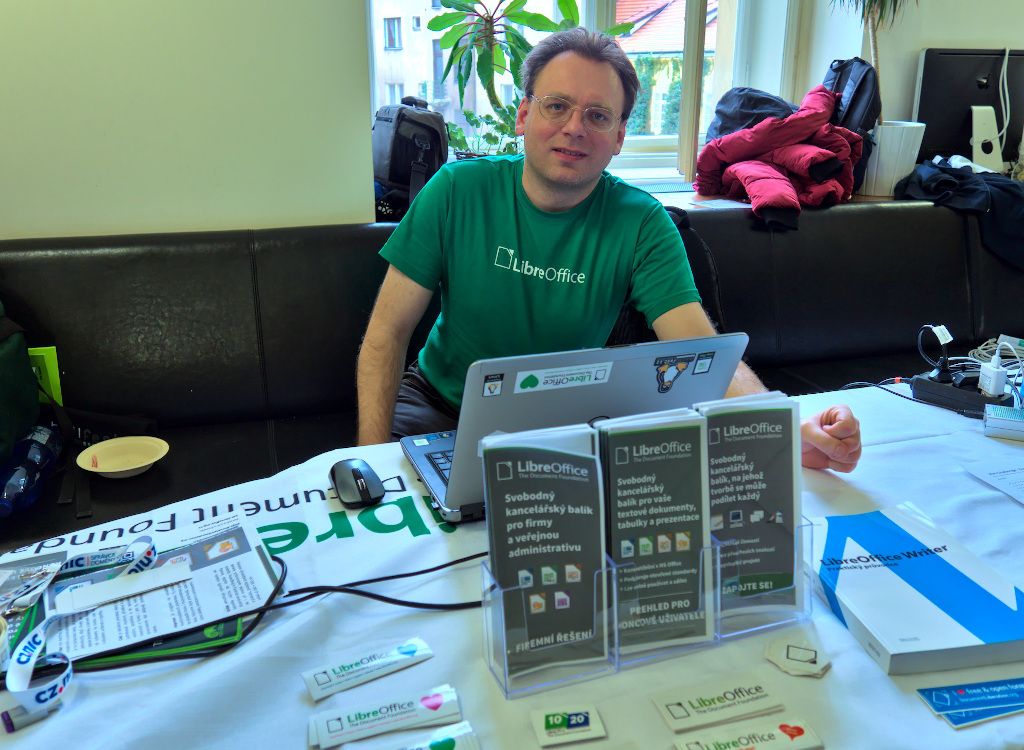
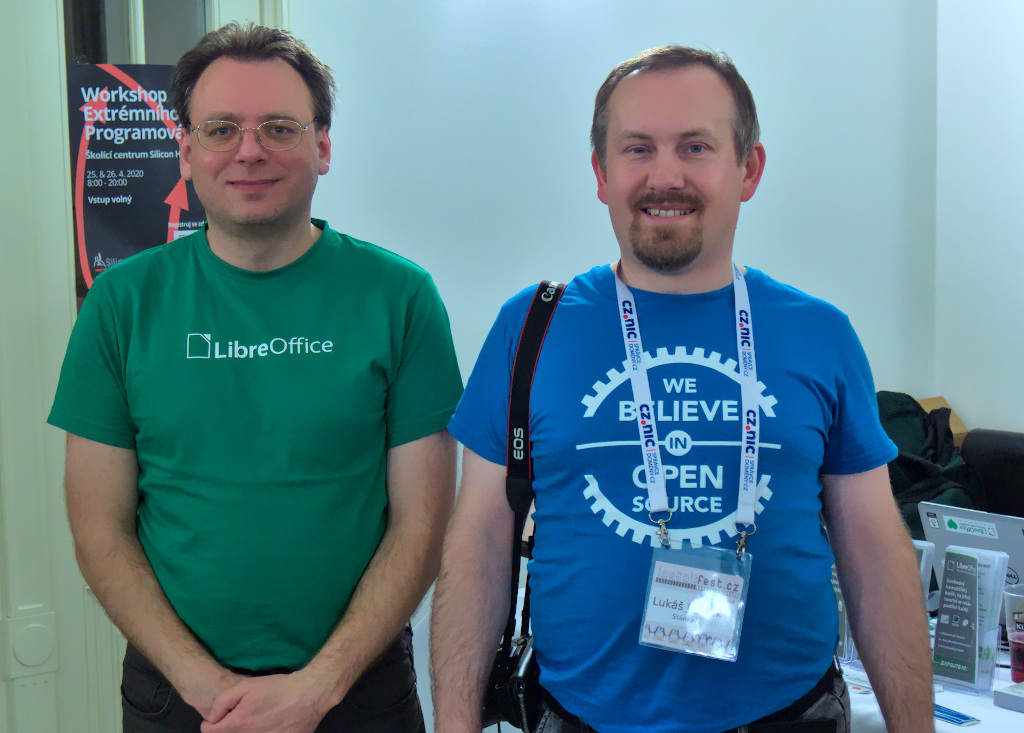
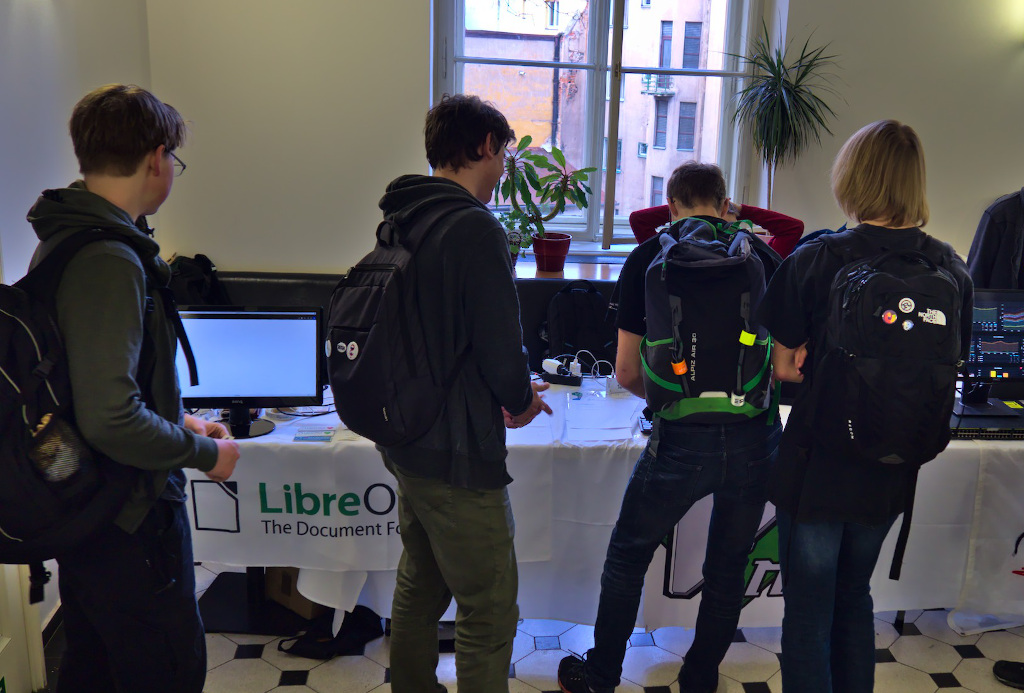
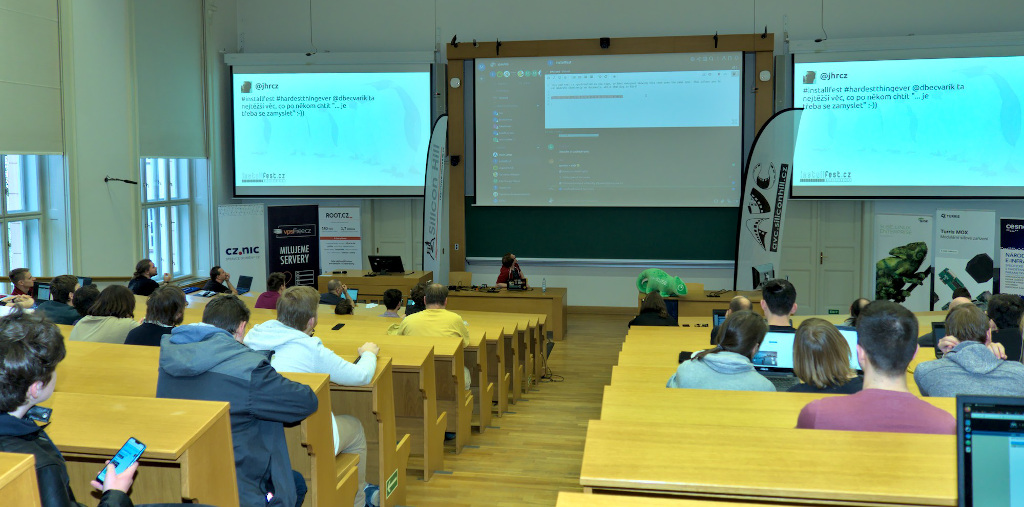
And to celebrate, here are some photos of volunteers from events this year: