LibreOffice 7.3 Articles in English

Community Member Monday: Nnamani Ezinne Martina

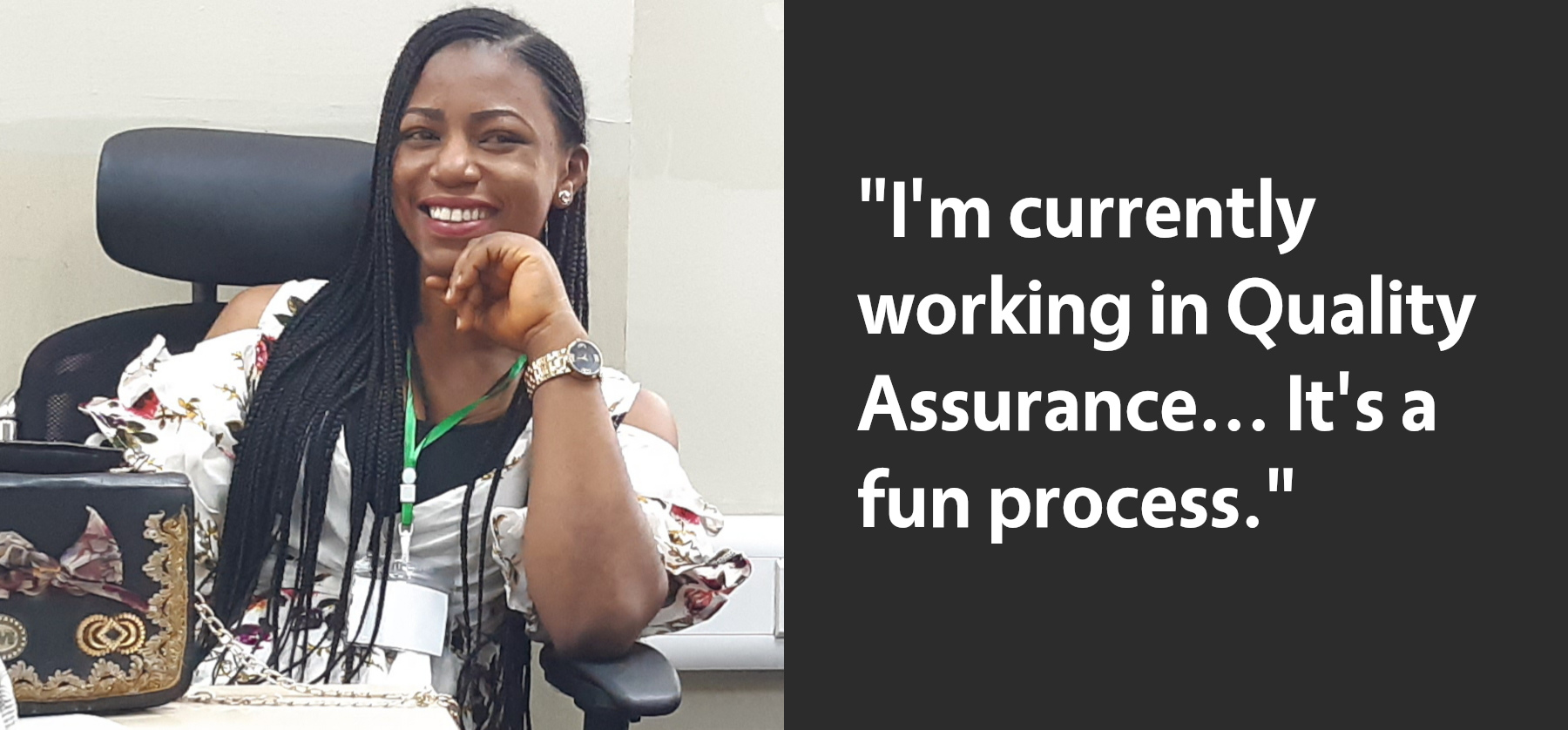
Today we’re talking to Nnamani Ezinne Martina, who helps out in LibreOffice’s Quality Assurance project and recently became a member of The Document Foundation:

Nice to meet you, Nnamani! Tell us a bit about yourself…

I was born in Awka Anambra state and I grew up there as well. But I am a native of Amagunze, a town in Nkanu-East Local Government in Enugu state. Both are in the eastern part of Nigeria.

I graduated with a bachelor’s degree in 2017 from Nnamdi Azikiwe University, Awka, Anambra state Nigeria. After my National Service year, I went into the tech space. Years later, I had the opportunity of joining Collabora Productivity and then realized how amazing Open source technology is.

I was intrigued by the strength of community contribution then I began my journey, contributing to open source technology.

What are you working on in the LibreOffice project right now?

I’m currently working in Quality Assurance. Here, I work on bug triaging; confirming newly reported bugs, retesting old bugs as well as bisecting the regressions in them. It’s a fun process. I get to tweak here and there and there and here, fishing out even the littlest bugs. It’s like moulding a tender baby to fruition. I see myself grow better every passing night!

Why did you decide to become a member of The Document Foundation?

I have always had a passion to grow better, and expand on that. And so, having contributed to TDF for a while, I realized that being a member would allow me the opportunity to interact with more community members and contribute even more.

Anything else you plan to do in the future?

I would love to have some more community members from across Africa. I plan to put the word out more, and get some more people to contribute to The Document Foundation. Thank you for the work you do.

And thanks to Nnamani for all her contributions! Learn more about LibreOffice’s QA community here.

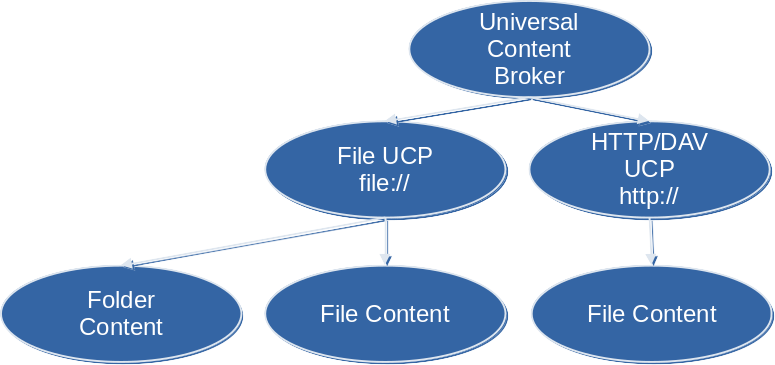
Update on tender to implement Curl based HTTP/WebDAV UCP (#202104-01)

In April last year, The Document Foundation posted a tender to implement Curl based HTTP/WebDAV UCP in LibreOffice. Now we have an update from allotropia, the company that won the tender:


This is to report the recent activities we performed.

  • We held a presentation during this year’s FOSDEM conference, giving an in-depth account of what we did, why we did it, and the problems we’ve met. Both video and slides are available, licensed as CC-BY 2.0 BE currently.
  • We’ve accompanied that with a blog post, going into detail.
  • Additionally, we’ve fixed a number of additional bugs; all told, we believe the implementation is now definitely production-ready (and likely quite better than the old ones).

All included, we provided a total of 126 commits, that went into this development work (there were also 7 community contributions), which includes the previous work by Giuseppe. You can see the full list from the core repo, via:

git log --grep='webdav-curl'

…or see this link. From our side, this now concludes work on this tender. We hope the services rendered were satisfactory, and both The Document Foundation and the LibreOffice users will enjoy the new implementation!


Videos from FOSDEM ’22 – LibreOffice Technology devroom – now available

FOSDEM is a non-commercial, volunteer-organized European event centered on free and open-source software development – and one of the biggest such events of its kind. This year, it took place online again, due to the pandemic.

Many LibreOffice community volunteers and certified developers gave talks at the conference, and now the videos are available for all to see! So if you want to learn more about LibreOffice technology, open standards and community activities, click the link below and enjoy.

Explore the talks and watch the videos

LibreOffice ecosystem interview: Thorsten Behrens at allotropia

LibreOffice is developed by a worldwide community, made up of volunteers, certified developers and companies in the wider ecosystem. Today we’re talking to Thorsten Behrens, who serves on The Document Foundation’s Board of Directors and works for allotropia…

Tell us a bit about yourself!

I’m Thorsten Behrens, living in Hamburg, Germany. With a great team of LibreOffice experts, I run allotropia software GmbH, which specialises in Open Source and Open Standards consulting and products.

The code and the project itself had me involved from 2001 on (then still called OpenOffice.org).

What does allotropia provide in the LibreOffice ecosystem?

We strive to be a full-service shop for all things LibreOffice. Just to list a few examples, we have helped companies to train their internal development team alongside a LibreOffice migration; we’re regularly developing bug fixes and new features for the office suite, and we’re also maintaining a number of extensions for the benefit of the entire ecosystem (e.g. the LibreOffice Eclipse development plugin, the Edit in LibreOffice Nextcloud plugin, or the LibreOffice Starter Extension).

Additionally, we’re offering LTS (long-time supported) versions of LibreOffice, via our partner CIB software GmbH. In the same vein, we also maintain customer-specific LTS branches, in case a larger organisation has decided to stick with one particular version of the suite.

And not to forget, allotropia also sponsors Michael Stahl, one of the editors of the OpenDocument Format, to keep the ODF standard evolving and keeping up with all the new LibreOffice features that need saving to disk.

What has allotropia been working on in LibreOffice 7.3?

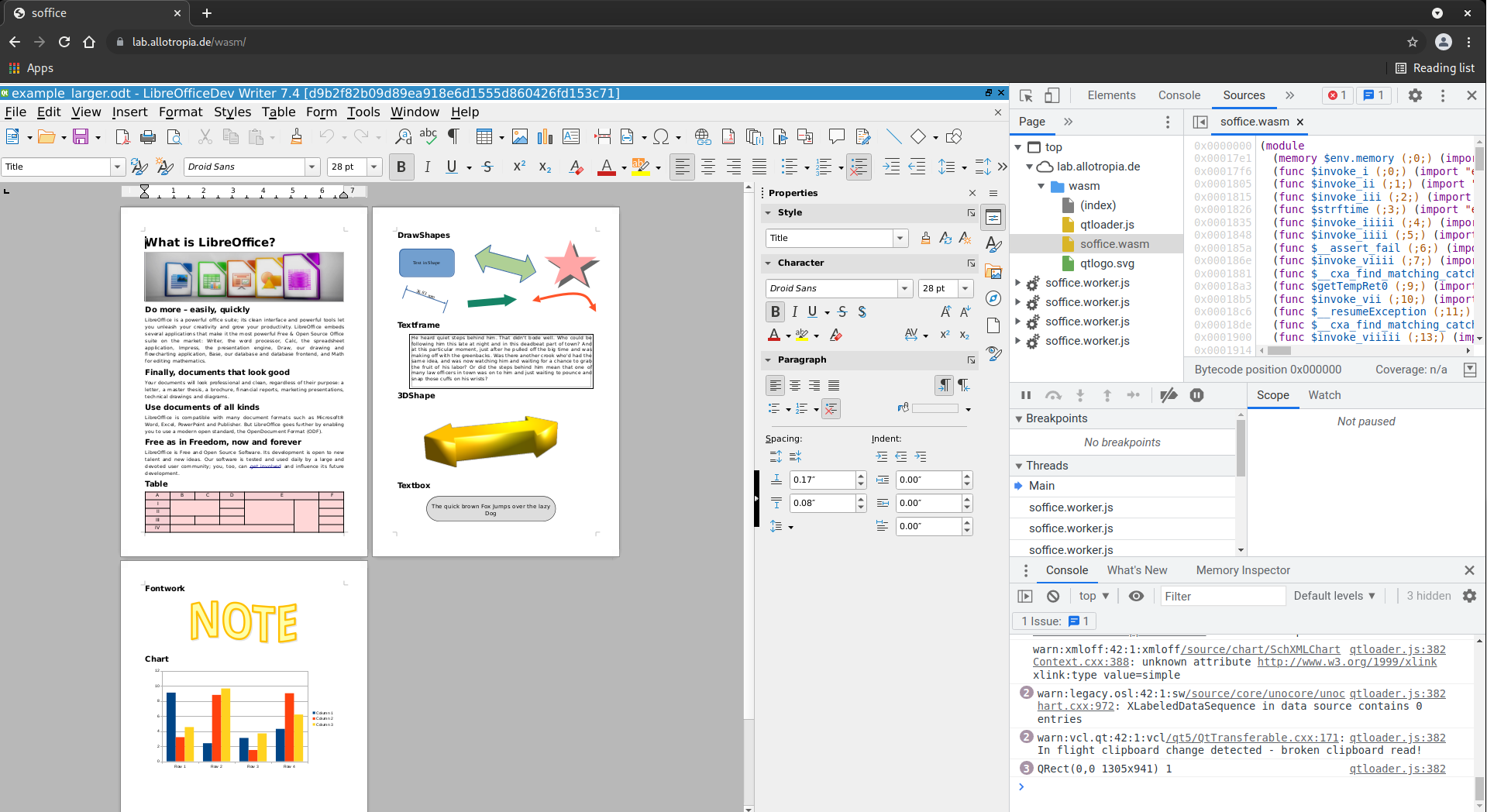
Besides lots of smaller additions for LibreOffice 7.3, one of the highlights we’re currently working on is a port of LibreOffice to directly run in a browser – without any need for a server installation. We’re provisionally calling it LOWA – LibreOffice WebAssembly, since WebAssembly (WASM) is the underlying browser technology this is using.
 

Another feature we’re quite proud of, is the rewrite of LibreOffice’s old network file access code. That work was sponsored by The Document Foundation, has landed in 7.3, solved a number of long-standing problems, and at the same time got rid of over 17,000 lines of (pretty old) code.

Looking beyond this release, what else are you planning to do?

There’s just a ton of work still to do, to make the LOWA LibreOffice really usable, so that will keep us pretty busy this year. Beyond that, we’re always eager to help making the overall developer experience for LibreOffice better – that helps us too, in our daily work! Along those lines, there’s another project currently underway, called CoverRest, to bring better and nicer integration with code coverage, static analysis and general code checking into the LibreOffice development process.


Find out more