
Fundraising, December 7

Consider a donation to support events organised worldwide by the LibreOffice community
Consider a donation to support events organised worldwide by the LibreOffice community
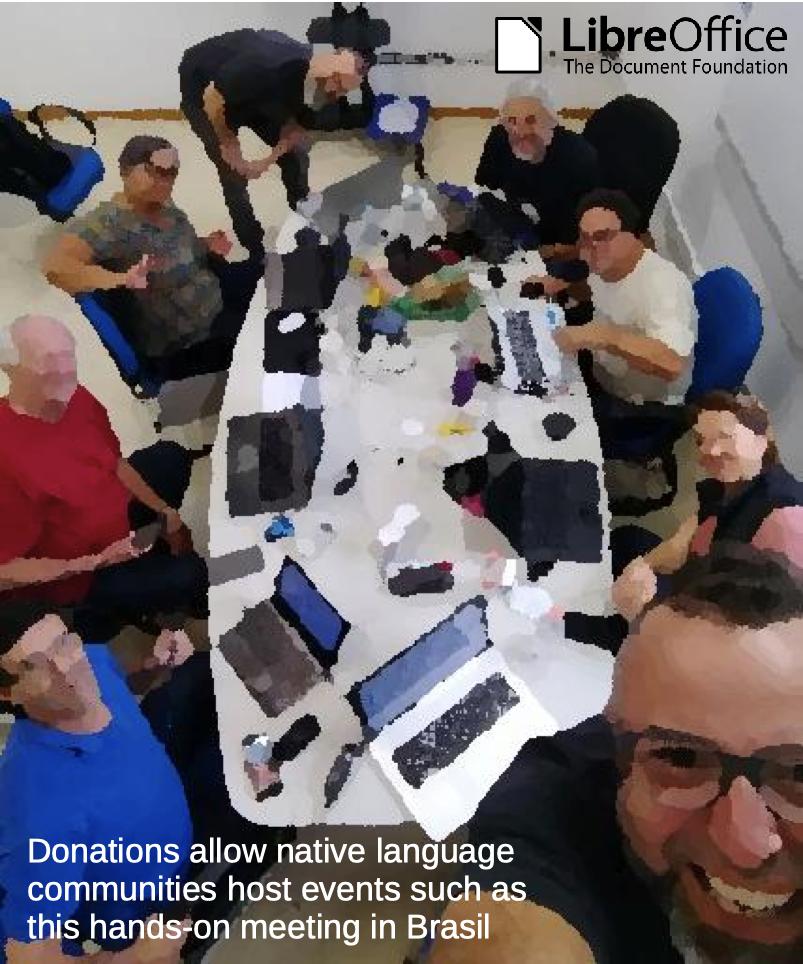
Consider a donation to help native language projects organise events to improve LibreOffice. In a large country such as Brasil, donations help to reimburse travel expenses of people traveling for hours to join a central location, where they can work together at localising the software or the user guides.
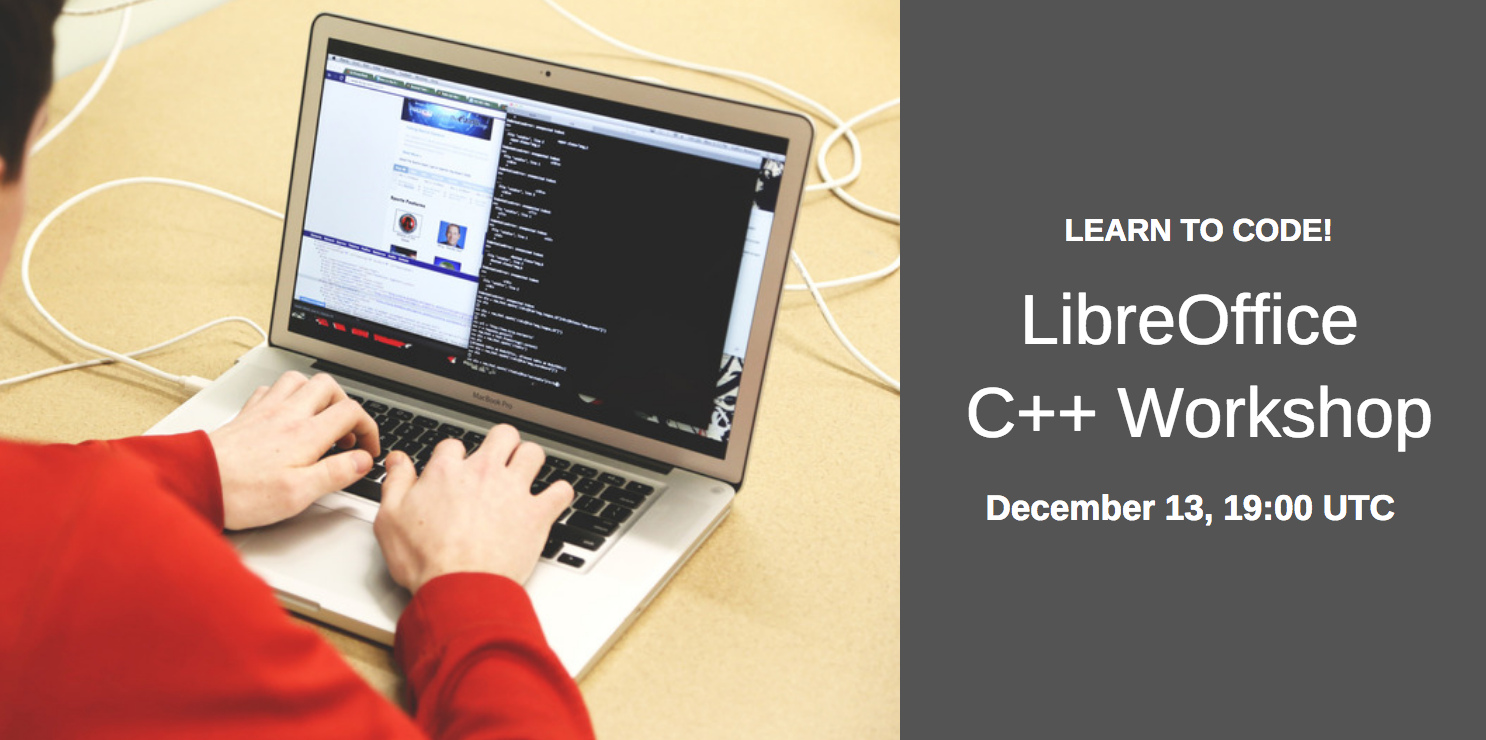
Ever wanted to expand your programming skills, and venture into the world of C++? Well, we’re here to help! On Thursday December 13, at 19:00 UTC, we’ll have a live meeting on our #libreoffice-dev IRC channel, to discuss features of the language and provide help. LibreOffice developers will be available to answer questions and get your started with building the source code.
Now, if you want to take part, there are two videos to watch beforehand. The first is an introduction to C++ from Stanford University (it should start at 26:50, but if not, skip to that point to see the main content):
Please confirm that you want to play a YouTube video. By accepting, you will be accessing content from YouTube, a service provided by an external third party.
If you accept this notice, your choice will be saved and the page will refresh.
Then there’s a video which goes further into the language, looking at functions and strings:
Please confirm that you want to play a YouTube video. By accepting, you will be accessing content from YouTube, a service provided by an external third party.
If you accept this notice, your choice will be saved and the page will refresh.
So, watch the videos when you have some spare time, then join us on December 13 to discuss what you’ve seen, and learn more! See you soon…
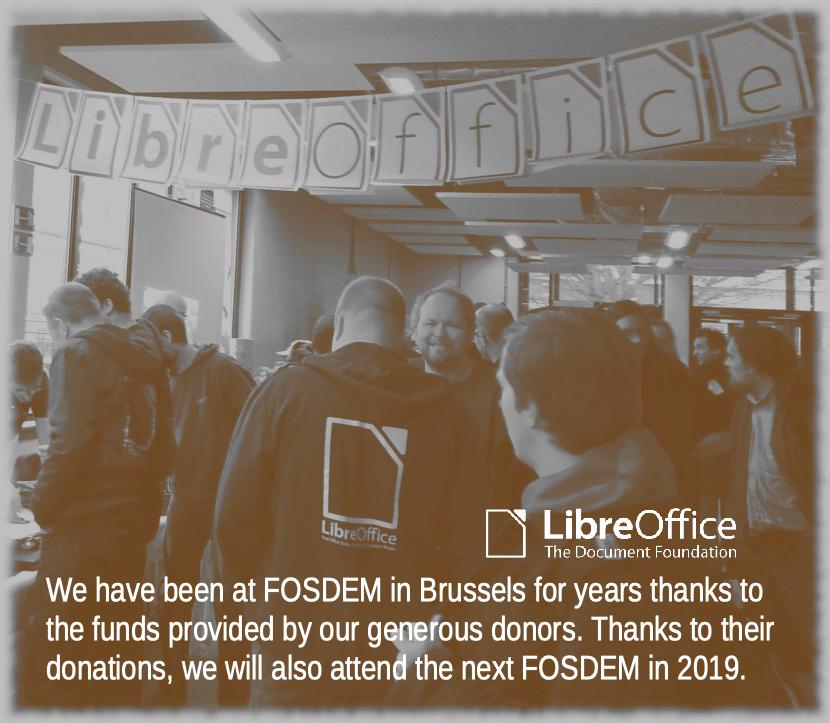
Consider a donation to LibreOffice to help the project attend events such as FOSDEM and volunteers from all over Europe to participate to the HackFest, staff the booth, and grow LibreOffice certification
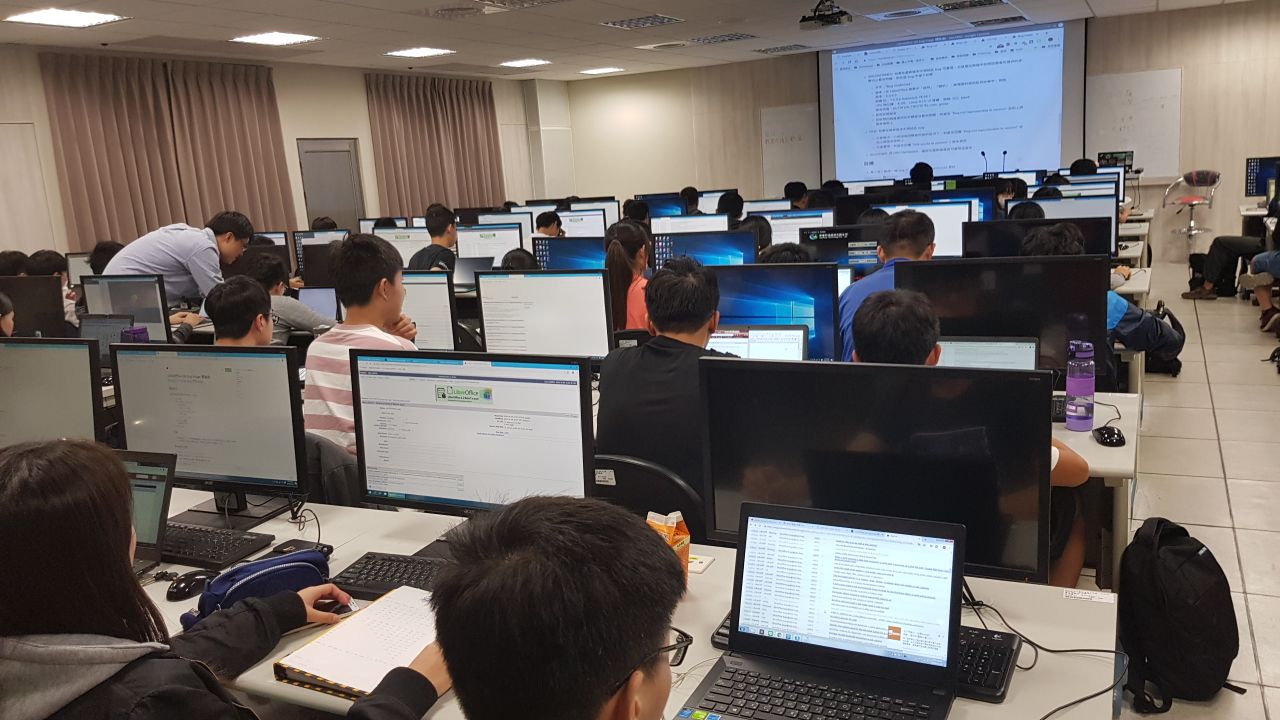
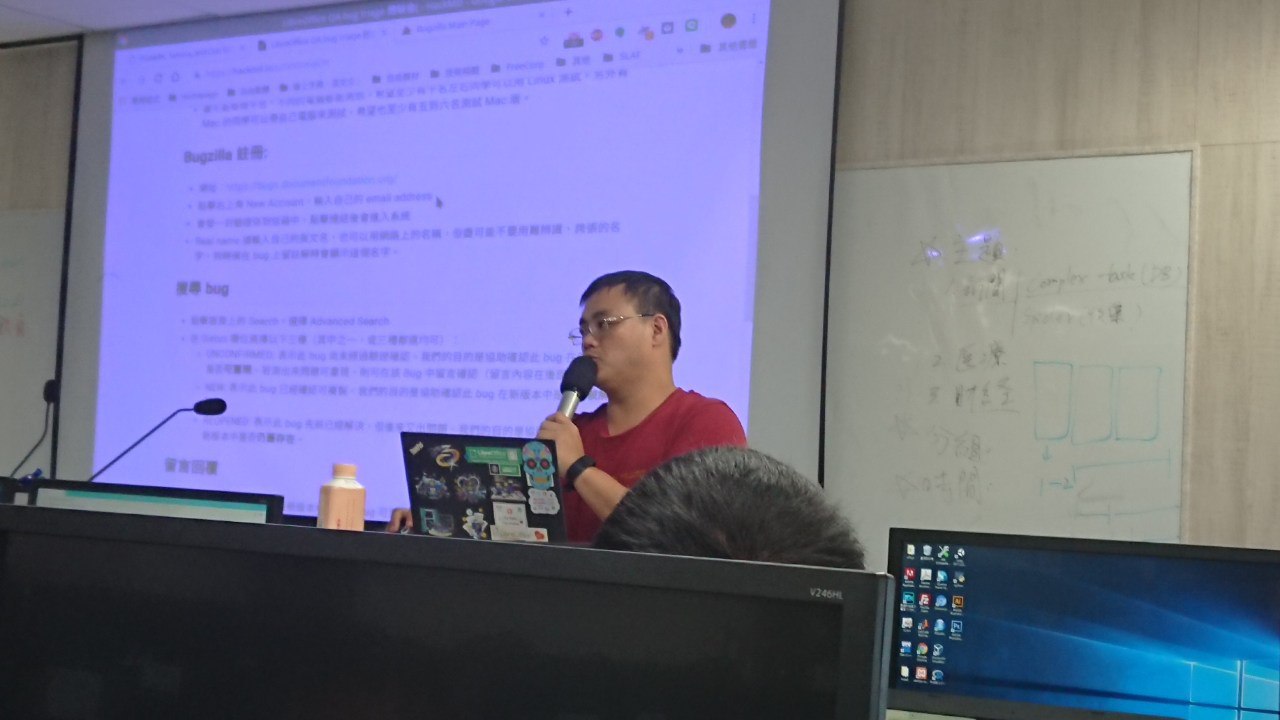
LibreOffice’s worldwide community is active in many parts of the project – in development, localisation, documentation, design, marketing and more. There’s also the Quality Assurance (QA) community, which focuses on identifying and fixing bugs. At a recent event in Taiwan, a Bug Hunting Session took place to check bug reports, as Franklin Weng explains…
This event was based on a course in the department of Computer Science and Information Engineering, National Cheng-Kung University. Professor Joseph Chung-Ping Young directed this course named “FOSS Community and Development”.
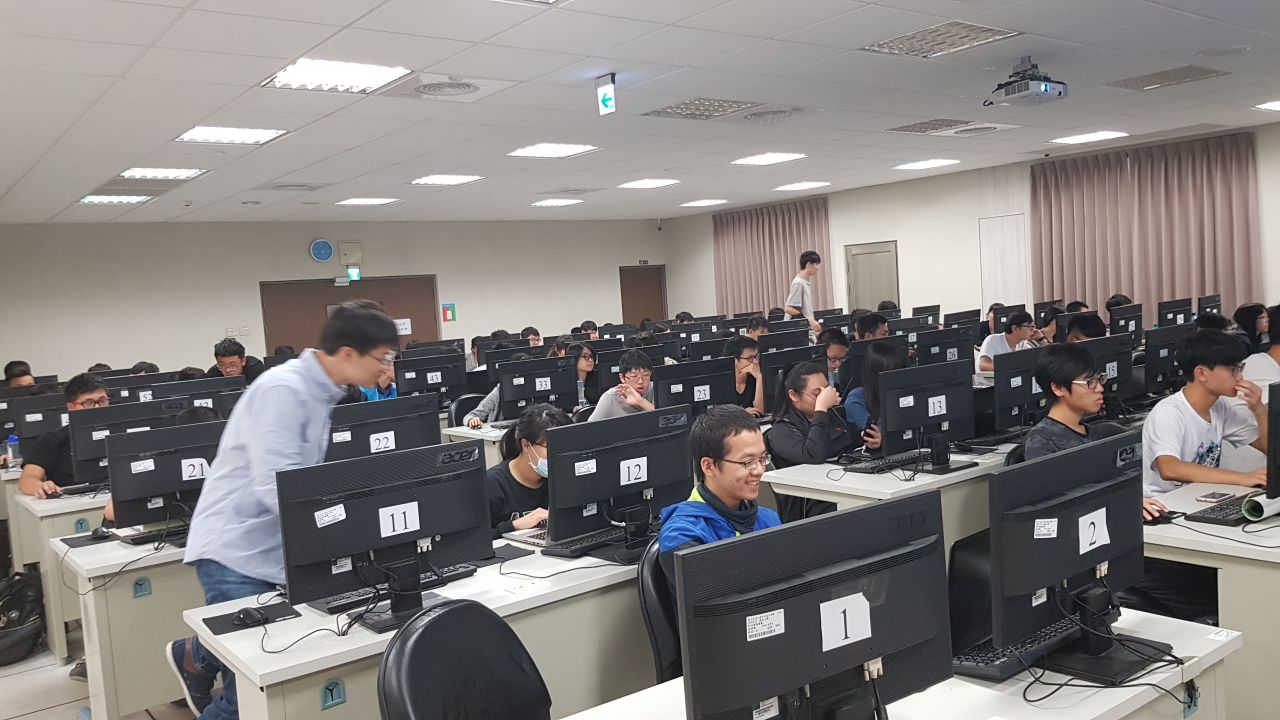
On November 29, we held a three-hour “LibreOffice Bug Triage Experience” event. A total of 70 students from NCKU and three members of The Document Foundation (Franklin Weng, Cheng-Chia Tseng and Jeff Huang) attended. First, Franklin introduced Bugzilla and the bug issue lifecycle: Report -> Confirm (Triage) -> Patch -> Code Review -> Close. In this event we installed the daily build master version of LibreOffice and focused on three things:
- For issues marked as UNCONFIRMED, we tried to reproduce (confirm) them.
- For issues marked as NEW, we tried to test if they has been solved in the master version.
- For issues marked as REOPENED, we tried to make sure if the bugs were reproducible in the master version.
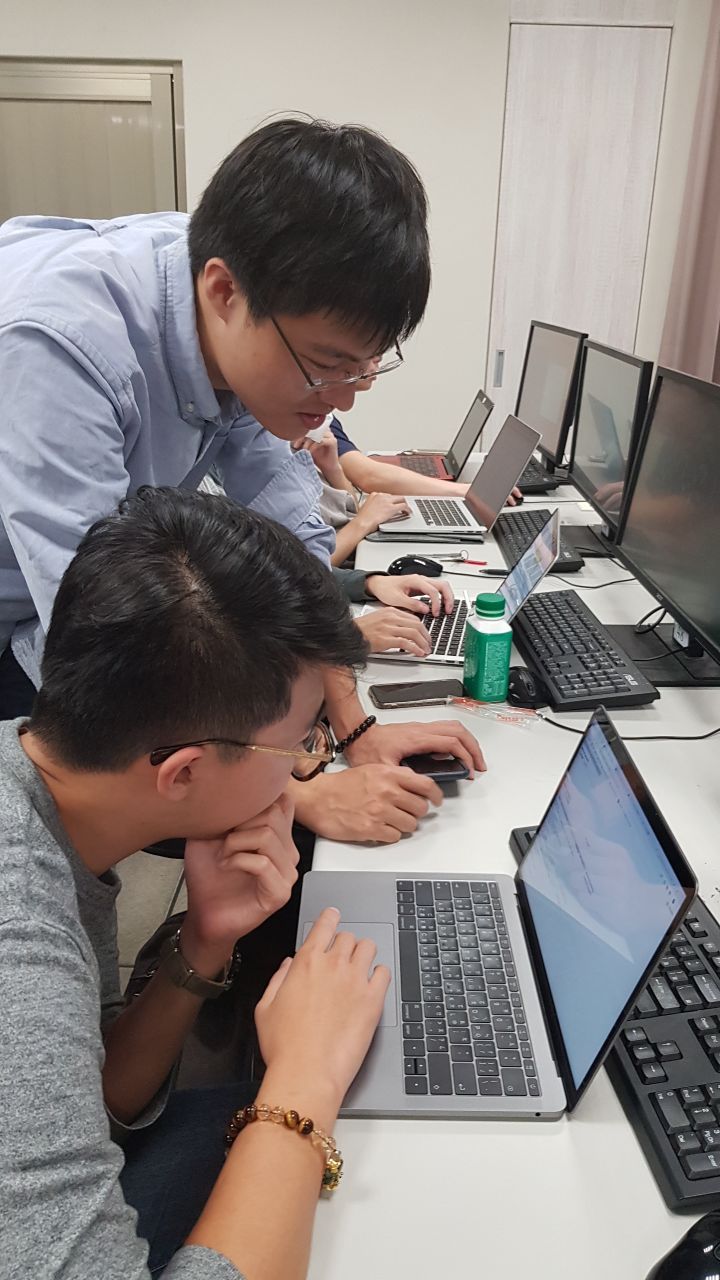
Students searched for these three kinds of bugs and randomly chose one to examine. The three TDF members helped and guided students during the whole session. In a short time, students found that it was a lot easier than they expected, so they were quite happy, excited and confident. We roughly estimate that in total, more than 100 bugs were confirmed/reported as not reproducible.
Thanks to Franklin Weng, Cheng-Chia Tseng and Jeff Huang for their help, and everyone who took part! Here are a few more photos from the event…
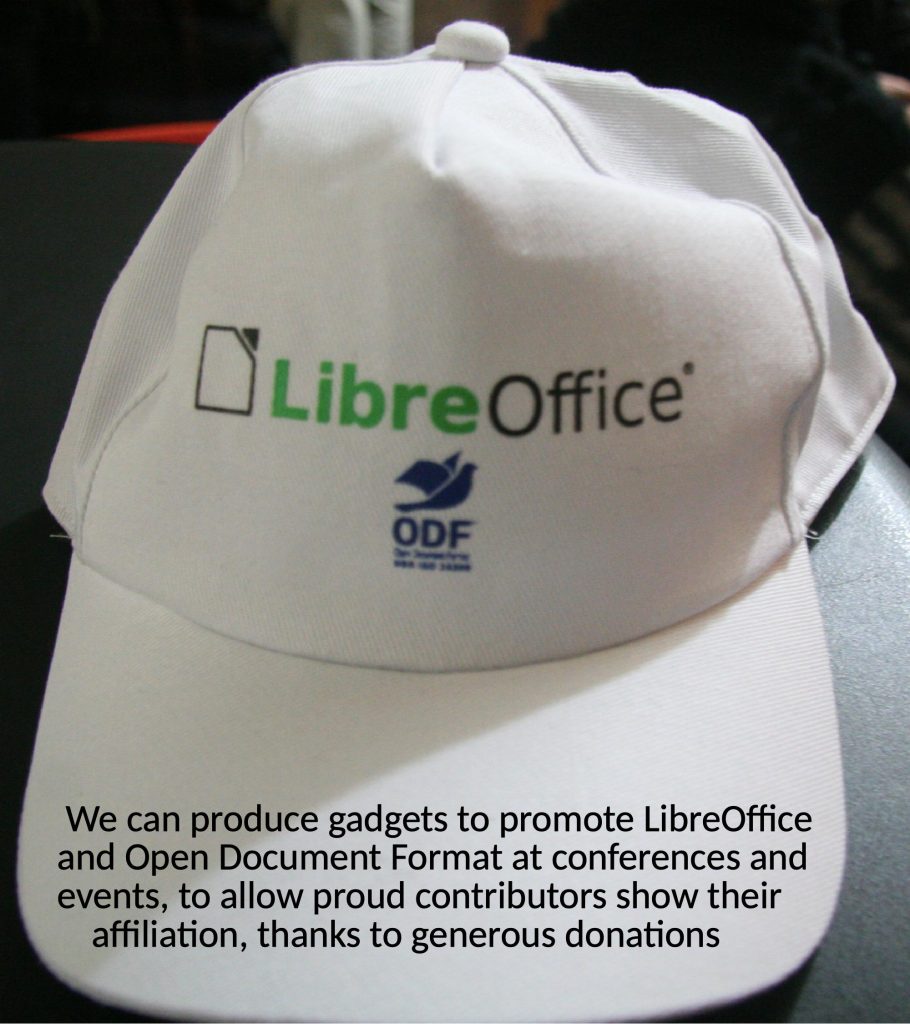
Consider a donation to LibreOffice to help the project produce even more gadgets for volunteer contributors, free software advocates and proud users, to raise the awareness of LibreOffice and Open Document Format (ODF)