Following the success of the LibreOffice Conference Telegram channel, we have asked our community – through an informal poll on the Telegram channel itself – if they wanted to keep the channel alive and change the name to LibreOffice Community. The feedback has been overwhelming, as 21 out of the 22 answers have been positive.
We have therefore changed the name of the Telegram channel to LibreOffice Community, and made the channel public to allow everyone to subscribe. The link is the following: https://telegram.me/libreoffice. To widen the reach, the channel is bridged to the #libreoffice-telegram IRC channel on Freenode. Please be aware that the objective of this channel is to share information and experiences amongst community members, and not to support end users.
End user support, as well as other strategic activities for the project, will continue to be managed through the current channels. For end user support, the different options available are listed here: http://www.libreoffice.org/get-help/community-support/.
In addition to the discussion channel, we have also opened a Telegram broadcast channel, which will be used to increase the reach of our announcements: https://telegram.me/tdforg. This channel will be used to broadcast announcements, and therefore will have a very low traffic.
LibreOffice is approaching the 5.3 release season with the first bug hunting session, on Friday, October 21, 2016. Tests will be performed on the Alpha version of LibreOffice 5.3, which will be available on the pre-releases server (http://dev-builds.libreoffice.org/pre-releases/) a few days before the event. Builds will be available for Linux (DEB and RPM), MacOS and Windows, and will run in parallel with the actual installation.
Mentors will be available on October 21, 2016, from 8AM UTC to 10PM UTC. Of course, hunting bugs will be possible also on other days, as the builds of this particular Alpha release (LibreOffice 5.3.0 Alpha) will be available until the end of November.
During the day there will be two dedicated sessions: the first to chase bugs on the four main LibreOffice modules – Writer, Calc, Impress and Draw – between 3PM UTC and 5PM UTC, and the second to test the top 10 features between 5PM UTC and 7PM UTC. The list of the top 10 features will be decided during the week before the session, and will be added to the wiki page.
During the dedicated sessions, we will concentrate all efforts to chase and reproduce the bugs, in order to confirm and file them in a more comprehensive way. Of course, the more comprehensive will be the bug report, the easier will be for the developers to solve the bugs in time for the final release.
As usual, there is a page on the wiki (https://wiki.documentfoundation.org/QA/BugHuntingSession/5.3.0Alpha) with all the details about the bug hunting session. You should visit the page before October 21, 2016, as further details will be added while getting closer to the date of the event.
We have created a number of slide decks which can be re-used by community members as a basis for their presentations at events. For the time being, slide decks are based on the old 4:3 format, as this is still the most common, but in the future will also be available in the new 16:9 format. Needless to say, the file format is ODP, and fonts are those installed by LibreOffice.
Slide decks will be updated regularly, and the date will be featured on the wiki page (at the moment, the date is September 30, 2016 for all slide decks). If you plan to use a slide deck and you feel that some slides are outdated (or should be updated), please ask on LibreOffice marketing mailing list with the subject “Slide Decks” (marketing@global.libreoffice.org).
LibreOffice 5.2.2, targeted at technology enthusiasts, early adopters and power users, provides a number of fixes over the major release announced in August. For all other users and enterprise deployments, TDF suggests LibreOffice 5.1.5 “still”, with the backing of professional support by certified people (a list is available at: http://www.libreoffice.org/get-help/professional-support/).
LibreOffice users, free software advocates and community members can support The Document Foundation with a donation at http://donate.libreoffice.org.
Several companies sitting in TDF Advisory Board (http://www.documentfoundation.org/governance/advisory-board/) are providing either value added Long Term Supported versions of LibreOffice or consultancy services for migrations and trainings, based on best practices distilled by The Document Foundation.
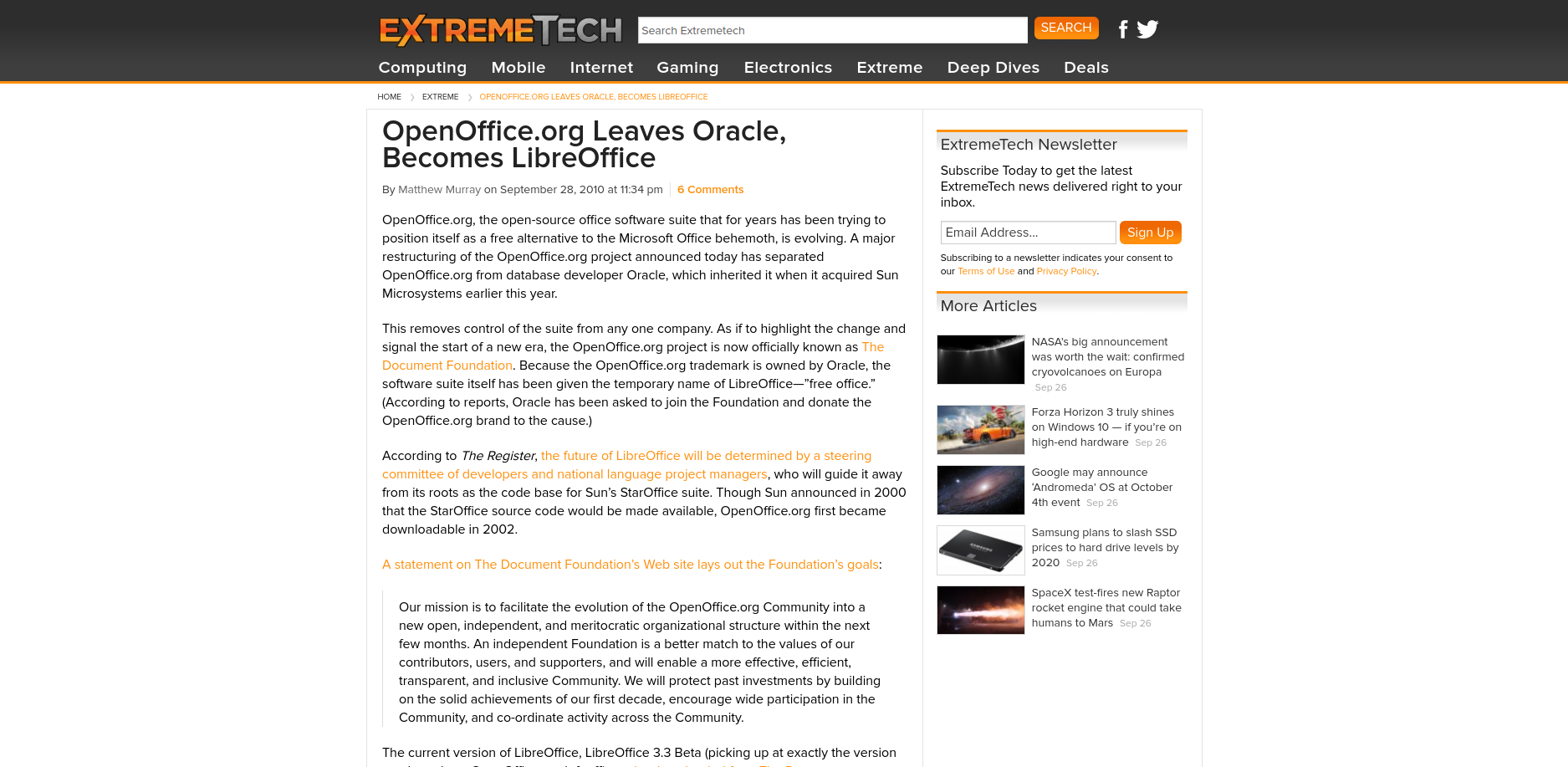
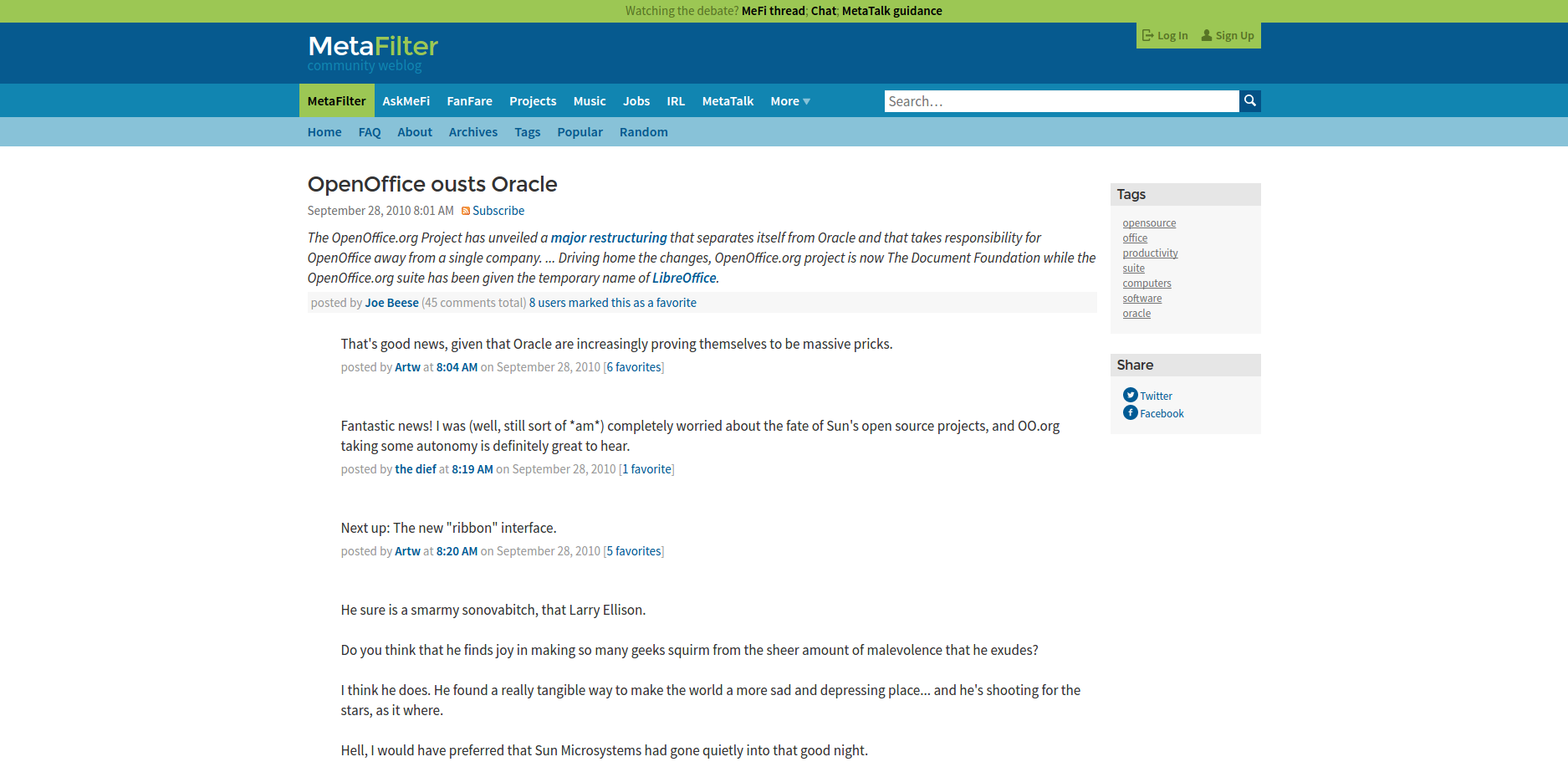
On September 28, 2010, LibreOffice was announced with the distribution of this press release:
OpenOffice.org Community announces The Document Foundation
The community of volunteers developing and promoting OpenOffice.org sets up an independent Foundation to drive the further growth of the project
The Internet, September 28, 2010 – The community of volunteers who develop and promote OpenOffice.org, the leading free office software, announce a major change in the project’s structure. After ten years’ successful growth with Sun Microsystems as founding and principal sponsor, the project launches an independent foundation called “The Document Foundation”, to fulfill the promise of independence written in the original charter.
The Foundation will be the cornerstone of a new ecosystem where individuals and organizations can contribute to and benefit from the availability of a truly free office suite. It will generate increased competition and choice for the benefit of customers and drive innovation in the office suite market. From now on, the OpenOffice.org community will be known as “The Document Foundation”.
[snip]
The Document Foundation is the result of a collective effort by leading independent members of the former OpenOffice.org community, including several project leads and key members of the Community Council. It will be led initially by a Steering Committee of developers and national language project managers. The Foundation aims to lower the barrier of adoption for both users and developers, to make LibreOffice the most accessible office suite ever.
The Foundation will coordinate and oversee the development of LibreOffice, which is available in beta version at the placeholder site: http://www.libreoffice.org. Developers are invited to join the project and contribute to the code in the new friendly and open environment, to shape the future of office productivity suites alongside contributors who translate, test, document, support, and promote the software.
Speaking for the group of volunteers, Sophie Gautier – a veteran of the community and the former maintainer of the French speaking language project – has declared: “We believe that the Foundation is a key step for the evolution of the free office suite, as it liberates the development of the code and the evolution of the project from the constraints represented by the commercial interests of a single company. Free software advocates around the world have the extraordinary opportunity of joining the group of founding members today, to write a completely new chapter in the history of FLOSS”.
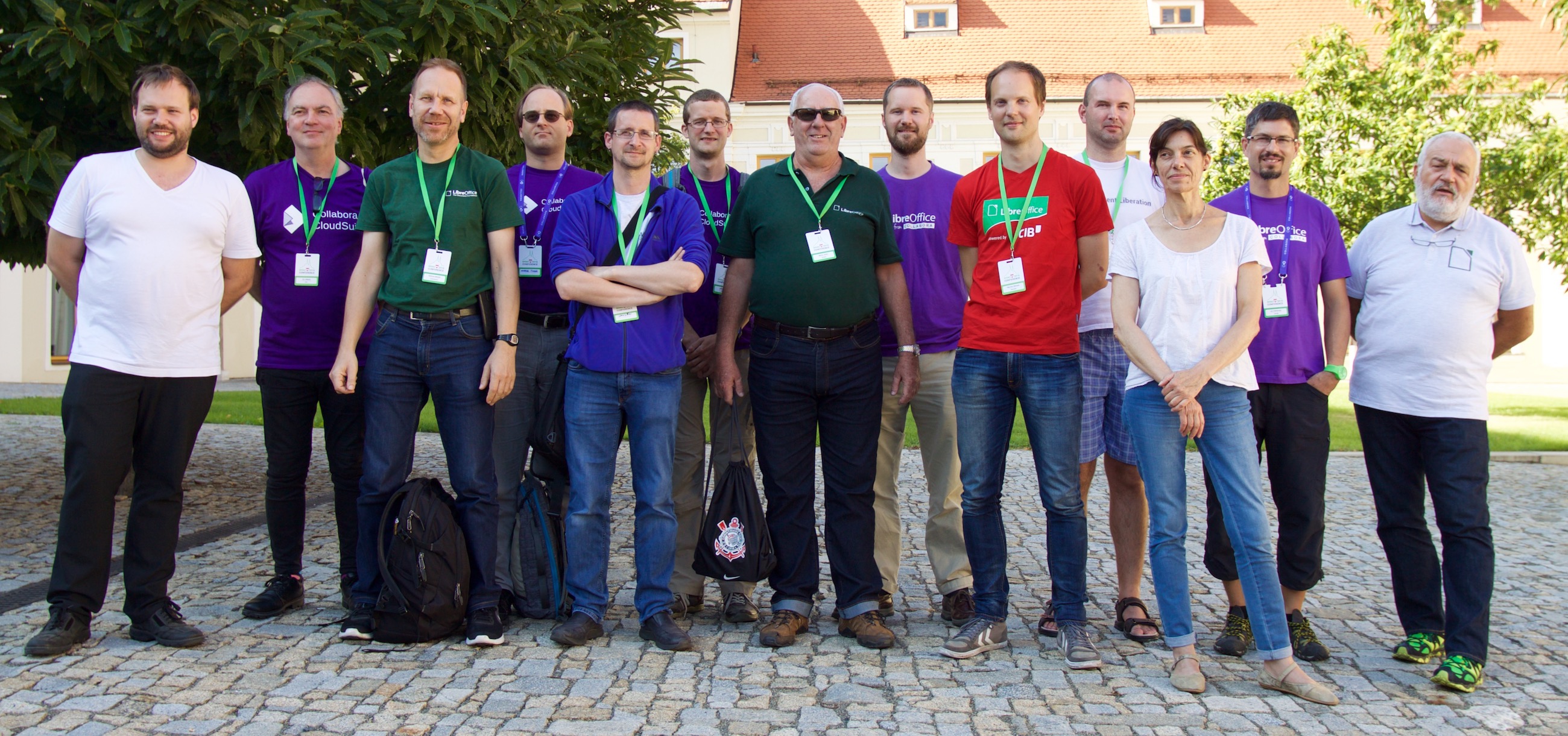
This is a group picture – at LibreOffice Conference in Brno – of many of the people who made that announcement possible, in different capacities:
From left to right: Florian Effenberger, Tor Lillqvist, Andreas Mantke, Andras Timar, Caolan McNamara, Miklos Vajna, Olivier Hallot, Michael Meeks, Thorsten Behrens, David Tardon, Sophie Gautier, Jan “Kendy” Holesovsky and Italo Vignoli
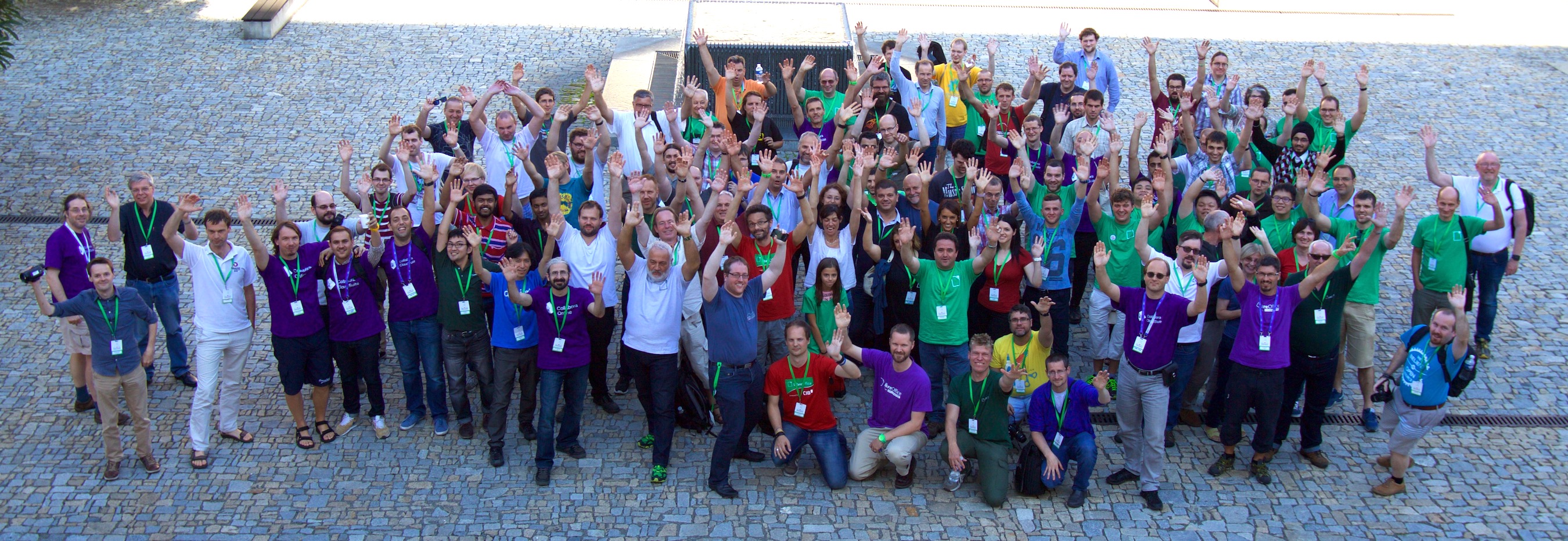
This is a group picture of the people – mostly volunteers – who attended the LibreOffice Conference in Brno in September 2016, travelling from Asia, Africa, Europe, North America and South America. They are the ones who make LibreOffice and Document Liberation projects possible today.
What we have achieved in six years, and what you can expect in the foreseeable future
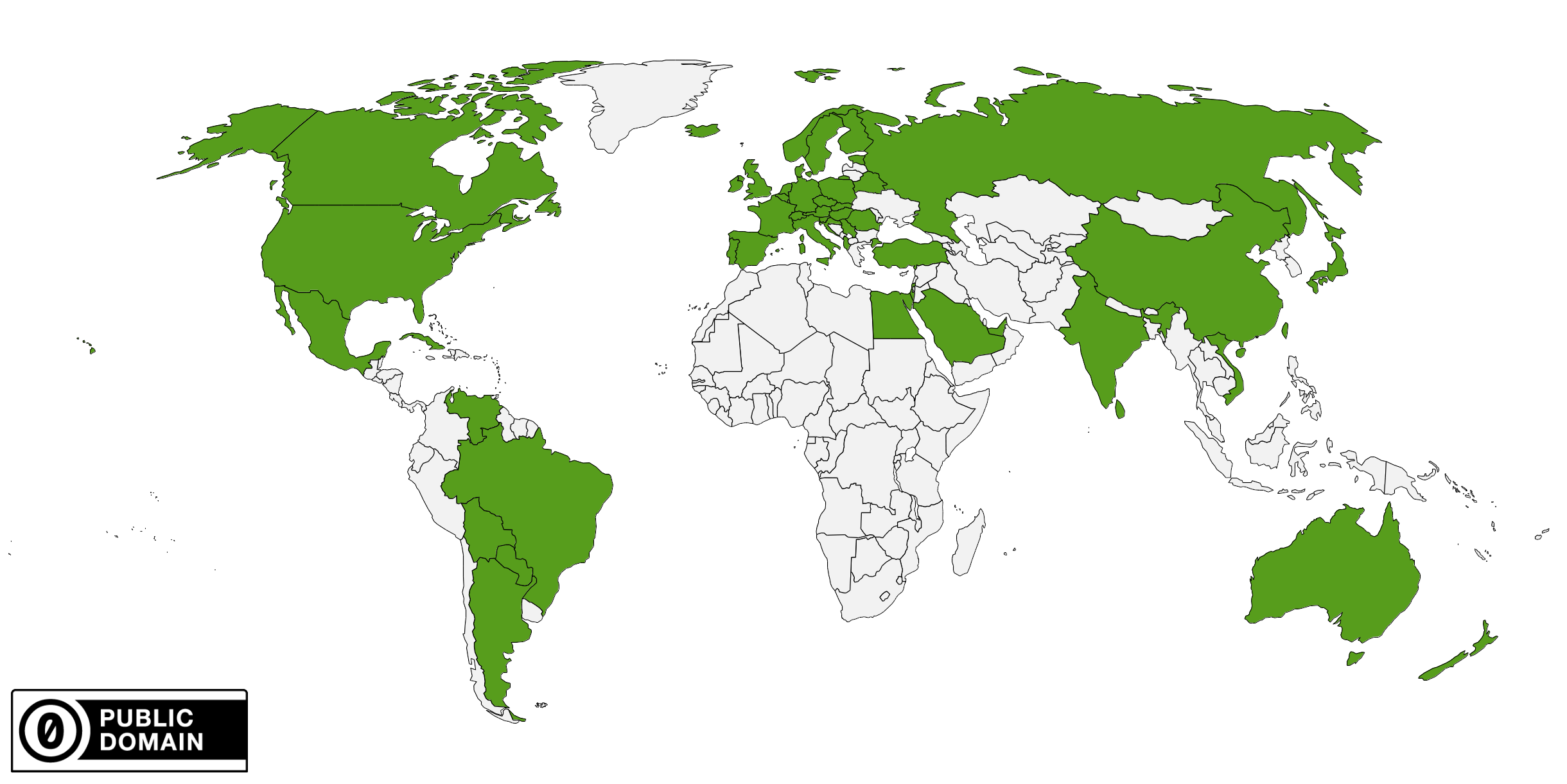
Six years have gone by, and it seems like only yesterday. The Document Foundation has a stable governance, a growing team taking care of daily tasks and a community spanning over six continents (although there might be LibreOffice users in Antartica).
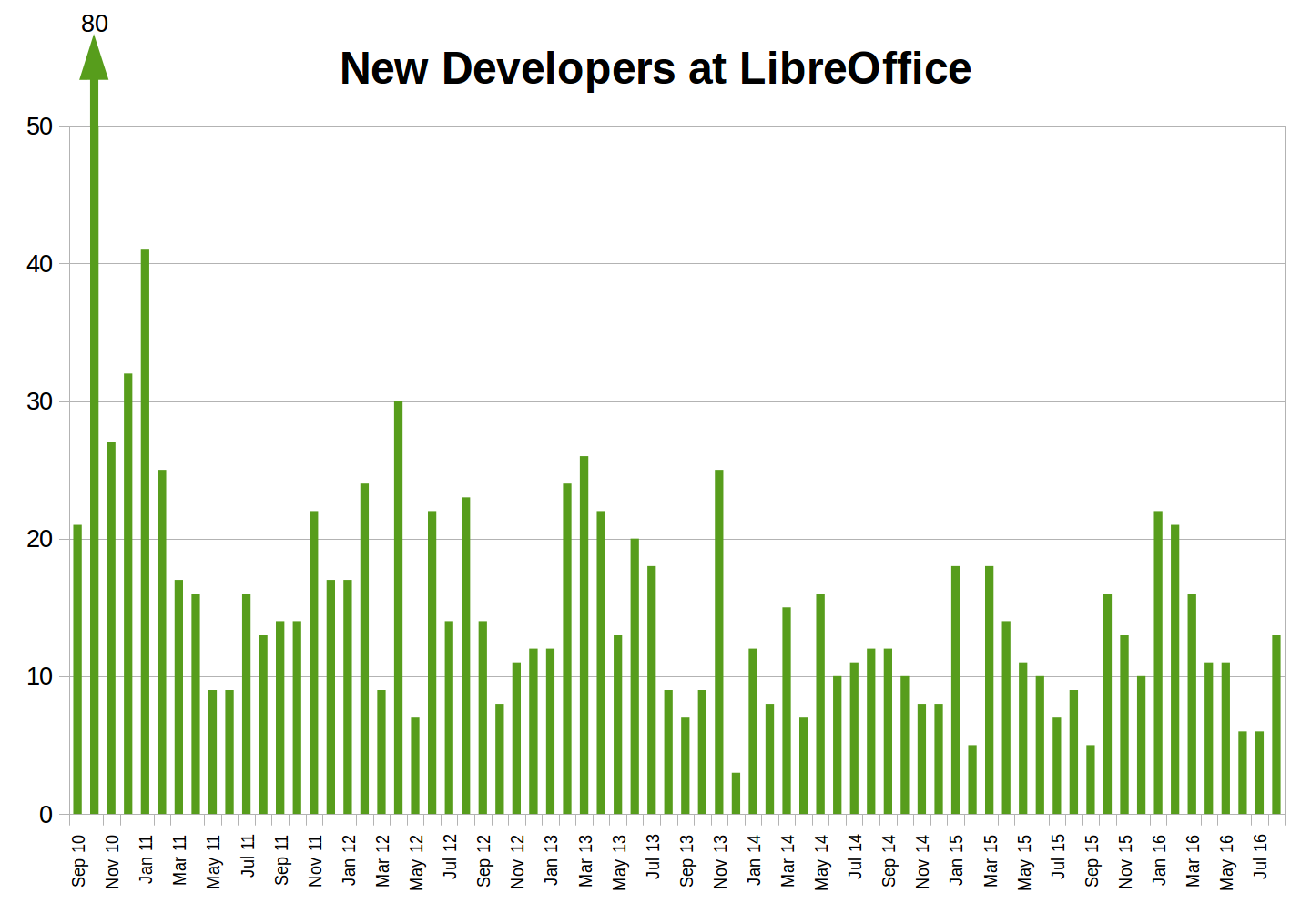
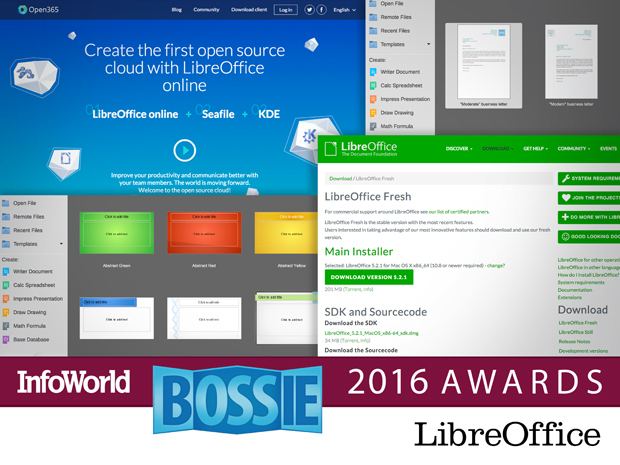
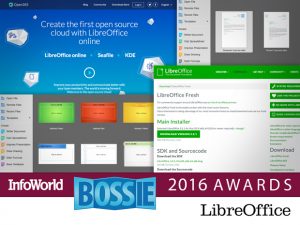
During this timeframe, the project has been able to attract new developers for 72 months in a row, quite an achievement for a source code which was said to be extremely difficult to contribute to (at least, when under the OpenOffice name). Last, but not least, LibreOffice has just won Infoworld’s Bossie (Best of Open Source) Awards for the sixth straight year in a row.
Starting from tomorrow, we will be focusing on the next major release – LibreOffice 5.3 – which will be launched at the end of January 2017, just before FOSDEM in Brussels. Stay tuned.
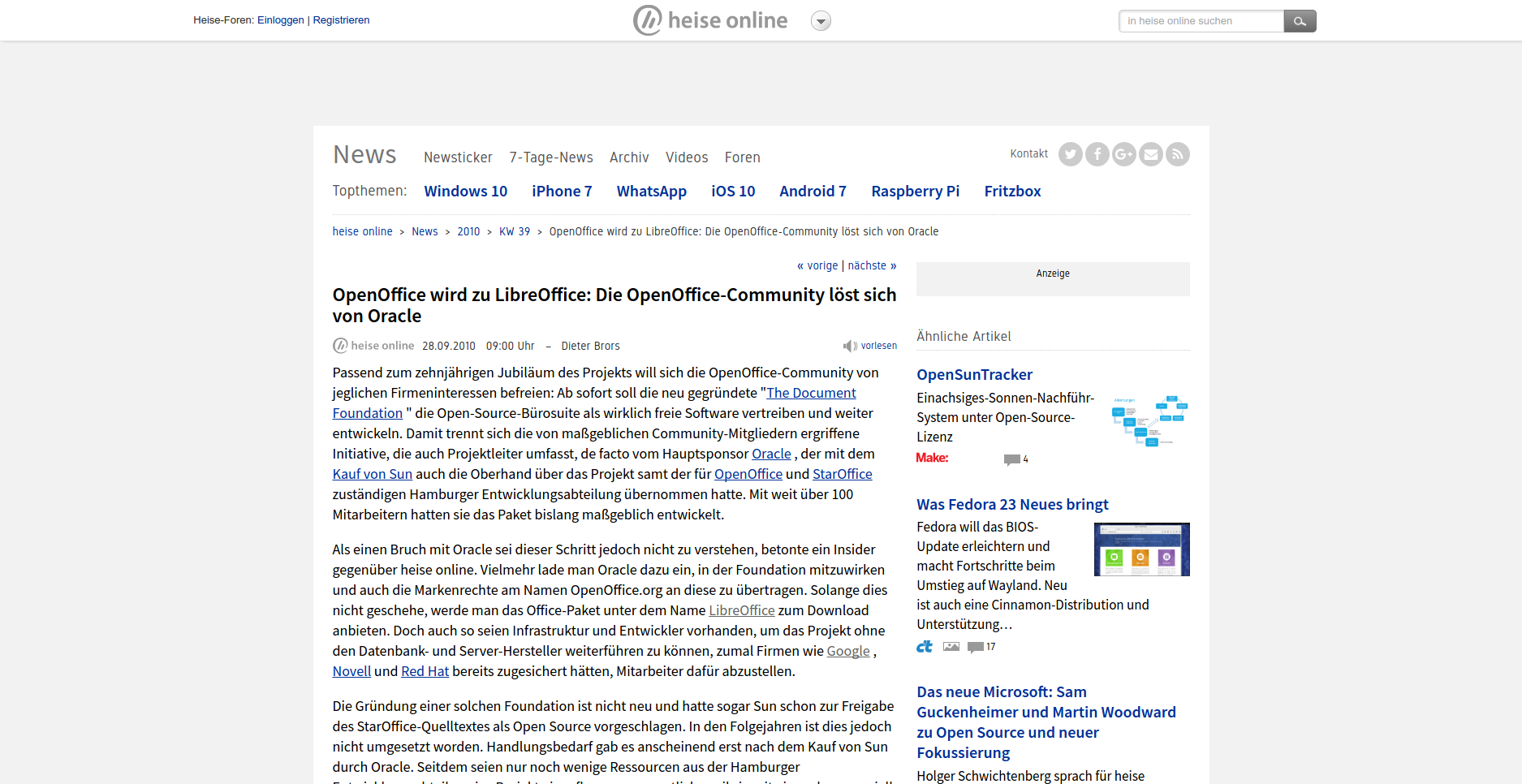
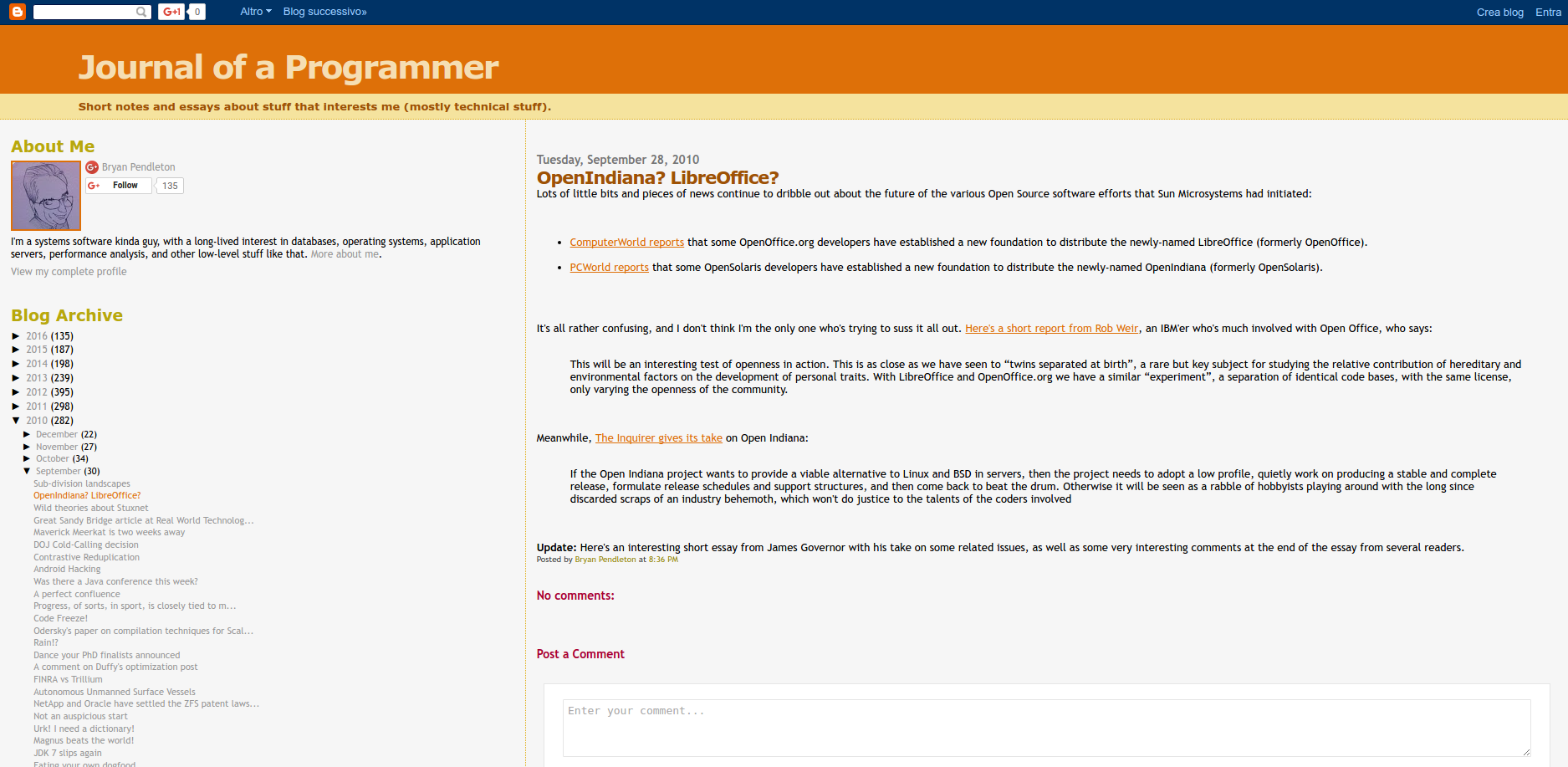
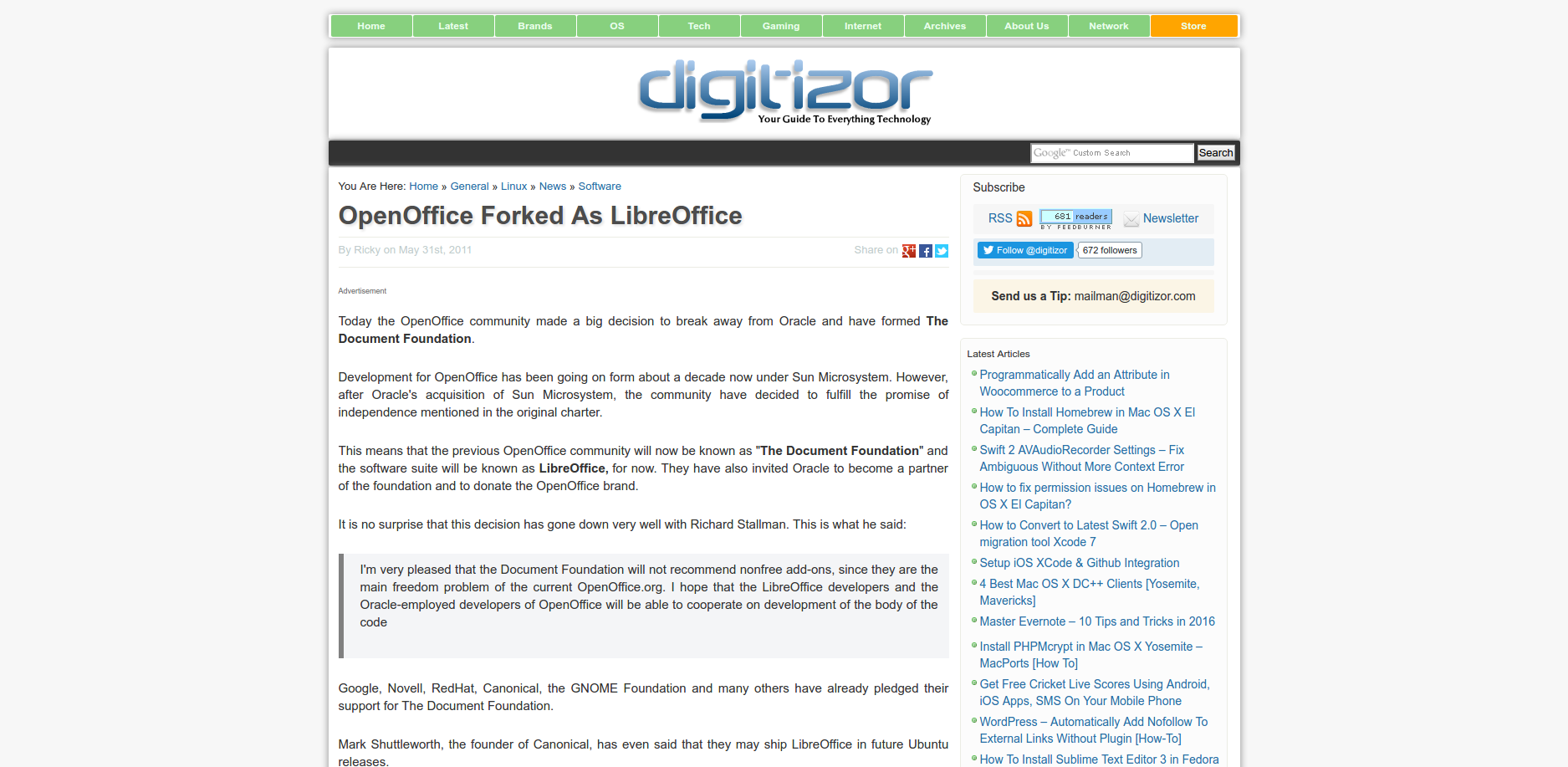
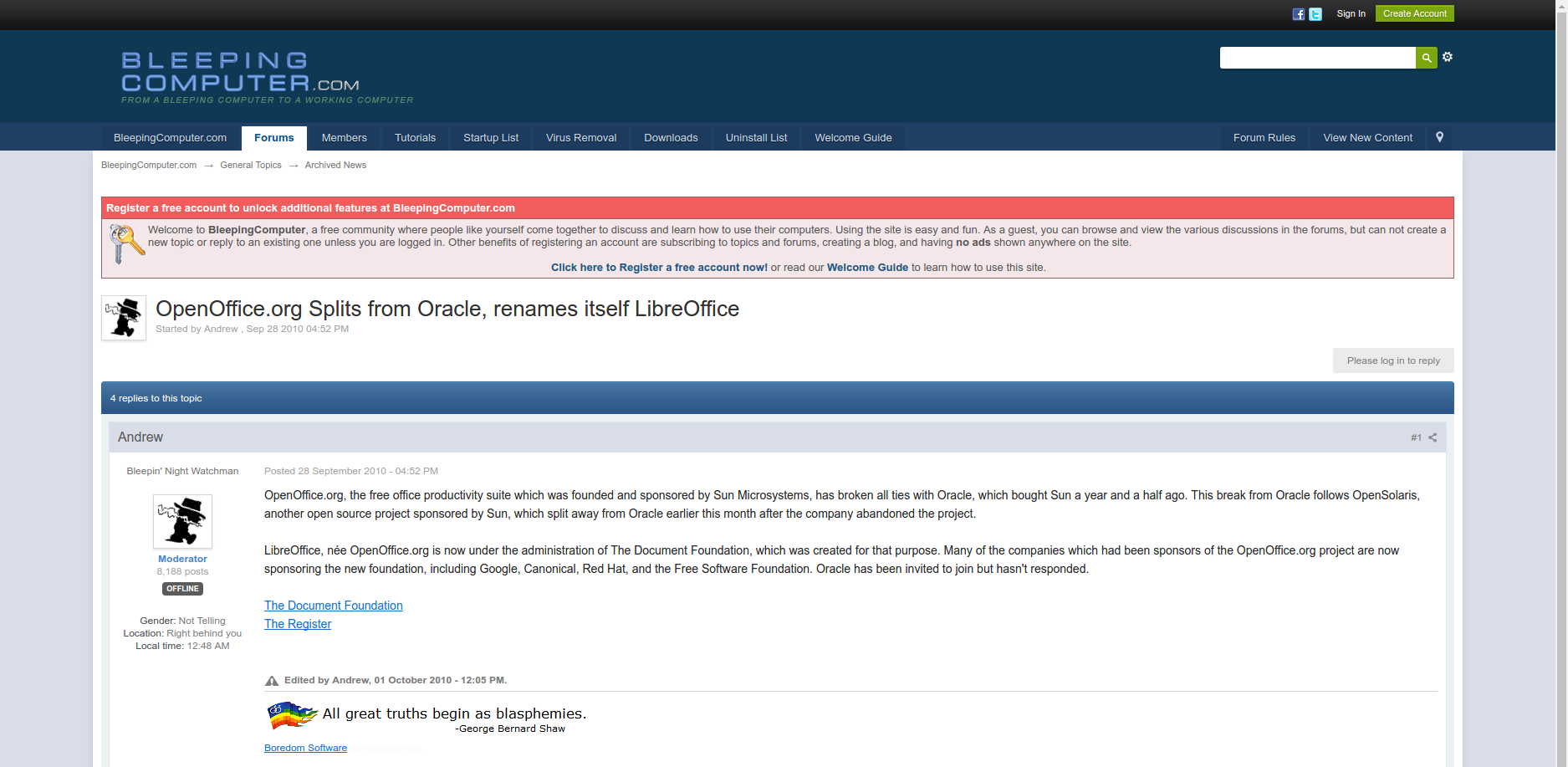
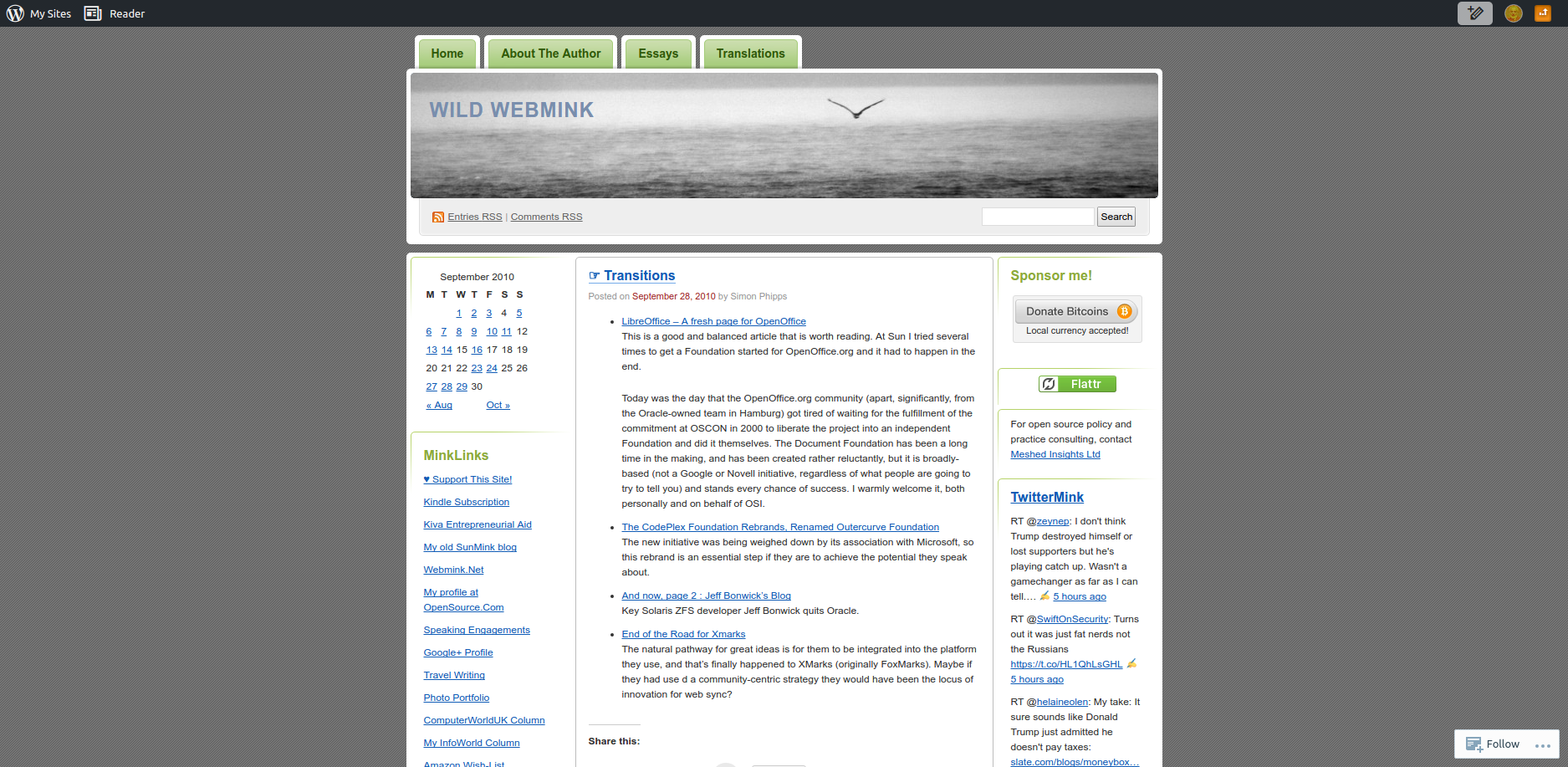
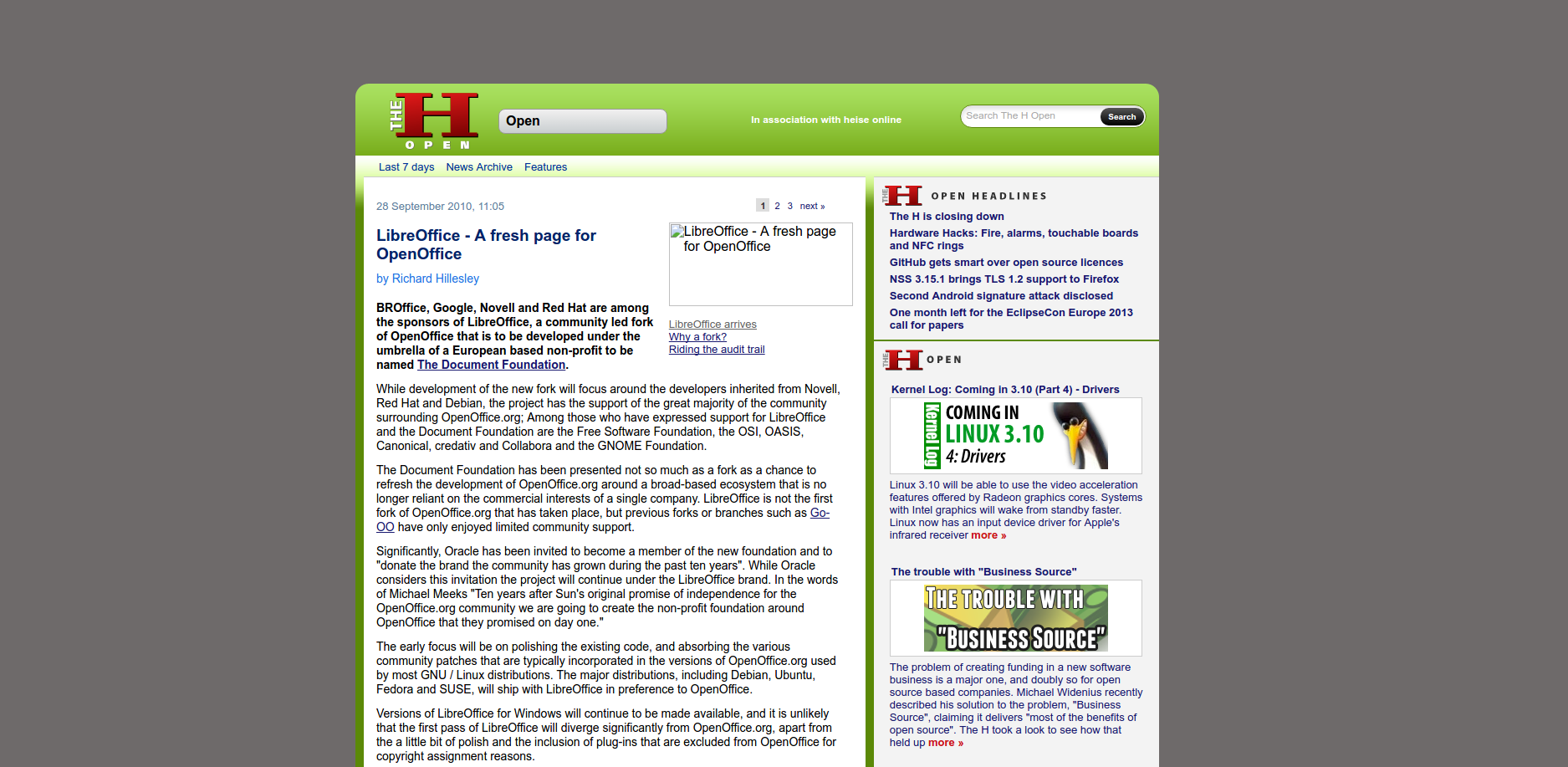
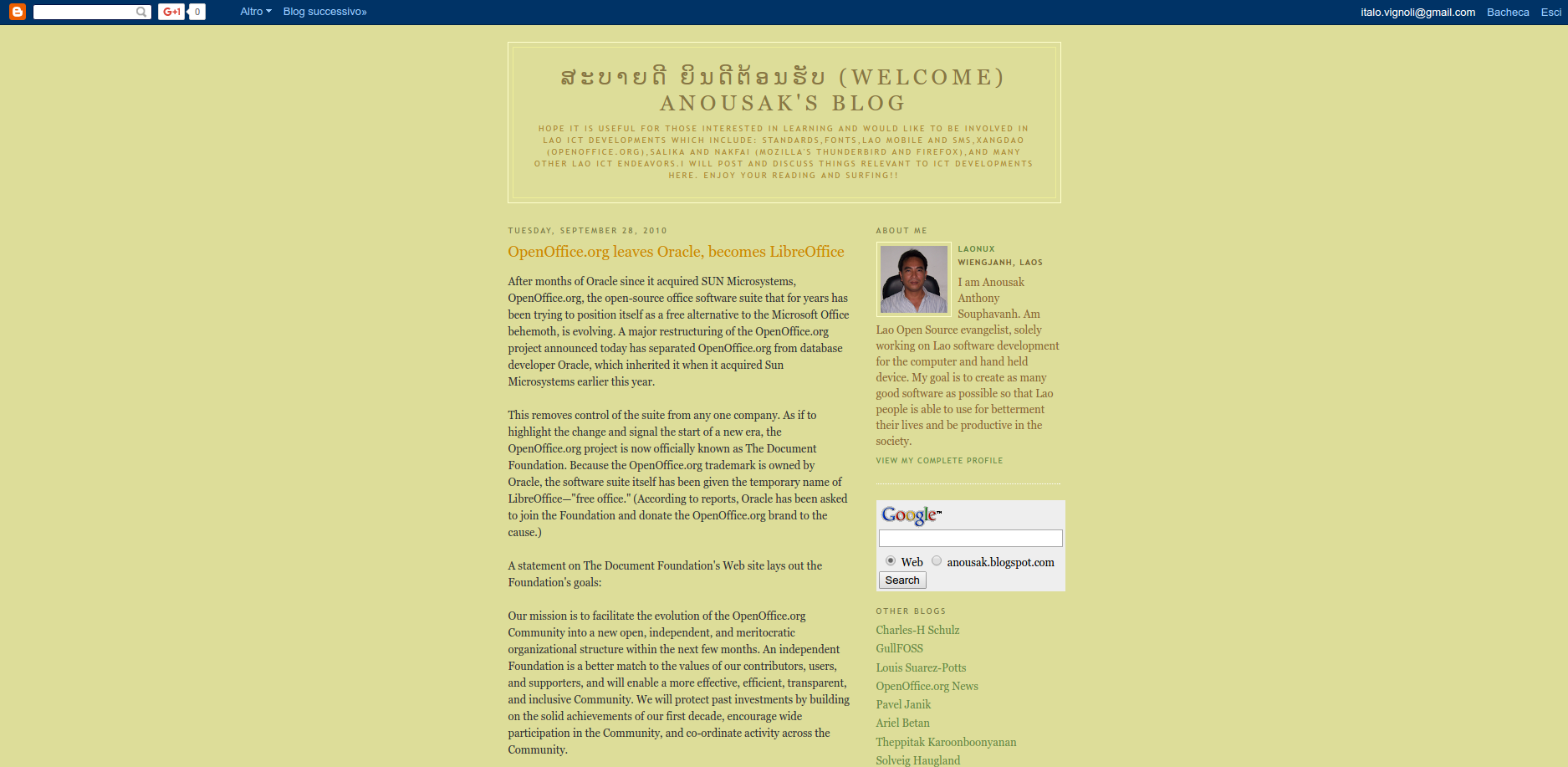
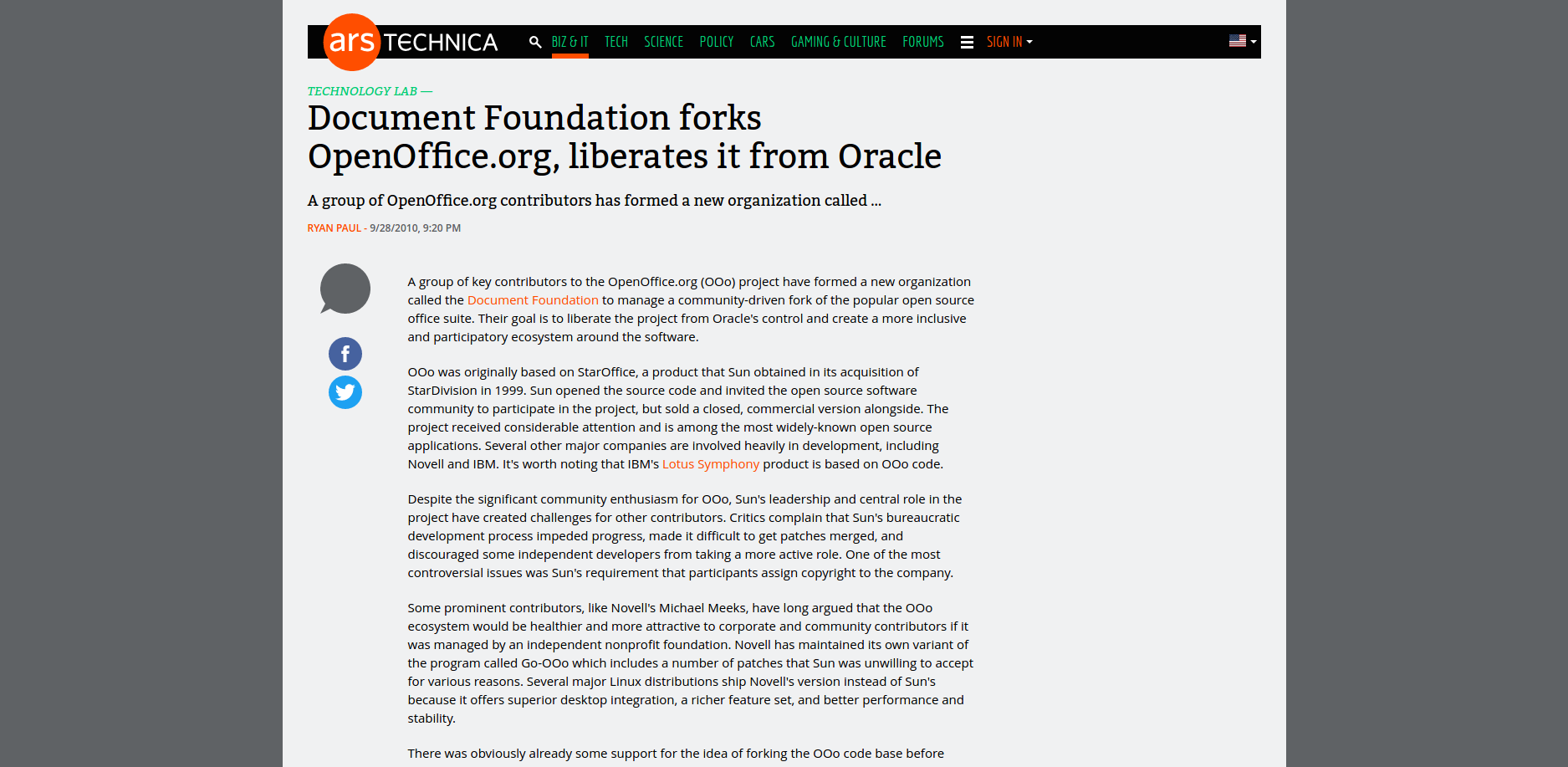
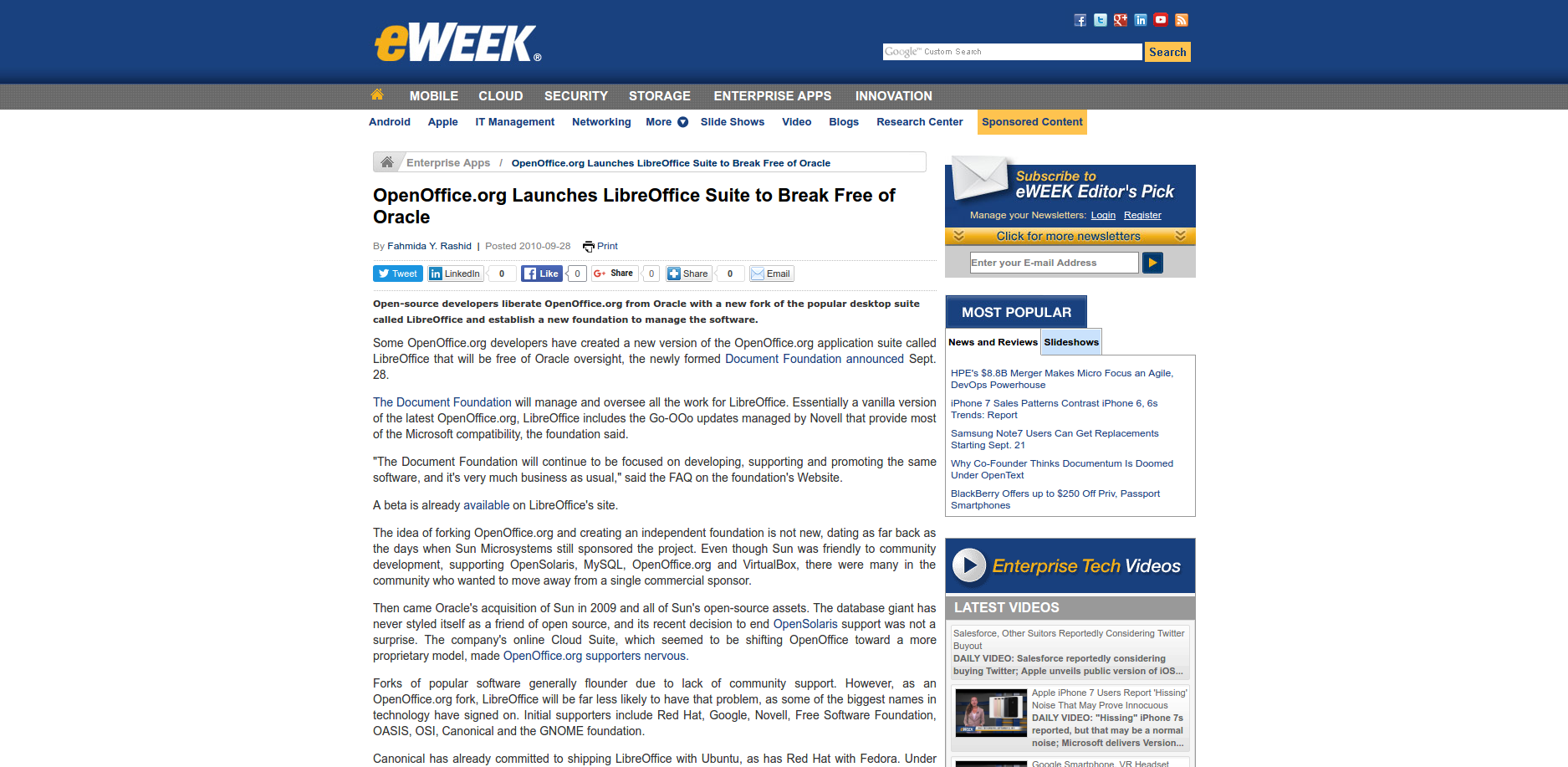
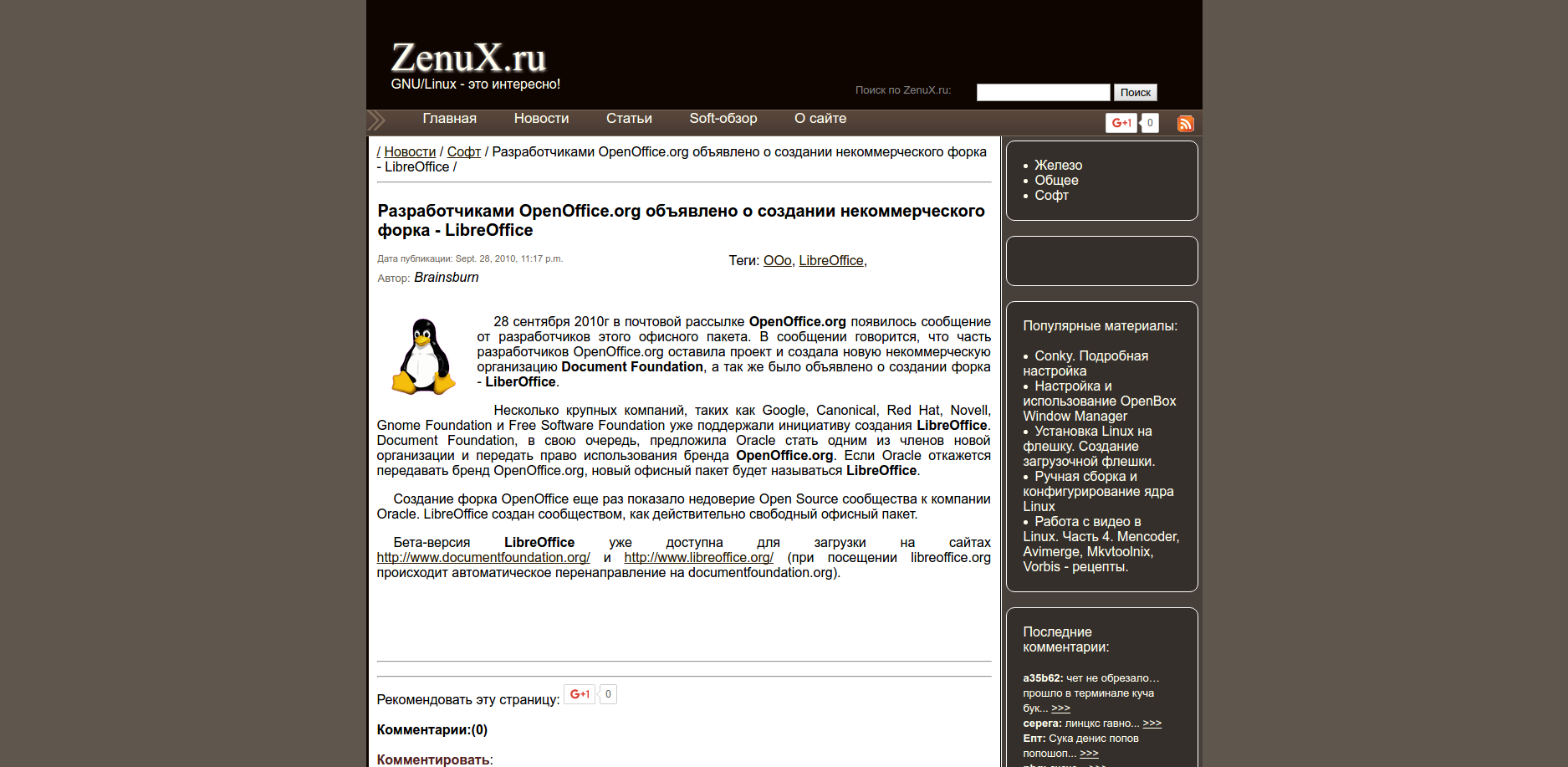
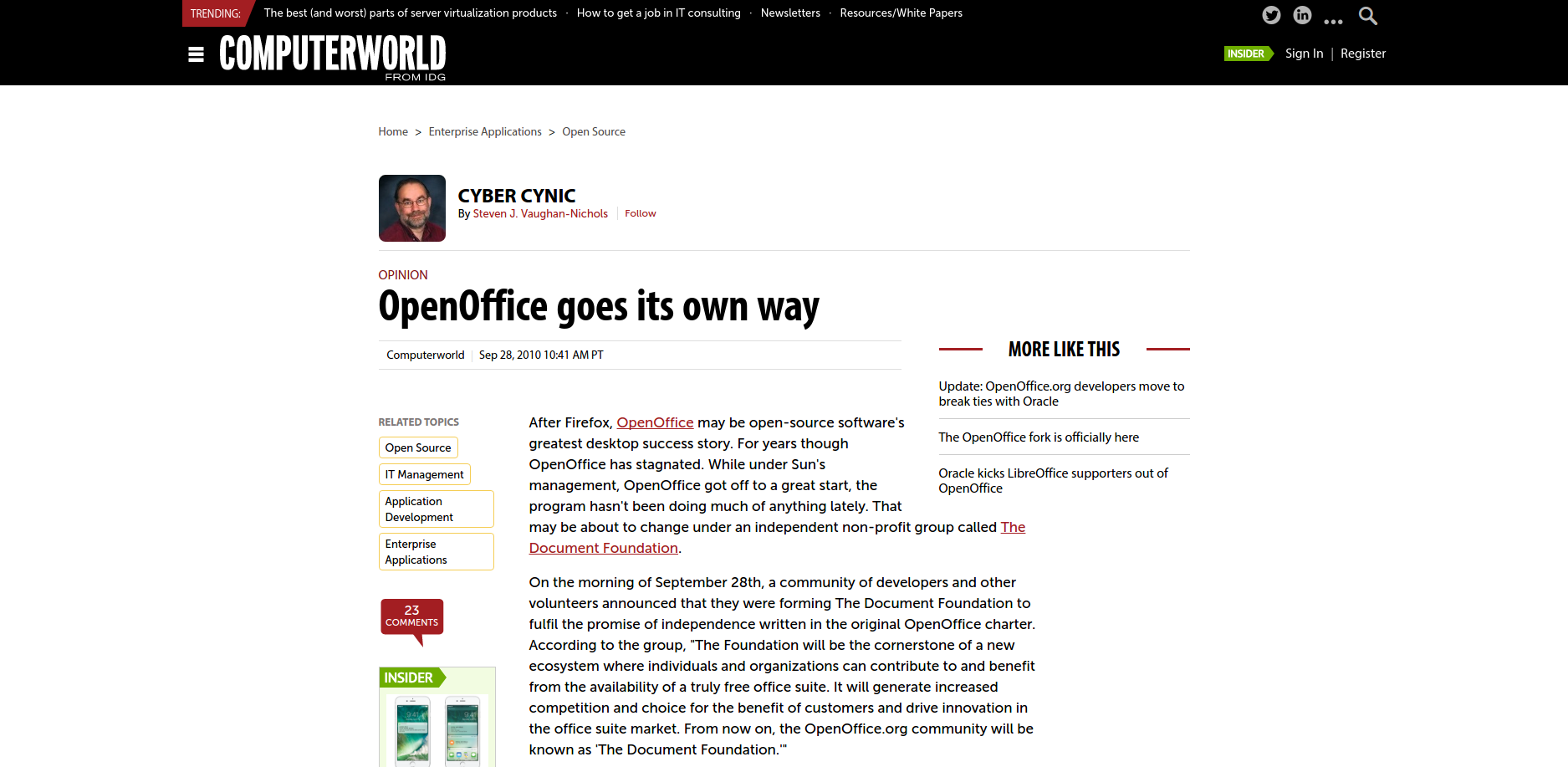
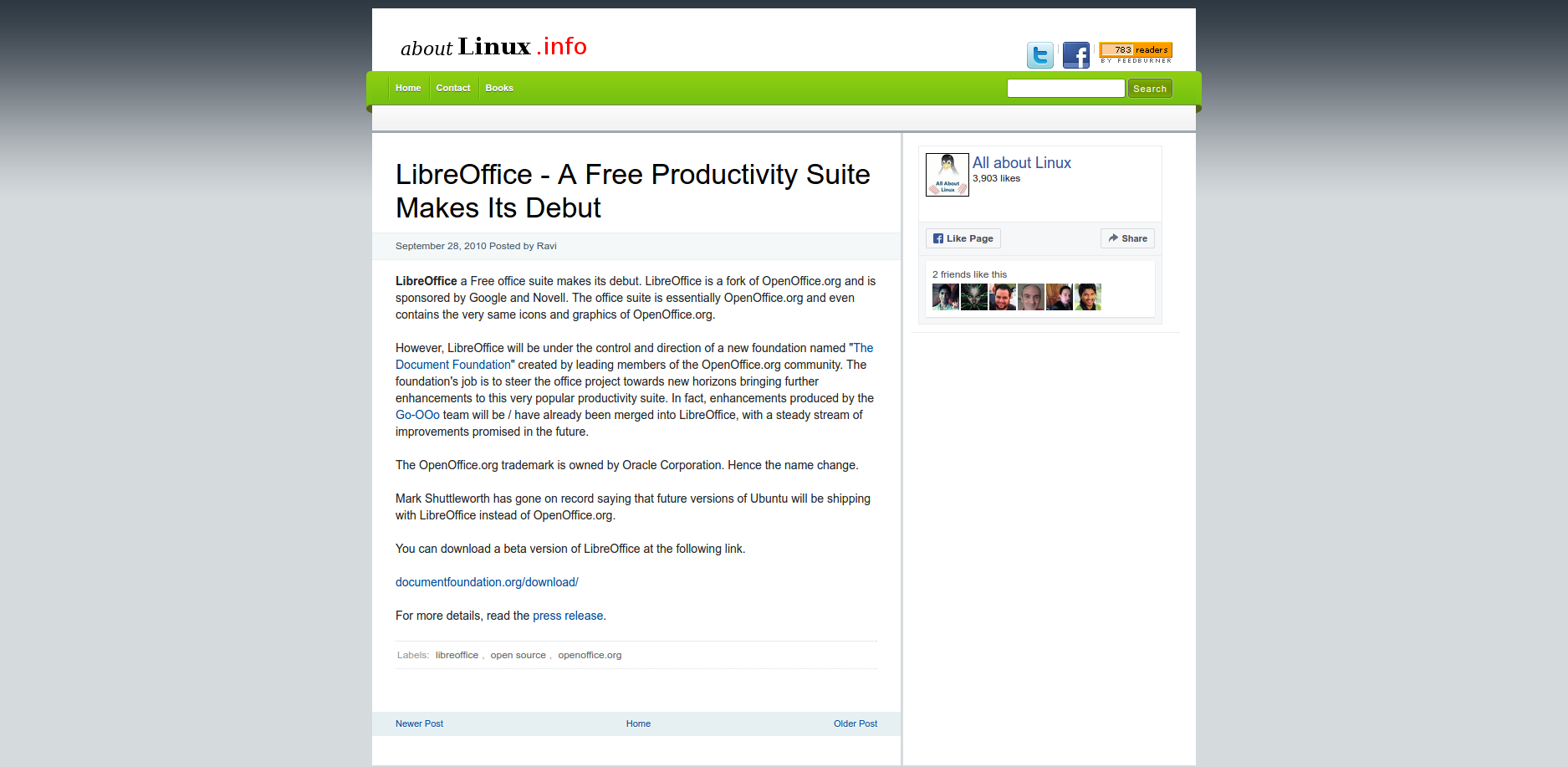
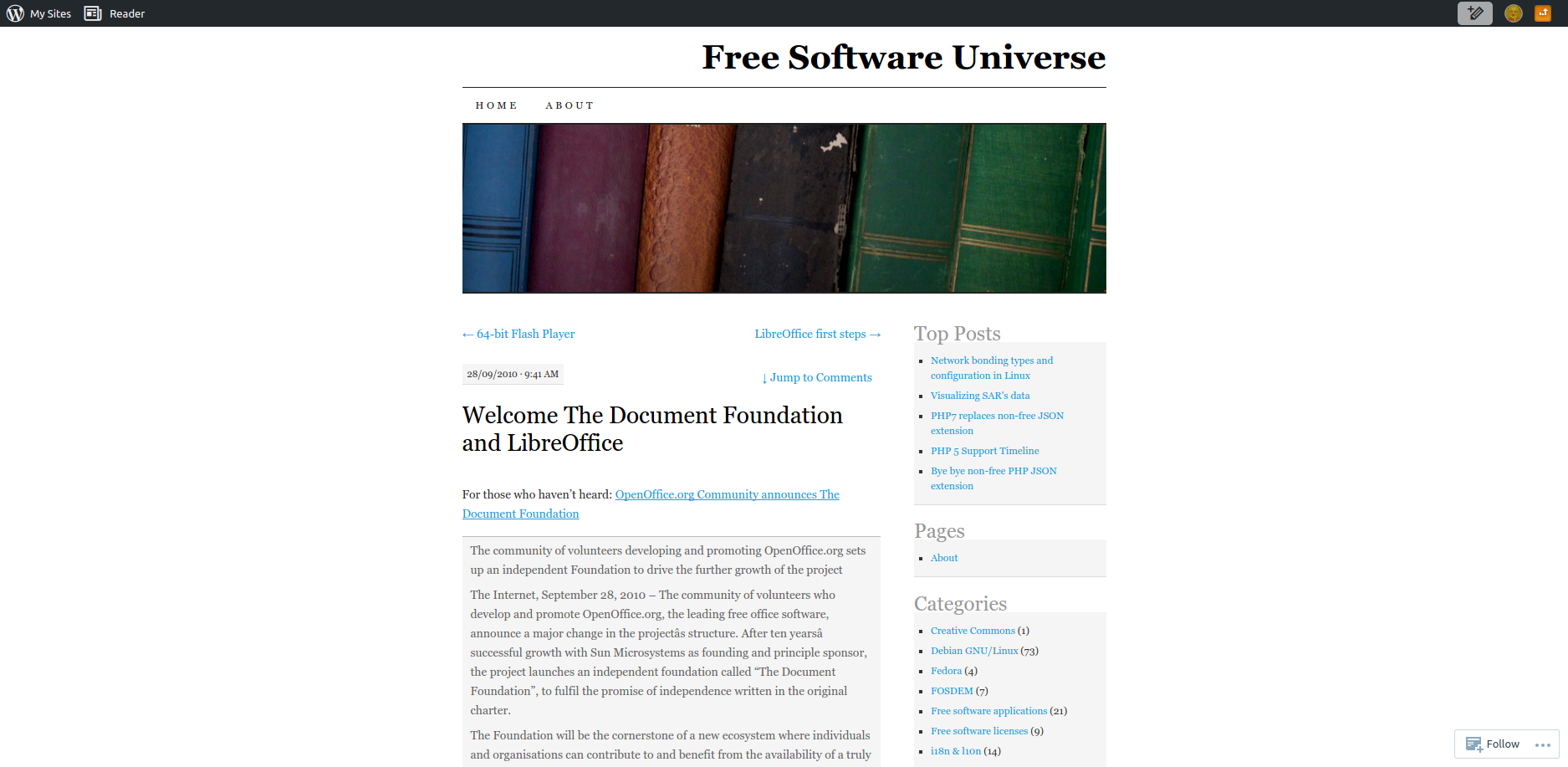
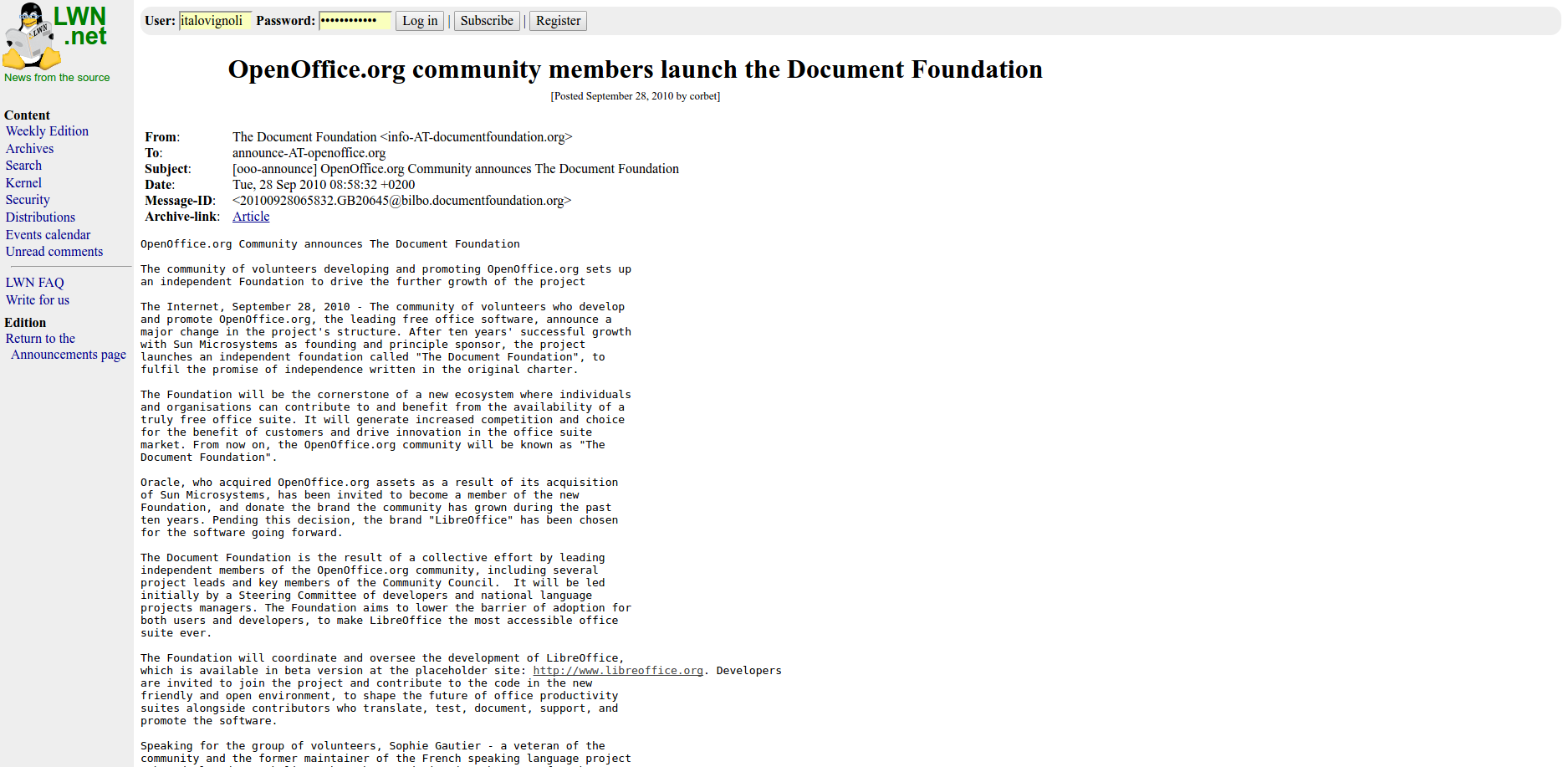
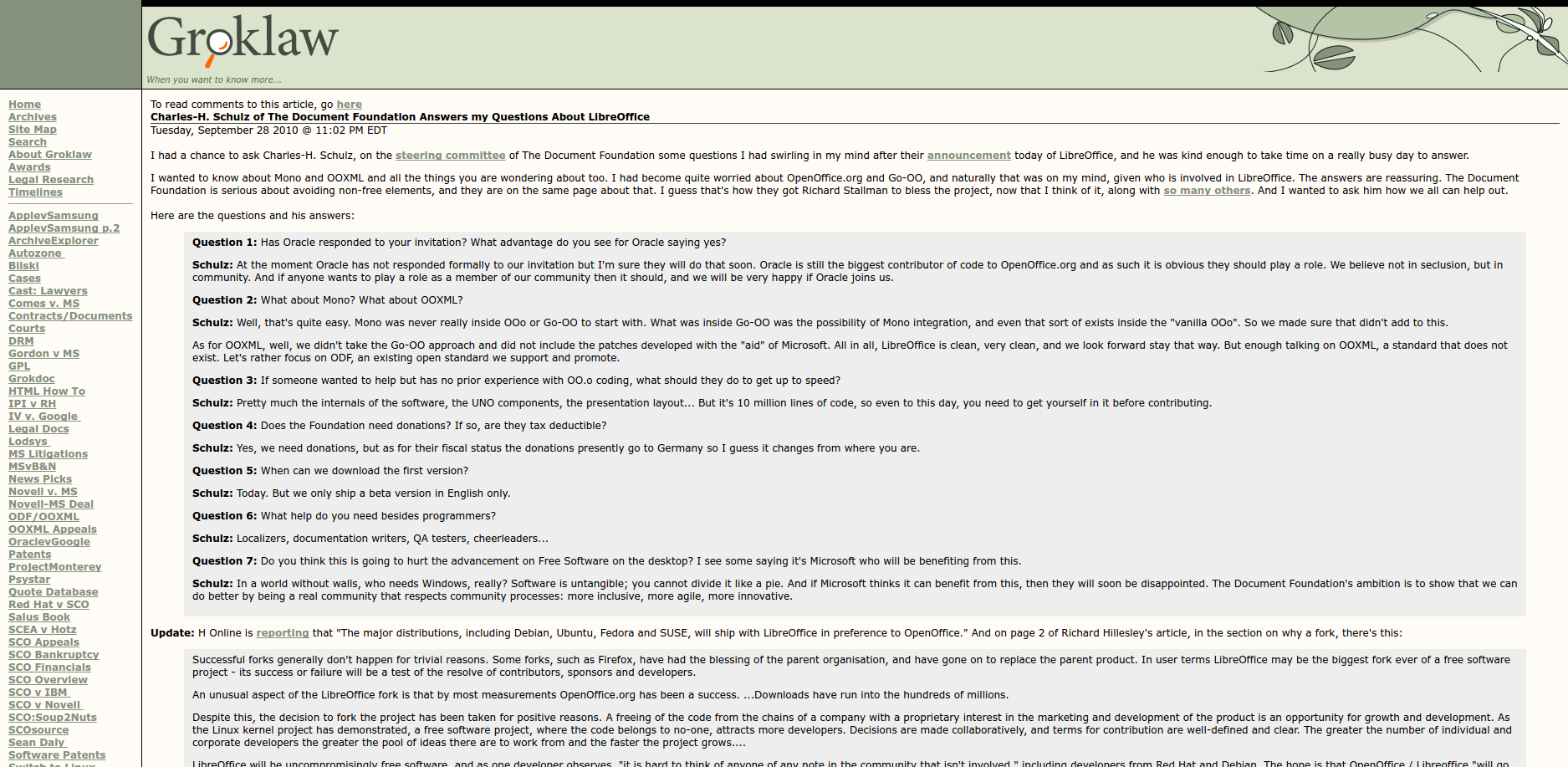
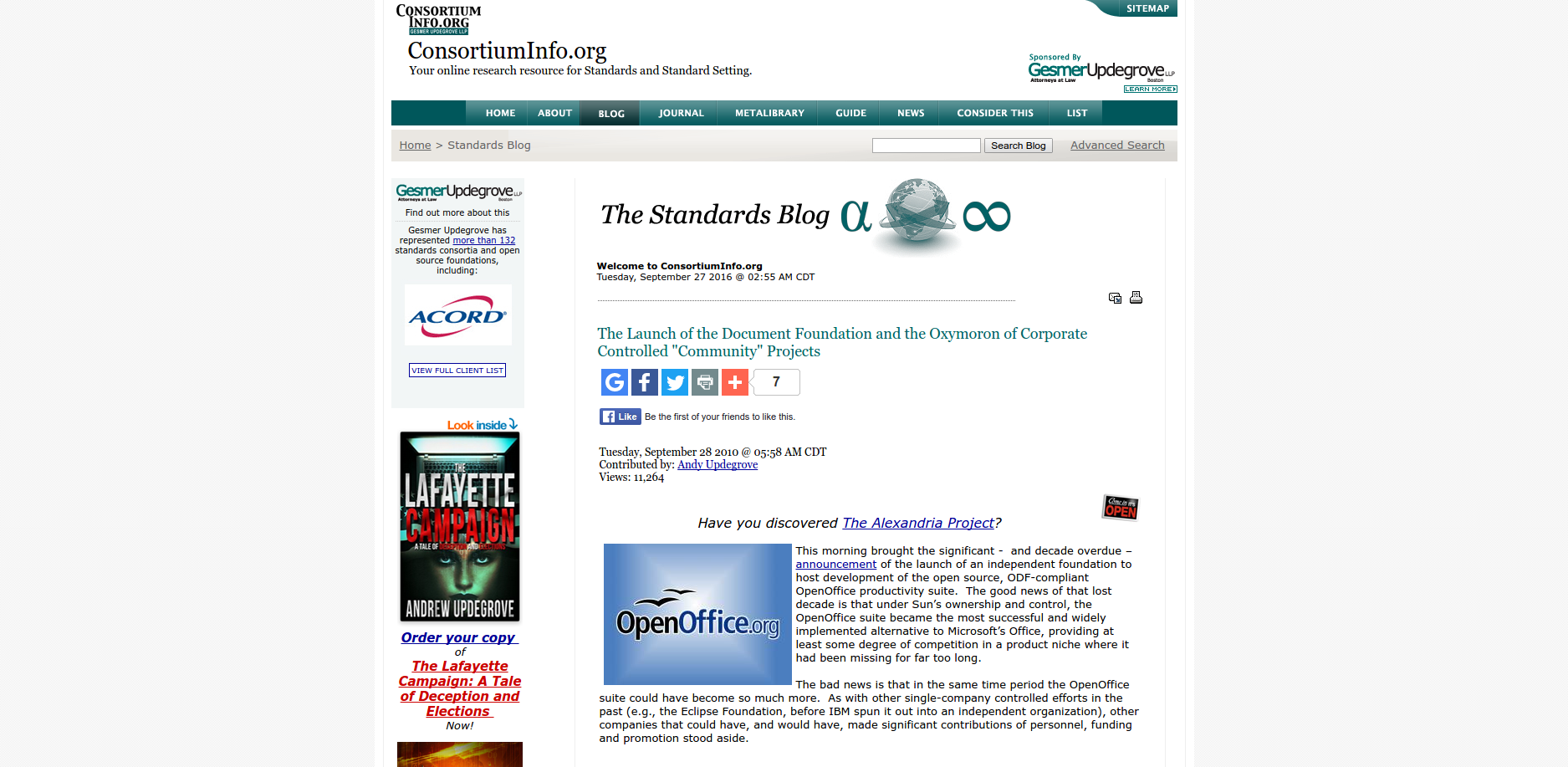
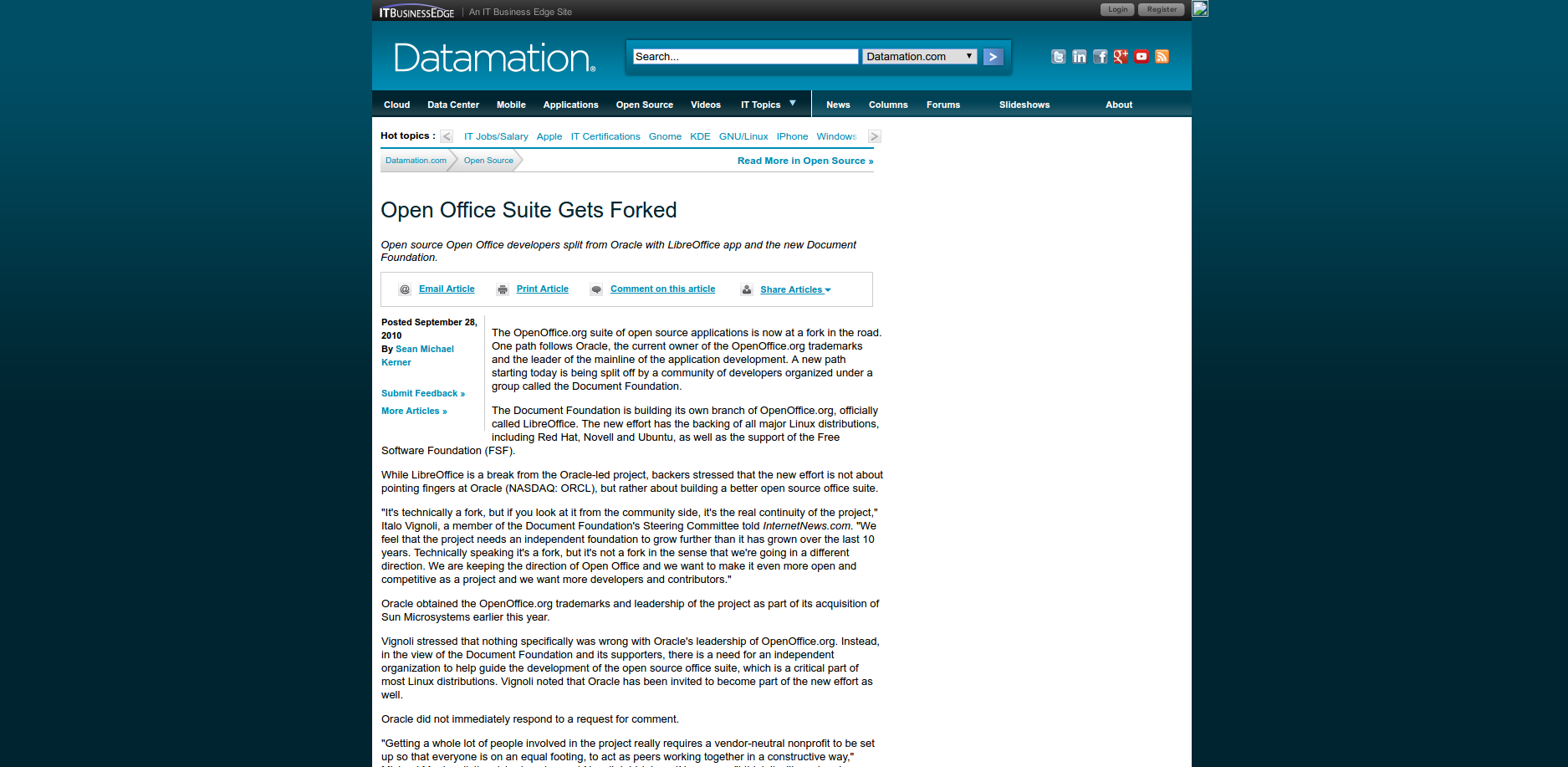
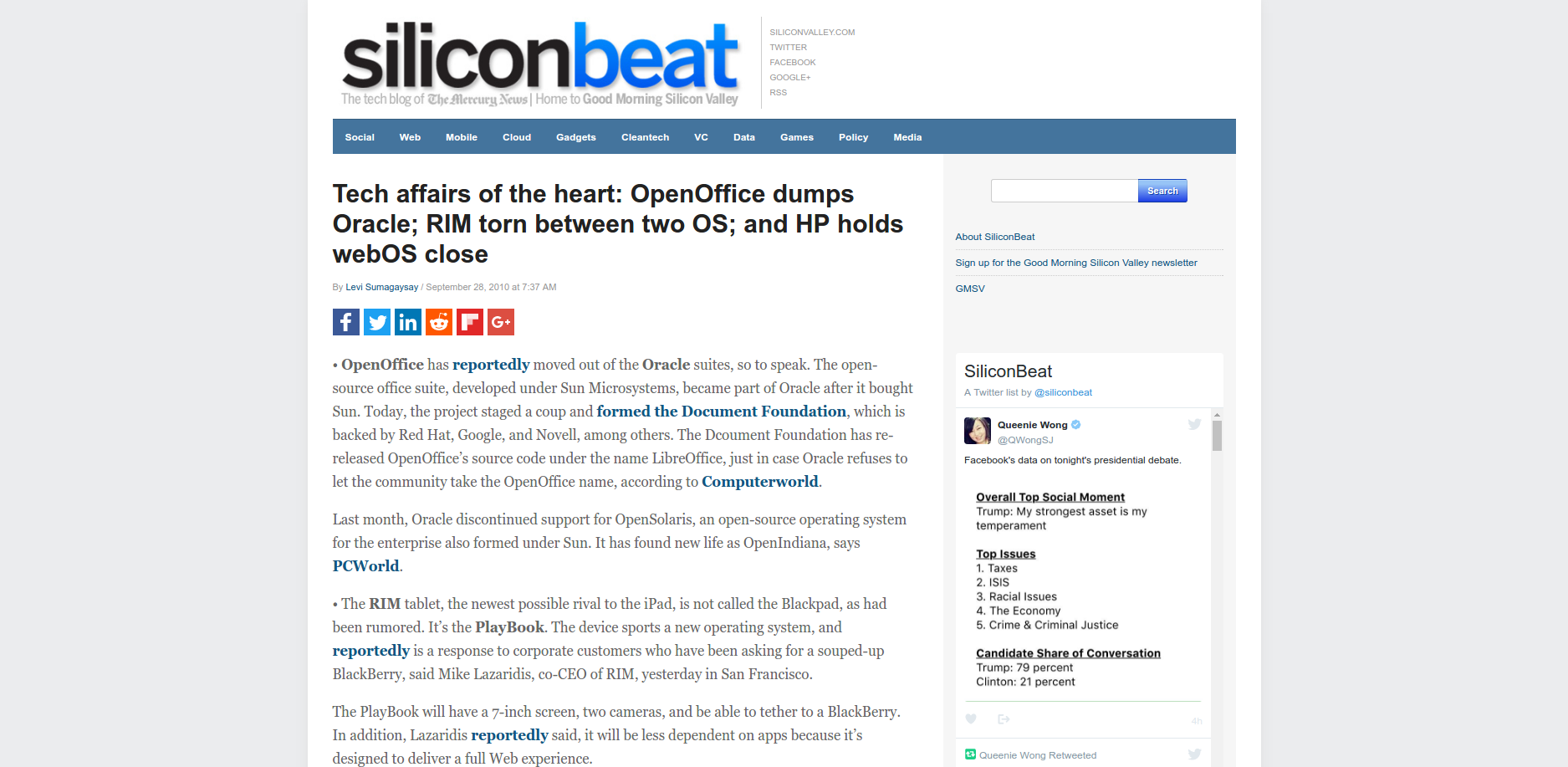
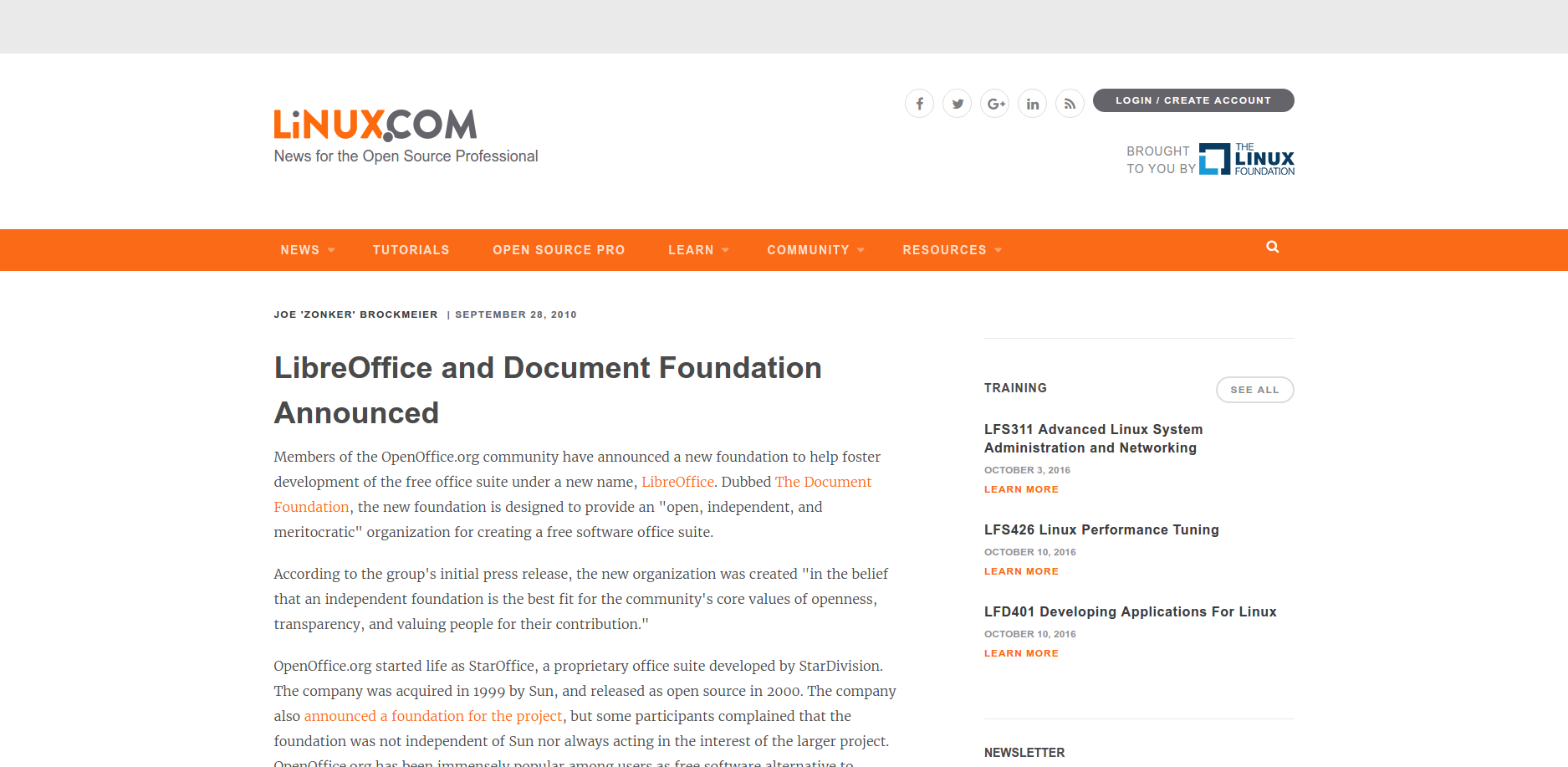
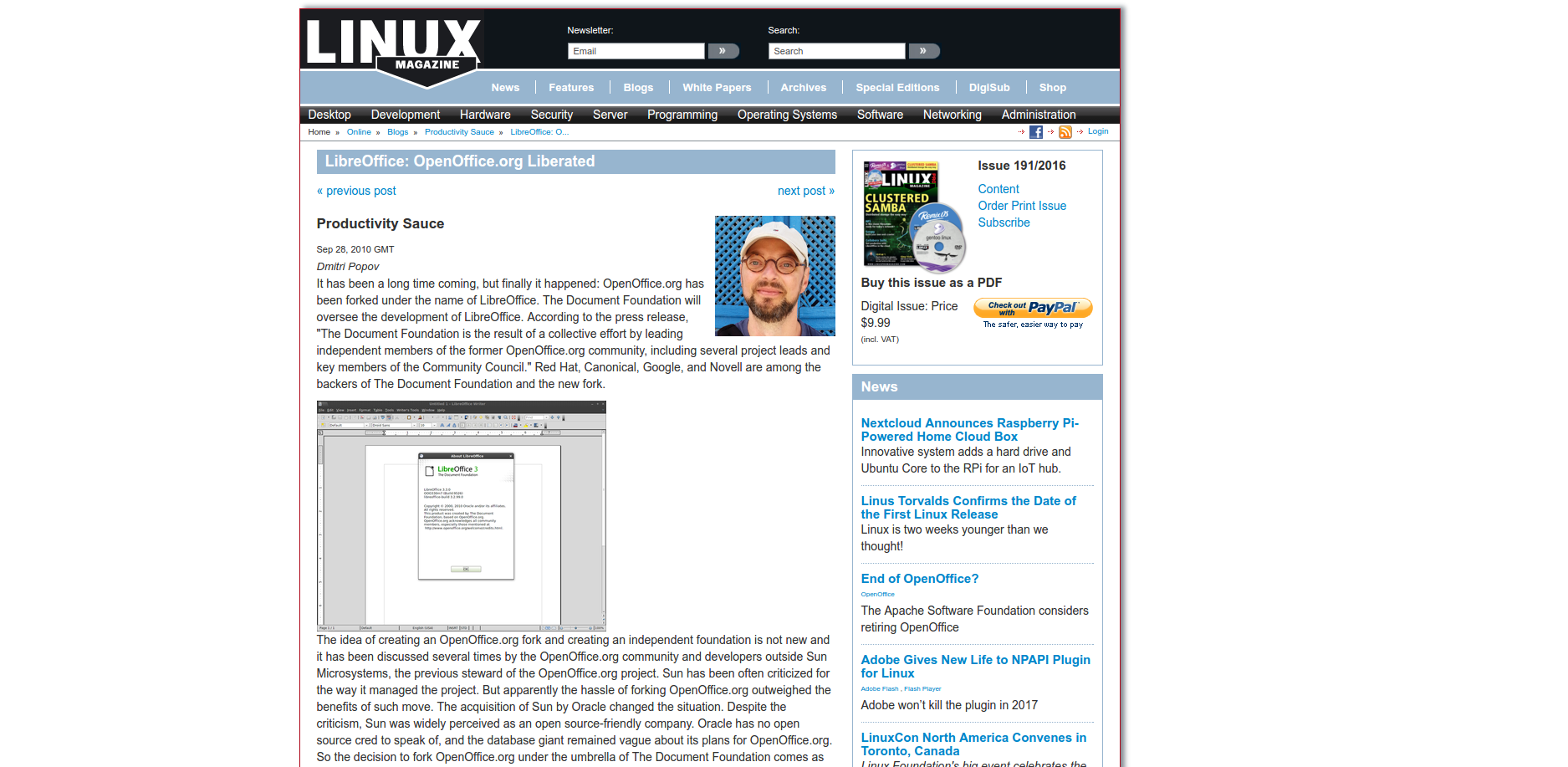
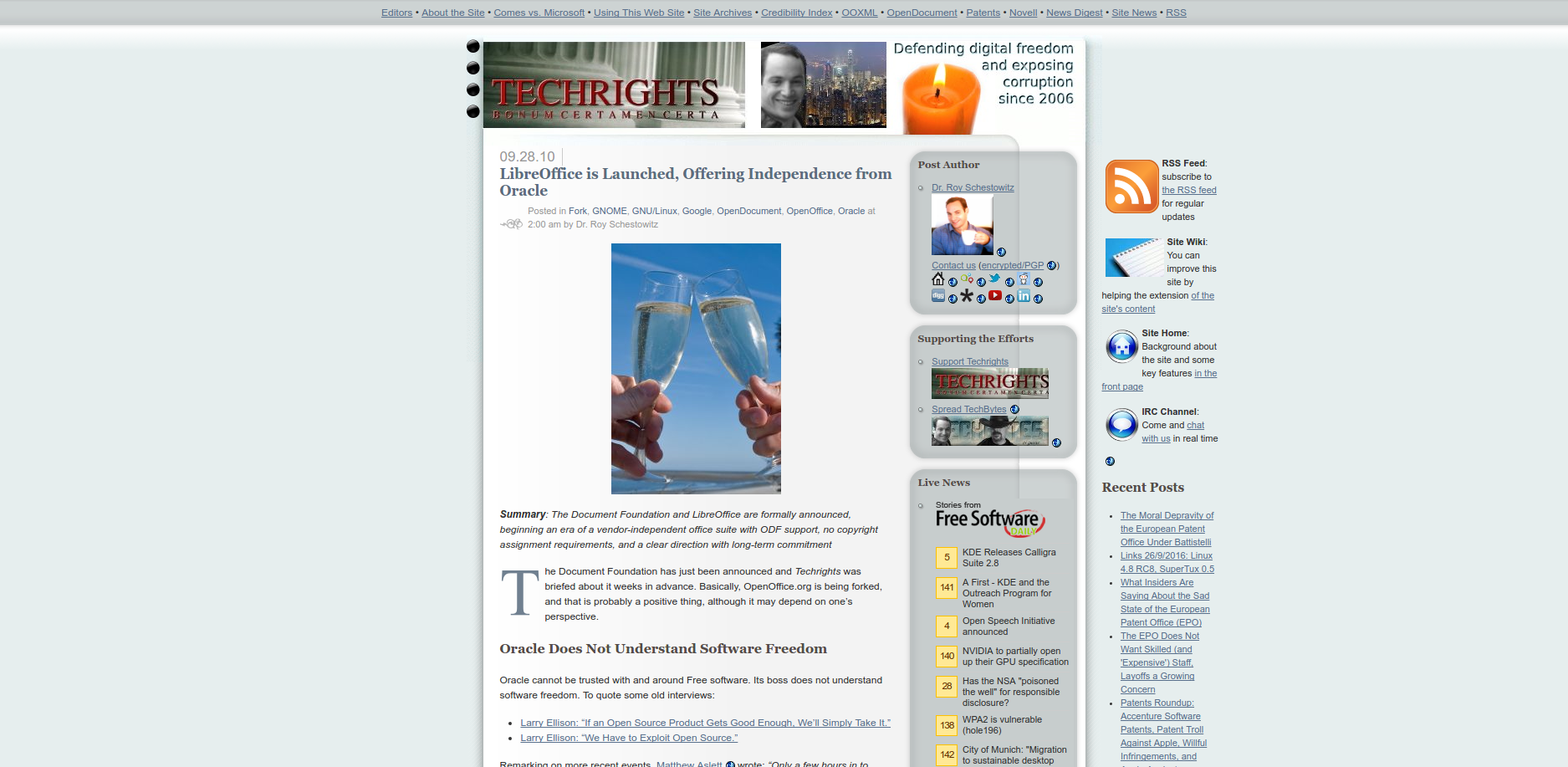
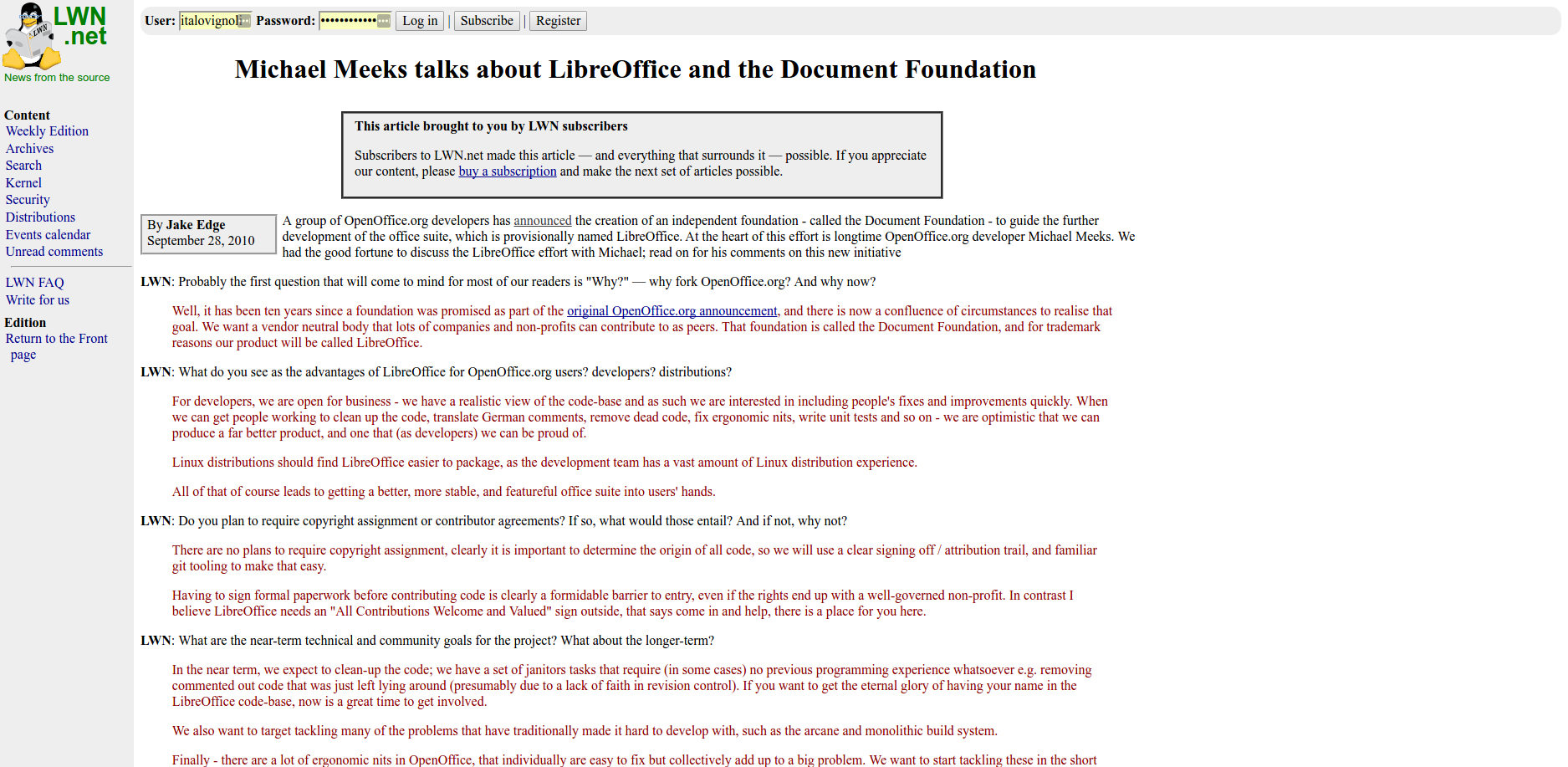
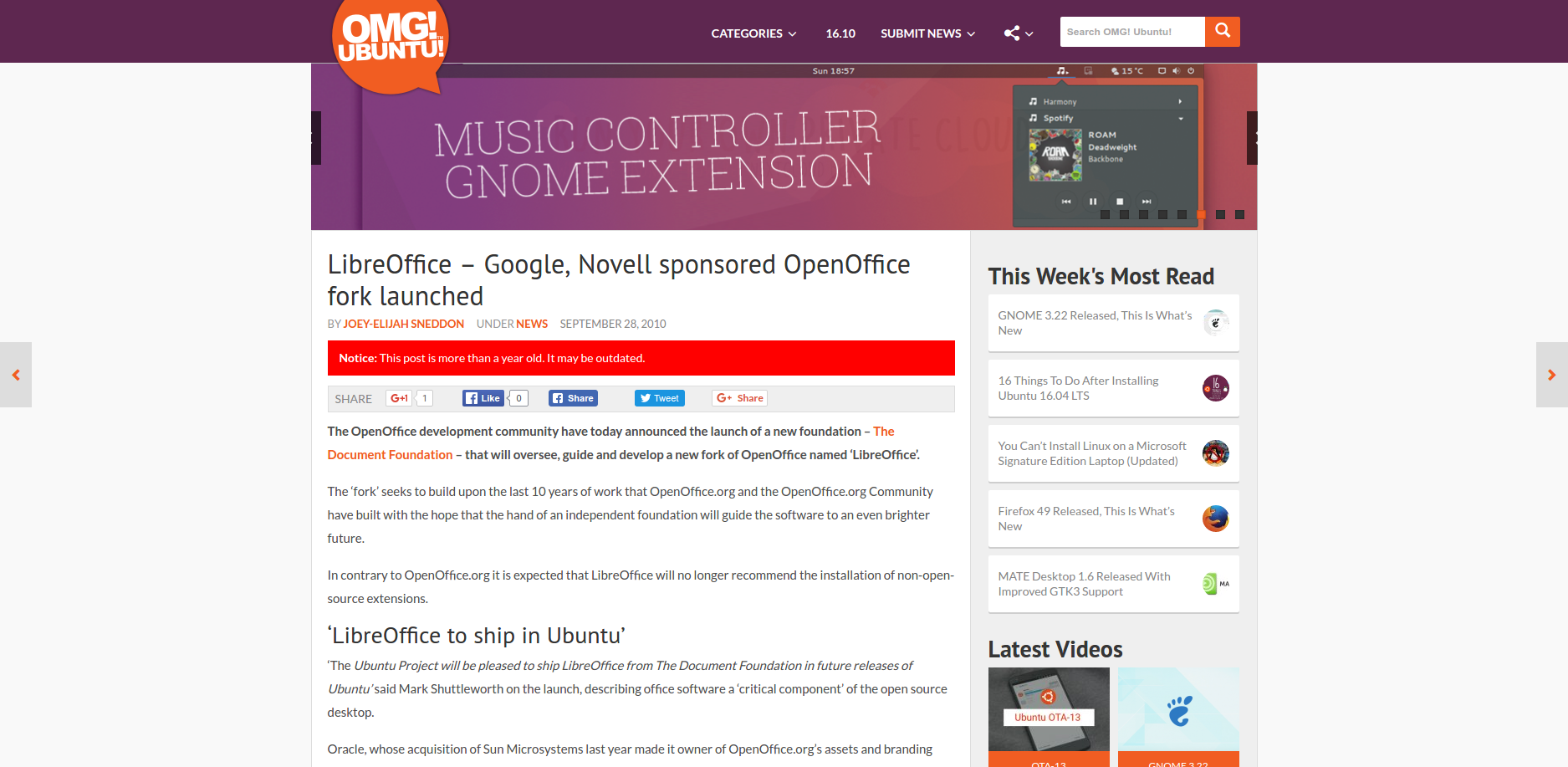
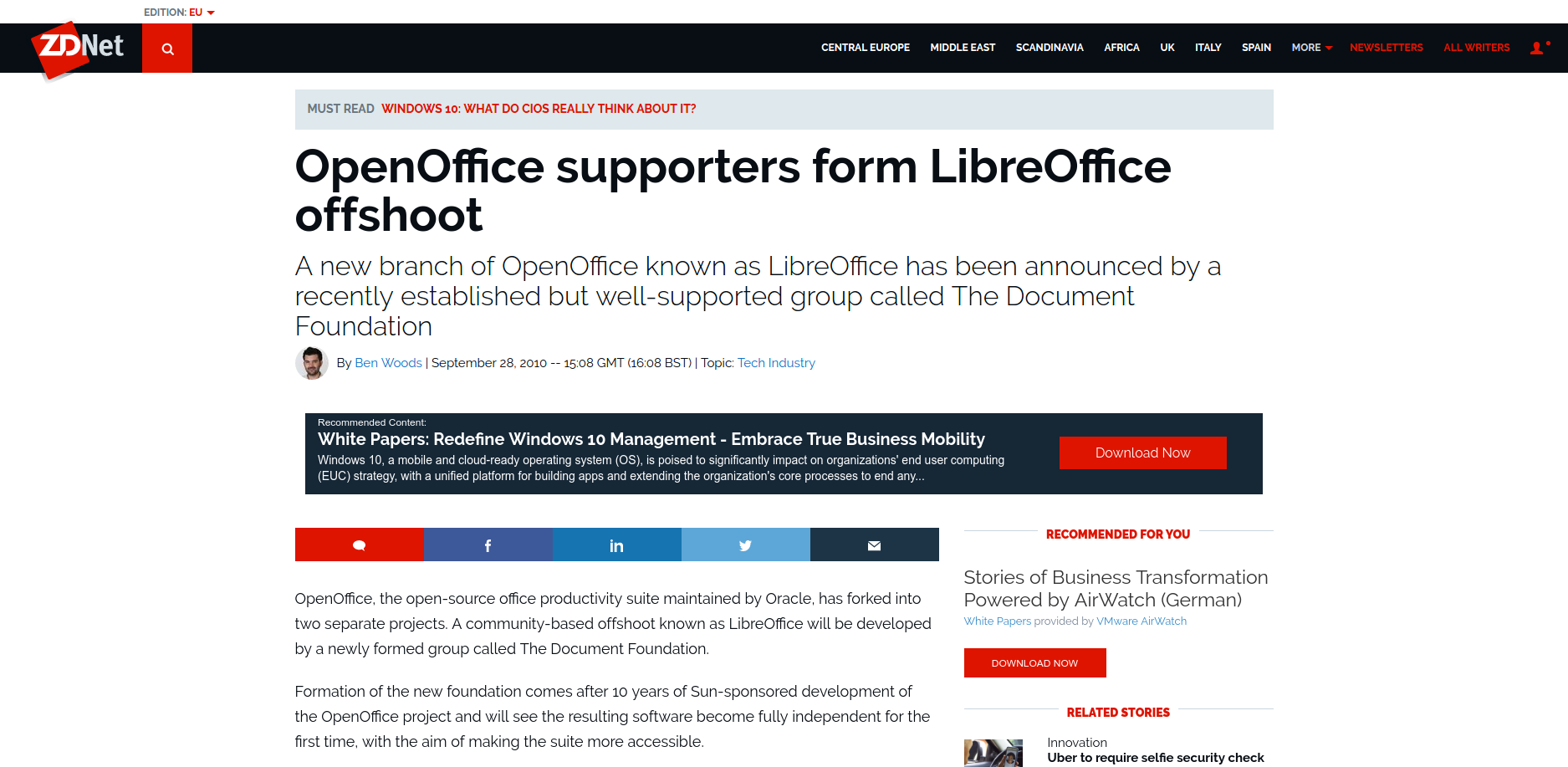
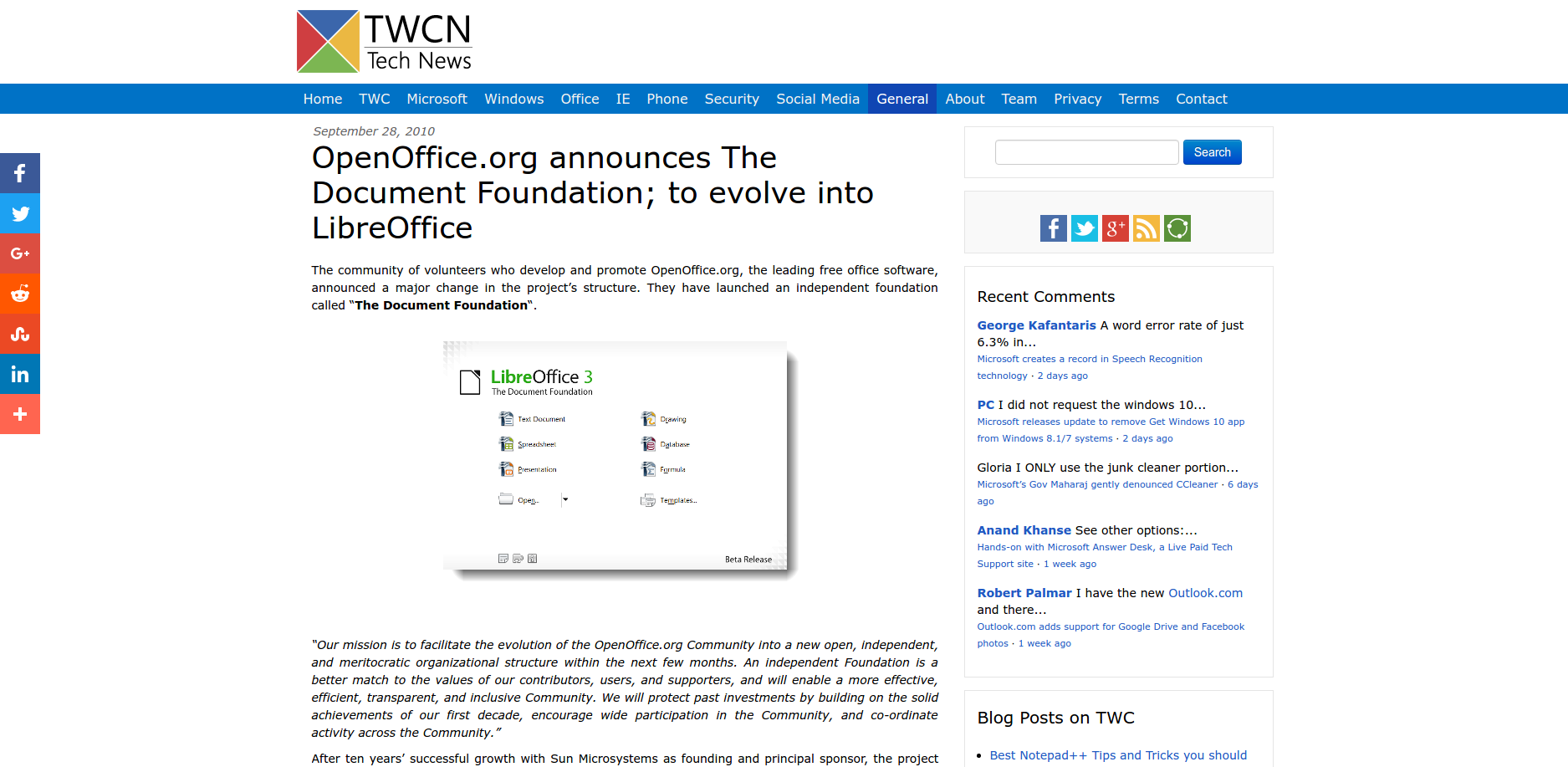
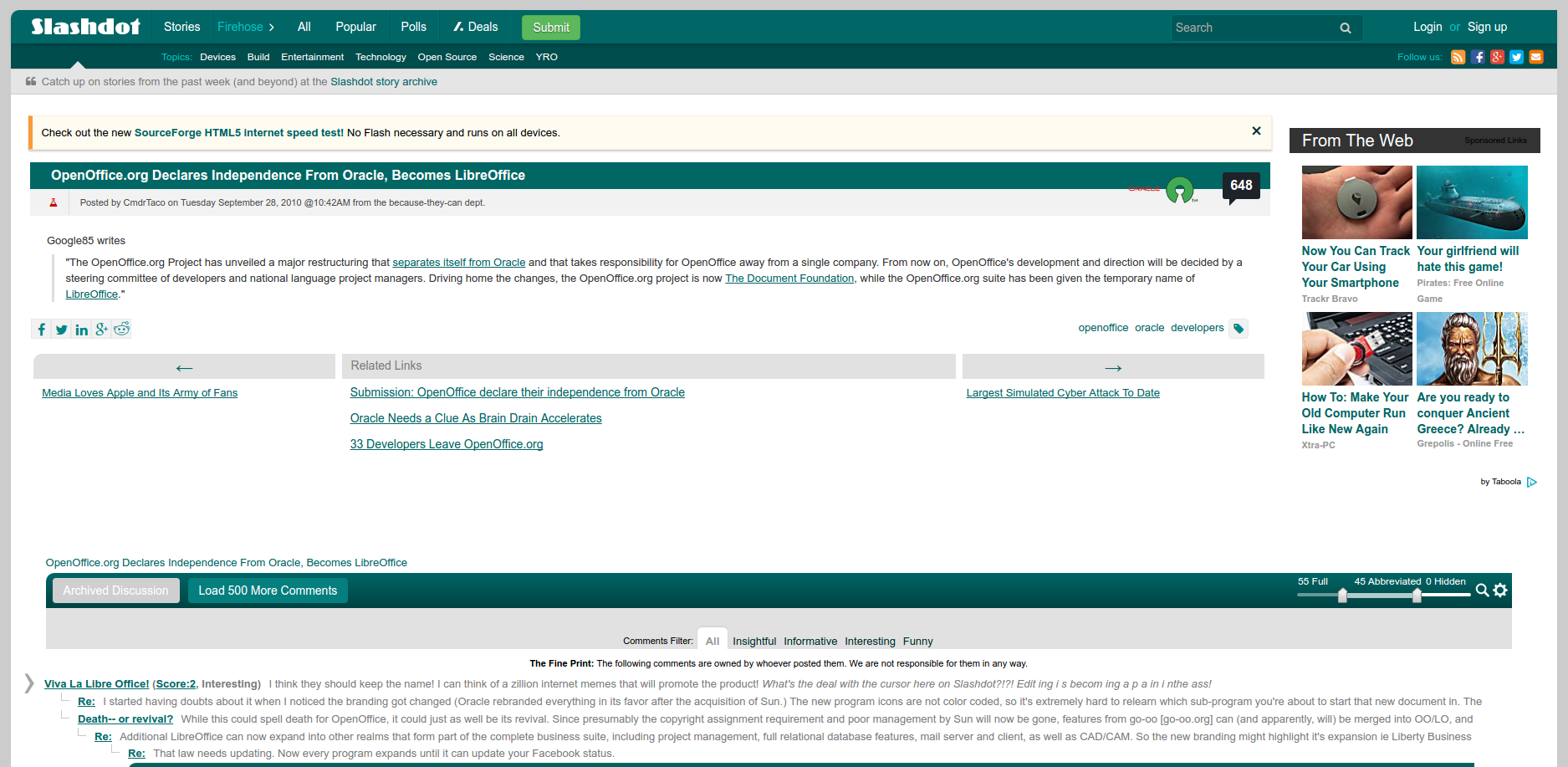
For people new to the project, this is a collection of the articles published on September 28, 2010, and still available on the net:
Every year, InfoWorld editors and contributors pick the top open source software for data centers, clouds, developers, big data analysts, and IT pros. LibreOffice has been selected amongst InfoWorld’s top picks in open source business applications, collaboration, and middleware.
According to Doug Dineley, InfoWorld’s Executive Editor: “Open source software projects continue to fuel an amazing boom in enterprise technology development. If you want to know what our applications, data centers, and clouds will look like in the years to come, check out the winners of InfoWorld’s Best of Open Source Awards”.

 Following the success of the LibreOffice Conference Telegram channel, we have asked our community – through an informal poll on the Telegram channel itself – if they wanted to keep the channel alive and change the name to LibreOffice Community. The feedback has been overwhelming, as 21 out of the 22 answers have been positive.


 Every year, InfoWorld editors and contributors pick the top open source software for data centers, clouds, developers, big data analysts, and IT pros.