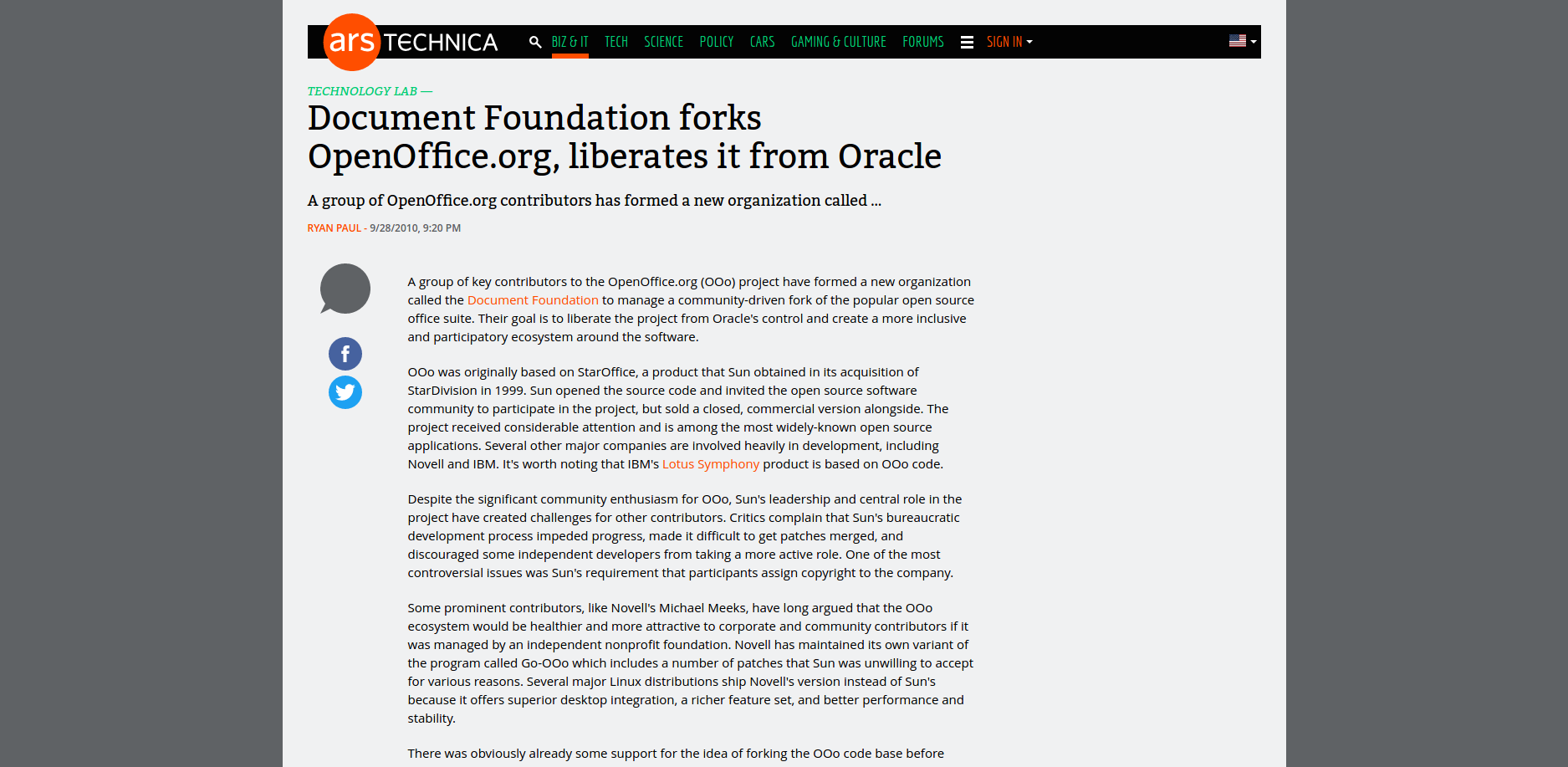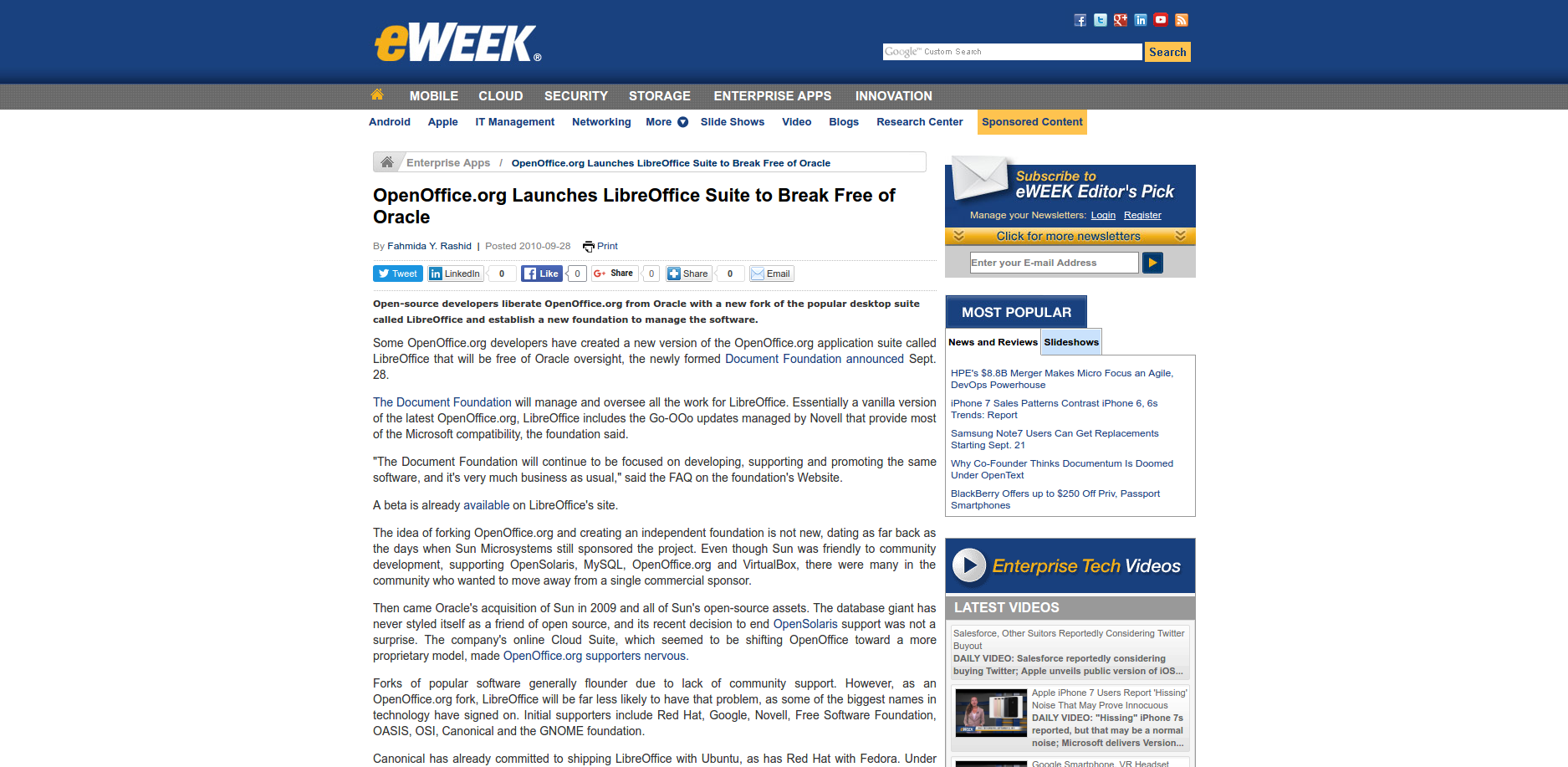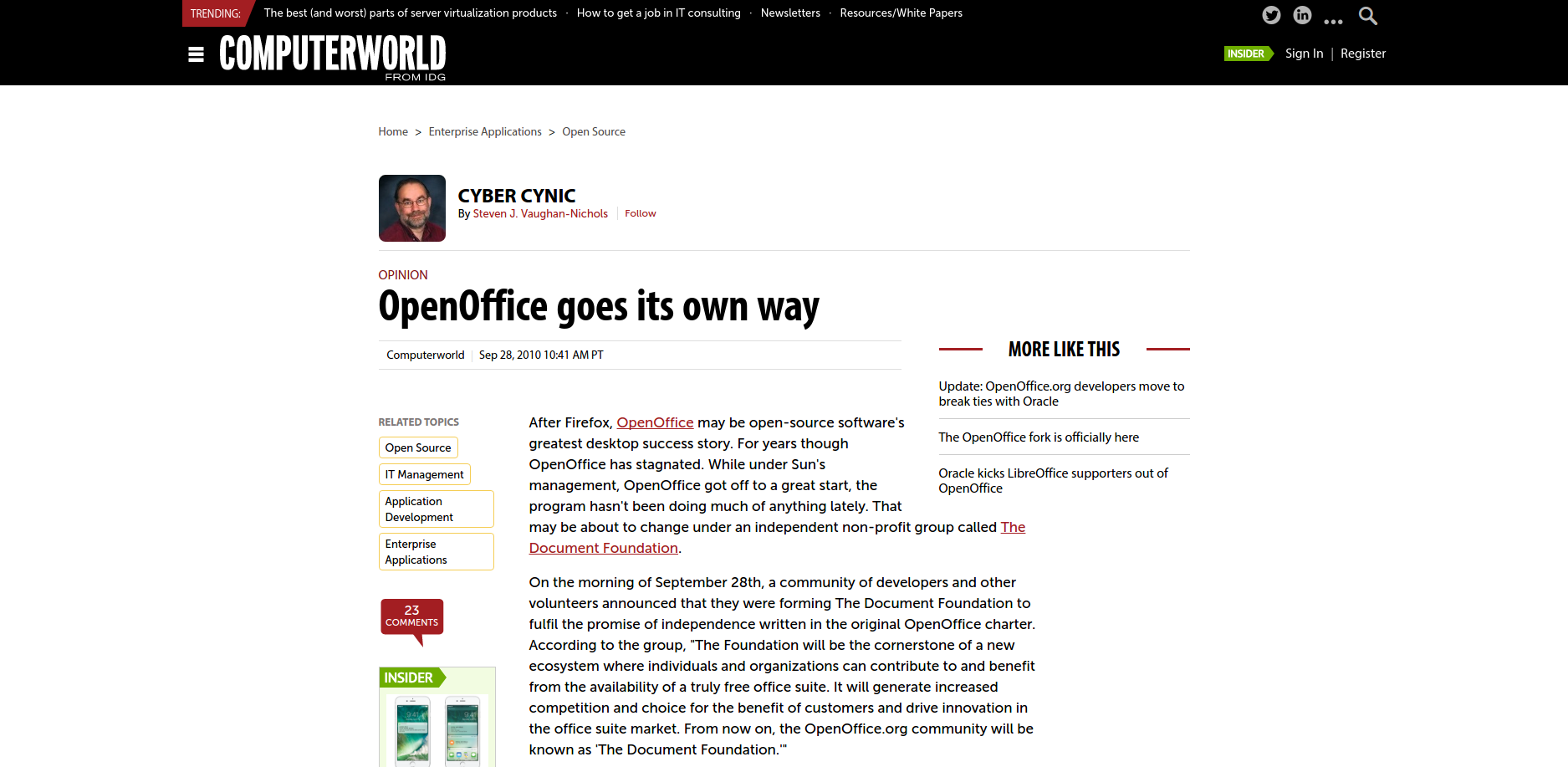
LibreOffice 5.1.4 available for download

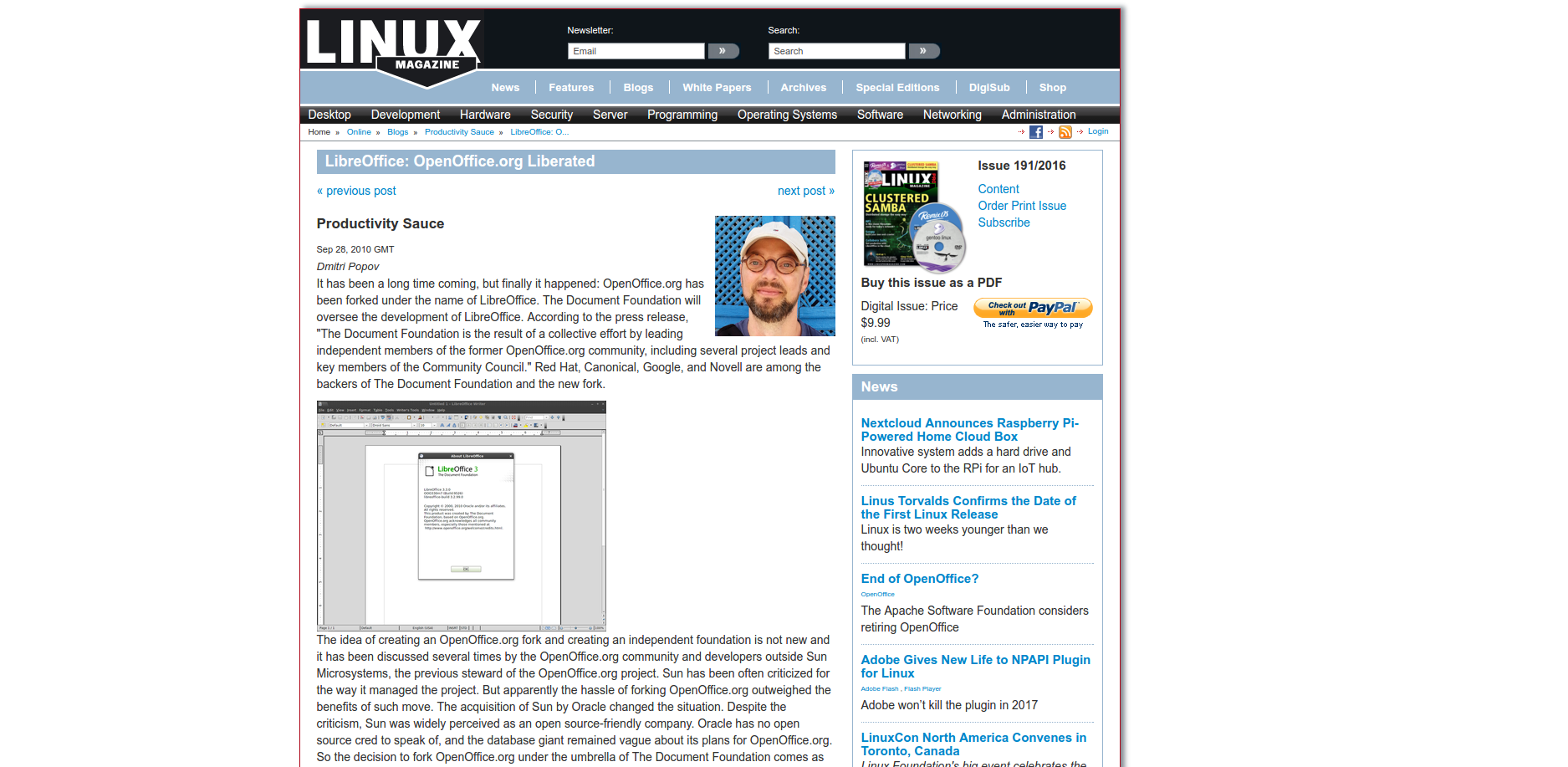
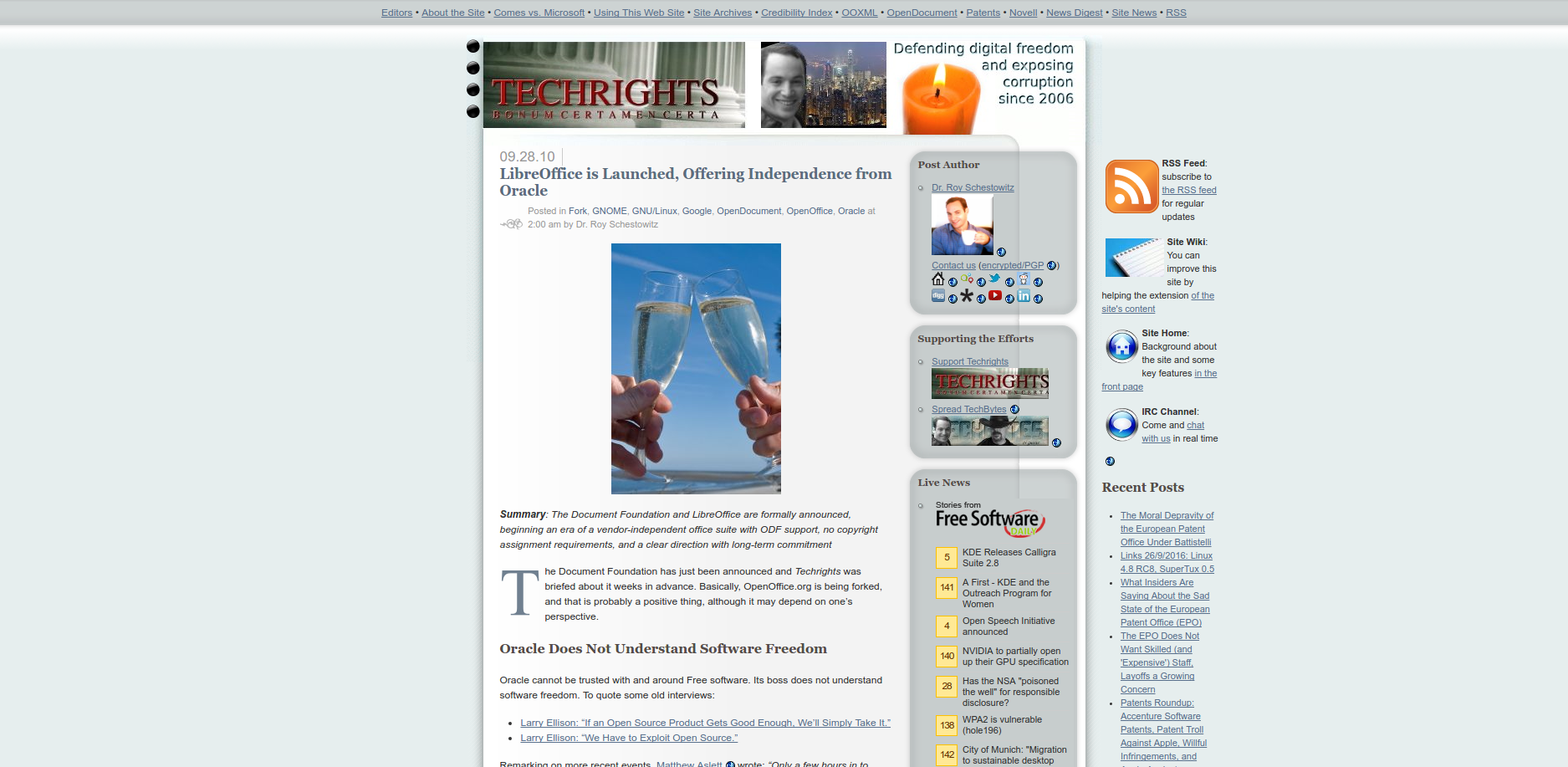
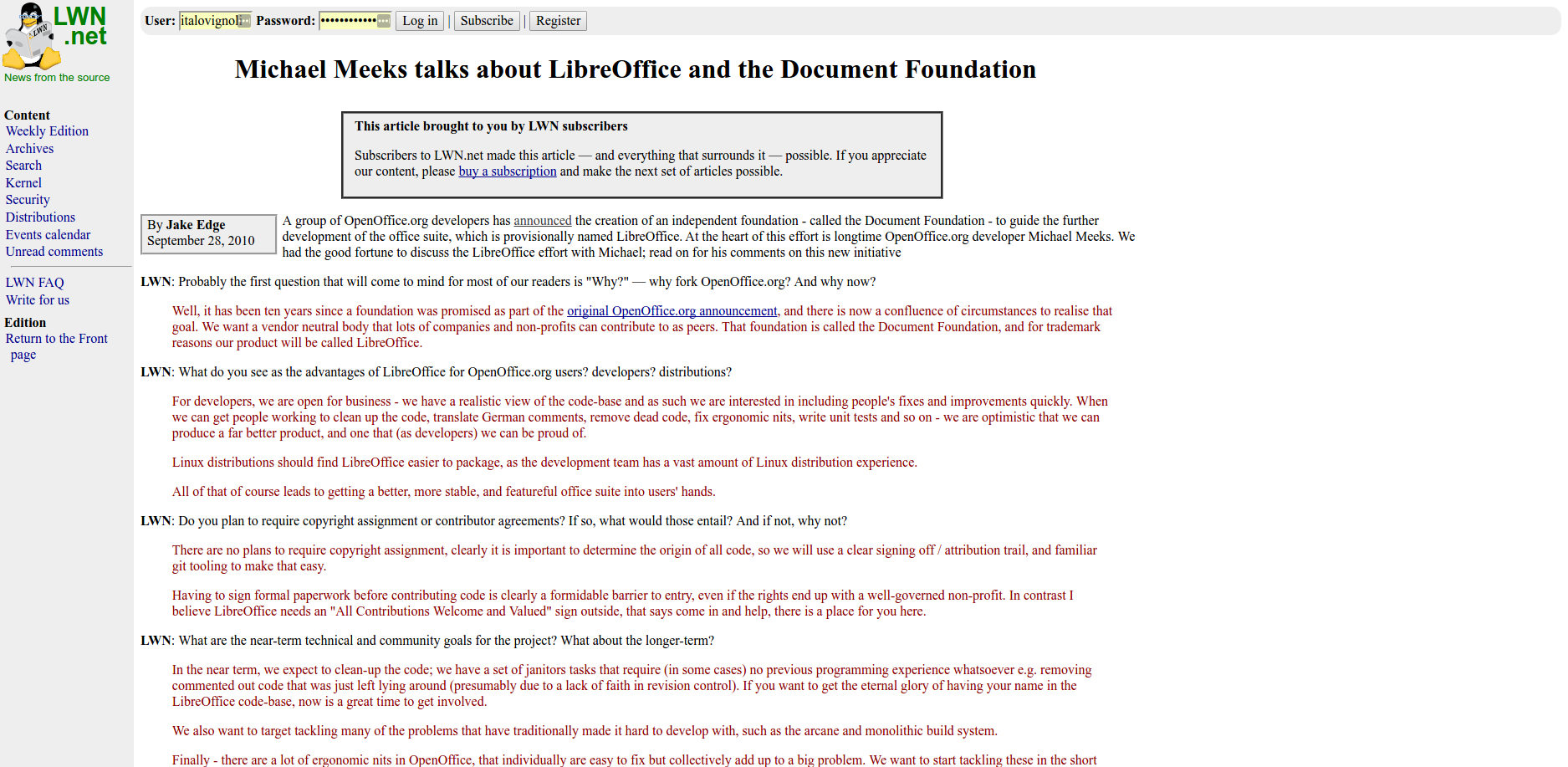
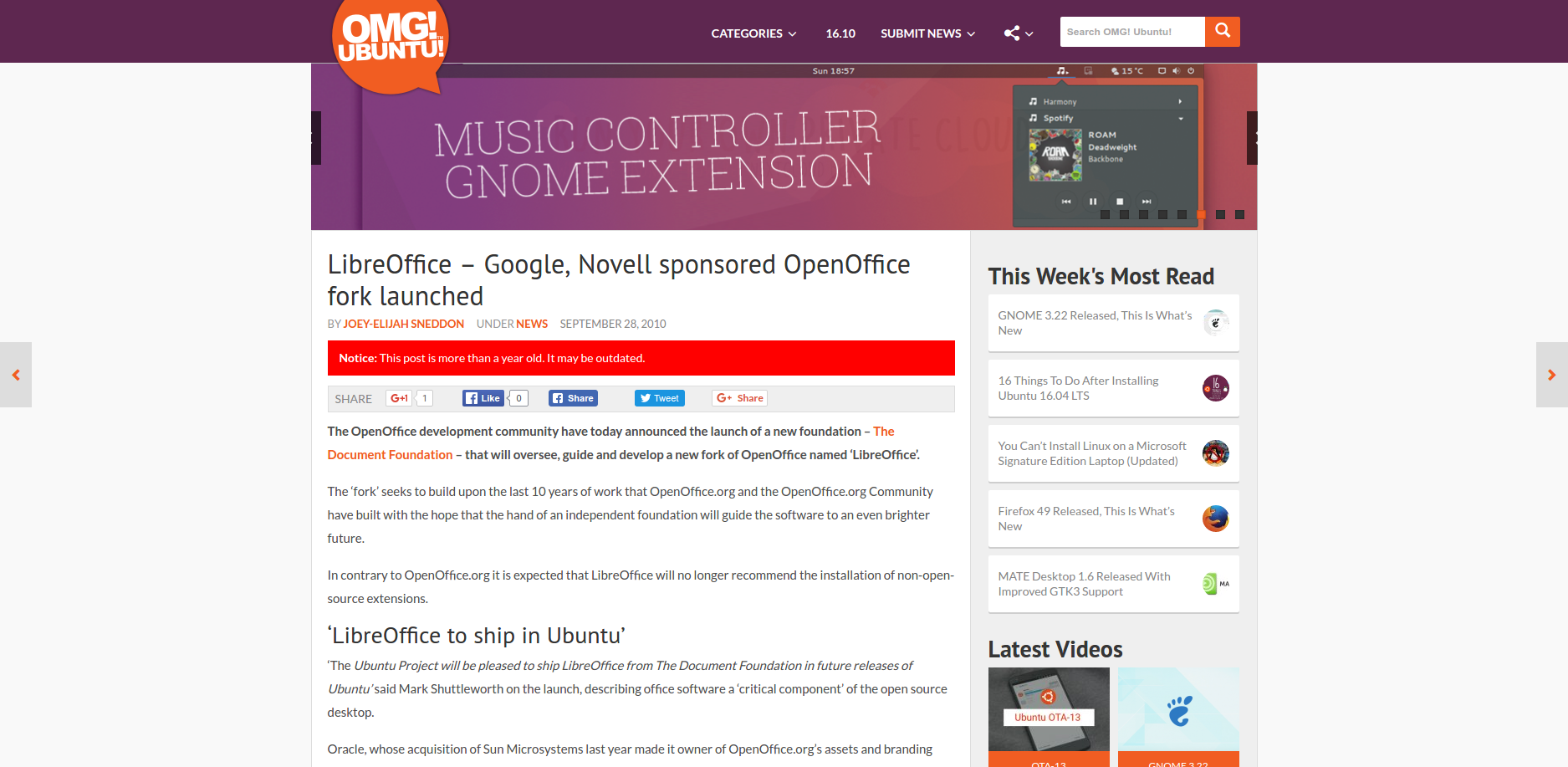
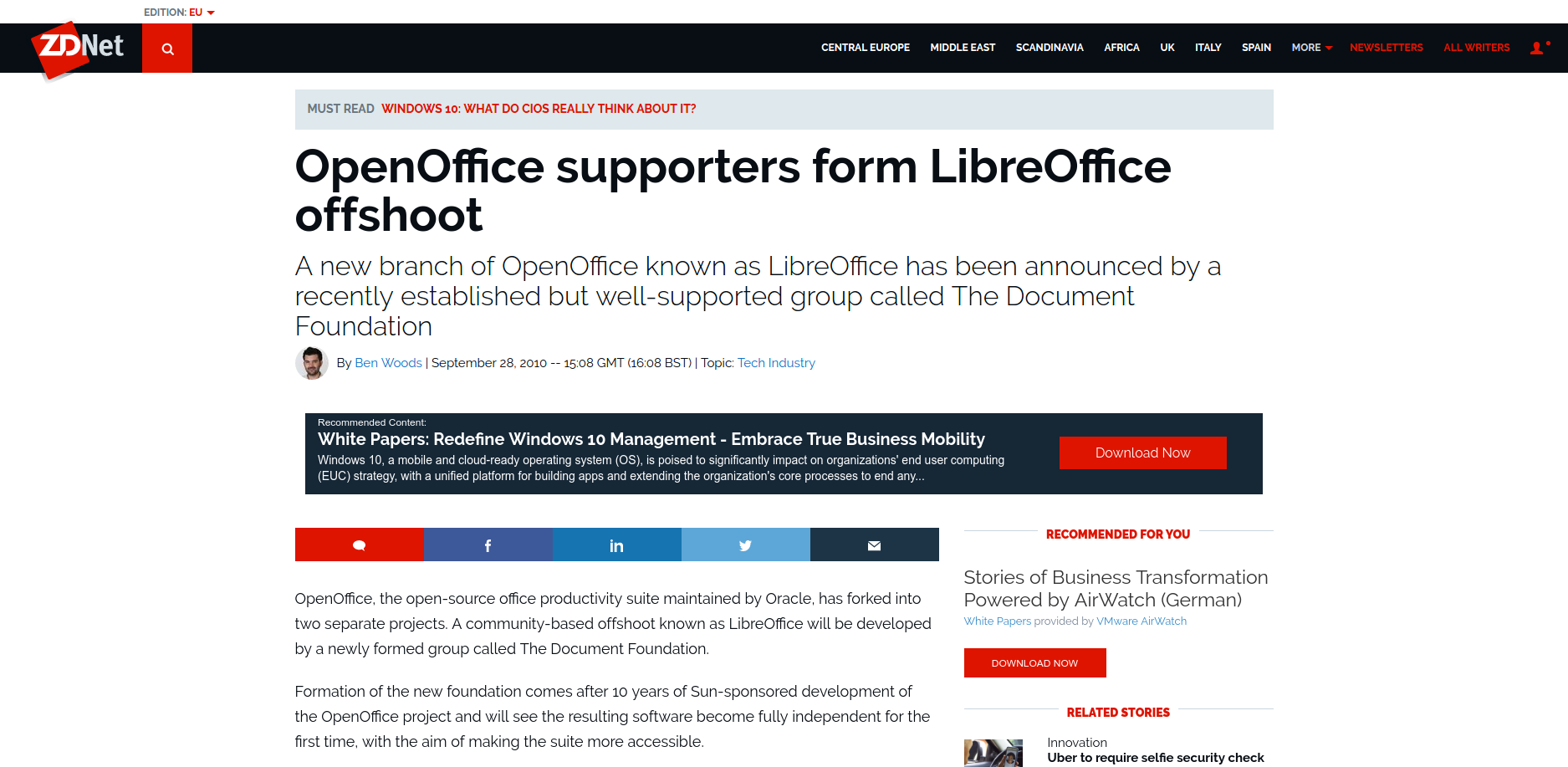
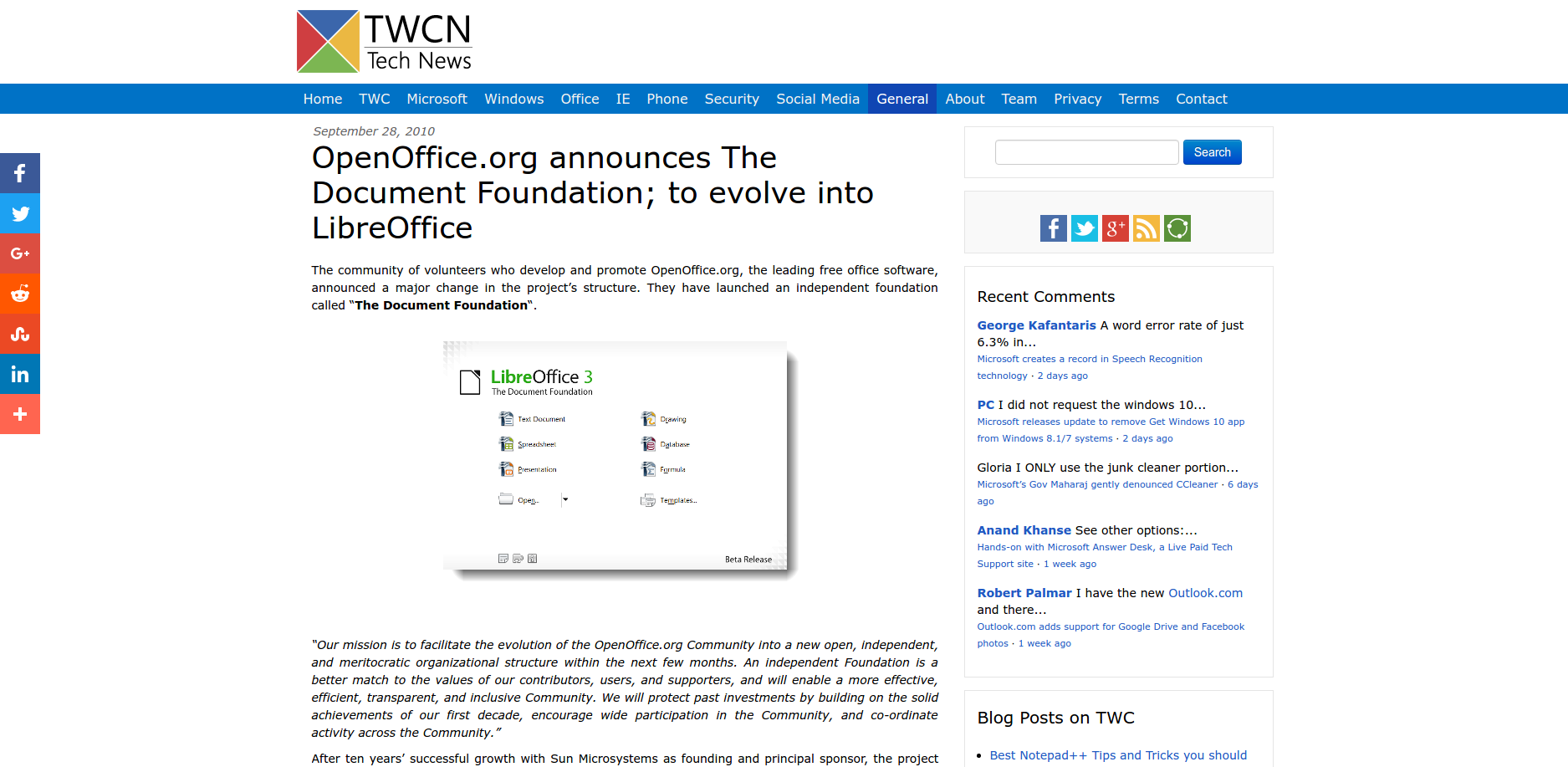
noun_23937Berlin, June 23, 2016 – The Document Foundation (TDF) announces LibreOffice 5.1.4, the fourth minor release of the LibreOffice 5.1 family, targeted at individual users and enterprise deployments. Users of previous LibreOffice releases should start planning the update to the new version.

For enterprise deployments, The Document Foundation suggests the backing of professional support by certified developers, migrators and trainers (the full list is available at: http://www.libreoffice.org/get-help/professional-support/).

People interested in technical details about the release can access the change log here: https://wiki.documentfoundation.org/Releases/5.1.4/RC1 (fixed in RC1) and https://wiki.documentfoundation.org/Releases/5.1.4/RC2 (fixed in RC2).

LibreOffice Conference

In 2016, LibreOffice Conference will be hosted by the Faculty of Information Technology at Brno University of Technology, and organized by OpenAlt, from September 7 to 9.

Details of Call for Papers, open until July 15, 2016, are available at: https://blog.documentfoundation.org/blog/2016/04/08/libreoffice-brno-conference-call-for-paper/. Registration for the conference is open at: http://conference.libreoffice.org/2016/registration/.

Download LibreOffice

LibreOffice 5.1.4 is immediately available for download from the following link: http://www.libreoffice.org/download/libreoffice-fresh/.

LibreOffice users, free software advocates and community members can support The Document Foundation with a donation at .

TDF Marketing Activity (and a Debian Bug Squashing Party!)

As we head towards the second half of the year – and an exciting new release of LibreOffice in August – I wanted to recap some work from the Marketing Team that I’ve been involved in over the last few months. But before that, I’d also like to say congratulations to the LiMux team for a great Debian Bug Squashing Party!

LiMux is a project by the City of Munich to transition away from proprietary software and closed document formats to free software and open standards. GNU/Linux and LibreOffice are key components in this migration, and on 27 – 29 May the LiMux offices hosted a Debian Bug Squashing Party. As the name suggests, this is a mini hackfest where developers work to fix bugs in the Debian GNU/Linux distribution (and related software).

LiMux is based on Kubuntu, which in turn builds on Debian’s mighty foundations; other developers associated with KDE, Kolab and LibreOffice were present as well. Lots of hacking was done and bugs fixed – but it was also a great opportunity just to chat about the state of LiMux, make new contacts, and try great food! The Indian dishes on the first evening were especially good…

Marketing updates

Moving on to Marketing at The Document Foundation: we’ve had a busy few months, attending the CeBIT show in Hannover with new flyers and other materials. Thanks to the ever-industrious community, we received audio translations for our LibreOffice 5.1 New Features videos – so there are now versions in French, German and Spanish. Following this, we started work on the 2015 Annual Report, a summary of last year’s news and activity inside The Document Foundation and LibreOffice. It will be online soon, so stay tuned to this blog!

The LibreOffice main website and The Document Foundation wiki are packed with useful information, but some of it is duplicated or slightly dated, so we’ve been going through both sites to perform cleanups and updates. In addition, we added a new page to track migrations to LibreOffice, a First Steps guide for potential contributors to the marketing project, along with a style guide. On the main website we updated the screenshots and added a new “Who uses LibreOffice?” page.

The Document Liberation Project (DLP) is another effort supported by The Document Foundation, and we’ve been working to raise awareness about its mission and spread the word. After talking with the teams at Inkscape and Scribus, both of those projects now feature DLP logos on their sites, while the DLP front page has been redesigned to more succinctly express what it does. On top of that, we made a short video summarising the DLP’s goals.

Month of LibreOffice

Most recently, we had our Month of LibreOffice campaign, highlighting activity across all areas of the software. Many people think that contributing to an open source project is all about code – but we’ve tried to show that it’s possible to help in other ways including translations, confirming bugs, writing documentation and simply spreading the word. We awarded over 330 badges, so thanks to everyone who got one, and we plan to do another campaign like this later in the year.

The next few months are going to be busy as well: LibreOffice 5.2 is due to be released in August with many new features, and then we’ll have our yearly conference in September. We hope to see you there!

Friday 24 June: Next Bug Hunting Session

Help to fix bugs in the next version of LibreOffice, and make it the best yet! As we mentioned last week, we are holding a Bug Hunting Session on Friday 24 June, from 07:00 to 20:00 UTC, and everyone is welcome to take part. All you have to do is:

And as thanks for your help, if you find or confirm a bug we’ll award you a shiny Badge that you can proudly show on your website, blog or social media. For more details, see the full Bug Hunting Session wiki page.

We hope to see you on Friday, at some point between 07:00 to 20:00 UTC – and thanks in advance for your help!

Document Liberation Project: progress so far in 2016

If you haven’t heard of the Document Liberation Project (DLP) before, we made a short video explaining what it does and why it’s important. In summary: it supports development of software libraries to read documents from many (usually proprietary) applications. If you’ve ever opened a file generated by Apple Pages, WordPerfect or Microsoft Works in LibreOffice, you’ve benefitted from the hard work of the DLP team. And DLP libraries are used in many other prominent FOSS tools such as Inkscape and Scribus as well.

For example, here’s a file being created in Apple Pages, and the same file being rendered in LibreOffice thanks to DLP libraries (click for a bigger version):

So, what has been going on in the DLP so far this year? Here’s an overview.

New releases

In January, libetonyek 0.1.6 was released with a bunch of new features. This library, which helps applications to read files produced by Apple Keynote, Pages and Numbers, can now properly parse links, lists and text languages in Keynote 6 files, while resizing of tables is handled properly. Text containing non-ASCII characters (ie, the majority of non-English languages) is now managed much better as well.
Scribus 1.5.1 was released in February, as part of the development process towards a stable 1.6 release of this desktop publishing tool. Along with many new features and updates, Scribus 1.5.1 makes use of the libfreehand 0.1.1 library, which allows it to read documents created in Adobe FreeHand. This feature is still marked as experimental – as it’s very early days – but is already working well and will be very useful to some Scribus users.

March saw the release of two other DLP libraries: libpagemaker 0.0.3 (for parsing Adobe PageMaker documents) can now read big-endian (Mac) files, while writerperfect 0.9.5 (for conversion of various document formats to ODF, EPUB and AbiWord) includes a number of build fixes and can also convert old StarOffice files.

Website updates

In order to make the goals of the Document Liberation Project clear and accessible, and attract potential new contributors, we redesigned the front page of the DLP website. We broke up the big chunks of text that used to dominate the front page, and added logos and links to several projects that use DLP libraries.

Here’s a before-and-after comparison:

In addition, we added a link to the aforementioned video that describes DLP and tries to make it accessible to a wider audience. As more and more computer users recognise the downsides of non-standard file formats and vendor lock-in, projects like the DLP will become increasingly important.

Get involved!

DLP is always looking for new contributors, and appreciates all help with coding, testing and documentation. If you enjoy programming and tackling new challenges, creating a new import library can be especially rewarding! Fathoming out the insides of a closed file format is fascinating, and you’ll get plenty of appreciation from users in the future who can finally open their old documents without struggling to run ancient software in a virtual machine…

So to join, visit the contributor page for pointers to get started.

The Document Foundation and GNOME Foundation to tighten their relationship, by exchanging seats in their Advisory Boards

gnome-logosBerlin, June 16, 2016 – The Document Foundation and GNOME Foundation have decided to tighten their relationship, in a move intended to create stronger ties between the two communities, and to foster the integration between LibreOffice and one of the most popular desktop environments for Linux.

The GNOME Foundation is a non-profit organization that furthers the goals of the GNOME Project, which is composed of both volunteers and paid contributors, helping it to create a free software computing platform for the general public that is designed to be elegant, efficient, and easy to use.

GNOME is a desktop environment that is composed entirely of free and open source software, targeting Linux but also supported on most derivatives of BSD. Since the release of GNOME 3.0, the GNOME Project has focused on the development of a set of programs known as the GNOME Core Applications, for the adherence to the current GNOME HUD guidelines and the tight integration with underlying GNOME layers.

“The GNOME Foundation oversees one of the cornerstones of the FLOSS desktop, and we are extremely happy to work with them on an organizational level to improve the desktop software experience and user interface. We can also learn from each other, as we are both based on volunteer-driven governance,” says Michael Meeks, Director, The Document Foundation.

“GNOME and LibreOffice both aim to bring competitive Free Software products to as many people as possible. Our growing partnership will help us to further this mission, by increasing cooperation and sharing information, expertise and best practices. We’re excited about this new chapter in the relationship between the two projects!”, says Shaun McCance, President of the Board of GNOME Foundation.

About GNOME Foundation

The nonprofit GNOME Foundation is an independent organization committed to supporting the advancement of the GNOME Project and software freedom. It provides financial, organizational and legal support to the GNOME Project and helps determine its vision and roadmap. GNOME software is used by millions of people around the world. More information about GNOME and the GNOME Foundation can be found at www.gnome.org.

KDE e.V. joins advisory board of The Document Foundation

ev_largeBerlin, June 16, 2016 – The Document Foundation announces that KDE e.V. is joining the organization’s Advisory Board, and at the same time The Document Foundation joins KDE’s group of advising community partners as an affiliate.

KDE is creating Free Software since 1996 and shares a lot of values around Free Software and open document formats with The Document Foundation, and brings the experience of running a Free Software organization for almost two decades to their advisory board.

Both organizations are working in the OASIS technical committee for the OpenDocument format, and also collaborate on common aspects of development of office software, such as usability and visual design. The affiliation of KDE and The Document Foundation at an organizational level will help to move forward with the shared goal of giving end users control of their computing needs through Free Software.

“The KDE project is one of the essential pieces of the FLOSS desktop initiative, and we are most happy to liaise with them now also on an organizational level. Beyond the shared goal of liberating people’s software experience, there is also lots of synergies to explore in areas ranging from document filter technologies to volunteer-driven governance,” says Thorsten Behrens, member of the board at The Document Foundation.

Lydia Pintscher, President of KDE e.V., says: “KDE has been one of the first Free Software non-profit organizations incorporated according to German law. We are happy to share some of the things we learnt over the many years we are running KDE now. Free software and open formats are two of the cornerstones which unite us with many other organizations, such as The Document Foundation, working on establishing freedom for users of digital devices everywhere. In order to achieve our vision of a world in which everyone has control over their digital life and enjoys freedom and privacy, we need strong partnerships with like-minded organizations like The Document Foundation.”

About KDE e.V.

KDE e.V. is a registered non-profit organization that represents the KDE Community: an international technology team dedicated to creating a free and user-friendly computing experience, offering an advanced graphical desktop, a variety of applications for communication, work, education and entertainment, and a platform to easily build new applications upon. More information about KDE and KDE e.V. can be found at www.kde.org.