This year’s conference starts in two days, in Pordenone, northern Italy – and we’re getting ready. It’s not too late to register and join us!
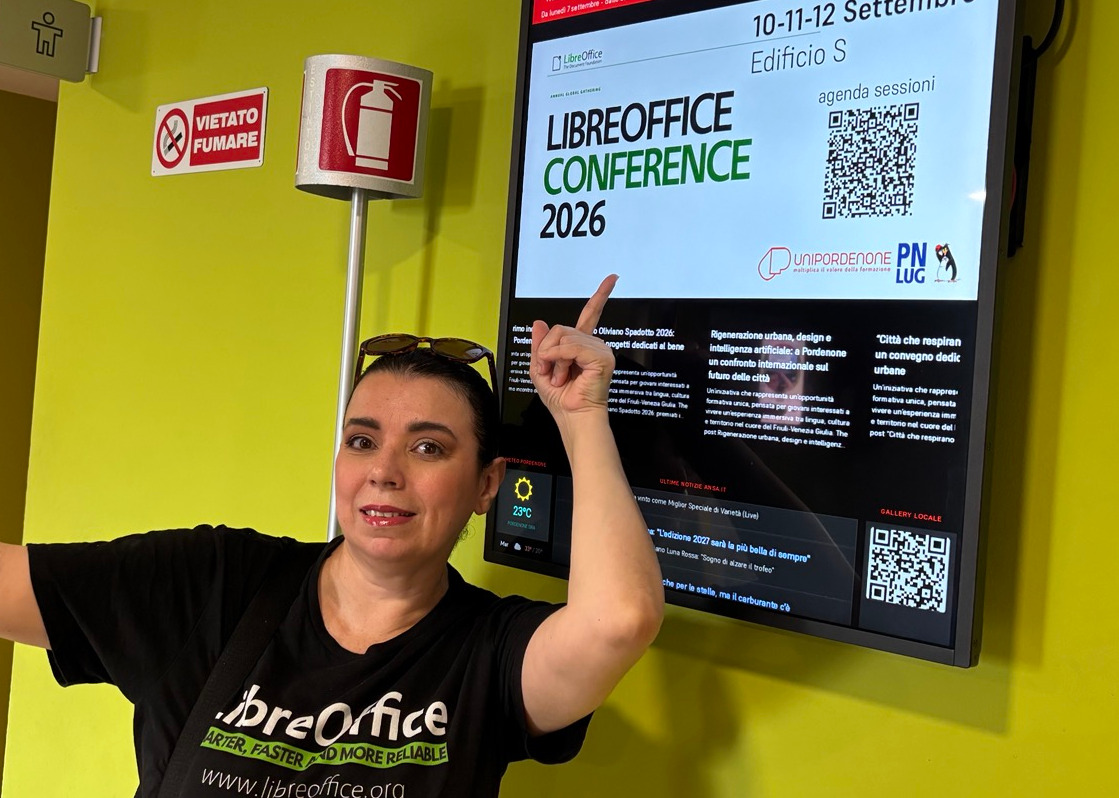
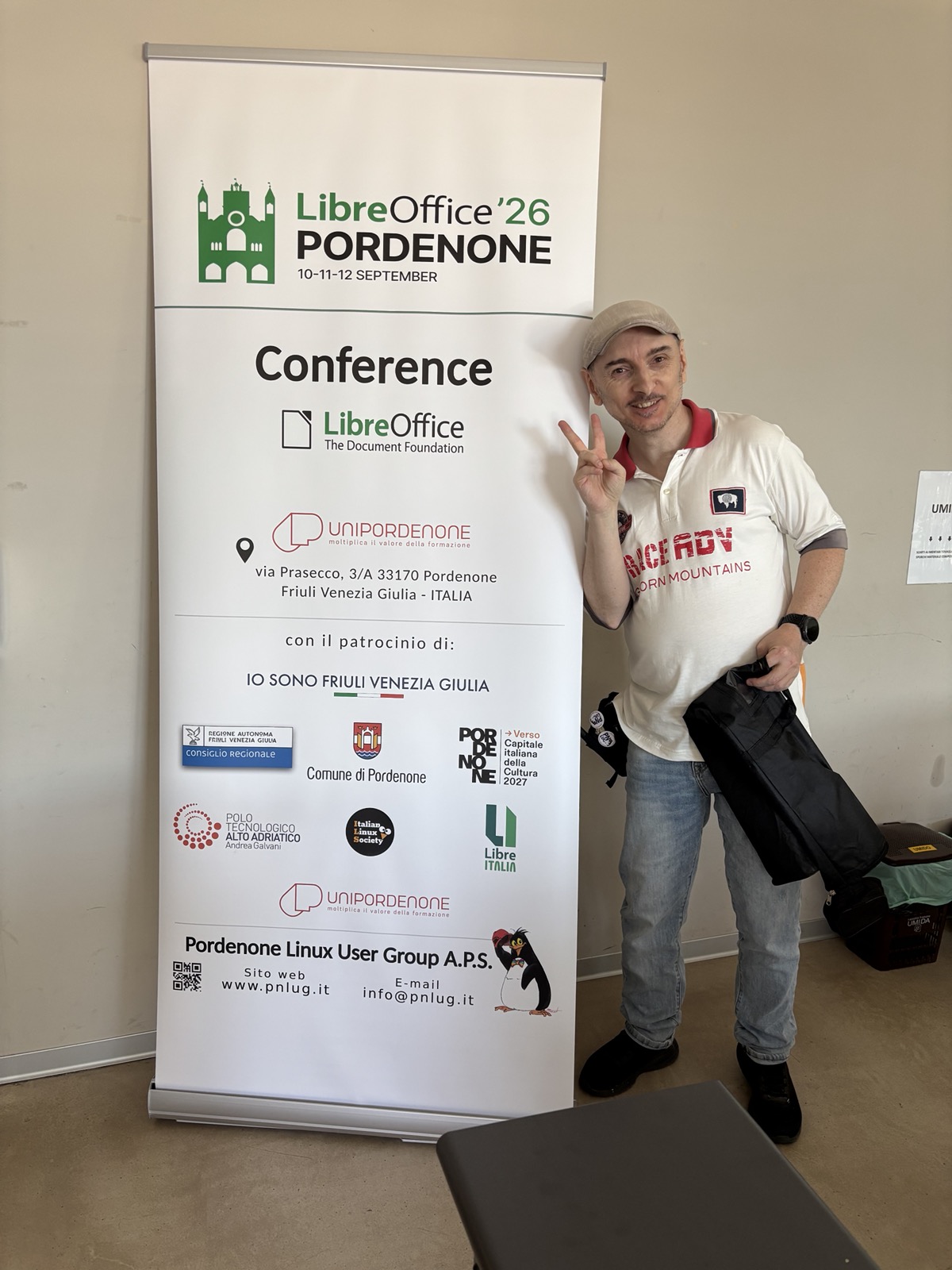
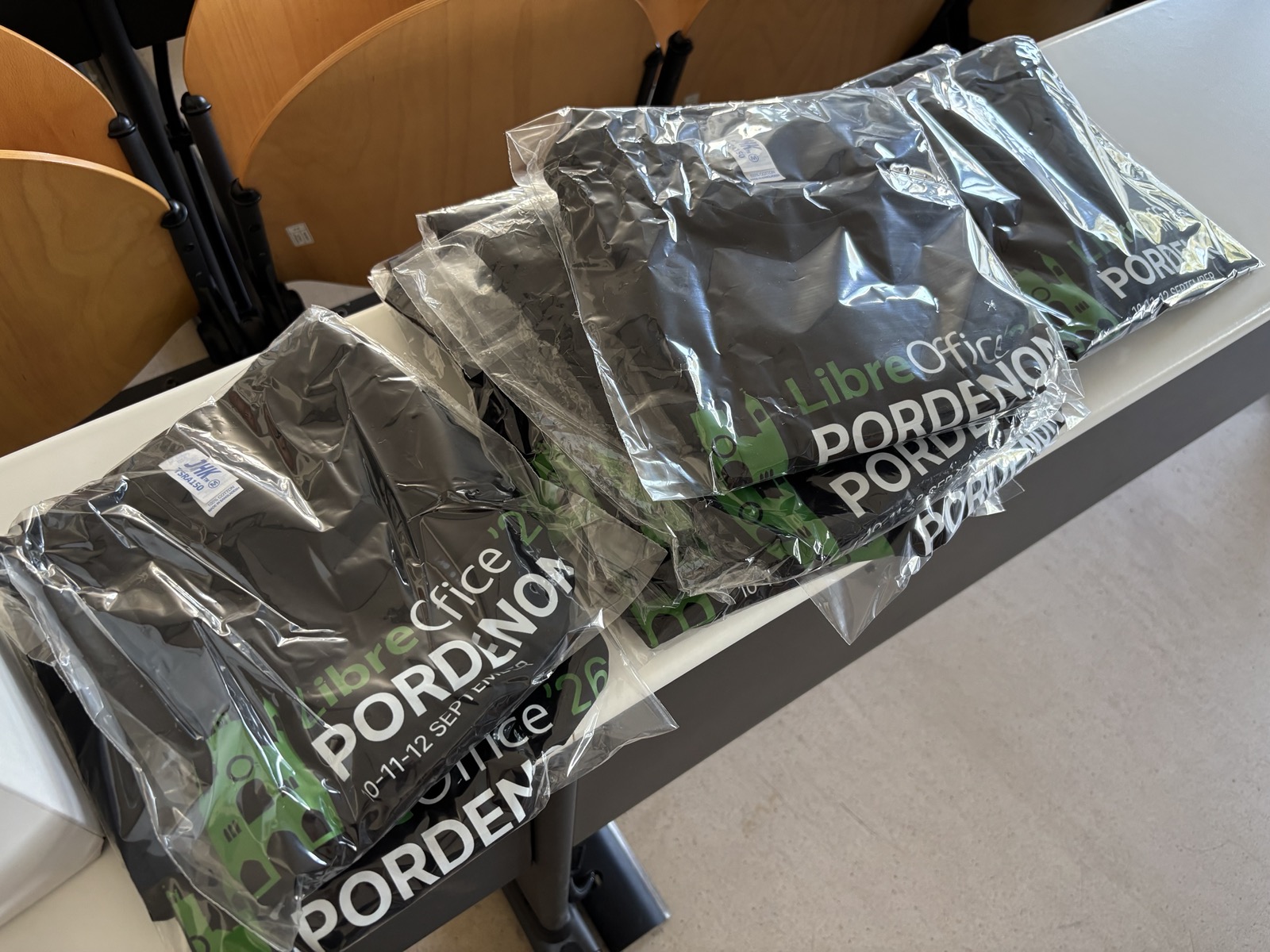
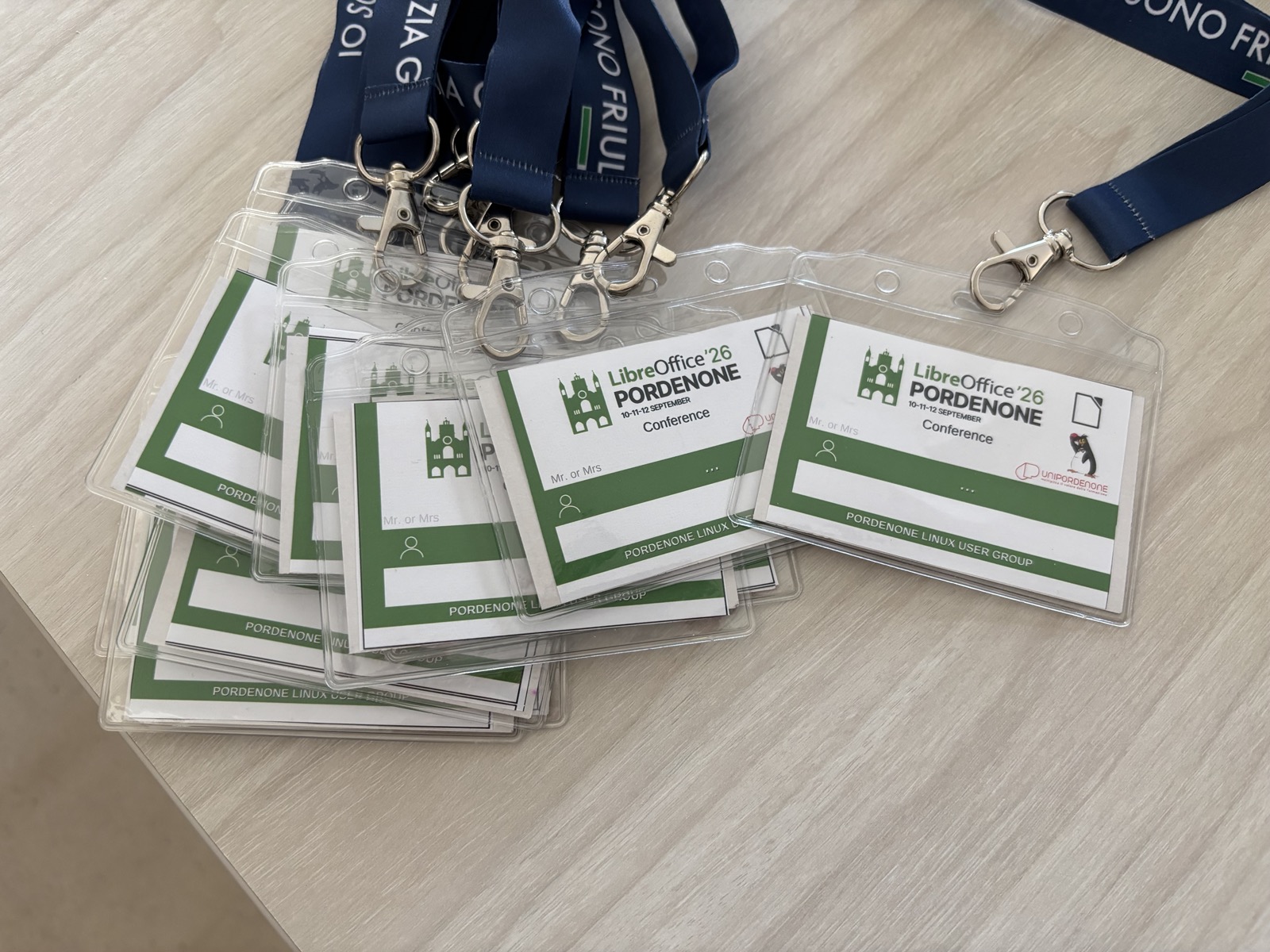
This year’s conference starts in two days, in Pordenone, northern Italy – and we’re getting ready. It’s not too late to register and join us!
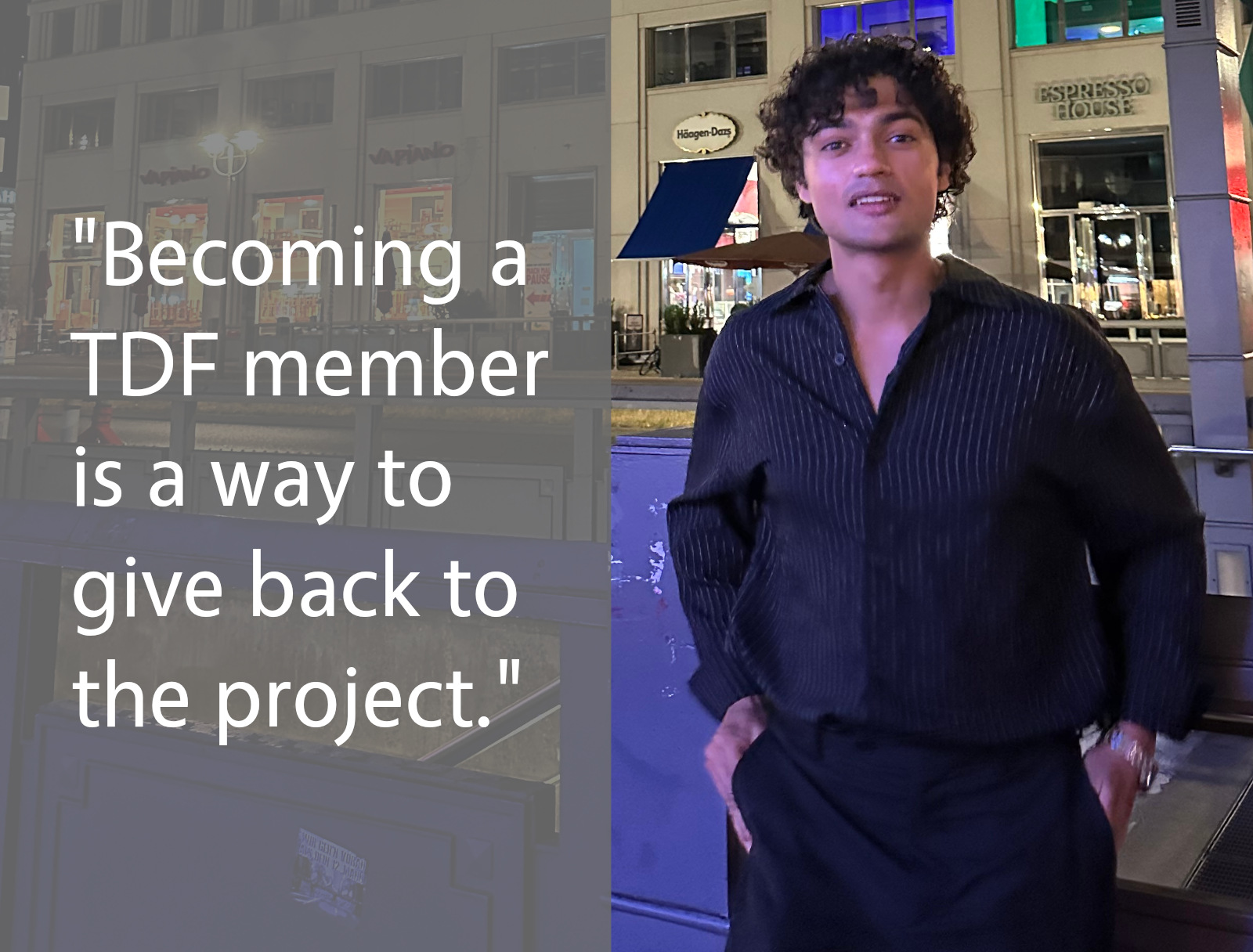
The Document Foundation is the non-profit organisation that coordinates the LibreOffice community. Anyone who contributes to the project can apply to become a member of the foundation, and join the over 200 existing members. We’ve also partnered with TUXEDO, a laptop vendor based in Germany that offers Linux-powered machines, to offer TDF members a 3% discount. The laptops include LibreOffice, of course, and have the option of a special LibreOffice key.
Annika Litzel from TUXEDO says:
We’re very excited to continue our collaboration with The Document Foundation and LibreOffice! As a manufacturer that has always been committed to Linux and Open Source, supporting projects and communities that help build a free and independent digital ecosystem is especially important to us. With this continued partnership, we want to provide a direct benefit to TDF members while strengthening our shared vision: powerful hardware, Linux, and free software should work seamlessly together – without unnecessary dependencies and with a strong focus on privacy and digital sovereignty. A big thank you to The Document Foundation for their continued trust and for this great collaboration!
Find out more about TUXEDO here, and apply to become a member of TDF on this page.
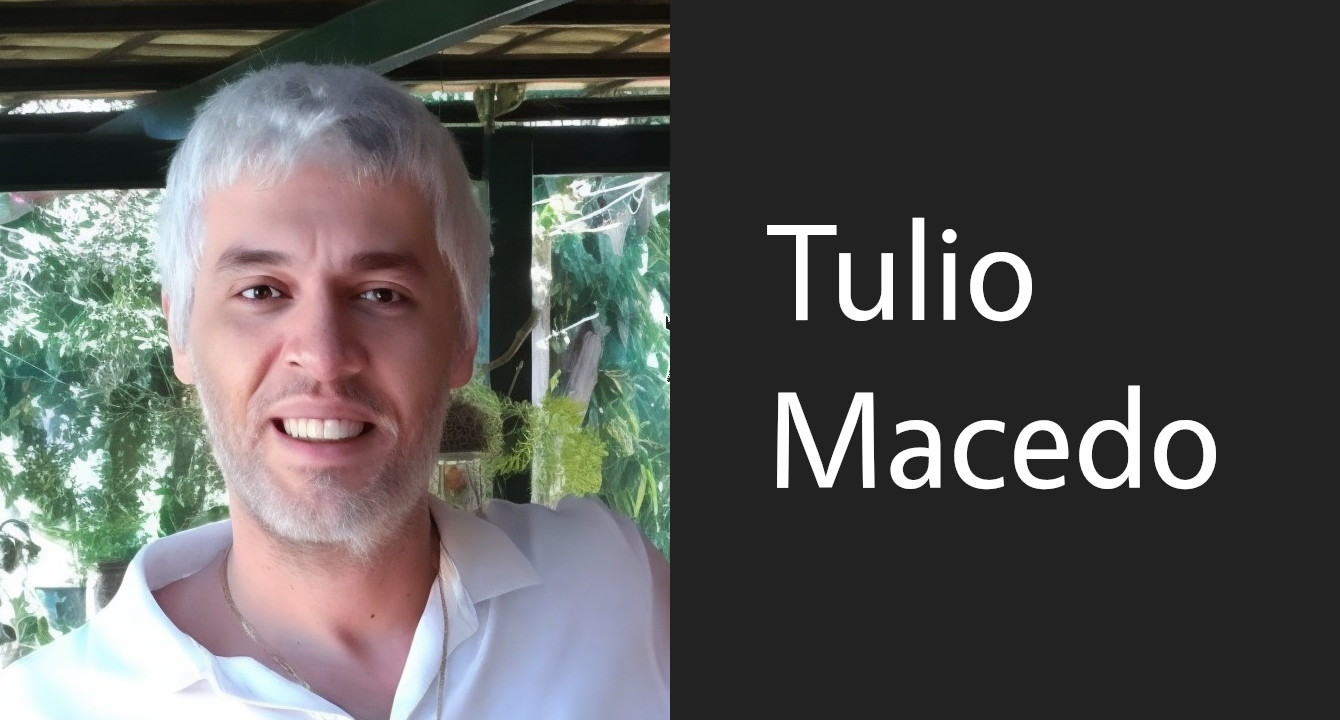
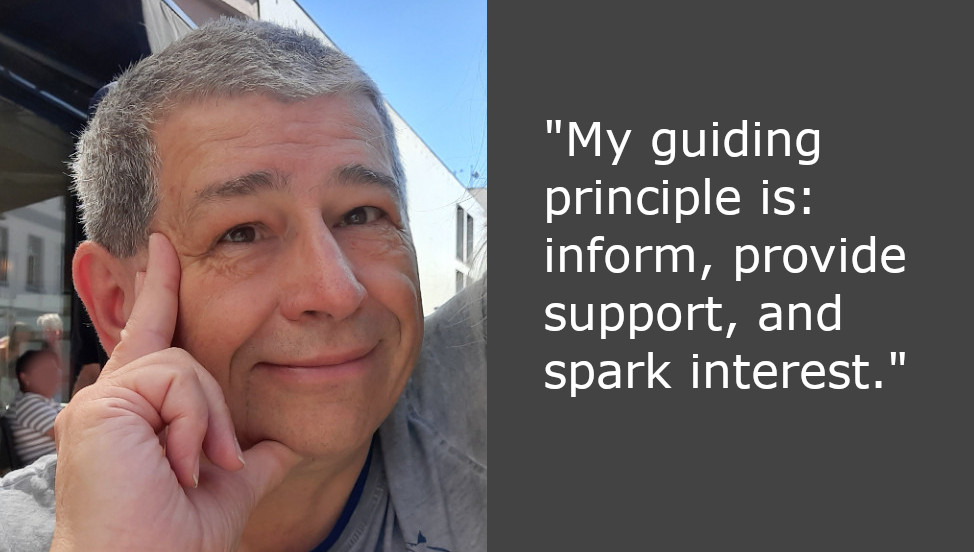
I’m a member of the Brazilian documentation team, officially since 2017. I spent most of that time working on translation and localisation, but lately I’ve been working more on web design, like the Bookshelf project and the online help update. I’d also worked on translation and localisation in other projects before, like the XOOPS CMS and the Fedora project, where I started as an ambassador back in 2008.
I’m a federal public servant in Brazil, and I’ve taken part in some initiatives to use free software in government, but I don’t make decisions at that level, so there’s little I can do to push the adoption of free software where I work. My personal use and choice of tools leans toward free software whenever there’s a choice, but there aren’t many choices.
The online help update has been getting some attention, and I’ve been able to contribute to modernising it and using standards that are more accessible and responsive, along with a more modern look that has more appeal. We have a weekly meeting in the Brazilian community where we keep up with the team’s efforts, propose new ideas, and adopt workflows that help the project.
One thing that took me a while was getting past the initial barrier to contributing bug reports or submitting code via Git — every organisation has its own way of doing things, and some have more hurdles than others. Once you get past that initial barrier, things get a lot easier.
Our weekly meeting helps a lot with that — we talk regularly, and that goes a long way toward solving problems and bringing members closer together. We’ve had some in-person meetings at events like the conference held in Brasília in 2022 and some hackathons, and we plan to have more of these gatherings, which tend to be quite productive and enjoyable too.
Personally, I’ve been using the suite since it was called StarOffice, when it was pretty much the only really useful office suite for Linux at the turn of the millennium. Then came OpenOffice, which in Brazil ended up being named BrOffice, and finally LibreOffice.
My honest opinion is that it’s the most complete office suite available on the market, and I’m glad it’s an open source tool, which is my preference for any software. These days I use office suites a lot less because of the tasks I usually do on the computer — it’s rarely necessary — but I still keep up-to-date, even through translating the help, which shows new features in LibreOffice to anyone who pays attention.
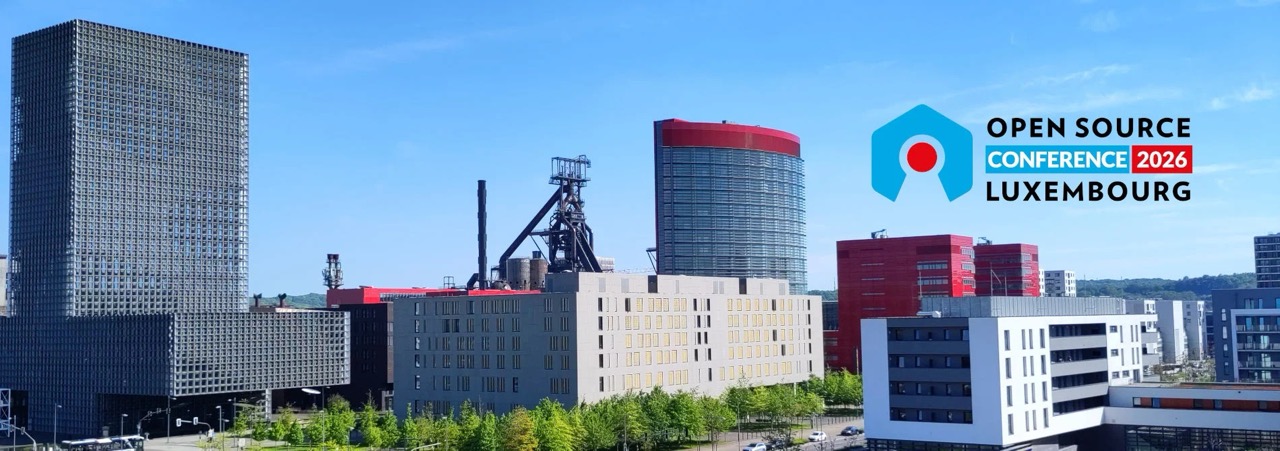
We’re gearing up for the LibreOffice Conference 2026 next week in Pordenone, northern Italy – but there are more events in the pipeline too.
At the Open Source Conference Luxembourg 2026, which takes place on October 7, there will be two talks from Florian Effenberger, Executive Director at The Document Foundation, around the topics of LibreOffice:
Keep an eye on the conference website for more details and videos of the talks.
One week ago, we announced LibreOffice 26.8, our brand new major update. It’s full of new features, and has many improvements to compatibility and performance too. So, what has happened in the week since then? Let’s check out some statistics…
This is the highest number of downloads in the first week of any LibreOffice release! These are just stats from our official downloads page, of course – many Linux users will have acquired the new release via their distribution’s package repositories.
Combining our Mastodon, Bluesky, X/Twitter (not used so much now) and Facebook posts about the announcement, and all the likes, shares, views and comments, we get over 50,000. Thanks to everyone who spread the word on social media! 😊
Our “LibreOffice 26.8 – New Features” video (shown below), has subtitle translations in 32 languages, thanks to our worldwide community, who localised the video on this page. (The video is also available on PeerTube.)
Please confirm that you want to play a YouTube video. By accepting, you will be accessing content from YouTube, a service provided by an external third party.
If you accept this notice, your choice will be saved and the page will refresh.
Many thanks to our worldwide community of volunteers, and certified developers, for all their work on this release 😊
Here’s our summary of updates, events and activities in the LibreOffice project in the last four weeks – click the links to learn more…
Please confirm that you want to play a YouTube video. By accepting, you will be accessing content from YouTube, a service provided by an external third party.
If you accept this notice, your choice will be saved and the page will refresh.