The 14th Anniversary of Our Foundation

17 February 2026 marks the 14th anniversary of The Document Foundation’s recognition as a non-profit organisation under German law. The foundation is focused on developing free and open-source software for individual productivity.

This focus has guided the development of LibreOffice and the software tools for liberating proprietary formats released by the Document Liberation Project. These tools are used by LibreOffice and other open-source and proprietary software.

This growth would never have been possible without the invaluable contributions of the many individuals and companies that have been involved over the years. Today, we celebrate this important milestone and prepare for further growth.

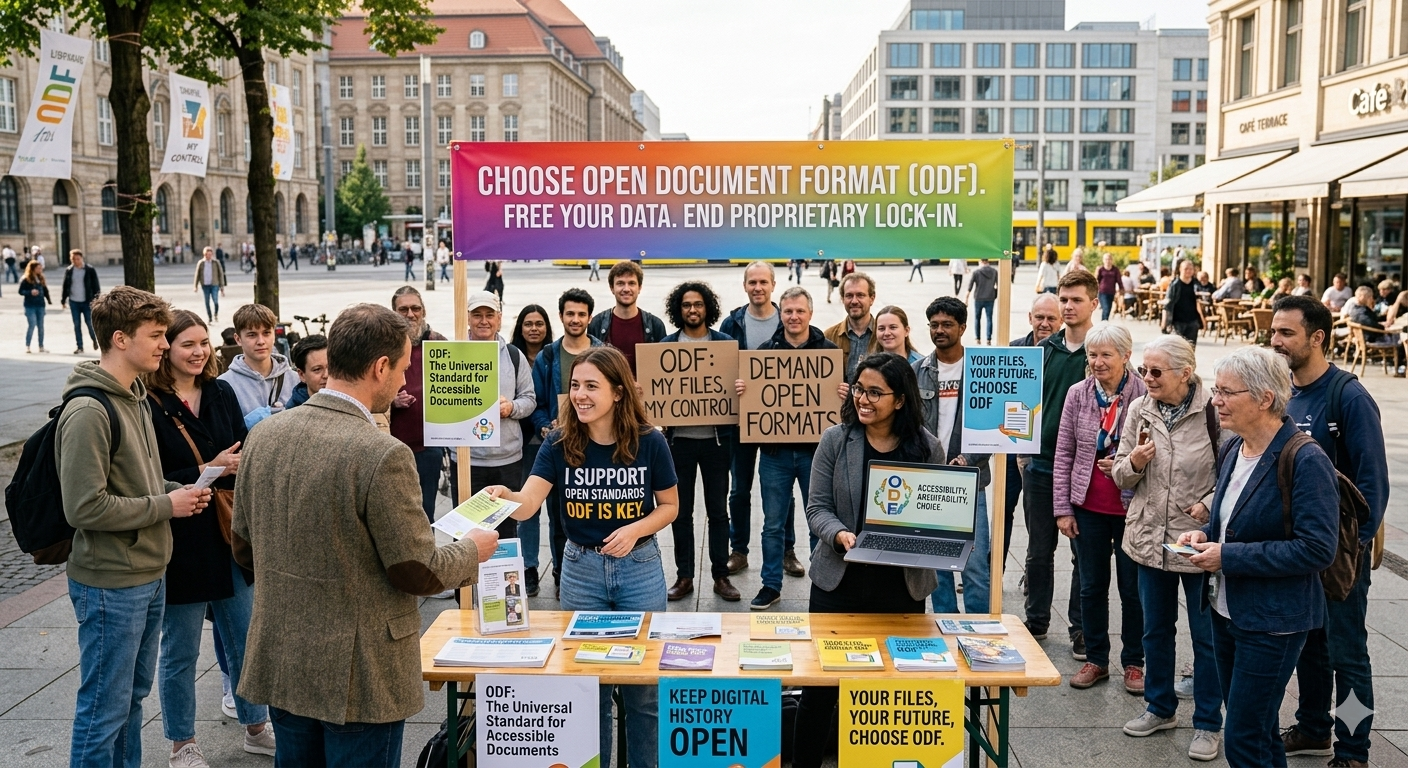
Indeed, given the current geopolitical situation and the push towards digital sovereignty — or independence from major US technology companies — the educational function of LibreOffice and the Open Document Format standard is more important and relevant than ever.

The open-source engine of LibreOffice, known as LibreOffice Technology, is now the only development platform for software solutions — desktop, mobile, or cloud — that can guarantee users true independence from companies and total control over their content, now and forever.

This is all thanks to the principles that have guided The Document Foundation since day one and will continue to provide a reference point for the project’s future evolution.

ODF Toolkit Project Announces Release 0.13.0: Last Release Supporting JDK 11

ODF logo

BERLIN, Germany — The ODF Toolkit community is proud to announce the official release of version 0.13.0. This release marks a significant transition point in the project’s history, representing the last release to support JDK 11, with the project pivoting toward modern Java long-term support (LTS) releases.

Release Highlights: Stability and Modernisation

The 0.13.0 release provides a stable, high-performance foundation for programmatic manipulation of ODF 1.2 documents.

  • Final JDK 11 Support: This is the definitive release for users operating on Java 11 environments.
  • Broad Compatibility: Validated across the Java ecosystem on Windows 10, macOS (Apple Silicon M3), and Ubuntu 24.04 LTS.
  • Automated Deployment: GitHub release artefacts are now built automatically with Temurin JDK, ensuring a transparent, reproducible supply chain.

FOSDEM 2026: Setting the Stage for 1.0.0

Following the release, the project’s core developers met in person at FOSDEM in Brussels, using the opportunity to align on the project’s next major milestone. During the event, the team finalised the roadmap for the upcoming 1.0.0 Release Candidate. Discussions focused on resolving the remaining blocking issues in the toolkit’s code-generation engine, paving the way for a more robust and extensible architecture.

Immediate Future: JDK 17 and Apache Jena 5

The project has already moved its development baseline to JDK 17 for the upcoming version, 0.14.0.

  • Apache Jena 5.6.0: The shift to JDK 17 enables integration with the latest Apache Jena library, significantly enhancing the toolkit’s ability to handle document metadata and RDF.
  • Early Access: A 0.14.0-SNAPSHOT release is now available for developers who want to test these new features.

Expanding the Core Team

The project continues to grow its community of maintainers. Following discussions between Michael Stahl, Oliver Rau, and Svante Schubert, Axel Howitz has been granted commit rights, strengthening the project’s long-term sustainability and development capacity. Axel’s contributions since joining last year have been instrumental in maintaining the project’s momentum toward its 1.0.0 goals.

Availability

The ODF Toolkit 0.13.0 is available via the official project page.

About the ODF Toolkit

The ODF Toolkit is a community-driven, open-source Java library for creating, scanning, and manipulating OpenDocument Format (ODF) files. By providing a lightweight API that operates independently of any office suite, it remains a preferred choice for server-side document automation.

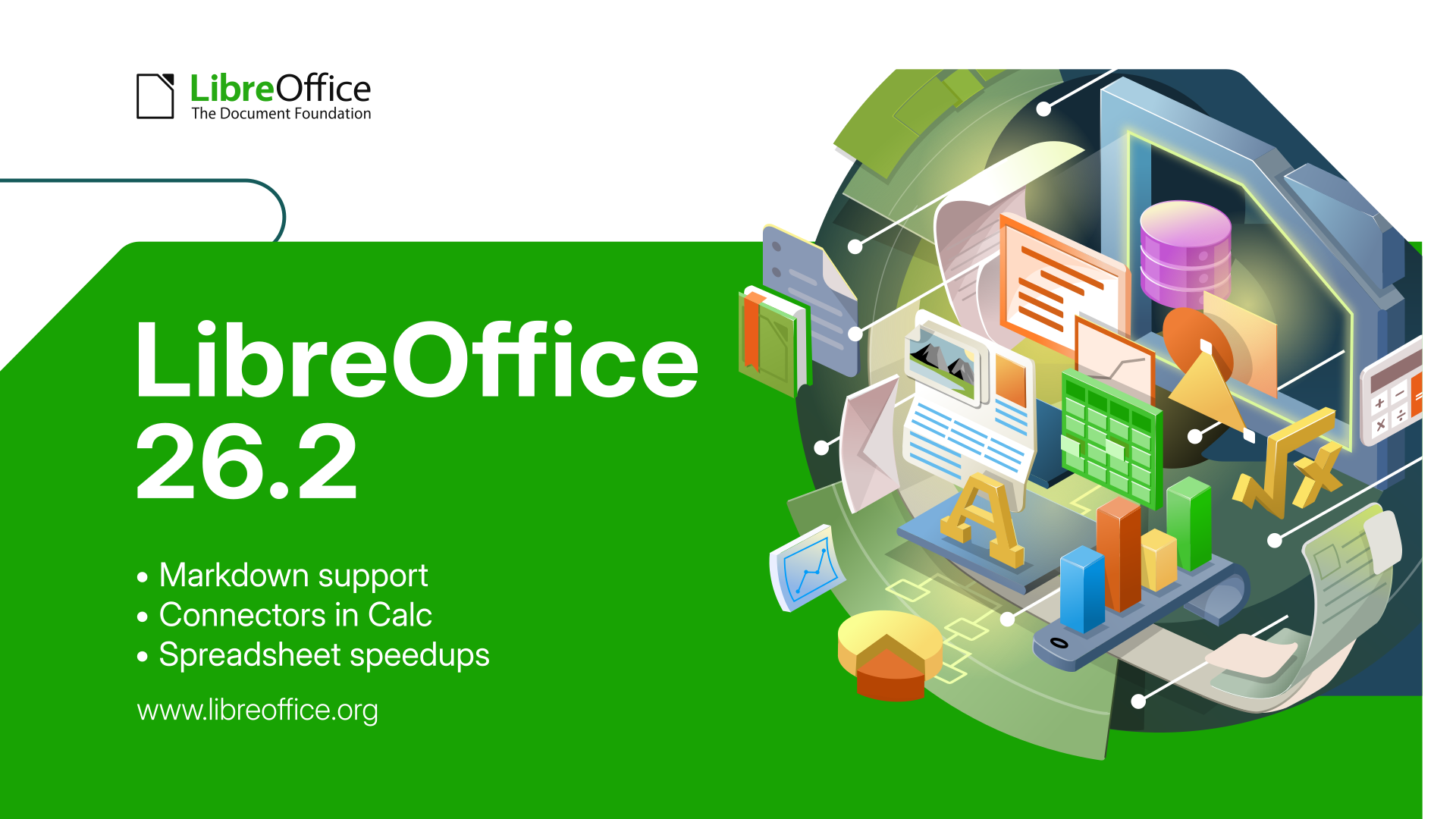
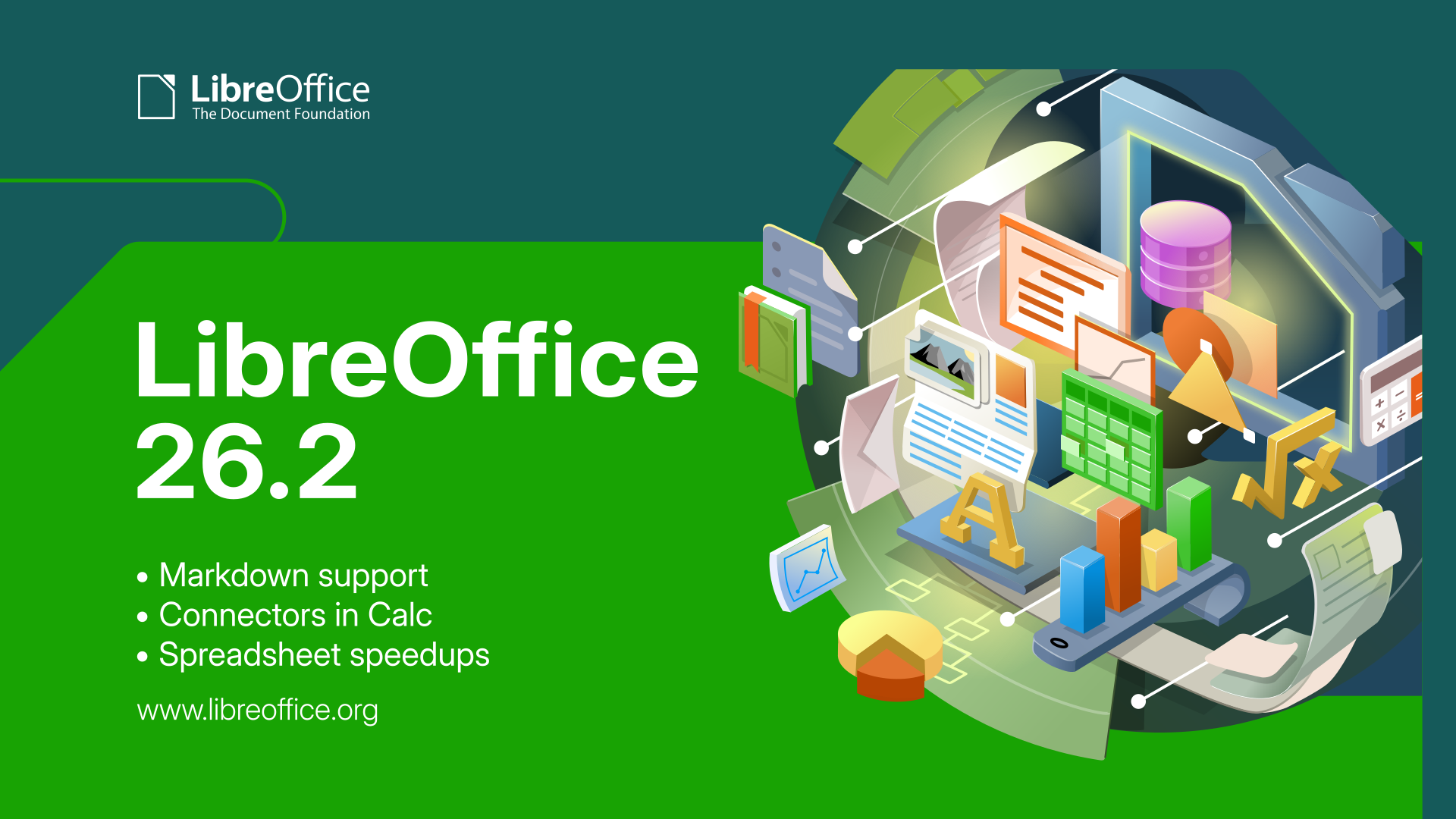
LibreOffice 26.2 is here: a faster, more polished office suite that you control

We’re pleased to announce the release of LibreOffice 26.2, the newest version of the free and open source office suite trusted by millions of users around the world. This release makes it easier than ever for users to create, edit and share documents on their own terms. Designed for individuals and organizations alike, it continues to be a trusted alternative to proprietary office software.

LibreOffice 26.2 is focused on improvements that make a difference in daily work and brings better performance, smoother interaction with complex documents and improved compatibility with files created in other office software. Whether you’re writing reports, managing spreadsheets, or preparing presentations, the experience feels more responsive and reliable.

LibreOffice has always been about giving users control. LibreOffice 26.2 continues that tradition by strengthening support for open document standards, and ensuring long-term access to your files, without subscriptions, license restrictions, or data collection. Your documents stay yours – forever.

Behind this release there is a global community of contributors. Developers, designers, translators, QA testers, and volunteers from around the world worked together to deliver hundreds of fixes and refinements. Their efforts result in a suite that not only adds features, but also improves quality, consistency, and stability, release after release.

What’s New in LibreOffice 26.2

  • Markdown import and export features.
  • Improved performance and responsiveness across the suite, making large documents open, edit, and save more smoothly.
  • Enhanced compatibility with documents created in proprietary and open core office software, reducing formatting issues and surprises.
  • Refined user interface behavior for a cleaner, more consistent experience.
  • Expanded support for open standards, reinforcing long-term access to documents.
  • Hundreds of bug fixes and stability improvements contributed by the global LibreOffice community.

See the Release Notes for the full list of new features.

Florian Effenberger, Executive Director of The Document Foundation, says:

LibreOffice 26.2 shows what happens when software is built around users, not business models, and how open source software can deliver a modern, polished productivity suite without compromising user freedom. This release is about speed, reliability, and giving people control over their documents.

LibreOffice 26.2 is available for Windows, macOS, and Linux, and supports over 120 languages out of the box. It can be used at home, in businesses, schools, and public institutions, with no licensing fees and no vendor lock-in.

You can download LibreOffice 26.2 today from the official LibreOffice website. We invite users to try the new release, share feedback, and join the community helping shape the future of LibreOffice. If they are happy, they can donate to support the independence and the future development of the project.

Downloads: www.libreoffice.org/download

Donations: www.libreoffice.org/donate

About LibreOffice and The Document Foundation

LibreOffice is a free, private and open source office suite used by millions of people, businesses, and public institutions worldwide. It is developed by an international community and supported by The Document Foundation, an independent non-profit organization that promotes open standards, digital sovereignty and user choice.

LibreOffice 26.2 Press Kit: nextcloud.documentfoundation.org/s/eDiocN8Gak6jDKx

Version 1 of TDF Community Bylaws

TDF logo and words Implementation of Community Bylaws

The Document Foundation (TDF) is the non-profit entity behind the LibreOffice project. It collects donations from users, and employs a small team to support and coordinate the worldwide community that makes the software. In TDF there are various bodies including the Board of Directors, Membership Committee, and the Board of Trustees:

Diagram of structure of TDF bodies

These foundation bodies are guided by a set of policies, and as part of recent governance updates, the Board of Directors voted on a Code of Ethics and Fiduciary Duties and Updated Conflict of Interest Policy. Now the Board has voted to Adopt version 1 of the Community Bylaws, based on feedback from the community. The Bylaws…

define the internal organisation, regulations and procedures of The Document Foundation. These regulations interpret, clarify, and extend the Foundation’s Statutes without modifying or replacing their binding rules.

Click here for the full Community Bylaws

Updated Conflict of Interest Policy for TDF’s Board of Directors

TDF logo and words Conflict of Interest Policy

The Document Foundation (TDF) is the non-profit entity behind the LibreOffice project. It collects donations from users, and employs a small team to support and coordinate the worldwide community that makes the software. In TDF there are various bodies including the Board of Directors, Membership Committee, and the Board of Trustees:

Diagram of structure of TDF bodies

These foundation bodies are guided by a set of policies, and now the Board of Directors has voted on an updated Conflict of Interest Policy. The purpose of the policy is to protect any of The Document Foundation’s interests against the risk that derives from overlapping loyalties of a person. See here for the results of the vote.

Click here for the full updated Conflict of Interest Policy